The risk of everlasting consequences if our brains don’t get adequate stimulation in our early years

by Bahar Golipour

What is the earliest memory you have?

Most people can’t remember anything that happened to them or around them in their toddlerhood. The phenomenon, called childhood amnesia, has long puzzled scientists. Some have debated that we forget because the young brain hasn’t fully developed the ability to store memories. Others argue it is because the fast-growing brain is rewiring itself so much that it overwrites what it’s already registered.

New research that appears in Nature Neuroscience this week suggests that those memories are not forgotten. The study shows that when juvenile rats have an experience during this infantile amnesia period, the memory of that experience is not lost. Instead, it is stored as a “latent memory trace” for a long time. If something later reminds them of the original experience, the memory trace reemerges as a full blown, long-lasting memory.

Taking a (rather huge) leap from rats to humans, this could explain how early life experiences that you don’t remember still shape your personality; how growing up in a rich environment makes you a smarter person and how early trauma puts you at higher risk for mental health problems later on.

Scientists don’t know whether we can access those memories. But the new study shows childhood amnesia coincides with a critical time for the brain ― specifically the hippocampus, a seahorse-shaped brain structure crucial for memory and learning. Childhood amnesia corresponds to the time that your brain matures and new experiences fuel the growth of the hippocampus.

In humans, this period occurs before pre-school, likely between the ages 2 and 4. During this time, a child’s brain needs adequate stimulation (mostly from healthy social interactions) so it can better develop the ability to learn.

And not getting enough healthy mental activation during this period may impede the development of a brain’s learning and memory centers in a way that it cannot be compensated later.

“What our findings tell us is that children’s brains need to get enough and healthy activation even before they enter pre-school,” said study leader Cristina Alberini, a professor at New York University’s Center for Neural Science. “Without this, the neurological system runs the risk of not properly developing learning and memory functions.”

The findings may illustrate one mechanism that could in part explain scientific research that shows poverty can shrink children’s brains.

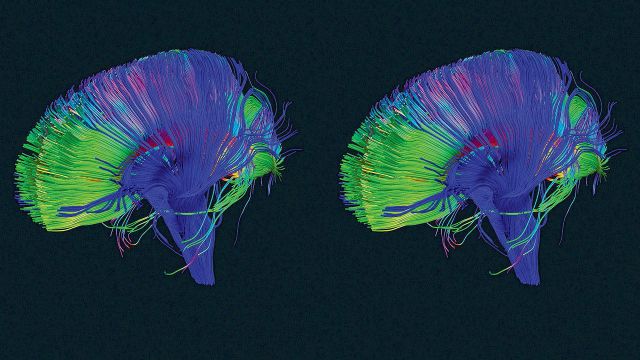
Extensive research spanning decades has shown that low socioeconomic status is linked to problems with cognitive abilities, higher risk for mental health issues and poorer performance in school. In recent years, psychologists and neuroscientists have found that the brain’s anatomy may look different in poor children. Poverty is also linked to smaller brain surface area and smaller volume of the white matter connecting brain areas, as well as smaller hippocampus. And a 2015 study found that the differences in brain development explain up to 20 percent of academic performance gap between children from high- and low-income families.

Critical Periods

For the brain, the first few years of life set the stage for the rest of life.

Even though the nervous system keeps some of its ability to rewire throughout life, several biochemical events that shape its core structure happen only at certain times. During these critical periods of the developmental stages, the brain is acutely sensitive to new sights, sounds, experiences and external stimulation.

Critical periods are best studied in the visual system. In the 1960s, scientists David Hubel and Torsten Wiesel showed that if they close one eye of a kitten from birth for just for a few months, its brain never learns to see properly. The neurons in the visual areas of the brain would lose their ability respond to the deprived eye. Adult cats treated the same way don’t show this effect, which demonstrates the importance of critical periods in brain development for proper functioning. This finding was part of the pioneering work that earned Hubel and Wiesel the 1981 Nobel Prize in Physiology or Medicine.

In the new study in rats, the team shows that a similar critical period may be happening to the hippocampus.

Alberini and her colleagues took a close look at what exactly happens in the brain of rats in their first 17 days of life (equivalent to the first three years of a human’s life). They created a memory for the rodents of a negative experience: every time the animals entered a specific corner of their cage, they received a mildly painful shock to their foot. Young rats, like kids, aren’t great at remembering things that happened to them during their infantile amnesia. So although they avoided that corner right after the shock, they returned to it only a day later. In contrast, a group of older rats retained the memory and avoided this place for a long time.

However, the younger rats, had actually kept a trace of the memory. A reminder (such as another foot shock in another corner) was enough to resurrect the memory and make the animals avoid the first corner of the cage.

Researchers found a cascade of biochemical events in the young rats’ brains that are typically seen in developmental critical periods.

“We were excited to see the same type of mechanism in the hippocampus,” Alberini told The Huffington Post.

The Learning Brain And Its Mysteries

Just like the kittens’ brain needed light from the eyes to learn to see, the hippocampus may need novel experiences to learn to form memories.

“Early in life, while the brain cannot efficiently form long-term memories, it is ‘learning’ how to do so, making it possible to establish the abilities to memorize long-term,” Alberini said. “However, the brain needs stimulation through learning so that it can get in the practice of memory formation―without these experiences, the ability of the neurological system to learn will be impaired.”

This does not mean that you should put your kids in pre-pre-school, Alberini told HuffPost. Rather, it highlights the importance of healthy social interaction, especially with parents, and growing up in an environment rich in stimulation. Most kids in developed countries are already benefiting from this, she said.

But what does this all mean for children who grow up exposed to low levels of environmental stimulation, something more likely in poor families? Does it explain why poverty is linked to smaller brains? Alberini thinks many other factors likely contribute to the link between poverty and brain. But it is possible, she said, that low stimulation during the development of the hippocampus, too, plays a part.

Psychologist Seth Pollak of University of Wisconsin at Madison who has found children raised in poverty show differences in hippocampal development agrees.

Pollak believes the findings of the new study represent “an extremely plausible link between early childhood adversity and later problems.”

“We must always be cautious about generalizing studies of rodents to understanding human children,” Pollas added. “But the nonhuman animal studies, such as this one, provide testable hypotheses about specific mechanisms underlying human behavior.”

Although the link between poverty and cognitive performance has been repeatedly seen in numerous studies, scientists don’t have a good handle on how exactly many related factors unfold inside the developing brain, said Elizabeth Sowell, a researcher from the Children’s Hospital Los Angeles. Studies like this one provide “a lot of food for thought,” she added.

http://www.huffingtonpost.com.au/2016/07/24/the-things-you-dont-remember-shape-who-you-are/

Mystery of what sleep does to our brains may finally be solved

By Clare Wilson

It is one of life’s great enigmas: why do we sleep? Now we have the best evidence yet of what sleep is for – allowing housekeeping processes to take place that stop our brains becoming overloaded with new memories.

All animals studied so far have been found to sleep, but the reason for their slumber has eluded us. When lab rats are deprived of sleep, they die within a month, and when people go for a few days without sleeping, they start to hallucinate and may have epileptic seizures.

One idea is that sleep helps us consolidate new memories, as people do better in tests if they get a chance to sleep after learning. We know that, while awake, fresh memories are recorded by reinforcing connections between brain cells, but the memory processes that take place while we sleep have remained unclear.

Support is growing for a theory that sleep evolved so that connections in the brain can be pruned down during slumber, making room for fresh memories to form the next day. “Sleep is the price we pay for learning,” says Giulio Tononi of the University of Wisconsin-Madison, who developed the idea.

Now we have the most direct evidence yet that he’s right. Tononi’s team measured the size of these connections or synapses in brain slices taken from mice. The synapses in samples taken at the end of a period of sleep were 18 per cent smaller than those in samples taken from before sleep, showing that the synapses between neurons are weakened during slumber.

A good night’s sleep

Tononi announced these findings at the Federation of European Neuroscience Societies meeting in Copenhagen, Denmark, last week. “The data was very solid and well documented,” says Maiken Nedergaard of the University of Rochester, who attended the conference.

“It’s an extremely elegant idea,” says Vladyslav Vyazovskiy of the University of Oxford

If the housekeeping theory is right, it would explain why, when we miss a night’s sleep, the next day we find it harder to concentrate and learn new information – we may have less capacity to encode new experiences. The finding suggests that, as well as it being important to get a good night’s sleep after learning something, we should also try to sleep well the night before.

It could also explain why, if our sleep is interrupted, we feel less refreshed the next day. There is some indirect evidence that deep, slow-wave sleep is best for pruning back synapses, and it takes time for our brains to reach this level of unconsciousness.

Waking refreshed

Previous evidence has also supported the housekeeping theory. For instance, EEG recordings show that the human brain is less electrically responsive at the start of the day – after a good night’s sleep – than at the end, suggesting that the connections may be weaker. And in rats, the levels of a molecule called the AMPA receptor – which is involved in the functioning of synapses – are lower at the start of their wake periods.

The latest brain-slice findings that synapses get smaller is the most direct evidence yet that the housekeeping theory is right, says Vyazovskiy. “Structural evidence is very important,” he says. “That’s much less affected by other confounding factors.”

Protecting what matters

Getting this data was a Herculean task, says Tononi. They collected tiny chunks of brain tissue, sliced it into ultrathin sections and used these to create 3D models of the brain tissue to identify the synapses. As there were nearly 7000 synapses, it took seven researchers four years.

The team did not know which mouse was which until last month, says Tononi, when they broke the identification code, and found their theory stood up.

“People had been working for years to count these things. You start having stress about whether it’s really possible for all these synapses to start getting fatter and then thin again,” says Tononi.

The team also discovered that some synapses seem to be protected – the biggest fifth stayed the same size. It’s as if the brain is preserving its most important memories, says Tononi. “You keep what matters.”

https://www.newscientist.com/article/2096921-mystery-of-what-sleep-does-to-our-brains-may-finally-be-solved/

Will machines one day control our decisions?

New research suggests it’s possible to detect when our brain is making a decision and nudge it to make the healthier choice.

In recording moment-to-moment deliberations by macaque monkeys over which option is likely to yield the most fruit juice, scientists have captured the dynamics of decision-making down to millisecond changes in neurons in the brain’s orbitofrontal cortex.

“If we can measure a decision in real time, we can potentially also manipulate it,” says senior author Jonathan Wallis, a neuroscientist and professor of psychology at the University of California, Berkeley. “For example, a device could be created that detects when an addict is about to choose a drug and instead bias their brain activity towards a healthier choice.”

Located behind the eyes, the orbitofrontal cortex plays a key role in decision-making and, when damaged, can lead to poor choices and impulsivity.

While previous studies have linked activity in the orbitofrontal cortex to making final decisions, this is the first to track the neural changes that occur during deliberations between different options.

“We can now see a decision unfold in real time and make predictions about choices,” Wallis says.

Measuring the signals from electrodes implanted in the monkeys’ brains, researchers tracked the primates’ neural activity as they weighed the pros and cons of images that delivered different amounts of juice.

A computational algorithm tracked the monkeys’ orbitofrontal activity as they looked from one image to another, determining which picture would yield the greater reward. The shifting brain patterns enabled researchers to predict which image the monkey would settle on.

For the experiment, they presented a monkey with a series of four different images of abstract shapes, each of which delivered to the monkey a different amount of juice. They used a pattern-recognition algorithm known as linear discriminant analysis to identify, from the pattern of neural activity, which picture the monkey was looking at.

Next, they presented the monkey with two of those same images, and watched the neural patterns switch back and forth to the point where the researchers could predict which image the monkey would choose based on the length of time that the monkey stared at the picture.

The more the monkey needed to think about the options, particularly when there was not much difference between the amounts of juice offered, the more the neural patterns would switch back and forth.

“Now that we can see when the brain is considering a particular choice, we could potentially use that signal to electrically stimulate the neural circuits involved in the decision and change the final choice,” Wallis says.

Erin Rich, a researcher at the Helen Wills Neuroscience Institute, is lead author of the study published in the journal Nature Neuroscience. The National Institute on Drug Abuse and the National Institute of Mental Health funded the work.

http://www.futurity.org/brains-decisions-1181542/

Brain activity differs between men and women when cooperating


When it comes to social behavior, there are clear differences between men and women, and a new study suggests cooperation with others is no exception.

Written by Honor Whiteman

Published in the journal Scientific Reports, the study reveals that men and women show significant differences in brain activity when working with others in order to complete a task.

The research team – co-led by Joseph Baker, Ph.D., a postdoctoral fellow at Stanford University School of Medicine – says the findings may shed light on the evolutionary differences in cooperation between men and women.

Additionally, they could help inform new strategies to enhance cooperation, which could prove useful for people with disorders that affect social behavior, such as autism.

This latest study is not the first to identify sex differences in cooperation – defined as “a situation in which people work together to do something.”

For example, previous research has shown that a pair of men tend to cooperate better than a pair of women. In mixed-sex pairs, however, women tend to cooperate better than men.

While a number of theories have been put forward to explain these differences, Baker and colleagues note that there is limited data on the neurological processes at play.


The cooperation task

To further investigate, the team enrolled 222 participants – of whom 110 were female – and assigned each of them a partner.

Each pair was made up of either two males, two females, or one male and one female.

The pairs were required to engage in a cooperation task, in which each partner sat in front of a computer opposite from one another. Each partner could see the other, but they were instructed not to talk.

Each individual was instructed to press a button when a circle on their computer screen changed color; their goal was to try and press the button at the same time as their partner.

The pairs were given 40 tries to get the timing of their button presses as close to each other as possible, and after each try, they were told which partner had pressed the button first.

During the task, the researchers recorded the brain activity of each participant simultaneously using hyperscanning and functional near-infrared spectroscopy (fNIRS).

“We developed this test because it was simple, and you could easily record responses,” notes senior study author Dr. Allan Reiss, professor of psychiatry and behavioral sciences and psychology at Stanford.

No ‘interbrain coherence’ when opposite-sex pairs cooperate

Overall, the team found that, compared with female-female pairs, male-male pairs were better at timing their button pushes more closely.

From the brain imaging results, however, the researchers noticed that both partners in each of the same-sex pairs had highly synchronized brain activity during the task – representing greater “interbrain coherence.”

“Within same-sex pairs, increased coherence was correlated with better performance on the cooperation task,” says Baker. “However, the location of coherence differed between male-male and female-female pairs.”

Interestingly, the cooperation performance of male-female pairs was just as good as that of male-male pairs, though opposite-sex pairs showed no evidence of interbrain coherence.

“It’s not that either males or females are better at cooperating or can’t cooperate with each other. Rather, there’s just a difference in how they’re cooperating.” – Dr. Allan Reiss

Baker cautions that their study is “pretty exploratory,” noting that it does not look at all forms of cooperation.

What is more, the researchers did not assess activity in all regions of participants’ brains, and they note that it is possible interbrain coherence in opposite-sex pairs arose in these unmeasured areas.

Still, they believe their findings may help researchers learn more about how cooperation has evolved differently between men and women, and they may even lead to new ways to boost cooperation, which could have clinical implications.

“There are people with disorders like autism who have problems with social cognition,” says Baker. “We’re absolutely hoping to learn enough information so that we might be able to design more effective therapies for them.”

http://www.medicalnewstoday.com/articles/310879.php

Fountain of youth? Dietary supplement may prevent and reverse severe damage to aging brain, research suggests


Jennifer Lemon, Research Associate, Department of Biology, McMaster University. A dietary supplement containing a blend of thirty vitamins and minerals–all natural ingredients widely available in health food stores–has shown remarkable anti-aging properties that can prevent and even reverse massive brain cell loss, according to new research. It’s a mixture scientists believe could someday slow the progress of catastrophic neurological diseases such as Alzheimer’s, ALS and Parkinson’s.

A dietary supplement containing a blend of thirty vitamins and minerals — all natural ingredients widely available in health food stores — has shown remarkable anti-aging properties that can prevent and even reverse massive brain cell loss, according to new research from McMaster University.

It’s a mixture scientists believe could someday slow the progress of catastrophic neurological diseases such as Alzheimer’s, ALS and Parkinson’s.

“The findings are dramatic,” says Jennifer Lemon, research associate in the Department of Biology and a lead author of the study. “Our hope is that this supplement could offset some very serious illnesses and ultimately improve quality of life.”

The formula, which contains common ingredients such as vitamins B, C and D, folic acid, green tea extract, cod liver oil and other nutraceuticals, was first designed by scientists in McMaster’s Department of Biology in 2000.

A series of studies published over the last decade and a half have shown its benefits in mice, in both normal mice and those specifically bred for such research because they age rapidly, experiencing dramatic declines in cognitive and motor function in a matter of months.

The mice used in this study had widespread loss of more than half of their brain cells, severely impacting multiple regions of the brain by one year of age, the human equivalent of severe Alzheimer’s disease.

The mice were fed the supplement on small pieces of bagel each day over the course of several months. Over time, researchers found that it completely eliminated the severe brain cell loss and abolished cognitive decline.

“The research suggests that there is tremendous potential with this supplement to help people who are suffering from some catastrophic neurological diseases,” says Lemon, who conducted the work with co-author Vadim Aksenov, a post-doctoral fellow in the Department of Biology at McMaster.

“We know this because mice experience the same basic cell mechanisms that contribute to neurodegeneration that humans do. All species, in fact. There is a commonality among us all.”

In addition to looking at the major markers of aging, they also discovered that the mice on the supplements experienced enhancement in vision and most remarkably in the sense of smell — the loss of which is often associated with neurological disease — improved balance and motor activity.

The next step in the research is to test the supplement on humans, likely within the next two years, and target those who are dealing with neurodegenerative diseases. The research is published online in the journal Environmental and Molecular Mutagenesis.

Journal Reference:
1.J.A. Lemon, V. Aksenov, R. Samigullina, S. Aksenov, W.H. Rodgers, C.D. Rollo, D.R. Boreham. A multi-ingredient dietary supplement abolishes large-scale brain cell loss, improves sensory function, and prevents neuronal atrophy in aging mice. Environmental and Molecular Mutagenesis, 2016; DOI: 10.1002/em.22019

https://www.sciencedaily.com/releases/2016/06/160602095204.htm

The interesting way that your brain makes space to build new and stronger connections so you can learn more

There’s an old saying in neuroscience: neurons that fire together wire together. This means the more you run a neuro-circuit in your brain, the stronger that circuit becomes. This is why, to quote another old saw, practice makes perfect. The more you practice piano, or speaking a language, or juggling, the stronger those circuits get.

For years this has been the focus for learning new things. But as it turns out, the ability to learn is about more than building and strengthening neural connections. Even more important is our ability to break down the old ones. It’s called “synaptic pruning.” Here’s how it works.

Imagine your brain is a garden, except instead of growing flowers, fruits, and vegetables, you grow synaptic connections between neurons. These are the connections that neurotransmitters like dopamine, seratonin, and others travel across.

“Glial cells” are the gardeners of your brain—they act to speed up signals between certain neurons. But other glial cells are the waste removers, pulling up weeds, killing pests, raking up dead leaves. Your brain’s pruning gardeners are called “microglial cells.” They prune your synaptic connections. The question is, how do they know which ones to prune?

Researchers are just starting to unravel this mystery, but what they do know is the synaptic connections that get used less get marked by a protein, C1q (as well as others). When the microglial cells detect that mark, they bond to the protein and destroy—or prune—the synapse.

This is how your brain makes the physical space for you to build new and stronger connections so you can learn more.

Have you ever felt like your brain is full? Maybe when starting a new job, or deep in a project. You’re not sleeping enough, even though you’re constantly taking in new information. Well, in a way, your brain actually is full

When you learn lots of new things, your brain builds connections, but they’re inefficient, ad hoc connections. Your brain needs to prune a lot of those connections away and build more streamlined, efficient pathways. It does that when we sleep.

Your brain cleans itself out when you sleep—your brain cells shrinking by up to 60% to create space for your glial gardeners to come in take away the waste and prune the synapses.

Have you ever woken up from a good night’s rest and been able to think clearly and quickly? That’s because all the pruning and pathway-efficiency that took place overnight has left you with lots of room to take in and synthesize new information—in other words, to learn.

This is the same reason naps are so beneficial to your cognitive abilities. A 10- or 20-minute nap gives your microglial gardeners the chance to come in, clear away some unused connections, and leave space to grow new ones.

Thinking with a sleep-deprived brain is like hacking your way through a dense jungle with a machete. It’s overgrown, slow-going, exhausting. The paths overlap, and light can’t get through. Thinking on a well-rested brain is like wandering happily through Central Park; the paths are clear and connect to one another at distinct spots, the trees are in place, you can see far ahead of you. It’s invigorating.

And in fact, you actually have some control over what your brain decides to delete while you sleep. It’s the synaptic connections you don’t use that get marked for recycling. The ones you do use are the ones that get watered and oxygenated. So be mindful of what you’re thinking about.

If you spend too much time reading theories about the end of Game of Thrones and very little on your job, guess which synapses are going to get marked for recycling?

If you’re in a fight with someone at work and devote your time to thinking about how to get even with them, and not about that big project, you’re going to wind up a synaptic superstar at revenge plots but a poor innovator.

To take advantage of your brain’s natural gardening system, simply think about the things that are important to you. Your gardeners will strengthen those connections and prune the ones that you care about less. It’s how you help the garden of your brain flower.

http://www.fastcompany.com/3059634/your-most-productive-self/your-brain-has-a-delete-button-heres-how-to-use-it

New study may explain gene’s role in major psychiatric disorders

A new study shows the death of newborn brain cells may be linked to a genetic risk factor for five major psychiatric diseases, and at the same time shows a compound currently being developed for use in humans may have therapeutic value for these diseases by preventing the cells from dying.

In 2013, the largest genetic study of psychiatric illness to date implicated mutations in the gene called CACNA1C as a risk factor in five major forms of neuropsychiatric disease — schizophrenia, major depression, bipolar disorder, autism, and attention deficit hyperactivity disorder (ADHD). All the conditions also share the common clinical feature of high anxiety. By recognizing an overlap between several lines of research, scientists at the University of Iowa and Weill Cornell Medicine of Cornell University have now discovered a new and unexpected role for CACNA1C that may explain its association with these neuropsychiatric diseases and provide a new therapeutic target.

The new study, recently published in eNeuro, shows that loss of the CACNA1C gene from the forebrain of mice results in decreased survival of newborn neurons in the hippocampus, one of only two regions in the adult brain where new neurons are continually produced – a process known as neurogenesis. Death of these hippocampal neurons has been linked to a number of psychiatric conditions, including schizophrenia, depression, and anxiety.

“We have identified a new function for one of the most important genes in psychiatric illness,” says Andrew Pieper, MD, PhD, co-senior author of the study, professor of psychiatry at the UI Carver College of Medicine and a member of the Pappajohn Biomedical Institute at the UI. “It mediates survival of newborn neurons in the hippocampus, part of the brain that is important in learning and memory, mood and anxiety.”

Moreover, the scientists were able to restore normal neurogenesis in mice lacking the CACNA1C gene using a neuroprotective compound called P7C3-A20, which Pieper’s group discovered and which is currently under development as a potential therapy for neurodegenerative diseases. The finding suggests that the P7C3 compounds may also be of interest as potential therapies for these neuropsychiatric conditions, which affect millions of people worldwide and which often are difficult to treat.

Pieper’s co-lead author, Anjali Rajadhyaksha, associate professor of neuroscience in Pediatrics and the Feil Family Brain and Mind Research Institute at Weill Cornell Medicine and director of the Weill Cornell Autism Research Program, studies the role of the Cav1.2 calcium channel encoded by the CACNA1C gene in reward pathways affected in various neuropsychiatric disorders.

“Genetic risk factors that can disrupt the development and function of brain circuits are believed to contribute to multiple neuropsychiatric disorders. Adult newborn neurons may serve a role in fine-tuning rewarding and environmental experiences, including social cognition, which are disrupted in disorders such as schizophrenia and autism spectrum disorders,” Rajadhyaksha says. “The findings of this study provide a direct link between the CACNA1C risk gene and a key cellular deficit, providing a clue into the potential neurobiological basis of CACNA1C-linked disease symptoms.”

Several years ago, Rajadhyaksha and Pieper created genetically altered mice that are missing the CACNA1C gene in the forebrain. The team discovered that the animals have very high anxiety.

“That was an exciting finding, because all of the neuropsychiatric diseases in which this gene is implicated are associated with symptoms of anxiety,” says Pieper who also holds appointments in the UI Departments of Neurology, Radiation Oncology, Molecular Physiology and Biophysics, the Holden Comprehensive Cancer Center, and the Iowa City VA Health Care System.

By studying neurogenesis in the mice, the research team has now shown that loss of the CACNA1C gene from the forebrain decreases the survival of newborn neurons in the hippocampus – only about half as many hippocampal neurons survive in mice without the gene compared to normal mice. Loss of CACNA1C also reduces production of BDNF, an important brain growth factor that supports neurogenesis.

The findings suggest that loss of the CACNA1C gene disrupts neurogenesis in the hippocampus by lowering the production of BDNF.

Pieper had previously shown that the “P7C3-class” of neuroprotective compounds bolsters neurogenesis in the hippocampus by protecting newborn neurons from cell death. When the team gave the P7C3-A20 compound to mice lacking the CACNA1C gene, neurogenesis was restored back to normal levels. Notably, the cells were protected despite the fact that BDNF levels remained abnormally low, demonstrating that P7C3-A20 bypasses the BDNF deficit and independently rescues hippocampal neurogenesis.

Pieper indicated the next step would be to determine if the P7C3-A20 compound could also ameliorate the anxiety symptoms in the mice. If that proves to be true, it would strengthen the idea that drugs based on this compound might be helpful in treating patients with major forms of psychiatric disease.

“CACNA1C is probably the most important genetic finding in psychiatry. It probably influences a number of psychiatric disorders, most convincingly, bipolar disorder and schizophrenia,” says Jimmy Potash, MD, professor and DEO of psychiatry at the UI who was not involved in the study. “Understanding how these genetic effects are manifested in the brain is among the most exciting challenges in psychiatric neuroscience right now.”

http://www.news-medical.net/news/20160427/Study-reveals-new-function-for-CACNA1C-gene-in-psychiatric-diseases.aspx

Scientists discover key brain cells that control eating portion size

111064_web

While researching the brain’s learning and memory system, scientists at Johns Hopkins say they stumbled upon a new type of nerve cell that seems to control feeding behaviors in mice. The finding, they report, adds significant detail to the way brains tell animals when to stop eating and, if confirmed in humans, could lead to new tools for fighting obesity. Details of the study were published by the journal Science today.

“When the type of brain cell we discovered fires and sends off signals, our laboratory mice stop eating soon after,” says Richard Huganir, Ph.D., director of the Department of Neuroscience at the Johns Hopkins University School of Medicine. “The signals seem to tell the mice they’ve had enough.”

Huganir says his team’s discovery grew out of studies of the proteins that strengthen and weaken the intersections, or synapses, between brain cells. These are an important target of research because synapse strength, particularly among cells in the hippocampus and cortex of the brain, is important in learning and memory.

In a search for details about synapse strength, Huganir and graduate student Olof Lagerlöf, M.D., focused on the enzyme OGT — a biological catalyst involved in many bodily functions, including insulin use and sugar chemistry. The enzyme’s job is to add a molecule called N-acetylglucosamine (GlcNAc), a derivative of glucose, to proteins, a phenomenon first discovered in 1984 by Gerald Hart, Ph.D., director of the Johns Hopkins University School of Medicine’s Department of Biological Chemistry and co-leader of the current study. By adding GlcNAc molecules, OGT alters the proteins’ behavior.

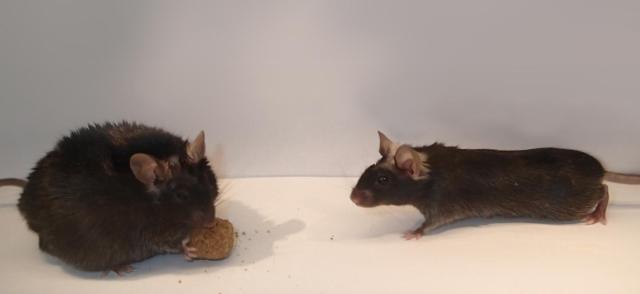
To learn about OGT’s role in the brain, Lagerlöf deleted the gene that codes for it from the primary nerve cells of the hippocampus and cortex in adult mice. Even before he looked directly at the impact of the deletion in the rodents’ brains, Lagerlöf reports, he noticed that the mice doubled in weight in just three weeks. It turned out that fat buildup, not muscle mass, was responsible.

When the team monitored the feeding patterns of the mice, they found that those missing OGT ate the same number of meals — on average, 18 a day — as their normal littermates but tarried over the food longer and ate more calories at each meal. When their food intake was restricted to that of a normal lab diet, they no longer gained extra weight, suggesting that the absence of OGT interfered with the animals’ ability to sense when they were full.

“These mice don’t understand that they’ve had enough food, so they keep eating,” says Lagerlöf.

Because the hippocampus and cortex are not known to directly regulate feeding behaviors in rodents or other mammals, the researchers looked for changes elsewhere in the brain, particularly in the hypothalamus, which is known to control body temperature, feeding, sleep and metabolism. There, they found OGT missing from a small subset of nerve cells within a cluster of neurons called the paraventricular nucleus.

Lagerlöf says these cells already were known to send and receive multiple signals related to appetite and food intake. When he looked for changes in the levels of those factors that might be traced to the absence of OGT, he found that most of them were not affected, and the activity of the appetite signals that many other research groups have focused on didn’t seem to be causing the weight gain, he adds.

Next, the team examined the chemical and biological activity of the OGT-negative cells. By measuring the background electrical activity in nonfiring brain cells, the researchers estimated the number of incoming synapses on the cells and found that they were three times as few, compared to normal cells.

“That result suggests that, in these cells, OGT helps maintain synapses,” says Huganir. “The number of synapses on these cells was so low that they probably aren’t receiving enough input to fire. In turn, that suggests that these cells are responsible for sending the message to stop eating.”

To verify this idea, the researchers genetically manipulated the cells in the paraventricular nucleus so that they would add blue light-sensitive proteins to their membranes. When they stimulated the cells with a beam of blue light, the cells fired and sent signals to other parts of the brain, and the mice decreased the amount they ate in a day by about 25 percent.

Finally, because glucose is needed to produce GlcNAc, they thought that glucose levels, which increase after meals, might affect the activity of OGT. Indeed, they found that if they added glucose to nerve cells in petri dishes, the level of proteins with the GlcNAc addition increased in proportion to the amount of glucose in the dishes. And when they looked at cells in the paraventricular nucleus of mice that hadn’t eaten in a while, they saw low levels of GlcNAc-decorated proteins.

“There are still many things about this system that we don’t know,” says Lagerlöf, “but we think that glucose works with OGT in these cells to control ‘portion size’ for the mice. We believe we have found a new receiver of information that directly affects brain activity and feeding behavior, and if our findings bear out in other animals, including people, they may advance the search for drugs or other means of controlling appetites.”

http://www.eurekalert.org/pub_releases/2016-03/jhm-pcc031416.php

“Joke Addiction” As A Neurological Symptom

In a new paper, neurologists Elias D. Granadillo and Mario F. Mendez describe two patients in whom brain disorders led to an unusual symptom: “intractable joking.”

Patient #1 was

A 69-year-old right-handed man presented for a neuropsychiatric evaluation because of a 5-year history of compulsive joking… On interview, the patient reported feeling generally joyful, but his compulsive need to make jokes and create humor had become an issue of contention with his wife. He would wake her up in the middle of the night bursting out in laughter, just to tell her about the jokes he had come up with. At the request of his wife, he started writing down these jokes as a way to avoid waking her. As a result, he brought to our office approximately 50 pages filled with his jokes.

Granadillo and Mendez quote some of the patient’s gags:

Q: What is a pill-popping sexual molester guilty of? A: Rape and pillage.
Q: What did the proctologist say to his therapist? A: All day long I am dealing with assholes.

Went to the Department of Motor Vehicles to get my driver’s license. They gave me an eye exam and here is what they said:
ABCDEFG, HIJKMNLOP, QRS, TUV, WXY and Z; now I know my ABC’s, can I have my license please?

The man’s comedic compulsion was attributed to a stroke, which had damaged part of his left caudate nucleus, although an earlier lesion to the right frontal cortex, caused by a subarachnoid hemorrhage, may have contributed to the pathological punning. Granadillo and Mendez say that a series of medications, including antidepressants, had little impact on his “compulsive need to constantly make and tell jokes.”

Patient #2 was a 57-year old man, who had become “a jokester”, a transformation that had occurred gradually, over a three period. At the same time, the man became excessively forward and disinhibited, making inappropriate actions and remarks. He eventually lost his job after asking “Who the hell chose this God-awful place?”

The patient constantly told jokes and couldn’t stop laughing at them. However, he did not seem to find other people’s jokes funny at all.

The man’s case, however, came to a sad end. His behavior continued to deteriorate and he developed symptoms of Parkinson’s. He died several years later. The diagnosis was Pick’s disease, a rare form of dementia. A post mortem revealed widespread neurodegeneration: “frontotemporal atrophy, severe in the frontal lobes and moderate in the temporal lobes, affecting the right side more than the left” was noted.

Neuroskeptic
« The Myth of “Mind-Altering Parasite” Toxoplasma Gondii?
“Joke Addiction” As A Neurological Symptom
By Neuroskeptic | February 28, 2016 5:51 am
26
In a new paper, neurologists Elias D. Granadillo and Mario F. Mendez describe two patients in whom brain disorders led to an unusual symptom: “intractable joking.”

Patient #1 was

A 69-year-old right-handed man presented for a neuropsychiatric evaluation because of a 5-year history of compulsive joking… On interview, the patient reported feeling generally joyful, but his compulsive need to make jokes and create humor had become an issue of contention with his wife. He would wake her up in the middle of the night bursting out in laughter, just to tell her about the jokes he had come up with. At the request of his wife, he started writing down these jokes as a way to avoid waking her. As a result, he brought to our office approximately 50 pages filled with his jokes.

Granadillo and Mendez quote some of the patient’s gags:

Q: What is a pill-popping sexual molester guilty of? A: Rape and pillage.
Q: What did the proctologist say to his therapist? A: All day long I am dealing with assholes.

Went to the Department of Motor Vehicles to get my driver’s license. They gave me an eye exam and here is what they said:
ABCDEFG, HIJKMNLOP, QRS, TUV, WXY and Z; now I know my ABC’s, can I have my license please?

The man’s comedic compulsion was attributed to a stroke, which had damaged part of his left caudate nucleus, although an earlier lesion to the right frontal cortex, caused by a subarachnoid hemorrhage, may have contributed to the pathological punning. Granadillo and Mendez say that a series of medications, including antidepressants, had little impact on his “compulsive need to constantly make and tell jokes.”

granadillo_mendez

Patient #2 was a 57-year old man, who had become “a jokester”, a transformation that had occurred gradually, over a three period. At the same time, the man became excessively forward and disinhibited, making inappropriate actions and remarks. He eventually lost his job after asking “Who the hell chose this God-awful place?”

The patient constantly told jokes and couldn’t stop laughing at them. However, he did not seem to find other people’s jokes funny at all.

The man’s case, however, came to a sad end. His behavior continued to deteriorate and he developed symptoms of Parkinson’s. He died several years later. The diagnosis was Pick’s disease, a rare form of dementia. A post mortem revealed widespread neurodegeneration: “frontotemporal atrophy, severe in the frontal lobes and moderate in the temporal lobes, affecting the right side more than the left” was noted.

The authors say that both of these patients displayed Witzelsucht, a German term literally meaning ‘joke addiction’. Several cases have been reported in the neurological literature, often associated with damage to the right hemisphere of the brain. Witzelsucht should be distinguished from ‘pathological laughter‘, in which patients start laughing ‘out of the blue’ and the laughter is incongruent with their “mood and emotional experience.” In Witzelsucht, the laughter is genuine: patients really do find their own jokes funny, although they often fail to appreciate those of others.

Granadillo ED, & Mendez MF (2016). Pathological Joking or Witzelsucht Revisited. The Journal of Neuropsychiatry and Clinical Neurosciences PMID: 26900737

Region of the brain that responds specifically to music identified.

M.I.T. researchers Nancy Kanwisher, Josh H. McDermott and Sam Norman-Haignere have uncovered specific parts of the brain that are activated primarily by music — and not, say, human speech or ambient sound.

In fact, according to the findings they published in the journal Neuron, the circuits that “light up” to different kinds of sound are located in completely different parts of the auditory cortex.

n unpacking this groundbreaking study, M.I.T. News explains that by utilizing a new method working with functional magnetic resonance imaging (fMRI), the researchers were able to identify six different neural population response patterns in 10 human subjects who were each played 165 sound clips. In summary, “one population responded most to music, another to speech, and the other four to different acoustic properties such as pitch and frequency.”

Dr. Horman-Haignere, the lead author of the findings, told the New York Times that, “the sound of a solo drummer, whistling, pop songs, rap, almost everything that has a musical quality to it, melodic or rhythmic” would activate the part of the auditory cortex called the sulcus, or major crevice.

Josef Rauschecker, director of the Laboratory of Integrative Neuroscience and Cognition at Georgetown University, praised the study, noting that “the idea that the brain gives specialized treatment to music recognition, that it regards music as fundamental a category as speech, is very exciting to me.

“There are theories that music is older than speech or language,” he added. “Some even argue that speech evolved from music.”

Though it’s still unclear what particular features of music are lighting up that part of the brain, the study proves something that we suspected all along: though we may not know how to describe what good music is, our bodies certainly know it when they hear it.

http://www.billboard.com/articles/news/6873880/music-brain-effect-scientists-mit-study