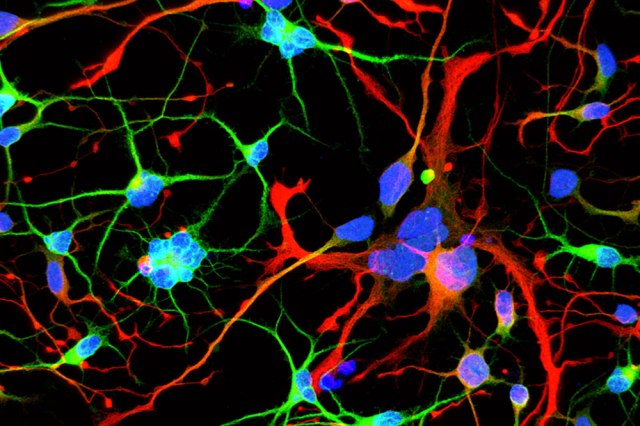
Biomaterial developed at UCLA helps regrow brain tissue after stroke in mice

by Leigh Hopper

Tnew stroke-healing gel created by UCLA researchers helped regrow neurons and blood vessels in mice whose brains had been damaged by strokes. The finding is reported May 21 in Nature Materials.

“We tested this in laboratory mice to determine if it would repair the brain and lead to recovery in a model of stroke,” said Dr. S. Thomas Carmichael, professor of neurology at the David Geffen School of Medicine at UCLA. “The study indicated that new brain tissue can be regenerated in what was previously just an inactive brain scar after stroke.”

The results suggest that such an approach could some day be used to treat people who have had a stroke, said Tatiana Segura, a former professor of chemical and biomolecular engineering at UCLA who collaborated on the research. Segura is now a professor at Duke University.

The brain has a limited capacity for recovery after stroke. Unlike the liver, skin and some other organs, the brain does not regenerate new connections, blood vessels or tissue structures after it is damaged. Instead, dead brain tissue is absorbed, which leaves a cavity devoid of blood vessels, neurons or axons — the thin nerve fibers that project from neurons.

To see if healthy tissue surrounding the cavity could be coaxed into healing the stroke injury, Segura engineered a hydrogel that, when injected into the cavity, thickens to create a scaffolding into which blood vessels and neurons can grow. The gel is infused with medications that stimulate blood vessel growth and suppress inflammation, since inflammation results in scars and impedes functional tissue from regrowing.

After 16 weeks, the stroke cavities contained regenerated brain tissue, including new neuronal connections — a result that had not been seen before. The mice’s ability to reach for food improved, a sign of improved motor behavior, although the exact mechanism for the improvement wasn’t clear.

“The new axons could actually be working,” Segura said. “Or the new tissue could be improving the performance of the surrounding, unharmed brain tissue.”

The gel was eventually absorbed by the body, leaving behind only new tissue.

The research was designed to explore recovery in acute stroke, the period immediately following a stroke — in mice, that period lasts five days; in humans, it’s two months. Next, Carmichael and Segura plan to investigate whether brain tissue can be regenerated in mice long after the stroke injury. More than 6 million Americans are living with long-term effects of stroke, which is known as chronic stroke.

The other authors of the paper are Lina Nih and Shiva Gojgini, both of UCLA.

The study was supported by the National Institutes of Health.

http://newsroom.ucla.edu/releases/biomaterial-ucla-regrow-brain-tissue-after-stroke-mice

Molecular link between long-term memory and neurodegenerative disease discovered

Scientists have just discovered that a small region of a cellular protein that helps long-term memories form also drives the neurodegeneration seen in motor neuron disease (MND). This small part of the Ataxin-2 protein thus works for good and for bad. When a version of the protein lacking this region was substituted for the normal form in fruit flies (model organisms), the animals could not form long-term memories – but, surprisingly, the same flies showed a remarkable resistance to neurodegeneration.

The popular “ice bucket challenge” highlighted the social significance of MND, as well as the need to better understand and treat neurodegenerative conditions. This new research identifies a very specific basic mechanism that facilitates progression of neuronal loss in an animal model of MND, and, by shedding light on a potential way to protect against cell death in MND, it should inform strategies for the development of therapeutics to treat or manage these devastating conditions, which are currently incurable.

The Science Foundation Ireland-funded research, involving scientists from the Trinity College Institute of Neuroscience, NCBS Bangalore and HMMI, University of Colorado, Boulder, has just been published in the leading international journal Neuron.

Professor of Neurogenetics at Trinity College Dublin, Mani Ramaswami, said: “This work, by collaborating young researchers based in Irish, Indian and American laboratories, provides a great example of the ability of fundamental research in model organisms to produce biologically and clinically interesting information.”

A common feature of neurodegenerative diseases is the presence of specific protein aggregates in nerve cells, which accumulate and clump together — usually as protein fibres called amyloid filaments. Such aggregates are believed to trigger processes that cause the neuronal death associated with these debilitating diseases. For example, amyloid-beta (Aβ) aggregates are associated with Alzheimer’s disease, while TDP-43, FUS and Ataxin-2 proteins are commonly found in MND patients.

The scientists behind the current study set out to test this “amyloid hypothesis” to see whether it may explain how MND develops. The scientists genetically engineered fruit flies with mutations designed to reduce Ataxin-2 protein assembly into aggregates without affecting other functions of the protein.

Arnas Petrauskas, Trinity, said: “The flies with this altered, non-aggregating version of the protein showed a striking resistance to neurodegeneration. This suggests the normal Ataxin-2 protein and its ability to form aggregates is required for the progression of at least some forms of MND, which means these results provide support for the amyloid hypothesis.”

“What really surprised us though was that this same protein region seems to be required for the flies to develop long-term memory, as those with the altered version of Ataxin-2 showed normal short-term but defective long-term memories.”

Fruit flies normally respond strongly to new odorants, but weakly to familiar odorants through a process called habituation. This memory of the familiar can be of the short-term kind – to an odorant encountered for half-an-hour, or of the long-term kind, to odorants encountered for days (think of it as remembering a phone number of a new acquaintance versus remembering your own phone number). Flies lacking this small domain of Ataxin-2 showed greatly reduced long-term memory.

So how is long-term memory formation and disease progression connected? It turns out that proteins like the TDP-43, FUS and Ataxin-2 found in MND are also involved in the natural control and management of protein expression in the cell. The very same region of Ataxin-2 is needed to form RNP granules that store RNAs (essentially blueprints, or recipes for specific proteins) in a silent form until they are unpackaged by a signal and used to produce molecules when they are required. This local control of RNAs is required for long-term changes at neuronal synapses that underlie long-term memory.

The new discovery shows that Ataxin-2 concentrates several RNA-binding proteins used in the process of memory storing, but in doing so, it creates a biological environment that can help these proteins aggregate into disease-causing amyloids. A “trade-off” therefore exists in nature where the Ataxin-2 gene increases the danger of neurodegeneration, but helps our cells control RNA and form long-term memories.

In a commentary on the research published in the same issue of the journal Neuron, Aaron Gitler, Professor of Genetics in the Stanford Neuroscience Institute, an independent expert in MND research said: “This data suggest that manipulating RNP granule formation by genetically manipulating ataxin-2’s IDRs, or by other means could be therapeutic in ALS. Beyond ataxin-2, the race is now on to discover additional proteins that help build RNP granules.”

https://www.tcd.ie/news_events/articles/link-between-long-term-memory-and-neurodegenerative-disease/8941

Researchers find new way to stimulate the natural cellular recycling process, which may help treat patients with neurodegenerative disease.

Brown University researchers studying the biology of aging have demonstrated a new strategy for stimulating autophagy, the process by which cells rebuild themselves by recycling their own worn-out parts.

In a study published in the journal Cell Reports, the researchers show that the approach increased the lifespans of worms and flies, and experiments in human cells hint that the strategy could be useful in future treatments for Alzheimer’s disease, ALS and other age-related neurodegenerative conditions.

“Autophagy dysfunction is present across a range of age-related diseases including neurodegeneration,” said Louis Lapierre, an assistant professor of molecular biology, cell biology and biochemistry at Brown who led the work. “We and others think that by learning how to influence this process pharmacologically, we might be able to affect the progression of these diseases. What we’ve shown here is a new and conserved entry point for stimulating autophagy.”

Autophagy has become a hot topic in recent years, earning its discoverer the Nobel Prize in Physiology and Medicine in 2016. The process involves the rounding up of misfolded proteins and obsolete organelles within a cell into vesicles called autophagosomes. The autophagosomes then fuse with a lysosome, an enzyme-containing organelle that breaks down those cellular macromolecules and converts it into components the cell can re-use.

Lapierre and his colleagues wanted to see if they could increase autophagy by manipulating a transcription factor (a protein that turns gene expression on and off) that regulates autophagic activity. In order for the transcription factor to switch autophagic activity on, it needs to be localized in the nucleus of a cell. So Lapierre and his team screened for genes that enhance the level of the autophagy transcription factor, known as TFEB, within nuclei.

Using the nematode C. elegans, the screen found that reducing the expression of a protein called XPO1, which transports proteins out of the nucleus, leads to nuclear accumulation of the nematode version of TFEB. That accumulation was associated with an increase in markers of autophagy, including increased autophagosome, autolysosomes as well as increased lysosome biogenesis. There was also a marked increase in lifespan among the treated nematodes of between about 15 and 45 percent.

“What we showed was that by blocking the escape of this transcription factor from the nucleus, we could not only influence autophagy but we could get an increase in lifespan as well,” Lapierre said.

The next step was to see if there were drugs that could mimic the effect of the gene inhibition used in the screening experiment. The researchers found that selective inhibitors of nuclear export (SINE), originally developed to inhibit XPO1 to treat cancers, had a similar effect — increasing markers of autophagy and significantly increasing lifespan in nematodes.

The researchers then tested SINE on a genetically modified fruit fly that serves as a model organism for the neurodegenerative disease ALS. Those experiments showed a small but significant increase in the lifespans of the treated flies. “Our data suggests that these compounds can alleviate some of the neurodegeneration in these flies,” Lapierre said.

As a final step, the researchers set out to see if XPO1 inhibition had similar effects on autophagy in human cells as it had in the nematodes. After treating a culture of human HeLa cells with SINE, the researchers found that, indeed, TFEB concentrations in nuclei increased, as did markers of autophagic activity and lysosomal biogenesis.

“Our study tells us that the regulation of the intracellular partitioning of TFEB is conserved from nematodes to humans and that SINE could stimulate autophagy in humans,” Lapierre said. “SINE have been recently shown in clinical trials for cancer to be tolerated, so the potential for using SINE to treat other age-related diseases is there.”

Future research, Lapierre said, will focus on testing these drugs in more clinically relevant models of neurodegenerative diseases. But this initial research is a proof of concept for this strategy as a means to increase autophagy and potentially treat age-related diseases.

Lapierre is a faculty member in the newly approved Center on the Biology of Aging within the Brown Institute for Translational Science. This center, led by Professor of Biology John Sedivy, studies the biological mechanisms of aging. The center’s mission is to expand biomedical research and education programs in the emerging discipline of biogerontology, and to bring forth scientific discoveries related to aging and associated disorders.

Targeting astrocytes, the brain cells that support neurons, in the brain might help alleviate symptoms of Alzheiemer’s disease

A study by scientists of the German Center for Neurodegenerative Diseases (DZNE) points to a novel potential approach against Alzheimer’s disease. In studies in mice, the researchers were able to show that blocking a particular receptor located on astrocytes normalized brain function and improved memory performance. Astrocytes are star-shaped, non-neuronal cells involved in the regulation of brain activity and blood flow. The findings are published in the Journal of Experimental Medicine (JEM).

Alzheimer’s disease is a common and currently incurable brain disorder leading to dementia, whose mechanisms remain incompletely understood. The disease appears to be sustained by a combination of factors that include pathological changes in blood flow, neuroinflammation and detrimental changes in brain cell activity.

“The brain contains different types of cells including neurons and astrocytes”, explains Dr. Nicole Reichenbach, a postdoc researcher at the DZNE and first author of the paper published in JEM. “Astrocytes support brain function and shape the communication between neurons, called synaptic transmission, by releasing a variety of messenger proteins. They also provide metabolic and structural support and contribute to the regulation of blood flow in the brain.”

Glitches in network activity

Similar to neurons, astrocytes are organized into functional networks that may involve thousands of cells. “For normal brain function, it is crucial that networks of brain cells coordinate their firing rates. It’s like in a symphony orchestra where the instruments have to be correctly tuned and the musicians have to stay in synchrony in order to play the right melody”, says Professor Gabor Petzold, a research group leader at the DZNE and supervisor of the current study. “Interestingly, one of the main jobs of astrocytes is very similar to this: to keep neurons healthy and to help maintain neuronal network function. However, in Alzheimer’s disease, there is aberrant activity of these networks. Many cells are hyperactive, including neurons and astrocytes. Hence, understanding the role of astrocytes, and targeting such network dysfunctions, holds a strong potential for treating Alzheimer’s.”

Astrocyte-targeted treatment alleviated memory impairment

Petzold and colleagues tested this approach in an experimental study involving mice. Due to a genetic disposition, these rodents exhibited certain symptoms of Alzheimer’s similar to those that manifest in humans with the disease. In the brain, this included pathological deposits of proteins known as “Amyloid-beta plaques” and aberrant network activity. In addition, the mice showed impaired learning ability and memory.

In their study, the DZNE scientists targeted a cell membrane receptor called P2Y1R, which is predominately expressed by astrocytes. Previous experiments by Petzold and colleagues had revealed that activation of this receptor triggers cellular hyperactivity in mouse models of Alzheimer’s. Therefore, the researchers treated groups of mice with different P2Y1R antagonists. These chemical compounds can bind to the receptor, thus switching it off. The treatment lasted for several weeks.

“We found that long-term treatment with these drugs normalized the brain’s network activity. Furthermore, the mice’s learning ability and memory greatly improved”, Petzold says. On the other hand, in a control group of wild type mice this treatment had no significant effect on astrocyte activity. “This indicates that P2Y1R inhibition acts quite specifically. It does not dampen network activity when pathological hyperactivity is absent.”

New approaches for research and therapies?

Petzold summarizes: “This is an experimental study that is currently not directly applicable to human patients. However, our results suggest that astrocytes, as important safeguards of neuronal health and normal network function, may hold the potential for novel treatment options in Alzheimer’s disease.” In future studies, the scientists intend to identify additional novel pathways in astrocytes and other cells as potential drug targets.

Reference:
Reichenbach, N., Delekate, A., Breithausen, B., Keppler, K., Poll, S., Schulte, T., . . . Petzold, G. C. (2018). P2Y1 receptor blockade normalizes network dysfunction and cognition in an Alzheimer’s disease model. The Journal of Experimental Medicine. doi:10.1084/jem.20171487

https://www.dzne.de/en/news/public-relations/press-releases/press/detail/the-brains-rising-stars-new-options-against-alzheimers/

Merck study failure may signal doom for a broad group of pivotal Alzheimer’s studies focused on the amyloid theory of treatment.

by John Carroll

You need a license to cut-and-paste this copyrighted news content.
Use this link to purchase your paid subscription ($200/year for individuals and $1,000/year for companies of every size): https://endpts.com/subscribe
Already a paid subscriber? Sign in to Endpoints News to remove this message.

The BACE theory in Alzheimer’s R&D is simple. Cut off the flow of amyloid beta to the brain and you can eliminate what is widely believed — though not proven — to be a cause of the disease. Do that, and you could bend the course of this devastating illness in millions of people with mild to moderate forms of the disease.

And Merck $MRK just spent a fortune to demonstrate that it may well be completely wrong.

To be sure, Merck ran a clean study for verubecestat, the leading BACE drug in the clinic, and displayed the data on 1,958 patients for all to see today in the New England Journal of Medicine. Investigators carefully tracked amyloid beta flows in cerebrospinal cords and found that the drug did what it was intended to do, with a dramatic reduction of the toxic protein. 

It had no effect, with patients in the two dosage groups tracking in parallel decline on both cognition and function, the two classic measures for Alzheimer’s. 

The conclusion they reached is that the damage already present in the brains of patients with Alzheimer’s may be too extensive to treat with any BACE drug. And they also concede that the amyloid theory itself may be just flat wrong.

This suggests that once dementia is present, disease progression may be independent of Aβ production or, alternatively, that the amyloid hypothesis of Alzheimer’s disease may not be correct. Because Aβ deposition takes place years before clinical symptoms become apparent, it has been proposed that treatments targeting amyloid should be implemented early in the disease process, before the onset of clinical symptoms.

Soon after this study failed, Merck also threw in the towel on their second pivotal trial, noting it too was a flop. Those data are still being evaluated, but it underscores the belief that all of the BACE studies — including those at Eli Lilly $LLY, partnered with AstraZeneca $AZN, or Biogen $BIIB, allied with Eisai — are headed straight to failure.

Biogen is also rolling the dice on aducanumab, which the company has touted as a leading amyloid beta therapy. But with investigators in the field openly wondering whether the amyloid theory has lured a long lineup into a clinical disaster zone, it’s likely to face growing skepticism that it can develop a safe, effective therapy with just one drug.

This doesn’t by any means eliminate work in the area. True, Pfizer recently pulled out after spending hundreds of millions of dollars on their programs. But startups like Denali believe that new and better technology can give them better odds at success, while Celgene is jumping in with its own new pipeline. Others want to see if combination approaches using tau and amyloid beta together could work. 

Merck’s suggestion about going even earlier in the disease process has also prompted a range of studies in pre-symptomatic patients, while the FDA has signaled its interest in coming up with biomarkers to help speed new studies.

After more than 200 R&D projects ended in disaster, though, Alzheimer’s is looking like an increasingly daunting challenge, with no clear path forward that would inspire confidence among patients with the disease.

Merck study may signal doom for a broad group of pivotal Alzheimer’s studies

Laboratory mouse studies suggest that long-term, low dose caffeine worsens anxiety and emotional and cognitive flexibility in people with Alzheimer’s disease, while providing only little benefit to learning and memory.


The study simulated long-term consumption of three cups of coffee a day.

It is well known that memory problems are the hallmarks of Alzheimer’s disease. However, this dementia is also characterized by neuro-psychiatric symptoms, which may be strongly present already in the first stages of the disorder. Known as Behavioural and Psychological Symptoms of Dementia (BPSD), this array of symptoms — including anxiety, apathy, depression, hallucinations, paranoia and sundowning (or late-day confusion) — are manifested in different manners depending on the individual patient, and are considered the strongest source of distress for patients and caregivers.


Coffee and caffeine: good or bad for dementia?

Caffeine has recently been suggested as a strategy to prevent dementia, both in patients with Alzheimer’s disease and in normal ageing processes. This is due to its action in blocking molecules — adenosine receptors — which may cause dysfunctions and diseases in old age. However, there is some evidence that once cognitive and neuro-psychiatric symptoms develop, caffeine may exert opposite effects.

To investigate this further, researchers from Spain and Sweden conducted a study with normal ageing mice and familial Alzheimer’s models. The research, published in Frontiers in Pharmacology, was conducted from the onset of the disease up to more advanced stages, as well as in healthy age-matched mice.

“The mice develop Alzheimer’s disease in a very close manner to human patients with early-onset form of the disease,” explains first author Raquel Baeta-Corral, from Universitat Autònoma de Barcelona, Spain. “They not only exhibit the typical cognitive problems but also a number of BPSD-like symptoms. This makes them a valuable model to address whether the benefits of caffeine will be able to compensate its putative negative effects.”

“We had previously demonstrated the importance of the adenosine A1 receptor as the cause of some of caffeine’s adverse effects,” explains Dr. Björn Johansson, a researcher and physician at the Karolinska University Hospital, Sweden.

“In this study, we simulated a long oral treatment with a very low dose of caffeine (0.3 mg/mL) — equivalent to three cups of coffee a day for a human — to answer a question which is relevant for patients with Alzheimer’s, but also for the ageing population in general, and that in people would take years to be solved since we would need to wait until the patients were aged.”

Worsened Alzheimer’s symptoms outweigh cognition benefits

The results indicate that caffeine alters the behavior of healthy mice and worsens the neuropsychiatric symptoms of mice with Alzheimer’s disease. The researchers discovered significant effects in the majority of the study variables — and especially in relation to neophobia (a fear of everything new), anxiety-related behaviors, and emotional and cognitive flexibility.

In mice with Alzheimer’s disease, the increase in neophobia and anxiety-related behaviours exacerbates their BPSD-like profile. Learning and memory, strongly influenced by anxiety, got little benefit from caffeine.

“Our observations of adverse caffeine effects in an Alzheimer’s disease model, together with previous clinical observations, suggest that an exacerbation of BPSD-like symptoms may partly interfere with the beneficial cognitive effects of caffeine. These results are relevant when coffee-derived new potential treatments for dementia are to be devised and tested,” says Dr. Lydia Giménez-Llort, researcher from the INc-UAB Department of Psychiatry and Legal Medicine, Universitat Autònoma de Barcelona, and lead researcher of the project.

The results of the study form part of the PhD thesis of Raquel Baeta-Corral, first author of the article, and are the product of a research led by Lydia Giménez-Llort, Director of the Medical Psychology Unit, Department of Psychiatry and Legal Medicine and researcher at the UAB Institute of Neuroscience, together with Dr Björn Johansson, Researcher at the Department of Molecular Medicine and Surgery, Karolinska Institutet and the Department of Geriatrics, Karolinska University Hospital, Sweden, under the framework of the Health Research Fund project of the Institute of Health Carlos III.

Long-term caffeine worsens symptoms associated with Alzheimer’s disease

AI can spot signs of Alzheimer’s disease before people do

by Emily Mullin

When David Graham wakes up in the morning, the flat white box that’s Velcroed to the wall of his room in Robbie’s Place, an assisted living facility in Marlborough, Massachusetts, begins recording his every movement.

It knows when he gets out of bed, gets dressed, walks to his window, or goes to the bathroom. It can tell if he’s sleeping or has fallen. It does this by using low-power wireless signals to map his gait speed, sleep patterns, location, and even breathing pattern. All that information gets uploaded to the cloud, where machine-learning algorithms find patterns in the thousands of movements he makes every day.

The rectangular boxes are part of an experiment to help researchers track and understand the symptoms of Alzheimer’s.

It’s not always obvious when patients are in the early stages of the disease. Alterations in the brain can cause subtle changes in behavior and sleep patterns years before people start experiencing confusion and memory loss. Researchers think artificial intelligence could recognize these changes early and identify patients at risk of developing the most severe forms of the disease.

Spotting the first indications of Alzheimer’s years before any obvious symptoms come on could help pinpoint people most likely to benefit from experimental drugs and allow family members to plan for eventual care. Devices equipped with such algorithms could be installed in people’s homes or in long-term care facilities to monitor those at risk. For patients who already have a diagnosis, such technology could help doctors make adjustments in their care.

Drug companies, too, are interested in using machine-learning algorithms, in their case to search through medical records for the patients most likely to benefit from experimental drugs. Once people are in a study, AI might be able to tell investigators whether the drug is addressing their symptoms.

Currently, there’s no easy way to diagnose Alzheimer’s. No single test exists, and brain scans alone can’t determine whether someone has the disease. Instead, physicians have to look at a variety of factors, including a patient’s medical history and observations reported by family members or health-care workers. So machine learning could pick up on patterns that otherwise would easily be missed.


David Graham, one of Vahia’s patients, has one of the AI-powered devices in his room at Robbie’s Place, an assisted living facility in Marlborough, Massachusetts.

Graham, unlike the four other patients with such devices in their rooms, hasn’t been diagnosed with Alzheimer’s. But researchers are monitoring his movements and comparing them with patterns seen in patients who doctors suspect have the disease.

Dina Katabi and her team at MIT’s Computer Science and Artificial Intelligence Laboratory initially developed the device as a fall detector for older people. But they soon realized it had far more uses. If it could pick up on a fall, they thought, it must also be able to recognize other movements, like pacing and wandering, which can be signs of Alzheimer’s.

Katabi says their intention was to monitor people without needing them to put on a wearable tracking device every day. “This is completely passive. A patient doesn’t need to put sensors on their body or do anything specific, and it’s far less intrusive than a video camera,” she says.

How it works

Graham hardly notices the white box hanging in his sunlit, tidy room. He’s most aware of it on days when Ipsit Vahia makes his rounds and tells him about the data it’s collecting. Vahia is a geriatric psychiatrist at McLean Hospital and Harvard Medical School, and he and the technology’s inventors at MIT are running a small pilot study of the device.

Graham looks forward to these visits. During a recent one, he was surprised when Vahia told him he was waking up at night. The device was able to detect it, though Graham didn’t know he was doing it.

The device’s wireless radio signal, only a thousandth as powerful as wi-fi, reflects off everything in a 30-foot radius, including human bodies. Every movement—even the slightest ones, like breathing—causes a change in the reflected signal.

Katabi and her team developed machine-learning algorithms that analyze all these minute reflections. They trained the system to recognize simple motions like walking and falling, and more complex movements like those associated with sleep disturbances. “As you teach it more and more, the machine learns, and the next time it sees a pattern, even if it’s too complex for a human to abstract that pattern, the machine recognizes that pattern,” Katabi says.

Over time, the device creates large readouts of data that show patterns of behavior. The AI is designed to pick out deviations from those patterns that might signify things like agitation, depression, and sleep disturbances. It could also pick up whether a person is repeating certain behaviors during the day. These are all classic symptoms of Alzheimer’s.

“If you can catch these deviations early, you will be able to anticipate them and help manage them,” Vahia says.

In a patient with an Alzheimer’s diagnosis, Vahia and Katabi were able to tell that she was waking up at 2 a.m. and wandering around her room. They also noticed that she would pace more after certain family members visited. After confirming that behavior with a nurse, Vahia adjusted the patient’s dose of a drug used to prevent agitation.


Ipsit Vahia and Dina Katabi are testing an AI-powered device that Katabi’s lab built to monitor the behaviors of people with Alzheimer’s as well as those at risk of developing the disease.

Brain changes

AI is also finding use in helping physicians detect early signs of Alzheimer’s in the brain and understand how those physical changes unfold in different people. “When a radiologist reads a scan, it’s impossible to tell whether a person will progress to Alzheimer’s disease,” says Pedro Rosa-Neto, a neurologist at McGill University in Montreal.

Rosa-Neto and his colleague Sulantha Mathotaarachchi developed an algorithm that analyzed hundreds of positron-emission tomography (PET) scans from people who had been deemed at risk of developing Alzheimer’s. From medical records, the researchers knew which of these patients had gone on to develop the disease within two years of a scan, but they wanted to see if the AI system could identify them just by picking up patterns in the images.

Sure enough, the algorithm was able to spot patterns in clumps of amyloid—a protein often associated with the disease—in certain regions of the brain. Even trained radiologists would have had trouble noticing these issues on a brain scan. From the patterns, it was able to detect with 84 percent accuracy which patients ended up with Alzheimer’s.

Machine learning is also helping doctors predict the severity of the disease in different patients. Duke University physician and scientist P. Murali Doraiswamy is using machine learning to figure out what stage of the disease patients are in and whether their condition is likely to worsen.

“We’ve been seeing Alzheimer’s as a one-size-fits all problem,” says Doraiswamy. But people with Alzheimer’s don’t all experience the same symptoms, and some might get worse faster than others. Doctors have no idea which patients will remain stable for a while or which will quickly get sicker. “So we thought maybe the best way to solve this problem was to let a machine do it,” he says.

He worked with Dragan Gamberger, an artificial-intelligence expert at the Rudjer Boskovic Institute in Croatia, to develop a machine-learning algorithm that sorted through brain scans and medical records from 562 patients who had mild cognitive impairment at the beginning of a five-year period.

Two distinct groups emerged: those whose cognition declined significantly and those whose symptoms changed little or not at all over the five years. The system was able to pick up changes in the loss of brain tissue over time.

A third group was somewhere in the middle, between mild cognitive impairment and advanced Alzheimer’s. “We don’t know why these clusters exist yet,” Doraiswamy says.

Clinical trials

From 2002 to 2012, 99 percent of investigational Alzheimer’s drugs failed in clinical trials. One reason is that no one knows exactly what causes the disease. But another reason is that it is difficult to identify the patients most likely to benefit from specific drugs.

AI systems could help design better trials. “Once we have those people together with common genes, characteristics, and imaging scans, that’s going to make it much easier to test drugs,” says Marilyn Miller, who directs AI research in Alzheimer’s at the National Institute on Aging, part of the US National Institutes of Health.

Then, once patients are enrolled in a study, researchers could continuously monitor them to see if they’re benefiting from the medication.

“One of the biggest challenges in Alzheimer’s drug development is we haven’t had a good way of parsing out the right population to test the drug on,” says Vaibhav Narayan, a researcher on Johnson & Johnson’s neuroscience team.

He says machine-learning algorithms will greatly speed the process of recruiting patients for drug studies. And if AI can pick out which patients are most likely to get worse more quickly, it will be easier for investigators to tell if a drug is having any benefit.

That way, if doctors like Vahia notice signs of Alzheimer’s in a person like Graham, they can quickly get him signed up for a clinical trial in hopes of curbing the devastating effects that would otherwise come years later.

Miller thinks AI could be used to diagnose and predict Alzheimer’s in patients in as soon as five years from now. But she says it’ll require a lot of data to make sure the algorithms are accurate and reliable. Graham, for one, is doing his part to help out.

https://www.technologyreview.com/s/609236/ai-can-spot-signs-of-alzheimers-before-your-family-does/

Longer duration of untreated psychosis has now been linked to loss of brain volume

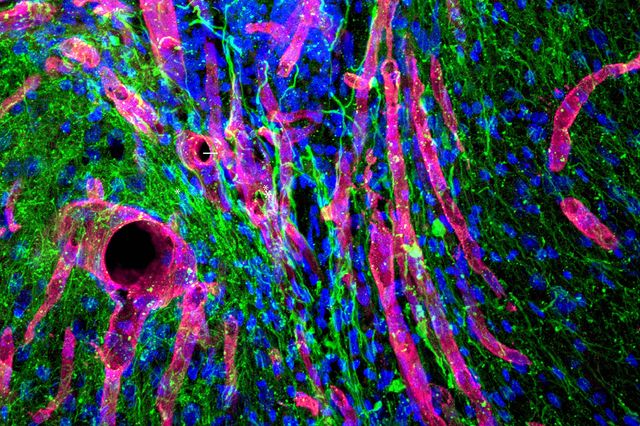
Longer duration of untreated psychosis was associated with accelerated hippocampal atrophy during initial antipsychotic treatment of first-episode schizophrenia, suggesting that psychosis may have persistent, negative effects on brain structure, according to finding published in JAMA Psychiatry.

“Several factors … have been linked to early psychosis and could mediate an association between [duration of untreated psychosis] and hippocampal volume loss, but evidence from longitudinal studies is lacking,” Donald C. Goff, MD, department of psychiatry, New York University Langone Medical Center, and colleagues wrote. “Whereas the negative association of [duration of untreated psychosis] with clinical course is attenuated by the initiation of antipsychotic treatment, the evidence is mixed as to whether antipsychotics contribute to loss of brain volume or protect against it.”

The extent to which loss of brain volume early in psychosis treatment reflects an illness effect, a drug effect or both remains unknown, according to the researchers. Therefore, Goff and colleagues examined loss of hippocampal volume during the first 8 weeks of treatment for schizophrenia, its link to duration of untreated psychosis and molecular biomarkers related to hippocampal volume loss and duration of untreated psychosis.

At Shanghai Mental Health Center in China, researchers conducted a longitudinal study with age- and sex-matched healthy controls between Mar. 5, 2013, and Oct. 8, 2014. They assessed 71 patients with nonaffective first-episode psychosis treated with second-generation antipsychotics and 73 controls. They reassessed 31 participants with psychosis and 32 controls 8 weeks later, measuring hippocampal volumetric integrity (HVI), duration of untreated psychosis, 13 molecular biomarkers and 14 single-nucleotide polymorphisms from 12 candidate genes.

Participants in the first-episode psychosis group had lower baseline median left HVI (n = 57) compared with those in the control group (n = 54; P = .001). Left HVI decreased in 24 participants with psychosis at a median annualized rate of –.03791 throughout the 8 weeks of treatment, whereas left HVI increased in 31 controls at a rate of 0.00115 (P = .001). Furthermore, researchers observed an inverse association between the change in left hippocampal volume and duration of untreated psychosis (P = .002).

Although they observed similar results in the right HVI, the relationship between change in right HVI and duration of psychosis was not significant. According to the results of analyses that looked at left-side hippocampal volume only, left HVI was associated with molecular biomarkers of inflammation, oxidative stress, brain-derived neurotrophic factor, glial injury and those reflecting dopaminergic and glutamatergic transmission.

“We found significantly lower HVI at baseline in participants with [first episode psychosis] compared with healthy controls and additional HVI reduction during antipsychotic treatment that correlated with [duration of untreated psychosis], consistent with a persistent, possibly deleterious, effect of untreated psychosis on brain structure,” Goff and colleagues wrote. “Larger longitudinal studies of longer duration are needed to examine the association between [duration of untreated psychosis], hippocampal volume and clinical outcomes.” – by Savannah Demko

https://www.healio.com/psychiatry/schizophrenia/news/online/%7Bf6c3c940-fe57-41d1-9eb7-7c835e3c48ea%7D/longer-duration-of-untreated-psychosis-linked-to-loss-of-brain-volume?utm_source=selligent&utm_medium=email&utm_campaign=psychiatry%20news&m_bt=1162769038120

Mind-controlling molecules (ampulexins) from wasp venom could someday help Parkinson’s patients

After being stung by a parasitic wasp, the American cockroach loses control of its behavior, becoming host to the wasp’s egg. Days later, the hatchling consumes the cockroach alive. While this is a gruesome process for the cockroach, scientists now report in ACS’ journal Biochemistry the discovery of a new family of peptides in the wasp’s venom that could be key to controlling roach minds, and might even help researchers develop better Parkinson’s disease treatments.

Scientists have long studied venoms, such as that of the wasp, seeking out novel and potent molecules to treat disease, among other applications. In the case of the enigmatic wasp Ampulex compressa, it uses its venom in a two-pronged approach against the cockroach, with an initial sting to the thorax to paralyze the front legs and a subsequent sting directly to the brain. This second sting causes the roach first to vigorously groom itself, then to fall into a state of lethargy, allowing the wasp to do whatever it wants. This immobile state resembles symptoms of Parkinson’s disease, and both may be related to dysfunction in the dopamine pathway. In this study, Michael E. Adams and colleagues wanted to identify the ingredients in wasp venom that dictate this behavior.

The researchers milked wasps for their venom and then analyzed the components using liquid chromatography and mass spectrometry. They identified a new family of alpha-helical peptides and named them ampulexins. To test their function, the team injected the most abundant venom peptide into cockroaches. Afterward, the bugs needed, on average, a 13-volt electric shock to the foot to get them moving, while an average of 9 volts sufficed prior to the injection, suggesting the peptides help the wasp immobilize its prey. Future work will focus on identifying cellular targets of ampulexins, and potentially generating a useful animal model for the study of Parkinson’s disease treatments.

The authors acknowledge funding from the United States-Israel Binational Science Foundation, the University of California, Riverside Office of Research and Economic Development and the University of California Agricultural Experiment Station.

https://www.acs.org/content/acs/en/pressroom/presspacs/2018/acs-presspac-february-7-2018/mind-controlling-molecules-from-wasp-venom-could-someday-help-parkinsons-patients.html

Uncovering the early origins of Huntington’s disease


Huntington’s neurons show multiple nuclei (blue) within the same cell, and other signs of trouble, long before symptoms emerge.

With new findings, scientists may be poised to break a long impasse in research on Huntington’s disease, a fatal hereditary disorder for which there is currently no treatment.

One in 10,000 Americans suffer from the disease, and most begin to show symptoms in middle age as they develop jerky movements—and as these patients increasingly lose brain neurons, they slide into dementia. But the new research suggests that these symptoms may be a late manifestation of a disease that originates much earlier, in the first steps of embryonic development.

A team at Rockefeller led by Ali Brivanlou, the Robert and Harriet Heilbrunn Professor, developed a system to model Huntington’s in human embryonic stem cells for the first time. In a report published in Development, they describe early abnormalities in the way Huntington’s neurons look, and how these cells form larger structures that had not previously been associated with the disease.

“Our research supports the idea that the first domino is pushed soon after fertilization,” Brivanlou says, “and that has consequences down the line. The final domino falls decades after birth, when the symptoms are observable.”

The findings have implications for how to best approach treating the disorder, and could ultimately lead to effective therapies.

A new tool

Huntington’s is one of the few diseases with a straightforward genetic culprit: One hundred percent of people with a mutated form of the Huntingtin (HTT) gene develop the disease. The mutation takes the form of extra DNA, and causes the gene to produce a longer-than-normal protein. The DNA itself appears in the form of a repeating sequence, and the more repeats there are, the earlier the disease sets in.

Research on Huntington’s has thus far relied heavily on animal models of the disease, and has left many key questions unanswered. For example, scientists have not been able to resolve what function the HTT gene serves normally, or how its mutation creates problems in the brain.

Suspecting that the disease works differently in humans, whose brains are much bigger and more complex than those of lab animals, Brivanlou, along with research associates Albert Ruzo and Gist Croft, developed a cell-based human system for their research. They used the gene editing technology CRISPR to engineer a series of human embryonic stem cell lines, which were identical apart from the number of DNA repeats that occurred at the ends of their HTT genes.

“We started seeing things that were completely unexpected,” says Brivanlou. “In cell lines with mutated HTT, we saw giant cells. It looked like a jungle of disorganization.”

When cells divide, they typically each retain one nuclei. However, some of these enlarged, mutated cells flaunted up to 12 nuclei—suggesting that neurogenesis, or the generation of new neurons, was affected. The disruption was directly proportional to how many repeats were present in the mutation: The more repeats there were, the more multinucleated neurons appeared.

“Our work adds to the evidence that there is an unrecognized developmental aspect to the pathology,” Brivanlou says. “Huntington’s may not be just a neurodegenerative disease, but also a neurodevelopmental disease.”

Toxic or essential?

Treatments for Huntington’s have typically focused on blocking the activity of the mutant HTT protein, the assumption being that the altered form of the protein was more active than normal, and therefore toxic to neurons. However, Brivanlou’s work shows that the brain disruption may actually be due to a lack of HTT protein activity.

To test its function, the researchers created cell lines that completely lacked the HTT protein. These cells turned out to be very similar to those with Huntington’s pathology, corroborating the idea that a lack of the protein—not an excess of it—is driving the disease.

The findings are significant, Brivanlou notes, since they indicate that existing treatments that were designed to block HTT activity may actually do more harm than good.

“We should rethink our approach to treating Huntington’s,” he says. “Both the role of the HTT protein and the timing of treatment need to be reconsidered; by the time a patient is displaying symptoms, it may be too late to medicate. We need to go back to the earliest events that trigger the chain reaction that ultimately results in disease so we can focus new therapies on the cause, not the consequences.”

The researchers hope their new cell lines will be a useful resource for studying the cellular and molecular intricacies of Huntington’s further, and suggest they may provide a model for examining other diseases of the brain that are specific to humans.

https://www.rockefeller.edu/news/21212-uncovering-early-origins-huntingtons-disease/