Self-Driving Car Takes Man To Hospital After He Suffers Pulmonary Embolism


Joshua Neally had only been driving his Tesla Model X for a week when he found himself suffering a medical emergency.

Joshua Neally says he suffered a pulmonary embolism late last month while behind the wheel of the Tesla Model X, which features auto-driving technology, that he had purchased a week earlier.

“It was kinda getting scary. I called my wife and just said, ‘something’s wrong,’ and I couldn’t breathe, I was gasping, kind of hyperventilating,” the attorney from Springfield, Missouri, told KY3 News. “I just knew I had to get there, to the ER.”

Instead of pulling over to call 911 and wait for an ambulance, the 37-year-old father said he was able to direct his car to the nearest hospital.

Neally told Slate he doesn’t remember much after that. He said he’s fully aware, however, that the blockage in his lungs could have killed him or caused him to pass out behind the wheel.

Roughly one-third of people with an untreated or undiagnosed pulmonary embolism don’t survive, according to the Mayo Clinic.

Neally’s health scare occurred about three months after a Tesla driver in Florida was killed when his self-driving car crashed into a semi truck. The incident inspired a federal investigation into the company’s auto-piloting technology.

Neally knows about that accident, but is still grateful for his experience with the vehicle.

“It’s not going to be perfect, there’s no technology that’s perfect, but I think the measure is that it’s better and safer,” he said.

http://www.huffingtonpost.com/entry/tesla-drives-man-to-hospital_us_57a8aee8e4b0b770b1a38886

Thanks to Michael Lutter for bringing this to the It’s Interesting community.

Dark treatment for people with mania

By James Phelps, MD

If light is an antidepressant (true) and antidepressants can make bipolar disorders worse (true), can darkness make bipolar disorders better? Might darkness be anti-manic?

This idea was explored over 2 decades ago, with a stunningly successful case report from the National Institute of Mental Health (NIMH) demonstrating that in at least 1 patient, darkness was indeed a mood stabilizer (1). But the protocol was arduous: 14 hours of enforced darkness every night.

It was so effective, they backed off to 10 hours, from 10 pm to 8 am, which kept the patient well with no medications for over a year. Yet, as clinicians know, patients still resist giving up their electric light, especially their TVs, tablets, and phones.

Hold that thought; and consider a completely separate line of research, which found that all wavelengths of light are not created equal. Blue light is by far the most powerful in setting circadian rhythm.

A new retinal photoreceptor, not a rod or cone, was discovered in 2001; it is sensitive primarily to blue light (2). These receptors connect not to the visual cortex but to the suprachiasmatic nucleus of the hypothalamus, wherein resides the primary biological clock. They are “circadian photoreceptors.”

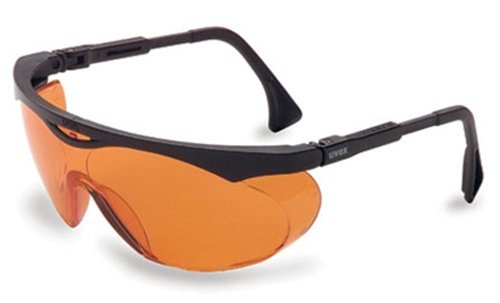
Now put these 2 lines of research together. At night, when evolutionarily we should have 8 to 14 hours of darkness, one can create “virtual darkness” by blocking just the blue wavelengths of light. This can be done at the source (F.lux for Windows; NightShift for recent Apple products; and lowbluelights.com for no-blue bulbs and nightlights) or by simply donning a pair of amber-colored safety glasses.

The latter are available as fit-over-glasses, # S0360X; or a stylish version for young people with good eyes, # 3S1933X (purchase from Amazon—or, in a fun twist, from your local Airgas welding shop, ~$9). These safety glasses have been shown to preserve melatonin production at night even in a fully lit environment.3 About 50% of patients responded to wearing the amber lenses with reduced sleep latency and improved sleep quality (4).

But now the acid test: if darkness is a mood stabilizer, and if amber lenses produce physiologic darkness, then can the lenses treat acute mania?

This has just been shown quite conclusively(5) (to the extent that a single randomized trial is conclusive; but note this is a replication of another small inpatient study that used real darkness and found similar, though slightly less robust results (6).

In the new study from Norway, patients being admitted with bipolar mania were randomized to wear amber lenses or control clear lenses whenever they were not in real darkness during the 14-hour period from 6 pm to 8 am.

Thus, they replicated the intervention from the NIMH case report, using either real or “virtual darkness” with the amber lenses. The intervention began near admission and continued for 7 days, during which all participants received other treatments, including anti-manic medications, per usual.

Young Mania Rating Scale (YMRS) scores plummeted in the amber lenses group while those of the control group diminished only slightly: starting from a mean YMRS of 25, reductions were 14.1 vs 1.7, respectively.

Unfortunately, the sample size was smaller than originally intended because of growing public awareness of the effects of blue light and blue light–blocking glasses and consequently the patients knew what effect to expect. Thus, this may be the only such study we’ll ever see, and it took 10 years to replicate the first inpatient study6 of dark therapy.

So I hope that this new Norwegian study will not be dismissed as a pilot. The data are in. Time to move dark therapy into regular practice, as has already been suggested in the latest bipolar-specific psychotherapy, “CBT-IB: A Bipolar-Specific, All-Around Psychotherapy.”

But patients are often hesitant to increase their exposure to darkness: it means giving up things they value, especially television and other electronic entertainment. Blue light blockade can be much more acceptable.

http://www.psychiatrictimes.com/bipolar-disorder/new-zero-risk-treatment-mania/page/0/2?GUID=C523B8FD-3416-4DAC-8E3C-6E28DE36C515&rememberme=1&ts=12082016

This Man Will Get the World’s First Human Head Transplant Procedure

by Paul Ratner

Italian neurosurgeon Sergio Canavero is planning to perform the first-ever head transplant in December 2017. He will put the head of a terminally ill, wheelchair-bound Russian citizen Valery Spiridonov (31) on an entirely new body.

Spiridonov, a computer scientist, has Werdnig-Hoffman disease, a rare and incurable spinal muscular atrophy. As the disease is sure to kill him, Spiridonov sees the head transplant as his one shot to have a new body.

The controversial surgeon Canavero, dubbed by some “Dr. Frankenstein,” has been criticized for intending to do a possibly unethical and certainly dangerous operation. There are numerous things that could go wrong in such a medical feat that’s never been successfully carried out on humans. The main difficulty is seen in the fusion of the spinal cords.

One positive precedent has been set earlier this year by a team of Chinese surgeons, who successfully transplanted a monkey’s head. Dr. Xiaoping Ren, from Harbin Medical University, led that effort.

Canavero is raising around $18 million to pay for the procedure that he named “HEAVEN” (an acronym for “head anastomosis venture”). The details the doctor has given so far for the two-day operation first involve cooling the patient’s head to -15 C. Then the heads of both the patient and the donor would be severed and the patient’s head would be attached to the donor’s body. The spinal cords would be fused together while the muscle and blood supply would be attached. Spiridonov would then be placed into a coma for about a month to prevent movement and to allow for healing.

The donor of the body would be brain-dead, but otherwise healthy.

How does Spiridonov feel about doing the revolutionary surgery?

He says in an interview:

“If I manage to replace my body and if everything goes well, it will allow me to be free of the limitations I am experiencing. I am not rushing to go under the surgeon’s knife, I am not shouting – come and save me here and now. Yes, I do have a disease which often leads to death, but my first role in this project is not that of a patient. First of all, I am a scientist, I am an engineer, and I am keen to persuade people – medical professionals – that such operation is necessary. I am not going crazy here and rushing to cut off my head, believe me. The surgery will take place only when all believe that the success is 99% possible. In other words, the main task now is to get support for Canavero from the medical community, to let him go on with his methods and to improve them within these two coming years.

Canavero sees the potential use of his procedure not only in situations involving patients with severe disabilities like Spiridonov’s, but also to extend life.

“We are one step closer to extend life indefinitely because when I will be able to give a new body to an 80-year-old they could live for other 40 years,” said the Italian surgeon.

http://bigthink.com/paul-ratner/worlds-first-human-head-transplant-going-ahead

‘Nose-y’ Bacteria Could Yield A New Antibiotic to Fight Drug-Resistant SuperBugs: lugdunin


Once scientists grew these Staphylococcus lugdunensis bacteria in a lab dish, they were able to isolate a compound that’s lethal to another strain commonly found in the nose that can make us sick — Staphylococcus aureus.

by Carolyn Beans

With antibiotic-resistant super bugs on the rise, researchers are on an urgent hunt for other bacteria that might yield chemicals we can harness as powerful drugs. Scientists once found most of these helpful bacteria in soil, but in recent decades this go-to search location hasn’t delivered.

Now, researchers at the University of Tübingen in Germany say that to find at least one promising candidate, we need look no further than our own noses.

The scientists report Wednesday in the journal Nature that a species of bacteria inside the human nose produces a substance capable of killing a range of bacteria, including the strain of drug-resistant Staphylococcus aureus known as MRSA.

The Tübingen team is delighted with their find. “It was totally unexpected,” says study author Andreas Peschel.

The scientists already knew that S. aureus lives in the noses of about 30 percent of humans, usually without causing harm — most people never know they are carriers of the bacterium. But if the body becomes compromised (whether by surgery, physical trauma, an underlying illness or suppressed immune system) the little cache of S. aureus in the nose can suddenly launch an attack against its human host. And if the strain of bacteria is MRSA, that infection can be lethal.

The scientists wondered how 70 percent of human noses are able to avoid harboring S. aureus. They guessed it might have something to do with neighboring bacteria.

So the researchers pitted 90 different human nasal bacteria in one-on-one battles with S. aureus in the lab. Indeed, one of these bacteria — Staphylococcus lugdunensis — prevented the dangerous pathogen from growing.

They then studied the arsenal of chemicals that S. lugdunensis produces until they found one that stops S. aureus in its tracks – a new antibiotic that they named lugdunin.

Follow-up work confirmed that lugdunin can treat S. aureus skin infections in mice, and limit the spread of S. aureus in a rat’s nose.

Lugdunin may already be keeping S. aureus out of our noses. In a group of 187 hospitalized people, the same scientists found S. aureus in the noses of just 5.9 percent of people who also harbored the lugdunin-producing bacteria, but 34.7 percent of those who didn’t.

Other recent studies have shown that bacteria living in humans carry genes that have the potential to make antibiotics. The Tübingen study takes those results a step further by showing that an antibiotic produced by a bacterium in the human nose can successfully treat an animal’s infection.

“This paper is a really nice follow-up,” says Dr. Nita Salzman, a pathologist at the Medical College of Wisconsin. “It’s a sort of proof of principle that the microbiome is a good source for novel antibiotics.”

The researchers have applied for a patent for lugdunin, but say that the prototype antibiotic is still many years away from being ready to treat humans.

The really important contribution of this study is not lugdunin itself, says microbiologist Kim Lewis of Northeastern University, but rather the new approach for finding antibiotic-producing bacteria within our own bodies.

“The reason we ran out of antibiotics in the first place is because most of them came from soil bacteria and they make up 1 percent of the total [bacterial] diversity,” Lewis says.

Scientists kept searching in soil, he says, because they already had some success there and know that soil bacteria are exceptionally good at producing antibiotics.

But now it’s time to look within us. And the team in Tübingen has only just begun their hunt.

“We have started a larger screening program and we’re sure there will be many additional antibiotics that can be discovered,” says Peschel.

http://www.npr.org/sections/health-shots/2016/07/27/487529338/nose-y-bacteria-could-yield-a-new-way-to-fight-infection

Researchers Solve Historical Medical Mysteries

A woman wearing men’s clothing and claiming to talk directly with God wouldn’t seem to be committing capital crimes.

But in the 15th century, she certainly would have been.

These offenses play a part in the legendary history of Joan of Arc, the teenage heroine who led giant armies to fight against the English during the Hundred Years’ War. She was eventually captured, tried for her crimes, and burned at the stake at the age of 19.

But in modern times, would she be convicted of her crimes on the basis of an insanity plea?

According to a jury of about 200 physicians, forensic psychologists, lawyers, judges, and medical students, the future saint would have been acquitted.

Apparently, having visions of other saints is a sign of mental instability, not heresy.

“She was not mentally responsible for what she had done, as in she was delusional,” Dr. Philip A. Mackowiak, a Carolyn Frenkil and Selvin Passen History of Medicine Scholar-in-Residence at the University of Maryland School of Medicine.

Mackowiak founded the Historical Clinicopathological Conference, held this year at the University of Maryland School of Medicine’s Davidge Hall, the oldest medical facility in the country continuously used for medical education. While similar groups meet to discuss current cases at the university, every year they choose one historic case to dig into.

In 24 years, they’ve covered cases including Beethoven (syphilis), Florence Nightingale (bipolar disorder with psychotic features), Christopher Columbus (HLA-B27-related reactive arthritis), and Charles Darwin (cyclic vomiting syndrome).

At this year’s conference, held last week, they dug into a case memorialized in tempera paint and currently hanging in the Museum of Modern Art in New York.

What Disease Shaped ‘Christina’s World?’

In Andrew Wyeth’s 1948 painting “Christina’s World,” a woman lies in an open field looking toward a house in the distance.

The woman depicted in the painting, Anna Christina Olson, was a friend of Wyeth. She suffered from a mysterious disorder that slowly degraded her ability to walk, so she’d make her way around the grounds by pulling herself along with her hands.

She was later confined to a wheelchair and died in 1968 at the age of 74.

What exactly was the cause of her symptoms?

Charcot-Marie-Tooth disease (CMT), according to Mayo Clinic neurologist Marc Patterson.

CMT, named after the doctors who discovered it, is a group of inherited disorders that affect the peripheral nerves, causing symptoms that include loss of muscle and fine motor skills. It remains incurable and one of the most common inherited neurological disorders.

To reach his diagnosis, Patterson reviewed not only the painting but also what was available of Olson’s medical records from what little biographical information her nieces wrote about her.

“This was a fascinating case,” Patterson said in a press release. “This painting has long been a favorite of mine, and the question of Christina’s ailment was an intriguing medical mystery. I think her case best fits the profile of this disease.”

Piecing Together Historical Health Records

Besides Patterson and the rest of the conference’s expertise, the symptoms were checked using a super computer located at Oak Ridge Leadership Computing Facility, which confirmed the diagnosis.

It also affirmed the previous year’s case, Oliver Cromwell, the English monarch who died in 1658. His undoing was a combination of malaria and typhoid fever caused by a salmonella infection.

Mackowiak takes pride in selecting the case and keeping it under an air of mystery before each year’s conference. The cases are often given vague titles, yet he says most people figure it out before they convene.

Beethoven was “The Sound That Failed,” and Alexander the Great was “Death of a Deity.”

Who was “The Greatest Tragedy in the History of Music?”

No, not Prince, David Bowie, or even John Lennon. It was Mozart, who died of acute rheumatic fever.

Another part of the mystery is that these historical House M.D.s rarely have full autopsy reports or even a single medical record for their subjects, so there is quite a bit of detective work. That only adds to the fun.

In the case of Booker T. Washington, researchers found his great-grandson, who is a physician and helped find Washington’s great-granddaughter. She gave them access to his medical records.

While syphilis was first suspected as a potential cause of death, a blood test done at Rockefeller Hospital in New York City tested negative.

In 2006, the clinicopathological conference determined the slave-turned-advisor to the president died of nephrosclerosis and hypertensive cardiomyopathy. In other words, the man worked his heart to death.

Other cases had to be decided on what was written in the legends.

In the case of Pericles, dubbed “the first citizen of Athens,” researchers went off of descriptions of what happened during the plague that also claimed his sons and first wife.

“To say we provide shocking new information would be an exaggeration,” Mackowiak said.

Mackowiak provides more information on these cases in his two books, “Post-Mortem: Solving History’s Great Medical Mysteries” and “Diagnosing Giants: Solving the Medical Mysteries of Thirteen Patients Who Changed the World.”

For him, every case, every conference meeting highlights how although doctors believe what they’re doing right now is correct, their grandchildren and great-grandchildren will look back and see how wrong they were.

“There is no perfect knowledge,” Mackowiak said. “You do the best with what you have.”

http://www.healthline.com/health-news/medical-researchers-solve-historic-deaths#6

Rare Form of MS May Be Caused by a Single Gene Mutation

A single genetic mutation may increase a person’s risk of developing a rare, severe form of multiple sclerosis (MS) by roughly 60 percent, according to a study published recently in the journal Neuron.

That’s an unusually straightforward result for a complex disease like MS, which has previously been traced to hundreds of mutations that each increases the risk of developing the disease only slightly.

“That’s why our finding is unprecedented,” Carles Vilariño-Güell, Ph.D., an assistant professor of medical genetics at The University of British Columbia and one of the paper’s senior authors, told Healthline.

His team found the mutation by combing through a database of Canadians with MS who had donated blood samples as part of the Canadian Collaborative Project on Genetic Susceptibility to MS.

Some of these samples belonged to a family that was disproportionately diagnosed with the disease. Four first cousins and two parents developed MS.

The team isolated a common mutation from their DNA, and looked for that mutation in other individuals in the database.

That’s how they found a second family similarly afflicted. Three first cousins and two parents were diagnosed with MS.

Having so many cases of MS within a family is rare. The disease is not considered truly heritable, although a person’s risk does increase if a parent or sibling has the disease.

The families shared another rare trait. Most had the more severe version of the disease known as primary progressive MS, which makes up 10 to 15 percent of all MS cases.

Treatments for primary progressive MS have so far eluded scientists, although there are promising clinical trials underway of a drug called Ocrelizumab.


Future Research

The study found the mutation only in a handful of people, all of whom were diagnosed with a rare form of the disease.

Therefore, the researchers don’t suggest they have found the genetic basis of MS.

But they do think they’ve discovered a way to study how the disease progresses in the body and what drugs could be developed to slow or even stop it

Bruce Bebo, Ph.D., vice president of research at the National Multiple Sclerosis Society, agrees.

“Studying the genetics of a very rare form that is inherited can give us clues about pathways involved in MS in the general population,” he told Healthline.

The mutation appears to disable a regulatory gene called NR1H3, which codes for a protein that helps regulate the inflammation and the metabolism of lipids.

The researchers now plan to engineer a similar mutation in mice so they can study the outcome of a disabled NR1H3 gene and test potential new drugs in an animal model.

And because the NR1H3 pathway has already been implicated in diseases like atherosclerosis and heart disease, there are already drugs in clinical trials for safety that could be repurposed for treating MS, Vilariño-Güell said.

“Understanding the genetics of MS could help us get closer to individualizing therapy to people for better outcomes,” Bebo said.

Getting Personal with Treatment

People with a disease like MS, which appears in so many different ways and can be linked to so many different genetic components, could benefit by personalized medicine.

If the mechanism of each disease causing mutation or group of mutations is pinpointed, scientists could potentially design more effective, targeted treatments rather than the standard one-size-fits-all therapies.

That means tracking down the many different genetic hotspots that are linked to MS.

Overall, genetic predisposition accounts for only about a third of a person’s risk of developing the disease, Bebo said. Within that category only about half the genes responsible can be identified.

Researchers don’t know where the other half of that genetic risk comes from, Bebo said, but it makes sense that it would include rare mutations like this one that help explain risk in a small fraction of MS patients.

And there could be many different versions of these mutations.

“Odds are if you look at a different family the genetic risk would probably be something different than this,” Bebo said.

Speeding Through the Genome

The Canadian database has been available since the late 1990s, but only recently has the team had access to exome sequencing, a powerful, efficient tool that makes searching for tiny genetic changes easier.

This technique sequences only the DNA that codes for proteins — leaving the other 98 percent behind. It’s like speed reading the genome.

Exome sequencing has been particularly helpful for finding so-called “Mendelian” diseases — diseases that can be traced to a single, heritable mutation just like Gregor Mendel’s purple and white pea flowers. Cystic fibrosis and sickle cell anemia are two examples of these diseases.

With this discovery, the researchers say that have found a Mendelian form of MS.

That doesn’t mean the discovery won’t be beneficial for the 85 percent of people diagnosed with relapsing remitting MS. In many of those patients, the disease eventually changes course and becomes progressive.

Whatever is learned about primary progressive MS — a condition that doesn’t respond to treatments for other types of MS — could also potentially help those with secondary progressive MS, the researchers say.

http://www.healthline.com/health-news/form-of-ms-could-be-caused-by-single-genetic-mutation#5

Ingredient in green tea shown to help people with Down’s syndrome

By Agence France-Presse

A chemical in green tea has been shown to improve cognitive ability in people with Down’s syndrome, scientists and doctors said on Tuesday.

In a year-long clinical trial, the treatment led to improved scores on memory and behaviour tests, they reported in a study, published in the The Lancet Neurology.

The positive impact remained six months after the trial ended.

Brain scans revealed that the compound, called epigallocatechin gallate, altered the way neurons in the brain connect with one another.

“This is the first time that a treatment has shown efficacy in the cognitive improvement of persons with this syndrome,” said Mara Dierssen, senior author of the study and a researcher at the Centre for Genomic Regulation in Barcelona.

While significant, she added in a statement, the results should not be interpreted as a “cure”.

“But it may be a tool to improve these individuals’ quality of life.”

Experts not involved in the study described it as “exciting” and “an important piece of work.”

At the same time, they cautioned, the findings must be validated in additional trials.

Down’s syndrome is the most common genetic form of intellectual disability, and afflicts approximately one in 1,000 people, according to the World Health Organisation.

Also known as trisomy 21, the condition is caused by the presence of an extra, or third, copy of chromosome number 21.

Humans normally have 23 pairs of chromosomes, which together contain up to 25,000 protein-coding genes.

In Down’s syndrome, the extra copy causes some of the genes in chromosome 21 to be “over-expressed”, leading to reduced cognitive abilities and other health problems.

In earlier experiments with mice designed to mimic Down’s, Dierssen had shown that inhibiting one of these genes, DYRK1A, improved function and development in the brain.

But the technique used – gene therapy – was not an option for humans, so the researchers turned to the green tea compound.

In the trials, 84 young adults with Down’s syndrome were split into two groups.

One was given a decaffeinated green tea supplement containing 45 percent epigallocatechin gallate, along with weekly online cognitive training.

The second group had the same training, but ingested a look-alike placebo instead of the supplement.

The subjects took cognitive tests after three, six and 12 months.

There was little-to-no change in most categories, but in a few – the ability to remember patterns, verbal recall, adaptive behaviour – the “green tea” group scored significantly better.

Moreover, they improved over time.

“It’s exciting that an understanding of the genetic neurobiology of Down’s syndrome is leading to the possibility of disorder-specific treatments,” said David Nutt, head of the Centre for Neuropsychopharmacology at Imperial College London, in commenting on the study.

Marie-Claude Potier, a Down’s specialist at the Brain and Spine Institute in Paris, said the results were a “leap forward,” but that safety and efficacy need to be confirmed.

Still genetics is not everything, cautioned another pair of researchers, even as they recognised the importance of the new study.

“We can no longer afford to view someone with Down’s syndrome solely through the lens of trisomy 21,” noted Fabian Fernandez and Jamie Edgin of the Evelyn F. McKnight Brain Institute at the University of Arizona in a commentary.

It is equally important to “understand each individual in light of their larger genetic and environmental background,” as well as other health problems and access to education, they wrote in The Lancet Neurology.

http://www.telegraph.co.uk/news/2016/06/06/downs-syndrome-can-be-treated-with-green-tea/

This Bizarre Gunshot-Plugging Device Just Saved Its First Life


The XSTAT Rapid Hemostasis System

by George Dvorsky

An innovative sponge-filled dressing device recently saved the life of a coalition forces soldier who was shot in the leg. It’s the first documented clinical use of the product, known as XSTAT.

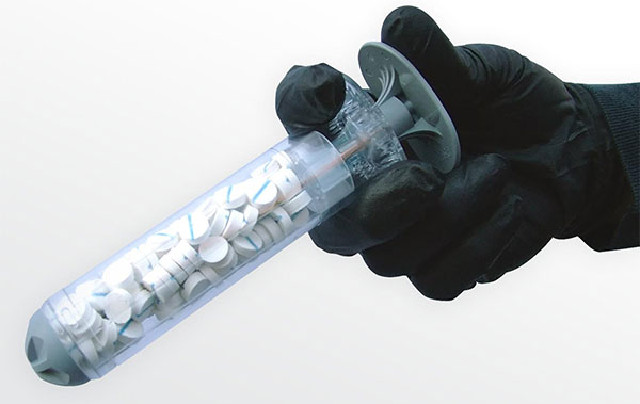
The device was approved for military use back in 2014, but this incident marks the first time the system has been used in a real-world situation. The hemostatic device, developed by RevMedx Inc., was used by a United States forward surgical team (FST) after it failed to stanch severe bleeding in a patient using standard techniques. The XSTAT Rapid Hemostasis System works by pumping expandable, tablet-sized sponges into a wound, stanching bleeding while a patient is rushed to hospital.

XSTAT is designed to treat severe bleeding in areas susceptible to junctional wounds, such as the axilla (the space below the shoulder where vessels and nerves enter and leave the upper arm) and groin. Once injected, the sponge-like tablets rapidly expand within the wound and exert hemostatic pressure to stop the bleeding. Each sponge contains an x-ray marker to confirm surgical removal after surgery.

In this first reported case, a soldier suffered a gunshot wound to the left thigh. After seven hours of unsuccessful surgery to stop the bleeding, the doctors decided to use XSTAT. Here’s a detailed description from the Journal of Emergency Medical Services:


The femoral artery and vein were transected and damage to the femur and soft tissue left a sizable cavity in the leg. After a self-applied tourniquet stopped the bleeding, the patient was transferred to an FST for evaluation and treatment. After proximal and distal control of the vessel was achieved, several hours were spent by the team trying to control residual bleeding from the bone and accessory vessels. Throughout the course of the roughly 7-hour surgery, multiple attempts at using bone wax and cautery on the bleeding sites were unsuccessfull and the patient received multiple units of blood and plasma. Eventually, the FST team opted to use XSTAT and applied a single XSTAT device to the femoral cavity— resulting in nearly immediate hemostasis. The patient was stabilized and eventually transported to a definitive care facility.

So in its first true test, the XSTAT system worked beautifully. Andrew Barofsky, the president and CEO of RevMedx, was clearly delighted in this initial result. “We are pleased to see XSTAT play a critical role in saving a patient’s life and hope to see significant advancement toward further adoption of XSTAT as a standard of care for severe hemorrhage in pre-hospital settings,” Barofsky said.

And it look likes Barofsky’s hope will soon come true. Late last year, the U.S. Food and Drug Administration approved XSTAT for use in the general population. Given this good first result, emergency responders should now have an added boost of confidence that this unorthodox device actually works.

http://gizmodo.com/this-bizarre-gunshot-plugging-device-just-saved-its-fir-1779606992?utm_source=feedburner&utm_medium=feed&utm_campaign=Feed%3A+gizmodo%2Ffull+%28Gizmodo%29

Fountain of youth? Dietary supplement may prevent and reverse severe damage to aging brain, research suggests


Jennifer Lemon, Research Associate, Department of Biology, McMaster University. A dietary supplement containing a blend of thirty vitamins and minerals–all natural ingredients widely available in health food stores–has shown remarkable anti-aging properties that can prevent and even reverse massive brain cell loss, according to new research. It’s a mixture scientists believe could someday slow the progress of catastrophic neurological diseases such as Alzheimer’s, ALS and Parkinson’s.

A dietary supplement containing a blend of thirty vitamins and minerals — all natural ingredients widely available in health food stores — has shown remarkable anti-aging properties that can prevent and even reverse massive brain cell loss, according to new research from McMaster University.

It’s a mixture scientists believe could someday slow the progress of catastrophic neurological diseases such as Alzheimer’s, ALS and Parkinson’s.

“The findings are dramatic,” says Jennifer Lemon, research associate in the Department of Biology and a lead author of the study. “Our hope is that this supplement could offset some very serious illnesses and ultimately improve quality of life.”

The formula, which contains common ingredients such as vitamins B, C and D, folic acid, green tea extract, cod liver oil and other nutraceuticals, was first designed by scientists in McMaster’s Department of Biology in 2000.

A series of studies published over the last decade and a half have shown its benefits in mice, in both normal mice and those specifically bred for such research because they age rapidly, experiencing dramatic declines in cognitive and motor function in a matter of months.

The mice used in this study had widespread loss of more than half of their brain cells, severely impacting multiple regions of the brain by one year of age, the human equivalent of severe Alzheimer’s disease.

The mice were fed the supplement on small pieces of bagel each day over the course of several months. Over time, researchers found that it completely eliminated the severe brain cell loss and abolished cognitive decline.

“The research suggests that there is tremendous potential with this supplement to help people who are suffering from some catastrophic neurological diseases,” says Lemon, who conducted the work with co-author Vadim Aksenov, a post-doctoral fellow in the Department of Biology at McMaster.

“We know this because mice experience the same basic cell mechanisms that contribute to neurodegeneration that humans do. All species, in fact. There is a commonality among us all.”

In addition to looking at the major markers of aging, they also discovered that the mice on the supplements experienced enhancement in vision and most remarkably in the sense of smell — the loss of which is often associated with neurological disease — improved balance and motor activity.

The next step in the research is to test the supplement on humans, likely within the next two years, and target those who are dealing with neurodegenerative diseases. The research is published online in the journal Environmental and Molecular Mutagenesis.

Journal Reference:
1.J.A. Lemon, V. Aksenov, R. Samigullina, S. Aksenov, W.H. Rodgers, C.D. Rollo, D.R. Boreham. A multi-ingredient dietary supplement abolishes large-scale brain cell loss, improves sensory function, and prevents neuronal atrophy in aging mice. Environmental and Molecular Mutagenesis, 2016; DOI: 10.1002/em.22019

https://www.sciencedaily.com/releases/2016/06/160602095204.htm

FDA approves first buprenorphine implant for treatment of opioid dependence

The U.S. Food and Drug Administration today approved Probuphine, the first buprenorphine implant for the maintenance treatment of opioid dependence. Probuphine is designed to provide a constant, low-level dose of buprenorphine for six months in patients who are already stable on low-to-moderate doses of other forms of buprenorphine, as part of a complete treatment program.
Until today, buprenorphine for the treatment of opioid dependence was only approved as a pill or a film placed under the tongue or on the inside of a person’s cheek until it dissolved. While effective, a pill or film may be lost, forgotten or stolen. However, as an implant, Probuphine provides a new treatment option for people in recovery who may value the unique benefits of a six-month implant compared to other forms of buprenorphine, such as the possibility of improved patient convenience from not needing to take medication on a daily basis. An independent FDA advisory committee supported the approval of Probuphine in a meeting held earlier this year.

“Opioid abuse and addiction have taken a devastating toll on American families. We must do everything we can to make new, innovative treatment options available that can help patients regain control over their lives,” said FDA Commissioner Robert M. Califf, M.D. “Today’s approval provides the first-ever implantable option to support patients’ efforts to maintain treatment as part of their overall recovery program.”

Expanding the use and availability of medication-assisted treatment (MAT) options like buprenorphine is an important component of the FDA’s opioid action plan and one of three top priorities for the U.S. Department of Health and Human Services’ Opioid Initiative aimed at reducing prescription opioid and heroin related overdose, death and dependence.

Opioid dependence is the diagnostic term used for the more common concept, “addiction,” in the Probuphine clinical trials. Addiction is defined as a cluster of behavioral, cognitive and physiological phenomena that may include a strong desire to take the drug, difficulties in controlling drug use, persisting in drug use despite harmful consequences, a higher priority given to drug use than to other activities and obligations, as well as the possibility of the development of tolerance or development of physical dependence. Physical dependence is not the same as addiction. Newer diagnostic terminology uses the term “opioid use disorder,” which includes both milder forms of problematic opioid use as well as addiction.

MAT is a comprehensive approach that combines approved medications (currently, methadone, buprenorphine or naltrexone) with counseling and other behavioral therapies to treat patients with opioid use disorder. Regular adherence to MAT with buprenorphine reduces opioid withdrawal symptoms and the desire to use, without causing the cycle of highs and lows associated with opioid misuse or abuse. At sufficient doses, it also decreases the pleasurable effects of other opioids, making continued opioid abuse less attractive. According to the Substance Abuse and Mental Health Services Administration, patients receiving MAT for their opioid use disorder cut their risk of death from all causes in half.

“Scientific evidence suggests that maintenance treatment with these medications in the context of behavioral treatment and recovery support are more effective in the treatment of opioid use disorder than short-term detoxification programs aimed at abstinence,” said Nora Volkow, M.D., director of the National Institute on Drug Abuse at the National Institutes of Health. “This product will expand the treatment alternatives available to people suffering from an opioid use disorder.”

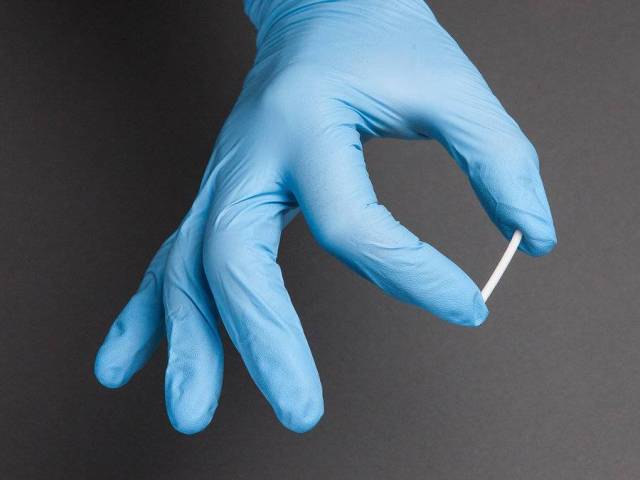
Probuphine should be used as part of a complete treatment program that includes counseling and psychosocial support. Probuphine consists of four, one-inch-long rods that are implanted under the skin on the inside of the upper arm and provide treatment for six months. Administering Probuphine requires specific training because it must be surgically inserted and removed. Only a health care provider who has completed the training and become certified through a restricted program called the Probuphine Risk Evaluation and Mitigation Strategy (REMS) program should insert and remove the implants. If further treatment is needed, new implants may be inserted in the opposite arm for one additional course of treatment. The FDA is requiring postmarketing studies to establish the safety and feasibility of placing the Probuphine implants for additional courses of treatment.

The safety and efficacy of Probuphine were demonstrated in a randomized clinical trial of adults who met the clinical criteria for opioid dependence and were considered stable after prior buprenorphine treatment. A response to MAT was measured by urine screening and self-reporting of illicit opioid use during the six month treatment period. Sixty-three percent of Probuphine-treated patients had no evidence of illicit opioid use throughout the six months of treatment – similar to the 64 percent of those who responded to sublingual (under the tongue) buprenorphine alone.

The most common side effects from treatment with Probuphine include implant-site pain, itching, and redness, as well as headache, depression, constipation, nausea, vomiting, back pain, toothache and oropharyngeal pain. The safety and efficacy of Probuphine have not been established in children or adolescents less than 16 years of age. Clinical studies of Probuphine did not include participants over the age of 65.

Probuphine has a boxed warning that provides important safety information for health care professionals, including a warning that insertion and removal of Probuphine are associated with the risk of implant migration, protrusion, expulsion and nerve damage resulting from the procedure. Probuphine must be prescribed and dispensed according to the Probuphine REMS program because of the risks of surgical complications and because of the risks of accidental overdose, misuse and abuse if an implant comes out or protrudes from the skin. As part of this program, Probuphine can only be prescribed and dispensed by health care providers who are certified with the REMS program and have completed live training, among other requirements.

Probuphine implants contain a significant amount of drug that can potentially be expelled or removed, resulting in the potential for accidental exposure or intentional misuse and abuse if the implant comes out of the skin. Patients should be seen during the first week after insertion and a visit schedule of no less than once-monthly is recommended for continued counseling and psychosocial support.

Probuphine is marketed by San Francisco-based Titan Pharmaceuticals Inc. and Braeburn Pharmaceuticals based in Princeton, New Jersey.

The FDA, an agency within the U.S. Department of Health and Human Services, protects the public health by assuring the safety, effectiveness, and security of human and veterinary drugs, vaccines and other biological products for human use, and medical devices. The agency also is responsible for the safety and security of our nation’s food supply, cosmetics, dietary supplements, products that give off electronic radiation, and for regulating tobacco products.

http://www.fda.gov/NewsEvents/Newsroom/PressAnnouncements/ucm503719.htm