AI can spot signs of Alzheimer’s disease before people do

by Emily Mullin

When David Graham wakes up in the morning, the flat white box that’s Velcroed to the wall of his room in Robbie’s Place, an assisted living facility in Marlborough, Massachusetts, begins recording his every movement.

It knows when he gets out of bed, gets dressed, walks to his window, or goes to the bathroom. It can tell if he’s sleeping or has fallen. It does this by using low-power wireless signals to map his gait speed, sleep patterns, location, and even breathing pattern. All that information gets uploaded to the cloud, where machine-learning algorithms find patterns in the thousands of movements he makes every day.

The rectangular boxes are part of an experiment to help researchers track and understand the symptoms of Alzheimer’s.

It’s not always obvious when patients are in the early stages of the disease. Alterations in the brain can cause subtle changes in behavior and sleep patterns years before people start experiencing confusion and memory loss. Researchers think artificial intelligence could recognize these changes early and identify patients at risk of developing the most severe forms of the disease.

Spotting the first indications of Alzheimer’s years before any obvious symptoms come on could help pinpoint people most likely to benefit from experimental drugs and allow family members to plan for eventual care. Devices equipped with such algorithms could be installed in people’s homes or in long-term care facilities to monitor those at risk. For patients who already have a diagnosis, such technology could help doctors make adjustments in their care.

Drug companies, too, are interested in using machine-learning algorithms, in their case to search through medical records for the patients most likely to benefit from experimental drugs. Once people are in a study, AI might be able to tell investigators whether the drug is addressing their symptoms.

Currently, there’s no easy way to diagnose Alzheimer’s. No single test exists, and brain scans alone can’t determine whether someone has the disease. Instead, physicians have to look at a variety of factors, including a patient’s medical history and observations reported by family members or health-care workers. So machine learning could pick up on patterns that otherwise would easily be missed.


David Graham, one of Vahia’s patients, has one of the AI-powered devices in his room at Robbie’s Place, an assisted living facility in Marlborough, Massachusetts.

Graham, unlike the four other patients with such devices in their rooms, hasn’t been diagnosed with Alzheimer’s. But researchers are monitoring his movements and comparing them with patterns seen in patients who doctors suspect have the disease.

Dina Katabi and her team at MIT’s Computer Science and Artificial Intelligence Laboratory initially developed the device as a fall detector for older people. But they soon realized it had far more uses. If it could pick up on a fall, they thought, it must also be able to recognize other movements, like pacing and wandering, which can be signs of Alzheimer’s.

Katabi says their intention was to monitor people without needing them to put on a wearable tracking device every day. “This is completely passive. A patient doesn’t need to put sensors on their body or do anything specific, and it’s far less intrusive than a video camera,” she says.

How it works

Graham hardly notices the white box hanging in his sunlit, tidy room. He’s most aware of it on days when Ipsit Vahia makes his rounds and tells him about the data it’s collecting. Vahia is a geriatric psychiatrist at McLean Hospital and Harvard Medical School, and he and the technology’s inventors at MIT are running a small pilot study of the device.

Graham looks forward to these visits. During a recent one, he was surprised when Vahia told him he was waking up at night. The device was able to detect it, though Graham didn’t know he was doing it.

The device’s wireless radio signal, only a thousandth as powerful as wi-fi, reflects off everything in a 30-foot radius, including human bodies. Every movement—even the slightest ones, like breathing—causes a change in the reflected signal.

Katabi and her team developed machine-learning algorithms that analyze all these minute reflections. They trained the system to recognize simple motions like walking and falling, and more complex movements like those associated with sleep disturbances. “As you teach it more and more, the machine learns, and the next time it sees a pattern, even if it’s too complex for a human to abstract that pattern, the machine recognizes that pattern,” Katabi says.

Over time, the device creates large readouts of data that show patterns of behavior. The AI is designed to pick out deviations from those patterns that might signify things like agitation, depression, and sleep disturbances. It could also pick up whether a person is repeating certain behaviors during the day. These are all classic symptoms of Alzheimer’s.

“If you can catch these deviations early, you will be able to anticipate them and help manage them,” Vahia says.

In a patient with an Alzheimer’s diagnosis, Vahia and Katabi were able to tell that she was waking up at 2 a.m. and wandering around her room. They also noticed that she would pace more after certain family members visited. After confirming that behavior with a nurse, Vahia adjusted the patient’s dose of a drug used to prevent agitation.


Ipsit Vahia and Dina Katabi are testing an AI-powered device that Katabi’s lab built to monitor the behaviors of people with Alzheimer’s as well as those at risk of developing the disease.

Brain changes

AI is also finding use in helping physicians detect early signs of Alzheimer’s in the brain and understand how those physical changes unfold in different people. “When a radiologist reads a scan, it’s impossible to tell whether a person will progress to Alzheimer’s disease,” says Pedro Rosa-Neto, a neurologist at McGill University in Montreal.

Rosa-Neto and his colleague Sulantha Mathotaarachchi developed an algorithm that analyzed hundreds of positron-emission tomography (PET) scans from people who had been deemed at risk of developing Alzheimer’s. From medical records, the researchers knew which of these patients had gone on to develop the disease within two years of a scan, but they wanted to see if the AI system could identify them just by picking up patterns in the images.

Sure enough, the algorithm was able to spot patterns in clumps of amyloid—a protein often associated with the disease—in certain regions of the brain. Even trained radiologists would have had trouble noticing these issues on a brain scan. From the patterns, it was able to detect with 84 percent accuracy which patients ended up with Alzheimer’s.

Machine learning is also helping doctors predict the severity of the disease in different patients. Duke University physician and scientist P. Murali Doraiswamy is using machine learning to figure out what stage of the disease patients are in and whether their condition is likely to worsen.

“We’ve been seeing Alzheimer’s as a one-size-fits all problem,” says Doraiswamy. But people with Alzheimer’s don’t all experience the same symptoms, and some might get worse faster than others. Doctors have no idea which patients will remain stable for a while or which will quickly get sicker. “So we thought maybe the best way to solve this problem was to let a machine do it,” he says.

He worked with Dragan Gamberger, an artificial-intelligence expert at the Rudjer Boskovic Institute in Croatia, to develop a machine-learning algorithm that sorted through brain scans and medical records from 562 patients who had mild cognitive impairment at the beginning of a five-year period.

Two distinct groups emerged: those whose cognition declined significantly and those whose symptoms changed little or not at all over the five years. The system was able to pick up changes in the loss of brain tissue over time.

A third group was somewhere in the middle, between mild cognitive impairment and advanced Alzheimer’s. “We don’t know why these clusters exist yet,” Doraiswamy says.

Clinical trials

From 2002 to 2012, 99 percent of investigational Alzheimer’s drugs failed in clinical trials. One reason is that no one knows exactly what causes the disease. But another reason is that it is difficult to identify the patients most likely to benefit from specific drugs.

AI systems could help design better trials. “Once we have those people together with common genes, characteristics, and imaging scans, that’s going to make it much easier to test drugs,” says Marilyn Miller, who directs AI research in Alzheimer’s at the National Institute on Aging, part of the US National Institutes of Health.

Then, once patients are enrolled in a study, researchers could continuously monitor them to see if they’re benefiting from the medication.

“One of the biggest challenges in Alzheimer’s drug development is we haven’t had a good way of parsing out the right population to test the drug on,” says Vaibhav Narayan, a researcher on Johnson & Johnson’s neuroscience team.

He says machine-learning algorithms will greatly speed the process of recruiting patients for drug studies. And if AI can pick out which patients are most likely to get worse more quickly, it will be easier for investigators to tell if a drug is having any benefit.

That way, if doctors like Vahia notice signs of Alzheimer’s in a person like Graham, they can quickly get him signed up for a clinical trial in hopes of curbing the devastating effects that would otherwise come years later.

Miller thinks AI could be used to diagnose and predict Alzheimer’s in patients in as soon as five years from now. But she says it’ll require a lot of data to make sure the algorithms are accurate and reliable. Graham, for one, is doing his part to help out.

https://www.technologyreview.com/s/609236/ai-can-spot-signs-of-alzheimers-before-your-family-does/

New Drug Compounds Help Prevent Hearing Loss

Researchers from St. Jude Children’s Research Hospital have discovered that inhibiting an enzyme called cyclin-dependent kinase 2 (CDK2) protects mice and rats from noise- or drug-induced hearing loss. The study, which will be published March 7 in the Journal of Experimental Medicine, suggests that CDK2 inhibitors prevent the death of inner ear cells, which has the potential to save the hearing of millions of people around the world.

According to the World Health Organization, 360 million people worldwide, including 32 million children, suffer from hearing loss caused by congenital defects or other factors. These factors include infectious disease, use of certain medicines, or exposure to excessive noise. Yet, there are currently no FDA-approved drugs to prevent or treat hearing loss.

A team of researchers led by Dr. Jian Zuo screened over 4,000 drugs for their ability to protect cochlear cells from the chemotherapy agent cisplatin. Cisplatin is used to treat a variety of cancers but causes irreversible hearing loss in up to 70% of patients.

Zuo and colleagues identified multiple compounds that protected cochlear cells from cisplatin, several of which are already approved to treat other conditions. Three of the ten most effective compounds were inhibitors of an enzyme called CDK2. One of these CDK2 inhibitors, kenpaullone, was more effective than four other compounds that are currently in clinical trials for treating hearing loss.

Injecting kenpaullone into the middle ear protected both mice and rats from cisplatin-induced hearing loss. Moreover, kenpaullone also protected the hearing of mice to noise as loud as 100 dB. “Given that 100-dB noise is in the range of noise insults commonly experienced by people in our society, kenpaullone could have significant clinical application in treating noise-induced hearing loss,” says Zuo.

In the case of cisplatin-induced hearing loss, kenpaullone appears to protect hair cells by preventing CDK2 from stimulating the production of toxic reactive oxygen species from the cells’ mitochondria.

“The robust protection conferred by one-time local delivery of kenpaullone suggests that CDK2 inhibitors may transform the clinical prevention and treatment of cisplatin- and noise-induced hearing loss in patients,” Zuo says. “Modifications of the treatment regimens, additional optimization of the delivery methods via the use of hydrogels, and structural modifications of the compounds via medicinal chemistry could ensure even better results with CDK2 inhibitors in treating hearing loss in humans.”

https://www.technologynetworks.com/drug-discovery/news/new-drug-compounds-help-prevent-hearing-loss-298358?utm_campaign=Newsletter_TN_BreakingScienceNews&utm_source=hs_email&utm_medium=email&utm_content=61208436&_hsenc=p2ANqtz-9wXzuHgjTCBE-kfjy2aI1t3MUL9sd_5yCjnzo0oJb_R1HQdkMueXmiVXpB290Xv_tYEY8WdZxoDvtPtxyl3ajVpcPK1Q&_hsmi=61208436

Heavy drinking leads to early-onset dementia

Research published in The Lancet Public Health indicated that alcohol use disorder is a major risk factor for dementia, especially early-onset dementia.

“The relationships between alcohol use and cognitive health in general, and dementia in particular, are complex,” Michaël Schwarzinger, MD, of the Translational Health Economics Network, France, and colleagues wrote. “Moderate drinking has been consistently associated with detrimental effects on brain structure, and nearly every review describes methodological problems of underlying studies, such as inconsistent measurement of alcohol use or dementia, or both, and insufficient control of potential confounders. By contrast, heavy drinking seems detrimentally related to dementia risk, whatever the dementia type.”

To determine how alcohol use disorders effect dementia risk, especially among those aged younger than 65 years, researchers conducted a nationwide retrospective cohort of hospitalized adults in France discharged with alcohol-related brain damage, vascular dementia or other dementias between 2008 and 2013. Alcohol use disorder was the primary exposure, and dementia was the main outcome. Using the French National Hospital Discharge database, they studied the prevalence of early-onset dementia and determined whether alcohol use disorders or other risk factors were associated with dementia onset.

In total, 1,109,343 adults discharged from hospital in France were diagnosed with dementia and included in the study. Of those, 35,034 cases of dementia were attributable to alcohol-related brain damage, and 52,625 cases had other alcohol use disorders. Among the 57,353 early-onset dementia cases, 22,338 (38.9%) were attributable to alcohol-related brain damage and 10,115 (17.6%) had an additional diagnosis of alcohol use disorders.

Analysis revealed that alcohol use disorders were linked to a threefold increased risk for all types of dementia and “were the strongest modifiable risk factor for dementia onset” (adjusted HR = 3.34 [95% CI, 3.28–3.41] for women; HR = 3.36 [95% CI, 3.31–3.41] for men). Alcohol use disorders remained associated with an increased risk for vascular and other dementias even after excluding alcohol-related brain damage, according to the findings. Furthermore, chronic heavy drinking was also linked to all other independent risk factors for dementia onset, including tobacco smoking, high blood pressure, diabetes, lower education, depression and hearing loss.

“Our findings suggest that the burden of dementia attributable to alcohol use disorders is much larger than previously thought, suggesting that heavy drinking should be recognized as a major risk factor for all types of dementia,” Schwarzinger said in a press release. “A variety of measures are needed, such as reducing availability, increasing taxation and banning advertising and marketing of alcohol, alongside early detection and treatment of alcohol use disorders.”

Previous research has largely focused on modest alcohol use, and its possible beneficial effect, thus overlooking the effect of heavy alcohol use as a modifiable risk factor for dementia, according to a related comment written by Clive Ballard, MBChB, MRCPsych, and Iain Lang, PhD, of the University of Exeter Medical School, U.K.

“Although many questions remain, several can be answered using existing data, which would provide an opportunity to refine our understanding of the pathways of modifiable risk and develop optimal prevention strategies,” Ballard and Lang wrote. “In our view, this evidence is robust, and we should move forward with clear public health messages about the relationship between both alcohol use disorders and alcohol consumption, respectively, and dementia.” – by Savannah Demko

https://www.healio.com/psychiatry/alzheimers-disease-dementia/news/online/%7B90f5e375-9dd3-4715-9206-7c148d563d80%7D/heavy-drinking-may-increase-risk-for-dementia?utm_source=selligent&utm_medium=email&utm_campaign=psychiatry%20news&m_bt=1162769038120

Blocking action of gene enhancers halts spread of tumor cells

In one of the first successes of its kind, researchers from Case Western Reserve University School of Medicine and six other institutions have inhibited the spreading of cancer cells from one part of the body to another. In doing so, they relied on a new model of how cancer metastasizes that emphasizes epigenetics, which examines how genes are turned on and off.

In a study published in Nature Medicine, the investigators—including scientists from the National Cancer Institute and Cleveland Clinic—used innovative epigenetic-centered techniques to halt the spread of bone cancer (osteosarcoma) cells to the lungs in mice.

The large majority of deaths associated with osteosarcoma are due to the spreading of the cancer to the lungs, a process known as metastasis. Most human osteosarcoma cases occur in children and young adults between the ages of 10 and 30, with teens the most frequently affected age group. Clinical outcomes for patients with osteosarcoma have not improved for more than 30 years, and there are currently no approved targeted anti-metastatic therapies for the disease in wide clinical use.

“More than 90 percent of all cancer deaths are the result of tumor metastasis, not primary-site tumors,” said the study’s senior author, Peter Scacheri, professor of genetics and genome sciences at Case Western Reserve University School of Medicine and member of the Case Comprehensive Cancer Center. “While many of the genes responsible for metastasis have been identified, the mechanisms that control these genes are not well defined. Our findings demonstrate that altered gene-enhancer activity is fundamental to a cancer cell’s ability to metastasize.”

Gene enhancers are short segments of DNA that, when bound by specialized proteins called transcription factors, function like switches to activate genes. This process is critical for normal development, as when a single fertilized egg develops into the many different cell types that comprise the body.

There are tens of thousands of gene enhancers in each cell, far more than the number of genes; they will be in different “on” and “off” positions in, for example, eye and heart cells (or gradients thereof, like a dimmer switch’s effects on the brightness-level of a light). These distinctive “on and off” profiles lend cells their unique characteristics, even though they all have the same DNA.

But faulty enhancer regulation appears to contribute to tumor-formation and subsequent spreading of cancer cells. In addition, different cancers are distinguishable by different enhancer patterns.

In this new study, the authors show that the on-off switches of cancer cells that have metastasized are in different positions than in the cells of the source tumor.

“Metastasis results from a complex set of traits acquired by tumor cells, distinct from those necessary for tumors to form in the first place,” said the study’s lead author, James J. Morrow, a medical student in the Medical Scientist Training Program at Case Western Reserve University School of Medicine. “Unfortunately, searching for gene mutations that drive metastasis has not substantially improved outcomes for patients with metastatic disease. Five-year survival rates for cancer patients with regional or localized disease have significantly improved for many types of cancer. But with few exceptions, outcomes for patients with metastatic cancer have remained stagnant.

“It is well established that primary tumor formation is driven by a combination of genetic and epigenetic events,” he continued. “So based on the knowledge that enhancers drive both normal cell development and tumor-formation, we hypothesized that they may play a similar role in the transition of cancer cells from one developmentally distinct tissue to another during metastatic progression.”

Through epigenomic profiling experiments, the Case Western Reserve-led researchers consistently identified certain bunched clusters of enhancers—known as metastatic variant enhancer loci (Met-VELs)—near cancer genes in lung metastases of patients with osteosarcoma, indicating that they were central to the metastatic process. Using experimental mouse models, the researchers then showed that growth of osteosarcoma cells in the lung can be mitigated by using BET inhibitors (anti-cancer drugs currently in clinical trials), which broadly interrupt the function of Met-VELs in driving gene expression.

Second, they demonstrated that the metastatic capacity of osteosarcoma cells can be diminished by blocking expression of individual genes regulated by Met-VELs or the transcription factors driving that regulation. They verified that a particular Met-VEL-linked gene, Tissue Factor (F3), is essential for metastatic colonization. Specifically, interrupting the signaling and pro-coagulant (blood clotting) functions of F3 with antibodies inhibiting these functions was sufficient to prevent metastasis. Additionally, they showed that deleting a single Met-VEL regulating F3 expression via the TALEN gene-editing process achieved a similar effect.

“Our experiments show that removing a single enhancer of the F3 gene in tumor cells virtually eliminates their ability to metastasize in mice,” said Scacheri. “Collectively, our findings establish that enhancer elements endow tumor cells with metastatic capacity and that targeted inhibition of genes associated with enhancer alterations, or deleting altered enhancers themselves is sufficient to block metastatic colonization and proliferation. While our work focused on lung metastasis in osteosarcoma, the findings have implications for other types of metastatic cancer as well.”

The Case Western Reserve University School of Medicine focus on epigenetics in the new study represents a break with the prevailing model for metastasis, which largely explores mutations in the genes—not if or how certain genes are turned on or off. And the preponderance of current cancer research takes place on the early stages of disease, such as how tumors are formed and on what distinguishes cancer cells from normal cells, and not on metastasis. Additionally, most cancer medications and treatments today were developed to kill primary tumors, not cancer cells that have spread elsewhere.

Researchers inhibit cancer metastases via novel steps

Potential Drug Target for Bipolar Disease Identified

Bipolar Disorder (BD) is a multifactorial brain disorder in which patients experience radical shifts in mood and undergo periods of depression followed by periods of mania. It has been known for some time that both environmental and genetic factors play important roles in the disease. For instance, being exposed to high levels of stress for long periods, and especially during childhood, has been associated with the development of BD.

Immediate early genes (IEGs) are a class of genes that respond very rapidly to environmental stimuli, and that includes stress. IEGs respond to a stressor by activating other genes that lead to neuronal plasticity, the ability of brain cells to change in form and function in response to changes in the environment. Ultimately, it is the process of neuronal plasticity that gives the brain the ability to learn from and adapt to new experiences.

One type of protein produced by IEGs is the so-called Early Growth Response (EGR) proteins, which translate environmental influence into long-term changes in the brain. These proteins are found throughout the brain and are highly produced in response to environmental changes such as stressful stimuli and sleep deprivation. Without the action played out by these proteins, brain cells and the brain itself cannot appropriately respond to the many stimuli that are constantly received from the environment.

Effective neuronal plasticity also depends on neurotrophins, which are regulatory factors that promote development and survival of brain cells. Brain-derived neurotrophic factor (BDNF) is the neurotrophin mostly found in the brain. It has been extensively investigated in BD patients and has been suggested as a hallmark of BD. Indeed, some studies have shown that the levels of BDNF in the serum of BD patients are reduced whenever patients undergo a period of depression, hypomania, or mania. Other studies have shown that regardless of mood state, BD patients present reduced levels of BDNF. Overall, changes in BDNF levels seem to be a characteristic found in BD patients that may contribute to the pathophysiology of the disease.

Now an international team of researchers from Universidade Federal do Rio Grande do Sul in Brazil, University of Arizona College of Medicine in the United States and McMaster University in Canada have published an article connecting the dots between these two players to explain the impaired cellular resilience observed in BD that in the grand scheme of things may relate to the impaired resilience presented by BD patients to respond to events, including stress.

In a previous study done by the group in 2016, one type of IEG gene known as EGR3, that normally responds to environmental events and stressful stimuli, was found repressed in the brain of BD patients, suggesting that when facing a stressor, the EGR3 in BD patients does not respond to the stimulus appropriately. Indeed, BD patients are highly prone to stress and have more difficulties dealing with stress or adapting to it if compared to healthy individuals. What the research group is now suggesting is that both EGR3 and BDNF may each play a critical role in the impaired cellular resilience seen in BD, and that each of these two genes may affect each other’s expression in the cell. “We believe that the reduced level of BDNF that has been extensively observed in BD patients is caused by the fact that EGR3 is repressed in the brain of BD patients. The two molecules are interconnected in a regulatory pathway that is disrupted in BD patients,” says Fabio Klamt, leading author of the article entitled “EGR3 immediate early gene and the brain-derived neurotrophic factor in bipolar disorder” and published on February 5th in the journal Frontiers in Behavioral Neuroscience.

The authors also add that the fact that EGR3 responds very quickly to environmental stimuli renders the molecule a potential drug target. “It is possible to imagine that EGR3 may be modulated in order to increase its expression and that of BDNF, which may have a positive impact on BD patients,” says Bianca Pfaffenseller, a scientist working at Hospital de Clínicas de Porto Alegre, in Brazil, and the first author of the study.

The idea that mental disorders should be seen as any other chronic disease in which the underlying biology plays an important role has replaced the old descriptions of mental illnesses as the result of bad psychological influences. As Nobel prize laureate Eric Kandel has said, “all mental processes are brain processes and therefore all disorders of mental functioning are biological diseases.” The perspective article authored by Fabio Klamt and colleagues supports this view by offering new insights into the underlying biology of this lifelong and devastating mental disorder affecting millions of people worldwide.

This article has been republished from materials provided by Universidade Federal do Rio Grande do Sul. Note: material may have been edited for length and content. For further information, please contact the cited source.

Reference
Pfaffenseller, B., Kapczinski, F., Gallitano, A., & Klamt, F. (2018). EGR3 immediate early gene and the brain-derived neurotrophic factor in bipolar disorder. Frontiers in Behavioral Neuroscience, 12, 15.

https://www.technologynetworks.com/genomics/news/potential-drug-target-for-bipolar-identified-297204?utm_campaign=Newsletter_TN_BreakingScienceNews&utm_source=hs_email&utm_medium=email&utm_content=60440362&_hsenc=p2ANqtz-89oHJTQFUqboYjSURU_IOr9bzx6r5zFJCMV1mEAzlZHgi02vXuuEgb5JNs196HT9b7QaknWb1xraugbZ8U_bITr6Kw-A&_hsmi=60440362

Improper childhood sleep can increase the chance of obesity and later-life cancer

Is your child having a tough time sleeping properly? You may need to keep a check on his/her body mass index (BMI) as a new research suggests that there is a co-relation between the two and can lead to cancer in adulthood.

“Childhood obesity very often leads to adult obesity. This puts them at greater risk of developing obesity-related cancers in adulthood,” said study lead author Bernard Fuemmeler, Professor and Associate Director for Cancer Prevention and Control at the Virginia Commonwealth University.

For the study, researchers enrolled 120 children, with an average age of eight, whose mothers had participated in the Newborn Epigenetic Study both pre-birth and during early childhood.

To track the sleep-wake cycle, the children wore accelerometers continuously for 24 hours a day for a period of at least five days.

They found that shorter sleep duration, measured in hours, was associated with a higher BMI z-score (body mass index adjusted for age and sex).

Each additional hour of sleep was associated with a .13 decrease in BMI z-score and with a 1.29 cm decrease in waist circumference.

More fragmented rest-activity rhythms and increased intradaily variability — a measure of the frequency and extent of transitions between sleep and activity — were also associated with greater waist circumferences.

The study results, to be presented at Obesity and Cancer: Mechanisms Underlying Etiology and Outcomes, indicate that while sleep duration is important, examining markers of sleep quality may also be useful in designing childhood obesity prevention strategies.

“Today, many children are not getting enough sleep. There are a number of distractions, such as screens in the bedroom, that contribute to interrupted, fragmented sleep. This, perpetuated over time, can be a risk factor for obesity,” Fuemmeler said.

“Because of the strong links between obesity and many types of cancer, childhood obesity prevention is cancer prevention.”

http://indianexpress.com/article/lifestyle/health/proper-sleep-in-children-may-prevent-cancer-later-5040630/

US and Russian computer scientists develop algorithm called VarQuest that discovers over 1000 antibiotic proteins in a few hours

A team of American and Russian computer scientists has developed an algorithm that can rapidly search databases to discover novel variants of known antibiotics — a potential boon in fighting antibiotic resistance.

In just a few hours, the algorithm, called VarQuest, identified 10 times more variants of peptidic natural products, or PNPs, than all previous PNP discovery efforts combined, the researchers report in the latest issue of the journal Nature Microbiology. Previously, such a search might have taken hundreds of years of computation, said Hosein Mohimani, assistant professor in Carnegie Mellon University’s Computational Biology Department.

“Our results show that the antibiotics produced by microbes are much more diverse than had been assumed,” Mohimani said. VarQuest found more than a thousand variants of known antibiotics, he noted, providing a big picture perspective that microbiologists could not obtain while studying one antibiotic at a time.

Mohimani and Pavel A. Pevzner, professor of computer science at the University of California, San Diego, designed and directed the effort, which included colleagues at St. Petersburg State University in Russia.

PNPs have an unparalleled track record in pharmacology. Many antimicrobial and anticancer agents are PNPs, including the so-called “antibiotics of last resort,” vancomycin and daptomycin. As concerns mount regarding antibiotic drug resistance, finding more effective variants of known antibiotics is a means for preserving the clinical efficacy of antibiotic drugs in general.

The search for these novel variants received a boost in recent years with the advent of high-throughput methods that enable environmental samples to be processed in batches, rather than one at a time. Researchers also recently launched the Global Natural Products Social (GNPS) molecular network, a database of mass spectra of natural products collected by researchers worldwide. Already, the GNPS based at UC San Diego contains more than a billion mass spectra.

The GNPS represents a gold mine for drug discovery, Mohimani said. The VarQuest algorithm, which employs a smarter way of indexing the database to enhance searches, should help GNPS meet its promise, he added.

“Natural product discovery is turning into a Big Data territory, and the field has to get prepared for this transformation in terms of collecting, storing and making sense of Big Data,” Mohimani said. “VarQuest is the first step toward digesting the Big Data already collected by the community.”

Reference: Gurevich, A., Mikheenko, A., Shlemov, A., Korobeynikov, A., Mohimani, H., & Pevzner, P. A. (2018). Increased diversity of peptidic natural products revealed by modification-tolerant database search of mass spectra. Nature Microbiology, 1. https://doi.org/10.1038/s41564-017-0094-2

https://www.technologynetworks.com/informatics/news/algorithm-unearths-over-1000-antibiotic-proteins-in-a-few-hours-296639?utm_campaign=Newsletter_TN_BreakingScienceNews&utm_source=hs_email&utm_medium=email&utm_content=60184554&_hsenc=p2ANqtz-9YDsGiTl44CBfQpgNtYgc43xBeVKpAbPZym9Lh_GzlHoEVts0rAwMhHHXIDam3Jit0D3aTqKGhCceUREgr6sZfLGMWpQ&_hsmi=60184554

This new blood test can detect early signs of 8 kinds of cancer

By DEBORAH NETBURN

Scientists have developed a noninvasive blood test that can detect signs of eight types of cancer long before any symptoms of the disease arise.

The test, which can also help doctors determine where in a person’s body the cancer is located, is called CancerSEEK. Its genesis is described in a paper published Thursday in the journal Science.

The authors said the new work represents the first noninvasive blood test that can screen for a range of cancers all at once: cancer of the ovary, liver, stomach, pancreas, esophagus, colon, lung and breast.

Together, these eight forms of cancer are responsible for more than 60% of cancer deaths in the United States, the authors said.

In addition, five of them — ovarian, liver, stomach, pancreatic and esophageal cancers — currently have no screening tests.

“The goal is to look for as many cancer types as possible in one test, and to identify cancer as early as possible,” said Nickolas Papadopoulos, a professor of oncology and pathology at Johns Hopkins who led the work. “We know from the data that when you find cancer early, it is easier to kill it by surgery or chemotherapy.”

CancerSEEK, which builds on 30 years of research, relies on two signals that a person might be harboring cancer.

First, it looks for 16 telltale genetic mutations in bits of free-floating DNA that have been deposited in the bloodstream by cancerous cells. Because these are present in such trace amounts, they can be very hard to find, Papadopoulos said. For example, one blood sample might have thousands of pieces of DNA that come from normal cells, and just two or five pieces from cancerous cells.

“We are dealing with a needle in a haystack,” he said.

To overcome this challenge, the team relied on recently developed digital technologies that allowed them to efficiently and cost-effectively sequence each individual piece of DNA one by one.

“If you take the hay in the haystack and go through it one by one, eventually you will find the needle,” Papadopoulos said.

In addition, CancerSEEK also screens for eight proteins that are frequently found in higher quantities in the blood samples of people who have cancer.

By measuring these two signals in tandem, CancerSEEK was able to detect cancer in 70% of blood samples pulled from 1,005 patients who had already been diagnosed with one of eight forms of the disease.

The test appeared to be more effective at finding some types of cancer than others, the authors noted. For example, it was able to spot ovarian cancer 98% of the time, but was successful at detecting breast cancer only 33% of the time.

The authors also report that CancerSEEK was better at detecting later stage cancer compared to cancer in earlier stages. It was able to spot the disease 78% of the time in people who had been diagnosed with stage III cancer, 73% of the time in people with stage II cancer and 43% of the time in people diagnosed with stage I cancer.

“I know a lot of people will say this sensitivity is not good enough, but for the five tumor types that currently have no test, going from zero chances of detection to what we did is a very good beginning,” Papadopoulos said.

It is also worth noting that when the researchers ran the test on 812 healthy control blood samples, they only saw seven false-positive results.

“Very high specificity was essential because false-positive results can subject patients to unnecessary invasive follow-up tests and procedures to confirm the presence of cancer,” said Kenneth Kinzler, a professor of oncology at Johns Hopkins who also worked on the study.

Finally, the researchers used machine learning to determine how different combination of proteins and mutations could provide clues to where in the body the cancer might be. The authors found they could narrow down the location of a tumor to just a few anatomic sites in 83% of patients.

CancerSEEK is not yet available to the public, and it probably won’t be for a year or longer, Papadopoulos said.

“We are still evaluating the test, and it hasn’t been commercialized yet,” he said. “I don’t want to guess when it will be available, but I hope it is soon.”

He said that eventually the test could cost less than $500 to run and could easily be administered by a primary care physician’s office.

In theory, a blood sample would be taken in a doctor’s office, and then sent to a lab that would look for the combination of mutations and proteins that would indicate that a patient has cancer. The data would then go into an algorithm that would determine whether or not the patient had the disease and where it might be.

“The idea is: You give blood, and you get results,” Papadopoulos said.

http://beta.latimes.com/science/sciencenow/la-sci-sn-blood-test-cancer-20180118-story.html

Man declared dead snores ‘back to life’ on the autopsy table

A man in Spain who was declared dead by three doctors was actually still alive, which doctors discovered only when he began snoring on the autopsy table, according to news reports.

The man, 29-year-old Gonzalo Montoya Jiménez, was a prisoner at a jail in northern Spain. He was found unconscious in his cell on Sunday and was believed to be dead, according to the Spanish news outlet La Voz de Asturias. Three forensic doctors allegedly examined Jiménez and certified his death.

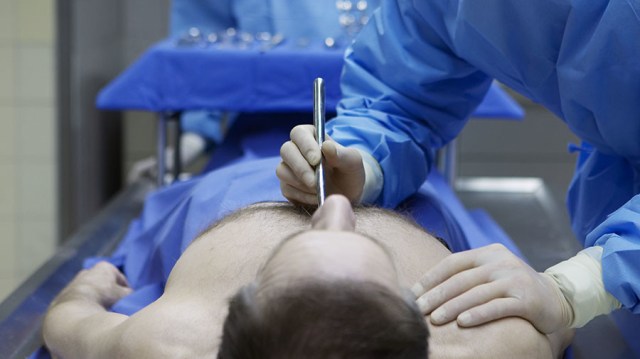
But four hours later, right before Jiménez’s autopsy, he was heard making noises on the autopsy table, and was found to still be alive. This discovery was not a moment too soon — Jiménez’s body even had the marks painted on it to guide the autopsy, a family member told La Voz de Asturias.

He has now regained consciousness and is in the intensive care unit at the Central University Hospital of Asturias (HUCA) in Oviedo, Spain.

But how, exactly, does something like this happen?

Determining whether someone is dead or alive might sound simple enough, but there are not universal guidelines for exactly when doctors should pronounce someone dead. “You’re dead when a doctor says you’re dead,” said Dr. James Bernat, a neurologist at Dartmouth College’s Geisel School of Medicine in New Hampshire.

Broadly speaking, a person may be declared dead when one of two things happens: Their heart stops beating and doesn’t start again, or they are “braindead.” A person is considered brain-dead when he or she no longer has any neurological activity in the brain or brain stem — meaning no electrical impulses are being sent between brain cells.

Doctors perform a number of tests to determine whether someone is brain-dead, such as checking whether the individual can initiate his or her own breath, said Dr. Diana Greene-Chandos, an assistant professor of neurological surgery and neurology at Ohio State University Wexner Medical Center.

In the recent case, Jiménez’s family said Jiménez had epilepsy, and they suspect the condition may have played a role in the unusual circumstances of his presumed death, according to La Voz de Asturias. Some people with epilepsy can experience a condition called catalepsy, or a “trancelike” state in which their muscles become rigid and they are unresponsive to stimuli.

This isn’t the first time a person has been pronounced dead when they were actually alive. For example, in 2014, a 91-year-old woman in Poland was declared dead and spent 11 hours in a mortuary before staff discovered her body bag moving and found her alive.

https://www.cbsnews.com/news/man-declared-dead-snores-to-life-right-before-autopsy/

Thanks to Pete Cuomo for bringing this to the It’s Interesting community.

Recovering from Locked-In Syndrome

By Robert McCoppin

Lying motionless in a hospital bed, Jose Rodriguez Jr. lost the will to live.

He’d suffered a stroke, fallen into a coma and awoken with an extremely rare condition known as locked-in syndrome. He was unable to move anything except for his eyes.

Previously a healthy young man, Rodriguez now couldn’t walk, talk, swallow or even breathe on his own. He felt trapped inside his body.

As the reality of his situation sunk in — that he could no longer work or hug his mother — Junior, as his family calls him, felt the life he’d had was over. He wanted to die.

To survive, doctors said, he needed surgery for a tracheotomy, to attach a ventilator through his throat to keep him breathing.

Rodriguez’s father pleaded with him to have the life-saving operation. But now that he was conscious, the decision was his.

When the doctors asked for his answer — looking up meant yes; down was no — Rodriguez didn’t respond at first. He thought of his father, with whom he’d always been close; the two even worked at the same Naperville warehouse. However desperate his situation, Junior decided, he did not want to let his father down. He rolled his eyes upward. He would do what he could to survive.

That decision began a long, torturous journey for Rodriguez, his family and a team of medical workers. Eventually, it would move him into an even rarer status: someone who is recovering from locked-in syndrome.

His experience reflects a movement in stroke treatment toward therapy that promotes new connections and functions between nerve cells, called neuroplasticity. Where the brain was previously thought to have little ability to regenerate, recent research has suggested that exercise and movement can promote healing. The idea is to get the body moving, and the brain follows.

Rodriguez’s decision wasn’t without some second-guessing, though, as he faced a seemingly insurmountable challenge to move again.

“It was only (from) my mom and dad’s constant reassurance that I’d get better (that) I had a change of heart,” Rodriguez said in an email. “Ever since then I’ve been working to get myself better.”

Uncomfortably numb

On Aug. 5, 2013, Rodriguez felt a sharp pain in his head and strange numbness on his side. He didn’t think much of it, and it soon went away. He went to work, moving heavy shipping orders at a train parts facility.

Co-workers warned his symptoms could be signs of a stroke but, Rodriguez, then 31, thought he was too young and healthy for that.

The next morning, the headache was back and worse, and now his entire left side was numb. He drove himself to the emergency room at Rush Copley Medical Center in Aurora, where, he later wrote in a memoir about his ordeal: “My whole body began to shake uncontrollably. … I tried so hard to stop shaking, but I couldn’t. I blacked out and that’s all I remember.”

Rodriguez was airlifted to Central DuPage Hospital in Winfield, where he underwent a four-hour surgery to remove the clot causing his stroke. He was in a coma for about 12 days.

When he came to, he not only was paralyzed, but his brain could no longer regulate his body temperature. He became so overheated that sweat pooled in his eye sockets. He was packed in ice with fans blowing on him.

Early on, Rodriguez — who shared his recollections through his memoir and via email, with his family and some of his medical attendants confirming details — suffered severe hiccups that caused a hernia. He underwent another surgery to repair the hernia and install a feeding tube. He still uses that, subsisting on a liquid diet.

During those times, his father often slept in his room because he was afraid to be alone. His mother and six younger brothers also visited frequently. One of his uncles promised him $100 if he could someday give the middle finger.

Every day, a nurse tested his reactions by pinching his finger. Unlike some people with paralysis, Rodriguez can feel his body, and he flinched every time. But medical workers were still waiting for some sign that he could initiate voluntary movement.


Extreme paralysis, extremely rare

The extremely rare condition of locked-in syndrome occurs when the brain stem is disabled and can no longer relay signals for functions like movement, breathing and heart rate. The syndrome can develop from a stroke, tumor, injury or from ALS, also known as Lou Gehrig’s disease. French journalist Jean-Dominique Bauby described the condition in his 1997 memoir “The Diving Bell and the Butterfly,” later made into a film.

Most people with locked-in syndrome don’t regain movement. In one study of 14 patients, about 20 percent recovered some movement, about 30 percent regained some verbal communication and about half were weaned off a ventilator.

Rodriguez’s recovery appears to be a good example of neuroplasticity at work, according to expert Edward Taub, a University of Alabama at Birmingham professor of psychology not involved in Rodriguez’s treatment.

As director of the university’s Taub Therapy Clinic, he oversees treatment of patients with strokes and other injuries. His clinic uses constraint-induced therapy, in which patients use incapacitated limbs to repeat tasks like moving checkers to build up fine motor skills.

The key, Taub said, is to increase the difficulty of the task slowly so the patient keeps striving to improve. Through repetitive motions, and more intensive therapy than is otherwise typical, the theory is, the brain grows new connections to rewire itself.

“The heart of it is, use it or lose it,” Taub said. “If you use it, it’ll keep improving.”

Rough road to rehabilitation

Rodriguez took that attitude to heart. After recovering from surgery, he tried each day to make some movement with his body, and by the time he left the hospital, he was able to open his mouth slightly. Eventually he could breathe on his own, his ventilator was removed and he was sent to the Rehabilitation Institute of Chicago, now called Shirley Ryan AbilityLab.

There, he began different therapies to relearn how to speak, eat and move. One therapist had him work on moving his head from side to side.

To communicate, he would spell out words by lifting his head when a therapist pointed to letters on a card. It was laborious, but it allowed him to convey thoughts beyond yes and no.

There were times, he said, that staff members made no effort to communicate with him or left him in his wheelchair or leg braces too long until it became painful.

“I never felt so vulnerable,” he said.

His family transferred him to Marianjoy Rehabilitation Hospital in Wheaton, closer to home. There, he would meet the team that would help to bring him back to life.

At Marianjoy, a speech therapist made sure his teeth were brushed every day, encouraged him to make what few sounds he could with his voice and got him to begin eating a bit of blueberry yogurt.

He later practiced chewing gum with a string attached so he could pull it out without swallowing, and eventually was able to eat pureed food.

He also tried his first motorized wheelchair, which he directed with head movements, but it was difficult and scary for him since he couldn’t control it well.

Like some other stroke patients, it was also very hard for Rodriguez to control his emotions. Sometimes he would laugh uncontrollably at inappropriate times, and worried that people thought he was laughing at them.

One day, while sitting in a wheelchair with other patients waiting for therapy, it struck Rodriguez how profoundly disabled he was, and he began sobbing uncontrollably. Using the letter board, he kept asking his parents, “Why me? I don’t deserve this, and I just want to be normal again.”

He blamed God for what happened, until his father convinced him that if God controlled such things, only murderers and rapists would be struck down.

“He was right. Circumstances put me in this situation, and only I could get myself out,” Rodriguez wrote in his memoir. “When I got to Marianjoy’s garden outside I was suddenly hit by how beautiful the day was and started to weep. It was a lesson for me not to take anything for granted, and appreciate even the little things.”

Slowly, he began to recover a lot of movement in his right arm and leg, but not on his left side. Therapists used robotic exo-skeletons to move his left arm and to help him walk. The exo-skeleton provided all the motion to start with, then less and less as he learned to move using his own power.

That’s crucial to relearning movement, researchers say, because to rewire neurons, the brain has to will the movement and then learn from trial and error, like a toddler, rather than just letting the body move passively.

The physician who oversaw his rehabilitation at Marianjoy, Dr. Anjum Sayyad, said Rodriguez’s recovery was a testament to his youth and health, his motivation to get better and his family’s support.

“It was really unusual to see how much he recovered, probably the best I’ve ever seen in a locked-in patient,” Sayyad said. “He is a walking miracle. Jose taught me that for any patient, regardless of their diagnosis, you can’t assume what’s going to happen. I have much more faith in what people can do.”

For locked-in patients who don’t show such strides, though, researchers are trying to find other ways to reach them. Ongoing studies are looking into whether brain-computer interfaces can help patients communicate.

One study out of the Netherlands, for instance, claims to be the first to test whether a device implanted in the brain can read activity directly in the brain and convert it to a digital switch, initially to answer yes or no questions, and eventually for other commands.


A new life back home

With daily practice and effort, Rodriguez learned to breathe on his own and get rid of the tracheotomy tube in his throat, which made him much happier. With the help of therapist Kelly Ball and a support harness, he gradually learned to stand, then to take a few steps and then to walk about 70 feet.

He also learned to operate a power wheelchair with his hand, and doctors cleared him to go home.

Though Rodriguez owned his own house, he moved into his father’s home in Aurora, where his brothers and stepmother help to take care of him. His father built a ramp so his son could wheel into his own room on the ground floor, and installed a bell for his son to ring anytime he needs help.

“He was always very strong-willed, very positive,” Jose Rodriguez Sr. said. “I push him as much as I can. He tries as hard as he can. Of course I’m proud of him.”

To communicate, Rodriguez Jr. learned to use a Tobii eye-tracking device, with which he could type letters into a computer by focusing his eyes on one letter at a time. With that, he could speak with a computerized voice, write emails and texts, set an alarm, use Facebook and other apps, play games and music, and take photos.

As he recovered more movement in his hand, he began to write on a laptop, typing with one finger. Rodriguez had written fiction for years as a hobby before his stroke, and since has continued writing a series of science fiction/fantasy books called “The Guardians of Rhea,” in which monsters are re-imagined as races that must join together to fight evil.

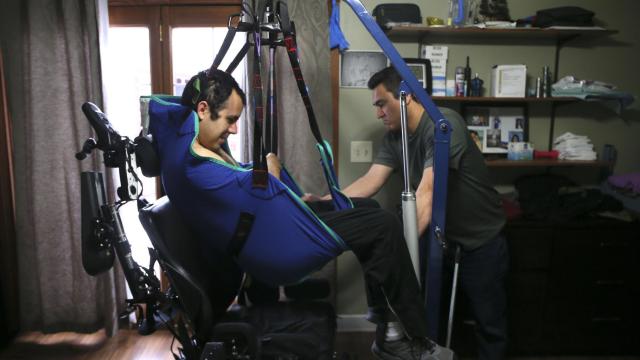
With his father’s help, he’s learned to live with his condition. He exercises daily at home and takes occasional trips around the neighborhood and out to stores or movies. The improvements are slow: More than five years after the stroke, he can now speak a word or two at a time, though it remains easier to write. He also gets regular Botox shots to relax the tightness in his left arm and leg. With his father’s help and a special lifting device, he can get out of bed to move around in his wheelchair and can sit at a desk his father made for him to write on his computer.

After all he’s been through, he wrote, hunting down one letter at a time on his laptop, he’s glad to have a second chance to live.

“I can’t tell you how many times I thought about giving up or being better off dead, but I found the strength to move on,” he wrote. “Whatever you do, don’t ever give up. There is always hope.”

http://www.chicagotribune.com/suburbs/ct-met-locked-in-syndrome-recovery-20171220-story.html