New evidence that breathing may bring microplastics into the human brain

For the first time, scientists have detected microscopic microplastics lodged in the human brain. Researchers in Germany and Brazil say that 8 out of 15 autopsied adults had microplastics detected within their brain’s smell centers, the olfactory bulb.

The particles were likely breathed in over a lifetime, since tiny floating microplastics are ubiquitous in the air.

Although microplastics have already been found in human lungs, intestines, liver, blood, testicles and even semen, it had long been thought that the body’s protective blood-brain barrier might keep the particles out of the brain.

However, the new study suggests that there’s “a potential pathway for the translocation of microplastics to the brain” via the olfactory bulb, according to a team led by Luis Fernando Amato-Lourenco, of the Free University Berlin and Thais Mauad, an associate professor of pathology at the University of Sao Paolo in Brazil.

The team published its findings Sept. 16 in the journal JAMA Network Open.

“With much smaller nanoplastics entering the body with greater ease, the total level of plastic particles may be much higher,” Mauad said in a news release from the Plastic Health Council, a group that advocates for reductions in plastics use.

“What is worrying is the capacity of such particles to be internalized by cells and alter how our bodies function,” Mauad added.

The new study involved brain tissues from 15 routine autopsies conducted on deceased residents of Sao Paulo, Brazil. The individuals ranged in age at death from 33 to 100 (average age 69.5 years).

“A total of 16 synthetic polymer [plastic] particles and fibers were identified” in the brain olfactory bulbs of 8 of the 15 deceased people, the researchers report.

In nearly 44% of cases, the plastic was polypropylene—one of the most common plastics and used in everything from packaging to clothing and home accessories.

That suggests “indoor environments as a major source of inhaled microplastics,” the team said.

So just how are these microscopic fragments invading the brain?

Amato-Lourenco and colleagues point out that nasal mucosa lying outside the brain may interact with cerebrospinal fluid to allow entry of microplastics into the olfactory bulb via tiny “perforations” in bony structures found in this area.

“So when you breathe through your nose, your olfactory nerve directly samples particles and reacts to the particles that you are inhaling as a direct sensory mechanism,” said Dr. Wells Brambl, core faculty for medical toxicology at Long Island Jewish Medical Center in New York City.

“The fact that there’s no blood-brain barrier there leads to direct access to the brain, and most importantly, right above the olfactory nerve are the frontal and prefrontal lobes, which are where we believe the seat of consciousness is,” added Brambl, who was not involved in the study.

Other studies have already shown that “environmental black carbon particles” from air pollution can be found in the olfactory bulb, and in rare cases, tiny amoebae that can trigger a deadly form of encephalitis are also detected there, the Brazilian researchers noted.

They said the new data “extend the notion that not only black carbon but also microplastics accumulate in the olfactory bulb in humans.”

Can these microplastics affect brain health? That’s not yet clear, Amato-Lourenco’s team said, but the “potential” is there.

“Considering the potential neurotoxic effects caused by microplastics in the brain, and the widespread environmental contamination with plastics, our results should raise concern in the context of increasing prevalence of neuodegenerative diseases” such as Parkinson’s, ALS and other maladies, the researchers said.

“My intuition would say that it’s not good to have plastic in your brain,” Brambl said. “However, the data in long-term prospective studies have not yet been performed. So, it’s impossible to make any definitive conclusions.”

Still, he said, “I think that this study is very thought-provoking in the sense that we need to start thinking about this as a real public health concern for the long term.”

More information: Luís Fernando Amato-Lourenço et al, Microplastics in the Olfactory Bulb of the Human Brain, JAMA Network Open (2024). DOI: 10.1001/jamanetworkopen.2024.40018

Find out more about microplastics at Yale University.

Journal information: JAMA Network Open 

https://medicalxpress.com/news/2024-09-microplastics-human-brain.html
High doses of some prescription stimulants tied to increased psychosis risk

McLean Hospital

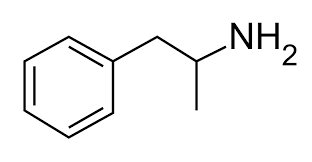
Prescribing rates for stimulants that treat attention-deficit/hyperactivity disorder (ADHD) have increased significantly over the past decade, with some of the largest increases reported during the COVID-19 pandemic. A new study of adult emergency department admissions at Mass General Brigham, led by McLean Hospital researchers, found that individuals who are taking high doses of amphetamine (e.g. Adderall) face more than a five-fold increased risk for developing psychosis or mania. Findings were published September 12th in the American Journal of Psychiatry.

Overall, individuals with past-month prescription amphetamine use had a greater likelihood of new-onset psychosis or mania than individuals without past-month use. The risk was highest in those taking 30 mg or more of dextroamphetamine (which corresponds to 40 mg of Adderall), according to the study.

Previous studies have linked stimulants to psychosis and mania risk; however, information had been lacking on whether dosing impacted risk.

“Stimulant medications don’t have an upper dose limit on their labels, and our results show that it is clear that dose is a factor in psychosis risk and should be a chief consideration when prescribing stimulants,” said lead study author Lauren Moran, MD, a pharmacoepidemiology researcher at McLean Hospital. “This is a rare but serious side effect that should be monitored by both patients and their doctors whenever these medications are prescribed.”

Moran said the study was born out of her past clinical observations as an inpatient psychiatrist. She and her McLean colleagues would regularly see patients coming in experiencing first episodes of psychosis, and their medical records would reveal they were prescribed high doses of stimulants by their doctors.

Researchers reviewed electronic health records of Mass General Brigham patient encounters between 2005 and 2019, focusing on adults aged 16 to 35, the typical age of onset for psychosis and schizophrenia. All patients were admitted to McLean Hospital following referrals from other hospitals in the Mass General Brigham healthcare system. The researchers identified 1,374 cases of individuals presenting with first-episode psychosis or mania, compared to 2,748 control patients with a psychiatric hospitalization for other conditions like depression or anxiety. They conducted a comparison analysis of stimulant use over the preceding month and accounted for other factors, including substance use, in order to isolate the effects of stimulants.

They found the attributable risk percentage among those exposed to any prescription amphetamine was nearly 63% and for high dose amphetamine was 81%. These findings suggest that among people who take prescription amphetamine, 81% of cases of psychosis or mania could have been eliminated if they were not on the high dose. While a significant dose-related risk increase was seen in patients taking high doses of amphetamine, no significant risk increase was seen with methylphenidate (Ritalin) use, which is consistent with previous research, including a 2019 study led by Moran.

While the study does not prove causality, the researchers note there is a plausible biological mechanism in neurobiological changes that include a release of higher levels of the neurotransmitter dopamine from amphetamines, that parallel dopaminergic changes observed in psychosis.

Limitations of the study include inconsistencies with how electronic health records are kept. Additionally, with the research taking place in a psychiatric hospital in the Boston area that sees many patients with psychosis, it may make these findings less generalizable to other parts of the country.

Moran said the findings need not create alarm but should lead to extra caution when these medications are prescribed, especially for those who have risk factors for psychosis and mania.

“There’s limited evidence that prescription amphetamines are more effective in high doses,” said Moran. “Physicians should consider other medications our study found to be less risky, especially if a patient is at high risk for psychosis or mania.”

Authorship: In addition to Moran, Mass General Brigham co-authors included Joseph P. Skinner, BA (BWH), Ann K. Shinn MD, MPH (McLean), Kathryn Nielsen (McLean), Vinod Rao, MD, PhD (MGH), Trevor Taylor, MD, MPH (MGH), Talia R. Cohen (McLean), Cemre Erkol, MD (McLean), Jaisal Merchant, MA (McLean), Christin A. Mujica, MA (McLean), Roy H. Perlis, MD, MSc, (MGH) and Dost Ongur, MD, PhD (McLean).

Funding: This work was funded by a grant from the National Institute of Mental Health (NIMH), R01 MH122427.

Disclosures: Perlis received personal fees from Genomind, Burrage Capital, Psy Therapeutics Inc, Circular Genomics Inc, and Vault Health unrelated to the submitted work. Dr. Ongur received honorariums for scientific presentations to Neumora Inc. and Guggenheim LLC unrelated to the submitted work. Dr. Moran is employed by Sage Therapeutics (unrelated to this work and after study completed and submitted for publication). All other authors report no financial relationships with commercial interests.

Paper cited: Moran, LV et al. “Risk of Incident Psychosis and Mania with Prescription Amphetamines,” American Journal of Psychiatry. DOI: 10.1176/appi.ajp.20230329

https://www.eurekalert.org/news-releases/1057164

New Study Shows that Chronic Neurodegeneration can be Prevented after Traumatic Brain Injury

September 10, 2024

By Ansley Kelm

CLEVELAND – Violent blows or jolts to the head can cause traumatic brain injury (TBI), and there are currently about five million people in the U.S. living with chronic neurodegeneration and related impairments due to TBI. In addition to cognitive and mental health impairment, chronic neurodegeneration may also contribute to why TBI increases the risk of age-related neurodegenerative diseases, such as Alzheimer’s or Parkinson’s disease. It could also play a role in chronic traumatic encephalopathy (CTE).

Due to the lack of understanding of why acute TBI transitions into chronic neurodegeneration, however, there are currently no treatments that protect patients from this outcome. Now, University Hospitals (UH) and Case Western Reserve University researchers have moved a step closer to finding answers in a study recently published in Cell Reports Medicine

“We started with the hypothesis that TBI might pathologically impair the balance of mitochondrial fission and fusion,” explained Preethy S. Sridharan, PhD, lead author of the study. “The normal homeostatic balance of mitochondrial fission and fusion is how mitochondria consistently produce enough energy for the cell while also sequestering and disposing damaged parts. Given the very high energy demands of the brain, this is particularly important for brain health across our lifespan.”

The process is governed by the interaction of two cellular proteins: Fis1 and Drp1. It was previously shown that other neurodegenerative diseases, including Alzheimer’s disease (AD) and Huntington’s disease, display pathologically elevated mitochondrial fission due to elevated expression of Drp1. Here, the research team discovered that mitochondrial fission is pathologically elevated in mouse and human TBI as well, but that it is caused by increased expression of Fis1, rather than Drp1.

They next tested whether pharmacologically reducing excessive mitochondrial fission for only two weeks after TBI, by administering a small peptide agent named P110 that blocks the interaction of Fis1 and Drp1, might halt this process and protect the brain. P110 was previously discovered and developed by co-senior author, Xin Qi, PhD, the Jeanette M. and Joseph S. Silber Professor of Brain Sciences in the CWRU Department of Physiology and Biophysics and Co-Director of the CWRU Center for Mitochondrial Research and Therapeutics.

“Brief P110 treatment during the acute time period after TBI permanently normalized mitochondrial fission / fusion and prevented subsequent harm to the brain, including oxidative damage, blood-brain barrier deterioration, axonal degeneration, and cognitive impairment, 17 months later. This is equivalent to many decades in people,” explained Andrew A. Pieper, MD, PhD, senior author of the study and Director of the Brain Health Medicines Center of the Harrington Discovery Institute at UH. “The same treatment administered much later, however, had no protective effect. Thus, there is a critical time window after TBI wherein this treatment can be effective.”

Dr. Pieper also holds the Morley-Mather Chair in Neuropsychiatry at UH and the CWRU Rebecca E. Barchas, MD, DLFAPA, University Professorship in Translational Psychiatry. He additionally serves as Psychiatrist and Investigator in the Louis Stokes VA Geriatric Research Education and Clinical Center (GRECC).

The team hopes that P110 or a related compound will be tested clinically in acute TBI patients. “Next steps in the basic science research, on the other hand, involve further utilization of this model to yield additional new insights into understanding the pathophysiology and treatment opportunities for this important problem,” explained Dr. Qi.

In addition to extending their investigation to additional different preclinical models of TBI, the research team also plans to investigate whether the mechanism they discovered could play a role in why TBI accelerates AD. They speculate that the combination of increasing two components of the same system (increased Fis1 in TBI and increased Drp1 in AD) could cause a synergistic deleterious effect that significantly advances the development and severity of AD after patients have experienced a TBI.

___

This study was supported by The Valour Foundation.

Sridharan, Preethy S. et al. “Acutely blocking excessive mitochondrial fission prevents chronic neurodegeneration after traumatic brain injury.” Cell Reports Medicine. DOI: 10.1016/j.xcrm.2024.101715

https://news.uhhospitals.org/news-releases/articles/2024/09/new-study-shows-that-chronic-neurodegeneration-can-be-prevented-after-traumatic-brain-injury

Pathways linking body and brain health and impacts to mental health revealed

The interconnectedness of the brain, body and lifestyle factors and how they collectively influence mental health has been demonstrated by new research.

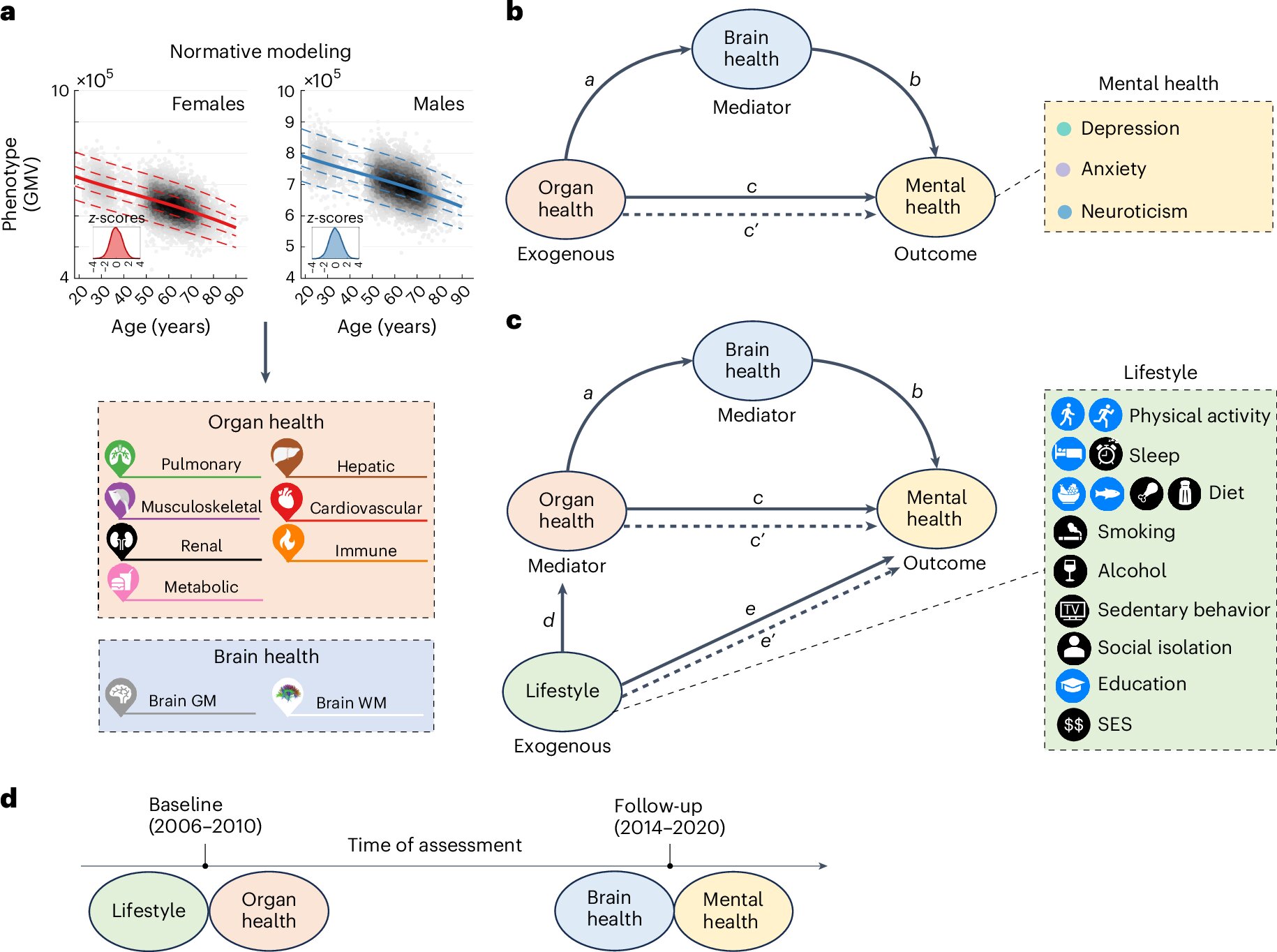
Researchers from the University of Melbourne, University College London and the University of Cambridge have identified multiple biological pathways involving organs and the brain that play a key part in physical and mental health.

The study, published today in Nature Mental Health, used UK Biobank data from more than 18,000 people—7,749 people in the study had no major clinically diagnosed medical or mental health conditions, while 10,334 reported a diagnosis of either schizophrenia, bipolar disorder, depression or anxiety.

Using advanced statistical models, the researchers found poorer organ health was significantly associated with higher depressive symptoms, and that the brain plays an important role in linking body health and depression.

The organ systems studied included the lungs, muscles and bones, kidneys, liver, heart, and the metabolic and immune systems.

“Overall, we found multiple significant pathways through which poor organ health may lead to poor brain health, which may in turn lead to poor mental health,” lead author Dr. Ye Ella Tian, research fellow in the Department of Psychiatry, said.

“By integrating clinical data, brain imaging and a wide array of organ-specific biomarkers in a large population-based cohort, we were able to establish for the first time multiple pathways involving the brain as a mediating factor and through which poor physical health of body organ systems may lead to poor mental health.

“We identified modifiable lifestyle factors that can potentially lead to improved mental health through their impact on these specific organ systems and neurobiology.

“Our work provides a holistic characterization of brain, body, lifestyle and mental health.”

Physical health was also taken into account as well as lifestyle factors such as sleep quality, diet, exercise, smoking, and alcohol consumption.

“This is a significant body of work because we have shown the link between physical health and depression and anxiety and how that is partially influenced by individual changes in brain structure,” Professor Andrew Zalesky from the Departments of Psychiatry and Biomedical Engineering said.

“Our results suggest that poor physical health across multiple organ systems, such as liver and heart, the immune system and muscles and bones, may lead to subsequent alterations in brain structure.

“These structural changes of the brain may lead to or exacerbate symptoms of depression and anxiety as well as neuroticism.”

Professor James Cole, an author of the study from UCL Computer Science, said, “While it’s well-known in health care that all the body’s organs and systems influence each other, it’s rarely reflected in research studies. So, it’s exciting to see these results, as it really emphases the value in combining measures from different parts of the body together.”

More information: Ye Ella Tian et al, Brain, lifestyle and environmental pathways linking physical and mental health, Nature Mental Health (2024). DOI: 10.1038/s44220-024-00303-4

https://medicalxpress.com/news/2024-08-pathways-linking-body-brain-health.html

Eliminating these 14 risk factors may prevent nearly half of dementia cases

Key takeaways:

  • The Lancet Commission identified high cholesterol and vision loss as new risk factors for dementia.
  • The commission outlined 13 recommendations for individuals and governments to prevent dementia.

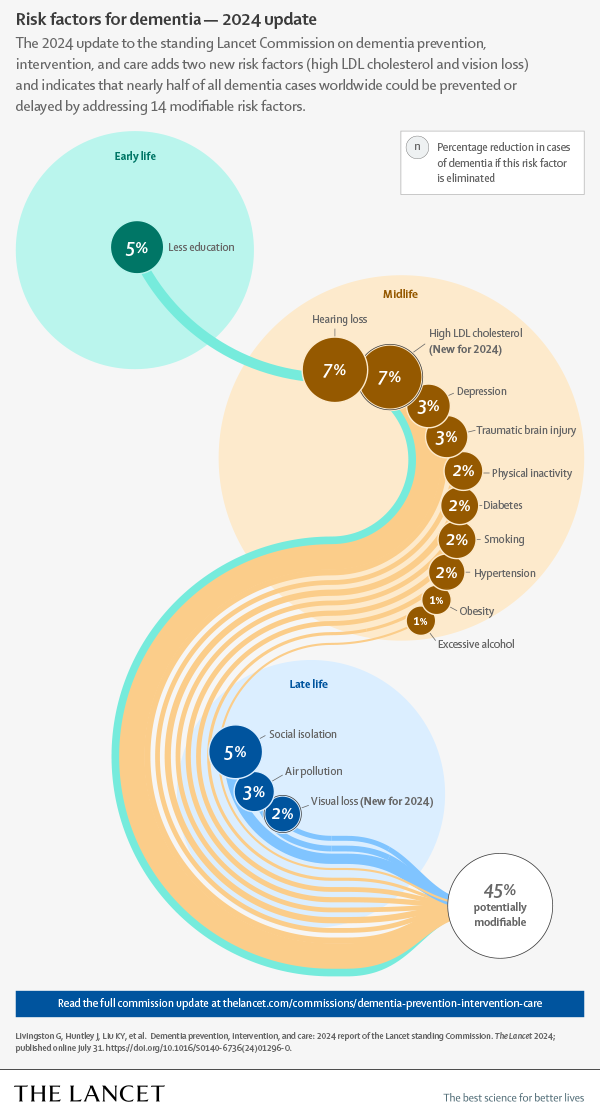
PHILADELPHIA — Tackling 14 risk factors for dementia beginning in childhood could prevent or delay nearly half of cases worldwide, according to a report from the Lancet Commission presented at the Alzheimer’s Association International Conference.

These include two risk factors — high cholesterol and vision loss — newly identified by the commission on dementia prevention, intervention and care.

An estimated 57 million people were living with dementia in 2019, Gill Livingston, MD, a professor of psychiatry at University College London, and colleagues wrote in the report. This number is expected to increase to 153 million by 2050, highlighting the need for risk reduction strategies.

The new report is an update to the commission’s 2020 report. Members of the commission adopted a triangulation framework that prioritized systematic reviews and meta-analyses. They also conducted new meta-analyses when necessary.

The researchers said their review supports the 12 potentially modifiable risk factors that were identified in the 2020 report: air pollution (RR = 1.1; 95% CI, 1.1-1.1); depression (RR = 2.2; 95% CI, 1.7-3); diabetes (RR = 1.7; 95% CI, 1.6-1.8); excessive alcohol use (RR = 1.2; 95% CI, 1-1.5); hearing loss (RR = 1.4; 95% CI, 1-1.9); hypertension (RR = 1.2; 95% CI, 1.1-1.4); lower education level (RR = 1.6; 95% CI, 1.3-2); obesity (RR = 1.3; 95% CI, 1-1.7); physical inactivity (RR = 1.2; 95% CI, 1.2-1.3); smoking (RR = 1.3; 95% CI, 1.2-1.4); social isolation (RR = 1.6; 95% CI, 1.3-1.8); and traumatic brain injury (RR = 1.7; 95% CI, 1.4-1.9).

The evidence also supports the addition of high LDL cholesterol (RR = 1.3; 95% CI, 1.3-1.4) and vision loss (RR = 1.5; 95% CI, 1.4-1.6).

If these 14 risk factors are eliminated, “nearly half of dementias could theoretically be prevented,” Livingston and colleagues wrote.

This has important implications for physicians, particularly family physicians, Livingston told Healio. She noted that diabetes, excessive alcohol use, hearing impairment, high LDL, hypertension, obesity, vision loss and smoking account for about one-quarter of all dementias.

“If we add depression, traumatic brain injury and physical inactivity, which family physicians also advise on, then it is a third of dementias,” she said. “Their active vigilance and advice potentially make a huge difference.”

Based on their findings, the researchers outlined 13 recommendations for individuals and governments to prevent dementia:

  • ensure children have access to good-quality education and encourage individuals in midlife to participate in “cognitively stimulating activities;”
  • reduce harmful noise exposure and make hearing aids accessible to those with hearing impairment;
  • treat depression;
  • promote helmets and other head protection during contact sports and when riding bicycles;
  • encourage exercise;
  • reduce smoking through education and by implementing policies that aim to control the cost of cigarettes;
  • prevent or reduce high blood pressure;
  • diagnose and treat high LDL;
  • maintain a healthy weight and treat obesity early;
  • reduce excessive alcohol use through price control and raising awareness about the risks of overconsumption;
  • reduce social isolation by encouraging activities and living with other people, prioritizing an “age-friendly and supportive community, environments and housing”;
  • ensure access to vision loss screening and treatment; and
  • decrease air pollution exposure.

“Although addressing risk factors at an early stage of life is desirable, there is also benefit from tackling risk throughout life; it is never too early or too late to reduce dementia risk,” Livingston and colleagues wrote.

References:

  • Livingston G, et al. Lancet standing commission on dementia prevention, intervention and care. Scientific advances in the 2024 commission. Presented at: Alzheimer’s Association International Conference; July 28-Aug. 1, 2024; Philadelphia.
  • The Lancet: Nearly half of dementia cases could be prevented or delayed by tackling 14 risk factors starting in childhood, including two new risks — high cholesterol and vision loss. www.eurekalert.org/news-releases/1052982. Published July 31, 2024. Accessed July 31, 2024.

Perspective

Back to Top 

Claire Sexton, DPhil

Dementia risk reduction is an important area of research. In this latest Lancet Commission report, they’re adding two more risk factors — high cholesterol and vision loss — to the list and calculating that, together, these 14 factors could account for around half of all worldwide cases of dementia. This illustrates the importance of our awareness of these types of risk factors.

It’s important for our understanding that these reports are not just informed by epidemiological studies, but further interventional studies. One of those, which is ongoing, is the U.S. POINTER study. Recruiting is complete, but evaluating the results of the study is still underway. They will be reported next year at AAIC 2025 in Toronto. This study is looking at multiple risk factors, including modifying diet, exercise, cognitive activities, social engagement and the management of heart health status, and whether these factors in combination can protect cognitive health.

Of note, for right now, the Alzheimer’s Association provides 10 Healthy Habits for Your Brain, which is a great resource for anybody who is thinking about their risk.

Claire Sexton, DPhil

Senior director of scientific programs and outreach

Alzheimer’s Association

Disclosures: Sexton reports no relevant financial disclosures.

Sources/Disclosures

Collapse

Source: 

Livingston G, et al. Lancet. 2024;doi:10.1016/S0140-6736(24)01296-0.

More severe OSA linked to premature aging in adults

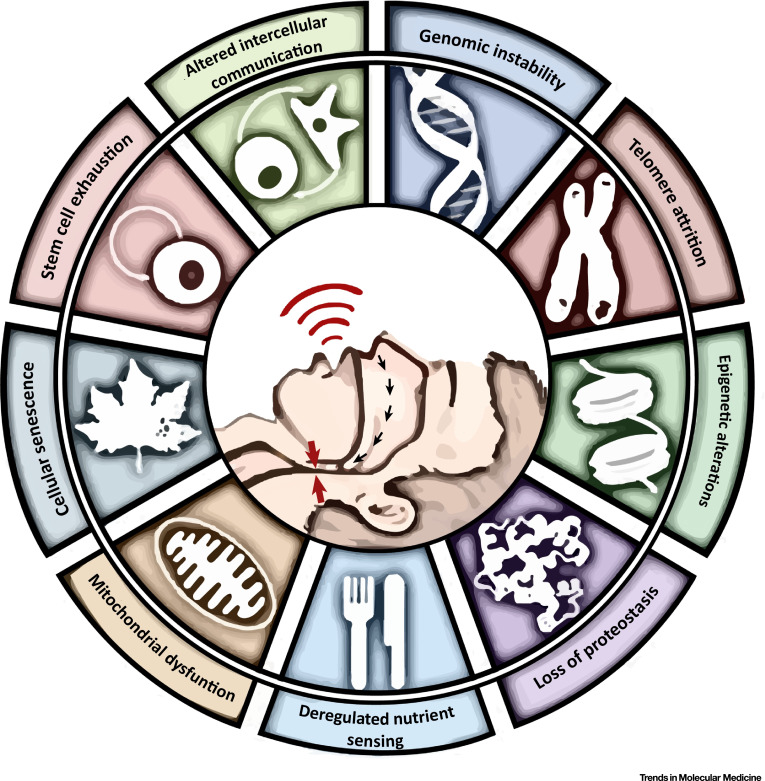
A heightened oxygen desaturation index was significantly linked to epigenetic age acceleration determined via two epigenetic clocks, according to a presentation at the American Thoracic Society International Conference.

“OSA severity is associated with positive epigenetic age acceleration or premature aging,” Ilia Ostrovski, respirology fellow from University of British Columbia, said during his presentation. “We also conclude that the association between obstructive sleep apnea and positive epigenetic age acceleration is better demonstrated by second generation epigenetic clocks likely due to their calibration with physiologic outcomes rather than chronological age.”

In a large, cross-sectional study, Ostrovski and colleagues evaluated epigenetic age, a biologic age biomarker, of 1,254 adults (mean age, 53 years; 43% women) from the 2016 to 2019 Canadian Sleep and Circadian Network biobank who underwent sleep testing to find out if OSA severity is linked to premature aging, or epigenetic age acceleration.

Researchers utilized blood samples to extract DNA and four validated epigenetic clocks to find epigenetic age estimations.

“Levels of DNA methylation at certain sites in the genome are associated with chronological age; thus, epigenetic or biological age can be predicted exploiting this feature of the DNA methylome,” Ostrovski and colleagues wrote in the study abstract.

Ostrovski noted during his presentation that first generation clocks (Horvath pan-tissue and Hannum) are calibrated to chronologic age, whereas second generation clocks (PhenoAge and GrimAge) are calibrated to physiologic outcomes and mortality.

“It’s becoming increasingly recognized that these [second generation clocks] capture age-related decline better than first generation clocks,” he said.

The total cohort included 325 controls (median age, 54 years; 54% women; median BMI, 28 kg/m2) and 929 individuals with OSA.

Of those with OSA, most had severe OSA (n = 387; median age, 56 years; 34% women; median BMI, 37 kg/m2), followed by moderate OSA (n = 297; median age, 56 years; 36% women; median BMI, 33 kg/m2) and mild OSA (n = 245; median age, 58 years; 51% women; median BMI, 31 kg/m2).

Baseline characteristics with a greater proportion of those with severe or moderate OSA vs. those with mild OSA or controls included current smoking status (14% vs. 12% vs. 9% vs. 7.4%), diabetes (28% vs. 18% vs. 17% vs. 9.3%), hypertension (51% vs. 55% vs. 42% vs. 32%) and cardiovascular disease (14% vs. 15% vs. 13% vs. 9%).

The proportion of individuals with alcohol use disorder was similar among controls, those with mild OSA and those with moderate OSA (63% vs. 62% vs. 63%) but lower among those with severe OSA (52%).

Further, median oxygen desaturation index (ODI) at baseline increased as OSA became more severe, starting at two desaturation episodes per hour in the control group and escalating to 10 episodes per hour in the mild OSA group, 21 episodes per hour in the moderate group and 50 episodes per hour in the severe group.

To find the relationship between epigenetic age acceleration and ODI for each clock, researchers used linear regression adjusted for blood cell type proportions, age, sex, ethnicity, smoking, alcohol use, BMI, chip ID and chip position/row.

Using the GrimAge clock, each rise in ODI by 10 corresponded to epigenetic age acceleration of 0.16 years (P = .004). The same increase in ODI was also linked to epigenetic age acceleration of 0.11 years in the PhenoAge clock (P = .039).

No significant relationship was found between the two factors when using each of the first-generation clocks, and Ostrovski highlighted that the link became nonsignificant after factoring in BMI.

“We feel that future work should prioritize prospective evaluation of the impact of OSA severity on aging-related outcomes and also determine whether treatment of OSA reverses its effect on epigenetic age acceleration,” Ostrovski said.

Reference:

The serotonin-boosting action of antidepressants relieves depression by restoring normal communication and connections in the brain

Scott Thompson, PhD 

Professor, Department of Psychiatry
Director, Center for Novel Therapeutics
University of Colorado School of Medicine
Anschutz Medical Campus

Researchers from the University of Colorado Anschutz Medical Campus have established a new framework for understanding how classic antidepressants work in treating major depressive disorder (MDD), reemphasizing their importance and aiming to reframe clinical conversation around their role in treatment.

The nature of the dysfunction at the root of MDD has been under investigation for decades. Classic antidepressants, like SSRIs (selective serotonin reuptake inhibitors, such as Prozac) cause an elevation in the levels of the brain chemical messenger, serotonin. This observation led to the idea that antidepressants work because they restore a chemical imbalance, such as a lack of serotonin. However, subsequent years of research showed no significant decrease in serotonin in people with depression. While experts have moved away from this hypothesis due to lack of concrete evidence, this has led to a shift in public opinion on the effectiveness of these medications.

Antidepressants, such as SSRIs and serotonin and norepinephrine reuptake inhibitors (SNRIs) are still effective in alleviating depressive episodes in many patients, however. In a paper published in Molecular Psychiatry, researchers outline a new framework for understanding how antidepressants are efficacious in treating MDD. This framework helps clarify how antidepressants like SSRIs are still be helpful, even if MDD isn’t caused by a lack of serotonin.

“The best evidence of changes in the brain in people suffering from MDD is that some brain regions are not communicating with each other normally,” says Scott Thompson, PhD, professor in the department of psychiatry at the University of Colorado School of Medicine and senior author. “When the parts of the brain responsible for reward, happiness, mood, self-esteem, even problem solving in some cases, are not communicating with each other properly, then they can’t do their jobs properly.

“There is good evidence that antidepressants that increase serotonin, like SSRIs, all work by restoring the strength of the connections between these regions of the brain. So do novel therapeutics such as esketamine and psychedelics. This form of neuroplasticity helps release brain circuits from being ‘stuck’ in a pathological state, ultimately leading to a restoration of healthy brain function,” said Thompson.

Thompson and colleagues liken this theory to a car running off the road and getting stuck in a ditch, requiring the help of a tow truck to pull the car out of its stuck state, allowing it to move freely down the road again.

Researchers are hoping health care providers will use their examples to bolster conversations with apprehensive patients about these treatments, helping them better understand their condition and how to treat it.

“We are hoping this framework provides clinicians new ways to communicate the way these treatments work in combating MDD,” said C. Neill Epperson, MD, Robert Freedman endowed professor and chair of the department of psychiatry in the University of Colorado School of Medicine and co-author on the paper. “Much of the public conversation around the effectiveness of antidepressants, and the role serotonin plays in diagnosis and treatment, has been negative and largely dangerous. While MDD is a heterogenous disorder with no one fits all solution, it is important to emphasize that if a treatment or medication is working for you, then they are lifesaving. Understanding how these medications promote neuroplasticity can help strengthen that message.”

Story Source:

Materials provided by University of Colorado Anschutz Medical Campus. Original written by Kelsea Pieters. Note: Content may be edited for style and length.


Journal Reference:

  1. Chloe E. Page, C. Neill Epperson, Andrew M. Novick, Korrina A. Duffy, Scott M. Thompson. Beyond the serotonin deficit hypothesis: communicating a neuroplasticity framework of major depressive disorderMolecular Psychiatry, 2024; DOI: 10.1038/s41380-024-02625-2

https://www.sciencedaily.com/releases/2024/06/240605162707.htm

Lithium in drinking water linked to negative effects on human health

Key takeaways:

  • Increased risk for autism spectrum disorder was associated with 7.36 µg/L lithium exposure.
  • Increased risk for schizophrenia spectrum disorder was associated with 5.8 µg/L lithium exposure.

NEW YORK — Lithium exposure in drinking water was associated with potentially detrimental effects on human health, including increased risk for autism spectrum disorder and schizophrenia spectrum disorder, according to researchers.

“At the state hospital we deal with a lot of the sickest patients,” Sonja M. Johnson, DO, a fourth-year psychiatry resident at Indiana University Health, told Healio at the American Psychiatric Association annual meeting. “Lithium is an awesome medication, and it does a lot of great things. We always hear the phrase, ‘That’s so good. Put it in the water!’ I mean, they did it with fluoride, right?”

Andrea Patterson, MD, also a fourth-year resident in psychiatry, and colleagues at Indiana University School of Medicine performed a systematic review of 26 studies with data from five continents to determine whether higher levels of environmental lithium in the water supply poses a risk to human health.

Sonja M. Johnson

“Mental health is still kind of taboo in our area, but water is important, and people drink water,” Johnson said. “The question was, can we help everyone without making everyone take medicine?”

Of the reviewed studies, 12 showed that lithium exposure through drinking water had the potential for negative effects on the nervous, cardiovascular, endocrine, lymphatic, urinary and integumentary systems and could affect newborns to adults and pregnant women.

Although researchers reported that at 7 µg/L, lithium begins to have protective factors against suicide, they noted that at 7.36 µg/L it was associated with autism spectrum disorder, and at 5.8 µg/L with schizophrenia.

“Given this information, any lithium added to the U.S. water supply for protective reasons would inevitably increase the risk of harm,” researchers wrote.

“When you ask a question, sometimes the answer is no,” Johnson said. “That’s still an answer, and that’s still pretty awesome, because if you don’t ask you don’t know.”

Sources/Disclosures

Collapse

Source: 

Patterson A, et al. Too much of a good thing? Detrimental health effects linked to environmental lithium exposure through drinking water: A systematic review. Presented at: American Psychiatric Association annual meeting; May 4-8, 2024; New York.

Disclosures: Johnson reported no relevant financial disclosures. Please see the study for all other authors’ relevant financial disclosures.

Google Street View predicts heart disease risk based on neighborhood features

Researchers have used Google Street View to study hundreds of elements of the built environment, including buildings, green spaces, pavements and roads, and how these elements relate to each other and influence coronary artery disease in people living in these neighborhoods.

Their findings, published in the European Heart Journal today (Thursday), show that these factors can predict 63% of the variation in the risk of coronary heart disease from one area to another.

Coronary heart disease, where a build-up of fatty substances in the coronary arteries interrupts the blood supply to the heart, is one of the most common forms of cardiovascular disease.

Researchers say that using Google Street View can help provide an overview of physical environmental risk factors in the built and natural environments that could help not only in understanding risk factors in these environments, but ultimately help towards building or adapting towns and cities to make them healthier places to live.

The study was led by Prof. Sadeer Al-Kindi and Prof. Sanjay Rajagopalan from University Hospitals Harrington Heart & Vascular Institute and Case Western Reserve University, Ohio, USA, and Dr. Zhuo Chen, a post-doctoral fellow in Prof. Rajagopalan’s laboratory.

Prof. Rajagopalan said: “We have always been interested in how the environment, both the built and natural environment, influences cardiovascular disease. Here in America, they say that the zip code is a better predictor of heart disease than even personal measures of health. However, to investigate how the environment influences large populations in multiple cities is no mean task. Hence, we used machine vision-based approaches to assess the links between the built environment and coronary heart disease prevalence in US cities.”

The study included more than half a million Google Street View images of Detroit, Michigan; Kansas City, Missouri; Cleveland, Ohio; Brownsville, Texas; Fremont, California; Bellevue, Washington State; and Denver, Colorado. Researchers also collected data on rates of coronary heart disease according to ‘census tracts’. These are areas smaller than a US zip code that are home to an average of 4,000 people. The researchers used an approach called a convolutional neural network; a type of artificial intelligence that can recognize and analyze patterns in images to make predictions.

The research revealed that features of the built environment visible on Google Street View images could predict 63% of the variation in coronary heart disease between these small regions of US cities.

Prof. Al-Kindi added: “We also used an approach called attention mapping, which highlights some of the important regions in the image, to provide a semi-qualitative interpretation of some of the thousands of features that may be important in coronary heart disease. For instance, features like green space and walkable roads were associated with lower risk, while other features, such as poorly paved roads, were associated with higher risk. However, these findings need further investigation.

“We’ve shown that we can use computer vision approaches to help identify environmental factors influencing cardiovascular risk and this could play a role in guiding heart-healthy urban planning. The fact that we can do this at scale is something that is absolutely unique and important for urban planning.”

“With upcoming challenges including climate change and a shifting demographic, where close to 70% of the world’s population will live in urban environments, there is a compelling need to understand urban environments at scale, using computer vision approaches that can provide exquisite detail at an unparalleled level,” said Prof. Rajagopalan.

In an accompanying editorial, Dr. Rohan Khera from Yale University School of Medicine, USA said: “The association of residential location with outcomes often supersedes that of known biological risk factors. This is often summarised with the expression that a person’s postal code is a bigger determinant of their health than their genetic code. However, our ability to appropriately classify environmental risk factors has relied on population surveys that track wealth, pollution, and community resources.

“The study by Chen and colleagues presents a novel and more comprehensive evaluation of the built environment. This work creatively leverages Google’s panoramic street-view imagery that supplements its widely used map application.

“… an AI-enhanced approach to studying the physical environment and its association with cardiovascular health highlights that across our communities, measures of cardiovascular health are strongly encoded in merely the visual appearance of our neighborhoods. It is critical to use this information wisely, both in defining strategic priorities for identifying vulnerable communities and in redoubling efforts to improve cardiovascular health in communities that need it most.”

https://www.msn.com/en-gb/health/other/google-street-view-predicts-heart-disease-risk-based-on-neighborhood-features/ar-BB1kFeqv

New test for oral cancer

Aaron Weinberg of Case Western Reserve University

Oral cancers and precancerous mouth lesions are considered especially difficult to diagnose early and accurately.

For one, biopsies are expensive, invasive, stressful for the patient and can lead to complications. They’re also not feasible if repeated screenings of the same lesion are required.

But a team of researchers, led by a clinician scientist at Case Western Reserve University School of Dental Medicine, has discovered a noninvasive, low-cost test to detect oral cancer, monitor precancerous lesions and determine when a biopsy is warranted.

Their findings, published online March 4 in the journal Cell Reports Medicine are based on a scoring system linked to the levels of two proteins in cells brushed from suspicious oral lesions of patients at dental clinics or the ear, nose and throat department at University Hospitals (UH).

One of the proteins (human beta defensin 3 or hBD-3) is expressed at high levels in early-stage oral cancer, while the second (hBD-2) is low or unchanged.

The ratio of hBD-3 to hBD-2 in the lesion site—over the ratio of the two proteins on the opposite, normal site—generates a score, called the beta defensin index (BDI).

A score above a predetermined threshold implies cancer; anything below does not. Determining the levels of the proteins and quantifying the BDI is done routinely in a lab.

The BDI was independently validated using identical protocols at CWRU/UH, University of Cincinnati Medical Center and West Virginia University School of Dentistry.

“When we first discovered hBD-3, we saw it acted as a ‘good guy,’ involved in wound-healing and killing microbes,” said Aaron Weinberg, chair of the Department of Biological Sciences at the Case Western Reserve School of Dental Medicine and the study’s lead researcher. “When we found it was regulated the same way certain cells grow uncontrollably, we started studying hBD-3 in the context of oral cancer.

“Imagine our surprise when this Dr. Jekyll turned out to be Mr. Hyde,” he said. “We found it was not only promoting tumor growth but was overexpressed in the early stages of the disease, while another member, hBD-2, wasn’t changing. This difference in levels of expression of the two proteins compared to the opposite side in the same patient led us to examine the BDI’s ability to distinguish cancer from benign lesions.”

Weinberg credits School of Dental Medicine instructor Santosh Ghosh for navigating the BDI scoring process.

Head and neck cancer (HNC), of which oral cancer is about 90%, is the seventh-most prevalent malignancy in the world, and developing countries are witnessing a rise in its incidence. HNC makes up about 5% of all cancers worldwide and 3% of all malignancies in the United States, according to the National Institutes of Health. There are about 640,000 cases of HNC per year, resulting in about 350,000 deaths worldwide, mainly in socioeconomically disadvantaged populations and underserved communities.

The study’s lab-based approach, which is now patented, can reduce biopsies in primary care clinics by 95% because it can tell clinicians who actually needs a biopsy, said Weinberg, also secondarily appointed in the Departments of Pathology and Otolaryngology at Case Western Reserve School of Medicine. The test can also be used in developing countries where oral cancer is rampant and pathology services are questionable or lacking, he said.

The positive data from the lab-based approach has inspired the development of a point-of-care (POC) device in collaboration with Umut Gurkan, the Wilbert J. Austin Professor of Engineering at the Case School of Engineering. The POC diagnostic approach measures the protein ratio and could be used directly in a clinic, providing results within half-hour.

Working through Case Western Reserve’s Technology Transfer Office, a patent for the device is pending, setting up possible manufacturing and clinical validation as a next step.

Discovery, clinical validation studies and POC technology development were supported by the National Institute of Dental and Craniofacial Research, National Cancer Institute, Case Coulter Translational Research Partnership and Ohio Third Frontier Technology Validation and Start-Up Fund.