People who exercise at middle age might have bigger brains later on

Poor physical fitness in middle age might be associated with a smaller brain size later on, according to a study published in an online issue of Neurology.

Brains shrink as people age, and the atrophy is related to cognitive decline and increased risk for dementia, a researcher said, and exercise reduces that deterioration and cognitive decline.

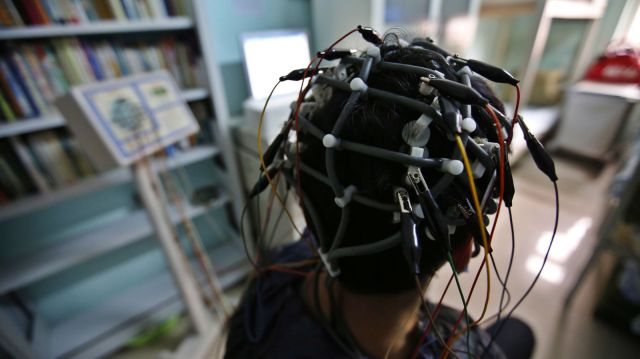
In this study, more than 1,500 people at an average age of 40 and without dementia or heart disease took a treadmill test. Twenty years later, they took another test, along with MRI brain scans. The study found those who didn’t perform as well on the treadmill test — a sign of poor fitness — had smaller brains 20 years later.

Among those who performed lower, people who hadn’t developed heart problems and weren’t using medication for blood pressure had the equivalent of one year of accelerated brain aging. Those who had developed heart problems or were using medication had the equivalent of two years of accelerated brain aging.

Their exercise capacity was measured using the length of time participants could exercise on the treadmill before their heart rate reached a certain level. Researchers measured heart rate and blood pressure responses to an early stage on the treadmill test, which provides a good picture for a person’s fitness level, according to the study author Nicole Spartano, a postdoctoral fellow at the Boston University School of Medicine.

Physical fitness is evolving as a significant factor related to cognitive health in older age. A study published in May 2015 found that higher levels of physical fitness in middle-aged adults were associated with larger brain volumes five years later.

This study shows that for people with heart disease, fitness might be particularly important for prevention of brain aging, Spartano said.

“We found that poor physical fitness in midlife was linked to more rapid brain aging two decades later,” she said. “This message may be especially important for people with heart disease or at risk for heart disease, in which we found an even stronger relationship between fitness and brain aging.”

The researchers also found that people with higher blood pressure and heart rate during exercise were more likely to have smaller brain sizes 20 years later. People with poor physical fitness usually have higher blood pressure and heart rate responses to low levels of exercise compared to people who exercise more, Spartano said

“From other studies, we know that exercise training programs that improve fitness may increase blood flow and oxygen to the brain over the short term,” Spartano said. “Over the course of a lifetime, improved blood flow may have an impact on brain aging and prevent cognitive decline in older age.”

The study suggests promotion of physical fitness during middle age is an important step toward ensuring healthy brain aging.

“The broad message,” Spartano said, “is that health and lifestyle choices that you make throughout your life may have consequences many years later.”

http://www.cnn.com/2016/02/15/health/poor-fitness-smaller-brain/index.html

Houston’s health crisis: by 2040, one in five residents will be diabetic

houston

Diabetes is so common in Patricia Graham’s neighbourhood that it has its own slang term. “At churches you run into people you ain’t seen in years, and they say, ‘I’ve got sugar,’” she says.

Graham does not quite have “sugar”, but when foot surgery in 2014 reduced her activity level, her blood sugar level soared. And there is a history of diabetes in her family: three of four brothers and her mother, who lost a leg to it.

So three times a week she comes to the smart, modern Diabetes Awareness and Wellness Network (Dawn) centre in Houston’s third ward, a historically African American district near downtown. Used by about 520 people a month, Dawn is in effect a free, city-run gym and support group for diabetics and pre-diabetics: a one-stop shop for inspiration, information and perspiration. Last Friday Graham, 68, was there for a walking session.

Not that she or the half-dozen other participants went anywhere. This was walking on the spot to pulsating music. Had the class stepped outside they would have enjoyed perfect conditions for a stroll: a blue sky and a temperature of 21C. If they had worked up an appetite, a soul food restaurant was only a 15-minute walk away, serving celebrated (if not exactly sugar-free) food that belies its unpromising location in a standard shopping mall on a busy road next to a dialysis centre.

But most of Houston is not built for walking, even on a sunny January day. There’s the constant traffic belching fumes that linger in the humid air; the uneven sidewalks that have a pesky habit of vanishing halfway along the street; the sheer distances to cover in this elongated, ever-expanding metropolis. Walking can feel like a transgressive act against Houston’s car-centric culture of convenience – and its status as the capital of the north American oil and gas industry.

It’s one reason why Houston regularly finishes top, or close, in surveys that crown “America’s fattest city”. Unsurprisingly, it has a diabetes problem as outsized as its residents’ waistlines. By 2040, one in five Houstonians is predicted to have the disease.

According to data from pharmaceutical company Novo Nordisk, the prevalence of type 2 diabetes in the city is 9.1% – with an estimated one in four of these being undiagnosed. Almost a third of adult Houstonians self-describe as obese, according to a 2010-11 survey. Without action, the number of people with diabetes is projected to nearly treble by 2040 to 1.1 million people, with diabetes-related costs soaring from $4.1bn in 2015 to $11.4bn by 2040.

Graham is alarmed by the damage diabetes is wreaking on her community. “I was talking to my friends and saying, so many of the people we grew up with got diabetes and lost limbs,” she says. “It’s not even so much the seniors any more, it’s the young people. But it doesn’t scare them. They act like they’re not afraid.”

Another Dawn member, Verne Jenkins, was diagnosed three years ago. “I had picked up a bit of weight that I shouldn’t have,” says the 63-year-old. “I knew what to eat, I knew what I was doing, I just got out of control.”

Jenkins loves to bake but has cut back on carbs, red meat, salt and sugar, abstaining from one of her guilty pleasures, German chocolate cake. Not that it’s easy in a city with so much choice: “All these wonderful restaurants, all these different kinds of cuisines, of course you’re going to try some. I imagine it leads to our delinquency,” she says.

Graham has watched her diet since she was in her 20s. “I eat pretty good,” she said. “‘She eats like white folks’ – that’s what they tell me!”

Time poverty

Diabetes is a major cause of death, blindness, kidney disease and amputations in the US. While federal researchers announced last year that the rate of new diabetes cases dropped from 1.7 million in 2009 to 1.4 million in 2014, in Texas the percentage of diagnosed adults rose from 9.8% in 2009 to 11% in 2014.

Houston, America’s fourth-largest city, is one of five participating in the Cities Changing Diabetes programme, along with Mexico City, Copenhagen, Tianjin and Shanghai. Vancouver and Johannesburg are soon to join the project, which attempts to understand, publicise and combat the threat through cultural analysis.

“The majority of people with diabetes live in cities,” says Jakob Riis, an executive vice-president at Novo Nordisk, one of the lead partners in the programme alongside the Steno Diabetes Center and University College London. “We need to rethink cities so that they are healthier to live in … otherwise we’re not really addressing the root cause of the problem.”

One of the programme’s key – and perhaps surprising – findings, however, is that assessing the risk of developing diabetes is not as simple as dividing the population according to income and race. The problem is broad – much like Houston itself.

The view stretches for miles from Faith Foreman’s eighth-floor office next to the Astrodome, the famous old indoor baseball stadium. It’s an impressive sight, but for someone tasked with tackling the city’s diabetes epidemic, also a worrying one: the sheer scale of the urban sprawl is part of the problem. The threat of the disease has expanded along with the city.

A low cost of living and a strong jobs market helped Houston become one of the fastest growing urban areas in the US. In response, the city loosened its beltways. Its third major ring road is under construction, with a northwestern segment set to open soon that is some 35 miles from downtown.

Once completed, the Grand Parkway – whose northwestern segment has just opened – will boast a circumference of about 180 miles. That is far in excess of the 117 miles of the M25, although about 14 million people live inside the boundary of London’s orbital motorway, more than twice as many as reside in the Houston area.

Large homes sprout in the shadow of recently opened sections, promising cheap middle-class living with a heavy cost: a commute to central Houston of up to 90 minutes each way during rush hour, with minimal public transport options.
“A lot of time in Houston is spent in a car,” says Foreman, assistant director of Houston’s Department of Health and Human Services. This informs one of the Cities Changing Diabetes study’s most notable findings: that “time poverty” is among the risk factors in Houston for developing type 2 diabetes.

This means that young, relatively well-off people can also be considered a vulnerable population segment, even though they might not fit the traditional profile of people who may develop type 2 diabetes – that is, aged over 45, with high blood pressure and a high BMI, and perhaps disadvantaged through poverty or a lack of health insurance.

“You generally think of marginalised, lower income communities in poverty as your keys to health disparities but I think what we learned from our data in Houston is that we now have to expand the definition of what vulnerable is and what at-risk means. Just because we live in an urban environment, we may all indeed be vulnerable,” says Foreman.

In other words, not only its residents’ dietary choices but the way Houston is constructed as a city appears to be contributing to its diabetes problem, so tackling the issue requires architects as well as doctors; more sidewalks as well as fewer steaks.

Urban isolation is a key challenge, says David Napier of UCL, the lead academic for Cities Changing Diabetes. “Houston is growing so quickly and also expanding geographically at such a rapid rate. When you look at how difficult it is for people just to get out and walk, or walk to work; the fact that so many people commute long distances, spend a lot of time eating out – they have a number of obstacles to overcome,” he says.

A city with notoriously lax planning regulations is now making a conscious effort to put more care into its built environment, with more public transport, expanded bike trails, better parks and denser, more walkable neighbourhoods all evident in recent years, even as the suburbs continue to swell.

Foreman’s agency has more input when officials gather to map out the future city. “That is something that has been a big change over the last two or three years in Houston,” she says. “We are at the table and we are working with city planning to make those decisions.”

But prevention is a vital focus as well as treatment. Along with his team, Stephen Linder of the University of Texas’ school of public health – the local academic lead for Houston’s Cities Changing Diabetes research – gathered data on 5,000 households in Harris County, which includes much of the Houston area.

“One way to approach this project wasn’t to focus on diabetes itself but rather to look at some of the preconditioned social factors that seemed to generate the patterns of living that then led to the clinical signs that would designate people as being prediabetic,” he says from his office at the Texas Medical Center near downtown Houston – the world’s largest medical complex.

“These were people who had neither disadvantage nor biological risk factors. They tended to be the youngest group and would normally escape any kind of assessment – we called them the ‘time-pressured-young’. They’re the ones who did the long commutes; they’re the ones whose perception was they could not manage their day’s worth of stuff, that they have no time for anything.”

For this group, obesity is so prevalent in Houston that it distorts an understanding of what a healthy weight is, Linder found. “Their perception of their health was affected by their peers as opposed to other sorts of references. If all of their peers were overweight then in a relative sense they were fine. The judgments were about one’s peers and not relative to any sort of expert standard,” he says.

Three neighbourhoods were identified as having the highest concentration of people vulnerable to developing diabetes, and a Dallas-area research company, 2M, conducted detailed interviews with 125 residents. One place was particularly surprising: Atascocita, a desirable middle-class area near a large lake and golf courses, about 30 miles north of downtown.

Houston has become, according to a 2012 Rice University study, the most ethnically diverse large metropolitan area in the US. But this cosmopolitan air – one of the qualities sought by any place seeking to become a globally renowned city – may also unwittingly be contributing to the diabetes crisis, the study found.

Some in Atascocita, Linder said, “emphasised this sense of change and transition in their neighbourhoods, that that was a source of stress for them and that they were resistant to making changes in their own lives given the flux that was around them. Because that group happened to be older, even though they were economically secure they did have some other chronic diseases and they satisfied our biorisk characteristics.

“We call them concerned seniors. They weren’t making changes because there was too much else going on for them. And so if we were to say to them ‘you’ve got to change your diet’, they’d say ‘no, I can’t handle any more changes’.”

This matters since food portions are no exception to the “everything’s bigger in Texas” cliche, while Houston’s location near Mexico and the deep south, its embrace of the Lone Star state’s love of barbecued red meat and its enormous variety of restaurants serving international cuisine combine to unhealthy effect.

“The food that had a traditional aspect to it tended not to be the healthiest food – southern food that’s fried and lots of butter and lots of starch, then there’s African American soul food and then there’s Hispanic heavy fat, prepared tamales and the like, and so we found people kind of gravitated to what the UCL people called nourishing traditions,” Linder said.

“People used food as not only a reinforcement of tradition and ritual but also as a way of connecting socially. You’ve moved here from somewhere else, it’s a way to reinforce your identity, it’s a real cultural asset to have, but in a biological sense it’s not the best thing.”

For Linder, one lesson is that generalised advice about healthy eating that has long been part of diabetes awareness efforts may not be effective locally, given the complexity and variety of Houston’s neighbourhoods and the social factors that make populations vulnerable to diabetes.

“It does make the task of dietary change a much more complex one than the simple messages about changing your diet, eat more fruit and vegetables, get more colour on your plate would suggest. Those things bounce off, it’s not a useful set of interventions then for that particular group who rely on these nourishing traditions and find some solace in the change around them,” he said.

Foreman agrees that a targeted approach is vital. “How do you change diabetes in Houston? One neighbourhood at a time, in a sense, but at the same time you have bigger things that you can change systemwide in policies and how you work together collaboratively,” she said. “But then as you narrow it and get more granular it is neighbourhood, and what works in one neighbourhood may or may not work in another.”

Patricia Graham is hoping that the Dawn programme expands to other parts of the city to combat the dangerous union of unhealthy traditional food with a modern convenience culture. “Everything is food, and I mean lots of it and all the time,” she said. “Some people don’t know how to cook without grease or butter. That’s just the way we learn.”

http://www.theguardian.com/cities/2016/feb/11/houston-health-crisis-diabetes-sugar-cars-diabetic?CMP=oth_b-aplnews_d-1

Thanks to Kebmodee for bringing this to the It’s Interesting community.

8 places that germs thrive in restaurants

A 2015 report found that 60 percent of Americans report eating out at least once a week. Restaurant dining can be easy, enjoyable, even decadent — but are you prepared for the germs you may be exposed to along with your side of fries?

Here are eight things you should never touch at a restaurant.

The table

Charles Gerba, a professor of microbiology at the University of Arizona, found significant numbers of E. coli and coliform bacteria on restaurant tabletops — enough to present a danger to the public — particularly young children, the elderly, and people with compromised immune systems. And the bacteria numbers were even higher after the tables were wiped down, suggesting a direct connection between dirty rags and bacteria. The solution? Ask your server not to wipe your table before you sit down.

The menu

It’s hard to avoid touching a menu — which is probably why they’re some of the germiest things in any restaurant. Think about how many hands touch them on a daily basis, and how infrequently the menus are cleaned (or replaced). Also, restaurant staff may wipe down laminated menus with a rag. (Remember how filthy those are?)

A 2013 study found that menus are an ideal vehicle for different types of bacteria. E. coli can survive on a laminated menu for as long as 24 hours, and salmonella for as long as 72 hours. Donna Duberg, an assistant professor of clinical laboratory science from Saint Louis University, suggests paying attention to how your menu feels. “If there is visible food on the outside or if it feels ‘sticky,’” she tells Yahoo Health, “it is most likely harboring germs, bacteria, and viruses from everyone who has sat there or worked there over the last few days.” Be safe and give your hands a good wash after ordering (and before eating).

The ice in your drink

Like a cold drink? Restaurant ice makers aren’t cleaned nearly as often as they should be (ideally once a month), and may harbor bacteria. The bottom line? Ask for your soda without ice — your stomach will thank you.

The lemon and lime wedges in your drink

Whether you request it or not, restaurant drinks often come with a slice of lemon or lime. But a 2007 study found that 69.7 percent of lemon wedges tested showed some type of microbial growth — either on the rind or the flesh. Why? By the time it reaches your drink, that piece of fruit may have been handled by multiple people — plus, there’s no way to ensure proper handwashing practices have been followed. Although it won’t be as tasty, it’s wise to take that beverage straight up.

The ketchup bottle and salt and pepper shakers

“These are most likely never wiped off — and if they are, it is with a cloth that has been used to wipe off the table, chairs, trays, and has been ‘rinsed’ in a tub of dirty water,” Duberg says. Beyond that, it’s impossible to know who touched these before you (and whether they washed their hands). You’ve got your antibacterial wipes, right? If you need that ketchup, give the bottle a once-over before squeezing.

The tray

Just like the condiment bottles and menus, trays are rarely wiped down (and when they are, it’s with that same rag — yuck). Duberg suggests you avoid touching your tray as much as possible. “When eating in a fast-food establishment with trays,” she says, “I use hand sanitizer before touching my food, and never touch the tray after I sit down until after I am done eating.”

The buffet

Yes, buffets are as dirty as you thought they were. “It is a rare day when I will eat at a buffet or a salad bar,” Duberg says. “There are very few assurances that the food has been kept at the proper temperature (hot or cold); the remaining food from the container being replaced is often scooped into the container of fresh food, and the serving utensils are usually reused over and over again.” These latter two actions can carry bacteria, which have been multiplying all day, from one batch of food to the next. All you can eat? It may not be worth it.

The bathroom

It seems obvious, but the bathroom is often a reflection of how clean the rest of a restaurant is. Duberg suggests checking to see whether there’s a cleaning schedule posted on the door. “And use the sniff test,” she says. “If it smells dirty, it most likely is — wash your hands with lots of soap and water, dry with a paper towel, use the paper towel to open the door, and use hand sanitizer at the table before eating your food. Reminder: People who are not feeling well often go into the bathroom to vomit or have diarrhea, and may not wash their hands as well as I do.”

http://sarahwillettchang.tumblr.com/post/136132267031/8-things-you-should-never-touch-at-a-restaurant

Thanks to Pete Cuomo for bringing this to the It’s Interesting community.

Coffee drinkers may live longer

Coffee lovers may live longer than those who don’t imbibe — with lower risks of early death from heart disease and neurological conditions such as Parkinson’s disease, a large U.S. study finds.

Researchers said the study, published online Nov. 16 in Circulation, adds to a large body of evidence on the good side of coffee.

People often think of coffee-drinking as a bad habit that they need to break, said study leader Dr. Frank Hu, a professor of nutrition and epidemiology at Harvard School of Public Health in Boston.

But, Hu said, many studies have linked moderate coffee intake to lower risks of developing various diseases — from heart disease and diabetes, to liver cancer, to neurological diseases such as Parkinson’s, multiple sclerosis and Alzheimer’s.

His team’s study, funded by the U.S. National Institutes of Health, adds another layer of evidence. It found that coffee drinkers were not only less likely to develop certain diseases — they also tended to live longer.

Over 30 years, nonsmokers who drank three to five cups of coffee a day were 15 percent less likely to die of any cause, versus nondrinkers. Specifically, they had lower rates of death from heart disease, stroke, neurological conditions and suicide.

Both regular coffee and decaf were linked to longer survival, the study found.

None of that proves coffee, itself, extends people’s lives or directly protects against certain diseases, Hu said. Other factors might explain the connection.

But, Hu added, his team did account for many of those factors. And the coffee benefit remained.

The findings are based on more than 200,000 U.S. doctors, nurses and other health professionals who were surveyed repeatedly over almost three decades. During that time, almost 32,000 study participants died.

It turned out that people who drank one to five cups of coffee at the outset had lower odds of dying during the study period when other lifestyle habits and certain health problems, such as high blood pressure and diabetes, were taken into account.

The relationship grew stronger when the researchers looked only at nonsmokers: Those who drank three to five cups of coffee a day were 15 percent less likely to die during the study period, compared with adults who didn’t drink coffee. Lower risks were even seen among the heaviest coffee drinkers (more than five cups a day), who had a 12 percent lower death risk than nondrinkers.

“The body of evidence does suggest coffee can fit into a healthy lifestyle,” Hu said.

That evidence, Hu noted, has already been incorporated into the latest U.S. dietary guidelines, which say that a healthy diet can include up to three to five cups of coffee a day.

But overall lifestyle is key, Hu said. That is, there’s a difference between a person who gets little sleep, then uses coffee to function during the day, and a person who sleeps well, exercises, and eats a balanced diet that includes some coffee.

Alice Lichtenstein, a spokesperson for the American Heart Association, agreed.

“This doesn’t mean you should start drinking coffee in the hopes of getting health benefits,” said Lichtenstein, who is also a professor of nutrition science and policy at Tufts University in Boston.

But, she added, the new findings build on years of evidence that coffee is not the bad guy many believe it is. “There’s this lingering idea that coffee must be bad for you because it’s enjoyable,” Lichtenstein said. “It’s almost like we’ve been trying to find something wrong with it.”

There are caveats, though. “You do need to be careful about what you’re putting in your coffee,” Lichtenstein pointed out. Some milk is fine, she said, but watch the sugar and heavy cream.

And why would coffee be related to health benefits? It’s not clear from this study, Hu said, but other research has suggested that compounds in coffee can reduce inflammation, act as antioxidants, and improve blood sugar regulation, among other things.

Also, when it comes to some neurological conditions, such as Parkinson’s disease, Hu said, there’s evidence that caffeine offers benefits.

SOURCES: Frank Hu, M.D., Ph.D., professor, nutrition and epidemiology, Harvard School of Public Health, Boston; Alice Lichtenstein, D.Sc., professor, nutrition science and policy, Tufts University, Boston; Nov. 16, 2015, Circulation, online

Read more at http://www.philly.com/philly/health/HealthDay705311_20151116_Coffee_Drinkers_May_Live_Longer.html#rPogcDb2tVXwEFwz.99

People Without Electricity Don’t Get 8 Hours’ Sleep Either

By Traci Watson, National Geographic

Don’t blame the lure of a glowing smartphone for keeping you up too late. Even people without modern technology don’t sleep the night away, new research says.

Members of three hunter-gatherer societies who lack electricity—and thus evenings filled with Facebook, Candy Crush, and 200 TV channels—get an average of only 6.4 hours of shut-eye a night, scientists have found. That’s no more than many humans who lead a harried industrial lifestyle, and less than the seven to nine hours recommended for most adults by the National Sleep Foundation.

People from these groups—two in Africa, one in South America—tend to nod off long after sundown and wake before dawn, contrary to the romantic vision of life without electric lights and electronic gadgets, the researchers report in Thursday’s Current Biology.

“Seeing the same pattern in three groups separated by thousands of miles on two continents (makes) it pretty clear that this is the natural pattern,” says study leader and sleep researcher Jerome Siegel of the University of California, Los Angeles. “Maybe people should be a little bit more relaxed about sleeping. If you sleep seven hours a night, that’s close to what our ancestors were sleeping.”

Previous research has linked lack of sleep to ills ranging from poor judgment to obesity to heart disease. The rise of mesmerizing electronic devices small enough to carry into bed has only heightened worries about a modern-day epidemic of bad sleep. One recent study found that after bedtime sessions with an eBook reader, test subjects took longer to fall asleep and were groggier in the morning than when they’d curled up with an old-fashioned paper book.

Many scientists argue that artificial lighting curtailed our rest, leading to sleep deficits. But Siegel questioned that storyline. He was studying the sleep of wild lions when he got the inspiration to monitor the sleep of pre-industrial people, whose habits might provide insight into the slumber of early humans.

Siegel and his colleagues recruited members of Bolivia’s Tsimane, who hunt and grow crops in the Amazonian basin, and hunter-gatherers from the Hadza society of Tanzania and the San people in Namibia. These are among the few remaining societies without electricity, artificial lighting, and climate control. At night, they build small fires and retire to simple houses built of materials such as grass and branches.

The researchers asked members of each group to wear wristwatch-like devices that record light levels and the smallest twitch and jerk. Many Tsimane thought the request comical, but almost all wanted to participate, says study co-author Gandhi Yetish of the University of New Mexico. People in the study fell asleep an average of just under three and a half hours after sunset, sleep records showed, and mostly awakened an average of an hour before sunrise.

The notable slugabeds are the San, who in the summer get up an hour after sunrise. The researchers noticed that at both the San and Tsimane research sites, summer nights during the study period lasted 11 hours, but mornings were chillier in the San village. That fits with other data showing the three groups tend to nod off when the night grows cold and rouse when temperature bottoms out before dawn.

Our time to wake and our time to sleep, Siegel says, seem to be dictated in part by natural temperature and light levels—and modern humans are divorced from both. He suggests some insomniacs might benefit from re-creating our ancient exposure to warmth and cold.

http://news.nationalgeographic.com/2015/10/20151015-paleo-sleep-time-hadza-san-tsimane-science/

Discovery of fat breakdown trigger opens door for new obesity treatments

While it’s known that the brain is responsible for instructing our fat stores to break down and release energy as we need it, scientists haven’t yet been able to pin down exactly how this process plays out. Leptin, a hormone produced by our fat cells, travels to the brain to regulate appetite, metabolism and energy, but it hasn’t been clear what communication was coming back the other way. New research has now uncovered this missing link for the first time, revealing a set of nerves that connect with fat tissue to stimulate the process in a development that could lead to new types of anti-obesity treatments.

The leptin hormone was identified around 20 years ago as a regulator of the body’s metabolism. Low levels of the hormone serve to boost one’s appetite and slow metabolism, while conversely, high leptin levels dull the appetite and facilitate better fat breakdown. Using a combination of techniques, a research team led by Ana Domingos from Portugal’s Instituto Gulbenkian de Ciência were able to shed light on how leptin behaves when sending signals back to the fat by finding the nerves that meet with white fat tissue to prompt its breakdown.

“We dissected these nerve fibers from mouse fat, and using molecular markers identified these as sympathetic neurons,” explains Domingos. “When we used an ultra sensitive imaging technique, on the intact white fat tissue of a living mouse, we observed that fat cells can be encapsulated by these sympathetic neural terminals.”

But to determine the extent of these neurons’ role in obesity, the team carried out further research on mice. The rodents were genetically engineered so that these neurons could be switched on and off through optogenetics, where brain cells are made to behave differently by exposing them to light. Optogenetics is an emerging technique we have seen explored as a means of treating blindness and altering our pain threshold, among other things.

Domingos’ team found that flicking the switch on the neurons locally triggered the release of a neurotransmitter called norepinephrine, which in turn flooded the fat cells with signals that brought about fat breakdown. The team report that without these sympathetic neurons, leptin was not able to stimulate fat breakdown on its own. Therefore the findings suggest that these sympathetic neurons offer a potential target for obesity treatments other than leptin, which the brains of many obese people have a resistance to.

“This result provides new hopes for treating central leptin resistance, a condition in which the brains of obese people are insensitive to leptin,” says Domingos.

The team’s research was published in the journal Cell.

http://www.gizmag.com/neural-mechanism-fat-breakdown-anti-obesity-therapies/39601/

The human brain is particularly vulnerable to trauma at two distinct ages

Our brain’s ability to process information and adapt effectively is dependent on a number of factors, including genes, nutrition, and life experiences. These life experiences wield particular influence over the brain during a few sensitive periods when our most important muscle is most likely to undergo physical, chemical, and functional remodeling.

According to Tara Swart, a neuroscientist and senior lecturer at MIT, your “terrible twos” and those turbulent teen years are when the brain’s wiring is most malleable. As a result, traumatic experiences that occur during these time periods can alter brain activity and ultimately change gene expressions—sometimes for good.

Throughout the first two years of life, the brain develops at a rapid pace. However, around the second year, something important happens—babies begin to speak.

“We start to understand speech first, then we start to articulate speech ourselves and that’s a really complex thing that goes on in the brain,” Swart, who conducts ongoing research on the brain and how it affects how we become leaders, told Quartz. “Additionally, children start to walk—so from a physical point of view, that’s also a huge achievement for the brain.

Learning and understanding a new language forces your brain to work in new ways, connecting neurons and forming new pathways. This is a mentally taxing process, which is why learning a new language or musical instrument often feels exhausting.

With so many important changes happening to the brain in such a short period of time, physical or emotional trauma can cause potentially momentous interruptions to neurological development. Even though you won’t have any memories of the interruptions (most people can’t remember much before age five), any kind of traumatic event—whether it’s abuse, neglect, ill health, or separation from your loved ones—can lead to lasting behavioral and cognitive deficits later in life, warns Swart.

To make her point, Swart points to numerous studies on orphans in Romania during the 1980s and 1990s. After the nation’s communist regime collapsed, an economic decline swept throughout the region and 100,000 children found themselves in harsh, overcrowded government institutions.

“[The children] were perfectly well fed, clothed, washed, but for several reasons—one being that people didn’t want to spread germs—they were never cuddled or played with,” explains Swart. “There was a lot of evidence that these children grew up with some mental health problems and difficulty holding down jobs and staying in relationships.”

Swart continues: “When brain scanning became possible, they scanned the brains of these children who had grown up into adults and showed that they had issues in the limbic system, the part of the brain [that controls basic emotions].”

In short, your ability to maintain proper social skills and develop a sense of empathy is largely dependent on the physical affection, eye contact, and playtime of those early years. Even something as simple as observing facial expressions and understanding what those expressions mean is tied to your wellbeing as a toddler.

The research also found that the brains of the Romanian orphans had lower observable brain activity and were physically smaller than average. As a result, researchers concluded that children adopted into loving homes by age two have a much better chance of recovering from severe emotional trauma or disturbances.

The teenage years

By the time you hit your teenage years, the brain has typically reached its adult weight of about three pounds. Around this same time, the brain is starting to eliminate, or “prune” fragile connections and unused neural pathways. The process is similar to how one would prune a garden—cutting back the deadwood allows other plants to thrive.

During this period, the brain’s frontal lobes, especially the prefrontal cortex, experience increased activity and, for the first time, the brain is capable of comparing and analyzing several complex concepts at once. Similar to a baby learning how to speak, this period in an adolescent’s life is marked by a need for increasingly advanced communication skills and emotional maturity.

“At that age, they’re starting to become more understanding of social relationships and politics. It’s really sophisticated,” Swart noted. All of this brain activity is also a major reason why teenagers need so much sleep.

Swart’s research dovetails with the efforts of many other scientists who have spent decades attempting to understand how the brain develops, and when. The advent of MRIs and other brain-scanning technology has helped speed along this research, but scientists are still working to figure out what exactly the different parts of the brain do.

What is becoming more certain, however, is the importance of stability and safety in human development, and that such stability is tied to cognitive function. At any point in time, a single major interruption has the ability to throw off the intricate workings of our brain. We may not really understand how these events affect our lives until much later.

http://qz.com/470751/your-brain-is-particularly-vulnerable-to-trauma-at-two-distinct-ages/

Keeping gut bacteria in balance could help delay age-related diseases

Why do some people remain healthy into their 80s and beyond, while others age faster and suffer serious diseases decades earlier? New research led by UCLA life scientists may produce a new way to answer that question—and an approach that could help delay declines in health.

Specifically, the study suggests that analyzing intestinal bacteria could be a promising way to predict health outcomes as we age.

The researchers discovered changes within intestinal microbes that precede and predict the death of fruit flies. The findings were published in the open-source journal Cell Reports.

“Age-onset decline is very tightly linked to changes within the community of gut microbes,” said David Walker, a UCLA professor of integrative biology and physiology, and senior author of the research. “With age, the number of bacterial cells increase substantially and the composition of bacterial groups changes.”

The study used fruit flies in part because although their typical life span is just eight weeks, some live to the age equivalent of humans’ 80s and 90s, while others age and die much younger. In addition, scientists have identified all of the fruit fly’s genes and know how to switch individual ones on and off.

In a previous study, the UCLA researchers discovered that five or six days before flies died, their intestinal tracts became more permeable and started leaking.

In the latest research, which analyzed more than 10,000 female flies, the scientists found that they were able to detect bacterial changes in the intestine before the leaking began. As part of the study, some fruit flies were given antibiotics that significantly reduce bacterial levels in the intestine; the study found that the antibiotics prevented the age-related increase in bacteria levels and improved intestinal function during aging.

The biologists also showed that reducing bacterial levels in old flies can significantly prolong their life span.

“When we prevented the changes in the intestinal microbiota that were linked to the flies’ imminent death by feeding them antibiotics, we dramatically extended their lives and improved their health,” Walker said. (Microbiota are the bacteria and other microorganisms that are abundant in humans, other mammals, fruit flies and many other animals.)

Flies with leaky intestines that were given antibiotics lived an average of 20 days after the leaking began—a substantial part of the animal’s life span. On average, flies with leaky intestines that did not receive antibiotics died within a week.

The intestine acts as a barrier to protect our organs and tissue from environmental damage.

“The health of the intestine—in particular the maintenance of the barrier protecting the rest of the body from the contents of the gut—is very important and might break down with aging,” said Rebecca Clark, the study’s lead author. Clark was a UCLA postdoctoral scholar when the research was conducted and is now a lecturer at England’s Durham University.

The biologists collaborated with William Ja, an assistant professor at Florida’s Scripps Research Institute, and Ryuichi Yamada, a postdoctoral research associate in Ja’s laboratory, to produce an additional group of flies that were completely germ-free, with no intestinal microbes. Those flies showed a very dramatic delay in intestinal damage, and they lived for about 80 days, approximately one-and-a-half times as long as the animal’s typical life span.

Scientists have recently begun to connect a wide variety of diseases, including diabetes and Parkinson’s, among many others, to changes in the microbiota, but they do not yet know exactly what healthy microbiota look like.

“One of the big questions in the biology of aging relates to the large variation in how we age and how long we live,” said Walker, who added that scientific interest in intestinal microbes has exploded in the last five years.

When a fruit fly’s intestine begins to leak, its immune response increases substantially and chronically throughout its body. Chronic immune activation is linked with age-related diseases in people as well, Walker said.

Walker said that the study could lead to realistic ways for scientists to intervene in the aging process and delay the onset of Parkinson’s disease, Alzheimer’s disease, cancer, stroke, cardiovascular disease, diabetes and other diseases of aging—although such progress could take many years, he said.

New evidence that sleeping on your side may be better for the brain

Removal of waste, including soluble amyloid β (Aβ), from the brain may be most efficient in the lateral vs. the prone position, according to an experimental study published in the August 5 issue of the Journal of Neuroscience.

Hedok Lee, PhD, from Stony Brook University in New York, and colleagues examined whether body posture impacts cerebrospinal fluid (CSF)-interstitial fluid (ISF) exchange efficiency. They quantified CSF-ISF exchange rates using dynamic-contrast-enhanced magnetic resonance imaging (MRI) and kinetic modeling in the brains of rodents in supine, prone, or lateral positions. Fluorescence microscopy and radioactive tracers were used to validate the MRI data and assess the influence of body posture on clearance of Aβ.

The researchers found that glymphatic transport was most efficient in the lateral vs. the supine or prone positions. Transport was characterized by “retention” of the tracer, slower clearance, and more CSF efflux along larger caliber cervical vessels in the prone position, in which the rat’s head was in the most upright position (mimicking posture during the awake state). Glymphatic transport and Aβ clearance were superior in the lateral and supine positions in optical imaging and radiotracer studies.

“We propose that the most popular sleep posture (lateral) has evolved to optimize waste removal during sleep and that posture must be considered in diagnostic imaging procedures developed in the future to assess CSF-ISF transport in humans,” the authors write.

New scientific evidence that intermittent fasting has health benefits

by Charles Q. Choi

Instead of eating three square meals a day, an eating schedule that involves “intermittent fasting” could help fight not just obesity but many related diseases of modern life, such as diabetes, heart disease, cancer and Alzheimer’s, researchers say.

he advice given on fighting obesity usually focuses on consuming fewer calories and exercising more. The benefits of such foods as vegetables, fruits, nuts, fiber and fish, and the value of reducing or eliminating snacks are often also touted.

However, mounting evidence reveals that other key aspects of diet — when and how often people eat — can also play a major role in health. In fact, the most common eating pattern in modern societies of three meals daily, plus snacks, is abnormal from the perspective of human evolution, an international group of researchers wrote in an article published in the journal Proceedings of the National Academy of Sciences.

More and more research shows that intermittent fasting could have benefits, they said.

“Fasting alone is more powerful in preventing and reversing some diseases than drugs,” said Satchidananda Panda, an associate professor of regulatory biology at the Salk Institute for Biological Studies in San Diego, California, and one of the co-authors of the article.

Ancient hunter-gatherers often ate only intermittently, the researchers noted in their article. This suggests that the ability to function at a high level both physically and mentally during extended periods without food may have been crucial in human evolution, and that the human body may have adapted to perform at its best with intermittent fasting.

Such intermittent fasting could consist of eating 500 calories or less either two days each week, or every other day, or not eating breakfast and lunch several days each week, the researchers said.

Prior research suggests that in animals, intermittent fasting can fend off or even reverse such illnesses as cancer, diabetes, heart disease and neurodegenerative disorders. Animal studies suggest that intermittent fasting provides these benefits by allowing the body to respond better to stress that might otherwise damage it. For example, fasting could starve tumors, reduce inflammation, or improve the removal of damaged molecules and other components of cells, the researchers said.

“Intermittent fasting helps the body to rejuvenate and repair, thereby promoting overall health,” Panda told Live Science.

In addition, the body may respond better to meals eaten at some times of the day rather than others because of the body’s circadian rhythms. In the years before artificial light, people depended on natural patterns of day and night, with food primarily eaten during the day and fasting occurring at night. This means that eating at certain times of the day may be healthier for the body’s metabolism — for example, in 2013, two studies in humans suggested that eating meals earlier in the day improved weight loss in overweight and obese people.

Panda said that it may be challenging for people to fast intermittently, instead of eating three meals every day. Eating breakfast is often promoted as a weight-control aid, but recent evidence has suggested it might not be, the researchers said.

Future research needs to further explore the benefits and drawbacks of different types of intermittent fasting in a variety of populations. “Its effectiveness in both preventing and reversing diseases, as well as interaction with standard medications for chronic metabolic diseases, should be tested in appropriate volunteer groups,” Panda said.

http://www.livescience.com/48888-intermittent-fasting-benefits-weight-loss.html