Optimistic Women May Live Longer


By Lisa Rapaport

Women who have a sunny outlook on life may live longer than their peers who take a dimmer view of the world, a recent study suggests.

Researchers analyzed data collected over eight years on about 70,000 women and found that the most optimistic people were significantly less likely to die from cancer, heart disease, stroke, respiratory disease or infections during the study period than the least optimistic.

“Optimistic people tend to act in healthier ways (i.e., more exercise, healthier diets, higher quality sleep, etc.), which reduces one’s risk of death,” said one of the study’s lead authors, Kaitlin Hagan, a public health researcher at Brigham and Women’s Hospital and Harvard University in Boston.

“Optimism may also have a direct impact on our biological functioning,” Hagan added by email. “Other studies have shown that higher optimism is linked with lower inflammation, healthier lipid levels and higher antioxidants.”

Hagan and colleagues examined data from the Nurses Health Study, which began following female registered nurses in 1976 when they were 30 to 55 years old. The study surveyed women about their physical and mental health as well as their habits related to things like diet, exercise, smoking and drinking.

Starting in 2004, the survey added a question about optimism. Beginning that year, and continuing through 2012, researchers looked at what participants said about optimism to see how this related to their other responses and their survival odds.

Researchers divided women into four groups, from least to most optimistic.

Compared with the least optimistic women, those in the most optimistic group were 29 percent less likely to die of all causes during the study period, the researchers report in the American Journal of Epidemiology, December 7th.

Once they adjusted the data for health habits, greater optimism was still associated with lower odds of dying during the study, though the effect wasn’t as pronounced.

Still, the most optimistic women had 16 percent lower odds of dying from cancer during the study, 38 percent lower odds of death from heart disease or respiratory disease, 39 percent lower odds of dying from stroke and a 52 percent lower risk of death from an infection.

While other studies have linked optimism with reduced risk of early death from cardiovascular problems, this was the first to find a link between optimism and reduced risk from other major causes, the study authors note.

One limitation of the study is the possibility that in some cases, underlying health problems caused a lack of optimism, rather than a grim outlook on life making people sick, the authors point out.

They also didn’t include men, though previous research has found the connection between optimism and health is similar for both sexes, said the study’s other lead author, Dr. Eric Kim, also of Brigham and Women’s and Harvard.

Despite the lack of men in the study, the findings still suggest that it may be worthwhile to pursue public health efforts focused on optimism for all patients, Kim said by email.

That’s because even though some people may have a less positive outlook on life for reasons beyond their control like unemployment or a debilitating illness, some previous research suggests that optimism can be learned.

“Negative thinking isn’t the cause or the only contributor to these illnesses,” said Dr. Susan Albers, a psychologist at the Cleveland Clinic in Ohio who wasn’t involved in the study. “Mindset is just one factor, but the results of the study indicate they are a significant one and can’t be ignored.”

Some people can develop optimism when it doesn’t come naturally, Albers added by email.

“It is worth tweaking your mindset as much as taking your medicine,” Albers said. “Work with a counselor, join with a friend, hang up optimistic messages, watch films and movies with a hopeful, positive message, find the silver lining in the situation.”

http://www.psychcongress.com/news/optimistic-women-may-live-longer

The mechanics of laughter

When the General Assembly of the United Nations proclaimed March 20 the International Day of Happiness, it was more than a frivolous feel-good holiday. The aim was to inspire 100 million to promote the universal goal of happiness and well-being around the world.

And while the U.N. admirably frames the day as way to talk about a more “inclusive, equitable and balanced approach” to the economic growth that can lead to more global happiness, we’re taking another approach. We’re talking laughter.

But there’s a funny thing about laughter: It’s so much more than an indication of happiness.

Laughing serves a social function. Some suggest that the first human laughter was a group ­gesture of relief at the passing of danger; and since laughter relaxes the biological fight-or-flight response, laughter may indicate trust in one’s company.

Likewise, many researchers think that laughter is connected to bonding.

“Laughter occurs when people are comfortable with one another, when they feel open and free. And the more laughter, the more bonding within the group,” says cultural anthropologist Mahadev Apte.

Behavioral neurobiologist and expert laughter researcher (that’s a thing) Robert Provine believes that laughter serves as a social signal. And indeed, other scientists concur; studies show that people are 30 times more likely to laugh in social settings than when they are alone.

The social science of laughter

Laughter is part of a universal human language. It is understood across cultures … and unlike words and syntax, which we have to learn, we are born with the capacity for giggles and tittering.

When we laugh, it happens unconsciously. We don’t think, “Hey, that’s funny, I’ll respond by laughing.” Although we can consciously be “in the moment” of our laughter, we can’t make true laughter just happen.

And while laughter isn’t always sparked by happiness, it often ends up there. Some experts believe that laughter is used to process things that are difficult to understand. Consider the nervous laughter during an intense event or the seemingly out-of-place laughter during funerals. These are the moments in life where things don’t make sense, and laughter is the behavior that evolved to respond to such times.

In these cases, maybe laughter can be best considered a defense against suffering and despair; as Psychology Today notes when addressing the topic of tittering, “If we can joke about a disappointing or traumatic event, we’ll often find ourselves feeling that what’s happened to us isn’t so bad and that we’ll be able to get through it.”

And then, happiness ensues.

Interestingly, researchers have found that a way a person laughs is a good indicator of his or her social power. People with high status tend to laugh louder and higher in pitch with fewer inhibitions, while people with lower status have laughter that is shorter, lower in pitch and more airy. The study, which was published in the Journal of Experimental Social Psychology, found that it observers can immediately pick up on someone’s social standing by listening to how he or she laughs.


Laughter and your brain

While we know that ce­rtain regions of the brain host certain functions, researchers have found that the production of laughter happens in various parts of our gray matter. The relationship between laughter and the brain is not fully understood, but some things are known. Although emotional responses are thought to be distinct to specific sections of the brain, laughter appears to be created by a circuit that runs through numerous areas. Furthermore, the limbic system — the complex network of nerves beneath the cerebral cortex that deals with instinct and mood — seems to be central in the process of laughing.

The average human laughs 17 times a day, and aside from stress-induced laughter, most laughter is a reaction to humor. Upon a funny scenario, more than a dozen facial muscles contract and the zygomatic major muscle becomes stimulated, resulting in a smile. The epiglottis interferes with the larynx and disrupts the respiratory system just enough so that air intake becomes irregular, making the laugher gasp.

When things really get going, the tear ducts are activated, leaving many of us laughing until we cry.

Provine did a study on the sonic structure of laughter and found that all human laughter consists of basic short notes repeated every 210 milliseconds. Laughter can be comprised of “ha”s or “ho”s, he says, but not both. Provine also says that we have a “detector” that reacts to laughter by triggering other neural circuits in the brain, which ends up generating more laughter. This explains how sometimes when we start laughing, we can’t stop; why this seems to happen so frequently in church and lecture halls has yet to be determined.

A wonderful thing about laughing – aside from just the pure pleasure of it – are the health benefits bestowed by the act; it can actually change your body. Consider the following:

It can stimulate your heart, lungs, muscles and endorphin release by enhancing your oxygen intake.

It relieves your stress response, leading to feelings of increased pleasantness.

It can tame tension by stimulating circulation and helping muscle relaxation, both of which help reduce some physical symptoms of stress.

It may improve your immune system. The Mayo Clinic tells us that negative thoughts “manifest into chemical reactions that can affect your body by bringing more stress into your system and decreasing your immunity.” Conversely, positive thoughts release neuropeptides that help conquer stress and possibly other stress-related illness.

It potentially soothes pain by encouraging the body to produce its own natural painkillers.

And perhaps loveliest of all; laughter is infectious. The simple act of laughing can help not only you, but those around you. It’s the best kind of contagion.

http://www.mnn.com/health/fitness-well-being/stories/happiness-101-the-mechanics-of-laughter

The health benefits of tongue scraping

by Lambeth Hochwald

It’s been hammered into our heads to brush twice a day, floss once (though that’s up for debate) and maybe rinse with a fluoride mouthwash. But recently, another chore has been suggested as an addition to our dental routine: tongue scraping. But is this ayurvedic practice that dates back to ancient India really worth your while?

We went to two experts to find out if you should start your day scraping your tongue.

Dental hygienist Sam Williamson, owner of Teeth Whitening Belfast in Ireland, recommends the practice to all of his patients.

“Most of my clients don’t realize the effectiveness of tongue scraping until they actually do it and see all the gunk that comes off their tongue,” he says. “The tongue is the perfect breeding ground for bacteria, but although we take care of our teeth and our gums regularly, we don’t pay nearly as much attention to our tongue.”

The bacteria on your tongue is one of the main causes of bad breath, so scraping it regularly can significantly improve your breath over time. In fact, a recent study showed about 85 percent of all bad breath cases begin in the mouth and half are caused by bacteria residue on the tongue. Brushing your tongue is “the best way to ensure that your breath stays fresh throughout the day,” Williamson says.

Kimberly Harms, DDS, a dentist in Farmington, Minnesota, and a spokesperson for the American Dental Association, says “your taste buds in the back are made for bacteria to hide.” And when your mouth has a lot of bacteria in it, you can taste it. “That sour taste is often due to bacteria,” she says.

If you often suffer from dry mouth, this quick health routine can help that, too. “If you’re not producing enough saliva when you chew, you my have digestive issues,” Williamson says. “Scraping can help.”

How to do it

“A scraper is an efficient way to remove all that’s coating your tongue,” Harms says. Here are four things to keep in mind as you scrape:

1. Buy a dedicated tongue scraper (they cost as little as $6) that comes in plastic or metal and is usually shaped like the letter U.

2. Always be gentle — scraping your tongue should never hurt.

3. Scrape only five to 10 times, Harms suggests.

4. Don’t go too deep. “Since we have a gag reflex, be sure not to put the scraper too far back in your mouth,” she adds.

“It’s a wonderful thing,” Harms says. “We don’t like to praise things without research but tongue scraping makes sense. If you’re successful at brushing twice a day and flossing daily, great. Do that first. Consider tongue scraping a great adjunct to good oral hygiene.”

http://www.mnn.com/health/fitness-well-being/stories/what-you-need-know-about-tongue-scraping

How your face betrays your personality, health and intelligence

By David Robson

You might expect a great philosopher to look past our surface into the depths of the soul – but Ancient Greek thinkers were surprisingly concerned with appearance. Aristotle and his followers even compiled a volume of the ways that your looks could reflect your spirit.

“Soft hair indicates cowardice and coarse hair courage,” they wrote. Impudence, the treatise says, was evident in “bright, wise-open eyes with heavy blood-shot lids”; a broad nose, meanwhile, was a sign of laziness, like in cattle.

Sensuous, fleshy lips fared little better. The philosophers saw it as a sign of folly, “like an ass”, while those with especially thin mouths were thought to be proud, like lions.

Today, we are taught not to judge a book by its cover. But while it is wise not to set too much by appearances, psychologists are finding that your face offers a window on our deepest secrets. Even if you keep a stony poker face, your features can reveal details about your personality, your health, and your intelligence.

“The idea is that our biology, like genes and hormone levels, influences our growth, and the same mechanisms will also shape our character,” explains Carmen Lefevre at Northumbria University.

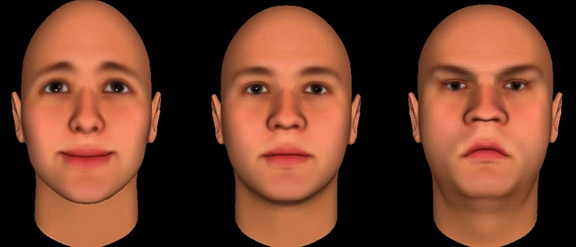
Consider the face’s bone structure – whether it is relatively short and wide or long and thin. Lefevre has found that people with higher levels of testosterone tend to be wider-faced with bigger cheekbones, and they are also more likely to have more assertive, and sometimes aggressive, personalities.

The link between face shape and dominance is surprisingly widespread, from capuchin monkeys – the wider the face, the more likely they are to hold a higher rank in the group’s hierarchy – to professional football players. Examining the 2010 World Cup, Keith Welker at the University of Boulder, Colorado, recently showed that the ratio of the width and height of the footballers’ faces predicted both the number of fouls among midfielders, and the number of goals scored by the forwards.

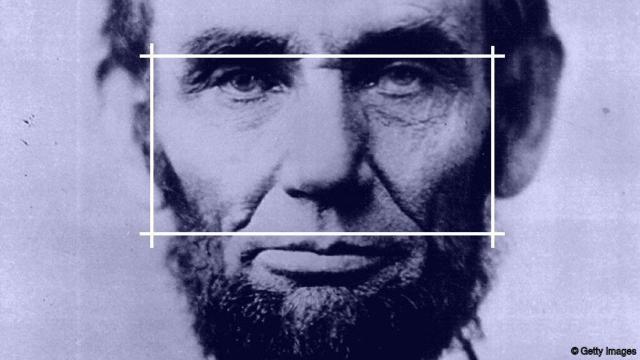
(To calculate this yourself, compare the distance from ear-to-ear with the distance between the top of your eyes, and your upper lip. The average ratio of width-to-height is around 2 – Abraham Lincoln was 1.93)

It may even clue you in to a politician’s motives. Using volunteers to rate former US presidents on different psychological attributes, Lefevre found that face shape seemed to reflect their perceived ambition and drive. John F Kennedy had a thicker-set face than 19th Century Chester Arthur, for instance. Such analyses of historical figures are perhaps best taken with a pinch of salt, however, and it has to be said that other traits, such as cooperation and intelligence, should be equally important for success.

As you might expect, your health and medical history are also written in your countenance – and the detail it offers is surprising. The amount of fat on your face, for instance, provides a stronger indication of your fitness than more standard measures, such as your body mass index. Those with thinner faces are less likely to suffer infections, and when they do, the illness is less severe; they also tend to have lower rates of depression and anxiety, probably because mental health is often closely related to the body’s fitness in general.

How could the plumpness of your cheeks say so much about you? Benedict Jones at the University of Glasgow thinks a new understanding of fat’s role in the body may help explain it. “How healthy you are isn’t so much about how much fat you have, but where you have that fat,” he says. Pear-shaped people, with more weight around the hips and bottom but slimmer torsos, tend to be healthier than “apples” with a spare tyre around the midriff, since the adipose tissue around the chest is thought to release inflammatory molecules that can damage the core organs. Perhaps the fullness of your face reflects the fatty deposits in the more harmful areas, Jones says. Or it could be that facial fat is itself dangerous for some reason.

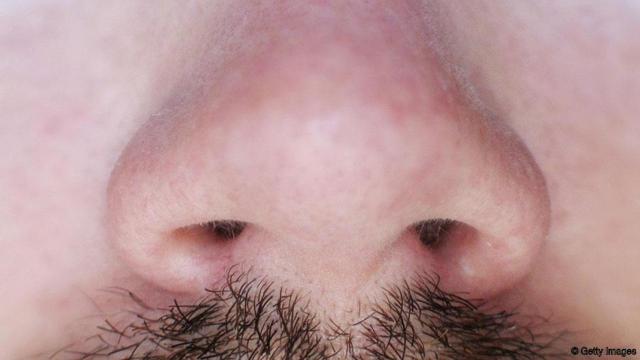
Besides these more overt cues, very subtle differences in skin colour can also reveal your health secrets. Jones and Lefevre emphasise this has nothing to do with the tones associated with ethnicity, but barely-noticeable tints that may reflect differences in lifestyle. You appear to be in more robust health, for instance, if your skin has a slightly yellowish, golden tone. The pigments in question are called carotenoids, which, as the name suggest, can be found in orange and red fruit and veg. Carotenoids help build a healthy immune system, says Lefevre. “But when we’ve eaten enough, they layer in the skin and dye it yellow. We exhibit them, because we haven’t used them to battle illness.” The glow of health, in turn, contributes significantly to your physical attraction – more so, in fact, than the more overt tones that might accompany a trip to the tanning salon.

A blush of pink, meanwhile, should signal the good circulation that comes with an active lifestyle – and it might also be a sign of a woman’s fertility. Jones has found that women tend to adopt a slightly redder flush at the peak of the menstrual cycle, perhaps because estradiol, a sex hormone, leads the blood vessels in the cheek to dilate slightly. It may be one of many tiny shifts in appearance and behaviour that together make a woman slightly more attractive when she is most likely to conceive.

As Jones points out, these secrets were hiding in plain sight – yet we were slow to uncover them. At the very least, this knowledge helps restore the reputation of “physiognomy”, which has suffered a somewhat chequered reputation since Aristotle’s musings. Tudor king Henry VIII was so sceptical of the idea that he even banned quack “professors” from profiting from their readings, and its status took a second bashing in the early 20th Century, when it was associated with phrenology – the mistaken idea that lumps and bumps on your head can predict your behaviour.

But now the discipline is gaining credibility, we may find that there are many more surprises hiding in your selfies. Intriguingly, we seem to be able to predict intelligence from someone’s face with modest accuracy – though it’s not yet clear what specific cues make someone look smart. (Needless to say, it is not as simple as whether or not they wear glasses.) Others are examining the “gaydar”. We often can guess someone’s sexual orientation within a split-second, even when there are no stereotypical clues, but it’s still a mystery as to what we’re actually reading. Further research might explain exactly how we make these snap judgements.

It will also be interesting to see how the link between personality, lifestyle and appearance changes across the lifetime. One study managed to examine records of personality and appearance, following subjects from the 1930s to the 1990s. The scientists found that although baby-faced men tended to be less dominant in their youth, they grew to be more assertive as the years wore on – perhaps because they learnt to compensate for the expectations brought about by their puppyish appearance.

More intriguingly, the authors also found evidence of a “Dorian Gray effect” – where the ageing face began to reflect certain aspects of the personality that hadn’t been obvious when the people were younger. Women who had more attractive, sociable, personalities from adolescence to their 30s slowly started to climb in physical attractiveness, so that in their 50s they were considered better-looking than those who had been less personable but naturally prettier. One possibility is that they simply knew how to make the best of their appearance, and that their inner confidence was reflected on subtle differences in expression.

After all, there is so much more to our appearance than the bone structure and skin tone, as one particularly clever study recently demonstrated. The scientists asked volunteers to wear their favourite clothes, and then took a photo of their face. Even though the clothes themselves were not visible in the mugshots, impartial judges considered them to be considerably more attractive than other pictures of the participants. The finding is particularly striking, considering that they were asked to keep neutral expressions: somehow, the boosted self-esteem shone through anyway.

Our faces aren’t just the product of our biology. We can’t change our genes or our hormones – but by cultivating our personality and sense of self-worth, they may begin to mirror something far more important.

http://www.bbc.com/future/story/20150312-what-the-face-betrays-about-you

Slow running is better in the long run

by JENN SAVEDGE

A new study has found that slower runners live longer than those who push the pace

For the study, which was published recently in the Journal of the American College of Cardiology, researchers surveyed about 5,000 people, including 1,100 runners and 4,000 people who identified themselves as “non-runners.” Participants in the non-running group did not engage in any type of regular exercise or strenuous activity.

Those in the “running” group were split into three groups depending upon how far, how fast and how often they ran. The study participants were men and women of various ages who were considered relatively healthy.

Researchers checked back with the group after 10 years and found (not surprisingly) that the runners had longer lifespans than their sedentary peers. But what was surprising was the longevity difference among the runners. Those with the lowest rate of death were the light joggers, folks who ran roughly two to three times per week for about 1 to 2.4 miles per session at a speed self-described as “slow.”

Next in line in terms of lifespan were the moderate runners, followed by the speedsters, who tied with the non-runners for highest mortality rate. That’s right, those who ran hard and fast had the same lifespan as those who never left the couch.

http://www.mnn.com/health/fitness-well-being/blogs/slow-running-better-for-your-health

Why being cold might actually foster a cold

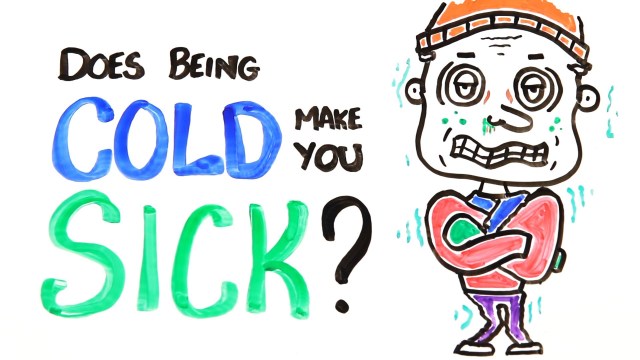
Scientists may be proving Mom right: Your odds of avoiding a cold get better if you bundle up and stay warm.

Warmer body temperatures appear to help prevent the cold virus from spreading, in multiple ways, researchers at Yale University found.

For the study, a team led by immunology professor Akiko Iwasaki examined human airways cells. These cells produce essential immune system proteins called interferons that respond to a cold virus.

The cells were infected with the virus in a lab and incubated at either a core body temperature of 98.6 degrees Fahrenheit or a cooler temperature of 91.4 degrees Fahrenheit.

Using mathematical models, the researchers found that when infected cells were exposed to healthy core body temperatures, the virus died off more quickly and wasn’t able to replicate as well.

Warmer body temperatures also seemed to help on another front. Iwasaki’s group reported that the activity of an enzyme called RNAseL — which attacks and destroys viral genes — was also enhanced at higher temperatures.

This new work adds to prior research by the Yale team. In that study, conducted in mice, Iwasaki’s group found that at several degrees below core body temperature, virus-fighting interferons were less able to do their job.

The cooler temperatures also enabled the cold virus to spread in the animals’ airway cells, the researchers said.

The combined research suggests that “there are three [immunological] ways to target this virus now,” Iwasaki said in a Yale news release.

Each of the pathways influence the immune system’s ability to fight the virus that causes the common cold. Iwasaki and her team believe the findings could provide new strategies for scientists working to develop treatments against the pesky illness.

The study was published July 11 in the Proceedings of the National Academy of Sciences.

https://consumer.healthday.com/respiratory-and-allergy-information-2/common-cold-news-142/science-shows-why-being-cold-might-foster-a-cold-712715.html

Thanks to Michael Moore for bringing this to the attention of the It’s Interesting community.

Historic Health Push Aims To Wipe Out Elephantiasis, Disease That Causes Intense Social Stigma And Pain

by Eleanor Goldberg

Though nearly 1.4 billion people are at risk of developing a disfiguring disease that’s easily preventable, it remains one of the most overlooked conditions. But a powerful new campaign hopes to change that.

Lymphatic filariasis, also known as elephantiasis, is a neglected tropical disease (NTD) that causes a host of debilitating issues, including leading body parts, like limbs and genital organs, to swell to severe proportions, according to the World Health Organization. More than 120 million people worldwide are living with elephantiasis, and a group of advocates has hatched a plan to put an end to it.

India’s Ministry of Health and Family Welfare recently unveiled its mission to launch the largest mass drug administration in history to eliminate elephantiasis, a condition that leads to inescapable social stigma in addition to physical pain. Dubbed Hathipaon Mukt Bharat, which means –- Filaria Free India -– the initiative plans to dole out medication to more than 400 million people and hopes a PSA that features the effects of the disease will urge people to get involved.

According to WHO, preventing the spread of the disease requires just one annual dose of two medications.

India is an apt place to launch the program considering that more than a third of people who are affected by the world’s neglected tropical diseases live there. If the mission is successful, it could wipe out elephantiasis in India as early as next year, according to the campaign.

Eliminating elephantiasis could do much more than just keep people from developing the disabling condition. Experts say it’s critical in the fight to curb hunger, too, Reuters recently reported.

The 17 neglected diseases, which also include sleeping sickness, yaws and dengue fever, are most prevalent in rural communities in the poorest areas of the world.

While valiant efforts have been made to bring nutrition to people who are affected by such illnesses, experts say the diseases first need to be tackled before the sufferers can reap any true benefit from such programs.

“You can spend a lot of resources distributing protein supplements or vitamins, but in the end if you’re administering them to people infested with worms then that supplement is just being eaten by the worms,” Marianne Comparet, director of the International Society for Neglected Tropical Diseases, told Reuters.”We very much view the NTDs as an acute program to treat a disease, but also to ensure there’s a solid foundation for the other programs to grow from.”

http://www.huffingtonpost.com/2015/02/18/elephantiasis-india_n_6701478.html

Longtime Couples Get In Sync, In Sickness And In Health

by Lindsay Peterson

We think of aging as something we do alone, the changes unfolding according to each person’s own traits and experiences. But researchers are learning that as we age in relationships, we change biologically to become more like our partners than we were in the beginning.

“Aging is something that couples do together,” says Shannon Mejia, a postdoctoral research fellow involved in relationship research at the University of Michigan in Ann Arbor. “You’re in an environment together, and you’re appraising that environment together, and making decisions together.” And through that process, you become linked physically, not just emotionally.

It’s like finishing each other’s sentences, but it’s your muscles and cells that are operating in sync.

Doctors tend to treat people as individuals, guided by the need to ensure patient confidentiality. But knowing about one partner’s health can provide key clues about the other’s. For instance, signs of muscle weakening or kidney trouble in one may indicate similar problems for the other.

Looking at married couples who were together less than 20 years and couples together for more than 50, Mejia and her colleagues have found striking similarities between partners who have spent decades together, especially in kidney function, total cholesterol levels and the strength of their grips, which is a key predictor of mortality. They presented their findings at the annual meeting of the Gerontological Society of America.

The data came from 1,568 older married couples across the United States. The couples were part of a larger dataset that included information on their income and wealth, employment, family connections and health, including information based on blood tests.

One obvious reason for partner similarity is that people often choose partners who are like them — people from the same stock, with similar backgrounds. But that didn’t explain why there were more similarities between the long-time partners, compared to the others.

To learn more about this element of partner choice versus spending decades together, the researchers analyzed couples by age, education and race. When they accounted for the effect of partner choice, they found that the biological similarities persisted, based on markers in blood tests.

The way Mejia puts it, this likeness includes “something the couples co-created” over time, not just what they started with because they were similar at the beginning.

She’s now studying what may be causing these “co-created” biological similarities. “We’re working on a few things,” she said, such as the effect of partners’ shared experiences and of sharing an environment where they have similar advantages and disadvantages, like the ability to walk in their neighborhoods or find other ways to stay active.

Mejia’s work follows that of Christiane Hoppmann, an associate professor at the University of British Columbia, in Vancouver. She and her colleagues found that longtime couples experienced similar levels of difficulty with daily tasks, such as shopping for food, making a hot meal and taking medications. They found the same for depression, and with both depression and daily task difficulties, they found that the couples changed, for better or for worse, in sync.

They also found that the effects crossed over from the mental to the physical. In other words, increases in feelings of depression in one spouse led to more daily task limitations in the other.

Hoppmann and Denis Gerstorf, of Humboldt University in Berlin, suggest that a key factor here could be physical activity. For instance, if a depressed partner refuses to leave the house, the other may feel compelled to remain at home, too. The longer the two remain sedentary, the more vulnerable they become to a range of problems, from worsening depression to diabetes, that can limit their ability to function from day to day.

But the news in these partner studies is not all bad.

William Chopik, an assistant professor of psychology at Michigan State University, has found evidence of the power of optimism. He and his research colleagues studied optimism, in addition to health and activity limitations, in 2,758 older couples in a national dataset. Optimism scores came from a test that measured their level of agreement or disagreement with statements such as “in uncertain times, I usually expect the best.”

The researchers found that over a four-year period, when one partner’s optimism increased, the other partner experienced fewer illnesses such as diabetes and arthritis compared to people whose partners did not become more optimistic. So, “the fact that (your spouse) increased in optimism is good for you,” even if your optimism didn’t rise, Chopik said.

He isn’t sure why this is happening in their study, also presented at the Gerontological Society meeting. He and his colleagues had accounted for age, gender and education differences. He speculates that optimists are more likely to live healthy lives and use their influence over their partners to get them to live healthier, too.

Chopik is currently studying how two partners’ levels of cortisol, a hormone related to stress, change and become coordinated over time. He plans to compare couples whose relationships span at least 40 years to those who have been together for less than two.

These investigations of how couples affect each other’s health are relatively new, particularly the research into the biological changes, and the researchers are still searching for explanations.

Nevertheless, they say, the implications for health care are clear. People in relationships don’t experience chronic health problems on their own. When a spouse comes in with a problem, the other spouse could be part of the cause — or the solution.

http://www.npr.org/sections/health-shots/2016/05/22/478826744/longtime-couples-get-in-sync-in-sickness-and-in-health

That New Superbug Was Found in a UTI and That’s Key

BR3GWM bacteria streaked and grows on an agar plate in the lab

by SARAH ZHANG

THE WOMAN HARBORING E. coli resistant to colistin did not know it, and it’s only luck that we do. Her doctor would have never prescribed that last-resort antibiotic for a routine urinary tract infection—it can cause serious kidney damage. But her doctor did take a urine sample, which ended up at the Walter Reed National Military Medical Center, where researchers had recently started testing for colistin resistance. The test came back positive. Then the came scary headlines about a new superbug in the US.

Superbugs are bacteria with genetic mutations that let them survive humanity’s harshest weapons in germ warfare: antibiotics. The gene behind this E. coli’s colistin resistance is called mcr-1. It first emerged last year when Chinese researchers found it in samples from hospital patients and raw pork. Why pork? Colistin’s serious side effects mean it’s no longer used as a human antibiotic in many countries. But in China, farmers have been adding it by the pound into feed to fatten animals up.

Once epidemiologists knew to look for mcr-1, they found it in Malaysia, England and then the rest of Europe. It was only a matter of time before colistin resistance turned up in the US. On the same day news came out about this woman’s colistin-resistant UTI, the Department of Health and Human Services also announced it found mcr-1 in a sample from a pig intestine.

Colistin is not used in animal feed in the US, so it’s unclear how colistin-resistant bacteria ended up infecting that woman—or that pig. But food and people move freely across borders. And more even seriously, US animal farmers do use other antibiotics—even human ones—on chicken, pigs, and cows. A growing body of research has linked antibiotic use in food animals to drug-resistant bouts of food poisoning from salmonella, campylobacter, and MRSA. Even more interesting is a possible link between antibiotics on meat and urinary tract infections, which science journalist Maryn McKenna has covered extensively. The Food and Drug Administration issued a guidance last year for farms to phase out medically important antibiotics, though only voluntarily.


The Rise of the Drug-Resistant UTI

Urinary tract infections are damn common—annoyingly common if you ask many women. And antibiotic resistant UTIs are on the rise, too: From 2000 to 2010, the number of UTIs resistant to the antibiotic Cipro went from 3 percent to 17.1 percent. Because UTIs afflict so many people, they’re fairly representative antibiotic resistance out there in people community—especially compared to the resistant infections that epidemiologists tend to study most intensely, like ones that kill already sick hospital patients. “UTIs are a good picture of what people are being exposed to on a daily basis” says Amee Manges, an epidemiologist at the University of British Columbia. Case in point: That colistin-resistant bacteria in the woman from Philadelphia.

Manges has spent the past fifteen years studying the link between antibiotic use in meat production, especially poultry, and UTIs. Back when she was working on her doctoral thesis at the University of California, Berkeley, she kept seeing young, otherwise healthy students with UTIs. Originally, she thought she was going to track sexual transmission of the E. coli that caused such infections. With that kind of sporadic sexual transmission, she should have seen many different strains. But when she DNA fingerprinted the bacteria, she found they were all the same strain—the same pattern you’d see from a single source, like if the campus cafeteria gave everyone food poisoning. She was never able to trace those UTI cases back to the original source, but she’s been working on the question ever since.

UTIs are so hard to trace because the infection might not set in until long after a patient first acquired to bacteria. Say a woman eats some undercooked chicken. “The bacteria just hangs out in your intestine for months or possibly years,” says Manges. Then you get risk factor for UTI—sex or a catheter insertion—and that bacteria makes its way from, ahem, the end of your gut to the urethra. But getting people to remember what they ate a week ago is hard. Getting people to remember what they ate a year ago? Hahaha.

The Surveillance Net
Nevertheless, Manges and others have found that strains on meat match strains found in UTIs. Because of the difficulty in tracing UTIs, that evidence is not as ironclad as the evidence for antibiotics use and antibiotic-resistant food poisoning. With routine surveillance of UTIs though, epidemiologists could get a better handle of not only resistant bacteria that come from meat—but also other sources like drinking water or travel or family members being in the hospital. But that surveillance doesn’t happen. “There’s no organized infrastructure to get a good handle about resistance rates across communities,” says Kalpana Gupta, an infectious disease specialist at Boston University.

When patients walk in with UTIs, doctors will often hand out antibiotics without doing a urine culture. Growing the bacteria takes two days—testing for antibiotic-resistance a third—and by that time the patient is usually on the mend already. The fact that the women in Philadelphia got tested was unusual. The fact that her sample was tested against colistin even more so. As Gupta says, “Colistin is not something we would even use to treat UTIs.” (Resistance to another class of antibiotics triggered that extra test in this case.)

The Centers for Disease Control and Prevention is now following up with the woman in Philadelphia to find out she ended up with that colistin-strain of E. coli, which has never been found in the US before. Her infection was fortunately not resistant to all antibiotics. But what makes the colistin-resistance gene mcr-1 so worrisome is that it’s on a small loop of DNA that different bacteria easily swap back and forth. Someday, another bacteria already immune to all other antibiotics will pick up mcr-1, too. It’s only a matter of time.

The wider the surveillance net though, the more quickly we’ll find it.

Viral and Bacterial Links to the Brain’s Decline


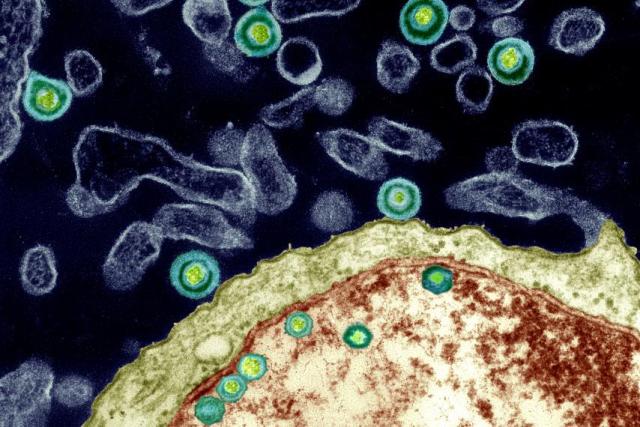
Herpes simplex viruses pass through the outer protein coat of a nucleus, magnified 40,000 times. Dr. Ruth Itzhak’s research published in 1997 revealed a potential link to the presence of HSV-1 (one specific variety of Herpes simplex) and the onset of Alzheimer’s in 60 percent of the cases they studied. However, she has only been able to study a low number of cases since the work has received only a cursory nod from the greater research world and little funding.

By Ed Cara

As recently as the 1970s, doctors stubbornly treated complaints of festering open sores in the stomach as a failing of diet or an inability to manage stress. Though we had long accepted the basic premise of Louis Pasteur’s germ theory—that flittering short bursts of disease and death are often caused by microscopic beings that could be stopped by sanitary food, water and specially crafted drugs—many researchers ardently resisted the idea that they could also trigger more complicated, chronic illnesses.

When it came to ulcers, no one believed that any microorganisms could endure in the acidic cauldron of our digestive system. It took the gumshoe work of Australian doctors and medical researchers Barry Marshall and Robin Warren in the 1980s to debunk that belief and discover the specific bug responsible for most chronic stomach ulcers, Helicobacter pylori. Marshall even went so far as to swallow the germ to prove the link was real and, obviously, became sick soon after. Thankfully, his self-sacrifice was eventually validated when he and Warren were awarded a Nobel Prize in 2005.

But while modern medicine has grown comfortable with the idea that even chronic physical ailments can be sparked by the living infinitesimal, there is an even bolder, more controversial proposition from a growing number of researchers. It’s the idea that certain germs, bugs and microbes can lie hidden in the body for decades, all the while slowly damaging our brains, even to the point of dementia, depression and schizophrenia.

In January 2016, a team led by Shawn Gale, an associate professor in psychology at Brigham Young University, looked at the infection history of 5,662 young to middle-aged adults alongside the results of tests intended to measure cognition. Gale’s rogues’ gallery included both parasites (the roundworm and Toxoplasma gondii ) and viruses (the hepatitis clan, cytomegalovirus, and herpes simplex virus Types 1 and 2). The team created an index of infectious disease —the more bugs a participant had been exposed to, the higher the person’s index score. It turned out that those with a higher score were more likely to have worse learning and memory skills, as well as slower information-processing speed than those with a lower score, even after controlling for other factors, like age, sex and financial status.

Aside from their shared ability to stay rooted inside us, the ways these pathogens might influence our noggins are as varied as their biology is from one another. Some, like T. gondii (often transmitted to humans via contaminated cats and infected dirt), can discreetly infest the brain and cause subtle changes to our brain chemistry, altering levels of neurotransmitters like dopamine while causing no overt signs of disease. Others, like hepatitis C, are suspected of hitching a ride onto infected white blood cells that cross the brain-blood barrier and, once inside, deplete our supply of white brain matter, the myelin-coated axons that help neurons communicate with each other and seem to actively shape how we learn. And still others, like H. pylori, could trigger a low-level but chronic inflammatory response that gradually wears down our body and mind alike.

Gale’s team found only fairly small deficits in cognition connected to infection. But other researchers, like Ruth Itzhaki, professor emeritus of molecular neurobiology at Britain’s University of Manchester, believe microbes may play an outsized role in one of the most devastating neurodegenerative disorders around: Alzheimer’s disease, which afflicted 47 million people worldwide in 2015. Last March, Itzhaki and a globe-spanning group of researchers penned an editorial in the Journal of Alzheimer’s Disease, imploring the scientific community to more seriously pursue a proposed link between Alzheimer’s and particular germs, namely herpes simplex virus Type 1 (HSV-1), Chlamydia pneumoniae and spirochetes—a diverse group of bacteria that include those responsible for syphilis and Lyme disease. The unusually direct plea, for scientists at least, was the culmination of decades of frustration.

“There’s great hostility to the microbial concept amongst certain influential people in the field, and they are the ones who usually determine whether or not one’s research grant application is successful,” says Itzhaki. “The irony is that they never provide scientific objections to the concepts—they just belittle them, so there’s nothing to rebut!”

It’s a frustration Itzhaki knows too well; in 1991, her lab published the first paper finding a clear HSV-1 link to Alzheimer’s. Since then, according to Itzhaki, over 100 published studies, from her lab and elsewhere, have been supportive of the same link. Nevertheless, Itzhaki says, the work has received only a cursory nod from the greater research world and little funding. Out of the $589 million allocated to Alzheimer’s research by the National Institutes of Health in 2015, exactly zero appeared to be spent on studying the proposed HSV-1 connection.

HSV-1 is more often known as the version of herpes that causes cold sores. Nearly all of us carry the virus from infancy; our peripheral nervous system serves as its dormant nesting ground. From there, HSV-1 can reactivate and occasionally cause mild flare-ups of disease, typically when our immune system is overwhelmed due to stress or other infections. Itzhaki’s lab, however, found that by the time we reach our golden years, the virus often migrates to the brain, where it remains capable of resurrecting itself and wreaking a new sort of havoc when opportunity presents, such as when our immune system wavers in old age.

Her team has also discovered the presence of HSV-1 in the telltale plaques—clumps of proteins in the nerve cells of the brain—used to diagnose Alzheimer’s. In mice and cell cultures infected with HSV-1, they’ve found accumulation of two proteins, beta-amyloid and tau, that form the main components of, respectively, plaques and tangles—twisted protein fibers that form inside dying cells and are another defining characteristic of Alzheimer’s. Plaques and tangles, while sometimes found in normal aging brains, have been found to overflow in the brains of deceased Alzheimer’s sufferers; neuroscientists believe these protein accumulations can cause neuron death and tissue loss. Itzhaki speculates that herpes-infected cells may either produce the proteins in an attempt to fend off HSV-1 or, because the virus itself commands them to, the proteins somehow needed to jump-start the virus’s replication.

Itzhaki, Gale and their colleagues emphasize that rather than being the sole cause of memory loss, slower reaction time or depression, viral and bacterial infections are likely just one ingredient in a soup of risk factors. But for Alzheimer’s, HSV-1 could be especially significant. Itzhaki has found that elderly people who carried both HSV-1 in the brain and the e-4 subtype of the APOE gene (responsible for creating a protein that helps transport cholesterol throughout the body) were 12 times more likely to develop Alzheimer’s than people without either.

APOE-e4, already considered a significant risk factor for Alzheimer’s and thought to make us more vulnerable to viral infection, has also been linked to a greater risk of dementia in HIV-infected patients. In a 1997 Lancet paper, Itzhaki’s group concluded that HSV-1 infection, in conjunction with APOE-e4, could account for about 60 percent of the Alzheimer’s cases they studied. Due to limited funds, however, her group was able to study only a relatively low number of cases.

“I think the proposed theory is certainly reasonable given the supporting evidence,” says Iain Campbell, a professor of molecular biology at the University of Sydney. “What is difficult to establish here is actual causality.”

It might be the case that HSV-1 and other suspects aren’t responsible for the emergence of Alzheimer’s but are simply given free rein to worsen its symptoms as the neurodegenerative disorder weakens both the immune and nervous systems. Deciphering the relationship between these latent infections and Alzheimer’s will take more dedicated research, an effort that Itzhaki feels has been stymied by the persistent lack of resources available to her and her like-minded colleagues.

As things stand, though, she believes there is enough evidence to go ahead with treatment trials; for instance, giving Alzheimer’s patients HSV-1-targeted antivirals in hopes of slowing down or stopping the progression of the disease. She and a team of clinicians are trying to obtain a grant for such a pilot clinical trial to do just that.

Exasperated as Itzhaki has been, the headwinds against her and those who share her beliefs about the brain are slowly dying down. In some cases, once-derided and obscure scientists studying how infections affect the brain are now getting some financial support. There’s Jaroslav Flegr, for example, who has for decades theorized that T. gondii could alter human behavior and even cause certain forms of schizophrenia. In the wake of increased media attention, Flegr’s volume of work on T. gondii has noticeably stepped up as well. From 2014 to 2015, he co-authored 13 papers on T. gondii, nearly twice the number he published the previous two years; the trend of increased T. gondii papers holds across all of PubMed, the largest database of published biomedical research available. “ I have no serious problem with funding of my Toxo research now,” Flegr says.

As of now, though, there have been no ulcer-related Sherlock moments to prove a link between mental dysfunction and latent infections—only indirect correlations clumping together to form a blurry snapshot of a potential crime scene. Which is why Gale and others recommend a wait-and-see approach for the public, even as they acknowledge the potentially vast implications of their research. “I wouldn’t want someone to go out tomorrow and get a whole battery of tests,” he says. “There’s still a lot we need to understand.”

http://www.newsweek.com/viral-bacterial-links-brains-decline-462194