Drinking Coffee in the Morning, but not All-Day, Decreased the Risk of Death

Key takeaways:

  • Morning coffee drinkers had a 16% risk reduction for death from all causes.
  • Morning coffee drinkers who consumed between over two to three or more cups achieved the greatest benefits.

People who drink coffee in the morning have a lower risk for death from all causes compared with those who do not drink coffee at all, results from an observational cohort study published in the European Heart Journal showed.

The association between morning coffee consumption and reduced mortality risk appeared especially strong with respect to CVD, according to researchers. Meanwhile, the analysis revealed that those who drank coffee throughout the day did not achieve the same mortality benefits as morning drinkers.

PC0125Qi_Graphic_01_WEB
Data derived from:  Wang X, et al. Eur Heart J. et al. 2025;doi:10.1093/eurheartj/ehae871.

“While moderate coffee drinking has been recommended for the beneficial relations with health based on previous studies, primary care providers [should] be informed that the time of coffee drinking also matters, beyond the amounts consumed,” Lu Qi, MD, PhD, a professor at Tulane University Celia Scott Weatherhead School of Public Health and Tropical Medicine, told Healio.

Current research suggests that coffee consumption “doesn’t raise the risk of cardiovascular disease, and it seems to lower the risk of some chronic diseases, such as type 2 diabetes,” Qi said in a press release.

“Given the effects that caffeine has on our bodies, we wanted to see if the time of day when you drink coffee has any impact on heart health.”

In the study, Qi and colleagues assessed links between mortality and coffee consumption — including the volume and timing — using data from the National Health and Nutrition Examination Survey from 1999 to 2018.

The analysis comprised 40,725 adults who had given dietary data of what they consumed on at least one day. This included a subgroup of 1,463 adults who completed a detailed food and drink diary for an entire week.

Overall, 48% of the cohort did not drink coffee, 36% had a morning-type coffee drinking pattern — primarily drinking from 4 a.m. to 11:59 a.m. — and 16% had an all-day drinking pattern.

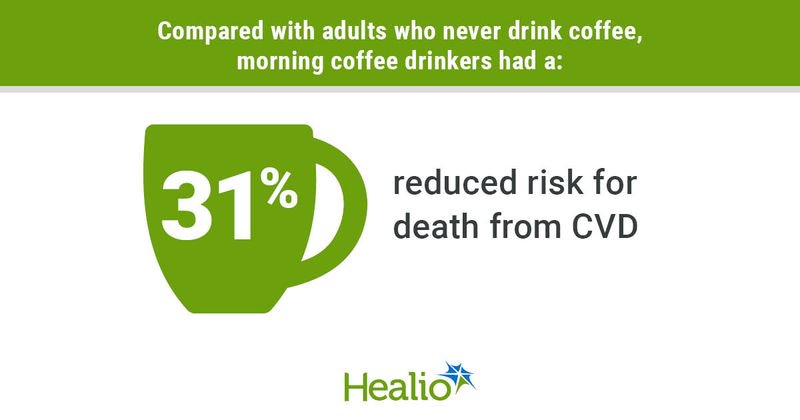
The researchers found that, after adjusting for factors like sleep hours and caffeinated and decaffeinated coffee intake amounts, morning coffee drinkers were 16% (HR = 0.84; 95% CI, 0.74-0.95) less likely to die of any cause and 31% (HR = 0.69; 95% CI, 0.55-0.87) less likely to die from CVD compared with those who did not drink coffee.

People who drank coffee all day did not have any risk reductions vs. those who did not drink coffee.

The amount of coffee consumed among morning drinkers also influenced risk reductions, as researchers reported HRs for all-cause mortality of:

  • 0.85 (95% CI, 0.71-1.01) among those who consumed more than zero to one cup;
  • 0.84 (95% CI, 0.73-0.96) among those who consumed more than one to two cups;
  • 0.72 (95% CI, 0.6-0.86) among those who consumed more than two to three cups; and
  • 0.79 (95% CI, 0.65-0.97) among those who consumed more than three cups.

Study results showed similar patterns for mortality from CVD, “but the interaction term was not significant,” Qi and colleagues wrote.

The researchers identified a couple of study limitations. For example, the analysis used self-reported dietary data, opening the potential for recall bias, while they also could not rule out possible residual and unmeasured cofounders.

The study did not explain why morning coffee consumption reduced the risk for death from CVD, Qi said in the release.

“A possible explanation is that consuming coffee in the afternoon or evening may disrupt circadian rhythms and levels of hormones such as melatonin,” he said. “This, in turn, leads to changes in cardiovascular risk factors such as inflammation and [BP].”

Qi told Healio that regarding future research, “more studies are needed to investigate coffee drinking timing with other health outcomes, in different populations, and clinical trials would be helpful to provide evidence for causality.”

References:

Pearlfish: The eel-like fish that lives inside a sea cucumber’s anus and eats its gonads

By Melissa Hobson

 published 4 hours ago

This slimline, eel-like fish has no scales for protection so chooses to use a sea cucumber’s sphincter for safety.

Name: Pearlfish (Carapidae family)

Where it lives: Inside invertebrate hosts in shallow, tropical waters around the world

What it eats: Plankton, small particles and sea cucumbers’ gonads

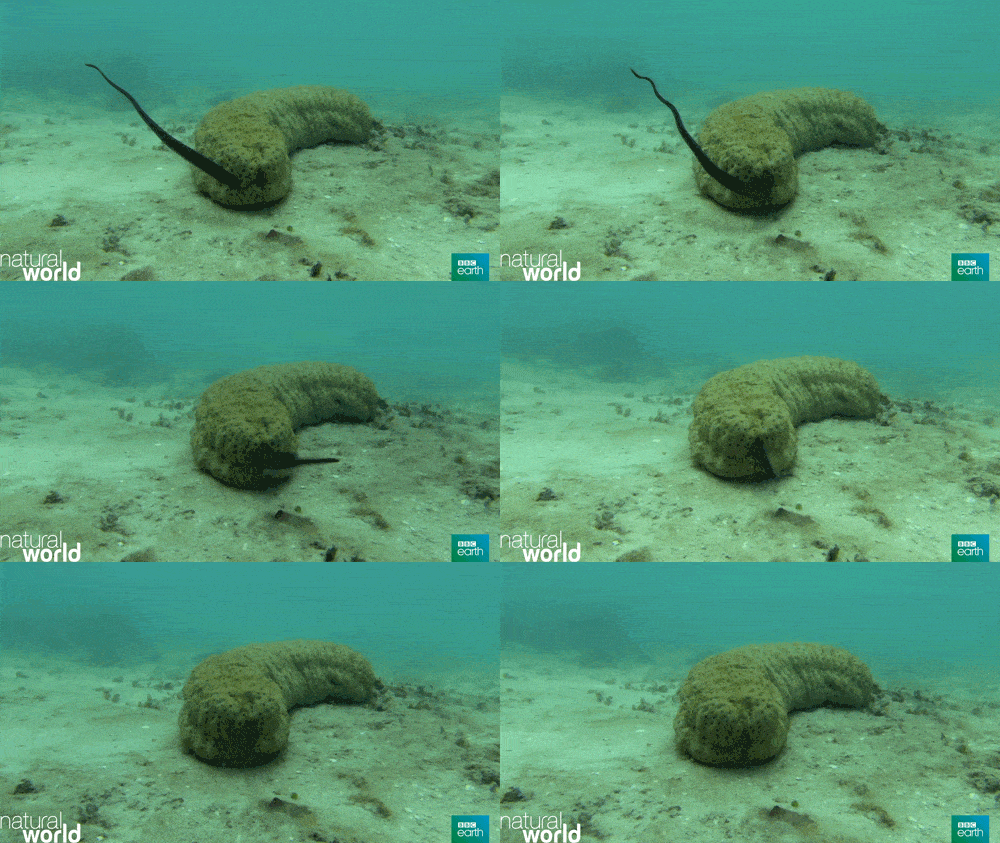
Pearlfish don’t have scales or any way of protecting themselves, so instead they have to find a safe hideaway. But rather than sheltering in a seagrass meadow or hiding in the crevices of a rock, they have chosen an unusual refuge: sea cucumbers’ anuses.

“The rear end of a sea cucumber may seem like undesirable real estate, but for a pearlfish, it does just the trick,” according to the Smithsonian Ocean website.

Sea cucumbers breathe through their butts, giving pearlfish an easy opportunity to sneak into their unwitting host. The pearlfish sniffs out its host, then just has to wait “for the cucumber to open for a breath and swim inside,” Smithsonian Ocean said. They do this every time they need to re-enter their home, which they leave to find food.

Even the sea cucumbers’ Cuvierian tubules — special sticky threads that sea cucumbers eject from their bums in self-defense — don’t affect pearlfish. And cucumber species with anal teeth still succumb to these pesky butt-dwellers. “I have found a new species that is smaller that was able to go inside, even with the teeth,” Eric Parmentier, a pearlfish researcher at the University of Liège, Belgium, told Live Science in an email.

These eel-like fish often — but not always — make a home for one inside their host. “As far as we know, there is usually one [pearlfish] to a sea cucumber, but some species have been reported to pair up in a single cucumber,” Matt Girard, a researcher in the Division of Fishes at the Smithsonian National Museum of Natural History told Live Science in an email.

The number of pearlfish shacked up in a single sea cucumber can hit double figures. In 1975, scientist Victor Benno Meyer-Rochow found a leopard sea cucumber (Bohadschia argus) with 15 pearlfish inside it.

Some species can live inside sea cucumbers without doing them harm, Girard said. They live in symbiosis and “neither host nor invader is harmed.”

But there are also parasite species that “eat the sea cucumber’s gonads,” Parmentier added. “It does not kill the host but it can disturb its reproduction.”

Dining-hall data suggest that a rise in vegetarian options leads customers to embrace meat-free meals.

Dining establishments can nudge consumers to eat less meat by offering more vegetarian choices, according to a study of university-cafeteria sales.

Emma Garnett and her colleagues at the University of Cambridge, UK, collected data on more than 94,000 meals sold in 3 of the cafeterias at the university in 2017. When the proportion of meatless options doubled from one to two of four choices, overall sales remained about constant. But sales of meat-containing meals dropped, and sales of vegetarian meals, such as “wild mushroom, roasted butternut squash and sun blushed tomato risotto with parmesan”, rose 40–80%.

Increases in plant-based dining were largest among people with the lowest baseline rates of vegetarian-meal consumption. The researchers found no evidence that higher sales of vegetarian dishes at lunch led to lower vegetarian sales at dinner.

Other variables that influenced dining choices included the relative prices of vegetarian and non-vegetarian options, and the outdoor temperature.

The authors suggest that an increase in vegetarian options could encourage consumers to move away from meat-heavy diets, potentially reducing greenhouse-gas emissions linked to animal-derived food.

https://www.nature.com/articles/d41586-019-02934-5?utm_source=Nature+Briefing&utm_campaign=f31c2e3d02-briefing-dy-20191004&utm_medium=email&utm_term=0_c9dfd39373-f31c2e3d02-44039353

This charity is feeding the hungry and helping the planet by rescuing millions of pounds of leftover food.

According to FDA estimates, the United States wastes 30 to 40% of its food. That’s hard to swallow when you consider that one in 10 US households faced food insecurity in 2018.

That means roughly 14 million families are struggling to put meals on the table while approximately 30 million tons of food are trashed.

Sending food to the dump carries a steep environmental cost as well. Landfills, filled more with discarded food than any other single item, account for one-third of all US methane gas emissions.

So NGOs and nonprofits are tackling the problems of food waste and food insecurity by launching food-rescue programs. And you can help, too.

Rescuing 41 million pounds of food a year

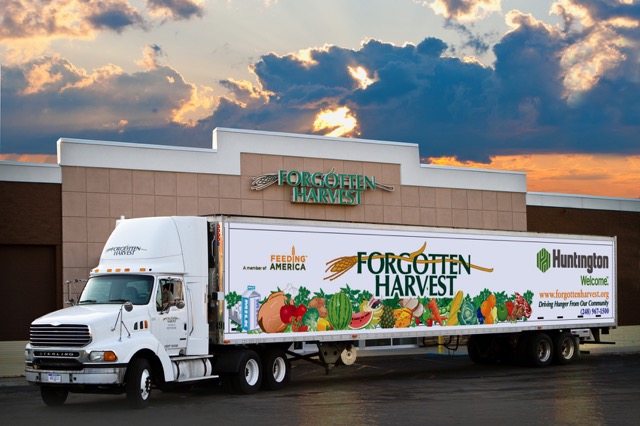
For 29 years Forgotten Harvest, a nonprofit in Detroit, has been rescuing food destined for landfills and redirecting it to the hungry.

Forgotten Harvest CEO Kirk Mayes says it’s taken that long to develop the logistics for his program, which now rescues and delivers 130,000 pounds of food a day.

“This operation is set up so that our fleet of about 27 trucks and our drivers can leave our warehouse in the morning and go to about 12 to 14 different stops … for our donations.” Mayes says. Drivers collect food from local bakers and butchers and national chains, he says. “And then these drivers redistribute the food to three to four community partners on a daily basis.”

A rotating army of 16,000 volunteers makes this daily event happen.

“At our warehouse, our volunteers are working with commodities that are coming off of our farm and from other commodity partners like the food manufacturers and other farms and donations,” Mayes says. “All this (food) is inspected, sorted and set to go out.”

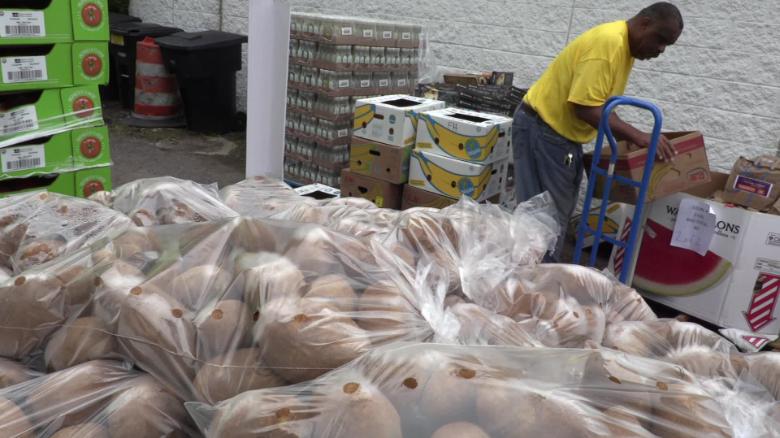
The result? Last year Forgotten Harvest redistributed 41 million pounds of food, Mayes says. That’s 41 million pounds that filled stomachs instead of landfills.

“We see a lot of work in front of us, with what is one in six people vulnerable for food insecurity in southeast Michigan,” he says. “We’re all working towards our one mission — to make sure that we can rescue as much food as possible and get it into the hands of people in need.”

How you can help

The federal government has set a goal to cut food waste in half by 2030. To reach that objective, the USDA and the EPA are working with communities and businesses.

They are also providing tips and guides for people to reduce the amount of food they waste:

Support food-rescue programs like Forgotten Harvest. Sustainable America provides this directory to find organizations in your area.

What We Do


https://foodrescuelocator.com/

Help organize food-rescue efforts in your community. The Food Donation Connection offers online training and resources to implement programs for communities and businesses.
https://www.foodtodonate.com/food-safety-and-training

K-12 Food Rescue provides step-by-step instructions to start a food-rescue program at schools.
https://www.foodrescue.net/getting-started.html

Donate unused food. This EPA guide provides instructions and resources on how and where to donate unused food, leftovers from events and surplus food inventory.
https://www.epa.gov/recycle/donating-food#ideasforincreasing

You can also find local food banks with this search tool from Feeding America.
https://www.feedingamerica.org/find-your-local-foodbank

Reduce food waste at home. This EPA guide and toolkit helps reduce food waste in homes. It also provides planning, prep, storage and thriftiness tips to help families and individuals get the most out of the food they buy.
https://www.epa.gov/sustainable-management-food/food-too-good-waste-implementation-guide-and-toolkit
https://www.epa.gov/recycle/reducing-wasted-food-home#toolkit

Compost in your backyard. Food scraps and yard waste, which make up about 30% of our trash, can be composted instead. The USDA’s Backyard Conservation tip sheet explains how to get started with composting.
https://www.nrcs.usda.gov/wps/portal/nrcs/detail/national/newsroom/features/?&cid=nrcs143_023537

Additional guides, including ways to start a composting program at local schools, can be found here.
http://cwmi.css.cornell.edu/smallscale.htm

https://www.cnn.com/2019/09/25/health/iyw-forgotten-harvest-food-waste-trnd/index.html

15 Foods That Naturally Lower Blood Pressure

High blood pressure is one of those conditions that can quietly and slowly damage your body. For starters, uncontrolled blood pressure can lead to stroke, narrowing of arteries, heart failure, kidney problems, damage to eye vessels, dementia, and other serious conditions. That’s the bad news. The good news is that what you eat can significantly help you reduce your blood pressure, especially if it’s already elevated or in the borderline range.

Here are the best 15 foods that you can eat to naturally lower your blood pressure and safeguard your long-term health:

1. Swiss chard, spinach, arugula, turnip greens, beet greens, collard greens, and other leafy greens

What do all these foods have in common? Potassium. This nutrient reduces blood pressure by balancing electrolytes in the body and helping the kidneys get rid of excess sodium. Aiming for 4,700 mg of potassium daily from foods like leafy greens can help you do that! Bananas tend to get all the fame when it comes to potassium, but a cup of cooked Swiss chard contains 960 mg potassium, and a cup of cooked spinach contains 839 mg potassium, while one banana contains only about half of that (422 mg). Since they are lower in carbohydrates and calories, leafy greens may fit better into your overall health goals.

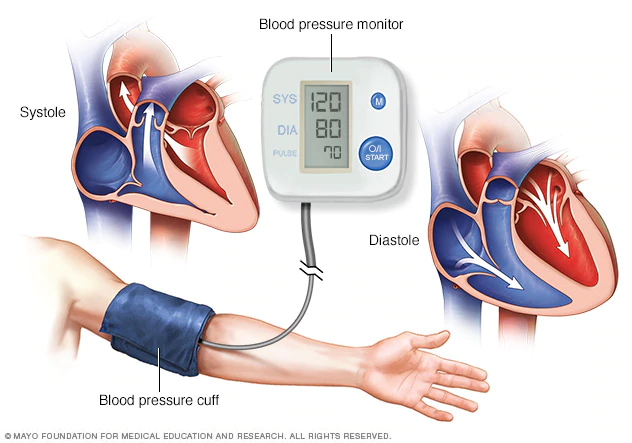
Magnesium is another mineral that helps lower blood pressure by dilating blood vessels. A meta-analysis found that, on average, 400 mg of magnesium per day lowers diastolic blood pressure by 2.2 points. A cup of cooked spinach contains 157 mg of magnesium.

Spinach and arugula also contain nitrate, which dilates arteries and reduces blood pressure. Don’t confuse nitrate, found naturally in spinach, arugula, celery, and other vegetables, with nitrites found in cured and aged meats. Healthy women who ate nitrate-rich vegetables for one week reduced systolic blood pressure. Another study found that a Japanese diet high in nitrate reduced diastolic blood pressure by 4.5 points compared to a diet low in nitrates.

2. Acorn squash, yams, sweet potatoes, and other winter squashes

One baked potato contains 926 g of potassium, and a cup of acorn squash contains 896 g of potassium. Sweet potatoes and butternut squash are runners-up. These vegetables are starchy, so stick to about one cup a day and use them to replace other high-carbohydrate foods like processed grains, sweets, or pastries. Roast acorn squash and mix with collard greens for a nice fall side dish. Make butternut squash soup. A baked white or sweet potato can fit into a healthy diet—as long as your plate has other nonstarchy veggies.

3. Berries

Berries are rich in polyphenols and vitamin C, which can help reduce inflammation in arteries. Two servings of berries a day for eight weeks reduced systolic and diastolic blood pressure in people who had mild hypertension. Those who had higher blood pressure levels at the beginning of the study showed the most reductions. Incorporate a variety of berries in your diet—in smoothies, snacks, or salads.

4. Beans and lentils

Beans and lentils are excellent sources of potassium and magnesium. Cooked lentils have 731 g of potassium per cup and a cup of cooked lima, white, pinto, or kidney beans has between 700 to 950 g potassium. Beans also contain magnesium, with as much as 120 g of magnesium packed into just one cup of cooked black beans.

5. Oats

It might come as a surprise, but oats are also a great food to eat if you want to be mindful of your blood pressure. This is thanks to a special fiber in oats, called beta-glucan, which helps reduce blood pressure. A study found that consuming oat beta-glucan daily lowered blood pressure in obese men and women with elevated blood pressure at baseline. A different small study found that 5.5 g of beta-glucan daily from oats for six weeks reduced systolic and diastolic blood pressure by 7.5 and 5.5 points in people who had mild or borderline hypertension.

Unfortunately, the amount of beta-glucan in oats will vary and isn’t listed on nutrition labels. A rule of thumb to follow is that higher fiber content in general means more beta-glucan. Rolled oats contain 3.3 grams of fiber per ⅓ cup while the same amount of oat bran packs 6 grams. Just be aware that oat fiber may increase bowel movement frequency or cause stomach upset as it gets fermented by your gut bacteria. If your diet is low in fiber, start gradually. If it causes severe diarrhea or stomach pain that won’t go away with slow introduction, consult with a dietitian who has experience in digestive health to see if oats are a good fit for you.

6. Beetroot juice

If you’re a fan of beets, you’ll be happy to learn that beetroot contains nitrate, which dilates vessels and reduces blood pressure, in addition to potassium and polyphenols. One study found that a little less than 5 ounces of beetroot juice reduced systolic and diastolic blood pressure by 7.9 and 5.7 points just three hours after drinking it. A meta-analysis also found that beet juice reduced systolic and diastolic blood pressure, especially when consumed for 14 days or more.

Roasted beets as a side dish or adding beats to salads is a healthy and beautiful addition to everyday meals. However, the research on blood pressure is done with beet juice. If you want to replicate the benefit at home, pull the juicer out and add some fresh beet juice to your daily routine.

7. Salmon

The health benefits of salmon seem to be never-ending—and blood pressure is no different. In one study, researchers found that eating 150 mg (5 ounces) of salmon containing 2.1 g of omega-3 fatty acids three times a week reduced diastolic blood pressure by 2 points. Fish oil capsules that contained 1.3 g of omega-3s had a similar effect. While cod had no effect on blood pressure in that study, it packs—along with tuna, halibut, and scallops—an excellent amount of potassium, making it a great addition to a healthy diet.

8. Olive oil

Olive oil is another food that has endless health benefits. One study showed that a daily intake of 1 ounce of polyphenols from olive oil for two months reduced systolic and diastolic blood pressure by 7.91 and 6.65 points. Improvement was more significant in people who had higher blood pressure levels to start with.

Olive oil products have a wide range of polyphenol levels, so keep in mind that the fresher and more bitter and pungent the olive oil, the more polyphenols in has. Obtain olive oil from high-quality sources and eat it raw as much as possible. Drizzle over salads and on vegetables after you finish cooking them. In the study, polyphenol-depleted olive oil didn’t show lower blood pressure.

9. Pistachio

If you’re willing to put in the work of de-shelling pistachios one by one, your blood pressure will thank you. Research has shown that people with high cholesterol who followed three diets for four weeks each: a control low-fat diet, a diet with one serving of pistachios a day (10 percent of calories), or a diet with two servings of pistachios a day (20 percent of calories). Eating one serving of pistachios reduced systolic blood pressure the most by 4.8 points.

All you cashew and almond butter fans might be wondering: What about other nuts? Mixed nuts lowered blood pressure but only in people without type 2 diabetes—and pistachios were still the most effective.

10. Flaxseeds

Flaxseeds aren’t just great for their high-fiber content, as one study showed that people with high blood pressure who ate 30 g of milled flaxseed a day for six months reduced systolic and diastolic blood pressure by 10 and 7 points.

If possible, buy whole flaxseed and grind as much as you need every few days. Add to your oatmeal or smoothie, or use instead of white flour for pancakes, muffins, or breading. Flaxseed oil may not lower systolic blood pressure, but diastolic blood pressure may improve with both the oil and the meal.

Other seeds like pumpkin and chia seeds may also help lower blood pressure as they are excellent magnesium sources.

11. Dairy foods

Dairy isn’t for everyone, but if you can tolerate it, you should know that a study on over 2,500 people—with normal blood pressure who were tracked for 14.6 years—showed that those who ate three or more servings of dairy per day or week compared to fewer than one serving, had slower increases in blood pressure. In other words, dairy consumption delayed hypertension but didn’t completely prevent it.

A meta-analysis also showed that low-fat dairy and milk reduced the risk of hypertension while cheese, yogurt, fermented dairy, or full-fat milk had no effects. A later systematic review agreed, but the authors concluded that it is not clear whether low-fat dairy was more beneficial than regular-fat dairy when it comes to blood pressure.

If you can tolerate dairy, enjoy it daily or weekly as it may help reduce your risk for developing high blood pressure. If you can’t tolerate it due to food sensitivities, allergies, digestive discomforts, or autoimmune issues, don’t stress. You can get benefits from the other foods on this list.

12. Pomegranate juice

Pomegranate juice is more than just a beautiful color, with one study showing that men and women who drank 11 ounces of pomegranate juice daily for four weeks reduced systolic and diastolic blood pressure by 3.14 and 3.33 points. Another study found that drinking 5 ounces reduced systolic blood pressure by 7 percent and diastolic blood pressure by 6 percent when measured six hours later.

But do you really need 11 ounces to get the benefit? A meta-analysis found that any amount of pomegranate juice (higher or lower than 8 ounces) and for any duration (longer or shorter than 12 weeks) reduced systolic blood pressure. However, diastolic blood pressure reduction was significant only with more than 8 ounces a day. Start with a small amount, about 4 to 8 ounces, if you’re trying to manage your sugar intake.

13. Garlic

Garlic is one of those low-key superfoods we tend to underestimate. But several studies found that taking garlic powders and extracts for one to three months can lower systolic and diastolic blood pressure in people with high or normal blood pressure. However, it is difficult to extrapolate the exact benefit of garlic as a food from studies that looked at concentrated doses. Allicin is the active ingredient in garlic and makes up only 1 percent of its weight.

Fresh garlic has more allicin than cooked, so eat few raw garlic cloves daily to see significant changes in blood pressure. Add minced or chopped garlic to salad dressings or dips. Raw garlic goes well with tahini and lemon, while parsley or cilantro help neutralize garlic breath! Don’t take garlic supplements without consulting your dietitian or doctor as they may cause heartburn, burping, upset stomach, or too much blood thinning.

14. Dark chocolate

Good news for all the chocolate lovers out there! Polyphenol-rich chocolate can lower blood pressure by 2 points on average, especially if your blood pressure is already elevated. In one study, people who had slightly elevated blood pressure reduced systolic and diastolic levels by 2.9 and 1.9 points after eating 0.2 ounces of dark chocolate daily for 18 weeks. However, another study on middle-aged overweight women found that 22 g of cocoa daily had no effect on blood pressure (they found other cardiovascular benefits from chocolate, though!

15. Hibiscus tea

The dried flowers and stems of the hibiscus plant have been used throughout history for blood pressure and other ailments. In patients who were pre-hypertensive or had mild hypertension, drinking three cups of hibiscus tea daily for six weeks reduced systolic blood pressure. Reductions were most significant in people who started with higher levels.

Enjoy hibiscus tea warm or cold. It has a sour taste, so resist the temptation to add too much sugar. Keep in mind that it’s not safe during pregnancy as it can affect hormone levels and induce early labor. If you’re not pregnant but have hormone fluctuations, start slowly and monitor how your body reacts.

https://www.mindbodygreen.com/articles/foods-that-lower-blood-pressure

Growing plants in space


Zinnias such as this one were among the first flowers to be grown on the International Space Station.

Researchers on the International Space Station are growing plants in systems that may one day sustain astronauts traveling far across the solar system and beyond.

Vibrant orange flowers crown a leafy green stem. The plant is surrounded by many just like it, growing in an artificially lit greenhouse about the size of a laboratory vent hood. On Earth, these zinnias, colorful members of the daisy family, probably wouldn’t seem so extraordinary. But these blooms are literally out of this world. Housed on the International Space Station (ISS), orbiting 381 kilometers above Earth, they are among the first flowers grown in space and set the stage for the cultivation of all sorts of plants even farther from humanity’s home planet.

Coaxing this little flower to bloom wasn’t easy, Gioia Massa, a plant biologist at NASA’s Kennedy Space Center in Florida, tells The Scientist. “Microgravity changes the way we grow plants.” With limited gravitational tug on them, plants aren’t sure which way to send their roots or shoots. They can easily dry out, too. In space, air and water don’t mix the way they do on Earth—liquid droplets glom together into large blobs that float about, instead of staying at the roots.

Massa is part of a group of scientists trying to overcome those challenges with a benchtop greenhouse called the Vegetable Production System, or Veggie. The system is a prototype for much larger greenhouses that could one day sustain astronauts on journeys to explore Mars. “As we’re looking to go deeper into space, we’re going to need ways to support astronaut crews nutritionally and cut costs financially,” says Matthew Romeyn, a long-duration food production scientist at Kennedy Space Center. “It’s a lot cheaper to send seeds than prepackaged food.”

In March 2014, Massa and colleagues developed “plant pillows”—small bags with fabric surfaces that contained a bit of soil and fertilizer in which to plant seeds. The bags sat atop a reservoir designed to wick water to the plants’ roots when needed (Open Agriculture, 2:33-41, 2017). At first, the ISS’s pillow-grown zinnias were getting too much water and turning moldy. After the crew ramped up the speed of Veggie’s fans, the flowers started drying out—an issue relayed to the scientists on the ground in 2015 by astronaut Scott Kelly, who took a special interest in the zinnias. Kelly suggested the astronauts water the plants by hand, just like a gardener would on Earth. A little injection of water into the pillows here and there, and the plants perked right up, Massa says.

With the zinnias growing happily, the astronauts began cultivating other flora, including cabbage, lettuce, and microgreens—shoots of salad vegetables—that they used to wrap their burgers and even to make imitation lobster rolls. The gardening helped to boost the astronauts’ diets, and also, anecdotally, brought them joy. “We’re just starting to study the psychological benefits of plants in space,” Massa says, noting that gardening has been shown to relieve stress. “If we’re going to have this opportunity available for longer-term missions, we have to start now.”

The team is currently working to make the greenhouses less dependent on people, as tending to plants during space missions might take astronauts away from more-critical tasks, Massa says. The researchers recently developed Veggie PONDS (Passive Orbital Nutrient Delivery System) with help from Techshot and Tupperware Brands Corporation. This system still uses absorbent mats to wick water to plants’ seeds and roots, but does so more consistently by evenly distributing the moisture. As a result, the crew shouldn’t have to keep such a close eye on the vegetation, and should be able to grow hard-to-cultivate garden plants, such as tomatoes and peppers. Time will tell. NASA sent Veggie PONDS to the ISS this past March, and astronauts are just now starting to compare the new system’s capabilities to those of Veggie.

“What they are doing on the ISS is really neat,” says astronomer Ed Guinan of the University of Pennsylvania. If astronauts are going to venture into deep space and be able to feed themselves, then they need to know how plants grow in environments other than Earth, and which grow best. The projects on the ISS will help answer those questions, he says. Guinan was so inspired by the ISS greenhouses he started his own project in 2017 studying how plants would grow in the soil of Mars—a likely future destination for manned space exploration. He ordered soil with characteristics of Martian dirt and told students in his astrobiology course, “You’re on Mars, there’s a colony there, and it’s your job to feed them.” Most of the students worked to grow nutritious plants, such as kale and other leafy greens, though one tried hops, a key ingredient in beer making. The hops, along with some of the other greens, grew well, Guinan reported at the American Astronomical Society meeting in January.

Yet, if and when astronauts go to Mars, they probably won’t be using the Red Planet’s dirt to grow food, notes Gene Giacomelli, a horticultural engineer at the University of Arizona. There are toxic chemicals called perchlorates to contend with, among other challenges, making it more probable that a Martian greenhouse will operate on hydroponics, similar to the systems being tested on the ISS. “The idea is to simplify things,” says Giacomelli, who has sought to design just such a greenhouse. “If you think about Martian dirt, we know very little about it—so do I trust it is going to be able to feed me, or do I take a system I know will feed me?”

For the past 10 years, Giacomelli has been working with others on a project, conceived by now-deceased business owner Phil Sadler, to build a self-regulating greenhouse that could support a crew of astronauts. This is not a benchtop system like you find on the space station, but a 5.5-meter-long, 2-meter-diameter cylinder that unfurls into an expansive greenhouse with tightly controlled circulation of air and water. The goal of the project, which was suspended in December due to lack of funding, was to show that the lab-size greenhouse could truly sustain astronauts. The greenhouse was only partially successful; the team calculated that a single cylinder would provide plenty of fresh drinking water, but would produce less than half the daily oxygen and calories an astronaut would need to survive a space mission. Though the project is on hold, Giacomelli says he hopes it will one day continue.

This kind of work, both here and on the ISS, is essential to someday sustaining astronauts in deep space, Giacomelli says. And, if researchers can figure out how to make such hydroponic systems efficient and waste-free, he notes, “the heck with Mars and the moon, we could bring that technology back to Earth.”

https://www.the-scientist.com/?articles.view/articleNo/54637/title/Researchers-Grow-Veggies-in-Space/

Nanoparticles normally used to fight cancer could also help rescue malnourished crops

Synthetic nanoparticles used to fight cancer could also heal sickly plants.

The particles, called liposomes, are nanosized, spherical pouches that can deliver drugs to specific parts of the body (SN: 12/16/06, p. 398). Now, researchers have filled these tiny care packages with fertilizing nutrients. The new liposomes, described online May 17 in Scientific Reports, soak into plant leaves more easily than naked nutrients. That allows the nanoparticles to give malnourished crops a more potent pick-me-up than the free-floating molecules in ordinary nutrient spray.

Each liposome is a hollow sphere about 100 nanometers across, and is made of fatty molecules extracted from soybean plants. Once a plant leaf absorbs these nanoparticles, the liposomes spread to cells in the plant’s other leaves and its roots, where the fatty envelopes break down and release their molecular cargo.

Researchers first exposed tomato plants to either liposomes packed with a rare earth metal called europium, or free-floating europium molecules. Europium doesn’t naturally exist in plants or soil, so it’s easy to trace how much of this element plants soaked up after treatment. Three days after exposure, plants treated with liposomes had absorbed up to 33 percent of the nanoparticles. Plants exposed to free-floating europium took in less than 0.1 percent of the molecules

The researchers then spritzed iron- and magnesium-deficient tomato plants with either a standard spray containing iron and magnesium, or a solution containing liposomes packed with those nutrients. Two weeks later, the leaves on plants treated with free-floating nutrients were still tinged yellow and curled. Plants that received liposome treatment sported healthy, green leaves.

Avi Schroeder, a chemical engineer at the Israel Institute of Technology in Haifa, and colleagues don’t know exactly why liposomes are more palatable to plants than plain nutrients. But sprays that contain nutrient-loaded liposomes could help farmers rejuvenate frail plants more efficiently than existing mixtures, Schroeder says.

Liposome-based spray would need to be tested on a variety of vegetation before it could enter widespread use, says Ramesh Raliya, a nanobiotechnology researcher at Washington University in St. Louis not involved in the work. That’s because the pores on leaves where liposomes are assumed to enter plants can range from 50 to 150 nanometers across. If a plant’s pores are smaller than 100 nanometers, the liposomes can’t squeeze inside.

Mariya Khodakovskaya, a biologist at the University of Arkansas at Little Rock, is wary of the potential cost of this new technique. Fashioning liposomes is expensive. That’s not a problem for making liposome-based medication, which requires only a small amount of nanoparticles. But for any new agricultural practice to take root, she says, “it has to be massive, and it has to be cheap.”

A. Karny et al. Therapeutic nanoparticles penetrate leaves and deliver nutrients to agricultural crops. Scientific Reports. Published online May 17, 2018. doi: 10.1038/s41598-018-25197-y.

Nanoparticles could help rescue malnourished crops

Small tooth sensor can track what we eat

by Vanessa Zainzinger

Wireless sensors are ubiquitous, providing a steady stream of information on anything from our physical activity to changes occurring in the world’s oceans. Now, scientists have developed a tiny form of the data-gathering tool, designed for an area that has so far escaped its reach: our teeth.

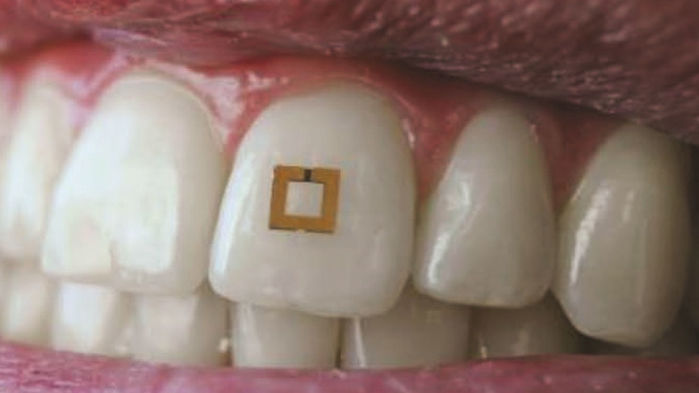
The 2-millimeter-by-2-millimeter devices (pictured) are made up of a film of polymers that detects chemicals in its environment. Sandwiched between two square-shaped gold rings that act as antennas, the sensor can transmit information on what’s going on—or what’s being chewed on—in our mouth to a digital device, such as a smartphone. The type of compound the inner layer detects—salt, for example, or ethanol—determines the spectrum and intensity of the radiofrequency waves that the sensor transmits. Because the sensor uses the ambient radio-frequency signals that are already around us, it doesn’t need a power supply.

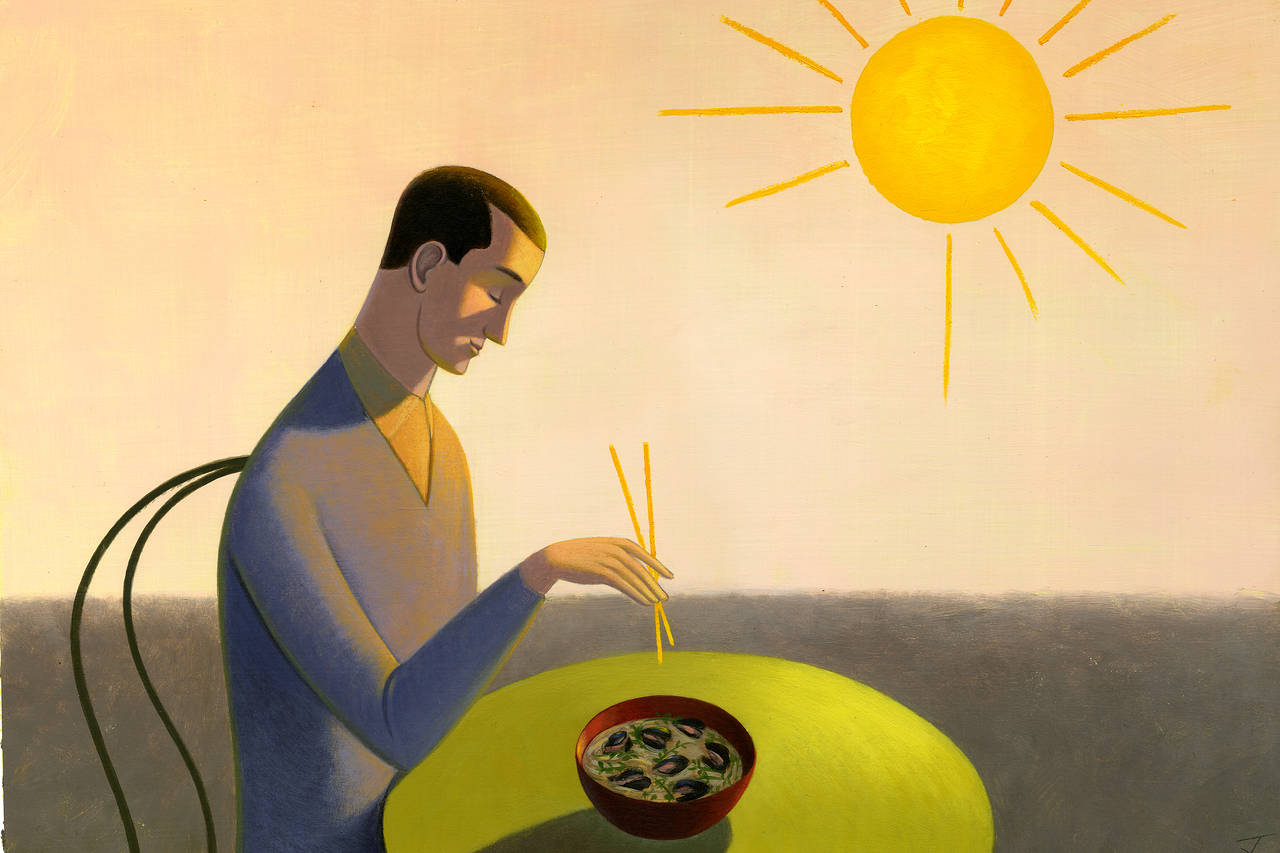
The researchers tested their invention on people drinking alcohol, gargling mouthwash, or eating soup. In each case, the sensor was able to detect what the person was consuming by picking up on nutrients.

The devices could help health care and clinical researchers find links between dietary intake and health and, in the long run, allow each of us to keep track of how what we consume is affecting our bodies.

http://www.sciencemag.org/news/2018/03/tiny-sensor-your-tooth-could-help-keep-you-healthy

Food that helps battle depression

By Elizabeth Bernstein

You’re feeling depressed. What have you been eating?

Psychiatrists and therapists don’t often ask this question. But a growing body of research over the past decade shows that a healthy diet—high in fruits, vegetables, whole grains, fish and unprocessed lean red meat—can prevent depression. And an unhealthy diet—high in processed and refined foods—increases the risk for the disease in everyone, including children and teens.

Now recent studies show that a healthy diet may not only prevent depression, but could effectively treat it once it’s started.

Researchers, led by epidemiologist Felice Jacka of Australia’s Deakin University, looked at whether improving the diets of people with major depression would help improve their mood. They chose 67 people with depression for the study, some of whom were already being treated with antidepressants, some with psychotherapy, and some with both. Half of these people were given nutritional counseling from a dietitian, who helped them eat healthier. Half were given one-on-one social support—they were paired with someone to chat or play cards with—which is known to help people with depression.

After 12 weeks, the people who improved their diets showed significantly happier moods than those who received social support. And the people who improved their diets the most improved the most. The study was published in January 2017 in BMC Medicine. A second, larger study drew similar conclusions and showed that the boost in mood lasted six months. It was led by researchers at the University of South Australia and published in December 2017 in Nutritional Neuroscience.

And later this month in Los Angeles at the American Academy of Neurology’s annual meeting, researchers from Rush University Medical Center in Chicago will present results from their research that shows that elderly adults who eat vegetables, fruits and whole grains are less likely to develop depression over time.

The findings are spurring the rise of a new field: nutritional psychiatry. Dr. Jacka helped to found the International Society for Nutritional Psychiatry Research in 2013. It held its first conference last summer. She’s also launched Deakin University’s Food & Mood Centre, which is dedicated to researching and developing nutrition-based strategies for brain disorders.

The annual American Psychiatric Association conference has started including presentations on nutrition and psychiatry, including one last year by chef David Bouley on foods that support the peripheral nervous system. And some medical schools, including Columbia University’s Vagelos College of Physicians and Surgeons, are starting to teach psychiatry residents about the importance of diet on mental health.

Depression has many causes—it may be genetic, triggered by a specific event or situation, such as loneliness, or brought on by lifestyle choices. But it’s really about an unhealthy brain, and too often people forget this. “When we think of cardiac health, we think of strengthening an organ, the heart,” says Drew Ramsey, a psychiatrist in New York, assistant clinical professor of psychiatry at Columbia and author of “Eat Complete.” “We need to start thinking of strengthening another organ, the brain, when we think of mental health.”

A bad diet makes depression worse, failing to provide the brain with the variety of nutrients it needs, Dr. Ramsey says. And processed or deep-fried foods often contain trans fats that promote inflammation, believed to be a cause of depression. To give people evidenced-based information, Dr. Ramsey created an e-course called “Eat to Beat Depression.”

A bad diet also affects our microbiome—the trillions of micro-organisms that live in our gut. They make molecules that can alter the production of serotonin, a neurotransmitter found in the brain, says Lisa Mosconi, a neuroscientist, nutritionist and associate director of the Alzheimer’s Prevention Clinic at Weill Cornell Medical College in New York. The good and bad bacteria in our gut have complex ways to communicate with our brain and change our mood, she says. We need to maximize the good bacteria and minimize the bad.

So what should we eat? The research points to a Mediterranean-style diet made up primarily of fruits and vegetables, extra-virgin olive oil, yogurt and cheese, legumes, nuts, seafood, whole grains and small portions of red meat. The complexity of this diet will provide the nutrition our brain needs, regulate our inflammatory response and support the good bacteria in our gut, says Dr. Mosconi, author of “Brain Food: The Surprising Science of Eating for Cognitive Power.”

Can a good diet replace medicine or therapy? Not for everyone. But people at risk for depression should pay attention to the food they eat. “It really doesn’t matter if you need Prozac or not. We know that your brain needs nutrients,” Dr. Ramsey says. A healthy diet may work even when other treatments fail. And at the very least, it can serve as a supplemental treatment—one with no bad side effects, unlike antidepressants—that also has a giant upside. It can prevent other health problems, such as heart disease, obesity and diabetes.

Loretta Go, a 60-year-old mortgage consultant in Ballwin, Mo., suffered from depression for decades. She tried multiple antidepressants and cognitive behavioral therapy, but found little relief from symptoms including insomnia, crying jags and feelings of hopelessness. About five years ago, after her doctor wanted to prescribe yet another antidepressant, she refused the medicine and decided to look for alternative treatments.

Ms. Go began researching depression and learned about the importance of diet. When she read that cashews were effective in reducing depression symptoms, she ordered 100 pounds, stored them in the freezer, and started putting them in all her meals.

She also ditched processed and fried foods, sugar and diet sodas. In their place, she started to eat primarily vegetables and fruits, eggs, turkey and a lot of tofu. She bought a Vitamix blender and started making a smoothie with greens for breakfast each morning.

Within a few months, Ms. Go says she noticed a difference in her mood. She stopped crying all the time. Her insomnia went away and she had more energy. She also began enjoying activities again that she had given up when she was depressed, such as browsing in bookstores and volunteering at the animal shelter.

Ms. Go’s depression has never come back. “This works so well,” she says. “How come nobody else talks about this?”

https://www.wsj.com/articles/the-food-that-helps-battle-depression-1522678367

Caloric Restriction Slows Signs of Aging in Humans


by Diana Kwon

Findings from a randomized, controlled trial finds that reducing food intake decreases metabolism and reduces oxidative damage to tissues and cells.

Studies in various animals, including rodents and monkeys, have reported that caloric restriction can extend their lifespans. Findings from a two-year, randomized, controlled trial with human participants, published last week (March 22) in Cell Metabolism, suggest that cutting down on calories may also be able to prolong the lives of people.

To investigate the effects of reducing food intake, Leanne Redman, an endocrinologist at the Pennington Biomedical Research Center at Louisiana State University, and her colleagues enrolled 53 healthy men and women between the ages of 21 and 50 and split them into two groups—one group reduced their caloric intake by 15 percent over two years, and the other remained on a regular diet.

The team found that the people who ate a restricted diet lost an average of around 9 kilograms and experienced a 10-percent drop in their resting metabolic rates. When the researchers examined the participants’ blood, they also found a reduction in markers of oxidative stress in those who cut down on calories. “After two years, the lower rate of metabolism and level of calorie restriction was linked to a reduction in oxidative damage to cells and tissues,” Redman tells Wired.

“[I]f by-products of metabolism accelerate aging processes, calorie restriction sustained over several years may help to decrease risk for chronic disease and prolong life,” Redman says in a statement.

This study was part of a larger, multi-center investigation of caloric restriction in humans, the Comprehensive Assessment of Long-Term Effects of Reducing Intake of Energy (CALERIE) trial. Luigi Fontana, an internist who ran a CALERIE investigation at Washington University in St. Louis, says that a slower metabolism and reduced oxidative stress will not necessarily lead to a longer life. “You can have a low resting metabolic rate because you’re dying of starvation,” he tells Wired. “Does that make it a biomarker of longevity? No. You can be calorie restricted by eating half a hamburger and a few fries each day but will you live longer? No, you will die of malnutrition.”

https://www.the-scientist.com/?articles.view/articleNo/52141/title/Caloric-Restriction-Slows-Signs-of-Aging-in-Humans/