Potential target identified for preventing long-term effects of explosion-mediated traumatic brain injury

BY: JENNIFER BROWN

More than 200,000 U.S. soldiers serving in the Middle East have experienced a blast-related traumatic brain injury, making it a common health problem and concern for that population.

Traumatic brain injury (TBI) can have various harmful long-term neurological effects, including problems with vision, coordination, memory, mood, and thinking. According to the Centers for Disease Control and Prevention, TBI from a head injury is a leading cause of death and disability in the United States, and close to 5 million Americans—soldiers and non-soldiers alike—are currently living with a TBI-related disability. Current therapy for these patients involves supportive care and rehabilitation, but no treatments are available that can prevent the development of chronic neurological symptoms.

Researchers from the University of Iowa believe they may have identified a potential approach for preventing the development of neurological problems associated with TBI. Their research in mice suggests that protecting axons—the fiber-like projections that connect brain cells—prevents the long-term neuropsychiatric problems caused by blast-related traumatic brain injury.

In a recent study, the UI team led by Andrew Pieper, professor of psychiatry at the UI Carver College of Medicine, investigated whether early damage to axons—an event that is strongly associated with many forms of brain injury, including blast-related TBI—is simply a consequence of the injury or whether it is a driving cause of the subsequent neurological and psychiatric symptoms.

To answer that question, the researchers used mice with a genetic mutation that protects axons from some forms of damage. The mutation works by maintaining normal levels of an important energy metabolite known as nicotinamide adenine dinucleotide (NAD) in brain cells after injury.

When mice with the mutation experienced blast-mediated TBI, their axons were protected from damage, and they did not develop the vision problems, or the thinking and movement difficulties that were seen when mice without the mutation experienced blast-related TBI. The findings were published Oct. 11 in the online journal eNeuro.

“Our work strongly suggests that early axonal injury appears to be a critical driver of neurobehavioral complications after blast-TBI,” says Pieper, who also is a professor of neurology, radiation oncology, and a physician with the Iowa City Veterans Affairs Health Care System.

“Therefore, future therapeutic strategies targeted specifically at protecting or augmenting the health of axons may provide a uniquely beneficial approach for preventing these patients from developing neurologic symptoms after blast exposure.”

In confirming the critical relationship between axon degeneration and development of subsequent neurological complication, the new study builds on previous work from Pieper’s lab. The researchers also have discovered a series of neuroprotective compounds that appear to help axons survive the kind of early damage seen in TBI. These compounds activate a molecular pathway that preserves neuronal levels of NAD, the energy metabolite that has been shown to be critical to the health of axons. Pieper’s team previously demonstrated that these neuroprotective compounds block axonal degeneration and protect mice from harmful neurological effects of blast-TBI, even when the compound are given 24 to 36 hours after the blast injury.

In addition to Pieper, the research team included Terry Yin, Jaymie Voorhees, Rachel Genova, Kevin Davis, Ashley Madison, Jeremiah Britt, Coral Cinton, Latisha McDaniel, and Matthew Harper. Pieper also is a member of the Pappajohn Biomedical Institute at the UI.

https://now.uiowa.edu/2016/10/study-traumatic-brain-injury

Boy wakes up from coma speaking an entirely different language

By Cari Romm

You may have heard of foreign-accent syndrome, a rare and mysterious condition in which someone suffers a brain injury and suddenly — true to the name — begins speaking in a new accent. Last year, for example, a woman from Ontario began speaking in the regional accent of the Canadian East Coast after a stroke, despite the fact that she’d never visited or met anyone from that particular part of the country. Just a few months ago, a woman in Texas developed a British accent following dental surgery.

Both women are members of a pretty exclusive club: Scientists estimate that foreign-accent syndrome strikes just one person in the world each year. And as Time reported earlier this week, a Georgia high-school student has taken the step further: Sixteen-year-old Rueben Nsemoh, recently woke up from a coma speaking fluent Spanish.

The patient: Last month, Nsemoh developed a severe concussion during a soccer game, when another player accidentally kicked him in the head. When he woke up after three days in a coma, according to Time, he’d lost his English, but he could still speak: His first words were “tengo hambre,” Spanish for “I’m hungry” — and his family quickly discovered that he could now speak the language fluently, despite the fact that he had previously known only a handful of Spanish words.

The diagnosis: This isn’t the first time a patient has walked away from a head injury with a newfound linguistic ability: In 2014, an Australian man came to and discovered that he now spoke fluent Mandarin; in 2010, the same thing happened to a Croatian teen with German and a British man with French.

But these cases, like Nsemoh’s, can’t simply be explained as an extension of foreign-accent syndrome, which researchers believe isn’t really the development of a new accent at all: It’s a sign of damage to the area of the brain that controls the motor functions of speech. Any resemblance to a real foreign accent, then, is coincidental — the new speech pattern is just a new way of forcing words out of the mouth, affecting their sounds in random ways.

Seemingly absorbing an entire language overnight, on the other hand, has little to do with motor skills and everything to do with linguistic knowledge. While Nsemoh’s family hasn’t yet received an explanation for his newfound grasp of Spanish, Time noted that he’s heard the language in the past, from his brother (who studied abroad in Spain) and his classmates, meaning it’s not entirely new. For now, that remains just a clue, though the teen’s doctors may not have much longer to solve the case — for the past few weeks, their patient has been slowly regaining his English and losing his Spanish. This one, it seems, may remain un misterio for the ages.

Mechanism of Rapid Antidepressant Effect of Alcohol Elucidated

by Tori Rodriguez, MA, LPC

Individuals with major depressive disorder (MDD) have double the risk of alcohol use disorders (AUDs) and vice versa, and it has previously been proposed that some people with MDD may use alcohol to self-medicate. Though alcohol can become depressant if used chronically, alcohol initially has an antidepressant effect, though the underlying mechanisms have not been identified. Findings reported in September 2016 in Nature Communications begin to elucidate the basis of this action.

Behavioral and molecular evidence of the rapid antidepressant activity of NMDA receptor (NMDAR) antagonists, which have been found to be effective within 2 hours of administration and remain so for 2 weeks, represents a significant advance in depression treatment. Antidepressant efficacy involves the induction phase and the sustained phase.

The sustained phase of rapid antidepressants requires “both new protein synthesis and an increase in protein stability… for the GABABR shift in function necessary to increase” the activity of mTORC1, a mechanistic target of rapamycin complex 1, the authors explained in their paper. Rapamycin (mTOR) is a “serine/threonine kinase essential for messenger RNA translation” and is required for the sustained impact of rapid antidepressants.

Citing previous findings that ethanol (EtOH) also blocks NMDARs in the hippocampus, scientists at the University of Texas at Austin and Wake Forest University School of Medicine in Winston-Salem, North Carolina, aimed to determine whether EtOH and NMDAR antagonists exert rapid antidepressant effects via the same synaptic pathways in rodents. They hypothesized that EtOH “has lasting antidepressant efficacy, shares the same downstream molecular signaling events as rapid antidepressants, and requires de novo protein synthesis.”

First, they found that acute exposure to EtOH led to antidepressant and anxiolytic behaviors in rodents for up to 24 hours. They then discovered that, like NMDAR antagonists, EtOH alters the expression and signaling of GABABR, increases dendritic calcium, and leads to the synthesis of new GABABRs. This synthesis requires fragile-X mental retardation protein (FMRP), an RNA-binding protein of which precise levels are needed for normal neuronal functioning.

The antidepressant effects and the changes in GABABR expression and dendritic calcium were not observed in in Fmr1-knockout (KO) mice, supporting the concept that FMRP has in important role in regulating protein synthesis after EtOH exposure, and thereby facilitating its antidepressant efficacy.

These results point to a shared molecular pathway for the antidepressant activity of EtOH and rapid antidepressants, and highlight a mechanism involved in the initial antidepressant action of alcohol. “A shift in GABABR signaling is observed with both rapid antidepressants and acute EtOH treatment, which may provide insight into the molecular basis for the high comorbidity between major depressive disorder and AUD,” the authors concluded.

http://www.psychiatryadvisor.com/addiction/rapid-antidepressant-effect-of-alcohol/article/567335/?DCMP=EMC-PA_Update_RD&cpn=psych_md%2cpsych_all&hmSubId=&NID=1710903786&dl=0&spMailingID=15723696&spUserID=MTQ4MTYyNjcyNzk2S0&spJobID=881842067&spReportId=ODgxODQyMDY3S0

Zika may hurt the adult brain.

By Meghan Rosen

Zika may harm grown-up brains.

The virus, which can cause brain damage in infants infected in the womb, kills stem cells and stunts their numbers in the brains of adult mice, researchers report August 18 in Cell Stem Cell. Though scientists have considered Zika primarily a threat to unborn babies, the new findings suggest that the virus may cause unknown — and potentially long-term — damage to adults as well.

In adults, Zika has been linked to Guillain-Barré syndrome, a rare neurological disorder (SN: 4/2/16, p. 29). But for most people, infection is typically mild: a headache, fever and rash lasting up to a week, or no symptoms at all. In pregnant women, though, the virus can lodge in the brain of a fetus and kill off newly developing cells (SN: 4/13/16).

If Zika targets newborn brain cells, adults may be at risk, too, reasoned neuroscientist Joseph Gleeson of Rockefeller University in New York City and colleagues. Parts of the forebrain and the hippocampus, which plays a crucial role in learning and memory, continue to generate nerve cells in adult brains.

In mice infected with Zika, the virus hit these brain regions hard. Nerve cells died and the regions generated one-fifth to one-half as many new cells compared with those of uninfected mice. The results might not translate to humans; the mice were genetically engineered to have weak immune systems, making them susceptible to Zika.

But Zika could potentially harm immunocompromised people and perhaps even healthy people in a similar way, the authors write.

Zika kills brain cells in adult mice

Dark treatment for people with mania

By James Phelps, MD

If light is an antidepressant (true) and antidepressants can make bipolar disorders worse (true), can darkness make bipolar disorders better? Might darkness be anti-manic?

This idea was explored over 2 decades ago, with a stunningly successful case report from the National Institute of Mental Health (NIMH) demonstrating that in at least 1 patient, darkness was indeed a mood stabilizer (1). But the protocol was arduous: 14 hours of enforced darkness every night.

It was so effective, they backed off to 10 hours, from 10 pm to 8 am, which kept the patient well with no medications for over a year. Yet, as clinicians know, patients still resist giving up their electric light, especially their TVs, tablets, and phones.

Hold that thought; and consider a completely separate line of research, which found that all wavelengths of light are not created equal. Blue light is by far the most powerful in setting circadian rhythm.

A new retinal photoreceptor, not a rod or cone, was discovered in 2001; it is sensitive primarily to blue light (2). These receptors connect not to the visual cortex but to the suprachiasmatic nucleus of the hypothalamus, wherein resides the primary biological clock. They are “circadian photoreceptors.”

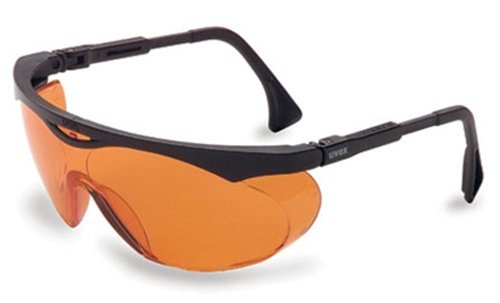
Now put these 2 lines of research together. At night, when evolutionarily we should have 8 to 14 hours of darkness, one can create “virtual darkness” by blocking just the blue wavelengths of light. This can be done at the source (F.lux for Windows; NightShift for recent Apple products; and lowbluelights.com for no-blue bulbs and nightlights) or by simply donning a pair of amber-colored safety glasses.

The latter are available as fit-over-glasses, # S0360X; or a stylish version for young people with good eyes, # 3S1933X (purchase from Amazon—or, in a fun twist, from your local Airgas welding shop, ~$9). These safety glasses have been shown to preserve melatonin production at night even in a fully lit environment.3 About 50% of patients responded to wearing the amber lenses with reduced sleep latency and improved sleep quality (4).

But now the acid test: if darkness is a mood stabilizer, and if amber lenses produce physiologic darkness, then can the lenses treat acute mania?

This has just been shown quite conclusively(5) (to the extent that a single randomized trial is conclusive; but note this is a replication of another small inpatient study that used real darkness and found similar, though slightly less robust results (6).

In the new study from Norway, patients being admitted with bipolar mania were randomized to wear amber lenses or control clear lenses whenever they were not in real darkness during the 14-hour period from 6 pm to 8 am.

Thus, they replicated the intervention from the NIMH case report, using either real or “virtual darkness” with the amber lenses. The intervention began near admission and continued for 7 days, during which all participants received other treatments, including anti-manic medications, per usual.

Young Mania Rating Scale (YMRS) scores plummeted in the amber lenses group while those of the control group diminished only slightly: starting from a mean YMRS of 25, reductions were 14.1 vs 1.7, respectively.

Unfortunately, the sample size was smaller than originally intended because of growing public awareness of the effects of blue light and blue light–blocking glasses and consequently the patients knew what effect to expect. Thus, this may be the only such study we’ll ever see, and it took 10 years to replicate the first inpatient study6 of dark therapy.

So I hope that this new Norwegian study will not be dismissed as a pilot. The data are in. Time to move dark therapy into regular practice, as has already been suggested in the latest bipolar-specific psychotherapy, “CBT-IB: A Bipolar-Specific, All-Around Psychotherapy.”

But patients are often hesitant to increase their exposure to darkness: it means giving up things they value, especially television and other electronic entertainment. Blue light blockade can be much more acceptable.

http://www.psychiatrictimes.com/bipolar-disorder/new-zero-risk-treatment-mania/page/0/2?GUID=C523B8FD-3416-4DAC-8E3C-6E28DE36C515&rememberme=1&ts=12082016

A metabolic shift in neurons may provide insight into neurodegenerative diseases


A key metabolic pathway must be switched off during neuron development or fewer neurons (green, on the right) survive.

by Jennifer Hicks

Researchers at the Salk Institute of Biological Studies released a study in the July 12 issue of eLife, which identifies the point at which there’s a dramatic metabolic shift in developing neurons. This discovery of the path a neuron takes during development could help provide insight into neurodegenerative diseases such as Alzheimer’s and Parkinson’s disease.

In a press release, Tony Hunter, American Cancer Society Professor, Salk Molecular and Cell Biology Laboratory said there’s relatively little understanding about how neuron metabolism is first established.

Oxidative stress leads to disruptions in neural cells which are key players in neurodegenerative diseases like Parkinson’s or ALS. The brain needs oxygen to survive but by knowing when and how neuron metabolism goes off track and mitochondria fail to function properly in these diseases, researchers can begin to devise ways to re-route metabolic processes to prevent degeneration.

“Aside from enabling us to understand this process during neuronal development, the work also allows us to better understand neurodegenerative disease,” added Hunter.

What the researchers found in the study was that while neurons shut off the aerobic glycolysis to survive during the metabolic process at the same time neurons also had to kick-start oxidative phosphorylation in order to survive. When the researchers stopped that metabolic process from happening, the neurons died. A neuron dysfunction of any kind can potentially lead to neurodegenerative disease for a number of reasons.

http://www.forbes.com/sites/jenniferhicks/2016/07/31/a-look-at-the-metabolic-shift-in-neurons-for-insight-into-neurodegenerative-disease/#14296174e07b

How the brain networks of psychopathic criminals functions differently

A strong focus on reward combined with a lack of self-control appears to be linked to the tendency to commit an offence. Brain scans show that this combination occurs in psychopathic criminals, say researchers from Nijmegen in an article in the journal Social Cognitive and Affective Neuroscience.

any criminal offenders display psychopathic traits, such as antisocial and impulsive behaviour. And yet some individuals with psychopathic traits do not commit offences for which they are convicted. As with any other form of behaviour, psychopathic behaviour has a neurobiological basis.

Researchers from the Donders Institute and the Department of Psychiatry at Radboudumc wanted to find out whether the way a psychopath’s brain works is visibly different from that of a non-psychopath. And whether there are differences between the brains of criminal and non-criminal psychopaths.

Reward center more strongly activated

Dirk Geurts, researcher in the Department of Psychiatry at Radboudumc: “We carried out tests on 14 convicted psychopathic individuals, and 20 non-criminal individuals, half of whom had a high score on the psychopathy scale. The participants performed tests while their brain activity was measured in an MRI scanner. We saw that the reward centre in the brains of people with many psychopathic traits (both criminal and non-criminal) were more strongly activated than those in people without psychopathic traits. It has already been proved that the brains of non-criminal individuals with psychopathic traits are triggered by the expectation of reward. This research shows that this is also the case for criminal individuals with psychopathic traits.”

Little self-control and sensitivity to reward

Another interesting difference was discovered between non-criminal people with multiple psychopathic traits and criminal people with psychopathic traits.

Geurts: “There is a difference in the communication between the reward centre and an area in the middle of the forebrain. Good communication between these areas would appear to be a condition for self-control. Our results seem to indicate that the tendency to commit an offence arises from a combination of a strong focus on reward and a lack of self-control. This is the first research project in which convicted criminals were actually examined.”

Predictors of criminal behaviour

Psychopathy consists of several elements. On the one hand, there is a lack of empathy and emotional involvement. On the other hand, we see impulsive and seriously antisocial, egocentric behaviour.

Professor of Psychiatry and coordinator of the research Robbert-Jan Verkes: “Especially the latter character traits seem to be connected with an excessively sensitive reward centre. The presence of these impulsive and antisocial traits predict criminal behaviour more accurately than a lack of empathy. The next relevant question would be: what causes these brain abnormalities? It is probably partly hereditary, but abuse and severe stress during formative years also play a significant role. Follow-up studies will provide more information.

Brain scans in courtrooms?

So what do these findings mean for the free will? If the brain plays such an important role, to what extent can an individual be held responsible for his/her crimes? Will we be seeing brain scans in the courtroom?

Verkes: “For the time being, these findings are only important at group level as they concern variations within the range of normal results. Of course if we can refine these and other types of examinations, we may well see brain scans being used in forensic psychiatric examinations of diminished responsibility in the future.”

http://www.psypost.org/2016/08/brain-network-of-psychopathic-criminal-functions-differently-44202#prettyPhoto

New research shows that hypnosis alters brain activity in several regions


By scanning the brains of subjects while they were hypnotized, researchers at the School of Medicine were able to see the neural changes associated with hypnosis.

By Sarah C.P. Williams

Your eyelids are getting heavy, your arms are going limp and you feel like you’re floating through space. The power of hypnosis to alter your mind and body like this is all thanks to changes in a few specific areas of the brain, researchers at the Stanford University School of Medicine have discovered.

The scientists scanned the brains of 57 people during guided hypnosis sessions similar to those that might be used clinically to treat anxiety, pain or trauma. Distinct sections of the brain have altered activity and connectivity while someone is hypnotized, they report in a study published online July 28 in Cerebral Cortex.

“Now that we know which brain regions are involved, we may be able to use this knowledge to alter someone’s capacity to be hypnotized or the effectiveness of hypnosis for problems like pain control,” said the study’s senior author, David Spiegel, MD, professor and associate chair of psychiatry and behavioral sciences.

A serious science

For some people, hypnosis is associated with loss of control or stage tricks. But doctors like Spiegel know it to be a serious science, revealing the brain’s ability to heal medical and psychiatric conditions.

“Hypnosis is the oldest Western form of psychotherapy, but it’s been tarred with the brush of dangling watches and purple capes,” said Spiegel, who holds the Jack, Samuel and Lulu Willson Professorship in Medicine. “In fact, it’s a very powerful means of changing the way we use our minds to control perception and our bodies.”

Despite a growing appreciation of the clinical potential of hypnosis, though, little is known about how it works at a physiological level. While researchers have previously scanned the brains of people undergoing hypnosis, those studies have been designed to pinpoint the effects of hypnosis on pain, vision and other forms of perception, and not the state of hypnosis itself.

“There had not been any studies in which the goal was to simply ask what’s going on in the brain when you’re hypnotized,” said Spiegel.

Finding the most susceptible

To study hypnosis itself, researchers first had to find people who could or couldn’t be hypnotized. Only about 10 percent of the population is generally categorized as “highly hypnotizable,” while others are less able to enter the trancelike state of hypnosis. Spiegel and his colleagues screened 545 healthy participants and found 36 people who consistently scored high on tests of hypnotizability, as well as 21 control subjects who scored on the extreme low end of the scales.

Then, they observed the brains of those 57 participants using functional magnetic resonance imaging, which measures brain activity by detecting changes in blood flow. Each person was scanned under four different conditions — while resting, while recalling a memory and during two different hypnosis sessions.

“It was important to have the people who aren’t able to be hypnotized as controls,” said Spiegel. “Otherwise, you might see things happening in the brains of those being hypnotized but you wouldn’t be sure whether it was associated with hypnosis or not.”

Brain activity and connectivity

Spiegel and his colleagues discovered three hallmarks of the brain under hypnosis. Each change was seen only in the highly hypnotizable group and only while they were undergoing hypnosis.

First, they saw a decrease in activity in an area called the dorsal anterior cingulate, part of the brain’s salience network. “In hypnosis, you’re so absorbed that you’re not worrying about anything else,” Spiegel explained.

Secondly, they saw an increase in connections between two other areas of the brain — the dorsolateral prefrontal cortex and the insula. He described this as a brain-body connection that helps the brain process and control what’s going on in the body.

Finally, Spiegel’s team also observed reduced connections between the dorsolateral prefrontal cortex and the default mode network, which includes the medial prefrontal and the posterior cingulate cortex. This decrease in functional connectivity likely represents a disconnect between someone’s actions and their awareness of their actions, Spiegel said. “When you’re really engaged in something, you don’t really think about doing it — you just do it,” he said. During hypnosis, this kind of disassociation between action and reflection allows the person to engage in activities either suggested by a clinician or self-suggested without devoting mental resources to being self-conscious about the activity.

Treating pain and anxiety without pills

In patients who can be easily hypnotized, hypnosis sessions have been shown to be effective in lessening chronic pain, the pain of childbirth and other medical procedures; treating smoking addiction and post-traumatic stress disorder; and easing anxiety or phobias. The new findings about how hypnosis affects the brain might pave the way toward developing treatments for the rest of the population — those who aren’t naturally as susceptible to hypnosis.

“We’re certainly interested in the idea that you can change people’s ability to be hypnotized by stimulating specific areas of the brain,” said Spiegel.

A treatment that combines brain stimulation with hypnosis could improve the known analgesic effects of hypnosis and potentially replace addictive and side-effect-laden painkillers and anti-anxiety drugs, he said. More research, however, is needed before such a therapy could be implemented.

The study’s lead author is Heidi Jiang, a former research assistant at Stanford who is currently a graduate student in neuroscience at Northwestern University.

Other Stanford co-authors are clinical assistant professor of psychiatry and behavioral sciences Matthew White, MD; and associate professor of neurology Michael Greicius, MD, MPH.

The study was funded by the National Center for Complementary and Integrative Health (grant RCIAT0005733), the National Institute of Biomedical Imaging and Bioengineering (grant P41EB015891), the Randolph H. Chase, M.D. Fund II, the Jay and Rose Phillips Family Foundation and the Nissan Research Center.

Stanford’s Department of Psychiatry and Behavioral Sciences and Department of Neurology and Neurological Sciences also supported the work.

Jiang H, White MP, Greicius MD, Waelde LC and Spiegel D. Brain Activity and Functional Connectivity Associated with Hypnosis. Cerebral Cortex. 2016 July 28;[Epub ahead of print].

http://med.stanford.edu/news/all-news/2016/07/study-identifies-brain-areas-altered-during-hypnotic-trances.html

The possibility of erasing negative memories

by Lauren Gravitz

Imagine you’re the manager of a café. It stays open late and the neighbourhood has gone quiet by the time you lock the doors. You put the evening’s earnings into a bank bag, tuck that into your backpack, and head home. It’s a short walk through a poorly lit park. And there, next to the pond, you realise you’ve been hearing footsteps behind you. Before you can turn around, a man sprints up and stabs you in the stomach. When you fall to the ground, he kicks you, grabs your backpack, and runs off. Fortunately a bystander calls an ambulance which takes you, bleeding and shaken, to the nearest hospital.

The emergency room physician stitches you up and tells you that, aside from the pain and a bit of blood loss, you’re in good shape. Then she sits down and looks you in the eye. She tells you that people who live through a traumatic event like yours often develop post-traumatic stress disorder (PTSD). The condition can be debilitating, resulting in flashbacks that prompt you to relive the trauma over and over. It can cause irritation, anxiety, angry outbursts and a magnified fear response. But she has a pill you can take right now that will decrease your recall of the night’s events – and thus the fear and other emotions associated with it – and guard against the potential effects of PTSD without completely erasing the memory itself.

Would you like to try it?

When Elizabeth Loftus, a psychologist at the University of California, Irvine, asked nearly 1,000 people a similar question, more than 80 per cent said: ‘No.’ They would rather retain all memory and emotion of that day, even if it came with a price. More striking was the fact that 46 per cent of them didn’t believe people should be allowed to have such a choice in the first place.

Every day, science is ushering us closer to the kind of memory erasure that, until recently, was more the province of Philip K Dick. Studies now show that some medications, including a blood-pressure drug called propranolol, might have the ability to do just what the ER doctor described – not just for new traumas, but past ones too.

Granted, that future is not yet here. Most of the time, we’re still better at subconsciously editing our own recollections than any new technology is. But with researchers working on techniques that can chisel, reconstruct and purge life’s memories, it becomes crucial to ask: do we need our real memories? What makes us believe that memory is so sacrosanct? And do memories really make us who we are?

Many would argue that humans are driven by their stories. We create our own narratives based on the memories we retain and those we choose to discard. We use memories to build an understanding of self. We lean on them to make decisions and direct our lives.

But what happens to our sense of self if we purge the most distasteful memories and cherry-pick the good ones? When some things are hard to think about, or so injurious to our self-image, are we better off creating a history in which they no longer exist? And if we do, are we doomed to repeat our mistakes without learning from them, doomed to fight the same wars? By finding ways to erase our memories, are we erasing ourselves?

Our memories aren’t fixed. We already edit them: sometimes intentionally, sometimes not. Sometimes by ourselves, and sometimes when other people’s recollections filter into our own. We forget. We ‘remember’ incorrectly. We can even train our brains to remember facts and moments with greater acumen.

Think about your first kiss. No, go back further, to the first time you rode a bike. How clear is that memory? Is it picture-perfect or has it acquired a sepia tint and become a bit tattered around the edges?

The first time I balanced on a two-wheeler was in front of our little ranch-style house on a quiet street in northern California. I was perched proudly, if hesitantly, on the flowered banana seat of a shiny purple Schwinn that my father had just separated from its training wheels. ‘Don’t let go,’ I told my mom before we pushed off. She nodded and I started peddling as she grasped the rounded chrome handle on the back of the seat. ‘Don’t let go!’ I yelled again, and glanced back to find that she had, in fact, let go and was now half a block away, laughing and looking oh-so proud. I promptly fell. And then, because I’d scraped my knees, I started to cry. She came running up and I screamed at her, feeling betrayed.

At least, I think that’s what happened. Thirty-five years later I’m not so sure. Perhaps adult-me has re-interpreted what five-year-old me was feeling. Or perhaps, over the years, every time I pulled this memory up to the surface and told the story, I changed it ever so slightly, until what I remember now is more fiction than fact.

For decades, most memory researchers compared memories to photographs, and our brains to albums or filing cabinets stuffed full of them. They believed that each photo required an initial development period – much the way that pictures are processed in a darkroom – and then was filed away for future reference.

But in the past few decades, scientists have discovered that memory is far more plastic than that. It doesn’t just fade like a photograph tucked away in an album. The details subtly morph and shift. It’s malleable. And some research suggests it might be erasable.

Individual neurons communicate using chemicals called neurotransmitters, which flow from one neuron to the next across synapses – small gaps between the nerve cells. When memories are formed, protein changes at the nerve synapses must be consolidated and translated into long-term circuits in the brain. If consolidation is interrupted, the memory dissolves.

Different types of memories are stored in different places in the brain, and each memory has a dedicated network of neurons. Short-term memories such as a grocery list or an address live, briefly, in the pre-frontal cortex – the foremost area of the folded grey matter that encases the brain. Fear and other intensely emotional memories exist in the amygdala, while facts and autobiographical events are located in the hippocampus. But memories aren’t isolated in these different areas – they overlap and intertwine and connect and diverge like the tangled branches of an old lilac tree. Even when a factual memory fades it can leave an emotional trace behind.

In 2000, two neuroscientists at New York University, Karim Nader and Joseph LeDoux were studying memory in rats when they discovered that the very act of recalling a memory puts it at risk of being altered or possibly erased. When a rat is afraid, it freezes in its tracks. Nader trained his rats to associate a particular tone with a mild electrical shock – every time he played it for them, they froze. As much as a year later, they still froze whenever they heard it, proof that the memory had consolidated and remained intact. Then, he injected a drug that blocked protein formation into each rat’s amygdala, the brain’s emotional strongbox, and played them the same sound but this time without the shock. The next day, the animals had no reaction at all to the tone.

The results were the first to prove how it might be possible to alter a memory that had already been stored, says Nader, who’s now at McGill University in Montreal. ‘We showed that just by recalling a year-old memory, a circuit can go back to being unstored and has to be stored again.’ With each recall, the memory was being reconsolidated – a process akin to pulling a picture out of that album, telling a story about it, then trying to reposition it exactly as it was. But the drug disrupted that process, as though someone had closed the album and spirited it away before the photo could be replaced. Now, with nothing to reinforce the rats’ memories upon recall, the memories appeared to evaporate as though they had never existed.

Upon hearing about Nader’s research, one of his colleagues at McGill, the psychologist Alain Brunet, began looking into whether the finding could be applied to people with PTSD. This condition is less a problem of remembering and more of not-forgetting, when the mind repeatedly plays back a disturbing chain of events, each time prompting the same feelings of fear and distress that were present the moment it happened.

The drug that Nader injected into his rats isn’t approved for most uses in humans. But another one that blocks protein formation in the amygdala is inexpensive, safe, and readily available: the blood pressure-lowering drug, propranolol.

Brunet has now performed a number of trials in people with PTSD – with as few as one session and as many as six – and seen some intriguing results. By administering the pill, waiting an hour, then asking his subjects to write down the traumatic story in as much detail as they could remember, Brunet found that some who had suffered PTSD for years began to look back at the event and remember most of the details while feeling… well, not much at all.

Scientists think it might work like this: norepinephrine is a stress hormone, a neurotransmitter that enhances emotional learning in the brain. Propranolol blocks its effects, preventing its involvement in reconsolidation of the retrieved memory. ‘The reconsolidation blockade has potential to become a universal treatment for PTSD. And PTSD is a universal problem,’ Brunet told me.

Other researchers have tried to repeat Brunet’s work, with greater or lesser success. In two separate studies, led by Brunet and the Harvard psychiatrist Roger Pitman, ER patients who took propranolol within six hours after a trauma appeared protected from experiencing intensely physical reactions when they recalled the event a few months later. It was these studies that Loftus referenced when she created her thought experiment – and that her subjects believed should not be allowed to go any further.

Because propranolol can seemingly erase emotional fear without affecting factual memory, it also holds promise for other anxiety-related disorders. Last year, Merel Kindt, a psychology researcher at the University of Amsterdam, used the drug to help people with arachnophobia to overcome their fear of spiders. Although they clearly remembered being afraid, Kindt’s subjects could now touch and even hold a tarantula.

New studies continue to reveal ways in which memory reconsolidation might be helpful, and multiple mechanisms that could be exploited for memory editing. By disassociating addicts’ memories of being high from their fond feelings toward the experience, scientists have looked at the potential of propranolol to cure alcohol addiction in people, and have even tested it for treating heroin and cocaine addiction in rats. Others are interested in a different drug, called Blebb, to slice out methamphetamine-related memories.

If this same memory-dampening pill could be used to help addicts, would Loftus’s subjects feel differently about its value? Could a judge ethically order this kind of therapy for chronically troubled addicts? When is memory expendable for the good of an individual or of society? And why is it less tolerable to use medication to erase or suppress a memory than it is to rely on our own brains to do the work?

The human brain is remarkably flexible. Its ability to selectively prune our memories’ errant branches is a necessary adaptation. If we remembered every moment of every day, most of us would get too bogged down in our own minds to be functional. Psychologists believe that the human brain has evolved to forget the trivial stuff and highlight important episodes, especially negative ones, so that we might better predict future events and know how to handle them.

That can make trauma harder to expunge, perhaps for good reason. ‘Traumatic experiences give you an opportunity to think about who you are in the moment that life really disrupts you. They make you ask: “What kind of person am I? How did I get out of it?”’ says Kate McLean, a psychologist who specialises in narrative identity at Western Washington University in Bellingham.

‘Dealing with trauma is like strengthening a muscle. If you’ve done your bicep curls, the next time you have to lift a heavy box you can do it more easily,’ she says. ‘People who don’t deal with or who forget [trauma] are not necessarily less happy, but will they be able to deal with the challenges that come next?’ She postulates that they might. But, she says, they could also discover that this kind of temporary coping strategy has consequences up the road.

I have no need to remember what I had for lunch last Wednesday, nor what I wore to that REM concert in 1995 (and I probably don’t want to). I do, however, clearly remember how I lost my footing at the top of the 57th Street subway entrance and bumped down a flight of stairs to land in a wet, embarrassed heap. I will never again forget that metal stair treads get slippery in the rain.

As mortified as I felt, however, the experience doesn’t seem like something I’d want to erase from my memory. Even the most red-faced, shameful moments of my life aren’t something I want to forget: they make me who I am. They are my cautionary tales, my forehead wrinkles. They help me navigate relationships more tactfully and better predict potential outcomes.

If someone were to ask me how I felt about scrubbing away emotional memories, I’d advise them to think hard about it. After all, that’s what I did, and I might never forgive myself.

I am one of the people McLean’s warning is meant for, one of those people who at some point made a conscious decision not to deal with one of life’s challenges. I have a gaping hole in my memory where my father should be, the result of a particularly effective attempt at not dealing by my adolescent brain.

My father had multiple sclerosis. It wasn’t something I thought much about growing up, other than dedicating a sixth-grade science-fair project to describing the disease. It’s an autoimmune disorder of the central nervous system, in which damage to the protective nerve sheaths disrupts neural signalling. It can cause everything from vision problems to paralysis. For my dad, at first, it mostly meant bouts of dizziness and occasional weakness.

One January afternoon when I was 12, however, I walked in after school to see both of my working parents at home in the middle of the day. Something was clearly wrong. My father had caused a car accident that morning and, while both he and the person he’d hit were uninjured, he had no memory of how he got there – a neighbourhood in the opposite direction from his office – and remained confused about the gender of the other driver. It was our first clue that his disease was about to take a rare, devastating turn, and steal not only his mobility but his mind.

In a way, it stole my mind, too.

Within six months, my father – a toxicologist and epidemiologist with a PhD in biochemistry – was spending his workdays staring vacantly out of his office window. He went from a sharp and quick-witted (if occasionally acerbic) debate partner to someone who was dull and vacuous (if mostly pleasant). He displayed all the joy and petulance of a four-year-old and had trouble holding up his end of anything but the simplest conversations.

His body soon followed. The medications he took to help him walk caused terrible convulsions that left him shaking on the floor. A lifelong smoker, he’d light a cigarette and then forget he was holding it, sometimes singeing the tips of his fingers or, once, dropping it in the bathroom where it melted a hole in the linoleum. Within months, he progressed from cane to walker to wheelchair, and eventually had so much trouble swallowing he required a gastric feeding tube for nutrition and a Styrofoam cup to spit into so he wouldn’t choke on his own saliva.

I remember all of this quite clearly. I remember that damned Styrofoam cup, the shiny blue of his wheelchair, the glassy look in his eyes. I remember how he hardly recognised me but how he lit up with the purest smile when my mother entered the room. And despite the fact that I was almost a teenager when the disease began to ravage my father, despite 12 years of prior history dense with family trips and holidays, despite a nightly tradition reading The Hobbit and other books aloud together before bed, I do not remember what my dad was like before he lost his mind.

It’s not that I don’t remember doing all those things – I do. I just can’t remember him. On the day of that first bike ride, even though he had just taken the training wheels off my purple Schwinn, I have no idea if he was standing next to my mother when I fell or if he was even there at all. It’s as if I have taken a scissor to my memories and sliced him right out of the photographs.

At the time, I did it quite intentionally. Every time my mother started to ask: ‘Do you remember when your father…’ I would cut her off abruptly. ‘I don’t want to talk about it,’ I’d say. Then I’d force my brain to bounce past it like a stone skipping off a pond and focus instead on something less painful, usually the man he had become. Rather than dwelling on the father I’d lost, my teenage brain lessened the heartbreak by replacing him with the man who sat in that blue wheelchair. Decades later, I can’t remember him as anything else, no matter how hard I’ve tried.

According to Michael Anderson, a neuroscientist at the University of Cambridge, I did something called ‘retrieval suppression’, in which someone intentionally takes mental action to prevent remembering something unpleasant – a process facilitated by the prefrontal cortex. So far, the emotional stronghold of the amygdala is what researchers understand best when it comes to memory suppression. Yet it’s my hippocampus, the area where factual memory lies, that seems to have the (figurative) holes. Intentional suppression works because we engage the brain’s prefrontal cortex to help us temporarily interrupt hippocampal function, briefly preventing it from encoding or consolidating memories.

Psychologists have long suggested that this kind of memory suppression takes a toll. According to Freud, memories pushed deep into the subconscious mind continue to influence a person’s thoughts and actions long into the future.

But Anderson has found that suppressing a memory also suppresses its subconscious effect on behaviour. He uses a procedure dubbed ‘think/no-think’ to better understand suppression in his study volunteers: first he shows them a picture or a word, then he directs them to either think about it or to intentionally shut down the retrieval process. To look specifically at its effect on behaviour, he and his colleagues asked volunteers to learn a set of word-picture pairs so that a word would prompt them to think of the coupled object (be it a motorcycle or a potted plant). But if the word itself was in red, they told participants to intentionally suppress any thought of the associated object when it popped to mind. When the researchers later showed them pictures of the objects, their subjects had a slightly harder time identifying them.

Some clinicians take the stance that memory suppression can be unhealthy, but this may be based on false assumptions, Anderson says. ‘Maybe it’s not a bad idea to suppress them after all. By giving unwanted memories undue attention, you could ensure they continue to stick around.’

Earlier this year, using the same think/no-think technique, he found that intentional suppression creates what he calls an ‘amnesic shadow’, one that spreads beyond the unwanted memory like a tree pruned a bit too enthusiastically. Participants in Anderson’s trial found that not only were they unable to remember objects they were trying to suppress, they were also less likely to remember objects they learned shortly before or after one they tamped down. It’s a finding that helps explain why people who experience harrowing car crashes and other distressing events often can’t remember what immediately preceded the trauma. It could also help explain why I have so few memories of doing anything at all with my father.

Those memories might not be gone forever. A recent study in the neurologically simple sea slug indicates that interrupting reconsolidation might not be erasing memories but instead simply blocking our access to them. David Glanzman, a neurobiologist at the University of California, Los Angeles, has found that when neurons of the sea hare known as Aplysia californica are transferred to a petri dish, they can be trained much like Nader’s shocked rats. And as with those rats, when Glanzman and his colleagues triggered a memory of the shock and then dosed them with a drug that blocks protein formation, a number of synapses disappeared. But the synapses that dissolved appeared to be random – they weren’t necessarily those associated with the shock. When the researchers went back to the intact animals to see if they could reinstate the shock memory, they found that just a few shocks were enough to restore memories that should have been completely erased. This told them that the memory was located outside the synapses; they traced it to the cell’s nucleus, a part of the neuron that remains intact even as synapses come and go. Deep within the brain, or at least in the brain cells of a sea hare, memories persist.

Yet knowing this, knowing someone could one day tell me that they had found a way to grant me access to my memories of my father, I’m no longer certain I would try.

I spent years trying to find those memories. I asked relatives and friends for stories. I stared at faded family pictures trying to infuse them with the personality and warmth that comes only from the act of reminiscing. But perhaps all this time I’ve been looking for the wrong thing. Perhaps it’s okay to let the memories go. Over time, my sliced-up memories have defined my personal understanding of self and have, ever so gradually, become part of a narrative I’m no longer sure I want to change.

Yes, my over-pruned tree is missing some branches and appears rather lopsided. Its flowers don’t always open the way they should. But it’s also sprouting new leaves in places I never expected, and its crooked visage is simply part of who I am. Rather than trying to fill those empty holes, I can now look at the negative space and see it – all of it – as a part of me.


Brain scan research shows that lack of sleep severely alters brain function

BY DANIEL REED

Sleep deprivation majorly impacts the brain’s connectivity and function, according to a recent study published in NeuroImage. As well as affecting many important networks, sleep deprivation prevented normal changes to brain function between the morning and evening.

Sleep is an essential human state which is necessary for maintaining healthy function throughout the body. Therefore, lack of sleep has severe health-related consequences, with the brain being the most affected organ.

Lack of sleep can negatively affect memory, emotional processing and attentional capacities. For example, sleep deprivation has been shown to disrupt functional connectivity in hippocampal circuits (important for memory), and between the amygdala (important for emotion regulation) and executive control regions (involved in processes such as attention, planning, reasoning and cognitive flexibility). The emotional effects of sleep deprivation can be to both alter response patterns to negative things but also enhance reactivity toward positive things.

The study, led by Tobias Kaufmann of University of Oslo, involved 60 young men who completed three resting state functional magnetic resonance imaging (fMRI) scans – this is used to evaluate connectivity between brain regions when a person is not performing a task.

They were scanned in the morning and evening of the same day – this was to account for changes from morning to evening in normal brain function (diurnal variability). 41 men then underwent total sleep deprivation, whereas the remainder had another night of regular sleep, before they were scanned again the following morning. Finally, behavioural assessments of vigilance and visual attention were assessed.

The findings revealed that sleep deprivation strongly altered the connectivity of many resting-state networks; most clearly affected were networks important for memory (hippocampal networks) and attention (dorsal attention networks), as well as the default mode network (an interconnected set of brain regions active when a person is daydreaming or their mind is wandering).

In fact, they identified a set of 17 brain network connections showing altered brain connectivity. Furthermore, correlation analysis suggested that morning-to-evening connectivity changes returned the next day in the group that had slept the night, but not in the sleep-deprivation group.

The study emphasizes the major impact of sleep deprivation on the brain’s connectivity and function, as well as providing evidence that normal morning-to-evening connectivity changes do not occur after a night without sleep.

http://www.psypost.org/2016/07/brain-scan-research-shows-lack-sleep-severely-alters-brain-function-43977#prettyPhoto