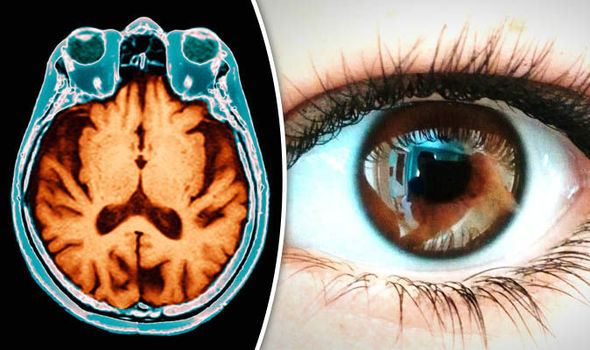
Examining the eye to spot early signs of Alzheimer’s disease

Last year, doctors of optometry detected more than 320,000 cases of diabetes. Imagine if they could make the same impact when it comes to exposing early signs of Alzheimer’s disease.

November is National Alzheimer’s Disease Awareness Month. An estimated 5.4 million Americans are affected by Alzheimer’s disease, according to the Centers for Disease Control and Prevention (CDC). Projections put the number at 13.8 million by 2050.

Maryke Nijhuis Neiberg, O.D., associate professor in the School of Optometry at Massachusetts College of Pharmacy and Heath Sciences, in Worcester, Massachusetts, considers this an unrealized patient education opportunity for doctors of optometry.

“The earlier diagnoses give doctors and patients a better chance at managing the progressive brain disease and preserving the patient’s quality of life,” Dr. Neiberg says. “There has been some increase in Alzheimer’s awareness over the years, particularly in the eye community, but not enough yet.

“Alzheimer’s is a significant future public health issue,” she adds. “It is still a terminal disease.”

Early intervention

Much of the research on Alzheimer’s disease seeks to slow the disease’s progression. For instance, a study in Biological Psychiatry on Nov. 6 by researchers at the University of Iowa and the University of Texas Southwestern Medical Center in Dallas reports that there may be a new treatment that can slow the depression and cognitive decline associated with Alzheimer’s disease, without affecting amyloid plaque deposits or reactive glia in rats.

Among the early signs of Alzheimer’s, the researchers say, are anxiety, depression and irritability-long before the devastating effects of memory loss.

“Thus, P7C3 compounds may form the basis for a new class of neuroprotective drugs for mitigating the symptoms in patients with Alzheimer’s disease by preserving neuronal cell survival, irrespective of other pathological events,” researchers say. “P7C3 compounds represent a novel route to treating depression, and new-onset depression in elderly patients may herald the development of Alzheimer’s disease with later cognitive impairments to follow.”

Another study in JAMA Ophthalmology in September by researchers at Stanford University and Veterans Affairs Palo Alto Health Care System linked visual impairment and cognition in older adults and also stressed the “potential importance” of vision screening in identifying these patients’ eye disease and cognitive deficits. The AOA strongly recommends comprehensive eye examinations and stresses the limitations of screenings.

Optometry’s role

According to the CDC:

The rate of Alzheimer’s jumped 50 percent between 1999 and 2014.

Americans fear losing their mental capacity more than losing their physical abilities.

More than $230 billion is estimated to be spent in 2017 on providing health care, long-term care, hospice plus unpaid care for relatives with Alzheimer’s and other dementias.

More large-scale research on Alzheimer’s needs to be done, but progress is being made. Dr. Neiberg pointed to research linking optical coherence tomography (OCT) of the macula to Alzheimer’s and Parkinson’s diseases.

“With the advent of OCT, we now know that the retinal ganglion cell layer thins and that the optic nerve cup-to-disc ratio increases in size, not unlike glaucoma,” Dr. Neiberg says. “Alzheimer’s produces visual field defects that are easily confused with glaucoma. What we need is large-scale research to determine how much of the normal tension glaucoma we diagnose and treat is ultimately related to Alzheimer’s disease.”

She adds, “The early perceptual changes that occur in early Alzheimer’s are startling and measurable. One of the earliest signs is a decline in the Benton Visual Retention Test, a test of visual memory. This test requires the duplication of shapes on paper with a pencil, and is scored.

“Research has shown that this test is able to predict high risk for Alzheimer’s 15 years before diagnosis,” she says. “It’s a simple test many developmental and pediatric optometrists already have on their shelves. If we combine that test and the ocular findings we see, we have a very strong indication that something is indeed amiss. Armed with this information, the patient can then consult with their primary care physician, initiate lifestyle modification and request a referral if necessary.”

There is no cure for Alzheimer’s disease. But doctors of optometry can engage patients in conversation about Alzheimer’s disease and how they can manage their own risk factors, including:

Smoking
Mid-life obesity
Sedentary lifestyle
High-cholesterol diet|
Vascular disease (i.e., diabetes and hypertension)

“Lifestyle modification and early access to medication, which can delay the progression of dementia, might be enough to keep the disease at bay for longer,” Dr. Neiberg says. “We should include the Alzheimer’s disease connection when we educate our patients about lifestyle diseases.”

https://finchannel.com/society/health-beauty/69483-doctors-of-optometry-can-spot-early-signs-of-alzheimer-s-disease

Saving neurons may offer new approach for treating Alzheimer’s disease


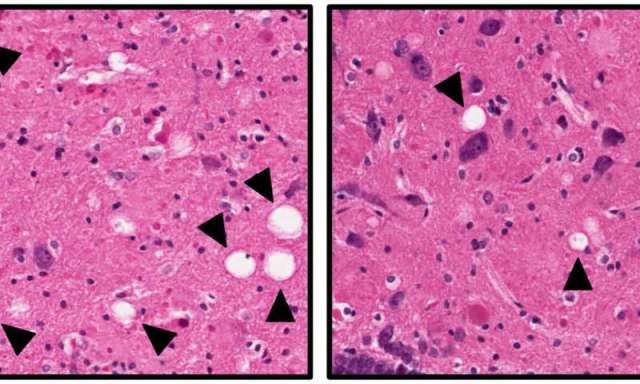
The image shows brain tissue from Alzheimer’s rats that were untreated (left) or treated (right) with the neuroprotective compound. The white “holes” indicated by the arrows are areas of brain cell death, and are more numerous in the untreated rats. Although the treatment protects the animals from neuronal cell death and Alzheimer’s-type symptoms, it does not alter the buildup of amyloid plaques and neurofibrillary tangles in the rat brains. The research from the Iowa Neuroscience Institute at the University of Iowa was published online in the journal Biological Psychiatry. Credit: Pieper Lab, University of Iowa.

Treatment with a neuroprotective compound that saves brain cells from dying also prevents the development of depression-like behavior and the later onset of memory and learning problems in a rat model of Alzheimer’s disease. Although the treatment protects the animals from Alzheimer’s-type symptoms, it does not alter the buildup of amyloid plaques and neurofibrillary tangles in the rat brains.

“We have known for a long time that the brains of people with Alzheimer’s disease have amyloid plaques and neurofibrillary tangles of abnormal tau protein, but it isn’t completely understood what is cause or effect in the disease process,” say senior study author Andrew Pieper, MD, PhD, professor of psychiatry in the University of Iowa Carver College of Medicine and associate director of the Iowa Neuroscience Institute at the University of Iowa. “Our study shows that keeping neurons alive in the brain helps animals maintain normal neurologic function, regardless of earlier pathological events in the disease, such as accumulation of amyloid plaque and tau tangles.

Alzheimer’s disease is a devastating neurodegenerative condition that gradually erodes a person’s memory and cognitive abilities. Estimates suggest that more than 5 million Americans are living with Alzheimer’s disease and it is the sixth leading cause of death in the United States, according the National Institute on Aging. In addition to the impact on cognition and memory, Alzheimer’s disease can also affect mood, with many people experiencing depression and anxiety before the cognitive decline is apparent. In fact, people who develop depression for the first time late in life are at a significantly increased risk of developing Alzheimer’s disease.

“Traditional therapies have targeted the characteristic lesions in Alzheimer’s disease, amyloid deposition and tau pathologies. The findings of this study show that simply protecting neurons in Alzheimer’s disease without addressing the earlier pathological events may have potential as a new and exciting therapy,” says Jaymie Voorhees, PhD, first author of the study, which is an article-in-press in Biological Psychiatry.

Saving brain cells protects brain function

Pieper and Voorhees used an experimental compound called P7C3-S243 to prevent brain cells from dying in a rat model of Alzheimer’s disease. The original P7C3 compound was discovered by Pieper and colleagues almost a decade ago, and P7C3-based compounds have since been shown to protect newborn neurons and mature neurons from cell death in animal models of many neurodegenerative diseases, including Parkinson’s disease, amyotrophic lateral sclerosis (ALS), stroke, and traumatic brain injury. P7C3 compounds have also been shown to protect animals from developing depression-like behavior in response to stress-induced killing of nerve cells in the hippocampus, a brain region critical to mood regulation and cognition.

The researchers tested the P7C3 compound in a well-established rat model of Alzheimer’s disease. As these rats age, they develop learning and memory problems that resemble the cognitive impairment seen in people with Alzheimer’s disease. However, the new study revealed another similarity with Alzheimer’s patients. By 15 months of age, before the onset of memory problems, the rats developed depression-like symptoms. Developing depression for the first time late in life is associated with a significantly increased risk for developing Alzheimer’s disease, but this symptom has not been previously seen in animal models of the disease.

Over a three-year period, Voorhees tested a large number of male and female Alzheimer’s and wild type rats that were divided into two groups. One group received the P7C3 compound on a daily basis starting at six months of age, and the other group received a placebo. The rats were tested at 15 months and 24 months of age for depressive-type behavior and learning and memory abilities.

At 15-months of age, all the rats – both Alzheimer’s model and wild type, treated and untreated – had normal learning and memory abilities. However, the untreated Alzheimer’s rats exhibited pronounced depression-type behavior, while the Alzheimer’s rats that had been treated with the neuroprotective P7C3 compound behaved like the control rats and did not show depressive-type behavior.
At 24 months of age (very old for rats), untreated Alzheimer’s rats had learning and memory deficits compared to control rats. In contrast, the P7C3-treated Alzheimer’s rats were protected and had similar cognitive abilities to the control rats.

The team also examined the brains of the rats at the two time points. They found that the traditional hallmarks of Alzheimer’s disease, amyloid plaques, tau tangles, and neuroinflammation, were dramatically increased in the Alzheimer’s rats regardless of whether they were treated with P7C3 or not. However, significantly more neurons survived in the brains of Alzheimer’s rats that had received the P7C3 treatment.

“This suggests a potential clinical benefit from keeping the brain cells alive even in the presence of earlier pathological events in Alzheimer’s disease, such as amyloid accumulation, tau tangles and neuroinflammation,” Pieper says. “In cases of new-onset late life depression, a treatment like P7C3 might be particularly useful as it could help stabilize mood and also protect from later memory problems in patients with Alzheimer’s disease.”

https://medicalxpress.com/news/2017-11-neurons-approach-alzheimer-disease.html

Low-Current Brain Stimulation Improves Memory Recollection

Low-current electrical pulses delivered to a specific brain area during learning improved recollection of distinct memories, according to a study published online in eLife.

Researchers at the University of California, Los Angeles (UCLA) believe electrical stimulation offers hope for the treatment of memory disorders, such as Alzheimer’s disease.

The study involved 13 patients with epilepsy who had ultrafine wires implanted in their brains to pinpoint the origin of seizures. During a person-recognition task, researchers monitored the wires to record neuronal activity as memories were formed, and then sent a specific pattern of quick pulses to the entorhinal area of the brain, an area critical to learning and memory.
In 8 of 9 patients who received electrical pulses to the right side of the entorhinal area, the ability to recognize specific faces and disregard similar-looking ones improved significantly. However, the 4 patients who received electrical stimulation on the left side of the brain area showed no improvement in recall.

By using the ultrafine wires, researchers were able to precisely target the stimulation while using a voltage that was one-tenth to one-fifth of the strength used in previous studies.

“These results suggest that microstimulation with physiologic level currents—a radical departure from commonly used deep brain stimulation protocols—is sufficient to modulate human behavior,” researchers wrote.

The findings also point to the importance of stimulating the right entorhinal region to promote improved memory recollection.

—Jolynn Tumolo

References

Titiz AS, Hill MRH, Mankin EA, et al. Theta-burst microstimulation in the human entorhinal area improves memory specificity. eLife. 2017 October 24.

Everything You Wanted To Know About Microdosing (But Were Afraid To Ask)

By Carolyn Gregoire

Long before microdosing was being touted as the Silicon Valley life hack du jour, Dr. James Fadiman was investigating the potential mind-enhancing effects of ingesting psychedelic drugs like LSD and psilocybin, more commonly known as magic mushrooms.

In the 1960s, Fadiman conducted pioneering psychedelic research, including one study in which he gave LSD and another hallucinogen, Mescaline, to scientists, mathematicians and architects to see how it affected creative problem-solving. (His research was one of the last investigations into LSD due to the Food and Drug Administration’s mid-1960s research ban of the substance.)

More recently, Fadiman authored “The Psychedelic Explorer’s Guide,” a how-to manual for safe and therapeutic psychedelic drug experiences.

Now, his research has taken a new turn.

Fadiman is examining the effects of administering psychedelic drugs like LSD and psilocybin in amounts so small that they are below the perceptual threshold. As part of an ongoing research project, Fadiman is collecting the self-reported testimonies of hundreds of people from around the globe who have experimented with psychedelic “microdosing” to treat ailments from anxiety to attention deficit hyperactivity disorder, or simply to improve productivity or break through writer’s block.

How does one microdose? You take a very small dose of either LSD or psilocybin (roughly one-tenth to one-fifth of a normal dose), on a regular schedule. Fadiman recommends dosing in the morning, once every three days. The dose isn’t enough to “trip,” but for some users, it can lead to subtle yet profound internal shifts. Many microdosers report experiencing improvements in mood; enhanced focus, productivity or creativity; less reactivity; and in some cases, even relief from depression or cluster headaches.

“What it seems to do is rebalance people,” Fadiman told The Huffington Post.

HuffPost Science recently sat down with Fadiman to learn more about how microdosing works, and its potential for enhancing well-being and treating a range of health problems.

Where did this idea of microdosing come from?

Dr. Albert Hofmann (the Swiss chemist who discovered LSD) had been microdosing for at least the last couple decades of his life. He lived to be 102 and at age 100 he was still giving two-hour lectures. Hoffman said that he would mainly use it when he was walking in trees, and it would clarify his thinking. So he was the person who first introduced this to many people, and he also said that this was a very under-researched area.

And of course, for thousands of years, indigenous people have been using low doses of mind-altering substances as well.

What types of people are microdosing, and who do you think can benefit most from the practice?

Microdosing seems to improve a vast range of conditions. I’ve explored microdosing as a safer way of doing psychedelics than the high doses that have been used before. Roughly 95 percent of the people who write me have considerable psychedelic experience. I’ll basically tell them, this isn’t going to harm you, let me know what happens.

The general response is that they feel better. There is an actual movement towards increased health or wellness. What that means, for instance, is that people who write in for anxiety seem to get help with their anxiety. People who use it for learning, improve their learning. One Ivy League student said he was using microdosing to get through the hardest math class in the undergraduate curriculum, and he did wonderfully in the class. Another young man used it for severe stuttering, and others have used it for social anxiety. One young woman, an art historian, even found that it regulated her periods and made them painless.

What does your microdosing protocol look like?

On day one, you dose. Day two, you’re still having the effects. Day three, you should be noticeably not having the effects, and on day four you dose again. For self-study, that’s ideal because it gives you a chance to see what’s going on. After a month — which is all I ask of people — most people say that they’re still microdosing, but not as often.

You’ve worked with hundreds of people on a self-reported microdosing study. How did that get started and what have you been finding?

Over the past number of years, people have written to me and said, “I’m interested in microdosing” for this or that reason, “can you help me?” They ask me to tell them what I’ve been suggesting to people, and they ask to be in the study. I then send them a protocol I’ve developed for a self-study and ask them to get back to me. I’ve probably sent out 200 or 300 of these, and I’ve gotten about half as many back as reports. A number are in process right now.

The range of interest goes from “Hey man, new drug, cool” to “I have post-traumatic stress, I’m recovering from cancer, and I hate my meds.” It’s a very wide range. I get a lot of people who say “I have anxiety or depression and I’ve either gotten off my meds or I hate my meds. Could microdosing help?” And my response is, “It’s helped a lot of other people and I hope it helps you. Here’s the protocol.”

I’ve heard there’s potential for enhancing focus and improving symptoms of ADHD, too.

What people basically say is that they’re better. They focus more in class. A number of people have told me that it’s like Adderall but without the side effects. Now these people are coming off Adderall and have used microdosing to help them taper off pharmaceuticals, or at least to take their pharmaceutical use way, way down.

In your study, are you seeing a lot of people turning to microdosing as a way to come off pharmaceuticals?

For some people, it can take a year or two to come off of a pharmaceutical. A number of people have simply said that with microdosing it was much easier. They said they could do it without incredible suffering. A woman who was coming off of some anti-psychotics that she probably should never have been put on said that it wasn’t that she didn’t have the same symptoms, but she didn’t identify with them as much. She said that she could think of her mood swings as her brain chemistry rebalancing.

What’s going on beneath the surface to create these changes?

What microdosing seems to do is rebalance people. Here’s a generalization, which is how I’ve come to this conclusion: A number of people, by the time they’ve finished a month, say, “I’m sleeping better, I’m eating more healthy food, I’ve returned to yoga and I’m doing meditation.” They’ve improved their relationship to their body ― or their body has improved their relationship to them.

One man quit smoking. He said that he knew smoking wasn’t good, and it was as if his body could actually help him make the decision. What seems to happen with microdosing is that you’re more attuned to your own real needs.

Why has there been so little research into microdosing?

There are two main problems. One is that nobody was interested in microdosing, even a couple of years ago. The early research was always high-dose, and the fact that you could take psychedelics as a microdose didn’t occur to people. The only person we knew of who microdosed seriously was Hofmann … It was basically invisible during the time when research was legal and most of the time when it wasn’t.

On the other side of it, I talked with a major researcher who’s done a number of psychedelic studies and who said that he would love to do a microdosing study. I asked him what was stopping him. He said that the Institutional Review Board is not going to say, “Oh you want to give a Schedule I drug to people every few days and have them just go run around?” It’s going to be really hard.

Now, there are two groups, one in Australia and one in Europe, who are starting microdosing studies. I’m working with both of those groups on designing the studies.

https://www.huffingtonpost.com/entry/psychedelic-microdosing-research_us_569525afe4b09dbb4bac9db8

Adding lithium to tap water may decrease rates of dementia

by CHRIS SMYTH

People living in areas with high levels of lithium in tap water are 17 per cent less likely to get dementia, according to a large study that suggests the naturally occurring metal could help to prevent mental decline.

The findings raise the possibility that lithium could one day be added to drinking water to protect the brain in the same way as fluoride is added to protect teeth.

Lithium is already widely available as a psychiatric drug and experts said the findings suggested that it could be used as a treatment to prevent dementia if further trials proved successful. Lithium is known to affect neurological signalling and has long been used as a treatment for conditions such as bipolar disorder. It occurs naturally in water and previous studies have found lower suicide rates in areas with higher levels.

Scientists studied 74,000 older people with dementia and 734,000 without across Denmark, comparing illness rates with lithium levels, which were 15 times higher in some areas.

Scientists at the University of Copenhagen found that dementia rates increased slightly with low levels of lithium before falling sharply above 10 micrograms per litre. At 15 to 27 micrograms/l, dementia rates were 17 per cent lower than for 2-5 micrograms/l, according to results published in JAMA Psychiatry.

The authors acknowledged that other factors could explain the results, including worse healthcare in the remoter areas that had less lithium in water, but they said it was plausible that tiny amounts in tap water could have a significant effect on dementia.

In a linked editorial John McGrath, of the University of Queensland, and Michael Berk, of the University of Melbourne, wrote: “In the spirit of alchemy, could we convert lithium, a simple metal used as a mood stabiliser, into a golden public health intervention that could prevent dementia?

They added: “That a relatively safe, simple, and cheap intervention (ie optimising lithium concentrations in the drinking water) could lead to the primary prevention of dementia is a tantalising prospect.”

David Smith, emeritus professor of pharmacology at the University of Oxford, said the findings tallied with MRI studies showing that lithium salts increased the volume of areas of the brain involved in Alzheimer’s. However, he added: “We should not be adding lithium salts to our tap water because we would not know what amount to use.”

David Reynolds, chief scientific officer at Alzheimer’s Research UK, said: “It is potentially exciting that low doses of a drug already available in the clinic could help limit the number of people who develop dementia.”

Rob Howard, professor of old-age psychiatry at University College London, said: “These results represent another important piece of evidence for lithium’s potential as a treatment for Alzheimer’s disease. We now need clinical trials of lithium in patients with Alzheimer’s disease to determine once and for all whether this cheap and well-tolerated element can slow dementia progression.”

http://www.theaustralian.com.au/news/world/the-times/lithium-in-tap-water-could-lower-dementia-risk/news-story/c40599203eca195402c03c0a168961a6

Kundalini yoga shown to improve cognitive function in adults

Meet Helen Lavretsky, Professor of Psychiatry at UCLA, recently completed a pilot study of Kundalini yoga vs memory training in older adults with subjective memory complaints and mild cognitive impairment.

Patients assigned to yoga practice for 12 weeks with daily meditation for 12 minutes in weekly one hour classes did better than those who participated in memory training classes in verbal and visual memory, executive function, mood resilience, anxiety, and connectivity of the brain.

Results suggest that yoga can be a cognitive enhancement or brain fitness exercise that can confer similar or even more extensive cognitive resilience than memory training—the gold standard—in older adults.

Meditation in this study was practiced with music recorded on the White Sun album, which received a Grammy award this year.

Dr Lavretsky is Professor of Psychiatry at UCLA. She also directs the Late Life Mood, Stress, and Wellness Research Program at the Semel Institute at UCLA.

http://www.psychiatrictimes.com/geriatric-psychiatry/cognitive-enhancement-with-yoga?GUID=C523B8FD-3416-4DAC-8E3C-6E28DE36C515&rememberme=1&ts=17082017

Eyre HA1, Siddarth P1, Acevedo B1, et al. A randomized controlled trial of Kundalini yoga in mild cognitive impairment. Int Psychogeriatr. 2017;29:557-567. https://www.cambridge.org/core/journals/international-psychogeriatrics/article/randomized-controlled-trial-of-kundalini-yoga-in-mild-cognitive-impairment/138A3EB97520CE72B01D17059B7AA286.

Yang H, Leaver AM, Siddarth P, et al. Neurochemical and Neuroanatomical Plasticity Following Memory Training and Yoga Interventions in Older Adults with Mild Cognitive Impairment. Front Aging Neurosci. 2016;8:277. eCollection 2016. http://journal.frontiersin.org/article/10.3389/fnagi.2016.00277/full.

Stem cells in the hypothalamus shown to have unexpected critical role in ageing

By Ashley P. Taylor

During adulthood, the mouse brain manufactures new neurons in several locations, including the hippocampus and the subventricular zone of the forebrain. The hypothalamus, previously identified as an area with an important role in aging, also generates new neurons from neural stem cells. In a study published July 26 in Nature, Dongsheng Cai and his team at the Albert Einstein College of Medicine in New York connect the dots between these two observations, reporting that hypothalamic neural stem cells have widespread effects on the rate of aging in mice.

In what David Sinclair, who studies aging at Harvard Medical School and who was not involved in the work, calls a “Herculean effort,” the researchers “discovered that stem cells in the hypothalamus of the mouse play a role in overall health and life span,” he tells The Scientist.

Cai and his team found that killing hypothalamic neural stem cells accelerates aging, and transplantation of additional neural stem cells into the same brain region slows it down. Further, the stem cells’ anti-aging effects could be reproduced simply by administering the cells’ secreted vesicles, called exosomes, containing microRNAs (miRNAs).

“If this is true for humans, one could imagine a day when we are treated with these small RNAs injected into our bodies or even implanted with new hypothalamic stem cells to keep us younger for longer,” Sinclair adds.

Researchers who study aging have long been searching for a central location that controls the process system-wide. In a 2013 paper, Cai and his team reported aging-associated inflammation in the hypothalamus of the mouse, which they could experimentally manipulate to speed up or slow down various types of aging-related decline, from muscle endurance to cognitive skills.

This study, Cai says, suggested the hypothalamus might be that central locus in control of aging. The researchers wanted to understand more about how this region of the brain drives aging and what role hypothalamic neural stem cells might play in that process, so they undertook a series of experiments.

Age-defying stem cells

The researchers first confirmed that cells bearing protein markers of neural stem cells (Sox2 and Bmi1) were present in the hypothalamus of early-to-middle-aged mice (11 to 16 months old) and that the number of those cells decreased in older mice.

Next, they destroyed neuronal stem cells in the hypothalamus by injecting the third ventricle, adjacent to the hypothalamic region where the stem cells are found, with a lentivirus that converted an administered compound into a toxin in cells expressing the stem-cell marker Sox2. Three or four months later, the researchers compared a variety of aging-related measures, including muscle endurance, coordination, social behaviors, novel object recognition, and cognitive performance, between mice injected with the virus and various control groups of mice that received a brain injection of some sort but in which the toxin could not be produced and the hypothalamic stem cells were consequently not ablated.

The mice in the experimental group lost 70 percent of their hypothalamic stem cells and, based on results of the physiological tests, had accelerated aging. Mice with ablated hypothalamic stem cells also died earlier than control mice.

Next, the researchers implanted middle-aged mice with neural stem cells derived from newborn mice to see if the additional stem cells would slow aging. But the implanted stem cells almost all died, which the researchers believe was a result of the inflammatory environment of the aging hypothalamus. Newborn neuronal stem cells genetically engineered to withstand that environment, on the other hand, did survive, and mice implanted with those cells lived longer and performed better on aging-related measures than control mice.

“What’s cool about this study is that they specifically delete a population of cells in the hypothalamus of the brain . . . and they show pretty striking alterations in whole-body aging,” says Anna Molofsky, a psychiatrist at the University of California, San Francisco, who studies glial cells and whose graduate work focused on neuronal stem cells and aging. “That’s really showing that there’s a mechanism within the brain that’s regulating whole-body organismal aging,” she adds. Molofsky, who was not involved in the work, says that these results support the idea of the hypothalamus as a central regulator of aging.

Anti-aging mechanism

Although neural stem cells are known for their ability to produce new neurons, that doesn’t seem to be their primary method for protecting against aging. The anti-aging effects of these hypothalamic stem cells were visible at around four months—not long enough, the authors write, for significant adult neurogenesis to have taken place.

The authors looked instead for some other factor that might be responsible for the stem cells’ effects. In the hypothalamic neural stem cells, the researchers detected exosomes—secreted vesicles that can contain RNA and proteins—containing a variety of miRNAs, short RNA molecules that inhibit the expression of targeted genes. These exosomes were not present in non-stem cells of the hypothalamus.

To test the effects of the exosomes alone on aging, the researchers purified the vesicles from cultured hypothalamic neural stem cells and transplanted them into middle-aged mice, finding that the exosome-treated mice aged more slowly than vehicle-treated controls. They also found that the exosomes could ameliorate the aging symptoms of mice whose hypothalamic neurons had been ablated.

Cai says microRNAs could be a potential mechanism by which hypothalamic neural stem cells have such wide-ranging effects on aging, yet he believes that neurogenesis may also be involved.

Regardless of the mechanism, Molofsky says, “the medical applications could be pretty profound.” The phenotypes, such as muscle mass and skin thickness, affected by these stem cells are the same ones that cause age-related disease, she notes. “The fact that you can reverse that with a brain-specific modulation, potentially, in a cell type that one could pharmacologically target, I think potentially that could be very profound, assuming that the mouse work translates to humans.”

Y. Zhang et al., “Hypothalamic stem cells control ageing speed partly through exosomal miRNAs,” Nature, doi:10.1038/nature23282, 2017.

Lizard saliva derivative helps Parkinson’s patients

By Bradley J. Fikes

A diabetes drug developed by a San Diego biotech company from a venomous lizard’s saliva reduces Parkinson’s disease symptoms, according to a study published Thursday.

The placebo-controlled study of 62 patients found the drug, exenatide, provided statistically significant effectiveness in preserving motor control. It may actually slow down disease progression, although this has to be confirmed with more research.

For Parkinson’s patients, the trial represents stronger grounds to expect more effective treatments. For San Diego’s life science community, it represents another example of the benefits of original research and innovation.

The study was published in The Lancet by researchers led by Thomas Foltynie and Dilan Athauda, both of University College London in London, England. While the study wasn’t particularly large, with 62 patients, it was placebo-controlled, and is in line with a previous clinical study published in 2014.

Exenatide was found in Gila monster saliva by Dr. John Eng, an endocrinologist at Bronx Veterans Affairs Medical Center in New York. The venomous lizard, native to the Southwestern United States and northwestern Mexico, delivers excruciating pain with its bite.

San Diego’s Amylin Pharmaceuticals licensed the discovery in 1996. Further development yielded exenatide, sold under the brand name Byetta.

The drug became a hit, providing a major reason for Amylin’s 2012 purchase for $7 billion by Bristol-Myers Squibb. As for Amylin, the company was disbanded and no longer exists.

Exenatide/Byetta reduces insulin resistance in Type 2 diabetes, allowing for better control of blood glucose. There’s evidence that Parkinson’s disease is also related to problems with insulin signaling.

The new clinical study improves on the previous study because it is placebo-controlled, according to an accompanying commentary in The Lancet. But the study has limitations that prevent it from being considered definitive.

“Whether exenatide acts as a novel symptomatic agent or has neuroprotective effects on the underlying Parkinson’s disease pathology remains unclear, but Athauda and colleagues’ study opens up a new therapeutic avenue in treatment of Parkinson’s disease,” the commentary stated.

Christian Weyer, M.D., a former Amylin executive, said one of the most interesting parts of the study was exenatide’s potential for modifying the course of Parkinson’s disease. Weyer is now president of Chula Vista’s ProSciento, a clinical services provider.

Patients were measured on motor skills after getting 48 weeks of injections, either with exenatide or placebo. The treated group showed an advantage of 4 points on a 132-scale test, which was statistically significant.

Exenatide mimics the action of a hormone, and such drugs often show disease-modifying properties, said Weyer, who was Amylin’s Senior Vice President of Research and Development.

“It’s not conclusive that exenatide has the potential for disease-modification, but I was impressed by the fact that the endpoint of the test was in the off-medication period, so you actually assess whether there’s an effect even after the treatment had been stopped,” Weyer said.

Amylin had performed early preclinical research on exenatide for Parkinsons’ disease, Weyer said. The research was funded by a small grant from the Michael J. Fox Foundation.

In chronic diseases such as Type 2 diabetes and Parkinson’s, finding disease-modifying therapies is the “Holy Grail,” Weyer said.

“These are life-long diseases, and anything you can do to either delay or prevent the onset of the disease, or to slow its progression over a long period of time” has great benefit, Weyer said.

Insulin has many biological roles in the body, so it’s not surprising that an abnormal response to insulin could play a role in Parkinson’s disease as well as diabetes, Weyer said.

http://www.sandiegouniontribune.com/business/biotech/sd-me-exenatide-parkinsons-20170803-story.html

Neural link between generosity and happiness is identified in the brain.

That warm, fuzzy feeling you get when you’re being generous or charitable happens when the brain areas involved in generosity and in happiness synchronise.

No one likes a Scrooge. It’s been shown that generous people make more popular partners, and researchers have also honed in on the brain areas linked to generosity.

But fundamentally, being generous means spending resources – be they time, energy or money – on another person that you could be spending on yourself. According to conventional economic theory, this is very surprising: prioritising others over yourself might leave you with fewer resources.

Now neuroscientists have pinpointed how generosity is linked to happiness on a neural level, in a study in the journal Nature Communications.

In a study of 50 people, half were given the task of thinking about how they’d like to spend 100 Swiss Francs (£80) on themselves over the next four weeks. The other half were told to think about how they’d like to spend it on someone else – for example, a partner, friend or relative. They took a test to measure their subjective level of happiness before and after the experiment.

The people who were told to spend the money on others had a bigger mood boost than the group who had planned more treats for themselves.

Immediately after this test, the participants took part in another one. They were put in an fMRI scanner and their brain activity was measured while they were asked questions about how to distribute money between themselves and someone else they knew.

They were given the chance to accept offers such as giving their chosen person a present of 15 Swiss Francs even if it cost them 20 Francs. The people who had been in the ‘generous’ group in the first experiment tended to be more generous in this activity.

The decisions people made in the experiment weren’t just hypothetical, they had real consequences.

“The people were told that one of those options would be randomly chosen and then realised. So, for example they would have to pay 20 Francs and we would send other person the 15 Francs with a letter explaining why they were receiving it,” study author Soyoung Park of the University of Lübeck, Germany, told IBTimes UK.

The scans revealed the brain areas that were most active during the acts of generosity. The area associated with generosity – the temporo-parietal junction – and an area associated with happiness – the ventral striatum – both lit up particularly strongly during the fMRI scans. In addition, the activity of the two regions synchronised.

People tend not to realise how happy generous giving will make them, the researchers conclude.

“In everyday life, people underestimate the link between generosity and happiness and therefore overlook the benefits of prosocial spending. When asked, they respond that they assume there would be a greater increase in happiness after spending money on themselves and after spending greater amounts of money,” the authors write in the study.

“Our study provides behavioural and neural evidence that supports the link between generosity and happiness. Our results suggest that, for a person to achieve happiness from generous behaviour, the brain regions involved in empathy and social cognition need to overwrite selfish motives in reward-related brain regions. These findings have important implications not only for neuroscience but also for education, politics, economics and health.”

http://www.ibtimes.co.uk/warm-glow-you-get-generosity-real-scientific-phenomenon-1629891

Power Causes Brain Damage to Leaders

by Jerry Useem

If power were a prescription drug, it would come with a long list of known side effects. It can intoxicate. It can corrupt. It can even make Henry Kissinger believe that he’s sexually magnetic. But can it cause brain damage?

When various lawmakers lit into John Stumpf at a congressional hearing last fall, each seemed to find a fresh way to flay the now-former CEO of Wells Fargo for failing to stop some 5,000 employees from setting up phony accounts for customers. But it was Stumpf’s performance that stood out. Here was a man who had risen to the top of the world’s most valuable bank, yet he seemed utterly unable to read a room. Although he apologized, he didn’t appear chastened or remorseful. Nor did he seem defiant or smug or even insincere. He looked disoriented, like a jet-lagged space traveler just arrived from Planet Stumpf, where deference to him is a natural law and 5,000 a commendably small number. Even the most direct barbs—“You have got to be kidding me” (Sean Duffy of Wisconsin); “I can’t believe some of what I’m hearing here” (Gregory Meeks of New York)—failed to shake him awake.

What was going through Stumpf’s head? New research suggests that the better question may be: What wasn’t going through it?

The historian Henry Adams was being metaphorical, not medical, when he described power as “a sort of tumor that ends by killing the victim’s sympathies.” But that’s not far from where Dacher Keltner, a psychology professor at UC Berkeley, ended up after years of lab and field experiments. Subjects under the influence of power, he found in studies spanning two decades, acted as if they had suffered a traumatic brain injury—becoming more impulsive, less risk-aware, and, crucially, less adept at seeing things from other people’s point of view.

Sukhvinder Obhi, a neuroscientist at McMaster University, in Ontario, recently described something similar. Unlike Keltner, who studies behaviors, Obhi studies brains. And when he put the heads of the powerful and the not-so-powerful under a transcranial-magnetic-stimulation machine, he found that power, in fact, impairs a specific neural process, “mirroring,” that may be a cornerstone of empathy. Which gives a neurological basis to what Keltner has termed the “power paradox”: Once we have power, we lose some of the capacities we needed to gain it in the first place.

That loss in capacity has been demonstrated in various creative ways. A 2006 study asked participants to draw the letter E on their forehead for others to view—a task that requires seeing yourself from an observer’s vantage point. Those feeling powerful were three times more likely to draw the E the right way to themselves—and backwards to everyone else (which calls to mind George W. Bush, who memorably held up the American flag backwards at the 2008 Olympics). Other experiments have shown that powerful people do worse at identifying what someone in a picture is feeling, or guessing how a colleague might interpret a remark.

The fact that people tend to mimic the expressions and body language of their superiors can aggravate this problem: Subordinates provide few reliable cues to the powerful. But more important, Keltner says, is the fact that the powerful stop mimicking others. Laughing when others laugh or tensing when others tense does more than ingratiate. It helps trigger the same feelings those others are experiencing and provides a window into where they are coming from. Powerful people “stop simulating the experience of others,” Keltner says, which leads to what he calls an “empathy deficit.”

Mirroring is a subtler kind of mimicry that goes on entirely within our heads, and without our awareness. When we watch someone perform an action, the part of the brain we would use to do that same thing lights up in sympathetic response. It might be best understood as vicarious experience. It’s what Obhi and his team were trying to activate when they had their subjects watch a video of someone’s hand squeezing a rubber ball.

For nonpowerful participants, mirroring worked fine: The neural pathways they would use to squeeze the ball themselves fired strongly. But the powerful group’s? Less so.

Was the mirroring response broken? More like anesthetized. None of the participants possessed permanent power. They were college students who had been “primed” to feel potent by recounting an experience in which they had been in charge. The anesthetic would presumably wear off when the feeling did—their brains weren’t structurally damaged after an afternoon in the lab. But if the effect had been long-lasting—say, by dint of having Wall Street analysts whispering their greatness quarter after quarter, board members offering them extra helpings of pay, and Forbes praising them for “doing well while doing good”—they may have what in medicine is known as “functional” changes to the brain.

I wondered whether the powerful might simply stop trying to put themselves in others’ shoes, without losing the ability to do so. As it happened, Obhi ran a subsequent study that may help answer that question. This time, subjects were told what mirroring was and asked to make a conscious effort to increase or decrease their response. “Our results,” he and his co-author, Katherine Naish, wrote, “showed no difference.” Effort didn’t help.

This is a depressing finding. Knowledge is supposed to be power. But what good is knowing that power deprives you of knowledge?

The sunniest possible spin, it seems, is that these changes are only sometimes harmful. Power, the research says, primes our brain to screen out peripheral information. In most situations, this provides a helpful efficiency boost. In social ones, it has the unfortunate side effect of making us more obtuse. Even that is not necessarily bad for the prospects of the powerful, or the groups they lead. As Susan Fiske, a Princeton psychology professor, has persuasively argued, power lessens the need for a nuanced read of people, since it gives us command of resources we once had to cajole from others. But of course, in a modern organization, the maintenance of that command relies on some level of organizational support. And the sheer number of examples of executive hubris that bristle from the headlines suggests that many leaders cross the line into counterproductive folly.

Less able to make out people’s individuating traits, they rely more heavily on stereotype. And the less they’re able to see, other research suggests, the more they rely on a personal “vision” for navigation. John Stumpf saw a Wells Fargo where every customer had eight separate accounts. (As he’d often noted to employees, eight rhymes with great.) “Cross-selling,” he told Congress, “is shorthand for deepening relationships.”

Is there nothing to be done?

No and yes. It’s difficult to stop power’s tendency to affect your brain. What’s easier—from time to time, at least—is to stop feeling powerful.

Insofar as it affects the way we think, power, Keltner reminded me, is not a post or a position but a mental state. Recount a time you did not feel powerful, his experiments suggest, and your brain can commune with reality.

Recalling an early experience of powerlessness seems to work for some people—and experiences that were searing enough may provide a sort of permanent protection. An incredible study published in The Journal of Finance last February found that CEOs who as children had lived through a natural disaster that produced significant fatalities were much less risk-seeking than CEOs who hadn’t. (The one problem, says Raghavendra Rau, a co-author of the study and a Cambridge University professor, is that CEOs who had lived through disasters without significant fatalities were more risk-seeking.)

But tornadoes, volcanoes, and tsunamis aren’t the only hubris-restraining forces out there. PepsiCo CEO and Chairman Indra Nooyi sometimes tells the story of the day she got the news of her appointment to the company’s board, in 2001. She arrived home percolating in her own sense of importance and vitality, when her mother asked whether, before she delivered her “great news,” she would go out and get some milk. Fuming, Nooyi went out and got it. “Leave that damn crown in the garage” was her mother’s advice when she returned.

The point of the story, really, is that Nooyi tells it. It serves as a useful reminder about ordinary obligation and the need to stay grounded. Nooyi’s mother, in the story, serves as a “toe holder,” a term once used by the political adviser Louis Howe to describe his relationship with the four-term President Franklin D. Roosevelt, whom Howe never stopped calling Franklin.

For Winston Churchill, the person who filled that role was his wife, Clementine, who had the courage to write, “My Darling Winston. I must confess that I have noticed a deterioration in your manner; & you are not as kind as you used to be.” Written on the day Hitler entered Paris, torn up, then sent anyway, the letter was not a complaint but an alert: Someone had confided to her, she wrote, that Churchill had been acting “so contemptuous” toward subordinates in meetings that “no ideas, good or bad, will be forthcoming”—with the attendant danger that “you won’t get the best results.”

Lord David Owen—a British neurologist turned parliamentarian who served as the foreign secretary before becoming a baron—recounts both Howe’s story and Clementine Churchill’s in his 2008 book, In Sickness and in Power, an inquiry into the various maladies that had affected the performance of British prime ministers and American presidents since 1900. While some suffered from strokes (Woodrow Wilson), substance abuse (Anthony Eden), or possibly bipolar disorder (Lyndon B. Johnson, Theodore Roosevelt), at least four others acquired a disorder that the medical literature doesn’t recognize but, Owen argues, should.

“Hubris syndrome,” as he and a co-author, Jonathan Davidson, defined it in a 2009 article published in Brain, “is a disorder of the possession of power, particularly power which has been associated with overwhelming success, held for a period of years and with minimal constraint on the leader.” Its 14 clinical features include: manifest contempt for others, loss of contact with reality, restless or reckless actions, and displays of incompetence. In May, the Royal Society of Medicine co-hosted a conference of the Daedalus Trust—an organization that Owen founded for the study and prevention of hubris.

I asked Owen, who admits to a healthy predisposition to hubris himself, whether anything helps keep him tethered to reality, something that other truly powerful figures might emulate. He shared a few strategies: thinking back on hubris-dispelling episodes from his past; watching documentaries about ordinary people; making a habit of reading constituents’ letters.

But I surmised that the greatest check on Owen’s hubris today might stem from his recent research endeavors. Businesses, he complained to me, had shown next to no appetite for research on hubris. Business schools were not much better. The undercurrent of frustration in his voice attested to a certain powerlessness. Whatever the salutary effect on Owen, it suggests that a malady seen too commonly in boardrooms and executive suites is unlikely to soon find a cure.

https://www.theatlantic.com/magazine/archive/2017/07/power-causes-brain-damage/528711/