Foreign Accent Syndrome

“Foreign Accent Syndrome” (FAS) is a rare disorder in which patients start to speak with a foreign or regional tone. This striking condition is often associated with brain damage, such as stroke. Presumably, the lesion affects the neural pathways by which the brain controls the tongue and vocal cords, thus producing a strange sounding speech.

Yet there may be more to FAS than meets the eye (or ear). According to a new paper in the Journal of Neurology, Neurosurgery and Psychiatry, many or even most cases of FAS are ‘functional’, meaning that the cause of the symptoms lies in psychological processes rather than a brain lesion.

To reach this conclusion, authors Laura McWhirter and colleagues recruited 49 self-described FAS suffers from two online communities to participate in a study. All were English-speaking. The most common reported foreign accents were Italian (12 cases), Eastern European (11), French (8) and German (7), but more obscure accents were also reported including Dutch, Nigerian, and Croatian.

Participants submitted a recording of their voice for assessment by speech experts, as well as answering questions about their symptoms, other health conditions, and personal situation. McWhirter et al. classified 35 of the 49 patients (71%) as having ‘probably functional’ FAS, while only 10/49 (20%) were said to probably have a neurological basis, with the rest unclear.

These classifications are somewhat subjective in that there are no hard-and-fast criteria for functional FAS. None of the ‘functional’ cases reported hard evidence of neurological damage from a brain scan, but only 50% of the ‘neurological’ cases did report such evidence. The presence of other ‘functional’ symptoms such as irritable bowel syndrome (IBS) was higher in the ‘functional’ group.

In terms of the characteristics of the foreign accents, patients with a presumed functional origin often presented with speech patterns that showed inconsistency or variability. For instance, pronouncing ‘cookie jar’ as ‘tutty dar’ but being able to correctly produce ‘j’, /k/, /g/ and ‘sh’ sounds as part of other words.

But if FAS is often a psychological disorder, what is the psychology behind it? McWhirtner et al. don’t get into this, but it is interesting to note that FAS is often a media-friendly condition. In recent years there have been many news stories dedicated to individual FAS cases. To take just three:

American beauty queen with Foreign Accent Syndrome sounds IRISH, AUSTRALIAN and BRITISH
https://www.mirror.co.uk/news/weird-news/you-sound-like-spice-girl-11993052

Scouse mum regains speech after stroke – but is shocked when her accent turns Russian
https://www.liverpoolecho.co.uk/news/liverpool-news/scouse-mum-regains-speech-after-15931862

Traumatic car accident victim has Irish accent after suffering severe brain injury
https://www.irishcentral.com/news/brain-injury-foreign-accent-syndrome

http://blogs.discovermagazine.com/neuroskeptic/2019/03/09/curious-foreign-accent-syndrome/#.XI58R6BKiUn

Eating mushrooms may reduce the risk of cognitive decline

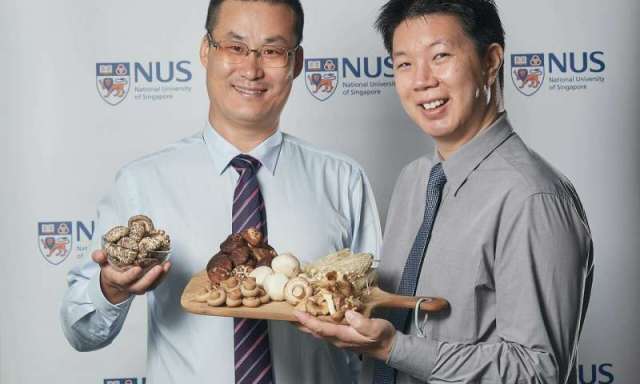
A team from the Department of Psychological Medicine and Department of Biochemistry at the Yong Loo Lin School of Medicine at the National University of Singapore (NUS) has found that seniors who consume more than two standard portions of mushrooms weekly may have 50 per cent reduced odds of having mild cognitive impairment (MCI).

A portion was defined as three quarters of a cup of cooked mushrooms with an average weight of around 150 grams. Two portions would be equivalent to approximately half a plate. While the portion sizes act as a guideline, it was shown that even one small portion of mushrooms a week may still be beneficial to reduce chances of MCI.

“This correlation is surprising and encouraging. It seems that a commonly available single ingredient could have a dramatic effect on cognitive decline,” said Assistant Professor Lei Feng, who is from the NUS Department of Psychological Medicine, and the lead author of this work.

The six-year study, which was conducted from 2011 to 2017, collected data from more than 600 Chinese seniors over the age of 60 living in Singapore. The research was carried out with support from the Life Sciences Institute and the Mind Science Centre at NUS, as well as the Singapore Ministry of Health’s National Medical Research Council. The results were published online in the Journal of Alzheimer’s Disease on 12 March 2019.

Determining MCI in seniors

MCI is typically viewed as the stage between the cognitive decline of normal ageing and the more serious decline of dementia. Seniors afflicted with MCI often display some form of memory loss or forgetfulness and may also show deficit on other cognitive function such as language, attention and visuospatial abilities. However, the changes can be subtle, as they do not experience disabling cognitive deficits that affect everyday life activities, which is characteristic of Alzheimer’s and other forms of dementia.

“People with MCI are still able to carry out their normal daily activities. So, what we had to determine in this study is whether these seniors had poorer performance on standard neuropsychologist tests than other people of the same age and education background,” explained Asst Prof Feng. “Neuropsychological tests are specifically designed tasks that can measure various aspects of a person’s cognitive abilities. In fact, some of the tests we used in this study are adopted from commonly used IQ test battery, the Wechsler Adult Intelligence Scale (WAIS).”

As such, the researchers conducted extensive interviews and tests with the senior citizens to determine an accurate diagnosis. “The interview takes into account demographic information, medical history, psychological factors, and dietary habits. A nurse will measure blood pressure, weight, height, handgrip, and walking speed. They will also do a simple screen test on cognition, depression, anxiety,” said Asst Prof Feng.

After this, a two-hour standard neuropsychological assessment was performed, along with a dementia rating. The overall results of these tests were discussed in depth with expert psychiatrists involved in the study to get a diagnostic consensus.

Mushrooms and cognitive impairment

Six commonly consumed mushrooms in Singapore were referenced in the study. They were golden, oyster, shiitake and white button mushrooms, as well as dried and canned mushrooms. However, it is likely that other mushrooms not referenced would also have beneficial effects.

The researchers believe the reason for the reduced prevalence of MCI in mushroom eaters may be down to a specific compound found in almost all varieties. “We’re very interested in a compound called ergothioneine (ET),” said Dr. Irwin Cheah, Senior Research Fellow at the NUS Department of Biochemistry. “ET is a unique antioxidant and anti-inflammatory which humans are unable to synthesise on their own. But it can be obtained from dietary sources, one of the main ones being mushrooms.”

An earlier study by the team on elderly Singaporeans revealed that plasma levels of ET in participants with MCI were significantly lower than age-matched healthy individuals. The work, which was published in the journal Biochemical and Biophysical Research Communications in 2016, led to the belief that a deficiency in ET may be a risk factor for neurodegeneration, and increasing ET intake through mushroom consumption might possibly promote cognitive health.

Other compounds contained within mushrooms may also be advantageous for decreasing the risk of cognitive decline. Certain hericenones, erinacines, scabronines and dictyophorines may promote the synthesis of nerve growth factors. Bioactive compounds in mushrooms may also protect the brain from neurodegeneration by inhibiting production of beta amyloid and phosphorylated tau, and acetylcholinesterase.

Next steps

The potential next stage of research for the team is to perform a randomised controlled trial with the pure compound of ET and other plant-based ingredients, such as L-theanine and catechins from tea leaves, to determine the efficacy of such phytonutrients in delaying cognitive decline. Such interventional studies will lead to more robust conclusion on causal relationship. In addition, Asst Prof Feng and his team also hope to identify other dietary factors that could be associated with healthy brain ageing and reduced risk of age-related conditions in the future.

https://medicalxpress.com/news/2019-03-mushrooms-cognitive-decline.html

Could an eye doctor diagnose Alzheimer’s before you have symptoms?

By Samiha Khanna

A quick eye exam might one day allow eye doctors to check up on both your eyeglasses prescription and your brain health.

A study of more than 200 people at the Duke Eye Center published March 11 in the journal Ophthalmology Retina suggests the loss of blood vessels in the retina could signal Alzheimer’s disease. Authors of the study include the Neurology Department’s James Burke, MD, PhD, and Cynthia Dunn, PA-C.

In people with healthy brains, microscopic blood vessels form a dense web at the back of the eye inside the retina, as seen in 133 participants in a control group.

In the eyes of 39 people with Alzheimer’s disease, that web was less dense and even sparse in places. The differences in density were statistically significant after researchers controlled for factors including age, sex, and level of education, said Duke ophthalmologist and retinal surgeon Sharon Fekrat, MD, the study’s senior author.

“We’re measuring blood vessels that can’t be seen during a regular eye exam and we’re doing that with relatively new noninvasive technology that takes high-resolution images of very small blood vessels within the retina in just a few minutes,” she said. “It’s possible that these changes in blood vessel density in the retina could mirror what’s going on in the tiny blood vessels in the brain, perhaps before we are able to detect any changes in cognition.”

The study found differences in the retinas of those with Alzheimer’s disease when compared to healthy people and to those with mild cognitive impairment, often a precursor to Alzheimer’s disease.

With nearly 6 million Americans living with Alzheimer’s disease and no viable treatments or noninvasive tools for early diagnosis, its burden on families and the economy is heavy. Scientists at Duke Eye Center and beyond have studied other changes in the retina that could signal trouble upstream in the brain, such as thinning of some of the retinal nerve layers.

“We know that there are changes that occur in the brain in the small blood vessels in people with Alzheimer’s disease, and because the retina is an extension of the brain, we wanted to investigate whether these changes could be detected in the retina using a new technology that is less invasive and easy to obtain,” said Dilraj S. Grewal, M.D., a Duke ophthalmologist and retinal surgeon and a lead author on the study. The Duke study used a noninvasive technology called optical coherence tomography angiography (OCTA). OCTA machines use light waves that reveal blood flow in every layer of the retina.

An OCTA scan could even reveal changes in tiny capillaries — most less than half the width of a human hair — before blood vessel changes show up on a brain scan such as an MRI or cerebral angiogram, which highlight only larger blood vessels. Such techniques to study the brain are invasive and costly.

“Ultimately, the goal would be to use this technology to detect Alzheimer’s early, before symptoms of memory loss are evident, and be able to monitor these changes over time in participants of clinical trials studying new Alzheimer’s treatments,” Fekrat said.

In addition to Fekrat and Grewal, study authors include Stephen P. Yoon, Atalie C. Thompson, Bryce W. Polascik, Cynthia Dunn and James R. Burke.

The research was supported by National Institutes of Health (P30EY005722), the 2018 Unrestricted Grant from Research to Prevent Blindness, and the Karen L. Wrenn Alzheimer’s Disease Award.

https://neurology.duke.edu/about/news/could-eye-doctor-diagnose-alzheimer%E2%80%99s-you-have-symptoms

Neuroscientists Have Revealed What Your Brain Needs to Really Erase a Memory

by PETER DOCKRILL

When bad things happen, we don’t want to remember. We try to block, resist, ignore – but we should perhaps be doing the opposite, researchers say.

A new study led by scientists in Texas suggests the act of intentionally forgetting is linked to increased cerebral engagement with the unwanted information in question. In other words, to forget something, you actually need to focus on it.

“A moderate level of brain activity is critical to this forgetting mechanism,” explains psychologist Tracy Wang from the University of Texas at Austin.

“Too strong, and it will strengthen the memory; too weak, and you won’t modify it.”

Trying to actively forget unwanted memories doesn’t just help prevent your brain from getting overloaded.

It also lets people move on from painful experiences and emotions they’d rather not recall, which is part of the reason it’s an area of active interest to neuroscientists.

“We may want to discard memories that trigger maladaptive responses, such as traumatic memories, so that we can respond to new experiences in more adaptive ways,” says one of the researchers, Jarrod Lewis-Peacock.

“Decades of research has shown that we have the ability to voluntarily forget something, but how our brains do that is still being questioned.”

Much prior research on intentional forgetting has focussed on brain activity in the prefrontal cortex, and the brain’s memory centre, the hippocampus.

In the new study, the researchers monitored a different part of the brain called the ventral temporal cortex, which helps us process and categorise visual stimuli.

In an experiment with 24 healthy young adults, the participants were shown pictures of scenes and people’s faces, and were instructed to either remember or forget each image.

During the experiment, each of the participants had their brain activity monitored by functional magnetic resonance imaging (fMRI) machines.

When the researchers examined activity in the ventral temporal cortex, they found that the act of forgetting effectively uses more brain power than remembering.

“Pictures followed by a forget instruction elicited higher levels of processing in [the] ventral temporal cortex compared to those followed by a remember instruction,” the authors write in their paper.

“This boost in processing led to more forgetting, particularly for items that showed moderate (vs. weak or strong) activation.”

Of course, forgetting specific images on demand in a contrived laboratory experiment is very different to moving on from painful or traumatic memories of events experienced in the real world.

But the mechanisms at work could be the same, researchers say, and figuring out how to activate them could be a huge benefit to people around the world who need to forget things, but don’t know how.

Especially since this finding in particular challenges our natural intuition to suppress things; instead, we should involve more rather than less attention to unwanted information, in order to forget it.

“Importantly, it’s the intention to forget that increases the activation of the memory,” Wang says.

“When this activation hits the ‘moderate level’ sweet spot, that’s when it leads to later forgetting of that experience.”

The findings are reported in JNeurosci.

https://www.sciencealert.com/to-forget-something-you-need-to-think-about-it-neuroscientists-reveal

The “Price of Wakefulness” Is High, Says DNA Study Revealing Why We Sleep

Birds do it, bees do it, even educated fleas do it: No, they don’t fall in love, they sleep. However, exactly why all animals with a nervous system evolved to sleep has been a longstanding scientific mystery. Slumber certainly feels great, but it doesn’t exactly make sense — why should we spend a third of our lives passed out?

In a study published Tuesday in Nature Communications, scientists say they’ve figured out why on the cellular level. The core cellular function of sleep, they explain, is to combat the neuronal DNA damage that accumulates during waking hours. Sleep allows neurons to perform the efficient DNA maintenance that’s essential to a healthy life: Scientists already know that less sleep means greater vulnerability to anxiety, frustration, and ill health, but now they’re closer to understanding exactly why that’s the case.

“We’ve found a causal link between sleep, chromosome dynamics, neuronal activity, and DNA damage and repair with direct physiological relevance to the entire organism,” study lead Lior Appelbaum, Ph.D., said Tuesday. “Sleep gives an opportunity to reduce DNA damage accumulated in the brain during wakefulness.”

Applebaum and his team examined how sleep is linked to nuclear maintenance by examining one of the most frequently used model organisms for genetic and developmental studies: the zebrafish. These transparent zebrafish were genetically engineered so that the chromosomes in their neurons carried colorful chemical tags. While the fish were awake and asleep, the scientists observed the movement of DNA and nuclear proteins inside the fish with a high-resolution microscope, which can be seen in the video above.

They witnessed that when the fish were awake, the chromosomes were relatively inactive, and broken strands of DNA accumulated in the neurons. However, when the fish were asleep the chromosomes became more active, and the DNA damage that had accumulated began to be repaired. Subsequent analysis confirmed that in order to perform nuclear maintenance, single neurons need an animal to go to sleep.

The accumulation of DNA damage, says Appelbaum, is the “price of wakefulness.” During wakefulness, chromosomes are less active, leaving them vulnerable to DNA damage caused by radiation, oxidative stress, and neuronal activity. Sleep kickstarts chromosomal activity and synchronizes nuclear maintenance within individual neurons, allowing the brain to be repaired while it’s not being used to the extent that it is during the day.

“It’s like potholes in the road,” Applebaum says. “Roads accumulate wear and tear, especially during daytime rush hours, and it is most convenient and efficient to fix them at night, when there is light traffic.”

Anecdotally, we know that a good night’s sleep can be restorative. Now it appears that it’s quantifiably restorative for the brain as well, allowing it to naturally mend the damage of the day.

Abstract:

Sleep is essential to all animals with a nervous system. Nevertheless, the core cellular function of sleep is unknown, and there is no conserved molecular marker to define sleep across phylogeny. Time-lapse imaging of chromosomal markers in single cells of live zebrafish revealed that sleep increases chromosome dynamics in individual neurons but not in two other cell types. Manipulation of sleep, chromosome dynamics, neuronal activity, and DNA double-strand breaks (DSBs) showed that chromosome dynamics are low and the number of DSBs accumulates during wakefulness. In turn, sleep increases chromosome dynamics, which are necessary to reduce the amount of DSBs. These results establish chromosome dynamics as a potential marker to define single sleeping cells, and propose that the restorative function of sleep is nuclear maintenance.

Education Does not Improve Adaptability of Brain in Old Age, Study Suggests

By Alejandra Viviescas

A higher level of education is not related to better cognitive reserve — the ability of the adult brain to maintain normal cognitive function in the presence of neurodegeneration — in old age, a study suggests. However, the study, titled “Education and cognitive reserve in old age,” did find that it allowed people to store more information before reaching old age. It was published in the journal Neurology.

Higher education levels are widely associated with a higher cognitive reserve, lower risk of dementia, and delayed cognitive decline — the reduced storage capacity in the brain that usually occurs as a person ages. However, scientific evidence supporting these claims is controversial. Some studies suggest that this association is mostly due to the connection between education and a higher acquisition of knowledge rather than higher adaptability.

To assess the contribution of education to cognitive reserve in old age, researchers from Rush University in Chicago analyzed 2,899 participants (older than 50 years of age; average age of 77.8 years) who participated in two ongoing clinical studies: the Religious Orders Study, which began in 1994 and included older Catholic clergy members from across the U.S.; and the Memory and Aging Project, which began in 1997 and involved older laypeople from the Chicago metropolitan region.

At the time of enrollment, none of the participants had been diagnosed with dementia.

They were followed for an average of eight years; 2,143 (73.9%) were women, and 2,569 (88.6%) were white. All participants took cognitive tests once a year, and data were collected between 1994 and 2018.

Researchers evaluated two subgroups, the first one — the incident dementia subgroup — consisted of 696 participants who developed incident dementia during follow-up over a mean of 10.5 years. The second one — the incident dementia neuropathologically examined subgroup — included 405 individuals who died during follow-up and underwent an autopsy to assess if they had any neurodegenerative conditions.

Participants had a mean of 16.3 years of education, ranging from zero to 30. Higher education was associated with an initial higher rate of global cognition at a younger age but not with more significant cognitive change. This means that more educated people had a high storage capacity at the beginning of the study, but did not show greater cognitive adaptability.

There was a quicker decline in cognition in patients who developed dementia about 1.8 years before diagnosis. The level of education did not alter this decrease.

In the patients who had died, there was a faster cognition decline approximately 3.4 years before death. The level of education did not alter this decline, but researchers noted that in individuals with higher education, this decline started about 0.2 years earlier.

People with higher education were less likely to have areas of dead tissue in the brain. “There have been previous reports linking higher level of education with a lower risk of stroke consistent with the present findings,” according to the researchers. Higher education was not associated with any other neuropathology.

“The results suggest that the contribution of education to cognitive reserve is limited to its association with premorbid cognitive level and does not involve an association with cognitive aging trajectories,” the researchers wrote.

“That education apparently contributes little to cognitive reserve is surprising given its association with cognitive growth and changes in brain structure. However, formal education typically ends decades before old age begins … This implies that influences on cognitive reserve vary over time, with recent experiences more influential than remote experiences such as schooling,” they added.

The researchers noted that most individuals had some level of education, which might underestimate the effects on a non-educated group. Therefore, further studies that evaluate a higher sample of participants with less education would help them better understand the association between education and cognition.

Education Does not Improve Adaptability of Brain in Old Age, Study Suggests

Imaging of the human brain reveals constellations of activity associated with conscious and unconscious states

by Ruth Williams

The brains of people in vegetative, partially conscious, or fully conscious states have differing profiles of activity as revealed by functional magnetic resonance imaging (fMRI), according to a report today (February 6) in Science Advances. The results of the study indicate that, compared with patients lacking consciousness, the brains of healthy individuals exhibit highly dynamic and complex connectivity.

“This new study provides a substantial advance in characterizing the ‘fingerprints’ of consciousness in the brain” Anil Seth, a neuroscientist at the University of Sussex, UK, who was not involved in the project, writes in an email to The Scientist. “It opens new doors to determining conscious states—or their absence—in a range of different conditions.”

A person can lose consciousness temporarily, such as during sleep or anesthesia, or more permanently as is the case with certain brain injuries. But while unconsciousness manifests behaviorally as a failure to respond to stimuli, such behavior is not necessarily the result of unconsciousness.

Some seemingly unresponsive patients, for example, can display brain activities similar to those of fully conscious individuals when asked to imagine performing a physical task such as playing tennis. Such a mental response in the absence of physical feedback is a condition known as cognitive-motor dissociation.

Researchers are therefore attempting to build a better picture of what is happening in the human brain during consciousness and unconsciousness. In some studies, electroencephalography (EEG) recordings of the brain’s electrical activities during sleep, under anesthesia, or after brain injury have revealed patterns of brain waves associated with consciousness. But, says Jacobo Sitt of the Institute of Brain and Spinal Cord in Paris, such measurements do not provide good spatial information about brain activity. With fMRI, on the other hand, “we know where the activity is coming from.”

Sitt and colleagues performed fMRI brain scans on a total of 47 healthy individuals and 78 patients who either had unresponsive wakefulness syndrome (UWS)—a vegetative state in which the patient’s eyes open, but they never exhibit voluntary movement—or were in a minimally conscious state (MCS)—having more complex behaviors, such as the ability to follow an object with their eyes, but remaining unable to communicate thoughts or feelings. The scans were performed by an international team of collaborators at three different facilities in Paris, New York, and Liège, Belgium.

Data from the fMRI scans, which generated roughly 400 images in approximately 20 minutes for each patient, was computationally analyzed for identifiable patterns of activity. Four patterns were reproducibly detected within the data from each facility. And, for two of these patterns, the likelihood of their occurrence in a given individual’s scan depended on diagnosis.

Healthy individuals, for example, were more likely than patients to display pattern 1—characterized by high spatial complexity and interregional connectivity indicating brain-wide coordination. Patients with UWS, on the other hand, rarely displayed pattern 1, most often displaying pattern 4—characterized by low complexity and reduced interregional connectivity. Generally speaking, MCS patients fell somewhere between. The occurrence of patterns 2 and 3 were equally likely across all groups.

The team went on to analyze a second set of 11 patients at a facility in Ontario, Canada. Again the four distinct patterns were detected within the fMRI images. Six of these patients had UWS and predominantly displayed pattern 4, while the remaining five, who had cognitive-motor dissociation, had higher rates of pattern 1, supporting previous evidence for consciousness in these patients.

With such a mix of patients, facilities, scanners, and researchers, the study “had every possibility of failing,” says neuroscientist Tristan Bekinschtein of the University of Cambridge, UK, who did not participate in the research. However, the results were “brutally consistent,” he says.

Having identifiable signatures of consciousness and unconsciousness might ultimately help doctors and families make difficult decisions about continuing life support for vegetative patients, says anesthesiology researcher Anthony Hudetz of the University of Michigan who was not involved with the work. It might also provide insight into whether particular rehabilitation methods or other treatments are working.

“All that hinges on a better understanding of what goes on in the brains of these patients versus healthy or aware [people],” Hudetz says. To that end, this paper “makes a major step forward.”

A. Demertzi et al., “Human consciousness is supported by dynamic complex patterns of brain signal coordination,” Sci Adv, 5: eaat7603, 2019.

https://www.the-scientist.com/news-opinion/neural-patterns-of-consciousness-identified-65433

Germs in Your Gut Are Talking to Your Brain. Scientists Want to Know What They’re Saying.

By Carl Zimmer

In 2014 John Cryan, a professor at University College Cork in Ireland, attended a meeting in California about Alzheimer’s disease. He wasn’t an expert on dementia. Instead, he studied the microbiome, the trillions of microbes inside the healthy human body.

Dr. Cryan and other scientists were beginning to find hints that these microbes could influence the brain and behavior. Perhaps, he told the scientific gathering, the microbiome has a role in the development of Alzheimer’s disease.

The idea was not well received. “I’ve never given a talk to so many people who didn’t believe what I was saying,” Dr. Cryan recalled.

A lot has changed since then: Research continues to turn up remarkable links between the microbiome and the brain. Scientists are finding evidence that microbiome may play a role not just in Alzheimer’s disease, but Parkinson’s disease, depression, schizophrenia, autism and other conditions.

For some neuroscientists, new studies have changed the way they think about the brain.

One of the skeptics at that Alzheimer’s meeting was Sangram Sisodia, a neurobiologist at the University of Chicago. He wasn’t swayed by Dr. Cryan’s talk, but later he decided to put the idea to a simple test.

“It was just on a lark,” said Dr. Sisodia. “We had no idea how it would turn out.”

He and his colleagues gave antibiotics to mice prone to develop a version of Alzheimer’s disease, in order to kill off much of the gut bacteria in the mice. Later, when the scientists inspected the animals’ brains, they found far fewer of the protein clumps linked to dementia.

Just a little disruption of the microbiome was enough to produce this effect. Young mice given antibiotics for a week had fewer clumps in their brains when they grew old, too.

“I never imagined it would be such a striking result,” Dr. Sisodia said. “For someone with a background in molecular biology and neuroscience, this is like going into outer space.”

Following a string of similar experiments, he now suspects that just a few species in the gut — perhaps even one — influence the course of Alzheimer’s disease, perhaps by releasing chemical that alters how immune cells work in the brain.

He hasn’t found those microbes, let alone that chemical. But “there’s something’s in there,” he said. “And we have to figure out what it is.”

‘It was considered crazy’

Scientists have long known that microbes live inside us. In 1683, the Dutch scientist Antonie van Leeuwenhoek put plaque from his teeth under a microscope and discovered tiny creatures swimming about.

But the microbiome has stubbornly resisted scientific discovery. For generations, microbiologists only studied the species that they could grow in the lab. Most of our interior occupants can’t survive in petri dishes.

In the early 2000s, however, the science of the microbiome took a sudden leap forward when researchers figured out how to sequence DNA from these microbes. Researchers initially used this new technology to examine how the microbiome influences parts of our bodies rife with bacteria, such as the gut and the skin.

Few of them gave much thought to the brain — there didn’t seem to be much point. The brain is shielded from microbial invasion by the so-called blood-brain barrier. Normally, only small molecules pass through.

“As recently as 2011, it was considered crazy to look for associations between the microbiome and behavior,” said Rob Knight, a microbiologist at the University of California, San Diego.

He and his colleagues discovered some of the earliest hints of these links. Investigators took stool from mice with a genetic mutation that caused them to eat a lot and put on weight. They transferred the stool to mice that had been raised germ-free — that is, entirely without gut microbiomes — since birth.

After receiving this so-called fecal transplant, the germ-free mice got hungry, too, and put on weight.

Altering appetite isn’t the only thing that the microbiome can do to the brain, it turns out. Dr. Cryan and his colleagues, for example, have found that mice without microbiomes become loners, preferring to stay away from fellow rodents.

The scientists eventually discovered changes in the brains of these antisocial mice. One region, called the amygdala, is important for processing social emotions. In germ-free mice, the neurons in the amygdala make unusual sets of proteins, changing the connections they make with other cells.

Studies of humans revealed some surprising patterns, too. Children with autism have unusual patterns of microbial species in their stool. Differences in the gut bacteria of people with a host of other brain-based conditions also have been reported.

But none of these associations proves cause and effect. Finding an unusual microbiome in people with Alzheimer’s doesn’t mean that the bacteria drive the disease. It could be the reverse: People with Alzheimer’s disease often change their eating habits, for example, and that switch might favor different species of gut microbes.

Fecal transplants can help pin down these links. In his research on Alzheimer’s, Dr. Sisodia and his colleagues transferred stool from ordinary mice into the mice they had treated with antibiotics. Once their microbiomes were restored, the antibiotic-treated mice started developing protein clumps again.

“We’re extremely confident that it’s the bacteria that’s driving this,” he said. Other researchers have taken these experiments a step further by using human fecal transplants.

If you hold a mouse by its tail, it normally wriggles in an effort to escape. If you give it a fecal transplant from humans with major depression, you get a completely different result: The mice give up sooner, simply hanging motionless.

As intriguing as this sort of research can be, it has a major limitation. Because researchers are transferring hundreds of bacterial species at once, the experiments can’t reveal which in particular are responsible for changing the brain.

Now researchers are pinpointing individual strains that seem to have an effect.

To study autism, Dr. Mauro Costa-Mattioli and his colleagues at the Baylor College of Medicine in Houston investigated different kinds of mice, each of which display some symptoms of autism. A mutation in a gene called SHANK3 can cause mice to groom themselves repetitively and avoid contact with other mice, for example.

In another mouse strain, Dr. Costa-Mattioli found that feeding mothers a high-fat diet makes it more likely their pups will behave this way.

Catching someone’s yawn is linked to empathy, and psychopaths are often immune

To determine whether someone is a psychopath, they have to score highly on tests like the Hare Psychopathy Checklist, answering questions about superficial charm, impulsive behaviour, and pathological lies.

But there could be a simpler test: yawning.

It’s hard not to yawn when someone else does, because yawning is so contagious. Even dogs can catch them. But according to a study from 2015, published in the journal Personality and Individual Differences, psychopaths aren’t so susceptible.

The researchers from Baylor University recruited 135 students and measured their personalities for psychopathic traits. They then subjected them to a contagious yawning experiment.

Those who scored highly on the psychopathic scale were much less likely to catch a yawn.

In previous research, yawning has been linked to empathy. For example, in one study, children with autism were less likely to catch yawns, possibly because they find it harder to read other people. Babies don’t catch yawns either, and won’t until they are at least 4 years old, when they have more emotional awareness.

The researchers suggest empathy could be at play in their experiment, as psychopaths tend to lack it.

This isn’t to say if someone doesn’t yawn when you do they must be a psychopath. It’s just an intriguing symptom of the people who struggle to connect with other people’s emotions.

Also, people can catch yawns to different degrees. For some, it’s just reading the word “yawn” is enough to set them off. So if you yawned the whole way through reading this article, you might be able to conclude that your empathy is pretty high.

https://www.thisisinsider.com/psychopaths-dont-catch-yawns-2018-10

New evidence that p gingivalis may be a main culprit in Alzheimer’s disease

by Debora MacKenzie

We may finally have found a long-elusive cause of Alzheimer’s disease: Porphyromonas gingivalis, the key bacteria in chronic gum disease. That’s bad, as gum disease affects around a third of all people. But the good news is that a drug that blocks the main toxins of P. gingivalis is entering major clinical trials this year, and research published this week shows it might stop and even reverse Alzheimer’s. There could even be a vaccine.

Alzheimer’s is one of the biggest mysteries in medicine. As populations have aged, dementia has skyrocketed to become the fifth biggest cause of death worldwide. Alzheimer’s constitutes some 70 per cent of these cases and yet, we don’t know what causes it. The disease often involves the accumulation of proteins called amyloid and tau in the brain, and the leading hypothesis has been that the disease arises from defective control of these two proteins. But research in recent years has revealed that people can have amyloid plaques without having dementia. So many efforts to treat Alzheimer’s by moderating these proteins have failed, and the hypothesis has now been seriously questioned.

Indeed, evidence has been growing that the function of amyloid proteins may be as a defence against bacteria, leading to a spate of recent studies looking at bacteria in Alzheimer’s, particularly those that cause gum disease, which is known to be a major risk factor for the condition.

Bacteria involved in gum disease and other illnesses have been found after death in the brains of people who had Alzheimer’s, but until now, it hasn’t been clear whether these bacteria caused the disease or simply got in via brain damage caused by the condition.

Gum disease link

Multiple research teams have been investigating P. gingivalis, and have so far found that it invades and inflames brain regions affected by Alzheimer’s; that gum infections can worsen symptoms in mice genetically engineered to have Alzheimer’s; and that it can cause Alzheimer’s-like brain inflammation, neural damage, and amyloid plaques in healthy mice.

“When science converges from multiple independent laboratories like this, it is very compelling,” says Casey Lynch of Cortexyme, a pharmaceutical firm in San Francisco, California.

In the new study, Cortexyme have now reported finding the toxic enzymes – called gingipains – that P. gingivalis uses to feed on human tissue in 96 per cent of the 54 Alzheimer’s brain samples they looked at, and found the bacteria themselves in all three Alzheimer’s brains whose DNA they examined.

“This is the first report showing P. gingivalis DNA in human brains, and the associated gingipains, co-lococalising with plaques,” says Sim Singhrao, of the University of Central Lancashire, UK. Her team previously found that P. gingivalis actively invades the brains of mice with gum infections. She adds that the new study is also the first to show that gingipains slice up tau protein in ways that could allow it to kill neurons, causing dementia.

The bacteria and its enzymes were found at higher levels in those who had experienced worse cognitive decline, and had more amyloid and tau accumulations. The team also found the bacteria in the spinal fluid of living people with Alzheimer’s, suggesting that this technique may provide a long-sought after method of diagnosing the disease.

When the team gave P. gingivalis gum disease to mice, it led to brain infection, amyloid production, tangles of tau protein, and neural damage in the regions and nerves normally affected by Alzheimer’s.

Cortexyme had previously developed molecules that block gingipains. Giving some of these to mice reduced their infections, halted amyloid production, lowered brain inflammation and even rescued damaged neurons.

The team found that an antibiotic that killed P. gingivalis did this too, but less effectively, and the bacteria rapidly developed resistance. They did not resist the gingipain blockers. “This provides hope of treating or preventing Alzheimer’s disease one day,” says Singhrao.

New treatment hope

Some brain samples from people without Alzheimer’s also had P. gingivalis and protein accumulations, but at lower levels. We already know that amyloid and tau can accumulate in the brain for 10 to 20 years before Alzheimer’s symptoms begin. This, say the researchers, shows P. gingivalis could be a cause of Alzheimer’s, but it is not a result.

Gum disease is far more common than Alzheimer’s. But “Alzheimer’s strikes people who accumulate gingipains and damage in the brain fast enough to develop symptoms during their lifetimes,” says Lynch. “We believe this is a universal hypothesis of pathogenesis.”

Cortexyme reported in October that the best of their gingipain blockers had passed initial safety tests in people, and entered the brain. It also seemed to improve participants with Alzheimer’s. Later this year the firm will launch a larger trial of the drug, looking for P. gingivalis in spinal fluid, and cognitive improvements, before and after.

They also plan to test it against gum disease itself. Efforts to fight that have led a team in Melbourne to develop a vaccine for P. gingivalis that started tests in 2018. A vaccine for gum disease would be welcome – but if it also stops Alzheimer’s the impact could be enormous.

Journal reference: Science Advances

https://www.newscientist.com/article/2191814-we-may-finally-know-what-causes-alzheimers-and-how-to-stop-it/