Holographic brain stimulation can now fool us into thinking we are experiencing something real.

What if we could edit the sensations we feel; paste in our brain pictures that we never saw, cut out unwanted pain or insert non-existent scents into memory?

UC Berkeley neuroscientists are building the equipment to do just that, using holographic projection into the brain to activate or suppress dozens and ultimately thousands of neurons at once, hundreds of times each second, copying real patterns of brain activity to fool the brain into thinking it has felt, seen or sensed something.

The goal is to read neural activity constantly and decide, based on the activity, which sets of neurons to activate to simulate the pattern and rhythm of an actual brain response, so as to replace lost sensations after peripheral nerve damage, for example, or control a prosthetic limb.

“This has great potential for neural prostheses, since it has the precision needed for the brain to interpret the pattern of activation. If you can read and write the language of the brain, you can speak to it in its own language and it can interpret the message much better,” said Alan Mardinly, a postdoctoral fellow in the UC Berkeley lab of Hillel Adesnik, an assistant professor of molecular and cell biology. “This is one of the first steps in a long road to develop a technology that could be a virtual brain implant with additional senses or enhanced senses.”

Mardinly is one of three first authors of a paper appearing online April 30 in advance of publication in the journal Nature Neuroscience that describes the holographic brain modulator, which can activate up to 50 neurons at once in a three-dimensional chunk of brain containing several thousand neurons, and repeat that up to 300 times a second with different sets of 50 neurons.

“The ability to talk to the brain has the incredible potential to help compensate for neurological damage caused by degenerative diseases or injury,” said Ehud Isacoff, a UC Berkeley professor of molecular and cell biology and director of the Helen Wills Neuroscience Institute, who was not involved in the research project. “By encoding perceptions into the human cortex, you could allow the blind to see or the paralyzed to feel touch.”

Holographic projection

Each of the 2,000 to 3,000 neurons in the chunk of brain was outfitted with a protein that, when hit by a flash of light, turns the cell on to create a brief spike of activity. One of the key breakthroughs was finding a way to target each cell individually without hitting all at once.

To focus the light onto just the cell body — a target smaller than the width of a human hair — of nearly all cells in a chunk of brain, they turned to computer generated holography, a method of bending and focusing light to form a three-dimensional spatial pattern. The effect is as if a 3D image were floating in space.

In this case, the holographic image was projected into a thin layer of brain tissue at the surface of the cortex, about a tenth of a millimeter thick, though a clear window into the brain.

“The major advance is the ability to control neurons precisely in space and time,” said postdoc Nicolas Pégard, another first author who works both in Adesnik’s lab and the lab of co-author Laura Waller, an associate professor of electrical engineering and computer sciences. “In other words, to shoot the very specific sets of neurons you want to activate and do it at the characteristic scale and the speed at which they normally work.”

The researchers have already tested the prototype in the touch, vision and motor areas of the brains of mice as they walk on a treadmill with their heads immobilized. While they have not noted any behavior changes in the mice when their brain is stimulated, Mardinly said that their brain activity — which is measured in real-time with two-photon imaging of calcium levels in the neurons — shows patterns similar to a response to a sensory stimulus. They’re now training mice so they can detect behavior changes after stimulation.

Prosthetics and brain implants

The area of the brain covered — now a slice one-half millimeter square and one-tenth of a millimeter thick — can be scaled up to read from and write to more neurons in the brain’s outer layer, or cortex, Pégard said. And the laser holography setup could eventually be miniaturized to fit in a backpack a person could haul around.

Mardinly, Pégard and the other first author, postdoc Ian Oldenburg, constructed the holographic brain modulator by making technological advances in a number of areas. Mardinly and Oldenburg, together with Savitha Sridharan, a research associate in the lab, developed better optogenetic switches to insert into cells to turn them on and off. The switches — light-activated ion channels on the cell surface that open briefly when triggered — turn on strongly and then quickly shut off, all in about 3 milliseconds, so they’re ready to be re-stimulated up to 50 or more times per second, consistent with normal firing rates in the cortex.

Pégard developed the holographic projection system using a liquid crystal screen that acts like a holographic negative to sculpt the light from 40W lasers into the desired 3D pattern. The lasers are pulsed in 300 femtosecond-long bursts every microsecond. He, Mardinly, Oldenburg and their colleagues published a paper last year describing the device, which they call 3D-SHOT, for three-dimensional scanless holographic optogenetics with temporal focusing.

“This is the culmination of technologies that researchers have been working on for a while, but have been impossible to put together,” Mardinly said. “We solved numerous technical problems at the same time to bring it all together and finally realize the potential of this technology.”

As they improve their technology, they plan to start capturing real patterns of activity in the cortex in order to learn how to reproduce sensations and perceptions to play back through their holographic system.

Reference:
Mardinly, A. R., Oldenburg, I. A., Pégard, N. C., Sridharan, S., Lyall, E. H., Chesnov, K., . . . Adesnik, H. (2018). Precise multimodal optical control of neural ensemble activity. Nature Neuroscience. doi:10.1038/s41593-018-0139-8

https://www.technologynetworks.com/neuroscience/news/using-holography-to-activate-the-brain-300329?utm_campaign=Newsletter_TN_BreakingScienceNews&utm_source=hs_email&utm_medium=email&utm_content=62560457&_hsenc=p2ANqtz–bJrpQXF2dp2fYgPpEKUOIkhpHxOYZR7Nx-irsQ649T-Ua02wmYTaBOkA9joFtI9BGKIAUb1NoL7-s27Rj9XMPH44XUw&_hsmi=62560457

Researchers are keeping pig brains alive outside the body

by Antonio Regalado

In a step that could change the definition of death, researchers have restored circulation to the brains of decapitated pigs and kept the reanimated organs alive for as long as 36 hours.

The feat offers scientists a new way to study intact brains in the lab in stunning detail. But it also inaugurates a bizarre new possibility in life extension, should human brains ever be kept on life support outside the body.

The work was described on March 28 at a meeting held at the National Institutes of Health to investigate ethical issues arising as US neuroscience centers explore the limits of brain science.

During the event, Yale University neuroscientist Nenad Sestan disclosed that a team he leads had experimented on between 100 and 200 pig brains obtained from a slaughterhouse, restoring their circulation using a system of pumps, heaters, and bags of artificial blood warmed to body temperature.

There was no evidence that the disembodied pig brains regained consciousness. However, in what Sestan termed a “mind-boggling” and “unexpected” result, billions of individual cells in the brains were found to be healthy and capable of normal activity.

Reached by telephone yesterday, Sestan declined to elaborate, saying he had submitted the results for publication in a scholarly journal and had not intended for his remarks to become public.

Since last spring, however, a widening circle of scientists and bioethicists have been buzzing about the Yale research, which involves a breakthrough in restoring micro-circulation—the flow of oxygen to small blood vessels, including those deep in the brain.

“These brains may be damaged, but if the cells are alive, it’s a living organ,” says Steve Hyman, director of psychiatric research at the Broad Institute in Cambridge, Massachusetts, who was among those briefed on the work. “It’s at the extreme of technical know-how, but not that different from preserving a kidney.”

Hyman says the similarity to techniques for preserving organs like hearts or lungs for transplant could cause some to mistakenly view the technology as a way to avoid death. “It may come to the point that instead of people saying ‘Freeze my brain,’ they say ‘Hook me up and find me a body,’” says Hyman.

Such hopes are misplaced, at least for now. Transplanting a brain into a new body “is not remotely possible,” according to Hyman.

Brain in a bucket

The Yale system, called BrainEx, involves connecting a brain to a closed loop of tubes and reservoirs that circulate a red perfusion fluid, which is able to carry oxygen to the brain stem, the cerebellar artery, and areas deep in the center of the brain.

In his presentation to the NIH officials and ethics experts, Sestan said the technique was likely to work in any species, including primates. “This is probably not unique to pigs,” he said.

The Yale researchers, who began work on the technique about four years ago and are seeking NIH funding for it, acted out of a desire to construct a comprehensive atlas of connections between human brain cells.

Some of these connections probably span large regions of the brain and would thus be traced more easily in a complete, intact organ.

Sestan acknowledged that surgeons at Yale had already asked him if the brain-preserving technology could have medical uses. Disembodied human brains, he said, could become guinea pigs for testing exotic cancer cures and speculative Alzheimer’s treatments too dangerous to try on the living.

The setup, jokingly dubbed the “brain in a bucket,” would quickly raise serious ethical and legal questions if it were tried on a human.

For instance, if a person’s brain were reanimated outside the body, would that person awake in what would amount to the ultimate sensory deprivation chamber, without ears, eyes, or a way to communicate? Would someone retain memories, an identity, or legal rights? Could researchers ethically dissect or dispose of such a brain?

Also, because federal safety regulations apply to people, not “dead” tissues, it is uncertain whether the US Food and Drug Administration would have any say over whether scientists could attempt such a reanimation procedure.

“There are going to be a lot of weird questions even if it isn’t a brain in a box,” said an advisor to the NIH who didn’t wish to speak on the record. “I think a lot of people are going to start going to slaughterhouses to get heads and figure it out.”

Sestan said he was concerned about how the technology would be received by the public and by his peers. “People are fascinated. We have to be careful how fascinated,” he said.

Comatose state

It’s well known that a comatose brain can be kept alive for at least decades. That is the case with brain-dead people whose families elect to keep them attached to ventilating machines.

Less well explored are artificial means of maintaining a brain wholly separated from its body. There have been previous attempts, including a 1993 report involving rodents, but Sestan’s team is the first to achieve it with a large mammal, without using cold temperatures, and with such promising results.

At first, the Yale group was uncertain if an “ex vivo” brain to which circulation was restored would regain consciousness. To answer that question, the scientists checked for signs of complex activity in the pig brains using a version of EEG, or electrodes placed on the brain’s surface. These can pick up electrical waves reflecting broad brain activity indicating thoughts and sensations.

Initially, Sestan said, they believed they had found such signals, generating both alarm and excitement in the lab, but they later determined that those signals were artifacts created by nearby equipment.

Sestan now says the organs produce a flat brain wave equivalent to a comatose state, although the tissue itself “looks surprisingly great” and, once it’s dissected, the cells produce normal-seeming patterns.

The lack of wider electrical activity could be irreversible if it is due to damage and cell death. The pigs’ brains were attached to the BrainEx device roughly four hours after the animals were decapitated.

However, it could also be due to chemicals the Yale team added to the blood replacement to prevent swelling, which also severely dampen the activity of neurons. “You have to understand that we have so many channel blockers in our solution,” Sestan told the NIH. “This is probably the explanation why we don’t get [any] signal.”

Sestan told the NIH it is conceivable that the brains could be kept alive indefinitely and that steps could be attempted to restore awareness. He said his team had elected not to attempt either because “this is uncharted territory.”

“That animal brain is not aware of anything, I am very confident of that,” Sestan said, although he expressed concern over how the technique might be used by others in the future. “Hypothetically, somebody takes this technology, makes it better, and restores someone’s [brain] activity. That is restoring a human being. If that person has memory, I would be freaking out completely.”

Brain experiments

Consciousness isn’t necessary for the type of experiments on brain connections that scientists hope to carry out on living ex vivo brains. “The EEG brain activity is a flat line, but a lot of other things keep on ticking,” says Anna Devor, a neuroscientist at the University of California, San Diego, who is familiar with the Yale project.

Devor thinks the ability to work on intact, living brains would be “very nice” for scientists working to build a brain atlas. “The whole question of death is a gray zone,” she says. “But we need to remember the isolated brain is not the same as other organs, and we need to treat it with the same level of respect that we give to an animal.”

Today in the journal Nature, 17 neuroscientists and bioethicists, including Sestan, published an editorial arguing that experiments on human brain tissue may require special protections and rules.

They identified three categories of “brain surrogates” that provoke new concerns. These include brain organoids (blobs of nerve tissue the size of a rice grain), human-animal chimeras (mice with human brain tissue added), and ex vivo human brain tissue (such as chunks of brain removed during surgery).

They went on to suggest a variety of ethical safety measures, such as drugging animals that possess human brain cells so they stay in a “comatose-like brain state.”

Hyman, who also signed the letter, says he did so reluctantly, because he thinks most of the scenarios are exaggerated or unlikely. It’s hardly possible a tiny brain organoid will feel or think anything, he says.

The one type of research he thinks may call for quick action to set up rules of the road is Sestan’s unpublished brain preservation technique (which the Nature editorial did not discuss). “If people want to keep human brains alive post mortem, that is a more pressing and realistic problem,” says Hyman. “Given that it is possible with a pig brain, there should be guidelines for human tissue.”

https://www.technologyreview.com/s/611007/researchers-are-keeping-pig-brains-alive-outside-the-body/amp/

New research suggests that these 5 healthy habits could help you live a decade longer: eating healthy, exercising, keeping a healthy BMI, not smoking and not drinking too much.

Want to prolong your life expectancy by more than a decade? A new study suggests that you can do just that by following these five healthy habits: never smoke, maintain a healthy body-mass index, keep up moderate to vigorous exercise, don’t drink too much alcohol, and eat a healthy diet.

Adhering to those five lifestyle factors at age 50, compared with not adhering to any of them, was associated with 14 additional years of life expectancy among women and 12.2 additional years among men in the study, published in the journal Circulation on Monday.

Each of those factors is significantly associated with a reduced risk of dying from the top two killers in the United States, cardiovascular disease and cancer, according to the study.
About 610,000 people die of heart disease in the US each year, which is about one in every four deaths, according to the US Centers for Disease Control and Prevention.
About 609,640 Americans are expected to die of cancer this year, according to the American Cancer Society.

“These are some of the leading causes of premature death, so by preventing or reducing the incidence of those diseases, it promotes longevity, and it also improves survival after diagnosis of those diseases,” said Dr. Meir Stampfer, a professor of medicine at Harvard Medical School and professor of epidemiology and nutrition at the Harvard T.H. Chan School of Public Health, who was a co-author of the study.

“We can do so much better for having a long healthy life by pretty simple minimal changes in our behavior, and only 8% of adults in our country are adhering to these,” he said. “The main take-home message is that there’s huge gains in health and longevity to be had just by simple changes in our behavior pattern, and as a country, I think we need to make it easier for ourselves to do this by promoting tobacco cessation, by providing better environments for physical activity and so on.”

Globally, the US ranks 43rd when it comes to life expectancy at birth, with an average life expectancy of 80, according to 2017 data from the Central Intelligence Agency’s World Factbook.
The three countries ranked highest for life expectancy at birth are Monaco, with 89.4 years; Japan, with 85.3 years; and Singapore, with 85.2 years, according to those data.

The countries with the lowest life expectancy at birth, based on that data, are Chad, with 50.6 years; Guinea-Bissau, with 51 years; and Afghanistan, with 51.7 years.

The ‘surprising’ impact of behaviors on longevity

For the new study, researchers measured the association between those five lifestyle factors and premature death using data from the national Nurses’ Health Study and the Health Professionals Follow-Up Study. The data came from 1980 to 2014 and included more than 122,000 people combined.

Then, the researchers used data from the National Health and Nutrition Examination Surveys to estimate the distribution of those modifiable lifestyle factors among adults in the United States. Those data, from 2013 to 2014, consisted of 2,128 adults, 50 to 80 years old.

The researchers also derived death rates of US adults using the CDC’s Wide-Ranging Online Data for Epidemiologic Research database.

After analyzing the data, the researchers found that, in 2014, the overall projected life expectancy at age 50 was to live 33.3 more years for women and 29.8 more years for men.

Yet among the adults who reported that they adopted all five healthy lifestyle factors, the researchers found, they lived 43.1 more years among women and 37.6 more years among men.

Among those adults who reported that they adhered to none of the five healthy lifestyle factors, the researchers found that they lived only 29 additional years among women and 25.5 additional years among men.

“To me, the surprising outcome was how strong it was: what a big impact these simple behaviors could have on life expectancy,” Stampfer said. “I was surprised that it was that pronounced.”

Among the women, on average, about 30.8% of the life expectancy at age 50 that they gained from adopting five, versus zero, of those lifestyle factors was attributed to a reduced risk of cardiovascular disease death; 21.2% was attributed to a reduced risk of cancer and 48% to other causes of death.

Among the men, those percentages were 34.1% attributed to a reduced risk of cardiovascular disease death, 22.8% attributed to a reduced risk of cancer and 43.1% to other causes.

The study had some limitations, including that the data on adherence to the five lifestyle factors were all self-reported, making outcome vulnerable to measurement errors.

Also, the data analysis did not include measures of certain health conditions that are risk factors for a shorter life expectancy, such as diabetes or high blood pressure.

That limitation, however, “is both a strength and a limitation, in a way … because what we’re estimating here is the prolongation of life expectancy just based on behaviors,” Stampfer said.
“Obviously, it’s much better to do these healthy behaviors from childhood, really, but if you’re beyond age 50, beyond age 60, beyond age 70, it’s not too late,” he added.

The factor that was seen as more ‘powerful’

The findings should encourage and motivate people to adopt a healthier lifestyle, said Dr. Douglas Vaughan, chairman of the department of medicine in Northwestern University’s Feinberg School of Medicine, who was not involved in the study.

Though the study highlighted how the combination of all five lifestyle factors could help prolong life expectancy, Vaughan pointed out how each individual factor also was tied to a reduced risk of premature death.

“It looks like cigarette smoking has a more powerful effect than the other lifestyle changes or behaviors. Certainly, maintaining a reasonable body-mass index is a great way to protect oneself against the development of diabetes,” Vaughan said.

Body-mass index, a calculation derived from a person’s weight and height, is used as a screening tool for body fatness. A normal or healthy body-mass index is typically said to be between 18.5 and 24.9.

“So, in aggregate, we see the effect on longevity, but you can imagine it’s largely through effects on cardiovascular risk and metabolic risk,” Vaughan said. “It suggests potentially at a defined point in life, say age 50, if you adhere to a healthy paradigm like this, you can have an impact on your longevity and on your health span.”

Dr. Jack Der-Sarkissian, a family medicine physician and assistant area medical director of Kaiser Permanente Los Angeles Medical Center, called smoking “the least-debated health risk factor.”

“Beyond cancer risk, smoking contributes to lung disease, heart disease and diabetes. The study shows that even minimal smoking — from one to 14 cigarettes a day — is associated with increased death due to cancer and heart disease,” said Der-Sarkissian, who was not involved in the new study.

As for some of the other lifestyle factors, “getting weight below a BMI of 30 appears to help considerably, according to the study. A higher body weight is linked to increased risk of diabetes and cancer, among other obesity-related conditions,” he said. “The study suggests physical activity of at least 30 minutes a day of moderate or vigorous activities, including brisk walking.”

https://www.cnn.com/2018/04/30/health/life-expectancy-habits-study/index.html

Every alcoholic drink over the daily recommended limit shortens life by 30 minutes

Drinking will shorten your life, according to a study that suggests every glass of wine or pint of beer over the daily recommended limit will cut half an hour from the expected lifespan of a 40-year-old.

Those who think a glass of red wine every evening will help keep the heart healthy will be dismayed. The paper, published in the Lancet medical journal, says five standard 175ml glasses of wine or five pints a week is the upper safe limit – about 100g of alcohol, or 12.5 units in total. More than that raises the risk of stroke, fatal aneurysm (a ruptured artery in the chest), heart failure and death.

The risks for a 40-year-old of drinking over the recommended daily limit were comparable to smoking, said one leading scientist. “Above two units a day, the death rates steadily climb,” said David Spiegelhalter, Winton professor for the public understanding of risk at the University of Cambridge.

“The paper estimates a 40-year-old drinking four units a day above the guidelines [the equivalent of drinking three glasses of wine in a night] has roughly two years’ lower life expectancy, which is around a 20th of their remaining life. This works out at about an hour per day. So it’s as if each unit above guidelines is taking, on average, about 15 minutes of life, about the same as a cigarette.

“Of course, it’s up to individuals whether they think this is worthwhile.”

There is still a small benefit to drinking, which has been much flagged in the past. It does reduce the chance of a non-fatal heart attack. But, said Dr Angela Wood, from the University of Cambridge, lead author of the study, “this must be balanced against the higher risk associated with other serious – and potentially fatal – cardiovascular diseases.”

The big international study supports the new UK recommended limits of a maximum of 14 units a week for both men and women, which were fiercely contested when introduced by England’s chief medical officer, Dame Sally Davies, in 2016. Other countries with higher limits should reduce them, it suggests. They include Italy, Portugal and Spain as well as the US, where for men the recommended limit is almost double.

The study included data from nearly 600,000 current drinkers included in 83 studies carried out in 19 countries. About half the participants reported drinking more than 100g per week, and 8.4% drank more than 350g per week. Early deaths rose when more than 100g per week, which is five to six glasses of wine or pints of beer, was consumed.

A 40-year-old who drank up to twice that amount (100 to 200g) cut their life expectancy by six months. Between 200g and 350g a week, they lost one to two years of life, and those who drank more than 350g a week shortened their lives by four to five years.

Tim Chico, professor of cardiovascular medicine at the University of Sheffield, said smokers lost on average 10 years of life. “However, we think from previous evidence that it is likely that people drinking a lot more than 43 units are likely to lose even more life expectancy, and I would not be surprised if the heaviest drinkers lost as many years of life as a smoker.

“This study makes clear that on balance there are no health benefits from drinking alcohol, which is usually the case when things sound too good to be true.”

Spiegelhalter said it was “a massive and very impressive study. It estimates that, compared to those who only drink a little, people who drink at the current UK guidelines suffer no overall harm in terms of death rates, and have 20% fewer heart attacks.”

Prof Jeremy Pearson, associate medical director at the British Heart Foundation, which part-funded the study, called it “a serious wakeup call for many countries.”

Dr Tony Rao, visiting lecturer in old age psychiatry at King’s College London, said the study “highlights the need to reduce alcohol related harm in baby boomers, an age group currently at highest risk of rising alcohol misuse”. It did not take into account the possibility of mental disorders such as dementia, which could accompany the other health problems drinkers incur.

In a commentary in the Lancet, Profs Jason Connor and Wayne Hall from the University of Queensland Centre for Youth Substance Abuse Research in Australia, anticipated that the suggestion of lowering recommended drinking limits will come up against opposition.

“The drinking levels recommended in this study will no doubt be described as implausible and impracticable by the alcohol industry and other opponents of public health warnings on alcohol. Nonetheless, the findings ought to be widely disseminated and they should provoke informed public and professional debate.”

https://www.theguardian.com/science/2018/apr/12/one-extra-glass-of-wine-will-shorten-your-life-by-30-minutes

Music Activates Regions of the Brain Spared by Alzheimer’s Disease

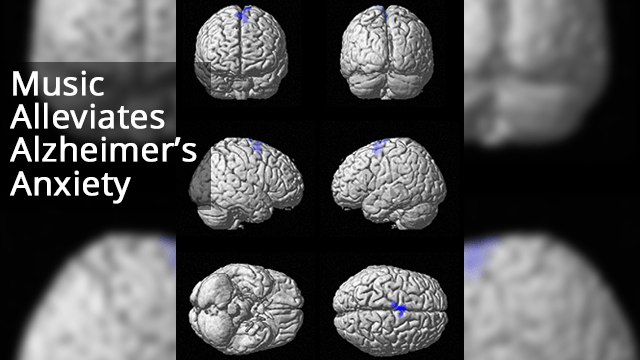
Ever get chills listening to a particularly moving piece of music? You can thank the salience network of the brain for that emotional joint. Surprisingly, this region also remains an island of remembrance that is spared from the ravages of Alzheimer’s disease. Researchers at the University of Utah Health are looking to this region of the brain to develop music-based treatments to help alleviate anxiety in patients with dementia. Their research will appear in the April online issue of The Journal of Prevention of Alzheimer’s Disease.

“People with dementia are confronted by a world that is unfamiliar to them, which causes disorientation and anxiety” said Jeff Anderson, M.D., Ph.D., associate professor in Radiology at U of U Health and contributing author on the study.“We believe music will tap into the salience network of the brain that is still relatively functioning.”

Previous work demonstrated the effect of a personalized music program on mood for dementia patients. This study set out to examine a mechanism that activates the attentional network in the salience region of the brain. The results offer a new way to approach anxiety, depression and agitation in patients with dementia. Activation of neighboring regions of the brain may also offer opportunities to delay the continued decline caused by the disease.

For three weeks, the researchers helped participants select meaningful songs and trained the patient and caregiver on how to use a portable media player loaded with the self-selected collection of music.

“When you put headphones on dementia patients and play familiar music, they come alive,” said Jace King, a graduate student in the Brain Network Lab and first author on the paper. “Music is like an anchor, grounding the patient back in reality.”

Using a functional MRI, the researchers scanned the patients to image the regions of the brain that lit up when they listened to 20-second clips of music versus silence. The researchers played eight clips of music from the patient’s music collection, eight clips of the same music played in reverse and eight blocks of silence. The researchers compared the images from each scan.

The researchers found that music activates the brain, causing whole regions to communicate. By listening to the personal soundtrack, the visual network, the salience network, the executive network and the cerebellar and corticocerebellar network pairs all showed significantly higher functional connectivity.

“This is objective evidence from brain imaging that shows personally meaningful music is an alternative route for communicating with patients who have Alzheimer’s disease,” said Norman Foster, M.D., Director of the Center for Alzheimer’s Care at U of U Health and senior author on the paper.“Language and visual memory pathways are damaged early as the disease progresses, but personalized music programs can activate the brain, especially for patients who are losing contact with their environment.”

However, these results are by no means conclusive. The researchers note the small sample size (17 participants) for this study. In addition, the study only included a single imaging session for each patient. It is remains unclear whether the effects identified in this study persist beyond a brief period of stimulation or whether other areas of memory or mood are enhanced by changes in neural activation and connectivity for the long term.

“In our society, the diagnoses of dementia are snowballing and are taxing resources to the max,” Anderson said. “No one says playing music will be a cure for Alzheimer’s disease, but it might make the symptoms more manageable, decrease the cost of care and improve a patient’s quality of life.”

https://www.technologynetworks.com/neuroscience/news/music-activation-of-salience-network-could-alleviate-anxiety-in-alzheimers-disease-300268?utm_campaign=Newsletter_TN_BreakingScienceNews&utm_source=hs_email&utm_medium=email&utm_content=62522460&_hsenc=p2ANqtz-9ihWyFIxhX4_ZqRqTTeOrNwa0ZHtTKERWsL_8k0sb5boN7jUkYGkdh9HwUwTgNxQfBVCpLL2CkwNk4uJpbMDlvKJPNJw&_hsmi=62522460

Frequently heading the ball in soccer is more dangerous to the brain than acute concussions

Frequent soccer ball heading is a common and under recognized cause of concussion symptoms, according to a study of amateur players led by Albert Einstein College of Medicine researchers. The findings run counter to earlier soccer studies suggesting concussion injuries mainly result from inadvertent head impacts, such as collisions with other players or a goalpost. The study was published in Neurology, the medical journal of the American Academy of Neurology.

“The prevailing wisdom is that routine heading in soccer is innocuous and we need only worry about players when they have unintentional head collisions,” says study leader Michael L. Lipton, M.D., Ph.D., professor of radiology and of psychiatry and behavioral sciences at Einstein and director of MRI Services at Montefiore. “But our study suggests that you don’t need an overt collision to warrant this type of concern. Many players who head the ball frequently are experiencing classic concussion symptoms such as headache, confusion, and dizziness during games and practice, even though they are not actually diagnosed with concussion. Concussion sufferers should avoid additional collisions or head impacts during the following days or weeks, when their risk of incurring a second concussion is extremely high. Because these injuries go unrecognized and unmanaged, there may be important clinical consequences for the short and long term.”

Studies clearly show that single or repeated concussion causes neurologic problems. But little is known about the effects of frequent but lesser impacts, such as those experienced while heading a soccer ball. Some research, notably a recent study of adolescent players published in JAMA Pediatrics, suggest that heading is not a common cause of concussion. “However, these studies did not actually measure heading, and thus they were unable to separate the relative contributions of intentional and unintentional head impacts,” says Dr. Lipton.

In the current study, a part of the Einstein Soccer Study, Dr. Lipton and his colleagues asked 222 adult amateur soccer players (80 percent men, ages 18 to 55) to fill out online questionnaires on their soccer-related activities during the previous two weeks, including details about heading and other unintentional head impacts and any resulting headaches, pain and dizziness as well as more severe symptoms, such as feeling dazed, needing medical attention, and becoming unconscious. Some of the 222 players filled out questionnaires for more than a single two-week span, resulting in a total of 470 questionnaires during a nine-month period in 2013-2014.

Approximately 35 percent of the participants reported one unintentional head impact, and 16 percent reported more than one such impact. The median number of headings during the two-week reporting period for all respondents was 40.5. Twenty percent of the participants reported experiencing moderate-to-very severe concussion symptoms, with 18 percent reporting severe and 7 percent very severe symptoms. Although these symptoms were more strongly connected with unintentional head impacts, heading was shown to be an independent risk factor for concussion symptoms.

“This finding is consistent with one of our previous studies, where 30 percent of soccer players who’d had more than 1,000 headings per year had a higher risk of microstructural changes in the brain’s white matter, typical of traumatic brain injury, and worse cognitive performance,” says Dr. Lipton

In the new study, players who headed the most were the most susceptible to concussion. “The extent to which lesser degrees of exposure to heading lead to cumulative injury over time is not known and deserves further study,” Dr. Lipton says. “Our findings certainly indicate that heading is more than just a ‘sub-concussive’ impact, and that heading-related concussions are common. We need to give people who have these injuries proper care and make efforts to prevent multiple head impacts, which are particularly dangerous.”

The study is titled, “Symptoms from Repeated Intentional and Unintentional Head Impact in Soccer Players.” Other contributors are Walter F. Stewart, Ph.D., M.P.H., at Sutter Health Research, Walnut Creek, CA; Namhee Kim, Chloe Ifrah, Richard B. Lipton, M.D., Tamar Glattstein, and Mimi Kim, Sc.D., all at Einstein; and Molly E. Zimmerman, Ph.D., at Einstein and Fordham University, Bronx, NY.

http://www.einstein.yu.edu/news/releases/1218/soccer-ball-heading-may-commonly-cause-concussion-symptoms/

‘Rip Van Winkle’ plants can hide underground for 20 years

by RUSSELL MCLENDON

Rip Van Winkle, the titular ne’er-do-well of Washington Irving’s 1819 short story, famously spent 20 years napping in a forest. This lengthy slumber, apparently triggered by ghost liquor, caused Van Winkle to sleep through the American Revolutionary War.

Nearly two centuries later, scientists are shedding light on plants that do something similar in real life. A surprisingly diverse mix of plants around the world can live dormant underground for up to 20 years, researchers report in the journal Ecology Letters, a strategy that allows the plants to survive hard times by simply napping until things get better.

At least 114 species from 24 plant families are capable of this trick, in which a plant abandons photosynthesis to focus on survival in the soil. It’s a way for plants to hedge their bets, the study’s authors explain, by accepting certain short-term hardships — like missed opportunities to grow and reproduce — for the longer-term benefits of avoiding mortal dangers on the surface.

“It would seem to be paradoxical that plants would evolve this behavior, because being underground means they cannot photosynthesize, flower or reproduce,” says co-author Michael Hutchings, an ecology professor at the University of Sussex, in a statement. “And yet this study has shown that many plants in a large number of species frequently exhibit prolonged dormancy.”

So how do these Rip Van Winkle plants survive for up to 20 years without sunlight? Many species have found other ways to endure dormancy, Hutchings says, especially “by evolving mechanisms enabling them to obtain carbohydrates and nutrients from soil-based fungal associates.” Befriending soil fungi, he adds, “allows them to survive and even thrive during dormant periods.”

This strategy is used by many orchid species (including the lady’s slipper orchids pictured above), along with a wide variety of other plant types. It typically occurs in only part of a population or species during any given year, the researchers note, so the broader population can keep growing and reproducing while the designated survivors wait underground as backup.

https://www.mnn.com/earth-matters/wilderness-resources/blogs/rip-van-winkle-plants-can-hide-underground-20-years

Laboratory mouse studies suggest that long-term, low dose caffeine worsens anxiety and emotional and cognitive flexibility in people with Alzheimer’s disease, while providing only little benefit to learning and memory.


The study simulated long-term consumption of three cups of coffee a day.

It is well known that memory problems are the hallmarks of Alzheimer’s disease. However, this dementia is also characterized by neuro-psychiatric symptoms, which may be strongly present already in the first stages of the disorder. Known as Behavioural and Psychological Symptoms of Dementia (BPSD), this array of symptoms — including anxiety, apathy, depression, hallucinations, paranoia and sundowning (or late-day confusion) — are manifested in different manners depending on the individual patient, and are considered the strongest source of distress for patients and caregivers.


Coffee and caffeine: good or bad for dementia?

Caffeine has recently been suggested as a strategy to prevent dementia, both in patients with Alzheimer’s disease and in normal ageing processes. This is due to its action in blocking molecules — adenosine receptors — which may cause dysfunctions and diseases in old age. However, there is some evidence that once cognitive and neuro-psychiatric symptoms develop, caffeine may exert opposite effects.

To investigate this further, researchers from Spain and Sweden conducted a study with normal ageing mice and familial Alzheimer’s models. The research, published in Frontiers in Pharmacology, was conducted from the onset of the disease up to more advanced stages, as well as in healthy age-matched mice.

“The mice develop Alzheimer’s disease in a very close manner to human patients with early-onset form of the disease,” explains first author Raquel Baeta-Corral, from Universitat Autònoma de Barcelona, Spain. “They not only exhibit the typical cognitive problems but also a number of BPSD-like symptoms. This makes them a valuable model to address whether the benefits of caffeine will be able to compensate its putative negative effects.”

“We had previously demonstrated the importance of the adenosine A1 receptor as the cause of some of caffeine’s adverse effects,” explains Dr. Björn Johansson, a researcher and physician at the Karolinska University Hospital, Sweden.

“In this study, we simulated a long oral treatment with a very low dose of caffeine (0.3 mg/mL) — equivalent to three cups of coffee a day for a human — to answer a question which is relevant for patients with Alzheimer’s, but also for the ageing population in general, and that in people would take years to be solved since we would need to wait until the patients were aged.”

Worsened Alzheimer’s symptoms outweigh cognition benefits

The results indicate that caffeine alters the behavior of healthy mice and worsens the neuropsychiatric symptoms of mice with Alzheimer’s disease. The researchers discovered significant effects in the majority of the study variables — and especially in relation to neophobia (a fear of everything new), anxiety-related behaviors, and emotional and cognitive flexibility.

In mice with Alzheimer’s disease, the increase in neophobia and anxiety-related behaviours exacerbates their BPSD-like profile. Learning and memory, strongly influenced by anxiety, got little benefit from caffeine.

“Our observations of adverse caffeine effects in an Alzheimer’s disease model, together with previous clinical observations, suggest that an exacerbation of BPSD-like symptoms may partly interfere with the beneficial cognitive effects of caffeine. These results are relevant when coffee-derived new potential treatments for dementia are to be devised and tested,” says Dr. Lydia Giménez-Llort, researcher from the INc-UAB Department of Psychiatry and Legal Medicine, Universitat Autònoma de Barcelona, and lead researcher of the project.

The results of the study form part of the PhD thesis of Raquel Baeta-Corral, first author of the article, and are the product of a research led by Lydia Giménez-Llort, Director of the Medical Psychology Unit, Department of Psychiatry and Legal Medicine and researcher at the UAB Institute of Neuroscience, together with Dr Björn Johansson, Researcher at the Department of Molecular Medicine and Surgery, Karolinska Institutet and the Department of Geriatrics, Karolinska University Hospital, Sweden, under the framework of the Health Research Fund project of the Institute of Health Carlos III.

Long-term caffeine worsens symptoms associated with Alzheimer’s disease

DNA can be used to store almost limitless amounts of data in almost no space

In the age of big data, we are quickly producing far more digital information than we can possibly store. Last year, $20 billion was spent on new data centers in the US alone, doubling the capital expenditure on data center infrastructure from 2016. And even with skyrocketing investment in data storage, corporations and the public sector are falling behind.

But there’s hope.

With a nascent technology leveraging DNA for data storage, this may soon become a problem of the past. By encoding bits of data into tiny molecules of DNA, researchers and companies like Microsoft hope to fit entire data centers in a few flasks of DNA by the end of the decade.

But let’s back up.

Backdrop

After the 20th century, we graduated from magnetic tape, floppy disks, and CDs to sophisticated semiconductor memory chips capable of holding data in countless tiny transistors. In keeping with Moore’s Law, we’ve seen an exponential increase in the storage capacity of silicon chips. At the same time, however, the rate at which humanity produces new digital information is exploding. The size of the global datasphere is increasing exponentially, predicted to reach 160 zettabytes (160 trillion gigabytes) by 2025. As of 2016, digital users produced over 44 billion gigabytes of data per day. By 2025, the International Data Corporation (IDC) estimates this figure will surpass 460 billion. And with private sector efforts to improve global connectivity—such as OneWeb and Google’s Project Loon—we’re about to see an influx of data from five billion new minds.

By 2020, three billion new minds are predicted to join the web. With private sector efforts, this number could reach five billion. While companies and services are profiting enormously from this influx, it’s extremely costly to build data centers at the rate needed. At present, about $50 million worth of new data center construction is required just to keep up, not to mention millions in furnishings, equipment, power, and cooling. Moreover, memory-grade silicon is rarely found pure in nature, and researchers predict it will run out by 2040.

Take DNA, on the other hand. At its theoretical limit, we could fit 215 million gigabytes of data in a single gram of DNA.

But how?

Crash Course

DNA is built from a double helix chain of four nucleotide bases—adenine (A), thymine (T), cytosine (C), and guanine (G). Once formed, these chains fold tightly to form extremely dense, space-saving data stores. To encode data files into these bases, we can use various algorithms that convert binary to base nucleotides—0s and 1s into A, T, C, and G. “00” might be encoded as A, “01” as G, “10” as C, and “11” as T, for instance. Once encoded, information is then stored by synthesizing DNA with specific base patterns, and the final encoded sequences are stored in vials with an extraordinary shelf-life. To retrieve data, encoded DNA can then be read using any number of sequencing technologies, such as Oxford Nanopore’s portable MinION.

Still in its deceptive growth phase, DNA data storage—or NAM (nucleic acid memory)—is only beginning to approach the knee of its exponential growth curve. But while the process remains costly and slow, several players are beginning to crack its greatest challenge: retrieval. Just as you might click on a specific file and filter a search term on your desktop, random-access across large data stores has become a top priority for scientists at Microsoft Research and the University of Washington.

Storing over 400 DNA-encoded megabytes of data, U Washington’s DNA storage system now offers random access across all its data with no bit errors.

Applications

Even before we guarantee random access for data retrieval, DNA data storage has immediate market applications. According to IDC’s Age 2025 study (Figure 5 (PDF)), a huge proportion of enterprise data goes straight to an archive. Over time, the majority of stored data becomes only potentially critical, making it less of a target for immediate retrieval.

Particularly for storing past legal documents, medical records, and other archive data, why waste precious computing power, infrastructure, and overhead?

Data-encoded DNA can last 10,000 years—guaranteed—in cold, dark, and dry conditions at a fraction of the storage cost.

Now that we can easily use natural enzymes to replicate DNA, companies have tons to gain (literally) by using DNA as a backup system—duplicating files for later retrieval and risk mitigation.

And as retrieval algorithms and biochemical technologies improve, random access across data-encoded DNA may become as easy as clicking a file on your desktop.

As you scroll, researchers are already investigating the potential of molecular computing, completely devoid of silicon and electronics.

Harvard professor George Church and his lab, for instance, envision capturing data directly in DNA. As Church has stated, “I’m interested in making biological cameras that don’t have any electronic or mechanical components,” whereby information “goes straight into DNA.” According to Church, DNA recorders would capture audiovisual data automatically. “You could paint it up on walls, and if anything interesting happens, just scrape a little bit off and read it—it’s not that far off.” One day, we may even be able to record biological events in the body. In pursuit of this end, Church’s lab is working to develop an in vivo DNA recorder of neural activity, skipping electrodes entirely.

Perhaps the most ultra-compact, long-lasting, and universal storage mechanism at our fingertips, DNA offers us unprecedented applications in data storage—perhaps even computing.

Potential

As DNA data storage plummets in tech costs and rises in speed, commercial user interfaces will become both critical and wildly profitable. Once corporations, startups, and people alike can easily save files, images or even neural activity to DNA, opportunities for disruption abound. Imagine uploading files to the cloud, which travel to encrypted DNA vials, as opposed to massive and inefficient silicon-enabled data centers. Corporations could have their own warehouses and local data networks could allow for heightened cybersecurity—particularly for archives.

And since DNA lasts millennia without maintenance, forget the need to copy databases and power digital archives. As long as we’re human, regardless of technological advances and changes, DNA will always be relevant and readable for generations to come.

But perhaps the most exciting potential of DNA is its portability. If we were to send a single exabyte of data (one billion gigabytes) to Mars using silicon binary media, it would take five Falcon Heavy rockets and cost $486 million in freight alone.

With DNA, we would need five cubic centimeters.

At scale, DNA has the true potential to dematerialize entire space colonies worth of data. Throughout evolution, DNA has unlocked extraordinary possibilities—from humans to bacteria. Soon hosting limitless data in almost zero space, it may one day unlock many more.

A Data Storage Revolution? DNA Can Store Near Limitless Data in Almost Zero Space

How Many Uncaptured Serial Killers Are Out There?

By Stephanie Pappas

Thirty-two years after his last murder, the Golden State Killer may be behind bars, according to California authorities.

Local and federal law enforcement arrested Joseph James DeAngelo Jr. on Tuesday, saying that DNA evidence shows him to be responsible for 10 murders and at least 46 rapes from the 1970s to 1986. According to the Los Angeles Times, DeAngelo, now 72, has been married since 1973. He and his wife have three children.

DeAngelo’s apparent quiet suburban life may not be unusual for serial killers, experts say. There is no foolproof estimate for how many such criminals are living in communities, uncaptured, but Thomas Hargrove, the founder of the Murder Accountability Project, argued that there are as many as 2,000 serial killers at large — and that financial woes affecting city services could be making the problem worse.

The FBI defines a “serial killer” as someone who murders two or more victims, with a cooling-off period between crimes.

Hargrove, a retired investigative journalist, arrived at his estimate of about 2,000 at-large serial killers by asking some contacts at the FBI to calculate how many unsolved murders linked to at least one other murder through DNA were in their database, he explained to The New Yorker last year. Those officials determined that about 1,400 murders, or 2 percent of those in the database, met that classification.

However, not all murder cases involve DNA evidence, and not all cases are reported to the FBI, so that 2 percent is a low estimate, Hargrove said. Two thousand is a ballpark figure, but the numbers shouldn’t be a surprise, he said.

“There are more than 220,000 unsolved murders since 1980, so when you put that in perspective, how shocking is it that there are at least 2,000 unrecognized series of homicides?” he said.

The most prolific serial killer of the modern era was probably Harold Shipman, an English doctor who may have murdered as many as 250 patients with fatal doses of painkillers. The 2,000 theoretical killers don’t have to meet such a staggering standard, considering that killing a minimum of two victims in separate incidents meets the FBI definition of serial killer.

By a far more conservative method of accounting, there are about 115 serial killers dating back to the 1970s in the United States whose crimes have never been solved. That estimate comes from Kenna Quinet, a criminologist at Indiana University-Purdue University Indianapolis. It’s based on linkages between cases made by journalists or law enforcement, and includes a slightly different metric than Hargrove’s estimate: The killer had to have murdered at least three victims, not two.

In the same time period as Quinet’s estimate for unsolved serial murders, there were roughly 625 solved serial murder cases, she told Live Science. There aren’t many differences between unsolved and solved cases, geographically or in terms of factors like the type of victims, Quinet said. But her database doesn’t include cases where no one has ever made the link between murders. If a serial killer killed a person in one state and then drifted off to the next to kill two more, for example, the crimes might have never been flagged by anyone as related and thus wouldn’t appear in Quinet’s count.

“Somewhere in between my number and Thomas Hargrove’s number is probably the right number,” she said.

According to research by psychology professor Mike Aamodt at Radford Universityin Virginia, there were likely about 30 active serial killers operating in the United States as of 2015.

Serial killings peaked in the 1980s, Quinet said. Aamodt estimates that an average of 145 serial killers (under the two-victim minimum definition) were active in the 1980s each year, compared with an average of 54 each year between 2010 and 2015. There doesn’t seem to be any single reason for serial killings’ decline, Quinet said. People engage in fewer behaviors today that make them a target — hitchhiking is far rarer now than 30 years ago, for example — but the decline has largely tracked with an overall drop in the homicide rate since the early 1990s, a drop that criminologists cannot fully explain.

Why serial killers avoid capture

The biggest reason that killers of two or more people can still live free is the problem of “linkage blindness,” Hargrove said. Homicide detectives are assigned single cases, and unless one happens to chat with a colleague who has a very similar case on his or her docket, those cases are unlikely to be linked, he said.

“If the murders occur at separate jurisdictions, such conversations never happen,” Hargrove said.

Despite an advent of forensic DNA databases, there is still no central clearinghouse for homicide cases or serial killer cases, said retired FBI profiler Mary Ellen O’Toole, who worked on several serial killing cases during her career.The FBI collects data through the Violent Criminal Apprehension Program (ViCAP), O’Toole said, but it is not mandatory for local law enforcement to report their cases to that program. If it were, she said, it might be easier to connect homicide cases.

In the Golden State Killer case, proper storage of forensic evidence plus advances in technology seem to be the key to cracking the murders. It’s possible to process very old forensic evidence with new methods, O’Toole told Live Science.

“The case itself may be cold, but forensic evidence doesn’t die,” she said.

Unfortunately, if technology opens new doors for solving serial murders, a lack of money may slam them shut. Insufficient funding for detectives and technicians keeps police from solving many murders, Hargrove said. According to FBI estimates, only 59 percent of homicide investigations in the U.S. have resulted in an arrest, much less a conviction. The numbers are even worse for rape (36.5 percent) and robbery (29.6 percent).

The rate for cleared homicide cases is “the lowest in the Western world,” Hargrove said.

Other reasons may also explain the low rate of arrests, including a high bar for making an arrest as well as what some call an increasing no-snitch culture, especially among some minority groups who are reluctant to come forward as witnesses, according to experts interviewed by NPR.

“The problem is,” Hargrove said, “everything’s going the wrong way.”