Scientists Determine Four Personality Types Based on New Data

Researchers led by Northwestern Engineering’s Luis Amaral sifted through data from more than 1.5 million questionnaire respondents to find at least four distinct clusters of personality types exist — average, reserved, self-centered, and role model — challenging existing paradigms in psychology.

“People have tried to classify personality types since Hippocrates’s time, but previous scientific literature has found that to be nonsense,”said co-author William Revelle, professor of psychology at Northwestern University’s Weinberg College of Arts and Sciences.

“Now, these data show there are higher densities of certain personality types,” said Revelle, who specializes in personality measurement, theory, and research.

The new study appears in Nature Human Behaviour. The findings potentially could be of interest to hiring managers and mental healthcare providers.

Initially, Revelle was skeptical of the study’s premise. The concept of personality types remains controversial in psychology, with hard scientific proof difficult to find. Previous attempts based on small research groups created results that often were not replicable.

“Personality types only existed in self-help literature and did not have a place in scientific journals,” said Amaral, Erastus Otis Haven Professor of Chemical and Biological Engineering at the McCormick School of Engineering. “Now, we think this will change because of this study.”

The new research combined an alternative computational approach with data from four questionnaires, attracting more than 1.5 million respondents from around the world. The questionnaires, developed by the research community over the decades, have between 44 and 300 questions. People voluntarily take the online quizzes, attracted by the opportunity to receive feedback about their own personality.

These data are now being made available to other researchers for independent analyses.

“A study with a dataset this large would not have been possible before the web,” Amaral said. “Previously, researchers would recruit undergrads on campus and maybe get a few hundred people. Now, we have all these online resources available, and data is being shared.”

Average

Average people are high in neuroticism and extraversion, while low in openness. “I would expect that the typical person would be in this cluster,” said Martin Gerlach, a postdoctoral fellow in Amaral’s lab and the paper’s first author. Females are more likely than males to fall into the Average type.

Reserved

The Reserved type is emotionally stable, but not open or neurotic. They are not particularly extraverted but are somewhat agreeable and conscientious.

Role Models

Role Models score low in neuroticism and high in all the other traits. The likelihood that someone is a role model increases dramatically with age. “These are people who are dependable and open to new ideas,” Amaral said. “These are good people to be in charge of things. In fact, life is easier if you have more dealings with role models.” More women than men are likely to be role models.

Self-Centered

Self-Centered people score very high in extraversion and below average in openness, agreeableness and conscientiousness. “These are people you don’t want to hang out with,” Revelle said. There is a very dramatic decrease in the number of self-centered types as people age, both with women and men.

The group’s first attempt to sort the data used traditional clustering algorithms, but that yielded inaccurate results, Amaral said.

“At first, they came to me with 16 personality types, and there’s enough literature that I’m aware of that says that’s ridiculous,” Revelle said. “I believed there were no types at all.”

He challenged Amaral and Gerlach to refine their data.

“Machine learning and data science are promising but can be seen as a little bit of a religion,” Amaral said. “You still need to test your results. We developed a new method to guide people to solve the clustering problem to test the findings.”

Their algorithm first searched for many clusters using traditional clustering methods, but then winnowed them down by imposing additional constraints. This procedure revealed the four groups they reported.

“The data came back, and they kept coming up with the same four clusters of higher density and at higher densities than you’d expect by chance, and you can show by replication that this is statistically unlikely,” Revelle said.

“I like data, and I believe these results,” he added. “The methodology is the main part of the paper’s contribution to science.”

To be sure the new clusters of types were accurate, the researchers used a notoriously self-centered group—teenaged boys—to validate their information.

“We know teen boys behave in self-centered ways,” Amaral said. “If the data were correct and sifted for demographics, they would they turn out to be the biggest cluster of people.”

Indeed, young males are overrepresented in the Self-Centered group, while females over 15 years old are vastly underrepresented.

Along with serving as a tool that can help mental health service providers assess for personality types with extreme traits, Amaral said the study’s results could be helpful for hiring managers looking to insure a potential candidate is a good fit or for people who are dating and looking for an appropriate partner.

And good news for parents of teenagers everywhere: As people mature, their personality types often shift. For instance, older people tend to be less neurotic yet more conscientious and agreeable than those under 20 years old.

“When we look at large groups of people, it’s clear there are trends, that some people may be changing some of these characteristics over time,” Amaral said. “This could be a subject of future research.”

This article has been republished from materials provided by Northwestern University. Note: material may have been edited for length and content. For further information, please contact the cited source.

Reference:

Martin Gerlach, Beatrice Farb, William Revelle, Luís A. Nunes Amaral. A robust data-driven approach identifies four personality types across four large data sets. Nature Human Behaviour, 2018; DOI: 10.1038/s41562-018-0419-z

Lonely people stand farther from loved ones, study finds

lonelypeople.jpg

A new study from the University of Chicago found that people who report feeling lonely also say they sit or stand physically farther away from close friends and family. Their “personal space” for intimate partners is larger than those who report less loneliness, even when adjusted for marital status and other factors such as gender, anxiety and depression.

In two experiments, published Sept. 6 in PLOS ONE, the researchers surveyed nearly 600 U.S.-based men and women on how far they preferred to sit or stand near different groups of people, including friends and family, romantic partners and acquaintances. On average, loneliness doubles the odds of someone staying farther away from those in their closest circle of intimacy. (It had no effect on how far they preferred to stand from acquaintances or strangers).

“To our knowledge, this is the first direct evidence for a link between interpersonal distance preferences and loneliness,” said Elliot Layden, a UChicago graduate student and first author on the paper. “This finding may be important to consider in the context of loneliness interventions—such as client-therapist interactions and community programs seeking to combat loneliness.”

The effect persists even when scientists adjusted for how much social interaction the person experiences; for example, those who felt lonely despite high levels of social interaction still kept their distances.

“You can feel alone even in a crowd or in a marriage—loneliness is really a discrepancy between what you want and what you have,” said Stephanie Cacioppo, director of the Brain Dynamics Laboratory, assistant professor of psychiatry and behavioral neuroscience, and senior author on the paper.

The authors say this fits with the evolutionary model of loneliness, pioneered by Stephanie Cacioppo and her late husband, John Cacioppo, the Tiffany and Margaret Blake Distinguished Service Professor of Psychology at the University of Chicago and a co-author on the paper, who passed away earlier this year. The Cacioppos’ transformative work in this field connected feelings of loneliness to physical health outcomes, including sleep disturbances, inflammation and earlier death.

The evolutionary model suggests that even though loneliness might be expected to prompt people to move closer to others, it also increases an individual’s short-term self-preservation instincts, triggering an instinct to stay farther away. Previous Cacioppo studies using neuroimaging techniques have found evidence that lonelier individuals also exhibit heightened vigilance for social threats—such as social rejection or interpersonal hostility.

“This ‘survival mode’ means that even though a lonely person wants more social interaction, they may still unconsciously keep their distance,” Stephanie Cacioppo said. “The hope is that by bringing this to conscious attention, we can reduce the incidence of divorce as a byproduct of loneliness and increase meaningful connections among people.”

Cacioppo and her team are working to incorporate the finding into a program to reduce loneliness with the National Institutes of Health, she said. In further studies, she wants to explore gender differences in personal space; men are consistently found to prefer larger personal spaces than women.

https://medicalxpress.com/news/2018-09-lonely-people.html

Drinking Is Probably Aging You Much More Than You Realize

Happy friends at a rooftop party backlit by sunlight
Drinking can have a negative effect on your physical health and appearance, making you look and feel older.

It’s no surprise that enjoying several beers or gin and tonics a few times a week isn’t necessarily healthy. But you may not be aware how much it ages you.

As you grow older, you start to metabolize alcohol at a slower rate, according to Elizabeth Trattner, a Miami-based acupuncture physician and nutritionist. The longer the booze stays in your system, the more alcohol builds up in your bloodstream, which puts you at greater risk for damaging effects.

For example, a study published in the Journal of Epidemiology & Community Health found that people who drank excessively were 33 percent more likely to have age-related gray rings around the corneas of their eyes. That condition, called arcus senilis, doesn’t typically occur until at least age 60.

Curious how else your bar nights might be affecting you? Below is a breakdown of just how alcohol takes a toll on your body and mind, making you look and feel older than you should ― plus some advice on how to cut back but still cut loose.

Alcohol can lead to wrinkles and broken blood vessels.
Just one night out drinking can dehydrate your skin to a point where wrinkles and fine lines become temporarily more noticeable, according to Carol Ann Goodman, a board-certified physician at Bella Vi Spa & Aesthetics in Indiana. It’s even worse for people who have naturally dry skin.

If heavy drinking is a regular thing, you could face some potentially irreversible skin damage.

“Alcohol also causes blood vessels at the skin’s surface to dilate,” Goodman said. “For intermittent drinkers, this causes temporary skin flushing. However, over time, the capillaries can dilate so much that they actually burst, creating visible red and purple veins, especially across the face and cheeks.”

While your skin can regain its supple and dewy complexion after several days of rehydration, broken blood vessels are a lot harder to fix.

“Once the changes of broken blood vessels have developed, those will not reverse on their own,” Goodman said. “Treatments such as laser therapy and some topical products can help to improve the appearance.”

Thankfully, it’s much easier to keep your skin hydrated in the first place. Kristin Koskinen, a registered dietitian nutritionist based in Washington, recommends drinking at least one glass of water before you take your first sip of wine and then “alternating alcoholic beverages with non-alcoholic ones, including seltzer water, orange juice spritzers or even still water.”

Drinking water between alcoholic beverages “will combat ethanol-induced dehydration, which will help your skin to look better the next day,” Koskinen said.

It can also aggravate other skin conditions.
While those dark circles under your eyes, sometimes referred to as allergic shiners, can be caused by a lot of factors (including, obviously, allergies), your after-work wine isn’t helping. When alcohol dehydrates your body, it’s easier to see the blood vessels on that part of your face.

According to Trattner, the sugar in alcohol can also upset your microbiome ― that is, the bacteria and other microbes in your body. This disruption could make acne, rosacea and conditions like discoid eczema and psoriasis worse post-alcohol consumption.

It undermines your sleep, which is never good.
Alcohol stresses your body, which can manifest in a lot of different ways, including bloating, insomnia, other sleep problems and a lack of concentration the following day.

Despite how tired alcohol may initially make you feel — the National Sleep Foundation reports that 20 percent of people actually use booze to fall asleep — it can seriously disrupt your rest by reducing rapid eye movement (REM) sleep. The more you drink, the worse it will be.

“Alcohol may seem to be helping you to sleep, as it helps induce sleep, but overall it is more disruptive to sleep, particularly in the second half of the night,” Irshaad Ebrahim, medical director at The London Sleep Centre, told WebMD. “Alcohol also suppresses breathing and can precipitate sleep apnea.”

And a lack of Zs can make you look older. A clinical trial conducted by physicians at the University Hospitals Case Medical Center found that people with sleep deprivation showed more signs of aging in their skin, including fine lines, uneven pigmentation and reduced elasticity.

Drinking contributes to a host of age-related conditions.
When the liver is working hard to detoxify the body from alcohol, it creates more free radicals than the body’s antioxidants can handle, which leads to something called oxidative stress. Studies have shown that oxidative stress is an important contributing factor in aging.

Although free radicals play their own role in protecting your health, when they’re not kept in balance by antioxidants, they begin to damage your fatty tissue, DNA and proteins. That damage can, in turn, contribute to diabetes, heart disease, neurodegenerative illnesses and other age-related conditions you want to avoid.

It can harm the overall quality of your life.
Another reason to limit your alcohol intake is that it’s one of the main culprits for those extra pounds you’ve mysteriously put on. Not only are boozy drinks often empty calories with little to no nutrients, but alcohol can cause people to eat more food.

Miami real estate agent Alina Freyre said she and her husband, Andy Freyre, stopped drinking two years ago. Alina promised Andy that if he got sober, so would she. Not only did they lose weight — 50 pounds for her and 80 pounds for him — but she said it was the “best thing that has ever happened” to them.

“We are different people inside and out, and we feel we are in a new relationship with each other and our kids,” Alina said. “I am huge on taking care of my skin and not only did drinking affect that, but it also affects how you care about how you present yourself. I feel 10 years younger.”

Joy Manning, a Philadelphia-based freelance writer and creator of the Instagram account Better Without Booze, can also attest to the life-changing effects of sobriety. She said she just celebrated her 600th day of not drinking.

Soon after giving up alcohol, Manning said her skin seemed softer and more glowing. She also lost 30 pounds and discovered that other healthy habits she had been chasing for years were finally sticking.

“I think that’s because drinking is a spiral,” she said. “Now I sleep well every night and work out vigorously, while before a couple of glasses of wine would make me want to eat pizza. Being alcohol-free really laid the foundation of a supportive lifestyle for being what I want my body to be.”

You can cut back on drinking.
A 2017 study published in JAMA Psychiatry found the number of adults in the United States who regularly consumed alcohol went from 65 percent in 2002 to 73 percent in 2013. Additionally, high-risk drinking — which is considered four or more drinks for women and five or more for men on a single occasion — went up 30 percent in the same time frame. So not only are more of us drinking, but we’re drinking more.

If you’re questioning your relationship with alcohol, Manning suggested that you first try to go 30 days without it and see how you feel. But that doesn’t mean you should also give up your social life. She said the worst thing you can do during this process is isolate yourself.

Instead, Manning encouraged people to go out with their friends, even if they’re all going to a bar. Socializing without a beer in your own hand will help to break the mental link between having fun and consuming alcohol.

“Try to find some fun, nonalcoholic beverages that taste good,” she said. “It helps to have something in your hand ― that goes a long way. The first time might feel weird but the more you do it, the less weird it is.” (Try one of these satisfying mocktails instead.)

The National Institute on Alcohol Abuse and Alcoholism also suggests keeping track of how much you’re drinking, which you can do on a piece of paper in your wallet or an app on your phone. Identify your triggers — what’s giving you the urge to drink — and find ways to avoid them.

The more you cut down on the booze, the more your body will thank you for it.

https://www.huffingtonpost.com/entry/drinking-alcohol-aging_us_5ba25b35e4b0080c7bf8435c

Artificial Intelligence improves physician’s ability to correctly diagnose lung conditions

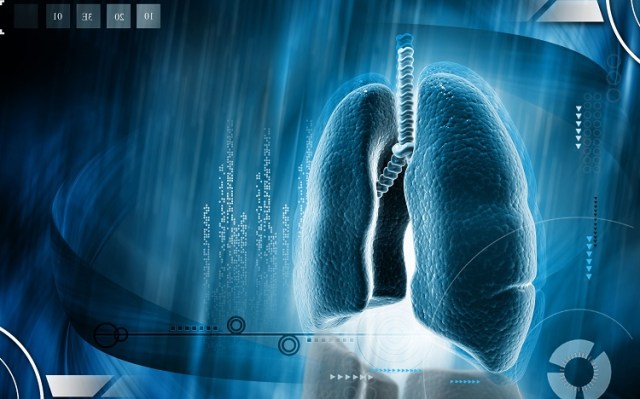
35472460 - digital illustration of human lungs in colour background

Artificial intelligence (AI) can be an invaluable aid to help lung doctors interpret respiratory symptoms accurately and make a correct diagnosis, according to new research presented yesterday (Wednesday) at the European Respiratory Society International Congress.

Dr Marko Topalovic (PhD), a postdoctoral researcher at the Laboratory for Respiratory Diseases, Catholic University of Leuven (KU Leuven), Belgium, told the meeting that after training an AI computer algorithm using good quality data, it proved to be more consistent and accurate in interpreting respiratory test results and suggesting diagnoses than lung specialists.

“Pulmonary function tests provide an extensive series of numerical outputs and their patterns can be hard for the human eye to perceive and recognise; however, it is easy for computers to manage large quantities of data like these and so we thought AI could be useful for pulmonologists. We explored if this was true with 120 pulmonologists from 16 hospitals. We found that diagnosis by AI was more accurate in twice as many cases as diagnosis by pulmonologists. These results show how AI can serve as a second opinion for pulmonologists when they are assessing and diagnosing their patients,” he said.

Pulmonary function tests (PFT) include: spirometry, which involves the patient breathing through a mouthpiece to measure the amount of air inhaled and exhaled; a body box or plethysmography test, which enables doctors to assess lung volume by measuring the pressure in a booth in which the patient is sitting and breathing through a mouthpiece; and a diffusion capacity test, which tests how well a patient’s lungs are able to transfer oxygen and carbon dioxide to and from the bloodstream by testing the efficiency of the alveoli (small air sacks in the lungs). Results from these tests give doctors important information about the functioning of the lungs, but do not tell them what is wrong with the patient. This requires interpretation of the results in order to reach a diagnosis.

In this study, the researchers used historical data from 1430 patients from 33 Belgian hospitals. The data were assessed by an expert panel of pulmonologists and interpretations were measured against gold standard guidelines from the European Respiratory Society and the American Thoracic Society. The expert panel considered patients’ medical histories, results of all PFTs and any additional tests, before agreeing on the correct interpretation and diagnosis for each patient.

“When training the AI algorithm, the use of good quality data is of utmost importance,” explained Dr Topalovic. “An expert panel examined all the results from the pulmonary function tests, and the other tests and medical information as well. They used these to reach agreement on final diagnoses that the experts were confident were correct. These were then used to develop an algorithm to train the AI, before validating it by incorporating it into real clinical practice at the University Hospital Leuven. The challenging part was making sure the algorithm recognised patterns of up to nine different diseases.”

Then, 120 pulmonologists from 16 European hospitals (from Belgium, France, The Netherlands, Germany and Luxembourg) made 6000 interpretations of PFT data from 50 randomly selected patients. The AI also examined the same data. The results from both were measured against the gold standard guidelines in the same way as during development of the algorithm.

The researchers found that the interpretation of the PFTs by the pulmonologists matched the guidelines in 74% of cases (with a range of 56-88%), but the AI-based software interpretations perfectly matched the guidelines (100%). The doctors were able to correctly diagnose the primary disease in 45% of cases (with a range of 24-62%), while the AI gave a correct diagnosis in 82% of cases.

Dr Topalovic said: “We found that the interpretation of pulmonary function tests and the diagnosis of respiratory disease by pulmonologists is not an easy task. It takes more information and further tests to reach a satisfactory level of accuracy. On the other hand, the AI-based software has superior performance and therefore can provide a powerful decision support tool to improve current clinical practice. Feedback from doctors is very positive, particularly as it helps them to identify difficult patterns of rare diseases.”

Two large Belgian hospitals are already using the AI-based software to improve interpretations and diagnoses. “We firmly believe that we can empower doctors to make their interpretations and diagnoses easier, faster and better. AI will not replace doctors, that is certain, because doctors are able to see a broader perspective than that presented by pulmonary function tests alone. This enables them to make decisions based on a combination of many different factors. However, it is evident that AI will augment our abilities to accomplish more and decrease chances for errors and redundant work. The AI-based software has superior performance and therefore may provide a powerful decision support tool to improve current clinical practice.

“Nowadays, we trust computers to fly our planes, to drive our cars and to survey our security. We can also have confidence in computers to label medical conditions based on specific data. The beauty is that, independent of location or medical coverage, AI can provide the highest standards of PFT interpretation and patients can have the best and affordable diagnostic experience. Whether it will be widely used in future clinical applications is just a matter of time, but will be driven by the acceptance of the medical community,” said Dr Topalovic.

He said the next step would be to get more hospitals to use this technology and investigate transferring the AI technology to primary care, where the data would be captured by general practitioners (GPs) to help them make correct diagnoses and referrals.

Professor Mina Gaga is President of the European Respiratory Society, and Medical Director and Head of the Respiratory Department of Athens Chest Hospital, Greece, and was not involved in the study. She said: “This work shows the exciting possibilities that artificial intelligence offers to doctors to help them provide a better, quicker service to their patients. Over the past 20 to 30 years, the evolution in technology has led to better diagnosis and treatments: a revolution in imaging techniques, in molecular testing and in targeted treatments have make medicine easier and more effective. AI is the new addition! I think it will be invaluable in helping doctors and patients and will be an important aid to their decision-making.”

[1] Abstract no: PA5290, “Artificial intelligence improves experts in reading pulmonary function tests”, by M. Topalovic et al; Poster Discussion “The importance of the pulmonary function test in different clinical settings”, 08.30-10.30 hrs CEST, Wednesday 19 September, Room 7.2D.

The research was funded by Vlaams Agentschap Innoveren & Ondernemen – VLAIO (Belgian government body: Agency for Innovation and Entrepreneurship – VLAIO)

http://www.europeanlung.org/en/news-and-events/media-centre/press-releases/artificial-intelligence-improves-doctors%E2%80%99-ability-to-correctly-interpret-tests-and-diagnose-lung-disease

‘Mindful people’ feel less pain; MRI imaging pinpoints supporting brain activity

mindfulpeopl
Greater deactivation of the posterior cingulate cortex, a brain region associated with processing self-related thoughts, was associated with lower pain and higher trait mindfulness. Credit: Wake Forest Baptist Medical Center

Ever wonder why some people seem to feel less pain than others? A study conducted at Wake Forest School of Medicine may have found one of the answers—mindfulness. “Mindfulness is related to being aware of the present moment without too much emotional reaction or judgment,” said the study’s lead author, Fadel Zeidan, Ph.D., assistant professor of neurobiology and anatomy at the medical school, part of Wake Forest Baptist Medical Center. “We now know that some people are more mindful than others, and those people seemingly feel less pain.”

The study is an article in press, published ahead-of-print in the journal Pain.

The researchers analyzed data obtained from a study published in 2015 that compared mindfulness meditation to placebo analgesia. In this follow-up study, Zeidan sought to determine if dispositional mindfulness, an individual’s innate or natural level of mindfulness, was associated with lower pain sensitivity, and to identify what brain mechanisms were involved.

In the study, 76 healthy volunteers who had never meditated first completed the Freiburg Mindfulness Inventory, a reliable clinical measurement of mindfulness, to determine their baseline levels. Then, while undergoing functional magnetic resonance imaging, they were administered painful heat stimulation (120°F).

Whole brain analyses revealed that higher dispositional mindfulness during painful heat was associated with greater deactivation of a brain region called the posterior cingulate cortex, a central neural node of the default mode network. Further, in those that reported higher pain, there was greater activation of this critically important brain region.

The default mode network extends from the posterior cingulate cortex to the medial prefrontal cortex of the brain. These two brain regions continuously feed information back and forth. This network is associated with processing feelings of self and mind wandering, Zeidan said.

“As soon as you start performing a task, the connection between these two brain regions in the default mode network disengages and the brain allocates information and processes to other neural areas,” he said.

“Default mode deactivates whenever you are performing any kind of task, such as reading or writing. Default mode network is reactivated whenever the individual stops performing a task and reverts to self-related thoughts, feelings and emotions. The results from our study showed that mindful individuals are seemingly less caught up in the experience of pain, which was associated with lower pain reports.”

The study provided novel neurobiological information that showed people with higher mindfulness ratings had less activation in the central nodes (posterior cingulate cortex) of the default network and experienced less pain. Those with lower mindfulness ratings had greater activation of this part of the brain and also felt more pain, Zeidan said.

“Now we have some new ammunition to target this brain region in the development of effective pain therapies. Importantly this work shows that we should consider one’s level of mindfulness when calculating why and how one feels less or more pain,” Zeidan said. “Based on our earlier research, we know we can increase mindfulness through relatively short periods of mindfulness meditation training, so this may prove to be an effective way to provide pain relief for the millions of people suffering from chronic pain.”

https://medicalxpress.com/news/2018-09-mindful-people-pain-mri-imaging.html

Bizarre Physics Phenomenon Suggests Objects Can Be Two Temperatures at Once

081616_TO_wormhole_main
A new uncertainty principle holds that quantum objects can be at two temperatures at once, which is similar to the famous Schrödinger’s cat thought experiment, in which a cat in a box with a radioactive element can be both alive and dead.

By Meredith Fore

The famous thought experiment known as Schrödinger’s cat implies that a cat in a box can be both dead and alive at the same time — a bizarre phenomenon that is a consequence of quantum mechanics.

Now, physicists at the University of Exeter in England have found that a similar state of limbo may exist for temperatures: Objects can be two temperatures at the same time at the quantum level. This weird quantum paradox is the first completely new quantum uncertainty relation to be formulated in decades.

Heisenberg’s other principle
In 1927, German physicist Werner Heisenberg postulated that the more precisely you measure a quantum particle’s position, the less precisely you can know its momentum, and vice versa — a rule that would become the now-famous Heisenberg uncertainty principle.

The new quantum uncertainty, which states that the more precisely you know temperature, the less you can say about energy, and vice versa, has big implications for nanoscience, which studies incredibly tiny objects smaller than a nanometer. This principle will change how scientists measure the temperature of extremely small things such as quantum dots, small semiconductors or single cells, the researchers said in the new study, which was published in June in the journal Nature Communications.

In the 1930s, Heisenberg and Danish physicist Niels Bohr established an uncertainty relation between energy and temperature on the nonquantum scale. The idea was that, if you wanted to know the exact temperature of an object, the best and most precise scientific way to do that would be to immerse it in a “reservoir” — say, a tub of water, or a fridge full of cold air — with a known temperature, and allow the object to slowly become that temperature. This is called thermal equilibrium.

However, that thermal equilibrium is maintained by the object and the reservoir constantly exchanging energy. The energy in your object therefore goes up and down by infinitesimal amounts, making it impossible to define precisely. On the flip side, if you wanted to know the precise energy in your object, you would have to isolate it so that it could not come into contact with, and exchange energy with, anything. But if you isolated it, you would not be able to precisely measure its temperature using a reservoir. This limitation makes the temperature uncertain.

Things get weirder when you go to the quantum scale.

A new uncertainty relation
Even if a typical thermometer has an energy that goes up and down slightly, that energy can still be known to within a small range. This is not true at all on the quantum level, the new research showed, and it’s all due to Schrödinger’s cat. That thought experiment proposed a theoretical cat in a box with a poison that could be activated by the decay of a radioactive particle. According to the laws of quantum mechanics, the particle could have decayed and not decayed at the same time, meaning that until the box was opened, the cat would be both dead and alive at the same time — a phenomenon known as superposition.

The researchers used math and theory to predict exactly how such superposition affects the measurement of the temperature of quantum objects.

“In the quantum case, a quantum thermometer … will be in a superposition of energy states simultaneously,”Harry Miller, one of the physicists at the University of Exeter who developed the new principle, told Live Science. “What we find is that because the thermometer no longer has a well-defined energy and is actually in a combination of different states at once, that this actually contributes to the uncertainty in the temperature that we can measure.”

In our world, a thermometer may tell us an object is between 31 and 32 degrees Fahrenheit (minus 0.5 and zero degrees Celsius). In the quantum world, a thermometer may tell us an object is both those temperatures at the same time. The new uncertainty principle accounts for that quantum weirdness.

Interactions between objects at the quantum scale can create superpositions, and also create energy. The old uncertainty relation ignored these effects, because it doesn’t matter for nonquantum objects. But it matters a lot when you’re trying to measure the temperature of a quantum dot, and this new uncertainty relation makes up a theoretical framework to take these interactions into account.

The new paper could help anyone who’s designing an experiment to measure temperature changes in objects below the nanometer scale, Miller said. “Our result is going to tell them exactly how to accurately design their probes and tell them how to account for the additional quantum uncertainty that you get.”

https://www.livescience.com/63595-schrodinger-uncertainty-relation-temperature.html

This Creepy Robot Child Bleeds, Screams, And Cries For Its Mother

screen_shot_2018-09-06_at_154717_1024

by LINDSAY DODGSON

Medical training exercises are getting more and more realistic. Recently, companies have developed robots that medical students can practise on.

The idea is that these pretend people can lead us a little way into the uncanny valley, so we have to deal with the emotional response as well as the methodology behind a procedure.

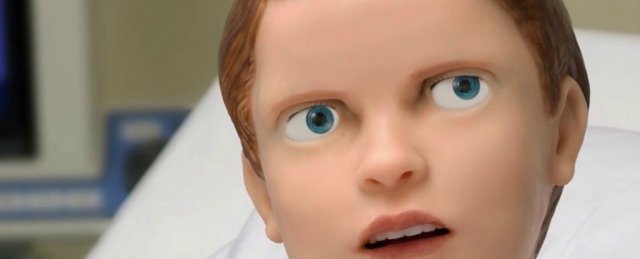
One of the latest medical robots is called HAL. It takes the form of a five-year-old boy which can respond to certain questions, follow a finger with its eyes, bleed, and convulse.

It even has a pulse.

HAL was built by Gaumard Scientific, a company that produced the first synthetic human skeleton for medical schools.

The company’s technology has come a long way since then, having developed a synthetic boy who can simulate many medical problems, cry tears, and shout for its mother.

Using HAL is supposed to help students retain their knowledge better, because it is as close to treating a real person without actually using a human volunteer.

HAL’s other functions include going into cardiac arrest, anaphylactic shock, and the ability to have its blood sugar, blood oxygen level, and carbon dioxide levels measured.

Also, its pupils dilate when a light is shined into its eyes.

In a promotional video, a doctor asks HAL about how much its head hurts, and it responds “an eight”.

To prepare for the really bad injuries and problems, HAL can be hooked up to real hospital machines and shocked with a defibrillator.

When it’s awake it can be set to several different emotional states, including lethargic, angry, amazed, quizzical, and anxious.

The idea is to make HAL just realistic enough to help students with their studies, but not so realistic that it’s too traumatic to deal with when they have to slit its throat to insert a trachael tube.

HAL is one of a few medical robots currently in use. On the Gaumard website there is also a premature baby simulator, and a scarily realistic robot that gives birth.

These pretend people are very different from the lifeless dummies medical professionals have used for decades.

“I’ve seen several nurses be like, ‘Whoa it moves!'” Marc Berg, the medical director at the Revive Initiative for Resuscitation Excellence at Stanford, told Wired in a chilling article.

“I think that’s kind of similar to the idea that if you’ve driven a car for 20 years and then you got a brand new car, you’re kind of amazed initially.”

Watch the video explaining all of HAL’s functions here:

https://www.sciencealert.com/this-robot-child-bleeds-screams-and-cries-for-its-mother

40,000 Volunteers Needed for Largest Ever Study of the Genetics of Anxiety and Depression

largest-ever-study-of-genetic-links-to-depression-and-anxiety-launched-309700

The NIHR and King’s College London are calling for 40,000 people diagnosed with depression or anxiety to enrol online for the Genetic Links to Anxiety and Depression (GLAD) Study and join the NIHR Mental Health Bioresource.

Researchers hope to establish the largest ever database of volunteers who can be called up to take part in research exploring the genetic factors behind the two most common mental health conditions – anxiety and depression.

[youtube=https://youtu.be/wzgvS8gU2Ss\

The GLAD study will make important strides towards better understanding of these disorders and provide a pool of potential participants for future studies, reducing the time-consuming process of recruiting patients for research.

Research has shown 30-40% of the risk for both depression and anxiety is genetic and 60-70% due to environmental factors. Only by having a large, diverse group of people available for studies will researchers be able to determine how genetic and environmental triggers interact to cause anxiety and depression.

Leader of the GLAD study and the NIHR Mental Health BioResource, Dr Gerome Breen of King’s College London, said: “It’s a really exciting time to become involved in mental health research, particularly genetic research which has made incredible strides in recent years – we have so far identified 46 genetic links for depression and anxiety.

“By recruiting 40,000 volunteers willing to be re-contacted for research, the GLAD Study will take us further than ever before. It will allow researchers to solve the big unanswered questions, address how genes and environment act together and help develop new treatment options.”

The GLAD Study, a collaboration between the NIHR BioResource and King’s College London, has been designed to be particularly accessible, with a view to motivating more people to take part in mental health research.

Research psychologist and study lead Professor Thalia Eley, King’s College London, said: “We want to hear from all different backgrounds, cultures, ethnic groups and genders, and we are especially keen to hear from young adults. By including people from all parts of the population, what we learn will be relevant to everyone. This is a unique opportunity to participate in pioneering medical science.”

https://www.nihr.ac.uk/news/nihr-launches-largest-ever-study-of-genetic-links-to-depression-and-anxiety/9201

Infectious Theory Of Alzheimer’s Disease Draws Fresh Interest

germ_custom-ce83850a07c80ed6e717ea56370b3c5140eb2f3f-s800-c85

by BRET STETKA

Dr. Leslie Norins is willing to hand over $1 million of his own money to anyone who can clarify something: Is Alzheimer’s disease, the most common form of dementia worldwide, caused by a germ?

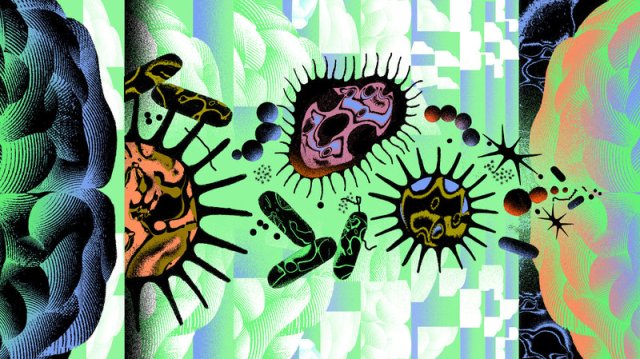
By “germ” he means microbes like bacteria, viruses, fungi and parasites. In other words, Norins, a physician turned publisher, wants to know if Alzheimer’s is infectious.

It’s an idea that just a few years ago would’ve seemed to many an easy way to drain your research budget on bunk science. Money has poured into Alzheimer’s research for years, but until very recently not much of it went toward investigating infection in causing dementia.

But this “germ theory” of Alzheimer’s, as Norins calls it, has been fermenting in the literature for decades. Even early 20th century Czech physician Oskar Fischer — who, along with his German contemporary Dr. Alois Alzheimer, was integral in first describing the condition — noted a possible connection between the newly identified dementia and tuberculosis.

If the germ theory gets traction, even in some Alzheimer’s patients, it could trigger a seismic shift in how doctors understand and treat the disease.

For instance, would we see a day when dementia is prevented with a vaccine, or treated with antibiotics and antiviral medications? Norins thinks it’s worth looking into.

Norins received his medical degree from Duke in the early 1960s, and after a stint at the Centers for Disease Control and Prevention he fell into a lucrative career in medical publishing. He eventually settled in an admittedly aged community in Naples, Fla., where he took an interest in dementia and began reading up on the condition.

After scouring the medical literature he noticed a pattern.

“It appeared that many of the reported characteristics of Alzheimer’s disease were compatible with an infectious process,” Norins tells NPR. “I thought for sure this must have already been investigated, because millions and millions of dollars have been spent on Alzheimer’s research.”

But aside from scattered interest through the decades, this wasn’t the case.

In 2017, Norins launched Alzheimer’s Germ Quest Inc., a public benefit corporation he hopes will drive interest into the germ theory of Alzheimer’s, and through which his prize will be distributed. A white paper he penned for the site reads: “From a two-year review of the scientific literature, I believe it’s now clear that just one germ — identity not yet specified, and possibly not yet discovered — causes most AD. I’m calling it the ‘Alzheimer’s Germ.’ ”

Norins is quick to cite sources and studies supporting his claim, among them a 2010 study published in the Journal of Neurosurgery showing that neurosurgeons die from Alzheimer’s at a nearly 2 1/2 times higher rate than they do from other disorders.

Another study from that same year, published in The Journal of the American Geriatric Society, found that people whose spouses have dementia are at a 1.6 times greater risk for the condition themselves.

Contagion does come to mind. And Norins isn’t alone in his thinking.

In 2016, 32 researchers from universities around the world signed an editorial in the Journal of Alzheimer’s Disease calling for “further research on the role of infectious agents in [Alzheimer’s] causation.” Based on much of the same evidence Norins encountered, the authors concluded that clinical trials with antimicrobial drugs in Alzheimer’s are now justified.

NPR reported on an intriguing study published in Neuron in June that suggested that viral infection can influence the progression of Alzheimer’s. Led by Mount Sinai genetics professor Joel Dudley, the work was intended to compare the genomes of healthy brain tissue with that affected by dementia.

But something kept getting in the way: herpes.

Dudley’s team noticed an unexpectedly high level of viral DNA from two human herpes viruses, HHV-6 and HHV-7. The viruses are common and cause a rash called roseola in young children (not the sexually transmitted disease caused by other strains).

Some viruses have the ability to lie dormant in our neurons for decades by incorporating their genomes into our own. The classic example is chickenpox: A childhood viral infection resolves and lurks silently, returning years later as shingles, an excruciating rash. Like it or not, nearly all of us are chimeras with viral DNA speckling our genomes.

But having the herpes viruses alone doesn’t mean inevitable brain decline. After all, up to 75 percent of us may harbor HHV-6 .

But Dudley also noticed that herpes appeared to interact with human genes known to increase Alzheimer’s risk. Perhaps, he says, there is some toxic combination of genetic and infectious influence that results in the disease; a combination that sparks what some feel is the main contributor to the disease, an overactive immune system.

The hallmark pathology of Alzheimer’s is accumulation of a protein called amyloid in the brain. Many researchers have assumed these aggregates, or plaques, are simply a byproduct of some other process at the core of the disease. Other scientists posit that the protein itself contributes to the condition in some way.

The theory that amyloid is the root cause of Alzheimer’s is losing steam. But the protein may still contribute to the disease, even if it winds up being deemed infectious.

Work by Harvard neuroscientist Rudolph Tanzi suggests it might be a bit of both. Along with colleague Robert Moir, Tanzi has shown that amyloid is lethal to viruses and bacteria in the test tube, and also in mice. He now believes the protein is part of our ancient immune system that like antibodies, ramps up its activity to help fend off unwanted bugs.

So does that mean that the microbe is the cause of Alzheimer’s, and amyloid a harmless reaction to it? According to Tanzi it’s not that simple.

Tanzi believes that in many cases of Alzheimer’s, microbes are probably the initial seed that sets off a toxic tumble of molecular dominoes. Early in the disease amyloid protein builds up to fight infection, yet too much of the protein begins to impair function of neurons in the brain. The excess amyloid then causes another protein, called tau, to form tangles, which further harm brain cells.

But as Tanzi explains, the ultimate neurological insult in Alzheimer’s is the body’s reaction to this neurotoxic mess. All the excess protein revs up the immune system, causing inflammation — and it’s this inflammation that does the most damage to the Alzheimer’s-afflicted brain.

So what does this say about the future of treatment? Possibly a lot. Tanzi envisions a day when people are screened at, say, 50 years old. “If their brains are riddled with too much amyloid,” he says, “we knock it down a bit with antiviral medications. It’s just like how you are prescribed preventative drugs if your cholesterol is too high.”

Tanzi feels that microbes are just one possible seed for the complex pathology behind Alzheimer’s. Genetics may also play a role, as certain genes produce a type of amyloid more prone to clumping up. He also feels environmental factors like pollution might contribute.

Dr. James Burke, professor of medicine and psychiatry at Duke University’s Alzheimer’s Disease Research Center, isn’t willing to abandon the amyloid theory altogether, but agrees it’s time for the field to move on. “There may be many roads to developing Alzheimer’s disease and it would be shortsighted to focus just on amyloid and tau,” he says. “A million-dollar prize is attention- getting, but the reward for identifying a treatable target to delay or prevent Alzheimer’s disease is invaluable.”

Any treatment that disrupts the cascade leading to amyloid, tau and inflammation could theoretically benefit an at-risk brain. The vast majority of Alzheimer’s treatment trials have failed, including many targeting amyloid. But it could be that the patients included were too far along in their disease to reap any therapeutic benefit.

If a microbe is responsible for all or some cases of Alzheimer’s, perhaps future treatments or preventive approaches will prevent toxin protein buildup in the first place. Both Tanzi and Norins believe Alzheimer’s vaccines against viruses like herpes might one day become common practice.

In July of this year, in collaboration with Norins, the Infectious Diseases Society of America announced that they plan to offer two $50,000 grants supporting research into a microbial association with Alzheimer’s. According to Norins, this is the first acknowledgement by a leading infectious disease group that Alzheimer’s may be microbial in nature – or at least that it’s worth exploring.

“The important thing is not the amount of the money, which is a pittance compared with the $2 billion NIH spends on amyloid and tau research,” says Norins, “but rather the respectability and more mainstream status the grants confer on investigating of the infectious possibility. Remember when we thought ulcers were caused by stress?”

Ulcers, we now know, are caused by a germ.

https://www.npr.org/sections/health-shots/2018/09/09/645629133/infectious-theory-of-alzheimers-disease-draws-fresh-interest?ft=nprml&f=1001

Walter Mischel, psychologist who created ‘marshmallow test,’ dies at 88

2EQEGUFXTQI6RLSPFQKDTSLNPE
Walter Mischel in 2004. “If we have the skills to allow us to make discriminations about when we do or don’t do something,” Dr. Mischel said, “we are no longer victims of our desires.” (David Dini/Columbia University)

By Emily Langer

The experiment was “simplicity itself,” its creator, psychologist Walter Mischel, would later recall. The principal ingredient was a cookie or a pretzel stick or — most intriguingly to the popular imagination — a marshmallow.

In what became known as “the marshmallow test,” a child was placed in a room with a treat and presented with a choice. She could eat the treat right away. Or she could wait unaccompanied in the room, for up to 20 minutes, and then receive two treats in reward for her forbearance.

Conducting their work at a nursery school on the campus of Stanford University in the 1960s, Dr. Mischel and his colleagues observed responses that were as enlightening as they are enduringly adorable. Some children distracted themselves by putting their fingers in their ears or nose. At least one child caressed the marshmallow as he hungered for it. Only about 30 percent of the children managed to wait for the double reward.

Dr. Mischel, who continued his career at Columbia University and died Sept. 12 at 88, followed a cohort of the children for decades and presented his findings to mainstream readers in his 2014 book “The Marshmallow Test: Why Self-Control is the Engine of Success.”

His observations, widely noted and hotly debated, were striking: Children who had found ways to delay gratification, he found, had greater success in school, made more money and were less prone to obesity and drug addiction.

“What emerged from those studies is a different view of self-control, one that sees it as a matter of skill” and not a matter of “gritting your teeth,” said Yuichi Shoda, a professor of psychology at the University of Washington who worked with Dr. Mischel as a graduate student.

As worried parents conducted marshmallow tests at home, policymakers, educators and motivational speakers found a compelling catchphrase: “Don’t eat the marshmallow!” Even the ravenous Cookie Monster, a mainstay of the children’s TV show “Sesame Street,” was coaxed to resist a cookie.

Meanwhile, some psychologists challenged Dr. Mischel’s findings, arguing that a study group drawn from the privileged environs of Stanford could hardly yield reliable results. Skeptics noted that while affluent families might teach their children to delay gratification, in an effort to encourage financial and other forms of responsibility, children from disadvantaged homes learn that waiting to eat might mean not eating at all.

Dr. Mischel defended his research, emphasizing that in no way did he wish to suggest a laboratory performance — particularly by a preschooler — was destiny. The question, he said, is “how can you regulate yourself and control yourself in ways that make your life better?”

Walter Mischel was born Feb. 22, 1930, to a Jewish family in Vienna. His home was not far from that of Sigmund Freud, the founder of psychoanalysis. “Even as a young child I was aware of his presence,” Dr. Mischel once told the British Psychological Society, “and I suspect at some level I became quite interested in what makes people tick.”

Dr. Mischel’s family enjoyed a comfortable life until the rise of Nazism. His father, a businessman who had suffered from polio, was made to limp through the streets without his cane. Dr. Mischel recalled being humiliated by members of the Hitler Youth who tread on his new shoes. The experience, he told the Guardian, planted in him a desire to understand “the enabling conditions that allow people to go from being victims to being victors.”

After the Nazi annexation of Austria in 1938, the family fled the country and settled eventually in New York City, where they ran a five-and-dime store. Dr. Mischel, who became a U.S. citizen in the 1950s, helped support the family by working in an umbrella factory and as an elevator operator.

He was a 1951 psychology graduate of New York University and received a master’s degree from the City College of New York in 1953 and a PhD from Ohio State University in 1956, both in clinical psychology. He taught at Harvard University before settling at Stanford.

He said he became fascinated by the development of self-control in children by watching his daughters emerge from infancy into toddler-hood and girlhood.

“I began with a truly burning question,” he told the Guardian. “I wanted to know how my three young daughters developed, in a remarkably short period of time, from being howling, screaming, often impossible kids to people who were actually able to sit and do something that required them to concentrate. I wanted to understand this miraculous transformation.”

The subjects of the Stanford nursery-school tests were his daughters’ classmates. As the children grew up and he noticed correlations between their childhood self-control and future success, he decided to pursue the question more rigorously, through longitudinal study.

He conceded the limitations of his study group at Stanford. “It was an unbelievably elitist subset of the human race, which was one of the concerns that motivated me to study children in the South Bronx — kids in high-stress, poverty conditions,” he told the Atlantic in 2014, “and yet we saw many of the same phenomena as the marshmallow studies were revealing.”

Dr. Mischel proposed strategies for delaying gratification, such as putting the object at physical distance, by removing it from view, or at symbolic distance by imagining it to be something else. A marshmallow is not a sugary treat, for example, but rather a cotton ball.

In his own life, he reported success at resisting chocolate mousse by imagining the dessert to be covered in roaches. A self-described “three-packs-a-day smoker, supplemented by a pipe . . . supplemented by a cigar,” he said he conquered his addiction by recalling the image of a lung-cancer patient he had seen at Stanford, branded with X’s where he would be treated by radiation.

In addition to “The Marshmallow Test,” Dr. Mischel wrote and co-authored numerous texts on personality, child development and other fields of psychological research. He retired last year after more than three decades at Columbia.

His marriages to Frances Henry and Harriet Nerlove ended in divorce. Survivors include his partner of nearly two decades, Michele Myers of New York; three daughters from his second marriage, Judy Mischel of Chicago, Rebecca Mischel of Portland, Ore., and Linda Mischel Eisner of New York City; and six grandchildren.

Linda Mischel Eisner confirmed the death and said her father died at his home of pancreatic cancer.

Dr. Mischel professed to have found hope in his life’s work. “If we have the skills to allow us to make discriminations about when we do or don’t do something,” he told the New Yorker magazine, “we are no longer victims of our desires.”

“It’s not,” he said, “just about marshmallows.”

https://www.washingtonpost.com/local/obituaries/walter-mischel-psychologist-who-created-marshmallow-test-dies-at-88/2018/09/14/dcf24008-b782-11e8-94eb-3bd52dfe917b_story.html?utm_term=.bc74b74cf416