Hong Kong researchers make major progress in developing coronavirus vaccine

By David Ho and Cornelia Zou

HONG KONG – As drug developers are racing to find a cure for the new coronavirus, researchers in Hong Kong claim to have made major headway in the development of a vaccine for the virus that has so far killed 132.

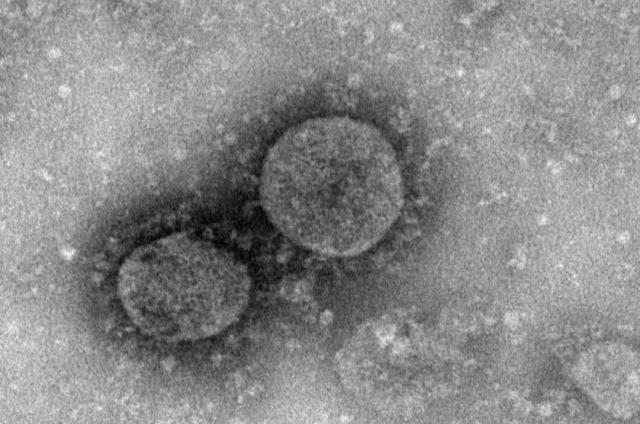
Yuen Kwok-yung, the chair of infectious diseases at the University of Hong Kong’s (HKU) department of microbiology, said in a press briefing at Hong Kong’s Queen Mary Hospital that his team had successfully isolated the novel virus from the first imported case in Hong Kong.

But he said the vaccine still needs months to be tested on animals and an additional year for human trials before it is fit for use.

The vaccine is based on a nasal spray influence vaccine invented by Yuen, a severe acute respiratory syndrome (SARS) expert, and his team.
The race to find a cure is on.

“It will normally take 15 to 18 months to go from obtaining the DNA of a virus to getting an IND for neutralizing antibodies,” Chris Chen, CEO of Wuxi Biologics Cayman Inc. (HK: 2269), told BioWorld. “Because of the possibilities of unexpected mutations, we cannot afford to follow the normal procedures, so we decided to compress the process to four or five months, while complying to all the international standards.”

The company said on Jan. 29 that it has stepped up its efforts in enabling the development of multiple neutralizing antibodies for the novel coronavirus.

Having respectively completed all preclinical CMC for the world’s first yellow fever antibody and the worlds’ first Zika virus antibody in a record timeline of seven and nine months previously, the company is aiming at a five-month mark for the development of new antibodies for the 2019 coronavirus.

“We obtained the virus DNA this week, we will produce the first batch of sample antibodies in the next few weeks, then we’ll ask authorized institutes to test the efficacy of our antibodies before communicating with the National Medical Products Administration and the Chinese Academy of Inspection and Quarantine regarding moving the antibodies forward into clinical study,” said Chen. “And in March, hopefully we’ll be able to start the mass production for human use.”

HKU’s Yuen told media that the coronavirus in SARS and Middle East Respiratory Syndrome (MERS) are in the same family of virus as the new strain.

Consequently, previous drugs used to battle those indications, such as the protease inhibitor Kaletra [lopinavir/ritonavir for HIV-1] and interferon beta, may be tested to see if they are effective treatments.

He added that they would investigate whether the antiviral ribavirin may also be added to those two candidates to improve them.

“We hope we can tell everyone if the drugs are effective in the laboratory after several weeks,” he said.

Yuen recently warned that the virus is entering its third wave of transmission, which would be human-to-human.

The first wave of transmission is believed to be from animal-to-human while the second wave spread from a seafood market in Wuhan to neighboring areas.

“Unlike the 2003 SARS outbreak, the improved surveillance network and laboratory capability of China was able to recognize this outbreak within a few weeks and announced the virus genome sequences that would allow the development of rapid diagnostic tests and efficient epidemiological control,” wrote Yuen and team in a recently published article in The Lancet.

“Our study showed that person-to-person transmission in family homes or hospitals, and intercity spread of this novel coronavirus are possible, and therefore vigilant control measures are warranted at this early stage of the epidemic.”

Global development work underway

Yuen’s HKU team is not the only one in the rush to develop a coronavirus vaccine.

The University of Queensland (UQ) in Australia is also aiming to develop one at an unprecedented speed.

“The team hopes to develop a vaccine over the next six months, which may be used to help contain this outbreak,” said Paul Young, the head of UQ’s school of chemistry and molecular biosciences, in a statement.

“The vaccine would be distributed to first responders, helping to contain the virus from spreading around the world.”

The speedy development is credited to a novel ‘molecular clamp’ technology invented by UQ researchers.

“The University of Queensland’s molecular clamp technology provides stability to the viral protein that is the primary target for our immune defense,” said Keith Chappell, a senior research fellow at UQ’s school of chemistry and molecular biosciences, in a statement.

“The technology has been designed as a platform approach to generate vaccines against a range of human and animal viruses and has shown promising results in the laboratory targeting viruses such as influenza, Ebola, Nipah and MERS coronavirus.”

Oslo, Norway based-public private coalition The Coalition for Epidemic Preparedness Innovations (CEPI) is supporting UQ’s development efforts. It is also working with biotech firms like Inovio Pharmaceuticals, Inc. and Moderna, Inc. on vaccines.

Rockville, Maryland-based Novavax Inc. is also working on one.

Others like Salt Lake City-based Co-Diagnostics Inc. claims to have finished the principle design work for a diagnostic.

Some expect that the health care system in China will bear the economic brunt of the virus.

“There is a risk that China’s health care system will not have sufficient resources to control the outbreak, which would mean that economic disruption could spiral further. Health care costs will also increase,” Imogen Page-Jarrett, a research analyst for the Access China division of the Economist Intelligence Unit, told BioWorld.

“The government added drugs used to treat the virus to the drug reimbursement list on January 21st, although patients will still face some out-of-pocket costs. Consumers may be forced to cut their spending, especially on non-essential items, in order to afford treatment or to save money as part of contingency planning,” she added.

Despite the dire situation, there is a silver lining for the pharmaceutical industry: “More positively, pharmaceutical companies will see strengthened demand for vaccines and antibiotics,” said Page-Jarrett.


Biotech millionaire funds free drugs for ultra-rare diseases

The launch of the n-Lorem Foundation by Ionis Pharmaceuticals’ Executive Chairman Stan Crooke last week began to crystallize the drug development pathway for ultra-rare diseases, but it also brought to the forefront a question raised in recent years with the maturation of genomic screening and antisense oligonucleotide (ASO) therapies: how can patients with ultra-rare diseases afford n-of-one therapies? The n-Lorem Foundation intends to form the connective tissue between patients, researchers, facilities and regulators needed to supply individual patients with RNA therapies designed to treat their own ultra-rare disease — at no cost. The nonprofit launched with $1.5 million from Crooke and his wife Rosanne, a senior strategic advisor at Ionis; $1.5 million from Ionis; and $1 million from Biogen.

As the founder and former CEO of Ionis, Crooke is in the best possible position to drive this formidable enterprise. Ionis was created to capitalize on ASO technology across a host of diseases, particularly rare ones. The company’s Spinraza (nusinersen), which was the first drug approved for spinal muscular atrophy and is marketed by its neurology partner, Biogen, is held up as the antisense field’s most notable commercial success. But although Spinraza made $547 million in revenue in 3Q19, there has never been a market for therapies in ultra-rare diseases, which n-Lorem considers as conditions with only one to ten patients.

Crooke says the fear that an entrepreneur would seek to monetize the space was a motivator in creating n-Lorem. “There’s no way to do that without targeting these families for millions of dollars. Patients and parents are raising money for their loved ones as a way to acquire an experimental treatment ASO. Given the burden these families have, the last thing they should have to do is raise money for their treatment.” The n-Lorem charity will ensure the patients they help will get the ASOs for free.

The concern that ultra-rare diseases might be treatable in theory but unaffordable in practice left the realm of the theoretical in October, with the publication of a New England Journal of Medicine paper on a treatment created from scratch for a girl with Batten’s disease by researchers at Boston Children’s Hospital and elsewhere. The scientists demonstrated, for the first time, how a single group can use genomic screening to diagnose an ultra-rare disease, develop an ASO drug for an individual patient, and within a year conduct an n-of-1 study yielding positive results. The news stoked hope that therapies for patients with one-of-a-kind diseases were possible to deliver. Timothy Yu, who led the Boston Children’s team, says his results show that, if the right incentives exist, the science and the technology are robust enough to deliver therapies.

Yu thinks academics will play a key role in developing n-of-one therapies, although they aren’t positioned to scale up yet. “We took a swing at something out of our comfort zone,” he says. “We were very fortunate.” “We need more data” from a more diverse range of drugs, Yu says, and that will shape how the space grows. n-Lorem will likely encourage further therapeutic development and a better model will emerge. For instance, one model could resemble how surgery or transplants are delivered in accredited hospitals using predefined processes designed for high-risk interventions.

Yu’s group had worked with Ionis to design and develop the ASO drug tailored to treat that single patient with a rare, fatal neurodegenerative condition, Crooke says. Even before that work became public, planning for n-Lorem had begun in earnest. Crooke, who announced a year ago he was stepping down as Ionis CEO but remains its board chairman, recalls the key event for the creation of n-Lorem as his introduction to the Undiagnosed Diseases Network. The initiative, funded by the US National Institutes of Health (NIH), connects patients with ultra-rare diseases with a consortium of 17 academic medical centers that perform multi-omic screening to help diagnose and understand the diseases. The network has evaluated over 1,300 patients and over 360 have received a diagnosis. “There was a cadre of physicians, scientists and genomicists that was actually doing the front end [the diagnosis],” says Crooke. “The back end [producing the drug] I already knew because antisense technology at Ionis is extraordinarily efficient. We have multiple mechanisms we can use.”

The technology needed for oligonucleotide synthesis is decades old, and Yu says manufacturing a batch of research grade oligonucleotides costs in the hundreds of dollars.

But Crooke says that the kinds of facilities Ionis uses are well suited for large batches; they are not built to produce small quantities for individual patients. As a result, bringing down the cost of manufacturing at this scale will be a problem n-Lorem and Ionis will continue to grapple with.

Patients will connect to n-Lorem via academics working through the Undiagnosed Diseases Network and beyond. The foundation will identify eligible patients and Ionis will develop the ASOs, perform preclinical testing and submit Investigational New Drug (IND) applications along with investigators.

To formalize the ASO development process, Ionis will need buy-in from regulators. The usual safety studies will necessarily apply, and Arthur Krieg, a cofounder of the Oligonucleotide Therapeutics Society, says the largest cost in developing therapies is toxicology studies. “This is where it will be tough for FDA and academic medical centers: how far back can we safely cut? You don’t want to endanger patients.”

Given the frequently dire circumstances of ultra-rare disease patients, n-Lorem is counting on flexibility from the FDA when it comes to preclinical requirements, which would save both time and cost. But it is unclear what that flexibility would entail. Crooke’s early interactions with the FDA gave him a “general sense” that toxicology testing requirements would be manageable but expects it will be some time before he receives definitive answers from the agency.

In the Batten’s disease instance, Yu’s lab worked with TriLink and Brammer to manufacture milasen,and with Charles River Laboratories to develop the toxicology and dose-finding studies. FDA agreed to review safety and manufacturing data on a rolling basis, allowing the drug to reach the patient just six weeks after it was first introduced to the rat model. But it is unclear whether the process can be easily reproduced by researchers, or if the expedited review is scalable at FDA

Testing requirements for ultra-rare disease therapies like the ASOs pursued by n-Lorem will have implications beyond just a handful of patients. In an editorial accompanying Yu’s paper, Janet Woodcock, and Peter Marks from the FDA’s Center for Drug Evaluation and Research, wrote that “programs for a single patient are likely to set the floor for the minimum preclinical evaluation.” They added that although in the near term ultra-rare therapies could exist as investigational drugs only, regulatory approval would become more pertinent if similar interventions begin to proliferate.

Woodcock told Nature Biotechnology that the agency is planning to issue guidances but did not give a time frame for their release. She noted the FDA has seen an increase in applications for n-of-1 studies from academics. There are no plans to use phase 0 trials or accredit hospitals, she says, as hospital pharmacies are unlikely to have the technology required to support the therapies. For now, researchers will continue to file an IND application for first-in-human studies for each ultra-rare therapeutic, a process she said will likely be difficult to sustain for n-Lorem or academic medical centers. She hopes companies will try developing n-of-one therapies as a probe for their technology or a proof of concept, where a similar intervention is developed for a more common disease or mutation.

Krieg says members of the Oligonucleotide Therapeutics Society — which divide roughly 50–50 between industry and academic scientists — are increasingly setting up centers for oligonucleotide development. In fact, growing interest in ASO technology for use in the ultra-rare disease space led him to organize a workshop with non-commercial stakeholders, including the NIH and FDA, in April 2020 to discuss how to facilitate effective oligonucleotide drug development programs. Krieg would like to see the space opened up to treat as many patients who could benefit from ASO technology as possible, which he thinks will require the development of guidelines and protocols. If the regulatory process remains the same as it is for a traditional drug, says Krieg, “it would be slow and costly, and a ton of work for FDA” as they parse potentially hundreds if IND applications from patients seeking new therapies. “As with CAR-Ts [chimeric antigen receptor T cells] or personalized vaccines, we need a process,” he says, and he hopes to see comparable guidance from FDA this year on n-of-one therapeutics.

Another key challenge is how to connect patients with institutions making tailor-made oligos. The n-Lorem Foundation is a step in the right direction, says Krieg, but “I’m hearing other philanthropic sources ready to put millions in,” and charity may not by the only middle way between individual academics and market-driven approaches. The NIH could have a role bridging the gap, through an intramural center or ASO centers of excellence funded in the same way as its cancer ones delivering CAR-T therapies that are, in a sense, individual therapies.

Although Krieg doesn’t yet see opportunities for companies to go after therapies for “less than a thousand patients,” unlike Crooke he thinks market development could be a positive. Individualized CAR-T therapies like Novartis’s Kymriah (tisagenlecleucel) and Gilead’s Yescarta (axicabtagene ciloleucel) cost upwards of $370,000, and medical costs for the first patients with ultra-rare diseases receiving ASOs run above $1 million, but Krieg says this doesn’t have to be discouraging. “Why couldn’t we have ASO therapies like CAR-T cells that insurance companies pay for?” He added that n-of-1 therapies could still be less expensive than the alternative: a lifetime of care.

A New Potential Treatment Strategy for Spinal Cord Injury

A new study presented in Issue 18, Volume 244, of the journal “Experimental Biology and Medicine,” suggests a novel method to treat spinal cord injury (SKI). The study results reveal that in an animal model with spinal cord injury, recovery was promoted via the use of a small molecule – P7C3.

Spinal cord injury (SCI) is a problem of the neurological system caused by an injury to the spinal nerves or spinal cord. It affects body function, strength, and sensation of the areas that are present below the damaged site.

According to a report provided by the National Spinal Cord Injury Association, currently, almost 450,000 of the American population has been suffering from spinal cord injury. Whereas, according to the estimation of some other organizations, the number of affected individuals in the U.S. is nearly 250,000.

The entire sensory and motor function below the injured site diminishes in the case of a complete SCI, corresponding to about 50 percent of the total spinal cord injuries. It is the result of a bruise, contusion, or decreased blood flow to the damaged area of the spinal cord.

Complete SCIs uniformly affect both sides of the body. Whereas, in the case of incomplete injury or SCI, there isn’t a complete loss of function. Individuals suffering from incomplete SCI have the greater ability to move their one arm or leg compared to the ones with complete SCI.

Approximately 17,000 of the American population is diagnosed with spinal cord injuries. Among these SCIs, mostly are a consequence of damage to the vertebral column.

Such injuries affect the ability of the spinal cord to transmit signals between the brain and the body. And in this manner, it influences the autonomic, sensory, and motor function below the site of injury. The CDC reports that SCI adds 9.7 billion American dollars to the nation’s expenses on an annual basis.

At present, there is a lack of effectual therapies to deal with this neurological disorder. But the treatment options that have the ability to promote the survival of oligodendrocytes and neurons may be helpful in avoiding long-term neurological impairment.

This study has led to the discovery of a small molecule – P7C3. The effects of this orally bioavailable molecule were studied in an animal model. The results indicated that P7C3 crosses BBB (blood-brain barrier) and enhances the survival of neurons.

The protective effects of P7C3 have been confirmed by different pre-clinical studies. It has been proved to be beneficial in the case of amyotrophic lateral sclerosis, peripheral nerve injury, traumatic brain injury, Parkinson’s disease, neurodegeneration-associated depression, and age-associated cognitive decline.

Even so, its effect as a therapy for spinal cord hasn’t been assessed. In this study, an animal model of SCI was used to analyze the impact of P7C3. The research team found that animals who received this molecule showed an improvement in the survival of oligodendrocyte and neurons.

When compared with untreated animals, an improvement in myelination, tissue repair, and locomotor function was also observed. These neuroprotective effects suggest P7C3 – aminopropyl carbazole as a potential treatment for spinal cord injury. Future studies on this molecule may improve long-term SCI outcomes, said the journal’s editor-in-chief, Dr. Steven R. Goodman.

Stress Turns Hair Gray By Depleting Pigment-Producing Stem Cells


In mice, the fight-or-flight response overactivates the cells, causing a drop in their numbers, which leads to loss of hair color.

by ASHLEY YEAGER

Stress definitely does turn hair gray—in mice, at least.

Researchers have found that stress triggers the fight-or-flight response, which damages the cells that ultimately give skin and hair its color and leads to the cells’ depletion. In experiments, dark-furred mice that were stressed turned white in just days, the team reported yesterday (January 22) in Nature.

Folklore has long suggested that stress could strip the color from even the richest reds, blondes, and browns, but how it happens has been a mystery. “It was satisfying to question a popular assumption . . . [and] to identify the mechanisms that now open up new areas of work,” Ya-Chieh Hsu, a stem cell biologist at Harvard University and a coauthor of the study, tells Science News.

In their study, Hsu and her colleagues injected a compound related to capsaicin—an ingredient in chili peppers that gives them their heat—into mice to stress the animals. Five days later, the mice’s fur lost its color. The team thought the immune system might be killing the pigment-producing cells, but experiments showed that wasn’t happening. The stress hormone cortisol wasn’t involved in the loss of color either.

Instead, the team found, the color loss was related to the way stress affects the mice’s sympathetic nervous system, which is responsible for the fight-or-flight response. Stress triggered the fight-or-flight response, which caused a release of norepinephrine, a neurotransmitter that aids muscle contraction, including contraction of the heart. Norepinephrine, the researchers show, also caused stem cells in hair follicles to rapidly convert to pigment-producing cells called melanocytes, which regularly die. In the stressed mice, all of the stem cells differentiated into melanocytes, depleting the pool of stem cells completely within five days. That ultimately left no melanocytes to give the mice’s fur its color. The team tested the mechanism in cultures of human melanocyte stem cells and found a similar result.

“I was amazed by how dramatic this change is,” Mayumi Ito, a biologist at the New York University School of Medicine who was not involved in the study, tells The New York Times. She studies graying of aging mice. In her animals the color change is gradual because the depletion of melanocytes is much slower.

“Melanocyte stem cells are also lost during aging,” Hsu tells Reuters. “An interesting hypothesis could be that stress is an accelerated aging process. But we don’t know if that is true yet. We are interested in finding out the link.”

https://www.the-scientist.com/news-opinion/stress-turns-hair-gray-by-depleting-pigment-producing-stem-cells-67004?utm_campaign=TS_DAILY%20NEWSLETTER_2020&utm_source=hs_email&utm_medium=email&utm_content=82395908&_hsenc=p2ANqtz-_hVjx-E9PDaaXmFiXbq4L_hQgOKTieViGi-8-v5hzVJNogulHjYkSjoDEhKmvVYfDYK5V5haZukoMvQE5fkWZtbCzKhg&_hsmi=82395908

Ecuadorian Cactus Absorbs Ultrasound, Enticing Bats to Flowers

by EMILY MAKOWSKI

Plants pollinated by nectar-drinking bats often have flowers that reflect ultrasonic waves, making it easier for the animals to locate flowers through echolocation. But one cactus does the opposite—it absorbs more ultrasound in the area surrounding its flowers, making them stand out against a “quieter” background, according to a preprint published on bioRxiv last month.

Espostoa frutescens is a type of column-shaped cactus found only in the Ecuadorian Andes mountains. It has small flowers on its side that open at night, attracting bats as they fly from flower to flower in search of nectar. One of its main pollinators is Geoffroy’s tailless bat (Anoura geoffroyi).

“Bats are really good pollinators,” Ralph Simon, a postdoc in Wouter Halfwerk’s lab at Vrije Universiteit Amsterdam and the lead author of the preprint, tells The Scientist. “They carry a lot of pollen in their fur, and they have a huge home range so they can transport pollen from plants that grow far apart. For plants with a patchy distribution pattern like this cactus, it’s especially beneficial to rely on bats for pollination,” he says.

For bats to find the flowers at night, they use echolocation, emitting ultrasonic calls too high for humans to hear that bounce off objects and allow the bats to form a mental map of their surroundings. Some plants have evolved techniques that take advantage of this sonar system and allow bats to better detect flowers, such as making their petals more concave, forming a more reflective surface that can bounce more echolocation back to the bat. But E. frutescens takes a different approach.

Each of E. frutescens’s flowers are surrounded by an area of wooly hairs called the cephalium. Simon and colleagues knew from past measurements that the hairs were sound-absorbent, and were interested in seeing whether this part of the cactus could be involved in helping bats find the flowers. They attached a microphone and speaker to a device resembling the shape and size of a bat head in order to mimic a bat, and played prerecorded echolocation calls to the cacti and measured how much sound was reflected back to the bat replica.

The team found that the hairy cephalium absorbed ultrasound, and that the greatest absorption occurred above 90 kHz, in the range of the frequency of Geoffroy’s tailless bat’s echolocation call. The sound that bounced back to the microphone from the cephalium area was about 14 decibels quieter than the sound that bounced off the non-hairy part of the cacti.

It’s a “totally different mechanism” than the reflection method other cacti use, says Simon. “Instead of making the flowers conspicuous, it dampens the background. The background absorbs the ultrasound, and the flowers show up in [the middle of] this absorbent fur.”

This mechanism makes sense from a communication standpoint, writes May Dixon, a graduate student studying bat behavior in Mike Ryan’s lab at the University of Texas at Austin who was not involved with the study, in an email to The Scientist. “If you are trying to send a message, you have to think not only about the message itself but also the context. For example, if you are calling someone, you should be loud enough for them to hear, sure, but you should also call from a quiet place,” she says.

“There is something wonderful about the ways that plants have found to communicate with animals through evolution,” Dixon notes. “A cactus has no sense of what it is to be a bat—it can’t see, smell, or echolocate—but here it is, sending a bat a message in a language that a bat can understand.”

The cephalium appears to have originally evolved to protect flowers from environmental stressors such as UV rays, drying out, getting too cold, or being eaten, but “during evolution, it co-opted another function, and it functions as a sound absorbing structure as well,” says Simon. The evolution of this mechanism benefits both cactus and bat. “From the bat point of view, with this mechanism, they save time. And for them, it’s important to save time, because they have to visit several hundred flowers each night to get enough energy,” he says.

The current study did not look at whether sites on the plants with the highest sound absorption in the bats’ echolocation range “indeed resulted in the highest detection and visitation rates by bats,” says Jan Komdeur, an evolutionary ecologist at University of Groningen in the Netherlands who did not participate in the research, in an email to The Scientist. In the future, researchers could investigate how often real-life bats approach hairy versus experimentally manipulated hairless flowers, he suggests.

Jorge Schondube, an ecologist at the Universidad Nacional Autónoma de México who was not involved with the study, agrees that research on real-life bats is needed. “The pattern’s very clear, but now [researchers] need to show how the mechanism is actually changing the behavior of the bats,” he says.

Still, he’s impressed by the findings so far. “Nature is very creative. And by being creative, it allows the origin of completely new and unimaginable things. It’s really surprising that something like this can happen, and the paper shows it really, really beautifully. . . . What we’re seeing here is something that has not been seen before in terms of sound.”

https://www.the-scientist.com/news-opinion/ecuadorian-cactus-absorbs-ultrasound–enticing-bats-to-flowers-66981?utm_campaign=TS_DAILY%20NEWSLETTER_2020&utm_source=hs_email&utm_medium=email&utm_content=82166272&_hsenc=p2ANqtz-9in3Tqjl731fVW0JE_k3Ht2NOEvCOnql7E5ADhmEp4j43Rrs5Q6gxTipSPvHXAs-8C6MvOvVFdBpktnFeyya1pvZPF2A&_hsmi=82166272

Visualization of rotein tangles in Alzheimer’s patients could help predict brain shrinkage


Pet scans comparing brains with Alzheimer’s with healthy brains. The researchers used PET scans to study the brains of 32 people with early Alzheimer’s. Photograph: Jonathan Selig/Getty Images
Research suggests tangles of tau could be used to predict how much shrinkage will occur and where

Tangles of a protein found inside the brain cells of people with Alzheimer’s disease can be used to predict future brain shrinkage, research suggests.

In healthy people, a protein called tau is important in supporting the internal structure of brain cells. However, in those with Alzheimer’s, chemical changes take place that cause the protein to form tangles that disrupt the cells. Such tangles have previously been linked to a loss of brain cells.

Now scientists have used imaging techniques to track the extent of tau tangles in the brains of those with early signs of Alzheimer’s, revealing that levels of the protein predict not only how much brain shrinkage will subsequently occur, but where.

“Our study supports the notion that tau pathology accumulates upstream of brain tissue loss and clinical symptoms,” said Prof Gil Rabinovici, a co-author of the research from the University of California, San Francisco.

A number of drugs targeting tau tangles are currently in clinical trials, including some that aim to interfere with the production of tau in the brain or its spread between cells.

Dr Renaud La Joie, another author of the research, said the findings suggested the imaging technique could prove valuable both in choosing which patients to enrol to test such drugs and in monitoring whether the drugs work.

Dr Laura Phipps, of Alzheimer’s Research UK, said: “The ability to track tau in the brain will be critical for testing treatments designed to prevent the protein causing damage, and the scans used in this study could be an important tool for future clinical trials.”

Writing in the journal Science Translational Medicine, La Joie and colleagues report how they used an imaging technique called positron emission tomography (Pet) to study the brains of 32 people aged between 49 and 83 who were in the early stages of showing Alzheimer’s symptoms.

Pet imaging involves injecting patients with a substance that contains a radioactive atom. The area in which the substance clusters shows up in subsequent scans.

The scientists used one substance that attaches to plaques of a protein in the brain known as beta amyloid, a hallmark of Alzheimer’s disease, and another recently developed substance that attaches to tau tangles.

They took a Pet scan at the start of the study, as well as an MRI, which reveals the structure of the brain. A second MRI was taken 15 months later to track brain atrophy.

The results reveal the level and location of tau tangles shown by the Pet scan at the outset were closely linked to shrinkage of grey matter in the brain, both in terms of the degree of shrinkage and its location. Such patterns explained about 40% of the variation in shrinkage. By contrast, there was little sign of a link between brain shrinkage and the extent of beta amyloid shown by Pet scan.

The findings held even when the thickness of the brain’s grey matter at the start of the study was taken into account, and when the age of participants was considered.

Although previous research has suggested brain atrophy shows a stronger link to tau tangles than beta amyloid, the team say the findings were still a surprise. “We were amazed by how well tau predicted not only the degree of atrophy overall, but the precise location of atrophy in individual patients,” said La Joie.

But, he added, the lack of a link to signs of beta amyloid does not mean those plaques are not harmful. “It is extremely rare to see significant amounts of tau tangles across the brain in patients with no amyloid: for some reason, amyloid seems almost necessary for tau to build up in the cortex,” said La Joie.

Advertisement
The study has limitations, including that the Pet scan gives only an indirect measure of levels of tau and beta amyloid, and the tracking substances might not bind only to those proteins.

“This relatively small study adds to evidence that tau may drive the death of brain cells, and could explain why symptoms get worse as tau spreads through the brain,” said Phipps. “While the majority of volunteers in the study were under the age of 65, making it harder to generalise the findings to everyone with the disease, the study highlights the importance of focusing future research efforts on the tau protein.”

https://www.theguardian.com/science/2020/jan/01/protein-tangles-in-alzheimers-patients-could-help-predict-brain-shrinkage

Aliens definitely exist and they could be living among us on Earth, says Britain’s first astronaut

By Rob Picheta

Aliens definitely exist, Britain’s first astronaut has said — and it’s possible they’re living among us on Earth but have gone undetected so far.

Helen Sharman, who visited the Soviet Mir space station in 1991, told the Observer newspaper on Sunday that “aliens exist, there’s no two ways about it.”

“There are so many billions of stars out there in the universe that there must be all sorts of different forms of life,” she went on. “Will they be like you and me, made up of carbon and nitrogen? Maybe not.”

Then, in a tantalizing theory that should probably make you very suspicious of your colleagues, Sharman added: “It’s possible they’re here right now and we simply can’t see them.”
Sharman was the first of seven Britons to enter space.

The chemist spent eight days as a researcher on the space mission when she was 27, making her one of the youngest people to enter orbit.

NASA rovers are trawling Mars for evidence of past or present life forms, but humankind’s endless fascination with extraterrestrial life forms has so far proved fruitless.

Sharman is not the only person to speculate that we’ve had brushes with aliens, though.

A former Pentagon official who led a secret government program to research potential UFOs, revealed in 2017, told CNN at the time that he believes there is evidence of alien life reaching Earth.

Elsewhere in her interview, Sharman said there is “no greater beauty than looking at the Earth from up high.”

“I’ll never forget the first time I saw it,” she added.

Sharman also discussed her frustration with observers defining her by her sex. “People often describe me as the first British woman in space, but I was actually the first British person. It’s telling that we would otherwise assume it was a man,” she said.

“When Tim Peake went into space, some people simply forgot about me. A man going first would be the norm, so I’m thrilled that I got to upset that order.”

https://www.cnn.com/2020/01/06/uk/helen-sharman-aliens-exist-scli-scn-gbr-intl/index.html

Robert Moir, 58, Dies; His Research Changed Views on Alzheimer’s disease


Dr. Moir’s radical and iconoclastic theories defied conventional views of the disease. But some scientists were ultimately won over.

By Gina Kolata

Robert D. Moir, a Harvard scientist whose radical theories of the brain plaques in Alzheimer’s defied conventional views of the disease, but whose research ultimately led to important proposals for how to treat it, died on Friday at a hospice in Milton, Mass. He was 58.

His wife, Julie Alperen, said the cause was glioblastoma, a type of brain cancer.

Dr. Moir, who grew up on a farm in Donnybrook, a small town in Western Australia, had a track record for confounding expectations. He did not learn to read or write until he was nearly 12; Ms. Alperen said he had told her that the teacher at his one-room schoolhouse was “a demented nun.” Yet, she said, he also knew from age 7 that he wanted to be a scientist.

Dr. Moir succeeded in becoming a researcher who was modest and careful, said his Ph.D. adviser, Dr. Colin Masters, a neuropathologist at the University of Melbourne. So Dr. Masters was surprised when Dr. Moir began publishing papers proposing an iconoclastic rethinking of the pathology of Alzheimer’s disease.

Dr. Moir’s hypothesis “was and is a really novel and controversial idea that he alone developed,” Dr. Masters said.

“I never expected this to come from this quiet achiever,” he said.

Dr. Moir’s theory involved the protein beta amyloid, which forms plaques in the brains of Alzheimer’s patients.

Conventional wisdom held that beta amyloid accumulation was a central part of the disease, and that clearing the brain of beta amyloid would be a good thing for patients.

Dr. Moir proposed instead that beta amyloid is there for a reason: It is the way the brain defends itself against infections. Beta amyloid, he said, forms a sticky web that can trap microbes. The problem is that sometimes the brain goes overboard producing it, and when that happens the brain is damaged.

The implication is that treatments designed to clear the brain of amyloid could be detrimental. The goal would be to remove some of the sticky substance, but not all of it.

The idea, which Dr. Moir first proposed 12 years ago, was met with skepticism. But he kept at it, producing a string of papers with findings that supported the hypothesis. Increasingly, some of the doubters have been won over, said Rudolph Tanzi, a close friend and fellow Alzheimer’s researcher at Harvard.

Dr. Moir’s unconventional ideas made it difficult for him to get federal grants. Nearly every time he submitted a grant proposal to the National Institutes of Health, Dr. Tanzi said in a phone interview, two out of three reviewers would be enthusiastic, while a third would simply not believe it. The proposal would not be funded.

But Dr. Moir took those rejections in stride.

“He’d make a joke about it,” Dr. Tanzi said. “He never got angry. I never saw Rob angry in my life. He’d say, ‘What do we have to do next?’ He was always upbeat, always optimistic.”

Dr. Moir was supported by the Cure Alzheimer’s Fund, and he eventually secured some N.I.H. grants.

Dr. Moir first came to the United States in 1994, when Dr. Tanzi was looking for an Alzheimer’s biochemist to work in his lab. Working with the lab as a postdoctoral fellow and later as a faculty member with his own lab, Dr. Moir made a string of major discoveries about Alzheimer’s disease.

For example, Dr. Moir and Dr. Tanzi found that people naturally make antibodies to specific forms of amyloid. These antibodies protect the brain from Alzheimer’s but do not wipe out amyloid completely. The more antibodies a person makes, the greater the protection against Alzheimer’s.

That finding, Dr. Tanzi said, inspired the development of an experimental drug, which its manufacturer, Biogen, says is helping to treat some people with Alzheimer’s disease. Biogen plans to file for approval from the Food and Drug Administration.

Robert David Moir was born on April 2, 1961, in Kojonup, Australia, to Mary and Terrence Moir, who were farmers. He studied the biochemistry of Alzheimer’s disease at the University of Western Australia before joining Dr. Tanzi’s lab.

Once he learned to read, Ms. Alperen said, he never stopped — he read science fiction, the British magazine New Scientist and even PubMed, the federal database of scientific publications.

“Rob had an encyclopedic knowledge of the natural world,” she said.

He shared that love with his family, on frequent hikes and on trips with his young children to look for rocks, insects and fossils. He also played Australian-rules football, which has elements of rugby as well as American football, and helped form the Boston Demons Australian Rules Football Team in 1997, his wife said.

In addition to his wife, with whom he lived in Sharon, Mass., Dr. Moir’s survivors include three children, Alexander, Maxwell and Holly Moir; a brother, Andrew; and a sister, Catherine Moir. His marriage to Elena Vaillancourt ended in divorce.

Heisman winner’s speech leads to over $370,000 in donations for families in poverty

As he accepted the coveted Heisman trophy, LSU quarterback Joe Burrow addressed the children in his hometown of Athens, Ohio, where thousands of residents live in poverty.

Burrow struggled to speak, holding back tears as he spoke about the children in his community who go hungry.

“Coming from southeast Ohio, it’s a very impoverished area and the poverty rate is almost two times the national average,” he said in his acceptance speech Saturday. “There’s so many people there that don’t have a lot. And I’m up here for all those kids in Athens and Athens County that go home to not a lot of food on the table, hungry after school. You guys can be up here, too.”

In a matter of hours, the unassuming Appalachian town — home to Ohio University — was launched to national attention, inspiring Athens resident Will Drabold to create a fundraiser for the thousands of residents living under the poverty line.

In just a day, the fundraiser was inundated with donations and quickly shot past its original $50,000 goal. The organizer later updated the goal to $100,000, which was met within hours. The goal had reached $400,000 by Tuesday afternoon.

As of 2 p.m. ET on Tuesday, more than $370,000 had been raised.

“Let’s answer Joey’s call to action by supporting a local nonprofit that serves food to more than 5,000 households in Athens County each year,” the fundraiser page says.

The nonprofit that puts food on Athens County tables

The donations will go to the Athens County Food Pantry, which says it serves over 3,400 meals a week to residents in need.

The pantry also gives bags and boxes of food to Athens families, including non-perishables such as pasta, beans, and canned vegetables, and it hands out fresh produce when it can.

About 30% of the county’s population lives below the poverty line, according to an Ohio poverty report released in February. It is among the poorest counties in the state, all of which are in the Appalachian region.

The nonprofit has identified a number of factors leading to such a high poverty rate, including unemployment and underemployment, lack of reliable transportation and high housing and utility costs.

The pantry said it was overwhelmed by the outpouring of support following Burrow’s speech.

“Many, many thanks to Joe Burrow for shining a light on food insecurity in our area and a very heartfelt thank you to everyone that has donated,” it said in a Facebook post.
Later in the day, Drabold wrote the athlete inspired children in the region.

“Some of these kids don’t get toys for Christmas. Some get their food from the food pantry. You cannot beat the power of role models and inspiration in their lives. None of these kids, who are in the same classrooms Joey was, will ever forget this.”

https://www.cnn.com/2019/12/16/us/joe-burrow-heisman-speech-athens-county-fundraiser-trnd/index.html

Kung Fu Nuns in Nepal boost their health in the fight for women’s rights


Nepali Buddhist nuns practise kung fu at the Amitabha Drukpa Nunnery on the outskirts of Kathmandu.

By Sandee LaMotte

Swords swirl around their bodies, coming perilously close to piercing flesh. Blades flashing in the morning sun, the young women twirl, cartwheel and then kick in unison, finishing their graceful movements in a centuries old kung fu fighting stance.

Dressed alike with matching shaved heads, the women and girls finish their daily exercise and move on to their other duties as part of the Kung Fu Nuns of the Himalayas, a name they have proudly adopted.

Jigme Yangchen Ghamo has lived at the Druk Amitabha Mountain Nunnery perched high in the mountains outside Kathmandu since she was 10 years old.
“We are the only nunnery in all of the Himalayas doing deadly martial arts,” Ghamo told CNN’s Great Big Story in June. “This is a lifelong vow that I made to the Drukpa Order, and I am very proud of my practice.”

The Drukpa Order is a branch of Himalayan Buddhism, a faith which traditionally considers women second-class citizens. According to Buddhist narratives, a woman cannot achieve spiritual enlightenment unless she is reborn as a man.

“The idea was that as long as the nuns cook and clean for the monks, they can come back as a monk in their next lifetime and then become enlightened,” said Carrie Lee, the former president of Live to Love, a non-governmental organization that works closely with the nunnery to supply aid to the region.

According to Lee, discrimination toward women is a way of life in Nepal and surrounding nations. Girls are considered a burden and are frequently aborted; if they live, they have limited access to healthcare or education. They are often sold off to traffickers or marry young; wife beating and other types of spousal violence is common.

His Holiness Gyalwang Drukpa, the spiritual leader of the Drukpa lineage, says as a child he believed the Buddhist beliefs about women to be misguided. In the early 2000s he began to promote the nuns to leadership positions.

t wasn’t always well received. Local traditionalists called the action “blasphemous,” Lee said, “and then they started harassing the nuns and assaulting them.”

To teach the nuns self-defense, Drukpa hired a kung fu teacher in 2008. But His Holiness also hoped the training would improve the nun’s confidence and self-esteem.

“I consider the kung fu art, martial art, an education,” he told actress Susan Sarandon in a 2014 interview. “I’m very proud of the nuns.

“I have been breaking through all these barriers,” he added. “Whatever the Buddhist people say I don’t mind and I don’t care.”

A healthy life

“We wake up at 3 a.m., we meditate, we bicycle and we train for three hours,” Ghamo said. “The Drukpa Order is not for lazy people.”

In addition to kung fu practice with swords, sticks and flags, the women jog and run up and down stairs to boost their fitness. They even learn to break bricks with their hands.

All of the physical work has a spiritual purpose, Ghamo said. “Kung fu trains us to focus our minds for meditation.”

Martial arts are known for their health benefits. A 2018 study found “hard” martial arts like kung fu can improve balance and cognitive functions that decline with age, while a 2016 study found kung fu and karate helped with blood sugar control.

Another ancient martial art, Tai Chi, has been more thoroughly studied. Research shows Tai Chi can improve bone mineral density, reduce blood pressure, lower cholesterol, and reduce harmful inflammation.

And the mental health benefits are just as strong. The calming, meditative trance needed to do a Tai Chi series has been shown to greatly reduce anxiety and stress, even lowering levels of cortisol, the stress hormone, in the blood of participants.

‘Landslides, avalanches and earthquakes’

When a devastating 7.9 earthquake took the lives of 9,000 people in Nepal in 2015, the nuns from Druk Amitabha Mountain Nunnery were some of the first relief workers on the scene.

Supported by the Live to Love organization, the nuns walked to villages that government and traditional relief organizations considered too dangerous to visit.

“When the earthquake hit, our kung fu training helped us to be brave and strong,” Ghamo said. “We survived the landslides, avalanches and earthquakes.”

Later the nuns were able to “do a medical helicopter rescue, truck rescues, food and medicine distribution, provide solar power, and more,” they wrote on their website, even building 201 new homes after clearing the rubble.

During the cleanup, Lee said, the nuns saw young girls being given away or sold off to potential human traffickers and decided to take action. They organized bi-yearly bicycle trips, taking months to cover thousands of treacherous miles between Kathmandu and Ladakh, India. They stop at tiny villages along the way to spread a message about the value of girls and the dangers of human trafficking.

“We talk about equality and safety,” Ghamo said. “We wanted to show everyone that if nuns can ride bicycles, then girls can do anything.”

By showing that girls could survive the mountainous terrain, they were sending the message that “girls were strong enough to farm” and thus worth keeping, Lee explained. “They started raising awareness about what actually happens to girls when you give them away.”

Many of the mothers had encouraged their girls to leave, hoping they would have a better life, Lee said. “And now when the nuns go back, these families come up to them and say, “We had no idea where our girls are going. We’re much more protective of them now.”

His Holiness Gyalwang Drukpa, their spiritual leader, joins the nuns on most of their bicycle trips. His presence adds weight to their fight for women’s rights, especially in the most traditional villages.

“Because of his religious authority, equality becomes a religious mandate,” Lee said. “Respecting women becomes a religious imperative wherever he goes.”
The effort appears to be paying off.

“In the past 15 years, I’ve noticed a huge shift in some of these villages,” Lee said. “Before, if I sat down with meetings, it was predominantly men. Now women are so much more vocal in these meetings. Now you see female police officers, you see female politicians and leaders.”

‘Fearless one’

The nuns have added a green theme to their good works. Each year they do a “Eco-Pad Yatras,” a 400 plus mile hike picking up plastic litter and educating locals on ways to protect their local environments.

Many of the nuns are trained solar technicians, others assist doctors in the Live to Love eye camps, where cataracts surgeries are free of charge. Other activities include music, dance, theater, and animal rescue and care.

When Lee first began volunteering 20 years ago, the nunnery was home to about 30 nuns. Today there are more than 800, ranging in age from eight to 80. There is a waiting list for young girls who want to join the “Kung Fu Nun” revolution.

All of the nuns bear the first name of Jigme, which means “fearless one” in Tibetan.

“I learned I can do anything a man can do,” Ghamo said. “Kung fu has trained me to be confident, strong and happy. The teachings help me put my compassion into action.”

https://www.cnn.com/2019/12/20/health/kung-fu-nuns-wellness/index.html