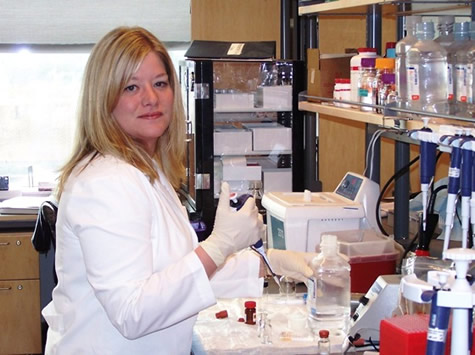
Neupro may reduce cognitive dysfunction among patients with Alzheimer’s disease

The dopaminergic agonist Neupro appeared to improve frontal cognitive functions and activities of daily living among patients with mild to moderate Alzheimer’s disease, according to study results published in JAMA Network Open.

“Some early attempts have been carried out using dopaminergic drugs, such as L-dopa or selegiline, in samples of patients with Alzheimer’s disease at different stages of the disease, with some controversial results,” Giacomo Koch, MD, PhD, of the department of behavioral and clinical neurology at Santa Lucia Foundation Scientific Institute for Research, Hospitalization and Healthcare in Rome, and colleagues wrote. “More recently, experimental studies in animal models of Alzheimer’s disease showed that dopaminergic agonists may reduce amyloid deposition and improve memory and that the degeneration of dopaminergic neurons in the ventral tegmental area contributes to memory deficits. It has also been shown that in the early stages of Alzheimer’s disease, dopaminergic agonists improve cholinergic transmission and cortical plasticity likely by acting on the dopaminergic projections over the frontal cortex.”

This prior evidence suggested novel implications for therapies based on dopaminergic stimulation among patients with mild to moderate Alzheimer’s disease, according to the investigators. Thus, they sought to determine whether dopaminergic agonist therapy would affect cognitive functions among this patient population.

In the current phase 2, monocentric, randomized, double-blind, placebo-controlled trial conducted in Italy and funded by the Alzheimer’s Drug Discovery Foundation, Koch and colleagues enrolled 94 patients (mean age, 73.9 years) with mild to moderate Alzheimer’s disease between September 2017 and December 2018. The intervention comprised use of a Neupro (rotigotine, UCB) 2 mg transdermal patch for 1 week, followed by a 4 mg patch for 23 weeks among 47 patients or a placebo transdermal patch for 24 weeks among 47 patients. Change from baseline on the Alzheimer’s Disease Assessment Scale-Cognitive Subscale served as the primary end point. Secondary end points included changes in Frontal Assessment Battery, Alzheimer’s Disease Cooperative Study-Activities of Daily Living and Neuropsychiatric Inventory scores. The researchers used transcranial magnetic stimulation combined with electroencephalography to evaluate prefrontal cortex activity.

A total of 78 patients completed the study. Results showed rotigotine compared with placebo had no significant effect on the primary end point, with an estimated mean change in Alzheimer’s Disease Assessment Scale-Cognitive Subscale score of 2.92 (95% CI, 2.51-3.33) among the rotigotine group and 2.66 (95% CI, 2.31-3.01) among the placebo group. The researchers reported significant estimated mean changes for the secondary outcomes between groups for Alzheimer Disease Cooperative Study-Activities of Daily Living score, which was 3.32 (95% CI, 4.02 to 2.62) among the rotigotine group and 7.24 (95% CI, 7.84 to 6.64) among the placebo group. Frontal Assessment Battery score was 0.48 (95% CI, 0.31-0.65) among the rotigotine group and 0.66 (95% CI, 0.80 to 0.52) among the placebo group. Koch and colleagues observed no longitudinal change in Neuropsychiatric Inventory scores for either group. Neurophysiological analysis of electroencephalography results revealed increased prefrontal cortical activity among the rotigotine group but not the placebo group. Patients in the rotigotine group were more likely to experience adverse events than the placebo group, and 11 patients dropped out compared with five, respectively.

“This study provides novel evidence that drugs acting on the dopaminergic system may be helpful to improve cognitive functions related to the frontal lobe activity,” Koch told Healio Psychiatry. “We hope that this research will expand Alzheimer’s disease therapy to drugs acting on different neurotransmission systems, such as the dopaminergic one, in addition to the cholinergic drugs.”
https://www.healio.com/news/psychiatry/20200715/neupro-may-reduce-cognitive-dysfunction-among-patients-with-alzheimers-disease?utm_source=ADDF&utm_campaign=e9d85ea654-EMAIL_CAMPAIGN_2019_11_18_10_21_COPY_01&utm_medium=email&utm_term=0_cc5f9da121-e9d85ea654-97060793

Scientists Awaken Deep Sea Bacteria After 100 Million Years


The microbes had survived on trace amounts of oxygen, and were able to feed and multiply once revived in the lab.


These bacteria, glowing green in this microscopy image, were revived from deep sea sediment more than 100 million years old.

by Amanda Heidt

Microbes extracted from deep sea sediments that settled during the age of the dinosaurs have been revived in the lab after eons spent in a dormant state. Despite needing oxygen to survive, the bacteria were able to make due with only trace amounts and almost no food for more than 100 million years. Once reanimated, most of the microbes were able to feed and multiply with seemingly no ill effects attributed to their long period of rest.

“The most exciting part of this study is that it basically shows that there is no limit to life in the old sediments of Earth’s oceans,” Steven D’Hondt, an oceanographer at the University of Rhode Island and a coauthor of the study, tells Reuters. “Maintaining full physiological capability for 100 million years in starving isolation is an impressive feat.”The endeavor, described Tuesday (July 28) in Nature Communications, shows just how little is known about the physiological limits of life on Earth, the authors report.

Researchers have long looked to the Earth’s most extreme corners to study the limits of life, including the deep sea, and lead author Yuki Morono, a geomicrobiologist at the Japan Agency for Marine-Earth Science and Technology, wanted to know just how high a tolerance bacteria have for conditions that would prove fatal for other organisms.

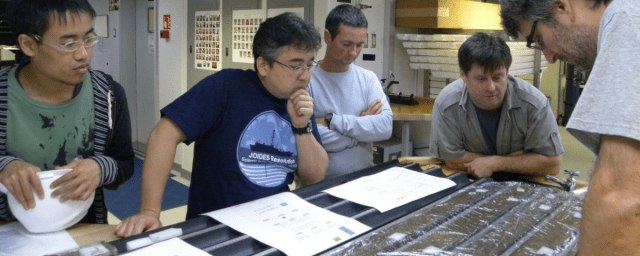
Morono collected sediment cores during a research cruise in 2010 aboard the JOIDES Resolution, a floating lab that operates 24 hours a day during scientific voyages. The team targeted the South Pacific Gyre off the east coast of Australia, often called an ocean desert because it lacks the nutrients needed to support even most plankton. As a result, very little organic matter falls to the seafloor more than three miles below.

Across the length of the roughly 250-foot cores, the team collected samples of clay spanning a deposition period between 13 million years ago and almost 102 million years ago. With the samples in the lab, they added nutrients such as nitrogen and carbon—food to jump start any life inside. For up to 557 days after, Morono would extract small chunks of sediment and dissolve them in water, searching for living cells. While a sample of sediment taken from a more oxygen-rich layer of the sea floor might contain more than 100,000 cells per cubic centimetre of mud, Science reports, these deep sea samples might initially only have 1,000 cells in that same volume.

Over time, the microbes began to multiply, a finding Morono initially attributed to “some mistake or a failure in the experiment,” he tells The Guardian. They ruled out contamination from other sources of seawater in the lab, ultimately confirming that what they were seeing was real. In many samples, as many as 99 percent of the microbes were revived. After 68 days, the total number of cells had increased by four orders of magnitude, up to 1 million cells per cubic centimetre.

A genetic analysis showed that the microbes were fairly diverse, representing 10 major groups of bacteria, some of which are widespread throughout other parts of the ocean. Kenneth Nealson, an environmental microbiologist retired from the University of Southern California who was not involved in the study, tells Science this finding “suggests that learning to survive under conditions of extreme energy limitation is a widespread ability,” a useful trick for microbes when food is scarce.

The relatively slow accumulation of sediments in the South Pacific Gyre ended up being key to the cells’ survival, The Guardian reports. When sediment builds up quickly, the pressure pushes out any oxygen that might otherwise linger between the grains to keep aerobic microbes alive. The authors report that if sediment accumulates at a rate of no more than three to six feet every 1 million years, it can remain oxygenated enough to support bacteria.

Some researchers are now pointing to what these findings might mean for the search for life on other planets, as they broaden what environments can be considered amenable to life. Speaking to Science, Andreas Teske, a microbiologist at the University of North Carolina, Chapel Hill, who was also not involved with the new study, says that even if a planet’s surface looks barren, “it may be holding out in the subsurface.”

https://www.the-scientist.com/news-opinion/scientists-awaken-deep-sea-bacteria-after-100-million-years-67778?utm_campaign=TS_DAILY%20NEWSLETTER_2020&utm_medium=email&_hsmi=92321648&_hsenc=p2ANqtz-_CJvqIFUkIbgjmnSDIBINFzIXb2lAmiW6BrZS2DJ6_X9ZLjddemUBo7JRpNuc3zOJJTboLcWUF_yU3_wh4ALU8z1w_XA&utm_content=92321648&utm_source=hs_email

Higher BMI in early adulthood linked to increased dementia risk, new study suggests


Risk is 1.8 times higher for overweight women and 2.5 times higher for men

by Ella Pickover

People who are overweight in early adult life may be more prone to dementia in later life, a study suggests.

Those aged 20 to 49 who have a high body mass index have a higher risk of dementia later on, the authors said.

Researchers from Columbia University in the US studied data on more than 5,000 adults.

Compared with women who had a normal BMI, those who were overweight had a 1.8 times higher risk of dementia later on in life.

Obese women had a 2.5 times higher risk.

For men, dementia risk was 2.5 times higher among those who were obese in early adulthood, according to the findings presented to the Alzheimer’s Association International Conference.

An association was found between being overweight or obese in mid-life – classed in the study as people aged 50 to 69 – among men but not women.

Both men and women have a higher chance of dementia if they are obese in later life, the researchers found.

Commenting on the study, Dr Rosa Sancho, head of research at Alzheimer’s Research UK, said: “This study links a higher BMI in early adulthood with an increased risk of dementia later in life and underlines the importance of maintaining a healthy weight to help support a healthy brain.”

But more studies are needed to examine the link in more detail, she said, adding: “We know that diseases that cause dementia get under way in the brain many years before symptoms start to show. Studies looking at our lifestyle in early adulthood are important to help us build a picture of the factors that could impact our brain health as we age.”

Fiona Carragher, director of research and influencing at Alzheimer’s Society, added: “A healthy and balanced lifestyle is an important step towards reducing the risk of dementia later in life.

“Previous research we’ve supported, such as the 2017 Lancet commission, has shown that obesity in mid-life may increase dementia risk, so it’s interesting to see a study that shows this may also be the case in younger people too. But this can’t tell us if high BMI is a direct cause of dementia, there could be other factors at play.

“The number of people living with dementia is set to rise to one million by 2025 so it’s becoming increasingly urgent that we find ways to prevent people developing the condition in the first place.

“We can all take steps towards a healthy lifestyle, whether it’s by watching our diets or making the most of the sunny days and getting outside for a walk – it’s never too late, or early, to make a change.

“Research funding also plays a vital role here, hit badly by the current pandemic – so it’s critical that the government commits to their pledge to double life-saving research funding for the chronically under-funded field of dementia.”

https://www.independent.co.uk/news/uk/home-news/bmi-early-adulthood-increased-dementia-risk-us-a9645101.html

Friends honor nearly 30 year old promise and split $22 million jackpot

A western Wisconsin man will share his millions in lottery winnings with a longtime friend because of a promise they made to each other nearly three decades ago.

Friends Tom Cook and Joseph Feeney shook hands in 1992 and promised that if either one of them ever won the Powerball jackpot, they would split the money.

Watch TODAY All Day! Get the best news, information and inspiration from TODAY, all day long.

That promise came to fruition last month when Cook bought the winning ticket for a $22 million jackpot at Synergy Coop in Menomonie.

When Cook called to give his friend the good news, Feeney couldn’t quite believe it.

“He called me, and I said, ‘are you jerking my bobber?’” said Feeney, an avid fisherman.

Cook retired after hitting the jackpot while Feeney was already retired. Neither has any extravagant plans for the winnings but are looking forward to enjoying more family time.

“We can pursue what we feel comfortable with. I can’t think of a better way to retire,” Cook said. The pair said they’re looking forward to some traveling.

The men chose the cash option of about $16.7 million, leaving each with nearly $5.7 million after taxes are paid.

The odds of winning the Powerball jackpot are 1 in about 292 million.

https://news.yahoo.com/friends-keep-promise-nearly-30-122553691.html

Alzheimer’s Drug Discovery Foundation (ADDF) and Harrington Discovery Institute Partnership Helps Move Promising Alzheimer’s Research from Bench toward Bedside


Research by 2015 ADDF-Harrington Scholar Jerri Rook, Ph.D. of Vanderbilt University leads to licensing agreement to develop drugs that improve memory.

A recently announced licensing agreement between drug maker Acadia Pharmaceuticals and Vanderbilt University represents a major milestone for the ADDF-Harrington Scholar Award Program, which provided funding and pharmaceutical expertise to support the research in the early phases. Acadia and Vanderbilt will collaborate to develop and commercialize novel drug candidates targeting synaptic receptors in the brain, long thought to play a key role in Alzheimer’s disease.

“This type of licensing agreement is precisely the goal of the ADDF-Harrington partnership,” said Dr. Andrew A. Pieper, Harrington Discovery Institute Director of Neurotherapeutic Discovery. “We bridge the gap between academia, where many great medical ideas are born, and industry, where these ideas can be guided through the costly and complex process of transforming them into new medicines for patients.”

Vanderbilt University principal investigator Jerri Rook, Ph.D. and her Vanderbilt University Medical Center physician collaborator Dr. Paul Newhouse received the 2015 ADDF-Harrington Scholar Award. The award provided funding and expertise in formulation and interpretation of safety pharmacology and toxicology data from experienced drug development professionals.

The compounds covered by the agreement work by activating muscarinic M1 receptors in the brain in a unique way that increases their responsiveness to a neurotransmitter called acetylcholine, which plays a critical role in regulating memory and cognition.

“We are excited about the commercial support for the important work of Dr. Rook and her colleagues that we hope will lead to an effective and safe treatment for people with Alzheimer’s disease,” said Dr. Howard Fillit, ADDF Founding Executive Director and Chief Science Officer.

As explained by Dr. Rook, researchers have long theorized that this mechanism could effectively treat memory loss in Alzheimer’s disease and other brain disorders, but intolerable side effects have barred their use—at least so far. “Our focus has been on discovering and developing compounds that have the desired treatment benefits without the unwanted side effects. We have now optimized this in a mouse model of Alzheimer’s disease and are very much looking forward to seeing how they perform in human studies,” said Dr. Rook. The lead compound has entered Phase I clinical trials with support from the ADDF.

About the Alzheimer’s Drug Discovery Foundation (ADDF)

The Alzheimer’s Drug Discovery Foundation is the only public charity solely focused on funding the development of drugs for Alzheimer’s disease, employing a venture philanthropy model to support research in academia and the biotech industry. Through the generosity of its donors, the ADDF has awarded more than $150 million to fund over 626 Alzheimer’s drug discovery programs and clinical trials in 19 countries. To learn more, please visit: https://www.alzdiscovery.org/.

About the Harrington Discovery Institute

The Harrington Discovery Institute at University Hospitals in Cleveland, Ohio—part of The Harrington Project for Discovery & Development—aims to advance medicine and society by enabling the most inventive scientists to turn their discoveries into medicines that improve human health. The Institute was created in 2012 with a $50 million founding gift from the Harrington family and instantiates the commitment they share with University Hospitals to a Vision for a “Better World.”

SOURCE Alzheimer’s Drug Discovery Foundation

https://www.prnewswire.com/news-releases/alzheimers-drug-discovery-foundation-addf-and-harrington-discovery-institute-partnership-helps-move-promising-alzheimers-research-from-bench-toward-bedside-301096316.html?tc=eml_cleartime

A perspective on Covid

“Chickenpox is a virus. Lots of people have had it, and probably don’t think about it much once the initial illness has passed. But it stays in your body and lives there forever, and maybe when you’re older, you have debilitatingly painful outbreaks of shingles. You don’t just get over this virus in a few weeks, never to have another health effect. We know this because it’s been around for years, and has been studied medically for years.

Herpes is also a virus. And once someone has it, it stays in your body and lives there forever, and anytime they get a little run down or stressed-out they’re going to have an outbreak. Maybe every time you have a big event coming up (school pictures, job interview, big date) you’re going to get a cold sore. For the rest of your life. You don’t just get over it in a few weeks. We know this because it’s been around for years, and been studied medically for years.

HIV is a virus. It attacks the immune system and makes the carrier far more vulnerable to other illnesses. It has a list of symptoms and negative health impacts that goes on and on. It was decades before viable treatments were developed that allowed people to live with a reasonable quality of life. Once you have it, it lives in your body forever and there is no cure. Over time, that takes a toll on the body, putting people living with HIV at greater risk for health conditions such as cardiovascular disease, kidney disease, diabetes, bone disease, liver disease, cognitive disorders, and some types of cancer. We know this because it has been around for years, and had been studied medically for years.

Now with COVID-19, we have a novel virus that spreads rapidly and easily. The full spectrum of symptoms and health effects is only just beginning to be cataloged, much less understood.

So far the symptoms may include:

Fever
Fatigue
Coughing
Pneumonia
Chills/Trembling
Acute respiratory distress
Lung damage (potentially permanent)
Loss of taste (a neurological symptom)
Sore throat
Headaches
Difficulty breathing
Mental confusion
Diarrhea
Nausea or vomiting
Loss of appetite
Strokes have also been reported in some people who have COVID-19 (even in the relatively young)
Swollen eyes
Blood clots
Seizures
Liver damage
Kidney damage
Rash
COVID toes

People testing positive for COVID-19 have been documented to be sick even after 60 days. Many people are sick for weeks, get better, and then experience a rapid and sudden flare up and get sick all over again. A man in Seattle was hospitalized for 62 days, and while well enough to be released, still has a long road of recovery ahead of him. Not to mention a $1.1 million medical bill.

Then there is MIS-C. Multisystem inflammatory syndrome in children is a condition where different body parts can become inflamed, including the heart, lungs, kidneys, brain, skin, eyes, or gastrointestinal organs. Children with MIS-C may have a fever and various symptoms, including abdominal pain, vomiting, diarrhea, neck pain, rash, bloodshot eyes, or feeling extra tired. While rare, it has caused deaths.

This disease has not been around for years. It has basically been 6 months. No one knows yet the long-term health effects, or how it may present itself years down the road for people who have been exposed. We literally *do not know* what we do not know.

For those in our society who suggest that people being cautious are cowards, for people who refuse to take even the simplest of precautions to protect themselves and those around them, I want to ask, without hyperbole and in all sincerity: How dare you?

How dare you risk the lives of others so cavalierly. How dare you decide for others that they should welcome exposure as “getting it over with”, when no one knows who will be the lucky “mild symptoms” case, and who may fall ill and die. Because while we know that some people are more susceptible to suffering a more serious case, we also know that 20 and 30-year-olds have died, marathon runners and fitness nuts have died, children and infants have died.

How dare you behave as though you know more than medical experts, when those same experts acknowledge that there is so much we don’t yet know, but with what we DO know, are smart enough to be scared of how easily this is spread, and recommend baseline precautions such as:

Frequent hand-washing
Physical distancing
Reduced social/public contact or interaction
Mask wearing
Covering your cough or sneeze
Avoiding touching your face
Sanitizing frequently touched surfaces

The more things we can all do to mitigate our risk of exposure, the better off we all are, in my opinion. Not only does it flatten the curve and allow health care providers to maintain levels of service that aren’t immediately and catastrophically overwhelmed; it also reduces unnecessary suffering and deaths, and buys time for the scientific community to study the virus in order to come to a more full understanding of the breadth of its impacts in both the short and long term.

I reject the notion that it’s “just a virus” and we’ll all get it eventually. What a careless, lazy, heartless stance.”

Neuroscientists identify the brain cells that help humans adapt to change


Ph.D. candidate Kianoush Banaie Boroujeni at his neuroscience set up at Vanderbilt University, explaining a main result of the study he conducted in the laboratory of Thilo Womelsdorf at Vanderbilt University.

by Marissa Shapiro, Vanderbilt University

There are 86 billion neurons, or cells, in the human brain. Of these, an infinitely small portion of them handle cognitive flexibility—our ability to adjust to new environments and concepts.

A team of researchers with interdisciplinary expertise in psychology, informatics (the application of information science to solve problems with data) and engineering along with the Vanderbilt Brain Institute (VBI) gained critical insights into one of the biggest mysteries in neuroscience, identifying the location and critical nature of these neurons.

The article was published in the journal Proceedings of the National Academy of Science (PNAS) on July 13. The discovery presents an opportunity to enhance researchers’ understanding and treatment of mental illnesses rooted in cognitive flexibility.

Brain circuits created by these neurons have led to an evolutionary advantage in the ability of humans to adapt to changing environments. When these neurons are weakened, people may have trouble adjusting to changes in their environment including difficulty in overcoming traditions, biases and fears. Typically, people oscillate between repeating rewarding behavior and exploring newer and potentially better rewards. The cost-benefit ratio of repeating to exploring is an equation that the brain is constantly working to resolve, particularly when there are changes to a person’s environment. A lack of cognitive flexibility results in debilitating mental conditions.

The consequences of this research could be multifold. “These cells could be part of the switch that determines your best attentional strategy,” said Thilo Womelsdorf, associate professor of psychology and computer science, and the paper’s principal investigator. “Weakening these brain cells could make it difficult to switch attention strategies, which can ultimately result in obsessive-compulsive behaviors or a struggle to adjust to new situations. On the opposite end, if such a switch is ‘loose’ attention might become ‘loose’ and people will experience a continuously uncertain world and be unable to concentrate on important information for any amount of time.”

The researchers hypothesized that within the area of the brain that helps people learn fine motor skills like playing an instrument, there exists a subregion that could enable the same flexible processes for thoughts.

The group of brain cells, located below the outer cortical mantle in the basal ganglia, were identified by measuring the activity of brain cells during computer-simulated real-world tasks. To mimic many real-world situations the researchers, including scientists from the Centre for Vision Research at York University, developed a simulation to present more than one object at a time and changed what was rewarded. This created flexible learning as to which objects are linked to a reward through trial-and-error. By measuring the activity of brain cells, the team observed an interesting pattern: brain cell activity was heightened amid change and diminished when confidence in the outcome grew. “These neurons seem to help the brain circuits to reconfigure and transition from formerly relevant information, and a tenuous connection to attend to new, relevant information,” said Kianoush Banaie Boroujeni, the study’s first author and Ph.D. candidate in the Womelsdorf lab.

“There is a technological revolution in neuroscience,” said Lisa Monteggia, Barlow Family Director of the Vanderbilt Brain Institute and professor of pharmacology. “The ability to use technology to control a single cell with molecular and genetic tools can only work when scientists know where to look. Dr. Womelsdorf and his collaborators have given us the ability to do such work and significantly move the field of neuroscience forward.”

https://medicalxpress.com/news/2020-07-neuroscientists-brain-cells-humans.html

Hearing and visual impairments linked to elevated dementia risk

Older adults with both hearing and visual impairments—or dual sensory impairment—had a significantly higher risk for dementia in a recent study published in Alzheimer’s & Dementia: Diagnosis, Assessment & Disease Monitoring.

In the study of 2,051 older adults (22.8% with hearing or visual impairment and 5.1% with both impairments) who were followed over eight years, dual sensory impairment was associated with an 86% higher risk for dementia compared with having no sensory impairments. During follow-up, dementia developed in 14.3% in those with no sensory impairments, 16.9% in those with one sensory impairment, and 28.8% in those with dual sensory impairment.

Participants with dual sensory impairment were also twice as likely to develop Alzheimer’s disease (the most common form of dementia) than those without sensory impairments.

“Evaluation of vision and hearing in older adults may predict who will develop dementia and Alzheimer’s. This has important implications on identifying potential participants in prevention trials for Alzheimer’s disease, as well as whether treatments for vision and hearing loss can modify risk for dementia,” said lead author Phillip H. Hwang, of the University of Washington.

More information: Phillip H. Hwang et al, Dual sensory impairment in older adults and risk of dementia from the GEM Study, Alzheimer’s & Dementia: Diagnosis, Assessment & Disease Monitoring (2020). DOI: 10.1002/dad2.12054

https://medicalxpress.com/news/2020-07-visual-impairments-linked-elevated-dementia.html

Boosting a liver protein may mimic the brain benefits of exercise

By Laura Sanders

Exercise’s power to boost the brain might require a little help from the liver.

A chemical signal from the liver, triggered by exercise, helps elderly mice keep their brains sharp, suggests a study published in the July 10 Science. Understanding this liver-to-brain signal may help scientists develop a drug that benefits the brain the way exercise does.

Lots of studies have shown that exercise helps the brain, buffering the memory declines that come with old age, for instance. Scientists have long sought an “exercise pill” that could be useful for elderly people too frail to work out or for whom exercise is otherwise risky. “Can we somehow get people who can’t exercise to have the same benefits?” asks Saul Villeda, a neuroscientist at the University of California, San Francisco.

Villeda and colleagues took an approach similar to experiments that revealed the rejuvenating effects of blood from young mice (SN: 5/5/14). But instead of youthfulness, the researchers focused on fitness. The researchers injected sedentary elderly mice with plasma from elderly mice that had voluntarily run on wheels over the course of six weeks. After eight injections over 24 days, the sedentary elderly mice performed better on memory tasks, such as remembering where a hidden platform was in a pool of water, than elderly mice that received injections from sedentary mice.

Comparing the plasma of exercised mice with that of sedentary mice showed an abundance of proteins produced by the liver in mice that ran on wheels.

The researchers closely studied one of these liver proteins produced in response to exercise, called GPLD1. GPLD1 is an enzyme, a type of molecular scissors. It snips other proteins off the outsides of cells, releasing those proteins to go do other jobs. Targeting these biological jobs with a molecule that behaves like GPLD1 might be a way to mimic the brain benefits of exercise, the researchers suspect.

Old mice that were genetically engineered to make more GPLD1 in their livers performed better on the memory tasks than other old sedentary mice, the researchers found. The genetically engineered sedentary mice did about as well in the pool of water as the mice that exercised. “Getting the liver to produce this one enzyme can actually recapitulate all these beneficial effects we see in the brain with exercise,” Villeda says.

Blood samples from elderly people also hint that exercise raises GPLD1 levels. Elderly people who were physically active (defined as walking more than 7,100 steps a day) had more of the protein than elderly people who were more sedentary, data on step-counters showed.

GPLD1 seems to exert its effects from outside of the brain, perhaps by changing the composition of the blood in some way, the researchers suspect.

But the role of GPLD1 is far from settled, cautions Irina Conboy, a researcher at the University of California, Berkeley who studies aging. There’s evidence that GPLD1 levels are higher in people with diabetes, she points out, hinting that the protein may have negative effects. And different experiments suggest that GPLD1 levels might actually fall in response to certain kinds of exercise in rats with markers of diabetes.

“We know for sure that exercise is good for you,” Conboy says. “And we know that this protein is present in the blood.” But whether GPLD1 is good or bad, or whether it goes up or down with exercise, she says, “we don’t know yet.”

CITATIONS
A. M. Horowitz et al. Blood factors transfer beneficial effects of exercise on neurogenesis and cognition to the aged brain. Science. Vol. 369, July 10, 2020, p. 167. doi: 10.1126/science.aaw2622.

Boosting a liver protein may mimic the brain benefits of exercise

Google Loon Is Now Beaming WiFi Down to Earth From Giant Balloons

By Vanessa Bates Ramirez

Four years ago, three big tech companies had plans in the works to beam internet down to Earth from the sky, and each scenario sounded wilder than the next. SpaceX requested permission to launch 4,425 satellites into orbit to create a global internet hotspot. Facebook wanted to use solar-powered drones and laser-based tech to shoot wifi to antennas. And Google’s Loon was building giant balloons to house solar-powered electronics that would transmit connectivity down from the stratosphere.

As incredible as it all sounds, two of these schemes have started to come to fruition. Loon balloons made their (non-emergency) debut in Kenya this week, with 35 balloons transmitting a 4G signal to 31,000 square miles of central and western Kenya. And SpaceX is in the process of signing up beta testers for its internet-via-satellite, with over 500 satellites currently in orbit. Facebook, however, stopped work on its internet drones in mid-2018.

Here’s a quick refresher on how the Loon and SpaceX systems work.

Big White Internet Balloons

Loon balloons are made of polyethylene, one of the most common plastics around (it’s in grocery bags, plastic bottles, kids’ toys, etc.). They’re 15 meters (49 feet) wide, and designed to hover in the stratosphere 20 kilometers (12 miles) above Earth. They’re launched by a custom-built crane that’s pointed downwind.

Specially-developed software uses predictive modeling of stratospheric winds and decision-making algorithms to shift the balloons as needed for a more reliable connection down below (balloons need to be within 40 kilometers of users for the service to work). The software constantly learns to improve the balloons’ choreography and thus the network’s quality, and the system can function autonomously.

The electronics inside the balloons get a wifi signal from a local telecoms partner at a ground station. In Kenya, Loon partnered with Telkom Kenya, the country’s third-largest carrier. The signal gets relayed across multiple nearby balloons that transmit it back down to peoples’ phones and other devices. Each balloon can cover an area of 5,000 square kilometers (a little under 2,000 square miles, or about the size of the state of Delaware).

A field testing session in Kenya in late June registered an upload speed of 4.74 Mpbs, a download speed of 18.9Mbps, and latency of 19 milliseconds. For comparison’s sake, the average speed in the US is 52 Mpbs upload and 135 Mbps download; so service will be a bit slower in Kenya. One other small problem: since the electronics in the balloons are solar-powered, they only send down a signal during daylight hours; service is currently available from 6am to 9pm.

Signals from Starlink

Just this past week, SpaceX launched 57 more of its Starlink satellites, bringing the total in orbit to over 500. It’s a fraction of the planned total of 4,425, but a pretty solid start. The satellites are orbiting 715 to 790 miles above Earth’s surface. Each one weighs 260 kilograms, about as much as a small car, and can reach an area 1,300 miles in diameter on the ground at a speed of one gigabit per second.

SpaceX plans for the first 1,600 satellites to be at one orbital altitude, followed by 2,825 more to be placed at four different altitudes. Each satellite is estimated to last five to seven years.

In late June SpaceX announced it was looking for beta testers for its internet service. You can sign up on Starlink’s website, and you’ll be notified if testing is going to take place in the area where you live. The company plans to start at higher latitudes (like Seattle, according to a May 7 tweet from Elon Musk), then move progressively southward.

Internet for All

According to the Alliance for Affordable Internet, over half of the world’s population now has internet access—but a large percentage of that is low-quality, meaning they can’t use features like online learning, video streaming, and telehealth. A 2019 report by the organization found that only 28 percent of the African population has internet access through a computer, while 34 percent have access through a mobile phone.

Though expanding internet to the whole of the world’s population will come with some drawbacks (such as more channels for misinformation or hate speech, and not being able to go anywhere to truly “unplug”), the broader consensus is that the internet will serve as a greatly empowering and liberating force, giving people instant access to information and enabling countless business and learning opportunities that otherwise wouldn’t exist.

We probably didn’t think this would happen via giant balloons and thousands of satellites, but it won’t be the first time the developing world leapfrogs right over cumbersome, outdated technologies. If SpaceX and Loon continue on their current trajectories, it will only be a matter of time—and not all that much of it—before we’re living in a planet-wide internet bubble.

https://singularityhub.com/2020/07/12/googles-loon-balloons-are-now-beaming-internet-down-to-earth/?utm_medium=email&utm_content=google-loon-is-now-beaming-wifi-down-to-earth-from-giant-balloons&utm_source=newsletter&utm_campaign=fy18-hub-daily-rss-newsletter&mkt_tok=eyJpIjoiTWpWaU1HSm1NMlprTTJFeCIsInQiOiJMaXUzbW1QcXV1SVVabENqd3dFQm4rNnFlWTVYM0kra1ZlTkJySk5yeVJ6MExpYTdpXC8zMmE3Z2pTRVE3TE1tc1JKN0c2RWpYcjk0ellHaGRucWdMSHJuQkxaRkxsTlNpRERaTDJKUUNLdXNxUk1MQWhoWE9Za1Rrb0JuSjZKYjkifQ%3D%3D