Left-Handed DNA Has a Biological Role Within a Dynamic Genetic Code

Left-Handed DNA Has a Biological Role Within a Dynamic Genetic Code

by Rachel Brazil

In 1970, biochemist Robert Wells of the University of Alabama at Birmingham saw something strange in his X-ray images of a new synthetic DNA polymer. The DNA molecule was composed of the traditional sugar backbones and nucleotide pairs, but rather than the well-known right-handed spiral of the double helix structure, famously discovered by Watson and Crick in 1953, Wells’s polymer spiraled in the opposite direction, giving it a zigzag appearance.

Whether this bizarre form of DNA existed in cells and had any function, and what that might be, was hotly debated for nearly half a century. But research has recently confirmed its biological relevance. So-called Z-DNA is now thought to play roles in cancer and autoimmune diseases, and last year scientists confirmed its link to three inherited neurological disorders. Today, molecular biologists are beginning to understand that certain stretches of DNA can flip from the right- to the left-handed conformation as part of a dynamic code that controls how some RNA transcripts are edited. The hunt is now on to discover drugs that could target Z-DNA and the proteins that bind to it, in order to manipulate the expression of local genes.

The story of Z-DNA is an unusual one, says Alekos Athanasiadis, an expert on protein–nucleic acid interactions at the Gulbenkian Science Institute in Portugal. “Usually you have a biological function and then structural work is used to identify the mechanism behind it,” he says. “In this case, the research community was starting from structural information and the biology followed.”

B- Versus Z-DNA

The left-handed Z-DNA double helix is held together by traditional Watson-Crick base pairs, but unlike righthanded B-DNA, which has major and minor grooves between the twists of its sugar-phosphate backbones, Z-DNA’s grooves show little difference in width. In addition, every other base in a stretch of Z-DNA takes on a different orientation relative to the sugar backbone than the arrangement in B-DNA, giving this alternative form of DNA the zig-zag shape for which it was named. 
Z-DNA exists transiently in short stretches of up to 100 base pairs within some right-handed DNA molecules. The site where the DNA molecule switches chirality is called a B-Z junction. At this point in the polymer, one A-T base pair projects to the outside of the double helix. 

Looking for a biological function

In 1979, working as postdocs in the laboratory of the late Alexander Rich at MIT, Andrew Wang and Gary Quigley solved the left-handed DNA structure that Wells had observed several years earlier. In contrast to right-handed B-DNA, which has two differently sized gaps known as the major and minor grooves between the twists of its sugar-phosphate backbone, the left-handed form, which Rich dubbed Z-DNA, has grooves that are much more uniform. In addition, every other base takes a slightly different orientation compared to how it sits in B-DNA, giving the helix its zigzag structure. (See illustration below.)

B-DNA and Z-DNA typically coexist on a double-stranded DNA molecule, with stretches of anywhere from a dozen to 100 base pairs taking on the reverse spiral structure. The point in the nucleic acid where the direction of its spiral changes is known as a B-Z junction. Z-DNA is quite transient, quickly flipping back to the B conformation, sometimes within seconds. “[It] is a very dynamic process,” says immunobiologist Alan Herbert, who worked for years as a researcher in Rich’s lab at MIT before he founded a DNA-based therapeutics company called InsideOutBio in 2017. “You cycle between the Z and B.” This makes it exceptionally challenging to study.

To try to understand whether Z-DNA has a biological function, Colorado State University structural biologist P. Shing Ho, another former member of the Rich group, and colleagues looked for potential Z-forming sequences in the human genome. Using Z-DNA specific antibodies to identify Z-DNA stretches in a variety of plasmids, the research team discovered that Z-DNA formed most readily in repeated sequences of alternating purines and pyrimidines, particularly the purine guanine (G) and the pyrimidine cytosine (C). Using an algorithm to identify more than 300 similar sequences across the genome, the team found that “the Z-DNA regions tend to cluster right around the transcription start sites of most eukaryotic genes,” says Ho. “They are widely distributed across different types of genes, but they are not found within genes themselves.” 

Researchers have also found that Z-DNA formation is linked to the “supercoiling” of DNA molecules, which are twisted around themselves into tangled configurations. During transcription, as an RNA polymerase moves along the DNA strand, it causes over- and underwinding of the DNA, compressing or relaxing the double helix. “These changes produce strain on the molecular configuration in the vicinity of the enzyme,” explains Burghardt Wittig, yet another former Rich lab member, now at the Free University of Berlin. The strain behind the polymerase changes the thermodynamic stability of the DNA molecule, making it more likely to flip to the Z-DNA conformation. In 1990, Wittig was able to detect Z-DNA in cells during active transcription, and showed that inhibiting RNA transcription decreased the amount of Z-DNA in the genome.

This link to transcription led some researchers to speculate that Z-DNA provided some sort of epigenetic switch, turning gene transcription on and off. “But the data didn’t really support that simplistic switch model,” notes Herbert, and many scientists and funders gave up on the field altogether. But Herbert remained convinced that Z-DNA had a biological function, and was determined to prove it.

Z-DNA’s relevance revealed

Herbert took a big step toward convincing the field of Z-DNA’s importance in 1995 when he and others at MIT discovered a Z-DNA binding protein. The researchers found that the RNA-editing enzyme ADAR1 contained a domain, which they named Zα, that bound to Z-DNA. The Zα part of the protein binds to Z-DNA’s backbone, rather than to any of the bases, and so is not specific to a DNA sequence, but to the left-handed conformation. 

The Zα domain is present in a small number of other proteins in organisms from viruses to humans, but initially “it was not clear why these proteins bind to Z-DNA,” says Wittig. The Zα domain seems to stabilize otherwise transient Z-DNA regions, so it’s possible that the domain itself may induce B-DNA to flip to the Z formation, rather than the Z-DNA attracting proteins with a Zα domain. “This is a chicken and egg question,” says Chi-Hua Lee, a postdoc in the lab of Wang, Rich’s former mentee, who is now at the Academia Sinica in Taiwan. 

ADAR1 also binds to double-stranded RNA, which forms when an RNA transcript folds back and base pairs with itself. Normal cells produce a large number of double-stranded RNAs during routine transcription of genes. The ADAR1 enzyme is known to edit double-stranded RNAs—specifically, it helps change adenosine bases into inosine, a base which is read by ribosomes as guanosine when present in codons being translated. This base change hampers RNA’s ability to take on a double-stranded conformation. Double-stranded RNA molecules initiate cell signaling pathways involving type 1 interferons, proteins that trigger immune responses that can damage cells. By editing double-stranded RNAs, ADAR1 limits the interferon immune response, ultimately stopping more-widespread cell damage.

One source of double-stranded RNA targeted by ADAR1 is Alu elements within the genome. These are transposable DNA stretches, also known as jumping genes, named for their identification using a restriction endonuclease extracted from Arthrobacter luteus (ALU) bacteria. Alu elements make up about 10 percent of the human genome and are known to produce “junk” double-stranded RNA in cells. Alu elements include many alternating purine-pyrimidine base sequences—which Herbert realized were the exact sequences that are known to form Z-DNA. So when the ADAR1 protein binds to these Z-DNA–forming regions, it is often close to an Alu element that yields double-stranded RNA that ADAR1 also acts on. Herbert suspected this was no coincidence.

Sure enough, Herbert’s team last year published evidence of a causal link between mutations in ADAR1 that prevent the encoded protein from binding to Z-DNA and a number of inherited inflammatory diseases that involve the over-production of type 1 interferons. By looking at multiple mutations in the human ADAR1 gene, Herbert showed that only those that led to changes in the Zα domain of the protein—not in the binding domains that recognize double-stranded RNA—were associated with the diseases, suggesting that it was the loss of the enzyme’s ability to bind to Z-DNA that was causing the inflammatory symptoms.

Herbert concluded that Z-DNA regions provide sites for ADAR1 to bind, allowing the protein to orchestrate the editing of double-stranded RNAs produced by transcription near the Z-DNA forming region. (See illustration below.) “The Z-DNA domain is actually localizing the ADAR1 editing to those Alu elements within the genome, and this allows the RNA they produce to be edited, which in turn will then inhibit any interferon response,” says Herbert. But patients with the rare diseases he studied have genetic mutations that prevent the enzyme’s Zα domain from binding to these Z-DNA regions in the genome; “because [they’re] not able to localize the enzyme where it needs to be, you are unable to take care of business and stop the interferon response from being amplified.”

Wittig says that Z-DNA’s link to these diseases was “the nail in the coffin” showing that the left-handed conformation of nucleic acids is biologically relevant. “It’s clear this has some important function in nature,” he says. “This is definitely the final proof.” And these are likely not the only diseases in which Z-DNA plays some kind of role, Herbert adds. The involvement of immune response pathways also suggests that Z-DNA could be involved in other ailments, including cancer, and recent work points to Z-DNA or proteins that bind it as potential therapeutic targets.

Drugging the Z-conformation

Z-DNA’s ability to regulate the interferon cell signaling pathway provides a route to fight a range of conditions, from viral diseases to cancers. For example, some viruses use their own Z-binding proteins to downregulate host immune responses triggered by viral RNA. This is seen in the variola virus, a member of the pox virus family that expresses the protein E3L, which mimics ADAR1 in binding to Z-DNA and in turn prevents the interferon response from ramping up against the virus (RNA, 20:214–27, 2014). 

“In principle, blocking the viral protein, which contains the Zα domain [that binds to Z-DNA], will allow an immune response to control the virus,” says Alekos Athanasiadis, who studies protein–nucleic acid interactions at the Gulbenkian Science Institute in Portugal.  

Alan Herbert, founder of the DNA-based therapeutics company InsideOutBio, sees Z-DNA as a potential target in cancer immunotherapy. Cancer cells make a lot of double-stranded RNA, which stimulates an interferon response and tends to lead to the death of the malfunctioning cells. But some 40 percent of tumors rely on the enzyme ADAR1 to protect themselves from this response by removing those RNAs. For these tumors, inhibiting ADAR1 could prevent RNA removal and in doing so, facilitate cancer cell death, Herbert and his colleagues proposed last year. Indeed, the deletion of ADAR1 in certain cancer cell lines causes cell death in vitro.

The therapeutic potential of molecules that inhibit ADAR1 could turn out to be extremely broad, says Robert Copeland, cofounder and chief scientific officer at Massachusetts-based Accent Therapeutics. The company’s most immediate focus is on treating solid tumors, says Copeland, but he foresees applications in several inflammatory diseases, including autoimmune conditions such as lupus and Crohn’s disease. After developing a proprietary assay for detecting ADAR1 inhibition and screening diverse libraries of molecules, Accent researchers now have confirmed hits. “Obviously, you never know what’s around the next corner, but we anticipate being able to bring an ADAR1 inhibitor into the clinic sometime in 2022—that’s our ambitious objective,” says Copeland.

Accent Therapeutics isn’t alone in its optimism. “I know that in the Boston area, there are at least three companies really seriously looking at the role of Z-DNA in these processes and its druggability,” says Herbert, who expects new drug candidates to enter preclinical testing within the next few years. He
says he suspects that treatments for cancer will be the first out of the gate, but like Copeland, he emphasizes that that would be the tip of the iceberg. There is even some evidence for an alteration from the usual B-DNA to Z-DNA conformation in the hippocampus of Alzheimer’s disease patients, though he cautions that much more work needs to be carried out to fully establish what this might mean.

In the meantime, researchers continue to look for ways to target Z-DNA or induce or inhibit flipping between the right- and left-handed conformations. Last year, Kyeong Kyu Kim, a structural biologist at Sungkyunkwan University in South Korea, discovered that the antibiotic aklavin can induce Z-DNA formation. Kim also suggests that the bases extruded from DNA where the B and Z conformations meet could be another avenue for modulating Z-DNA formation. 

Research into Z-DNA has had “a lot of fits and starts,” says P. Shing Ho, a structural biologist at Colorado State University. “I think interest is going to [increase] again because of the potential link to disease states.”

A dynamic code 

For Herbert, the biological relevance of Z-DNA is massive, as he suspects that flips in DNA chirality influence how RNA molecules are processed across the genome. He suggests that the formation of Z-DNA and the localization of Z-binding proteins during transcription could quickly turn on and off the editing of RNA products at many active genes. 

Because Z-DNA is so unstable, Herbert named DNA sequences that can flip into the left-handed conformation “flipons.” He hypothesizes that the final readout of genetic information from the genome depends on the activity of these flipons at the time of transcription. “It’s not an on-and-off switch for the gene, but it does play a role in regulating how the initial transcript is compiled into different RNAs,” he explains. 

Herbert suggests flipons take on the Z conformation only once transcription is underway, because the DNA supercoiling that accompanies active transcription is thought to promote the conformational change. But a 2012 study provided some evidence that Z-DNA may help open up the DNA that is normally tightly wound around histone proteins in nucleosomes, in preparation for transcription to begin. Keji Zhao of the National Heart, Lung, and Blood Institute found that a protein complex called SWI/SNF (SWItch/Sucrose Non-Fermentable), which is involved in loosening DNA-histone interactions, caused DNA near the promoter region of a gene to flip into the Z conformation.

Zhao speculates that Z-DNA modulates the placement of nucleosomes on the genome. “Formation of Z-DNA by the activity of SWI/SNF complexes may first generate an unstable nucleosome, which can slide to a nearby B-DNA region or eject the core histones to form a nucleosome-free region,” thus allowing transcription to start, he explains. The idea that Z-DNA could be present on DNA molecules wound around histones is somewhat surprising, notes Ho. “Most of the data that we’ve seen from other laboratories have shown that Z-DNA doesn’t actually sit on nucleosomes, primarily because [Z-DNA] is a very stiff structure,” he says. “It’s very rod-like, whereas nucleosomes require a very large amount of flexibility in the DNA in order to make essentially 200 base pairs wrap around the small complex.” 

Zhao’s work also supports the idea that Z-DNA formation may be influenced by DNA methylation. He and his colleagues created DNA templates assembled into nucleosomes that contained known Z-forming regions, including DNA with methylated and non-methylated guanine bases. The researchers could detect Z-DNA using a restriction enzyme modified with two copies of the Zα binding domain that would cleave the DNA if the Z configuration was present. The team found that Z-DNA was only present when the DNA fragments were made with methylated guanines. An older study had similarly found that DNA tends to switch conformations in the presence of methylated cytosines. Herbert adds that there are other types of DNA modifications, such as the hydroxymethylation of cytosine, that make the formation of Z-DNA more difficult and favor the B-DNA conformation. 

The link to epigenetics will need more investigation, but it has led Herbert to the idea that flipons ultimately have a quick and spontaneous role in controlling how cells react to their environments. Herbert speculates that there could be a link between Z-DNA formation and oxidative stress in cells. During oxidative stress DNA bases themselves get oxidized, which could favor the Z-DNA conformation, with its formation acting as a sensor to activate protective pathways. “It’s just a really great way of signaling that something needs to be responded to quickly, so [the cell] can then quickly assemble a complex in the right place to either repair DNA damage, or transcribe a damage response gene,” he suggests. “You can actually change the genomic programming on the fly.”

It has taken decades to understand that Z-DNA has significance in biology. Although there is still much to discover, it’s becoming apparent that Z-DNA provides another mechanism to influence the decoding of genomic information, says Herbert. “It’s pretty exciting. . . . It’s a different way of thinking about the biology.”

Z-DNA in ActionZ-DNA is linked to control of the interferon immune response through the RNA-editing enzyme ADAR1, which contains a Z-DNA binding domain called Zα. By editing double-stranded RNAs (dsRNAs), produced by stretches of repetitive DNA known as Alu elements, ADAR1 limits the interferon immune response normally caused by the dsRNA molecules. Recent work has shown that Z-DNA regions provide ADAR1 binding sites, allowing dsRNA editing to be localized to areas where dsRNA is produced following transcription. Genetic mutations of the Zα domain have been linked to serious neurodevelopmental disorders that are caused by the overproduction of type 1 interferons.© JULIA MOORE

See full infographic: WEB | PDF

Study of relationship between poverty and mental health shows cash support can help

cash

by Bob Yirka

A small team of researchers from MIT and Harvard University has published a Review piece in the journal Science analyzing the relationship between poverty and adverse mental health. They note that studies have shown supporting poverty-stricken people with mental health issues can improve their standard of living and by extension, society at large.

Prior research has shown that there is a link between mental health and poverty for some people. Research has also shown that it is not always easy to determine whether mental health problems lead to poverty, or vice versa. In either case, the researchers begin their paper by wondering why people who live in poverty suffer disproportionately from mental illnesses such as anxiety depression, and explore whether government and societal intervention could improve the situation.

The authors also note that anxiety and depression are the most common forms of mental illness worldwide—and studies have shown that rich and poor alike suffer from them, though more recent evidence has shown that the poor are more likely to suffer from one or the other. They have published their Review piece to highlight the evidence of a bidirectional causal relationship between mental illnesses and poverty and to explore the possible benefits of mental health care efforts.

They suggest the logical place to start is understanding the mechanisms involved. That, they note, will take some research, which is historically a high priority of decision makers. They do point out that several studies have shown what can happen when people with mental illnesses are given medical support—quite often, their symptoms improve along with their ability to improve their financial situations. Thus, the researchers argue that there is a strong economic case for investing in health services for those living in poverty. If people emerge from poverty, they note, society benefits, because they will no longer need other kinds of assistance such as welfare. Their children would benefit, too, as such programs could break the chain of poverty that persists in countries around the world.

The authors conclude that the current pandemic has shown that such assistance is crucial to protecting some of society’s most at-risk people.

https://medicalxpress.com/news/2020-12-relationship-poverty-mental-health-cash.html

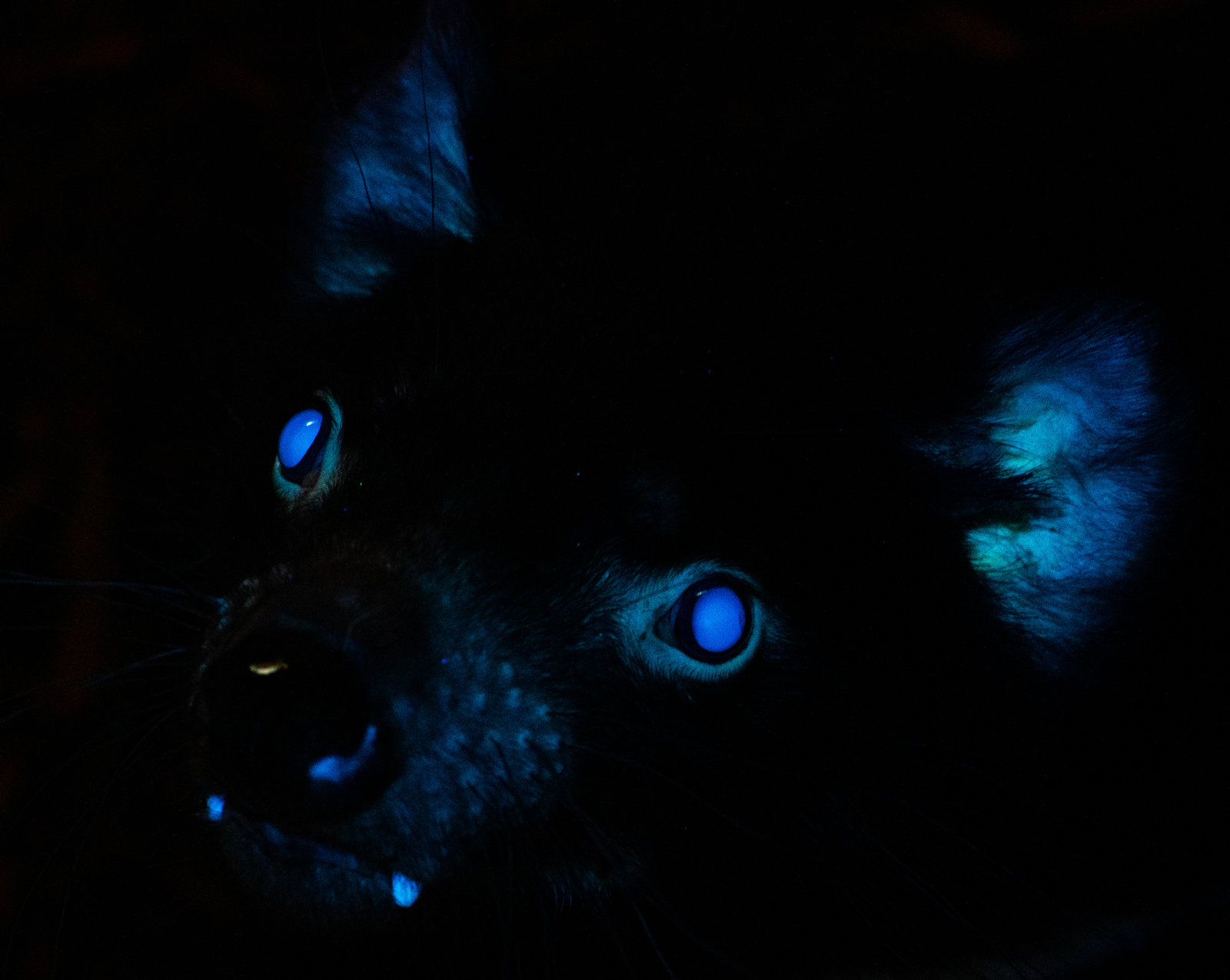
Toledo Zoo Discovers Tasmanian Devils That Glow

A conservation technician recently discovered that the zoo’s Tasmanian Devils are biofluorescent.
Toledo Zoo

You could say that a new discovery at the Toledo Zoo in Ohio is being met with glowing reviews.

A conservation technician recently discovered that the zoo’s Tasmanian Devils are biofluorescent.

That’s when animals absorb high-energy light and re-emit it. It’s believed to be the first documented case of the evolutionary phenomenon in Tasmanian Devils.

Jake Schoen, the technician, told the Toledo Blade, he made the discovery using a special camera, which revealed glowing blue eyes, ears and snout:

“I have a modified camera flash that is filtered, so it only releases a very specific wavelength of ultraviolet light,” he said.

In a dark area of their enclosure, staff lured the two devils, Bubbles and Spiderman, near Mr. Schoen using food rewards.

“The devils came right over for some food and I could take the photo just right over the barrier,” he said.

University of Kansas biologist Leo Smith, an expert in biofluorescence, usually studies fish. He said though it’s something more commonly found in fish, it’s not a first for land mammals. There are biofluorescent platypuses, squirrels and possums.

“There were things before fishes that were shown to be fluorescent but it’s been fun to see it just spread all over the place and find out that we’ve just been missing this phenomenon globally,” Smith said.

He said these findings are becoming more common as scientists are now on the lookout.

But he also said they tend to find biofluorescence not on faces but on other places on mammals — like bellies.

It’s not exactly clear what purpose the trait serves in mammals.

“It’s not something that you can necessarily come up with a really good explanation for why it might be there or what could be the advantage. Like a lot of things just evolve and they’re not good or bad they’re just whatever,” Smith told NPR. “But in this case, that’s what so cool about the Tasmanian Devil is that it’s on the face, right? It’s actually its ears and its eyebrows and it’s sort of very expressive.”

Smith said the glow might be a way to attract mates or for the nocturnal marsupials native to Australia to identify each other in the dark, but it’s hard to know for certain.

The implications for this kind of discovery though, can go well beyond nature.

“We’ve actually taken these molecules and done really important things with them,” Smith said.

Scientists have used biofluorescent proteins from jellyfish to track cancer cells and the progression of HIV.

Smith also said it’s possible some of these fluorescent discoveries could apply to other industries as well, such as less energy-intensive lighting for painted road and trail signs.

But Smith added it’s possible there’s no real practical reason for these animals to glow and that it’s just another aesthetic feature.

“It makes the animal look cooler in the same way a blacklight makes a Grateful Dead poster look cool.”

https://www.npr.org/2020/12/14/946189582/ohio-zoo-documents-1st-case-of-biofluorescence-in-tasmanian-devils

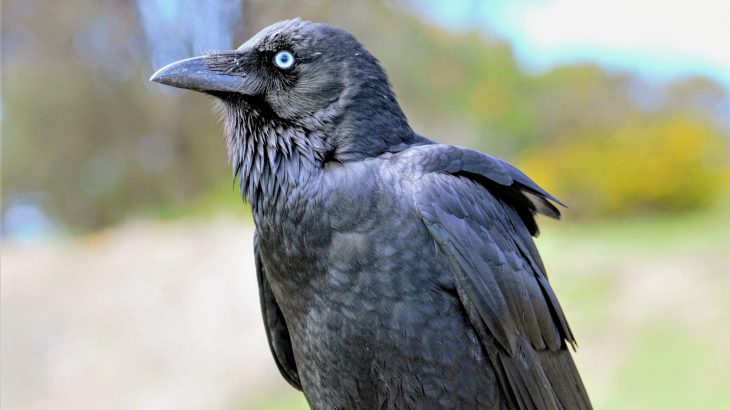
Ravens have sophisticated cognitive skills at four months old equal to adult apes

By Chrissy Sexton

By just four months of age, the cognitive abilities of ravens may be comparable to those of adult great apes, according to a new study published in Scientific Reports.

Researchers have demonstrated that young ravens are intellectually advanced in how they interact with others, and also in how they execute tasks which test their understanding of the physical world.

A team of experts led by Simone Pika analyzed the cognitive skills of eight hand-raised ravens at four, eight, 12, and 16 months of age using a series of tests.

The researchers were particularly focused on the following skills: spatial memory; object permanence – understanding that an object still exists when it is out of sight; relative numbers and addition; and the ability to communicate with and learn from a human.

The study revealed that the cognitive performance of ravens was relatively stable from four to 16 months of age. This finding indicates that the cognitive skills of the young birds have nearly or fully developed by four months of age.

At four months, ravens become more and more independent from their parents and start to discover their ecological and social environments. 

While task performance varied among individuals, the birds generally had the highest scores in relative numbers and addition, and the lowest scores on spatial memory. 

In a previous study, 106 chimpanzees and 32 orangutans had completed similar tasks. The current investigation revealed that the cognitive performance of the ravens was very similar to that of both orangutans and chimpanzees.

The research provides evidence that ravens may have evolved general, sophisticated cognitive skills like great apes. The experts theorize that ravens developed these skills in response to living in a constantly changing environment where survival and reproduction are reliant on cooperation and alliances between ravens.

The researchers emphasize, however, that the performance of the ravens observed for the study may not be representative of the species in general.

The study is published in the journal Scientific Reports.

The son of an Iraq War veteran designed an app to stop his dad’s PTSD nightmares

Tyler Skluzacek, right, created a smartwatch app to stop his father Patrick’s nightmares.

By Alaa Elassar

When US Army veteran Patrick Skluzacek returned from Iraq in the mid-2000s, life was good — every day was another welcome home party, he had a paid month off work, and he was finally back with family.

But then the nightmares started. “I was scared of closing my eyes,” Skluzacek told CNN. “They were just horrible, so vivid, I’d wake up thrashing and sweating. And Veterans Affairs didn’t have a cure for it. They just had people with nightmares, people killing themselves, and they didn’t understand why.”

His son, Tyler Skluzacek, now 27, knew his father had changed.

“I was just 13 when he came back from Iraq, but I knew he was a completely different person,” Tyler told CNN. “He used to be so active and happy. After the war he was just depressed, lethargic, irritable, and the worst part is he wasn’t sleeping. It was hard seeing my Dad like that.”

Suffering from post-traumatic stress disorder, his father had nightmares that haunted him for years. So in 2015, Tyler created a smartwatch app that tracks, manages, and stops nightmares to help his father. He invented the application, now called NightWare, during his senior year at Macalester College. The device received FDA clearance in November and works by using a person’s heart rate and movement to detect when they are having a nightmare. It then emits gentle vibrations to pull them out of the nightmare without waking them up.

A constant battle against PTSD

Tyler’s father retired from the Army in 2012 as a sergeant first class after a 22-year career. In 2006, he served a tour in Iraq. During the majority of his 12-month deployment, Patrick Skluzacek was a US Army convoy commander, managing fuel deliveries to Fallujah and Ramadi — two strongholds of the Iraqi insurgency at the time.

Once he came home and the nightmares began, Patrick said, the only way he was able to sleep was by drinking alcohol before going to bed. Eventually that turned into mixing alcohol and pills, anything, he said, that wouldn’t keep him up.

Trauma survivors often experience nightmares more frequently than the general population, according to the VA. Of people with PTSD, research shows that 71% to 96% of them may have nightmares, compared to 5% of the general public.

“I just kept drinking more and more. It got to the point where when I woke up from a nightmare at 3 a.m., I’d just have another drink. It caught up with me really fast,” he said. “I lost my job. And then I lost my wife, and then the alcohol got worse and I lost our home. I lost everything, really. “The nightmares lasted for nine years until his son was able to develop the app. Using his father as a guinea pig, Tyler tested out multiple prototypes of the app using an Android phone and a Pebble watch until he perfected it to the point where he says his father’s nightmares stopped entirely.

The app is now known as NightWare and is a prescription-only app for the Apple Watch.

The app is now known as NightWare and is a prescription-only app for the Apple Watch.

“In that moment my entire life changed. It was literally night and day, all of a sudden, everything stopped. I was sleeping so much better,” Patrick said. “My now wife tells me all the time, she’ll feel me thrashing before hearing the watch buzz, and I’d go back to snoring. My appetite came back, I couldn’t stop eating, so I gained back all the weight I lost from everything.”

After years of fighting his dependence on alcohol and sleeping pills, struggling to return to his normal life, Patrick says he was finally at peace again.

“It was really heartwarming. My dad and I never had much in common, he was the big trucks and NASCAR guy and I was the dork who played violin,” Tyler said. “But there are no words to describe the feeling to be able to help him in this way, so we became so much closer because of that. Helping someone that close to you is just an incredible thing to see.”

How NightWare works

In 2017, Tyler sold the rights to his traumatic nightmare monitoring and response algorithms to NightWare.

“My goal was saving my father, so mission accomplished. Now my goal is helping as many people as possible, but even if it just helps one person, it will all be worth it.”

Today, the NightWare software is built into an Apple Watch — the two together serve as a prescription-only medical device that has been clinically evaluated and cleared by the FDA, a NightWare spokesperson told CNN. The watch is only intended for home use and during sleep. It is not intended to host any other consumer apps or be used outside the home. When an individual is prescribed NightWare, they receive a kit — an Apple Watch with NightWare installed and an iPhone companion device so patterns can be tracked over time and monitored by their physician. The device, which is not available online, is currently for sale, with prioritized availability for veterans experiencing severe nightmares who have the most significant need. If prescribed by Veterans Affairs or a Department of Defense physician, the cost of the kit is covered for each individual.

“The company aims to ensure that most patients will have low to zero out-of-pocket costs, but costs will vary by insurer,” the spokesman said. “NightWare is in the process of going through the VA and DoD’s product evaluation and reimbursement process, with the hope of securing zero cost co-pay availability via multiple VA and DoD medical centers during the first and second quarters of 2021.

“The company is also exploring the creation of patient assistance programs for qualifying individuals who are not covered under the VA or the Defense Department.

https://www.cnn.com/2020/12/13/us/son-father-ptsd-nightware-app-nightmares-trnd/index.html

Archaeologists Discover Hidden Network of Amazonian Villages Arranged Like Clock Faces

By David Nield

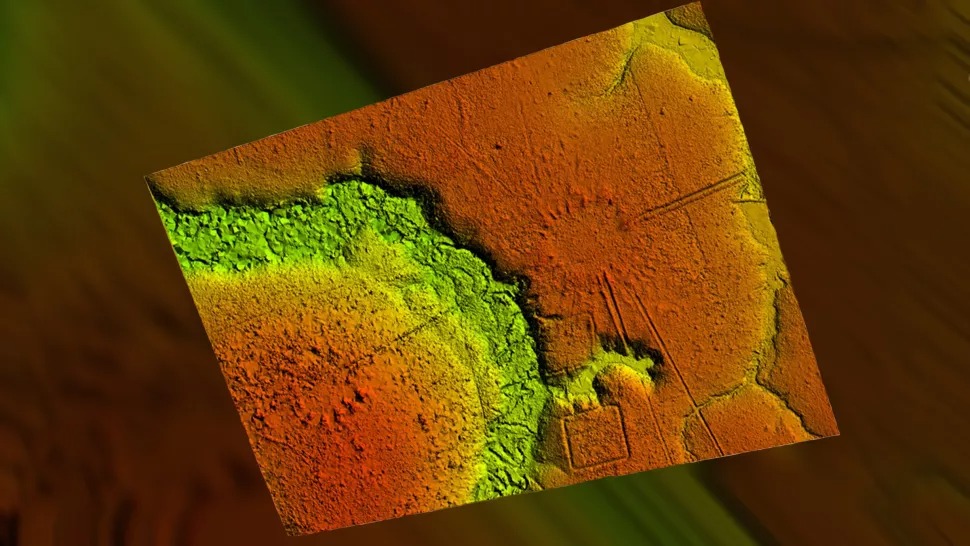
Using remote laser scanners mounted on helicopters, archaeologists have been able to peer below the forest canopy of the Amazon, revealing the layouts and links of ancient villages laid out like clock faces.

While these so-called mound villages had been spotted before, the new surveying technology has revealed exactly how they were organised at scale, and the data were gathered without the need for laborious work and excavation on the ground.

The findings were made possible through LIDAR scanning technology – the same long-distance, depth-sensing technique that’s found in various forms in self-driving cars and even in the newest iPhones from Apple.

sfxQM6PPTvGPdVS7CExtnB 970 80.jp(riarte, J, et al. Journal of Computer Applications in Archaeology, 2020; CC BY 4.0)

“LIDAR has allowed us to detect these villages, and their features such as roads, which wasn’t possible before because most are not visible within the best satellite data available,” says archaeologist José Iriarte, from the University of Exeter in the UK.

Instead of working from mound to mound, as has happened in the past, the researchers were able to see the layouts of entire villages and the connections between them, via a RIEGL VUX-1 UAV LIDAR sensor monitoring the forest from above.

The scans showed how the villages – built between 1300-1700 CE – were arranged to represent very specific social models, with no clear hierarchy.

“The uniform spatial layout of the mound villages, like many contemporaneous ring villages of the Neotropics, are likely to represent physical representations of the Native American cosmos,” the team writes in their paper.

Between 3 and 32 mounds were found at each site, with the mounds themselves as high as 3 metres (9.8 feet) in some cases, and stretching up to 20 metres (65.6 feet) in length. Closer investigation in the future should be able to reveal exactly what these mounds were used for – from houses to cemeteries.

Long, sunken minor and major roads with high banks were also discovered by LIDAR, radiating from the mound villages like rays of sunshine or the hands of a clock. Most villages showed two roads leaving to the north, and two to the south.

“LIDAR provides a new opportunity to locate and document earthen sites in forested parts of Amazonia characterised by dense vegetation,” says Iriarte. “It can also document the smallest surficial earthen features in the recently opened pasture areas.”

lidar scanThe LIDAR scanner. (Iriarte et al, Journal of Computer Applications in Archaeology, 2020)


In total the archaeologists studied some 36 villages, with some as little as 2.5 kilometres (1.6 miles) apart. As well as circular and elliptical villages, researchers also found them arranged in more of a rectangular shape. 

The research fills in some of the blanks in terms of the history of this part of the Amazon rainforest, the southeastern sector of the Acre state in Brazil, which was previously thought to be sparsely inhabited over the centuries.

However, the work is only preliminary: there’s lots more to discover about these neatly arranged ancient settlements, which will require a closer look at these newly discovered clock face mounds and the artefacts that can be found in them.

“The technology helps to show the diverse and complex construction history of this part of the Amazon,” says Iriarte.

The research has been published in the Journal of Computer Applications in Archaeology.

https://www.sciencealert.com/lidar-scans-reveal-hidden-ancient-amazonian-villages-arranged-like-clock-faces

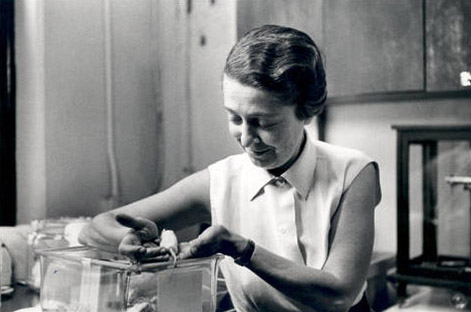
Neuroscientist Rita Levi-Montalcini began her Nobel Prize–winning work in a makeshift laboratory in Italy during the Second World War.

by Diana Kwon

What do nerves need in order to grow? That question first caught Rita Levi-Montalcini’s attention in the 1930s, when she came across a recent paper by embryologist Viktor Hamburger. After observing that clipping the wing bud off chicken embryos stunted the growth of spinal nerves and ganglia on the side of the body with the excision, Hamburger reported that signals from the limb drove the growth and differentiation of immature cells in the central nervous system. Levi-Montalcini was intrigued. But after repeating the embryo experiments and finding that the chick’s nerve cells continued to develop after amputation and died later—just before reaching their target tissue—she came to a different conclusion. Rather than failing to initiate nerve growth, she hypothesized, the animals were unable to sustain the growing cells, causing a degenerative process that limited their proliferation.  

Levi-Montalcini began these experiments at the University of Turin in Italy, but as a Jewish scientist, she was forced to leave in 1938 when Mussolini’s Fascist government made it illegal for her to work at state universities. She continued the work from a secret, makeshift laboratory in her bedroom until the end of World War II. 

VENOMOUS GROWTH: Rita Levi-Montalcini and Stanley Cohen found that when nerve tissue from chicken embryos is cultured alongside snake venom, a rich source of nerve growth factor (NGF), it grows a dense halo of nerve fibers (right). Without NGF (left), fewer nerve fibers develop, and those that do grow are smaller. PNAS, 42:571–74, 1956

Levi-Montalcini sent reports to her former advisor, histologist Giuseppe Levi (no relation to Levi-Montalcini), then in Belgium, who published their coauthored manuscripts in academic journals. In 1946, Hamburger invited Levi-Montalcini to his lab at Washington University in St. Louis. Together, they found that many nerve cells die during normal development, and that limb amputations heighten this loss. Soon after, Levi-Montalcini followed up on the findings of Hamburger’s former graduate student Elmer Bueker, who had observed that, like the developing limb, a rapidly growing malignant tumor could also promote the growth of nerve cells in chicken embryos. Levi-Montalcini transplanted tumors onto the membrane around an embryo, where they were only connected to the developing animal by a common blood supply, and demonstrated that the tumors could still encourage neural growth. It seemed there was a diffusible agent that was influencing nervous system development.  

In the early 1950s, Levi-Montalcini began collaborating with biochemist Stanley Cohen, who had just joined Hamburger’s lab. The pair isolated and characterized the mystery molecule, nerve growth factor (NGF), which turned out to be crucial for the development and survival of cells in the nervous system.Cohen later identified another factor, epidermal growth factor (EGF), which stimulates the growth of epithelial cells. And in 1986, Levi-Montalcini and Cohen shared the Nobel Prize in Physiology or Medicine for their discoveries of NGF and EGF, respectively. The discovery of these first growth factors was a “breakthrough in the field of extracellular messengers,” a category that also includes vitamins and hormones, says Pietro Calissano, a neuroscientist and vice president of the European Brain Research Institute in Italy, which Levi-Montalcini founded. “[NGF and EGF] brought to light the existence of an entirely new category of diffusible substances.”

Following the discovery of NGF, Levi-Montalcini spent much of the rest of her career investigating the role of the growth factor in the developing nervous system. Before passing away in 2012 at the age of 103, she also penned several books and set up a foundation to provide guidance and financial support to young students seeking higher education. Calissano, who worked with Levi-Montalcini for more than 40 years, remembers her as “a brilliant scientist and charming woman who liked to approach research with imagination.” 

Study finds that by age 3 kids prefer nature’s fractal patterns

by Jim Barlow, University of Oregon

Before their third birthdays, children already have an adult-like preference for visual fractal patterns commonly seen in nature, report University of Oregon researchers.

That discovery emerged among children raised in a world of Euclidean geometry, such as in houses with rooms constructed with straight lines in a simple nonrepeating manner, said Kelly E. Robles, a doctoral student in the Department of Psychology.

“Unlike early humans who lived outside on savannahs, modern-day humans spend the majority of their early lives inside these manmade structures,” Robles said. “So, since children are not heavily exposed to these natural, low-to-moderate complexity fractal patterns, this preference must come from something earlier in development or perhaps are innate.”

The study, led by Robles, published online Nov. 25 in the Nature journal Humanities and Social Sciences Communication.

In it, her team explored how individual differences in processing styles may account for trends in fractal fluency. Previous research suggested that such a preference is built by environmental and developmental factors across the lifespan.

In the study, researchers exposed participants—82 adults, ages 18-33, and 96 children, ages 3-10—to images of fractal patterns, exact and statistical, ranging in complexity on computer screens.

Exact fractals are highly ordered such that the same basic pattern repeats exactly at every scale and may possess spatial symmetry such as that seen in snowflakes. Statistical fractals, in contrast, repeat in a similar but not exact fashion across scale and do not possess spatial symmetry, as seen in coastlines, clouds, mountains, rivers and trees. Both forms appear in art across many cultures.

When viewing the patterns, Robles said, subjects chose favorites between pairs of images that differed in complexity. When looking at exact fractal patterns, selections involved different pairs of snowflake-like or tree-branch-like images. For the statistical fractals, selections involved choosing between pairs of cloud-like images.

“Since people prefer a balance of simplicity and complexity, we were looking to confirm that people preferred low-to-moderate complexity in statistically repeating patterns, and that the presence of order in exact repeating patterns allowed for a tolerance of and preference for more complex patterns,” she said.

Although there were differences in the preferences of adults and children, the overall trend was similar. Exact patterns with greater complexity were more preferred, while preference for statistical patterns peaked at low-moderate complexity and then decreases with additional complexity.

In subsequent steps, the UO team was able to rule out the possibility that age-related perceptual strategies or biases may have driven different preferences.

“We found that people prefer the most common natural pattern, the statistical fractal patterns of low-moderate complexity, and that this preference does not stem from or vary across decades of exposure to nature or to individual differences in how we process images,” Robles said. “Our preferences for fractals are set before our third birthdays, suggesting that our visual system is tuned to better process these patterns that are highly prevalent in nature.”

The aesthetic experience of viewing nature’s fractals holds huge potential benefits, ranging from stress-reduction to refreshing mental fatigue, said co-author Richard Taylor, professor and head of the UO’s Department of Physics.

“Nature provides these benefits for free, but we increasingly find ourselves surrounded by urban landscapes devoid of fractals,” he said. “This study shows that incorporating fractals into urban environments can begin providing benefits from a very early age.”

Taylor, in his own research, is using fractal-inspired designs in an effort to create implants for the eyes to treat macular degeneration. He and co-author Margaret Sereno, professor of psychology and director of the Integrative Perception Lab, also have published on the positive aesthetic benefits of installing fractal solar panels and window blinds.

https://medicalxpress.com/news/2020-12-age-kids-nature-fractal-patterns.html

Possible new whale species discovered in Mexico

Possibly a new species of Beaked whale

Scientists working off the western coast of Mexico say they have found a previously unknown species of whale.Three beaked whales were spotted last month by a team of scientists working with the Sea Shepherd Conservation Society near the San Benito Islands, some 300 miles from the US border, according to a press release published Tuesday.

Genetic sampling will confirm whether the whales are a new species.The team had set out to try to find out what kind of whales were making an unidentified acoustic signal previously recorded in the area.Beaked whale experts working alongside Sea Shepherd’s scientific department managed to take photographs and video recordings of the three whales, and also recorded their acoustic signals using an underwater microphone.

Researchers Gustavo Cárdenas Hinojosa, Jay Barlow and Elizabeth Henderson are “highly confident” that the animals are a new whale species, according to the press release. Genetic sampling will be used to confirm whether they are correct.”We saw something new. Something that was not expected in this area, something that doesn’t match, either visually or acoustically, anything that is known to exist,” said Barlow.

“It just sends chills up and down my spine when I think that we might have accomplished what most people would say was truly impossible — finding a large mammal that exists on this earth that is totally unknown to science.”Each whale species emits a unique acoustic signal underwater and this sound has never been recorded before, plus initial analysis of the whales’ physical characteristics suggests this is a new species, according to the team.”The discovery of a new species of beaked whale proves how much mystery there is left to discover in the oceans that our captains, crews, and research partners fight to defend,” said Peter Hammarstedt, Director of Campaigns for Sea Shepherd.

https://www.cnn.com/2020/12/09/americas/new-whale-species-mexico-scli-intl-scn/index.html

Aliens exist and Trump almost let it slip, says Israeli professor and former space official

A former Israeli space security chief has sent eyebrows shooting heavenward by saying that earthlings have been in contact with extraterrestrials from a “galactic federation.”

“The Unidentified Flying Objects have asked not to publish that they are here, humanity is not ready yet,” Haim Eshed, former head of Israel’s Defense Ministry’s space directorate, told Israel’s Yediot Aharonot newspaper. The interview in Hebrew ran on Friday, and gained traction after parts were published in English by the Jerusalem Post on Tuesday.

A respected professor and retired general, Eshed said the aliens were equally curious about humanity and were seeking to understand “the fabric of the universe.”

Eshed said cooperation agreements had been signed between species, including an “underground base in the depths of Mars” where there are American astronauts and alien representatives.

“There is an agreement between the U.S. government and the aliens. They signed a contract with us to do experiments here,” he said.

Eshed added that President Donald Trump was aware of the extraterrestrials’ existence and had been “on the verge of revealing” information but was asked not to in order to prevent “mass hysteria.”

“They have been waiting until today for humanity to develop and reach a stage where we will understand, in general, what space and spaceships are,” Eshed said, referring to the galactic federation.

The White House and Israeli officials did not immediately respond to NBC News’ request for comment. Sue Gough, a spokesperson for the Pentagon, declined to comment.

A spokesperson for NASA said one of the agency’s key goals was the search for life in the universe but that it had yet to find signs of extraterrestrial life.

“Although we have yet to find signs of extraterrestrial life, NASA is exploring the solar system and beyond to help us answer fundamental questions, including whether we are alone in the universe,” the spokesperson said in a statement.

Eshed’s ideas are spelled out in more detail in “The Universe Beyond the Horizon — conversations with Professor Haim Eshed” by Hagar Yanai published in November.

Eshed, who oversaw the launch of numerous Israeli satellites into space, said he was only speaking out now because attitudes were changing and people seemed more receptive.

“If I had come up with what I’m saying today five years ago, I would have been hospitalized,” he told Yediot. “Today, they’re already talking differently. I have nothing to lose. I’ve received my degrees and awards, I am respected in universities abroad.”

In May, Trump said, “Space is going to be the future, both in terms of defense and offense … we’re now the leader on space,” as he was presented with the official flag of a newly created military branch, Space Force.

Its focus, along with a Space Command, is on space as a military domain for the U.S., preserving satellites and communications and a focus on geo-politics in new terrain.

Eshed’s comments immediately spawned jokes and theories online. At least half-a-dozen accounts have been created on Twitter claiming to be representatives to earth from the “Galactic Federation.” Other users have asked for preferential treatment and meetings with the other-worldly group.

Nick Pope, who used to investigate UFOs for the British Ministry of Defense, described Eshed’s remarks as “extraordinary.”

“Either this is some sort of practical joke or publicity stunt to help sell his book, perhaps with something having been lost in translation, or someone in the know is breaking ranks,” he said.

Pope said the UFO and conspiracy theory community was excited but that questions remained including whether or not Eshed was speaking from direct personal knowledge and experience or whether he is repeating something he has been told.

“There are still some missing pieces of the puzzle here,” he said.

Thanks to Kebmodee for bringing this to the It’s Interesting community.

https://news.yahoo.com/former-israeli-space-security-chief-135211193.html