New Barrett’s esophagus monitoring method could aid in easier and more precise prognoses

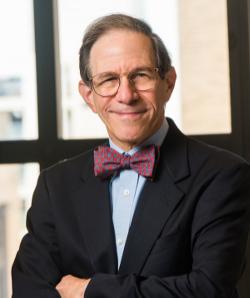
Sandy Markowitz

A new technique for sampling and testing cells from Barrett’s esophagus (BE) patients could result in earlier and easier identification of patients whose disease has progressed toward cancer or whose disease is at high risk of progressing toward cancer, according to a collaborative study by investigators at Case Western Reserve University and Johns Hopkins Kimmel Cancer Center (JHKCC).

Published in the journal Gastroenterology, the findings show the combination of esophageal “brushing” with a massively parallel sequencing method can provide an accurate assessment of the stages of BE in patients and detect specific chromosomal alterations, including the presence of esophageal adenocarcinoma (EAC).

This combined approach aims to provide a practical and sensitive molecular-based method that could improve how doctors detect early progression of BE toward cancer and also assess the risks for such progression among patients already diagnosed with early-stage BE.

“The tests that we have for detecting disease progression in patients with BE are inadequate, as shown by BE patients who develop cancer while under medical surveillance,” said Amitabh Chak, senior and corresponding author on the study and a professor of medicine at the School of Medicine and gastroenterologist at the University Hospitals Digestive Health Institute. “We also lack accurate means to recognize new BE patients who are at highest risk to progress toward cancer, and who need more intense surveillance.”

“Our findings provide the technical means and conceptual basis for an new molecular based approach that could become key to the clinical management of this disease,” said Sanford Markowitz, co-corresponding author and the Ingalls Professor of Cancer Genetics and Medicine and Distinguished University Professor at the Case Western Reserve School of Medicine and Case Comprehensive Cancer Center (Case CCC), an oncologist at UH Seidman Cancer Center and corresponding author of the study.

Associated with chronic gastroesophageal reflux disease, BE usually emerges from damage to the lining of the esophagus after repeated exposure to acid and contents from the stomach.

BE is the precursor lesion to esophageal cancer, and while most BE cases do not progress to cancer, those in whom cancer develops face an overall five-year survival rate below 20%.  

Challenges in caring for BE patients are therefore to detect small areas within the BE in which progression toward cancer has occurred and to identify new BE patients in whom the risk of such progression is particularly high. This study reported a new molecular based approach that addresses both these needs.

New way to monitor BE

The effectiveness of the new approach comes from the respective convenience and effectiveness of its two parts.

First, esophageal brushings can sample a more extensive region of the esophagus than conventionally employed biopsies—even when multiple biopsies are performed. Second, massively parallel sequencing can detect chromosomal changes indicative of disease progression even in rare cells present in the mixture collected by brushings. The sequencing technology, called RealSeqS, is similar to that which JHKCC investigators developed for use in blood tests for cancer, except the Case Western Reserve and JHKCC collaborative team applied it to esophageal brushings.

“We reasoned that RealSeqS could be effective when applied to esophageal brushings, because of the underlying challenge is the same as in blood samples, that of detecting DNA from rare abnormal cells among the large number of normal cells also present,” Markowitz said. More studies will be needed with larger cohorts to refine the approach, he said.

Current BE testing and monitoring methods, including endoscopic detection surveillance and testing of abnormal tissue, to monitor BE for progression and to detect esophageal cancer, but the approach relies on the sampling with random biopsies, which are inherently imprecise.

“This new method shows promise to make the monitoring of BE more efficient and effective,” said Chak. “Currently, some patients can progress to advanced cancer even though they are under surveillance. Most patients are not at risk for progressing, yet because we cannot tell who is not at risk for progressing, we survey everyone—so we over-survey patients. We are seeking to change this.”

In the study, esophageal brushings were obtained from patients without BE, with early-stage BE—known as non-dysplastic BE (NDBE); with earliest-stage progression, known as low-grade dysplasia (LGD); with further progression known as high grade dysplasia (HGD), or with full progression to EAC.

Testing esophageal brushing samples with RealSeqS, enabled researchers to develop molecular classifiers—based on detecting progression associated chromosome alterations contributed by rare cells in the BE—to accurately discriminate between patients with non-dysplastic BE (NDBE) and those with precancerous cells (dysplasia) or cancer. Moreover, the investigators identified a unique subset of 7% of NDBE patients who already showed the molecular signature of its progression, and who are likely to be at high risk of developing clinically evident progressive disease.

The study is a collaboration between JHKCC and the Case CCC’s GI SPORE (Gastrointestinal Specialized Program of Research Excellence) and BETRNet (Barrett’s Esophagus Translational Research Network) programs led respectively by Markowitz, Chak and Joseph Willis, a pathology professor at the School of Medicine and pathology vice-chair for translational research at UH.

Co-authors of the paper “Massively Parallel Sequencing of Esophageal Brushings Enables an Aneuploidy-Based Classification of Patients with Barrett’s Esophagus,” include joint first authors Christopher Douville of the Sidney Kimmel Comprehensive Cancer Center at Johns Hopkins University (JHU) and Helen R. Moinova from Case Western Reserve; joint senior authors Chetan Bettegowda of JHU and Willis and Chak of CWRU/UH; additional authors include Prashanthi N. Thota of Cleveland Clinic; Nicholas J. Shaheen of the University of North Carolina School of Medicine; Prasad G. Iyer of Mayo Clinic; Jean S. Wang of Washington University School of Medicine in St. Louis; John Dumot and Ashley Faulx of UH; and Kenneth W. Kinzler, Marcia Irene Canto, Nickolas Papadopoulos and Bert Vogelstein of JHU.
Scientists Reconstruct Stone Age Bear Genome From Cave Soil Samples

Scientists reconstructed ancient DNA from samples found in soil for the first time, in a development that is set to significantly advance the study of evolution. Their findings are published in the journal Current Biology.

The findings, which have been described as the “moon landings of genomics,” mean that researchers will no longer have to rely solely on finding and testing ancient fossils of bone or teeth to determine genetic ancestry. 

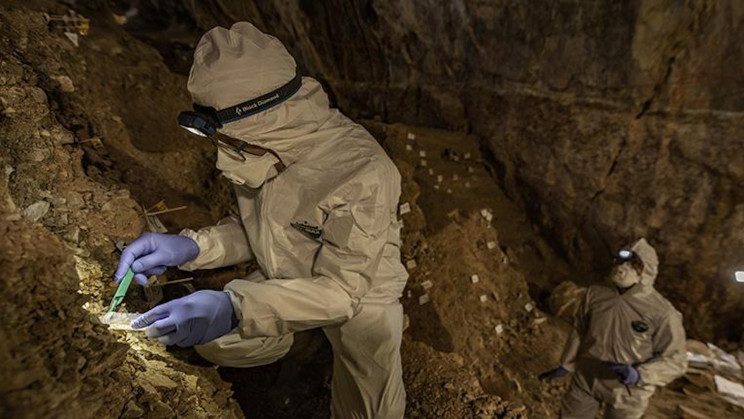
A team of scientists, led by Professor Eske Willerslev of the University of Cambridge’s Department of Zoology, recreated the genomes of animals, plants, and bacteria from microscopic fragments of DNA found in the Chiquihuite Cave in the Astillero Mountains of North-Western Mexico.

Their work constitutes the first time environmental DNA has been sequenced from soil and sediment, which included the ancient DNA profile of a Stone Age American black bear.

By sampling feces and urine droplets from an ancestor of the American black bear, the scientists recreated the entire genetic code of two species of the animal — the Stone Age American black bear, and a short-faced bear called Arctodus simus that died out 12,000 years ago. 

Soil samples used to reconstruct genomes for the first time

By reconstructing DNA from highly fragmented samples found in soil, the researchers opened up a whole host of possibilities for future investigations into ancient settlements.

“When an animal or a human urinates or defecates, cells from the organism are also excreted. We can detect the DNA fragments from these cells in the soil samples and have now used these to reconstruct genomes for the first time,” Professor Willerslev explained in a Cambridge University press release. “We have shown that hair, urine, and feces all provide genetic material which, in the right conditions, can survive for much longer than 10,000 years.”

Willerslev said that the new findings could lead to whole new areas of investigation into climate change and the evolution of species, as fossils are no longer a requirement. The team of researchers explained that tests could now reveal never-before-detected insights into a large number of Stone Age settlements worldwide.

“Imagine the stories those traces could tell,” Willerslev said. “It’s a little insane — but also fascinating — to think that, back in the Stone Age, these bears urinated and defecated in the Chiquihuite Cave and left us the traces we’re able to analyze today.”

Discounting recent false claims that Neuralink has the technology to build Jurassic Park, this is one of the most impressive recent developments in genomics and is likely to lead to a host of new findings about our past and the evolution of life on our planet.

https://interestingengineering.com/stone-age-bear-genome-reconstructed-from-cave-soil

Gene That Could Help Prevent or Delay Onset of Alzheimer’s Disease Identified

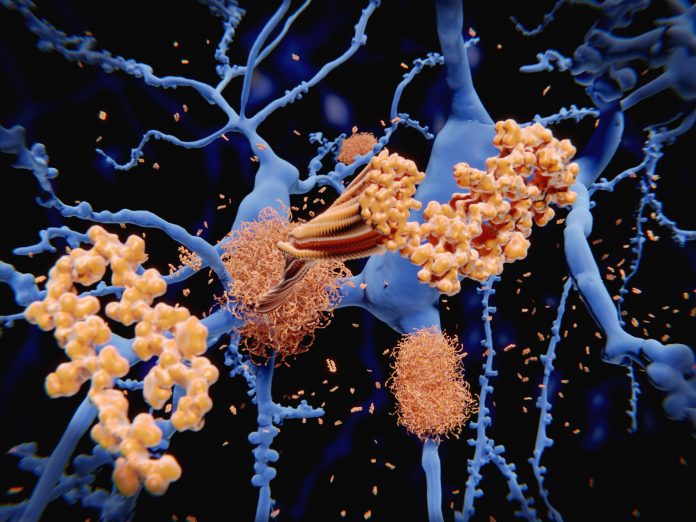
The protein encoded by the gene ABCC1 has the ability to break down amyloid plaques in the brain that are a characteristic symptom of Alzheimer’s disease, suggests research from the Translational Genomics Research Institute in Phoenix.

The researchers involved in the study believe that increasing expression of this gene could not only delay, but may even actively prevent the neurodegenerative disease from developing in the first place.

“Much work remains toward developing a drug that slows the development of, or prevents, Alzheimer’s disease, but our findings suggest that targeting ABCC1 offers a promising path that could eventually lead to effective therapeutics,” said Wayne Jepsen, a researcher at the Translational Genomics Research Institute (TGen), and the lead author of the study describing the work that is published in the journal Biology Open.

Alzheimer’s disease is one of the most common neurodegenerative dementias and is estimated to affect 44 million people around the world. In the U.S. alone, there are an estimated 5.5 million people with the condition the majority of whom are 65 years and older.

Attempts to develop effective drugs or therapies to prevent or treat Alzheimer’s have largely failed and the only current option for those diagnosed with this condition is moderately effective treatments to reduce symptom severity such as acetylcholinesterase inhibitors.

The Adenosine triphosphate binding cassette subfamily C member 1 (ABCC1) was previously shown to transport amyloid beta to the periphery of the blood brain barrier in a mouse model of Alzheimer’s. Other animal studies have also shown that activating expression of the ABBC1 protein can help reduce amyloid plaque build-up in the brain.

In this study, Jepsen and colleagues tested the impact of ABCC1 on human brain cell lines engineered to overexpress amyloid precursor protein.

They confirmed previous studies showing that ABCC1 transports amyloid beta – the substance that forms amyloid plaques in the brain – from the cell cytoplasm. But also showed that overexpression of the protein can actively reduce levels of amyloid beta.

ABCC1 seems to do this by increasing the number of amyloid precursor proteins that are cut by an enzyme known as an alpha-secretase. These amyloid molecules do not go on to form plaques in the same way that those cut with a beta-secretase do.

“Compounds that can dramatically increase ABCC1 transport activity, or that can increase ABCC1 expression, may prove to be viable drugs for the treatment or prevention of Alzheimer’s disease by not only increasing clearance of amyloid beta from the brain, but also by reducing the amount of amyloid beta that is produced,” said Matt Huentelman, Ph.D., TGen Professor of Neurogenomics, and the study’s senior author.

“Interestingly, due to the historical focus in cancer research on finding ABCC1 inhibiting drugs, we are betting that there are already drugs out there that are known to have an opposite ABCC1-activating effect, and our data suggest that such drugs should be examined for anti-Alzheimer’s disease activity,” he concluded.

Betaine supplement treats schizophrenia in mice, restores healthy ‘dance’ and structure of neurons

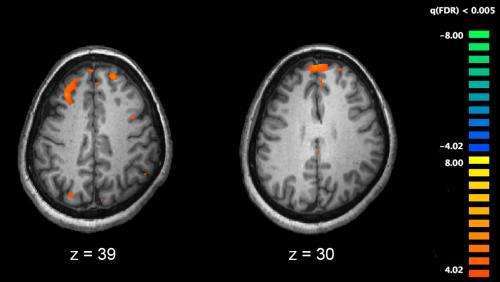
Functional magnetic resonance imaging (fMRI) and other brain imaging technologies allow for the study of differences in brain activity in people diagnosed with schizophrenia. The image shows two levels of the brain, with areas that were more active in healthy controls than in schizophrenia patients shown in orange, during an fMRI study of working memory. Credit: Kim J, Matthews NL, Park S./PLoS One.

A simple dietary supplement reduces behavioral symptoms in mice with a genetic mutation that causes schizophrenia. After additional experiments, including visualizing the fluorescently stained dancing edge of immature brain cells, researchers concluded that the supplement likely protects proteins that build neurons’ cellular skeletons.

The supplement betaine was first isolated from sugar beets and is often associated with sweetness or umami flavor. Healthy levels of betaine come from both external food sources and internal synthesis in the body. Betaine supplements are already used clinically to treat the metabolic disease homocystinuria.

“I don’t encourage anyone to take betaine for no reason, if a doctor has not recommended it. But, we know this drug is already used clinically, so repurposing it to treat schizophrenia should be safe,” said Project Professor Nobutaka Hirokawa, M.D., Ph.D., from the University of Tokyo Graduate School of Medicine who led the recent research project. Hirokawa has been a member of the Japan Academy, a national honorary organization recognizing scientific achievement, since 2004 and received a Person of Cultural Merit award from the Japanese government in 2013.

Schizophrenia is estimated to affect about 1 in 100 people globally and is one of the top 15 leading causes of disability worldwide.

“There are treatments for schizophrenia, but they have side effects and unfortunately there is still no effective drug for patients to take that we can explain biochemically why it works,” explained Hirokawa.

Genetic studies of people diagnosed with schizophrenia have found possible links between the disease and variations in the kinesin family 3b (kif3b) gene as well as another gene involved in the body’s internal synthesis of betaine.

Hirokawa and his lab members have categorized all 45 members of the kinesin superfamily of genes in mammals, most of which encode motor proteins that move materials throughout the cell. Normally, the KIF3B protein links together with another kinesin superfamily protein and transports cargo throughout a neuron by traveling up and down the cell’s skeleton.

Mice used in the recent research had only one functional copy of the kif3b gene and are often used as an animal model of schizophrenia. These mice avoid social interactions and show the same weak response as human patients with schizophrenia in a test called prepulse inhibition, which measures how startled they are by a sudden, loud sound preceded by a quieter sound.

Kif3b mutant mice raised on a diet supplemented with three times the normal amount of betaine had normal behavior, indicating that betaine supplements could treat schizophrenia symptoms.

To figure out why betaine had this effect on mice, researchers grew nerve cells with the kif3b mutation in the laboratory and added fluorescent labels so they could watch the cellular skeleton take shape.

The shape of a healthy neuron is reminiscent of a tree: a cell body surrounded by branches, the dendrites, attached to a long trunk, the axon. Kif3b mutant neurons grown in the lab have an unusual, hyperbranched structure with too many dendrites. Similar hyperbranched neurons are also seen in brain samples donated by people with schizophrenia, regardless of what treatments or medications they took while they were alive.

During healthy neuron development, the main body of the cell fills with a skeleton component called tubulin. Meanwhile, the front growth cone of the cell builds outwards in a spiky, erratic dance due to the movements of another skeleton component called filamentous actin. In kif3b mutants, this dancing movement, which experts refer to as lamellipodial dynamics, is noticeably reduced and the division between tubulin and actin is blurred.

The actin in a neuron’s cellular skeleton is assembled in part by another protein called CRMP2. Chemical analyses of the brains of kif3b mutant mice and human schizophrenia patients reveal significant chemical damage to CRMP2, which causes the proteins to clump together.

Betaine is known to prevent the type of chemical damage, carbonyl stress, that causes this CRMP2 dysfunction.

“In postmortem brains of schizophrenia patients, CRMP2 is the protein in the brain with the most carbonyl stress. Betaine likely eliminates the carbonyl stress portion of the schizophrenia equation,” said Hirokawa.

By protecting CRMP2 from damage, betaine treatment allows kif3b mutant neurons to build proper structures. With a structurally sound skeleton to navigate, the remaining functional KIF3B protein can shuttle cargo around the cell. Other test tube experiments revealed that KIF3B and CRMP2 can bind together, but their exact relationship remains unclear.

“We know that the amount of betaine decreases in schizophrenia patients’ brains, so this study strongly suggests betaine could be therapeutic for at least some kinds of schizophrenia,” said Hirokawa.

The UTokyo research team is planning future collaborations with pharmaceutical companies and clinical studies of betaine supplements as a treatment for schizophrenia.

More information: Shogo Yoshihara et al. Betaine ameliorates schizophrenic traits by functionally compensating for KIF3-based CRMP2 transport, Cell Reports (2021). DOI: 10.1016/j.celrep.2021.108971

https://medicalxpress.com/news/2021-04-supplement-schizophrenia-mice-healthy-neurons.html

Hester Ford, the oldest living American, has died at 115, or 116…

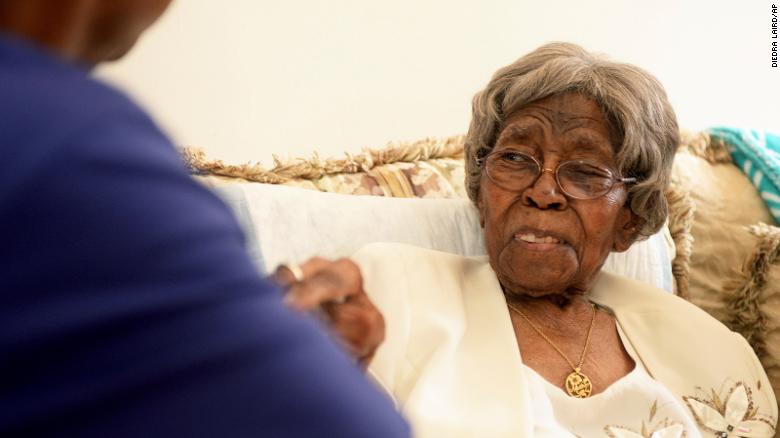
Roosevelt Patterson greets his grandmother Hester “Granny” Ford during Ford’s 111th birthday party. “Hester “Granny” Ford” turned 111 years old, and celebrated her long life at her Charlotte home on Saturday with family and friends.

By Sharif Paget and Claudia Dominguez, 

Hester Ford, a North Carolina woman who was recognized as the oldest living American, died peacefully on Saturday in her home in Charlotte, North Carolina, her great-granddaughter Tanisha Patterson-Powe confirmed.

Ford was at least 115 years and 245 days old at the time of her death, according to the Gerontology Research Group, who verified her as the oldest living American in 2019. Her family, however, told CNN she was born on August 15, 1904, which would make her 116 years old.

Ford was born in Lancaster, South Carolina, to Peter and Frances McCardell. She went on to marry John Ford and had 12 children — eight girls and four boys.

“It is overwhelming, yet an awakening experience to realize my grandmother wasn’t just an ordinary woman, she was E-X-T-R-A-ordinary,” Patterson-Powe told CNN in an email.

“She never ‘fit into a one size fit all box’ as she was a master inventor and innovator — a trailblazer setting her own trends within the community and her home,” she said.

Patterson-Powe described her great-grandmother as steadfast and unmovable in the face of adversity.

“She never complained, never showed defeat or entertained a pity-party,” Patterson-Powe said.With Ford’s passing, the Gerontology Research Group lists Thelma Sutcliffe of Nebraska, born in 1906, as the oldest living American. The world’s oldest person is Kane Tanaka of Japan at 118 years old, it says.

https://www.cnn.com/2021/04/19/us/hester-ford-oldest-living-american-dies/index.html

Imbalance in Gum Bacteria Linked to Alzheimer’s Disease Biomarker

An increase in bad gum bacteria and a decrease in good bacteria is associated with amyloid-beta in cerebral spinal fluid samples of older adults. The findings add to the growing body of evidence linking periodontal disease to the development of Alzheimer’s.

Older adults with more harmful than healthy bacteria in their gums are more likely to have evidence for amyloid beta–a key biomarker for Alzheimer’s disease–in their cerebrospinal fluid (CSF), according to new research from NYU College of Dentistry and Weill Cornell Medicine. However, this imbalance in oral bacteria was not associated with another Alzheimer’s biomarker called tau.

The study, published in the journal Alzheimer’s & Dementia: Diagnosis, Assessment & Disease Monitoring, adds to the growing evidence of a connection between periodontal disease (gum disease) and Alzheimer’s.

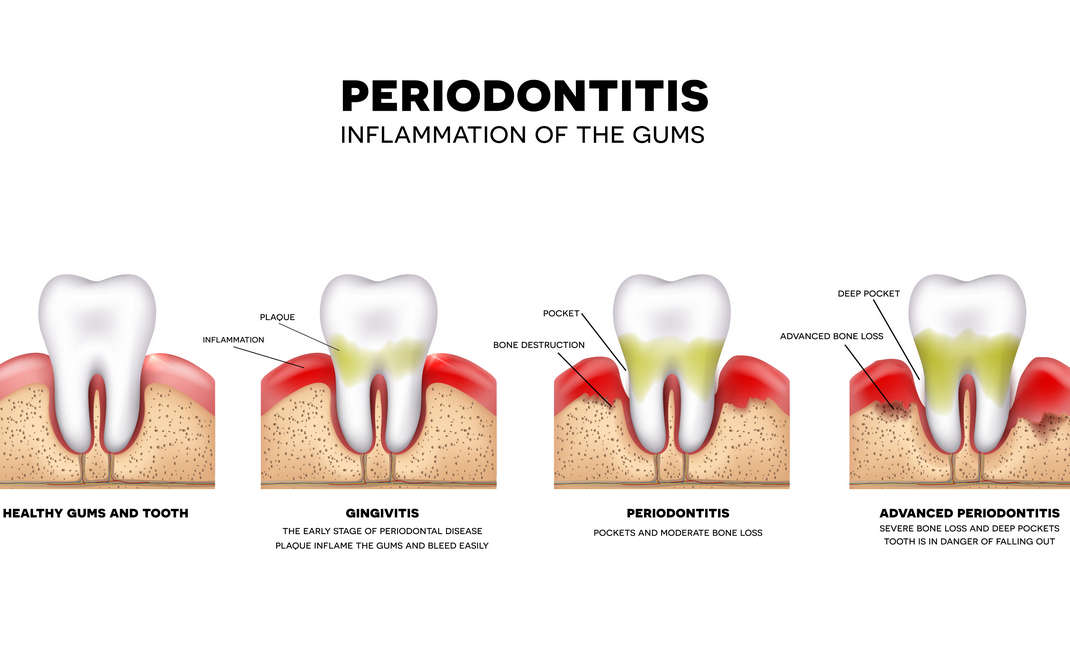
Periodontal disease–which affects 70 percent of adults 65 and older, according to CDC estimates–is characterized by chronic and systemic inflammation, with pockets between the teeth and gums enlarging and harboring bacteria.

“To our knowledge, this is the first study showing an association between the imbalanced bacterial community found under the gumline and a CSF biomarker of Alzheimer’s disease in cognitively normal older adults,” said Angela Kamer, DDS, PhD, associate professor of periodontology and implant dentistry at NYU College of Dentistry and the study’s lead author.

“The mouth is home to both harmful bacteria that promote inflammation and healthy, protective bacteria. We found that having evidence for brain amyloid was associated with increased harmful and decreased beneficial bacteria.”

Alzheimer’s disease is characterized by two hallmark proteins in the brain: amyloid beta, which clumps together to form plaques and is believed to be the first protein deposited in the brain as Alzheimer’s develops, and tau, which builds up in nerve cells and forms tangles.

“The mechanisms by which levels of brain amyloid accumulate and are associated with Alzheimer’s pathology are complex and only partially understood. The present study adds support to the understanding that proinflammatory diseases disrupt the clearance of amyloid from the brain, as retention of amyloid in the brain can be estimated from CSF levels,” said the study’s senior author Mony J. de Leon, EdD, professor of neuroscience in radiology and director of the Brain Health Imaging Institute at Weill Cornell Medicine.

The researchers studied 48 healthy, cognitively normal adults ages 65 and older. Participants underwent oral examinations to collect bacterial samples from under the gumline, and lumbar puncture was used to obtain CSF in order to determine the levels of amyloid beta and tau.

To estimate the brain’s expression of Alzheimer’s proteins, the researchers looked for lower levels of amyloid beta (which translate to higher brain amyloid levels) and higher levels of tau (which reflect higher brain tangle accumulations) in the CSF.

Analyzing the bacterial DNA of the samples taken from beneath the gumline under the guidance of NYU College of Dentistry microbiologist Deepak Saxena, PhD, the researchers quantified bacteria known to be harmful to oral health (e.g. Prevotella, Porphyromonas, Fretibacterium) and pro-oral health bacteria (e.g. Corynebacterium, Actinomyces, Capnocytophaga).

The results showed that individuals with an imbalance in bacteria, with a ratio favoring harmful to healthy bacteria, were more likely to have the Alzheimer’s signature of reduced CSF amyloid levels. The researchers hypothesize that because high levels of healthy bacteria help maintain bacterial balance and decrease inflammation, they may be protective against Alzheimer’s.

“Our results show the importance of the overall oral microbiome–not only of the role of ‘bad’ bacteria, but also ‘good’ bacteria–in modulating amyloid levels,” said Kamer. “These findings suggest that multiple oral bacteria are involved in the expression of amyloid lesions.”

The researchers did not find an association between gum bacteria and tau levels in this study, so it remains unknown whether tau lesions will develop later or if the subjects will develop the symptoms of Alzheimer’s. The researchers plan to conduct a longitudinal study and a clinical trial to test if improving gum health–through “deep cleanings” to remove deposits of plaque and tartar from under the gumline–can modify brain amyloid and prevent Alzheimer’s disease.

Additional study authors include Smruti Pushalkar, Deepthi Gulivindala, and Kumar Raghava Chowdary Annam of NYU College of Dentistry; Tracy Butler, Yi Li, Lidia Glodzik, and Karla V. Ballman of Weill Cornell Medicine; Patricia Corby of the University of Pennsylvania School of Dental Medicine; Kaj Blennow of the University of Gothenburg and Sahlgrenska University; and Henrik Zetterberg of the University of Gothenburg, Sahlgrenska University, and UCL.

Funding: This study was supported by the National Institutes of Health’s National Institute on Aging (AG035137, AG032554, AG12101, AG022374, AG13616, RF1AG057570, R56AG058913), National Institute of Dental and Craniofacial Research (DE023139), and National Center for Advancing Translational Sciences (UL1 TR000038), as well as the Alzheimer’s Association (NIRG-12-173937).

Adolescents Planning School Attacks Motivated by Grievances, Bullying

By Jessica Nye, PhD

Would-be school attackers were motivated to plan violent attacks by grievances including bullying, and many had suicidal ideation and symptoms of depression, according to a study of 67 disrupted plots to attack schools conducted by the United States Secret Service National Threat Assessment Center.

The plotted attacks included in this study had to involve an incident which took place between 2006 and 2018. The targets were high schools (84%) and middle schools (15%) located in 33 states. Most of these schools (67%) had school resource officers; however, only a third of the schools (34%) had a notification system to report concerns or trained staff (31%) who could assess student behavior.

The 67 plots were most frequently planned by a single individual (64%), a quarter involved 2 individuals (27%), and a few (9%) involved from 3 to 6 students. Among the 100 plotters, 95 were boys or men aged between 11 and 19 years enrolled in grades 6 to 12. A few plotters were former students (n=5).

The most commonly cited motivation for planning an attack was a grievance (45%) with other students (31%), school staff (10%), or romantic partners (6%). A total of 14 plotters indicated they had been bullied. Other motivations included a desire to kill (15%), suicidal ideation (13%), desire for fame (12%), interest in White supremacy (3%), and anti-female sentiment (3%).

Only 1 plotter was determined to have been influenced by psychotic symptoms, but most (70%) had behaviors consistent with some type of mental health symptom, such as emotional or psychological (63%) symptoms. A third (33%) had a history of substance use or abuse.

The majority of plotters (85%) had made plans about weapons that included acquiring a weapon (57%), researching weapons or bomb making (36%), manufacturing bombs or incendiary devices (27%), practicing using their weapon of choice (18%), or stealing a weapon (9%). Most (55%) chose 2 or 3 types of weapons, specifically firearms (96%), explosives (51%), incendiary devices (18%), and bladed weapons (12%). Most individuals (67%) who planned to use firearms had potential access to a gun, and half of those who planned to use an explosive had constructed one or acquired materials for fabrication.

Of these plotters, 73% had also planned how to execute their attack, 57% had made documented plans, 31% had researched previous school attacks, and 16% had attempted to recruit other perpetrators.

These attacks were foiled because 75% of the plotters had their plans observed by a classmate (69%), an adult (19%), or others (13%). A few plots were detected by behavior alone (10%), and a few plotters self-reported (4%) their scheme. Social media use led to discovery of plots in 16% of cases.

Most plots were foiled 1 or 2 days prior to the planned attack date (36%) or on the same day (27%). Peers (61%) and family members (12%) were most frequently the person who reported their suspicions. Most often, suspicions were reported to a member of school staff (42%), law enforcement (30%), or the school resource officer (12%).

The study authors concluded school violence may be prevented by bystanders reporting suspected plotters.

Reference

Averting Targeted School Violence: A U.S. Secret Services Analysis of Plots Against Schools. U.S. Department of Homeland Security. U.S. Secret Service National Threat Assessment Center. Published March 30, 2021. Accessed April 12, 2021. https://www.secretservice.gov/sites/default/files/reports/2021-03/USSS%20Averting%20Targeted%20School%20Violence.2021.03.pdf

Psychedelic experience may not be required for psilocybin’s antidepressant-like benefits

So-called ‘magic mushroom’ drug seems to work through multiple brain mechanisms for its different effects

University of Maryland School of Medicine (UMSOM) researchers have shown that psilocybin–the active chemical in “magic mushrooms”– still works its antidepressant-like actions, at least in mice, even when the psychedelic experience is blocked. The new findings suggest that psychedelic drugs work in multiple ways in the brain and it may be possible to deliver the fast-acting antidepressant therapeutic benefit without requiring daylong guided therapy sessions. A version of the drug without, or with less of, the psychedelic effects could loosen restrictions on who could receive the therapy, and lower costs, making the benefits of psilocybin more available to more people in need.

In all clinical trials performed to date, the person treated with psilocybin remains under the care of a guide, who keeps the person calm and reassures them during their daylong experience. This can include hallucinations, altered perception of time and space, and intense emotional and spiritual encounters.

Researchers in the field have long attributed psilocybin’s effectiveness to the intense psychedelic experience.

“We do not understand the mechanisms that underlie the antidepressant actions of psilocybin and the role that the profound psychedelic experience during these sessions plays in the therapeutic benefits,” says Scott Thompson, Ph.D., Professor and Chair, Department of Physiology at UMSOM and senior author of the study. “The psychedelic experience is incredibly powerful and can be life-changing, but that could be too much for some people or not appropriate.”

Several barriers prevent the wide-spread use of psychedelic compounds. For example, there is fear that the psychedelic experience may promote psychosis in people who are predisposed to severe mental disorders, like bipolar disorder and schizophrenia, so the clinical therapy sessions performed to-date have been limited to a highly selected screened group without a family history of these disorders.

Dr. Thompson adds that there may also be an equity issue because not everyone can take several days off work to prepare and engage in the experience. The costs of staffing a facility with at least one trained guide per treated person per day and a private space may also be prohibitive to all but a few. He says it is conceivable that a depression treatment derived from psilocybin could be developed without the psychedelic effects so people can take it safely at home without requiring a full day in a care facility.

For their study, led by UMSOM MD/PhD student Natalie Hesselgrave, the team used a mouse model of depression in which mice were stressed for several hours a day over 2-3 weeks. Because researchers cannot measure mouse moods, they measure their ability to work for rewards, such as choosing to drink sugar water over plain water. People suffering from depression lose the feeling of pleasure for rewarding events. Similarly, stressed mice no longer preferred sugar water over plain water. However, 24 hours after a dose of psilocybin, the stressed mice regained their preference for the sugar water, demonstrating that the drug restored the mice’s pleasure response.

Psilocybin exerts its effects in people by binding to and turning on receptors for the chemical messenger serotonin. One of these receptors, the serotonin 2A receptor, is known to be responsible for the psychedelic response. To see if the psychedelic effects of psilocybin were needed for the anti-depressive benefits, the researchers treated the stressed mice with psilocybin together with a drug, ketanserin, which binds to the serotonin 2A receptor and keeps it from being turned on. The researchers found that the stressed mice regained their preference for the sugar water in response to psilocybin, even without the activation of the psychedelic receptor.

“These findings show that activation of the receptor causing the psychedelic effect isn’t absolutely required for the antidepressant benefits, at least in mice,” says Dr. Thompson, “but the same experiment needs to be performed in depressed human subjects.” He says his team plans to investigate which of the 13 other serotonin receptors are the ones responsible for the antidepressant actions.

“This new study has interesting implications, and shows that more basic research is needed in animals to reveal the mechanisms for how these drugs work, so that treatments for these devastating disorders can be developed” says Albert E. Reece, MD, PhD, MBA, Executive Vice President for Medical Affairs, University of Maryland Baltimore, and the John Z. and Akiko K. Bowers Distinguished Professor and Dean, University of Maryland School of Medicine.

https://www.eurekalert.org/pub_releases/2021-04/uoms-pem041321.php

COVID-19 survivors seeing long-term effects on mental health

by: Alex Stokes

COVID-19 has taken a physical toll on millions of people. Now, a new study from the UK suggests survivors are seeing long-term effects on their mental health as well.

“Sometimes it’s you know the things that we don’t think about as much after a hospitalization or an illness that can really have an impact on a patient and their family,” said University Hospitals Psychiatrist Susan Padrino. “This was a medical record review study and they had very large population that they looked at and very large comparison populations.”

Published recently in the journal The Lancet Psychiatry, researchers found that of the more than 230,000 participants mostly in the United States; 1 in 3 COVID survivors suffered from a neurological or mental disorder within 6 months of infection.

Padrino says they knew before that infectious diseases like the flu have been related to brain and psychiatric symptoms, however, “COVID-19 infections seem to have a greater likelihood of causing brain or psychiatric symptoms after an infection, even when the infection isn’t very severe.”

The most common mental health diagnoses were anxiety and mood disorders. 

“Anxiety is not uncommon again, after hospitalization, especially one in which the person might be in the ICU, it can be very frightening,” she said.

Although neurological diagnoses were more uncommon, they were more prevalent in patients who had severe symptoms during their covid infection.

For example, seven percent of patients admitted to intensive care had a stroke and two percent were diagnosed with dementia. 

“To the degree as being diagnosed with dementia, that is a little bit surprising, especially just in six months,” said Padrino while noting it’s an area that will need to be studied further.

The study found many people reporting these impairments had never experienced them before.
Padrino says these results do worry her. 

“It’s partly the scope of the behavioral health symptoms, and it’s partly the number of people that are being impacted all at the same time,” she added.

She says in the healthcare system there should be more of an effort to combine behavioral health and medical health as they are often intertwined. 

“We really can’t understand the full scope of what people are going through without addressing both,” said Padrino.

Padrino says if you’re having any symptoms after infection especially after 8 weeks you should be reaching out to your health care provider. She also recommends COVID recovery clinics that are open throughout the city, including at University Hospitals, as a resource.

Researchers discover new way to monitor & prevent nerve cell deterioration after TBI

Potential mechanistic link shown between Traumatic Brain Injury and Alzheimer’s disease

Violent blows or jolts to the head can cause traumatic brain injury (TBI), and there are currently about five million people in the U.S. living with some form of chronic impairment after suffering a TBI. Even in a mild form, TBI can lead to lifelong nerve cell deterioration associated with a wide array of neuropsychiatric conditions. Tragically, there are no medicines to protect nerve cells after injury. Behind aging and genetics, TBI is the third leading cause of Alzheimer’s disease (AD), yet the link between these two conditions is not understood.

In a new study, published online today in Cell, researchers have discovered a new way to prevent brain nerve cells from deteriorating after injury, which also revealed a potential mechanistic link between TBI and AD. Their discovery also yielded a new blood biomarker of nerve cell degeneration after injury, which is significant because there is an urgent need for mechanism-based blood biomarkers that can diagnose TBI and stage its severity.

Prior to this study, it had been previously reported that a small protein in nerve cells, called tau, was modified by a chemical process called acetylation in the post-mortem brains of AD patients. But how this modification came about, as well as its role in the disease process, was not understood.

“Normally, tau functions in nerve cells to maintain the appropriate structure of the axon, which is the nerve cell extension required for nerve cells to communicate with one another,” said Andrew A. Pieper, MD, PhD, senior author on the study, Harrington Discovery Institute (HDI) Investigator and Director of the HDI Neurotherapeutics Center at University Hospitals (UH), Morley-Mather Chair in Neuropsychiatry at UH, Director of the Translational Therapeutics Core of the Cleveland Alzheimer’s Disease Research Center, and VA Geriatric Research, Educational and Clinical Care (GRECC) Investigator. “Given the relationship between AD and TBI, we wondered whether elevated acetylated-tau (ac-tau) might also occur in TBI, and if so, then whether this could provide an experimental platform to study its potential role in nerve cell deterioration.”

Dr. Pieper’s lab discovered that ac-tau increased rapidly in multiple forms of TBI in mice and rats, and persisted chronically when nerve cell degeneration was untreated. They also showed that the increased ac-tau in human AD brain was further exacerbated when the AD patient also had a prior history of TBI.

“Our research showed that after ac-tau rises, a specific structure at the junction of the nerve cell body and its axon, called the axon initial segment, breaks down,” explained Min-Kyoo Shin, PhD, co-first author of the study. “As a result, tau is no longer appropriately sequestered in axons. This leads to axonal degeneration, followed by neurologic impairment.”

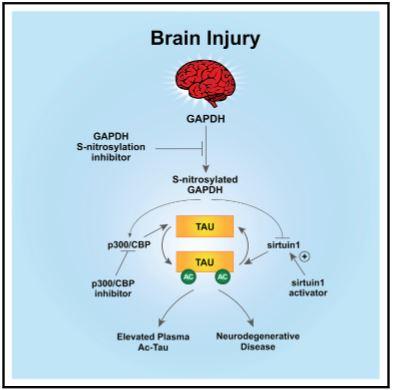
The team tested therapeutic interventions after TBI at each of the three nodal points in the new signaling pathway that they identified as leading to increased nerve cell ac-tau after injury. Using known medicines or experimental drugs, they saw that all three points provided effective therapeutic opportunity.

Strikingly, they found that two FDA-approved medicines of the NSAID class (anti-inflammatory medicines commonly used as pain relievers), salsalate and diflunisal, were potently neuroprotective after TBI in mice. Relative to all other NSAIDs and distinct from their anti-inflammatory property, these two medicines inhibit the acetyltransferase enzyme in nerve cells that adds the acetyl group onto tau protein after brain injury.

Next, they examined more than seven million patient records and learned that usage of either salsalate or diflunisal was associated with decreased incidence of both AD and clinically diagnosed TBI, compared to usage of aspirin in other patients for the same time period. The protective effect was stronger in diflunisal and salsalate, which correlates with diflunisal’s superior potency in inhibiting the acetyltransferase enzyme, relative to salsalate. The NSAID aspirin was used as a comparison group because it does not inhibit the acetyltransferase.

Lastly, because the tau protein freely diffuses from the brain into the blood, the researchers examined whether ac-tau might also be elevated in the blood after TBI. In mice, they found that blood levels of ac-tau correspond tightly with brain levels, and that blood levels return to normal when mice are treated with therapeutics that lower brain ac-tau and thereby protect nerve cells. Importantly, they also found that ac-tau was significantly increased in the blood of human TBI patients.

“This work has a number of potential clinical implications,” explained Edwin Vázquez-Rosa, PhD, co-first author on the study. “First, it shows that the medicines salsalate and diflunisal provide previously unidentified neuroprotective activity by this new mechanism, and that in the course of being prescribed these medicine for traditional indications patients appear to also be relatively protected from developing neurodegenerative conditions. Accordingly, these medicines may also help protect TBI patients from developing AD. Finally, our work provides a new blood biomarker of neurodegeneration in the brain after TBI that could be harnessed to stage severity and progression of nerve cell deterioration after injury.”

Robert A. Bonomo, MD, Associate Chief of Staff at VA Northeast Ohio Healthcare System and professor at Case Western Reserve School of Medicine added, “Many of our patients suffer from TBI or AD. These important findings will have a tremendous, long-term impact on our Veteran population.”

Next steps in the research involve further investigation of the applicability of ac-tau as a biomarker in neurodegenerative disease and the potential utility of diflunisal or salsalate as neuroprotective medicines for people, as well as deeper study of the mechanisms by which ac-tau causes nerve cell deterioration.

###

The findings from the Pieper lab represent an outgrowth of collaborative efforts from investigators across the Cleveland community at UH, HDI, Case Western Reserve, VA Northeast Ohio Healthcare System, Cleveland Clinic and The MetroHealth System.

This study was also supported by the Brockman Foundation; the AHA/Allen Initiative in Brain Health and Cognitive Impairment; The Neuropathology Core of Northwestern University; Translational Therapeutics Core of the Cleveland Alzheimer’s Disease Research Center; and the Departments of Neurology and Neurosurgery of McGovern Medical School of The University of Texas Health Science Center at Houston.

Shin, M, Vázquez-Rosa, E., et al. “Reducing acetylated-tau is neuroprotective in brain injury.” Cell. DOI: 10.1016/j.cell.2021.03.032.