Case Western Reserve University Scientists generate first microscopic image of full length serotonin receptor


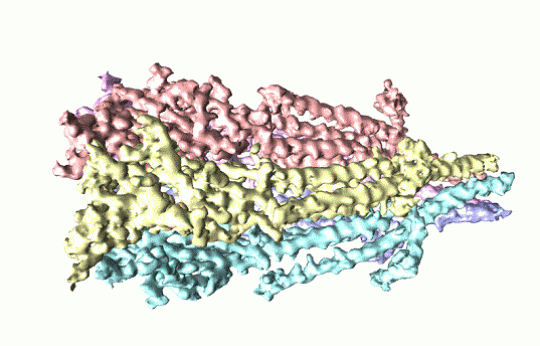
3D reconstruction of a serotonin receptor generated by cryo-electron microscopy

by Rebecca Pool

Claiming a world first and using cryo-electron microscopy, researchers from Case Western Reserve University School of Medicine, US, have observed full-length serotonin receptors. The proteins are common drug targets, and the new images provide details about molecular binding sites that could lead to more precise drug design. Serotonin receptors, which reside in cell membranes throughout the body, are highly dynamic and difficult to image. In the past, the receptors have been sectioned into pieces to study, but by capturing full-length samples, researchers have revealed how different portions interact.

Dr Sandip Basak from Physiology and Biophysics, and colleagues, describe ‘a finely tuned orchestration of three domain movements’ that allows the receptors to elegantly control passageways across cell membranes. “The serotonin receptor acts as a gateway, or channel, from outside the cell to inside,” he says. “When serotonin binds onto the receptor, the channel switches conformation from closed to open. It eventually twists into a ‘desensitized’ state, where the channel closes but serotonin remains attached,” he adds. “This prevents it from being reactivated.”

For this study, the researchers used a FEI Titan Krios microscope, operating at 300 kV, and equipped with a Gatan K2-Summit direct detector camera, at the National Cryo-Electron Microscopy Facility in Frederick, Maryland.

“Successful design of safer therapeutics [for cancer therapies and gastrointestinal diseases] has slowed because there is currently a limited understanding of the structure of the serotonin receptor itself, and what happens after serotonin binds,” says research leader, Professor Sudha Chakrapani. “Our new structure of the serotonin receptor in the resting state has the potential to serve as a structural blueprint to drive targeted drug design and better therapeutic strategies.”

This research is published in Nature Communications.

https://microscopy-analysis.com/editorials/editorial-listings/first-images-full-length-receptor-structure

Nor’easter Exposes Revolutionary-War-Era Shipwreck on Maine Beach

By Mindy Weisberger

The recent nor’easter that struck the eastern coast of the U.S. last week revealed something on a New England beach that has been glimpsed only about once a decade for the last 60 years: the remains of a shipwreck that could date back to the Revolutionary War era.

Receding waters sucked away by the storm at Short Sands Beach in York, Maine, exposed the shell of the vessel, which a member of the York Maine Police Department photographed during a morning run and shared on Facebook yesterday (March 5).

The wreck is thought to be at least 160 years old; it was first glimpsed in 1958, but it wasn’t examined and identified until another storm uncovered it in 1980, when a team of archaeologists determined that it was a “pink” — a type of flat-bottomed, highly maneuverable sloop — built during the Revolutionary War era and commonly used for fishing or cargo transport, the website Seacoastonline.com reported.

Usually, the boat is submerged under 6 or 7 feet (1.8 to 2.1 meters) of water, and it was last exposed by storms in 2007 and then in 2013, according to the Boston Globe. Last week’s “bomb cyclone” revealed not only the ribs of the boat, but part of its underside as well.

The shipwreck’s historical significance has been noted by the Maine Historic Preservation Commission, which mapped the crumbling boat frame and identified the area as an archaeological site, Seacoastonline reported in 2007.

“A major dig would be a useful and interesting thing to do — probably just to look in more detail at the ship’s structure and construction, since small artifacts and cargo are probably gone,” Arthur Spiess, a senior archaeologist with the Maine Historical Preservation Commission, told Seacoastonline.

However, this shipwreck is one of 67 wrecks in the area, and limited local resources mean that there are as yet no plans for its excavation, according to the website.

https://www.livescience.com/61939-revolutionary-war-era-shipwreck-exposed.html

Oldest message in a bottle (132 years old) found on Western Australia beach


Experts confirmed the bottle was jettisoned as part of a German oceanographic experiment in 1886

A Perth family has found the world’s oldest known message in a bottle, almost 132 years after it was thrown into the sea, Australian experts say. Tonya Illman picked up the bottle while going for a walk around sand dunes on a remote beach in West Australia. Her husband Kym Illman told the BBC they found some paper in the bottle but had “no idea” what it was until they took it home and dried it in the oven.

Experts have confirmed it is an authentic message from a German ship. The note in the bottle, which was dated 12 June 1886, was jettisoned from the German ship Paula, as part of an experiment into ocean and shipping routes by the German Naval Observatory.

Previously, the Guinness world record for the oldest message in a bottle was 108 years, between it being sent and found.

‘Rolled up cigarette’

The Illman family were driving through a beach north of Wedge Island on 21 January when the car became bogged down in the sand, and Mrs Illman and her friend decided to go for a walk. “Tonya saw a whole lot of rubbish on the ground, and thought she’d help pick up some rubbish,” Mr Illman told the BBC. She found and picked up the bottle, thinking it would be nice for her bookshelf, he added.

Mr Illman said his wife passed the bottle “to our son’s girlfriend, who saw what she thought was a rolled-up cigarette, and tipped it out with the sand”. “Tonya tried to untie the string around the paper, but it was rather fragile, so we took it home and put it in the oven for five minutes to dry up the moisture. “Then we unrolled it and saw printed writing. We could not see the hand written ink at that point, but saw a printed message that asked the reader to contact the German consulate when they found the note.”

Later, they also noticed faint handwriting on the note, with a date of 12 June 1886 and the name of the ship, Paula. When they saw the date they thought it was “too far-fetched” to be real, Mr Illman said – but they researched the bottle online and took it to experts at the Western Australian Museum.

Dr Ross Anderson, Assistant Curator Maritime Archaeology at the WA Museum, confirmed the find was authentic after consulting with colleagues from Germany and the Netherlands.

“Incredibly, an archival search in Germany found Paula’s original Meteorological Journal and there was an entry for 12 June 1886 made by the captain, recording a drift bottle having been thrown overboard. The date and the coordinates correspond exactly with those on the bottle message,” Dr Anderson said. The handwriting on the journal, and the message in the bottle, also matched, he added.

The bottle was jettisoned in the south-eastern Indian Ocean while the ship was travelling from Cardiff in Wales to Indonesia, and probably washed up on the Australian coast within 12 months, where it was buried under the sand, he wrote in his report.

Thousands of bottles were thrown overboard during the 69-year German experiment but to date only 662 messages – and no bottles – had been returned. The last bottle with a note to be found was in Denmark in 1934.

The bottle found on Wedge Island was found “mostly exposed without any form of cork or closure, and was about a quarter full of damp sand”, and the bottle appeared to have lain “buried or mostly buried”, partially filled with damp sand, Dr Anderson added.

Sand dunes in the area are quite mobile during storm events and heavy rain, so the bottle could have been subject to “cyclical periods of exposure” which could have led to the cork in the bottle drying out and becoming dislodged, “while the tightly rolled paper along with a quantity of sand remained inside preserved”.

“The narrow 7mm bore of the bottle opening and thick glass would have assisted to buffer and preserve the paper from the effects of full exposure to the elements, providing a protective microenvironment favourable to the paper’s long-term preservation,” the report added.

http://www.bbc.com/news/world-australia-43299283

Uber is running self-driving trucks in Arizona

Uber has been sending self-driving trucks on delivery runs across Arizona since November, the first step in what promises to be a freight transportation revolution that could radically reshape the jobs of long-haul truckers.

After testing its technology earlier in 2017, Uber began contracting with trucking companies to use its own autonomous Volvo big rigs to take over loads as they traverse the state, it disclosed.

In Uber’s current program, a trucker meets the self-driving truck at the Arizona state border, which then takes the load across the state before handing it off to a second conventional trucker for the short-haul trip. During the autonomous trip, an Uber employee rides in the driver seat of the autonomous truck to monitor — but not to drive.

If one day both the technology and regulations play out in favor of self-driving trucks, two scenarios emerge.

The first would find self-driving trucks handling long-haul highway legs with no one at the wheel as they meet up with conventional truckers, who then drive the deliveries into city centers. The other possibility is Uber could sell its technology to trucking owner-operators, who then use it to sleep while the truck handles the bulk of long-distance driving.

Truckers make their money only when their rigs are on the road. They are also limited by law in terms of how much time they can spend behind the wheel, something a self-driving truck could impact positively. It could also introduce more round-trip hauls that find a driver back home at the end of the day’s journey.

“The big step for us recently is that we can plan to haul goods in both directions, using Uber Freight to coordinate load pickups and dropoffs with local truckers,” said Alden Woodrow, who leads Uber’s self-driving truck effort. “Keeping trucking local allows these drivers to make money while staying closer to home.”

Uber Freight, which launched last May, is an app that matches shippers with loads using technology drawn from Uber’s ride-hailing app. Typically such trucking logistics have been coordinated through phone calls and emails.

The San Francisco-based company isn’t alone in its pursuit of self-driving truck technology, with start-ups such as Embark joining companies such as Tesla and its new Tesla Semi to carve out a slice of a $700 billion industry that moves 70% of all domestic freight, according to the American Trucking Association.

“Today we’re operating our own trucks, but in the future it remains to be seen what happens,” he says. “Trucking is a very large and sophisticated business with a lot of companies in the value chain who are good at what they do. So our desire is to partner.”

Uber’s trucks stick to the highway

Uber’s current Arizona pilot program does not feature trucks making end-to-end runs from pickup to delivery because it’s tough to make huge trucks navigate urban traffic on their own.

Instead, Uber’s Volvo trucks receive loads at state border weigh stations. These trucks are equipped with hardware, software and an array of sensors developed by Uber’s Advanced Technologies Group that help the truck make what amounts to a glorified cruise-control run across the state. Uber ATG also is behind ongoing self-driving car testing in Arizona, Pennsylvania and San Francisco.

Uber did not disclose what items it is transporting for which companies.

Once the Uber trucks exit at the next highway hub near the Arizona border, they are met by a different set of truckers who hitch the trailer to own their cab to finish the delivery.

The idea is that truckers get to go home to their families instead of being on the road. In a video Uber created to tout the program, the company showcases a California trucker who, once at the Arizona border, hands his trailer over to an Uber self-driving truck for its trip east, while picking up a different load that needs to head back to California.

Autonomous vehicles are being pursued by dozens of companies ranging from large automakers to technology start-ups. Slowly, states are adapting their rules to try to be on the front lines of a potential transportation shift.

Michigan, California and Arizona, for example, have been constantly updating their autonomous car testing laws in order to court companies working on such tech. California recently joined Arizona in announcing that it would allow self-driving cars to be tested without a driver at the wheel.

Skeptics of the self-driving gold rush include the Consumer Watchdog Group’s John Simpson, who in a recent letter to lawmakers said “any autonomous vehicle legislation should require a human driver behind a steering wheel capable of taking control.”


Uber refocuses after lawsuit

Uber’s announcement aims to cast a positive light on the company’s trucking efforts and comes a few weeks after it settled a contentious year-old lawsuit brought by Waymo, the name of Google’s self-driving car program.

Waymo’s suit argued that Uber was building light detection and ranging sensors — roof-top lasers that help vehicles interpret their surroundings — based on trade secrets stolen by Anthony Levandowski, who left Waymo to start a self-driving truck company called Otto. Months after its creation in early 2016, Uber bought Otto for around $680 million.

Last year, Travis Kalanick, the Uber CEO who negotiated the deal with Levandowski, was ousted from the company he co-founded after a rash of bad publicity surrounding charges that Uber ran a sexist operation that often skirted the law. Levandowski was fired by Uber after he repeatedly declined to answer questions from Waymo’s lawyers.

In settling the suit, Uber had to give Waymo $245 million in equity, but it did not admit guilt. Uber has long maintained that its LiDAR was built with its own engineering know-how.

“Our trucks do not run on the same self-driving (technology) as Otto trucks did,” says Woodrow. “It’s Uber tech, and we’re improving on it all the time.”

https://www.usatoday.com/story/tech/2018/03/06/uber-trucks-start-shuttling-goods-arizona-no-drivers/397123002/

Thanks to Kebmodee for bringing this to the It’s Interesting community.

Are ‘You’ Just Inside Your Skin or Is Your Smartphone Part of You?

By Karina Vold

In November 2017, a gunman entered a church in Sutherland Springs in Texas, where he killed 26 people and wounded 20 others. He escaped in his car, with police and residents in hot pursuit, before losing control of the vehicle and flipping it into a ditch. When the police got to the car, he was dead. The episode is horrifying enough without its unsettling epilogue. In the course of their investigations, the FBI reportedly pressed the gunman’s finger to the fingerprint-recognition feature on his iPhone in an attempt to unlock it. Regardless of who’s affected, it’s disquieting to think of the police using a corpse to break into someone’s digital afterlife.

Most democratic constitutions shield us from unwanted intrusions into our brains and bodies. They also enshrine our entitlement to freedom of thought and mental privacy. That’s why neurochemical drugs that interfere with cognitive functioning can’t be administered against a person’s will unless there’s a clear medical justification. Similarly, according to scholarly opinion, law-enforcement officials can’t compel someone to take a lie-detector test, because that would be an invasion of privacy and a violation of the right to remain silent.

But in the present era of ubiquitous technology, philosophers are beginning to ask whether biological anatomy really captures the entirety of who we are. Given the role they play in our lives, do our devices deserve the same protections as our brains and bodies?

After all, your smartphone is much more than just a phone. It can tell a more intimate story about you than your best friend. No other piece of hardware in history, not even your brain, contains the quality or quantity of information held on your phone: it ‘knows’ whom you speak to, when you speak to them, what you said, where you have been, your purchases, photos, biometric data, even your notes to yourself—and all this dating back years.

In 2014, the United States Supreme Court used this observation to justify the decision that police must obtain a warrant before rummaging through our smartphones. These devices “are now such a pervasive and insistent part of daily life that the proverbial visitor from Mars might conclude they were an important feature of human anatomy,” as Chief Justice John Roberts observed in his written opinion.

The Chief Justice probably wasn’t making a metaphysical point—but the philosophers Andy Clark and David Chalmers were when they argued in “The Extended Mind” (1998) that technology is actually part of us. According to traditional cognitive science, “thinking” is a process of symbol manipulation or neural computation, which gets carried out by the brain. Clark and Chalmers broadly accept this computational theory of mind, but claim that tools can become seamlessly integrated into how we think. Objects such as smartphones or notepads are often just as functionally essential to our cognition as the synapses firing in our heads. They augment and extend our minds by increasing our cognitive power and freeing up internal resources.

If accepted, the extended mind thesis threatens widespread cultural assumptions about the inviolate nature of thought, which sits at the heart of most legal and social norms. As the US Supreme Court declared in 1942: “freedom to think is absolute of its own nature; the most tyrannical government is powerless to control the inward workings of the mind.” This view has its origins in thinkers such as John Locke and René Descartes, who argued that the human soul is locked in a physical body, but that our thoughts exist in an immaterial world, inaccessible to other people. One’s inner life thus needs protecting only when it is externalized, such as through speech. Many researchers in cognitive science still cling to this Cartesian conception—only, now, the private realm of thought coincides with activity in the brain.

But today’s legal institutions are straining against this narrow concept of the mind. They are trying to come to grips with how technology is changing what it means to be human, and to devise new normative boundaries to cope with this reality. Justice Roberts might not have known about the idea of the extended mind, but it supports his wry observation that smartphones have become part of our body. If our minds now encompass our phones, we are essentially cyborgs: part-biology, part-technology. Given how our smartphones have taken over what were once functions of our brains—remembering dates, phone numbers, addresses—perhaps the data they contain should be treated on a par with the information we hold in our heads. So if the law aims to protect mental privacy, its boundaries would need to be pushed outwards to give our cyborg anatomy the same protections as our brains.

This line of reasoning leads to some potentially radical conclusions. Some philosophers have argued that when we die, our digital devices should be handled as remains: if your smartphone is a part of who you are, then perhaps it should be treated more like your corpse than your couch. Similarly, one might argue that trashing someone’s smartphone should be seen as a form of “extended” assault, equivalent to a blow to the head, rather than just destruction of property. If your memories are erased because someone attacks you with a club, a court would have no trouble characterizing the episode as a violent incident. So if someone breaks your smartphone and wipes its contents, perhaps the perpetrator should be punished as they would be if they had caused a head trauma.

The extended mind thesis also challenges the law’s role in protecting both the content and the means of thought—that is, shielding what and how we think from undue influence. Regulation bars non-consensual interference in our neurochemistry (for example, through drugs), because that meddles with the contents of our mind. But if cognition encompasses devices, then arguably they should be subject to the same prohibitions. Perhaps some of the techniques that advertisers use to hijack our attention online, to nudge our decision-making or manipulate search results, should count as intrusions on our cognitive process. Similarly, in areas where the law protects the means of thought, it might need to guarantee access to tools such as smartphones—in the same way that freedom of expression protects people’s right not only to write or speak, but also to use computers and disseminate speech over the internet.

The courts are still some way from arriving at such decisions. Besides the headline-making cases of mass shooters, there are thousands of instances each year in which police authorities try to get access to encrypted devices. Although the Fifth Amendment to the US Constitution protects individuals’ right to remain silent (and therefore not give up a passcode), judges in several states have ruled that police can forcibly use fingerprints to unlock a user’s phone. (With the new facial-recognition feature on the iPhone X, police might only need to get an unwitting user to look at her phone.) These decisions reflect the traditional concept that the rights and freedoms of an individual end at the skin.

But the concept of personal rights and freedoms that guides our legal institutions is outdated. It is built on a model of a free individual who enjoys an untouchable inner life. Now, though, our thoughts can be invaded before they have even been developed—and in a way, perhaps this is nothing new. The Nobel Prize-winning physicist Richard Feynman used to say that he thought with his notebook. Without a pen and pencil, a great deal of complex reflection and analysis would never have been possible. If the extended mind view is right, then even simple technologies such as these would merit recognition and protection as a part of the essential toolkit of the mind.

Are ‘You’ Just Inside Your Skin or Is Your Smartphone Part of You?

How flashing lights and pink noise might banish Alzheimer’s, improve memory and more


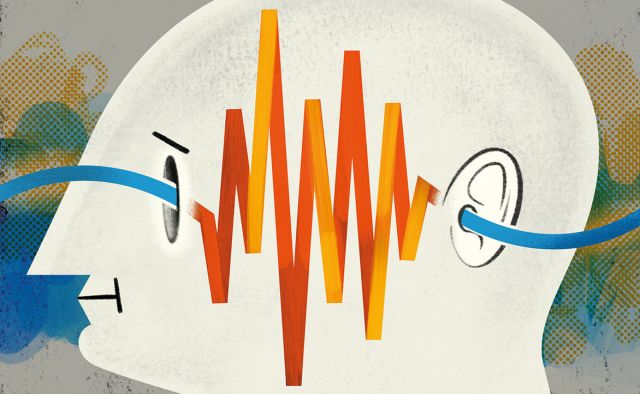
Illustration by Paweł Jońca

by Helen Thomson

In March 2015, Li-Huei Tsai set up a tiny disco for some of the mice in her laboratory. For an hour each day, she placed them in a box lit only by a flickering strobe. The mice — which had been engineered to produce plaques of the peptide amyloid-β in the brain, a hallmark of Alzheimer’s disease — crawled about curiously. When Tsai later dissected them, those that had been to the mini dance parties had significantly lower levels of plaque than mice that had spent the same time in the dark.

Tsai, a neuroscientist at Massachusetts Institute of Technology (MIT) in Cambridge, says she checked the result; then checked it again. “For the longest time, I didn’t believe it,” she says. Her team had managed to clear amyloid from part of the brain with a flickering light. The strobe was tuned to 40 hertz and was designed to manipulate the rodents’ brainwaves, triggering a host of biological effects that eliminated the plaque-forming proteins. Although promising findings in mouse models of Alzheimer’s disease have been notoriously difficult to replicate in humans, the experiment offered some tantalizing possibilities. “The result was so mind-boggling and so robust, it took a while for the idea to sink in, but we knew we needed to work out a way of trying out the same thing in humans,” Tsai says.

Scientists identified the waves of electrical activity that constantly ripple through the brain almost 100 years ago, but they have struggled to assign these oscillations a definitive role in behaviour or brain function. Studies have strongly linked brainwaves to memory consolidation during sleep, and implicated them in processing sensory inputs and even coordinating consciousness. Yet not everyone is convinced that brainwaves are all that meaningful. “Right now we really don’t know what they do,” says Michael Shadlen, a neuroscientist at Columbia University in New York City.

Now, a growing body of evidence, including Tsai’s findings, hint at a meaningful connection to neurological disorders such as Alzheimer’s and Parkinson’s diseases. The work offers the possibility of forestalling or even reversing the damage caused by such conditions without using a drug. More than two dozen clinical trials are aiming to modulate brainwaves in some way — some with flickering lights or rhythmic sounds, but most through the direct application of electrical currents to the brain or scalp. They aim to treat everything from insomnia to schizophrenia and premenstrual dysphoric disorder.

Tsai’s study was the first glimpse of a cellular response to brainwave manipulation. “Her results were a really big surprise,” says Walter Koroshetz, director of the US National Institute of Neurological Disorders and Stroke in Bethesda, Maryland. “It’s a novel observation that would be really interesting to pursue.”


A powerful wave

Brainwaves were first noticed by German psychiatrist Hans Berger. In 1929, he published a paper describing the repeating waves of current he observed when he placed electrodes on people’s scalps. It was the world’s first electroencephalogram (EEG) recording — but nobody took much notice. Berger was a controversial figure who had spent much of his career trying to identify the physiological basis of psychic phenomena. It was only after his colleagues began to confirm the results several years later that Berger’s invention was recognized as a window into brain activity.

Neurons communicate using electrical impulses created by the flow of ions into and out of each cell. Although a single firing neuron cannot be picked up through the electrodes of an EEG, when a group of neurons fires again and again in synchrony, it shows up as oscillating electrical ripples that sweep through the brain.

Those of the highest frequency are gamma waves, which range from 25 to 140 hertz. People often show a lot of this kind of activity when they are at peak concentration. At the other end of the scale are delta waves, which have the lowest frequency — around 0.5 to 4 hertz. These tend to occur in deep sleep (see ‘Rhythms of the mind’).

At any point in time, one type of brainwave tends to dominate, although other bands are always present to some extent. Scientists have long wondered what purpose, if any, this hum of activity serves, and some clues have emerged over the past three decades. For instance, in 1994, discoveries in mice indicated that the distinct patterns of oscillatory activity during sleep mirrored those during a previous learning exercise. Scientists suggested that these waves could be helping to solidify memories.

Brainwaves also seem to influence conscious perception. Randolph Helfrich at the University of California, Berkeley, and his colleagues devised a way to enhance or reduce gamma oscillations of around 40 hertz using a non-invasive technique called transcranial alternating current stimulation (tACS). By tweaking these oscillations, they were able to influence whether a person perceived a video of moving dots as travelling vertically or horizontally.

The oscillations also provide a potential mechanism for how the brain creates a coherent experience from the chaotic symphony of stimuli hitting the senses at any one time, a puzzle known as the ‘binding problem’. By synchronizing the firing rates of neurons responding to the same event, brainwaves might ensure that the all of the relevant information relating to one object arrives at the correct area of the brain at exactly the right time. Coordinating these signals is the key to perception, says Robert Knight, a cognitive neuroscientist at the University of California, Berkeley, “You can’t just pray that they will self-organize.”


Healthy oscillations

But these oscillations can become disrupted in certain disorders. In Parkinson’s disease, for example, the brain generally starts to show an increase in beta waves in the motor regions as body movement becomes impaired. In a healthy brain, beta waves are suppressed just before a body movement. But in Parkinson’s disease, neurons seem to get stuck in a synchronized pattern of activity. This leads to rigidity and movement difficulties. Peter Brown, who studies Parkinson’s disease at the University of Oxford, UK, says that current treatments for the symptoms of the disease — deep-brain stimulation and the drug levodopa — might work by reducing beta waves.

People with Alzheimer’s disease show a reduction in gamma oscillations5. So Tsai and others wondered whether gamma-wave activity could be restored, and whether this would have any effect on the disease.

They started by using optogenetics, in which brain cells are engineered to respond directly to a flash of light. In 2009, Tsai’s team, in collaboration with Christopher Moore, also at MIT at the time, demonstrated for the first time that it is possible to use the technique to drive gamma oscillations in a specific part of the mouse brain6.

Tsai and her colleagues subsequently found that tinkering with the oscillations sets in motion a host of biological events. It initiates changes in gene expression that cause microglia — immune cells in the brain — to change shape. The cells essentially go into scavenger mode, enabling them to better dispose of harmful clutter in the brain, such as amyloid-β. Koroshetz says that the link to neuroimmunity is new and striking. “The role of immune cells like microglia in the brain is incredibly important and poorly understood, and is one of the hottest areas for research now,” he says.

If the technique was to have any therapeutic relevance, however, Tsai and her colleagues had to find a less-invasive way of manipulating brainwaves. Flashing lights at specific frequencies has been shown to influence oscillations in some parts of the brain, so the researchers turned to strobe lights. They started by exposing young mice with a propensity for amyloid build-up to flickering LED lights for one hour. This created a drop in free-floating amyloid, but it was temporary, lasting less than 24 hours, and restricted to the visual cortex.

To achieve a longer-lasting effect on animals with amyloid plaques, they repeated the experiment for an hour a day over the course of a week, this time using older mice in which plaques had begun to form. Twenty-four hours after the end of the experiment, these animals showed a 67% reduction in plaque in the visual cortex compared with controls. The team also found that the technique reduced tau protein, another hallmark of Alzheimer’s disease.

Alzheimer’s plaques tend to have their earliest negative impacts on the hippocampus, however, not the visual cortex. To elicit oscillations where they are needed, Tsai and her colleagues are investigating other techniques. Playing rodents a 40-hertz noise, for example, seems to cause a decrease in amyloid in the hippocampus — perhaps because the hippo-campus sits closer to the auditory cortex than to the visual cortex.

Tsai and her colleague Ed Boyden, a neuro-scientist at MIT, have now formed a company, Cognito Therapeutics in Cambridge, to test similar treatments in humans. Last year, they started a safety trial, which involves testing a flickering light device, worn like a pair of glasses, on 12 people with Alzheimer’s.

Caveats abound. The mouse model of Alzheimer’s disease is not a perfect reflection of the disorder, and many therapies that have shown promise in rodents have failed in humans. “I used to tell people — if you’re going to get Alzheimer’s, first become a mouse,” says Thomas Insel, a neuroscientist and psychiatrist who led the US National Institute of Mental Health in Bethesda, Maryland, from 2002 until 2015.

Others are also looking to test how manipulating brainwaves might help people with Alzheimer’s disease. “We thought Tsai’s study was outstanding,” says Emiliano Santarnecchi at Harvard Medical School in Boston, Massachusetts. His team had already been using tACS to stimulate the brain, and he wondered whether it might elicit stronger effects than a flashing strobe. “This kind of stimulation can target areas of the brain more specifically than sensory stimulation can — after seeing Tsai’s results, it was a no-brainer that we should try it in Alzheimer’s patients.”

His team has begun an early clinical trial in which ten people with Alzheimer’s disease receive tACS for one hour daily for two weeks. A second trial, in collaboration with Boyden and Tsai, will look for signals of activated microglia and levels of tau protein. Results are expected from both trials by the end of the year.

Knight says that Tsai’s animal studies clearly show that oscillations have an effect on cellular metabolism — but whether the same effect will be seen in humans is another matter. “In the end, it’s data that will win out,” he says.

The studies may reveal risks, too. Gamma oscillations are the type most likely to induce seizures in people with photosensitive epilepsy, says Dora Hermes, a neuroscientist at Stanford University in California. She recalls a famous episode of a Japanese cartoon that featured flickering red and blue lights, which induced seizures in some viewers. “So many people watched that episode that there were almost 700 extra visits to the emergency department that day.”

A brain boost

Nevertheless, there is clearly a growing excitement around treating neurological diseases using neuromodulation, rather than pharmaceuticals. “There’s pretty good evidence that by changing neural-circuit activity we can get improvements in Parkinson’s, chronic pain, obsessive–compulsive disorder and depression,” says Insel. This is important, he says, because so far, pharmaceutical treatments for neurological disease have suffered from a lack of specificity. Koroshetz adds that funding institutes are eager for treatments that are innovative, non-invasive and quickly translatable to people.

Since publishing their mouse paper, Boyden says, he has had a deluge of requests from researchers wanting to use the same technique to treat other conditions. But there are a lot of details to work out. “We need to figure out what is the most effective, non-invasive way of manipulating oscillations in different parts of the brain,” he says. “Perhaps it is using light, but maybe it’s a smart pillow or a headband that could target these oscillations using electricity or sound.” One of the simplest methods that scientists have found is neurofeedback, which has shown some success in treating a range of conditions, including anxiety, depression and attention-deficit hyperactivity disorder. People who use this technique are taught to control their brainwaves by measuring them with an EEG and getting feedback in the form of visual or audio cues.

Phyllis Zee, a neurologist at Northwestern University in Chicago, Illinois, and her colleagues delivered pulses of ‘pink noise’ — audio frequencies that together sound a bit like a waterfall — to healthy older adults while they slept. They were particularly interested in eliciting the delta oscillations that characterize deep sleep. This aspect of sleep decreases with age, and is associated with a decreased ability to consolidate memories.

So far, her team has found that stimulation increased the amplitude of the slow waves, and was associated with a 25–30% improvement in recall of word pairs learnt the night before, compared with a fake treatment7. Her team is midway through a clinical trial to see whether longer-term acoustic stimulation might help people with mild cognitive impairment.

Although relatively safe, these kinds of technologies do have limitations. Neurofeedback is easy to learn, for instance, but it can take time to have an effect, and the results are often short-lived. In experiments that use magnetic or acoustic stimulation, it is difficult to know precisely what area of the brain is being affected. “The field of external brain stimulation is a little weak at the moment,” says Knight. Many approaches, he says, are open loop, meaning that they don’t track the effect of the modulation using an EEG. Closed loop, he says, would be more practical. Some experiments, such as Zee’s and those involving neuro-feedback, already do this. “I think the field is turning a corner,” Knight says. “It’s attracting some serious research.”

In addition to potentially leading to treatments, these studies could break open the field of neural oscillations in general, helping to link them more firmly to behaviour and how the brain works as a whole.

Shadlen says he is open to the idea that oscillations play a part in human behaviour and consciousness. But for now, he remains unconvinced that they are directly responsible for these phenomena — referring to the many roles people ascribe to them as “magical incantations”. He says he fully accepts that these brain rhythms are signatures of important brain processes, “but to posit the idea that synchronous spikes of activity are meaningful, that by suddenly wiggling inputs at a specific frequency, it suddenly elevates activity onto our conscious awareness? That requires more explanation.”

Whatever their role, Tsai mostly wants to discipline brainwaves and harness them against disease. Cognito Therapeutics has just received approval for a second, larger trial, which will look at whether the therapy has any effect on Alzheimer’s disease symptoms. Meanwhile, Tsai’s team is focusing on understanding more about the downstream biological effects and how to better target the hippocampus with non-invasive technologies.

For Tsai, the work is personal. Her grandmother, who raised her, was affected by dementia. “Her confused face made a deep imprint in my mind,” Tsai says. “This is the biggest challenge of our lifetime, and I will give it all I have.”

https://www.nature.com/articles/d41586-018-02391-6

73% of intermediate-depth Northwest Atlantic Ocean fish have microplastic in their stomachs


Small plastic fragments that have accumulated in the marine environment following decades of pollution can cause significant issues for marine organisms that ingest them, including inflammation, reduced feeding and weight-loss.

By Conn Hastings

A new study sheds light on the magnitude of microplastic pollution in our oceans. The study, published today in open-access journal Frontiers in Marine Science, found microplastics in the stomachs of nearly three out of every four mesopelagic fish caught in the Northwest Atlantic — one of the highest levels globally. These findings are worrying, as the affected fish could spread microplastics throughout the ocean. The fish are also prey for fish eaten by humans, meaning that microplastics could indirectly contaminate our food supply through the transfer of associated microplastic toxins.

“Microplastic pollution has been in the news recently, with several governments planning a ban on microbeads used in cosmetics and detergents,” says Alina Wieczorek from the National University of Ireland, Galway and lead author of the study. “The high ingestion rate of microplastics by mesopelagic fish that we observed has important consequences for the health of marine ecosystems and biogeochemical cycling in general.”

Microplastics are small plastic fragments that have accumulated in the marine environment following decades of pollution. These fragments can cause significant issues for marine organisms that ingest them, including inflammation, reduced feeding and weight-loss. Microplastic contamination may also spread from organism to organism when prey is eaten by predators. Since the fragments can bind to chemical pollutants, these associated toxins could accumulate in predator species.

Mesopelagic fish serve as a food source for a large variety of marine animals, including tuna, swordfish, dolphins, seals and sea birds. Typically living at depths of 200-1,000 meters, these fish swim to the surface at night to feed then return to deeper waters during the day. Through these vertical movements, mesopelagic fish play a key role in the cycling of carbon and nutrients from the surface to the deep sea — a process known as biogeochemical cycling. This means they could spread microplastic pollution throughout the marine ecosystem, by carrying microplastics from the surface down to deeper waters, affecting deep-sea organisms.

Despite their important role in marine ecosystems, mesopelagic fish have been relatively understudied in the context of microplastics. To investigate this further, Wieczorek and colleagues set out to catch fish in a remote area of the Northwest Atlantic Ocean: an eddy (whirlpool) off the coast of Newfoundland.

“These fish inhabit a remote area, so theoretically they should be pretty isolated from human influences, such as microplastics. However, as they regularly migrate to the surface, we thought that they may ingest microplastics there,” explains Wieczorek.

The researchers caught mesopelagic fish at varying depths, then examined their stomachs for microplastics back in the lab. They used a specialized air filter so as not to introduce airborne plastic fibers from the lab environment.

The team found a wide array of microplastics in the fish stomachs — with a whopping 73% of the fish having ingested the pollutants. “We recorded one of the highest frequencies of microplastics among fish species globally,” says Wieczorek. “In particular, we found high levels of plastic fibers such as those used in textiles.”

As the researchers were extremely careful to exclude contamination with fibers from the air, they are confident that the fish had ingested the fibers in the sea. Finding high levels of fibers in the fish is significant, as some studies investigating microplastics in fish have dismissed such fibers as contaminants from the lab environment, meaning their role as a pollutant may have been underestimated.

The researchers plan further studies to learn more about how these fish are ingesting and spreading microplastics. “It will be particularly interesting to see whether the fish ingest these microplastics directly as mistaken prey items, or whether they ingest them through eating prey species, which have previously ingested the microplastics,” says Wieczorek.

High levels of microplastics found in Northwest Atlantic fish

Children struggle to hold pencils due to too much tech, doctors say

Children are increasingly finding it hard to hold pens and pencils because of an excessive use of technology, senior paediatric doctors have warned.

An overuse of touchscreen phones and tablets is preventing children’s finger muscles from developing sufficiently to enable them to hold a pencil correctly, they say.

“Children are not coming into school with the hand strength and dexterity they had 10 years ago,” said Sally Payne, the head paediatric occupational therapist at the Heart of England foundation NHS Trust. “Children coming into school are being given a pencil but are increasingly not be able to hold it because they don’t have the fundamental movement skills.

“To be able to grip a pencil and move it, you need strong control of the fine muscles in your fingers,. Children need lots of opportunity to develop those skills.”

Payne said the nature of play had changed. “It’s easier to give a child an iPad than encouraging them to do muscle-building play such as building blocks, cutting and sticking, or pulling toys and ropes. Because of this, they’re not developing the underlying foundation skills they need to grip and hold a pencil.”

Six-year-old Patrick has been having weekly sessions with an occupational therapist for six months to help him develop the necessary strength in his index finger to hold a pencil in the correct, tripod grip.

His mother, Laura, blames herself: “In retrospect, I see that I gave Patrick technology to play with, to the virtual exclusion of the more traditional toys. When he got to school, they contacted me with their concerns: he was gripping his pencil like cavemen held sticks. He just couldn’t hold it in any other way and so couldn’t learn to write because he couldn’t move the pencil with any accuracy.

“The therapy sessions are helping a lot and I’m really strict now at home with his access to technology,” she said. “I think the school caught the problem early enough for no lasting damage to have been done.”

Mellissa Prunty, a paediatric occupational therapist who specialises in handwriting difficulties in children, is concerned that increasing numbers of children may be developing handwriting late because of an overuse of technology.

“One problem is that handwriting is very individual in how it develops in each child,” said Prunty, the vice-chair of the National Handwriting Association who runs a research clinic at Brunel University London investigating key skills in childhood, including handwriting.

“Without research, the risk is that we make too many assumptions about why a child isn’t able to write at the expected age and don’t intervene when there is a technology-related cause,” she said.

Although the early years curriculum has handwriting targets for every year, different primary schools focus on handwriting in different ways – with some using tablets alongside pencils, Prunty said. This becomes a problem when same the children also spend large periods of time on tablets outside school.

But Barbie Clarke, a child psychotherapist and founder of the Family Kids and Youth research agency, said even nursery schools were acutely aware of the problem that she said stemmed from excessive use of technology at home.

“We go into a lot of schools and have never gone into one, even one which has embraced teaching through technology, which isn’t using pens alongside the tablets and iPads,” she said. “Even the nurseries we go into which use technology recognise it should not all be about that.”

Karin Bishop, an assistant director at the Royal College of Occupational Therapists, also admitted concerns. “It is undeniable that technology has changed the world where our children are growing up,” she said. “Whilst there are many positive aspects to the use of technology, there is growing evidence on the impact of more sedentary lifestyles and increasing virtual social interaction, as children spend more time indoors online and less time physically participating in active occupations.”

https://www.theguardian.com/society/2018/feb/25/children-struggle-to-hold-pencils-due-to-too-much-tech-doctors-say

Thanks to Kebmodee for bringing this to the It’s Interesting community.

Heavy drinking leads to early-onset dementia

Research published in The Lancet Public Health indicated that alcohol use disorder is a major risk factor for dementia, especially early-onset dementia.

“The relationships between alcohol use and cognitive health in general, and dementia in particular, are complex,” Michaël Schwarzinger, MD, of the Translational Health Economics Network, France, and colleagues wrote. “Moderate drinking has been consistently associated with detrimental effects on brain structure, and nearly every review describes methodological problems of underlying studies, such as inconsistent measurement of alcohol use or dementia, or both, and insufficient control of potential confounders. By contrast, heavy drinking seems detrimentally related to dementia risk, whatever the dementia type.”

To determine how alcohol use disorders effect dementia risk, especially among those aged younger than 65 years, researchers conducted a nationwide retrospective cohort of hospitalized adults in France discharged with alcohol-related brain damage, vascular dementia or other dementias between 2008 and 2013. Alcohol use disorder was the primary exposure, and dementia was the main outcome. Using the French National Hospital Discharge database, they studied the prevalence of early-onset dementia and determined whether alcohol use disorders or other risk factors were associated with dementia onset.

In total, 1,109,343 adults discharged from hospital in France were diagnosed with dementia and included in the study. Of those, 35,034 cases of dementia were attributable to alcohol-related brain damage, and 52,625 cases had other alcohol use disorders. Among the 57,353 early-onset dementia cases, 22,338 (38.9%) were attributable to alcohol-related brain damage and 10,115 (17.6%) had an additional diagnosis of alcohol use disorders.

Analysis revealed that alcohol use disorders were linked to a threefold increased risk for all types of dementia and “were the strongest modifiable risk factor for dementia onset” (adjusted HR = 3.34 [95% CI, 3.28–3.41] for women; HR = 3.36 [95% CI, 3.31–3.41] for men). Alcohol use disorders remained associated with an increased risk for vascular and other dementias even after excluding alcohol-related brain damage, according to the findings. Furthermore, chronic heavy drinking was also linked to all other independent risk factors for dementia onset, including tobacco smoking, high blood pressure, diabetes, lower education, depression and hearing loss.

“Our findings suggest that the burden of dementia attributable to alcohol use disorders is much larger than previously thought, suggesting that heavy drinking should be recognized as a major risk factor for all types of dementia,” Schwarzinger said in a press release. “A variety of measures are needed, such as reducing availability, increasing taxation and banning advertising and marketing of alcohol, alongside early detection and treatment of alcohol use disorders.”

Previous research has largely focused on modest alcohol use, and its possible beneficial effect, thus overlooking the effect of heavy alcohol use as a modifiable risk factor for dementia, according to a related comment written by Clive Ballard, MBChB, MRCPsych, and Iain Lang, PhD, of the University of Exeter Medical School, U.K.

“Although many questions remain, several can be answered using existing data, which would provide an opportunity to refine our understanding of the pathways of modifiable risk and develop optimal prevention strategies,” Ballard and Lang wrote. “In our view, this evidence is robust, and we should move forward with clear public health messages about the relationship between both alcohol use disorders and alcohol consumption, respectively, and dementia.” – by Savannah Demko

https://www.healio.com/psychiatry/alzheimers-disease-dementia/news/online/%7B90f5e375-9dd3-4715-9206-7c148d563d80%7D/heavy-drinking-may-increase-risk-for-dementia?utm_source=selligent&utm_medium=email&utm_campaign=psychiatry%20news&m_bt=1162769038120

Longer duration of untreated psychosis has now been linked to loss of brain volume

Longer duration of untreated psychosis was associated with accelerated hippocampal atrophy during initial antipsychotic treatment of first-episode schizophrenia, suggesting that psychosis may have persistent, negative effects on brain structure, according to finding published in JAMA Psychiatry.

“Several factors … have been linked to early psychosis and could mediate an association between [duration of untreated psychosis] and hippocampal volume loss, but evidence from longitudinal studies is lacking,” Donald C. Goff, MD, department of psychiatry, New York University Langone Medical Center, and colleagues wrote. “Whereas the negative association of [duration of untreated psychosis] with clinical course is attenuated by the initiation of antipsychotic treatment, the evidence is mixed as to whether antipsychotics contribute to loss of brain volume or protect against it.”

The extent to which loss of brain volume early in psychosis treatment reflects an illness effect, a drug effect or both remains unknown, according to the researchers. Therefore, Goff and colleagues examined loss of hippocampal volume during the first 8 weeks of treatment for schizophrenia, its link to duration of untreated psychosis and molecular biomarkers related to hippocampal volume loss and duration of untreated psychosis.

At Shanghai Mental Health Center in China, researchers conducted a longitudinal study with age- and sex-matched healthy controls between Mar. 5, 2013, and Oct. 8, 2014. They assessed 71 patients with nonaffective first-episode psychosis treated with second-generation antipsychotics and 73 controls. They reassessed 31 participants with psychosis and 32 controls 8 weeks later, measuring hippocampal volumetric integrity (HVI), duration of untreated psychosis, 13 molecular biomarkers and 14 single-nucleotide polymorphisms from 12 candidate genes.

Participants in the first-episode psychosis group had lower baseline median left HVI (n = 57) compared with those in the control group (n = 54; P = .001). Left HVI decreased in 24 participants with psychosis at a median annualized rate of –.03791 throughout the 8 weeks of treatment, whereas left HVI increased in 31 controls at a rate of 0.00115 (P = .001). Furthermore, researchers observed an inverse association between the change in left hippocampal volume and duration of untreated psychosis (P = .002).

Although they observed similar results in the right HVI, the relationship between change in right HVI and duration of psychosis was not significant. According to the results of analyses that looked at left-side hippocampal volume only, left HVI was associated with molecular biomarkers of inflammation, oxidative stress, brain-derived neurotrophic factor, glial injury and those reflecting dopaminergic and glutamatergic transmission.

“We found significantly lower HVI at baseline in participants with [first episode psychosis] compared with healthy controls and additional HVI reduction during antipsychotic treatment that correlated with [duration of untreated psychosis], consistent with a persistent, possibly deleterious, effect of untreated psychosis on brain structure,” Goff and colleagues wrote. “Larger longitudinal studies of longer duration are needed to examine the association between [duration of untreated psychosis], hippocampal volume and clinical outcomes.” – by Savannah Demko

https://www.healio.com/psychiatry/schizophrenia/news/online/%7Bf6c3c940-fe57-41d1-9eb7-7c835e3c48ea%7D/longer-duration-of-untreated-psychosis-linked-to-loss-of-brain-volume?utm_source=selligent&utm_medium=email&utm_campaign=psychiatry%20news&m_bt=1162769038120