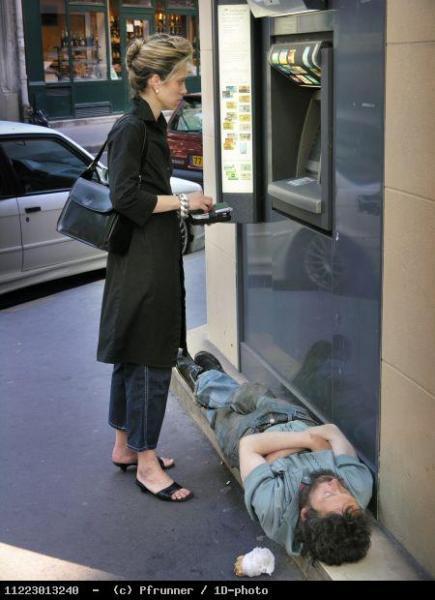
Long considered an innate cornerstone of human behavior, a recent study demonstrates that empathy levels in the U.S. have been declining over the past 3 decades.
http://www.scientificamerican.com/article.cfm?id=what-me-care

Long considered an innate cornerstone of human behavior, a recent study demonstrates that empathy levels in the U.S. have been declining over the past 3 decades.
http://www.scientificamerican.com/article.cfm?id=what-me-care
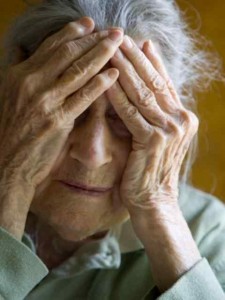
It’s currently impossible to definitively diagnosis Alzheimer’s disease while the patient is alive. Researchers recently analyzed around 800 brains from Alzheimer’s patients after they died, and learned that only about half of them actually had the disease. The other half suffered from other forms of dementia. A reliable way to diagnose the specific type of dementia from which patients are suffering is critical to guiding treatment for patients and for researching the disease processes.
http://pagingdrgupta.blogs.cnn.com/2011/02/23/half-of-alzheimers-cases-misdiagnosed/?hpt=T2
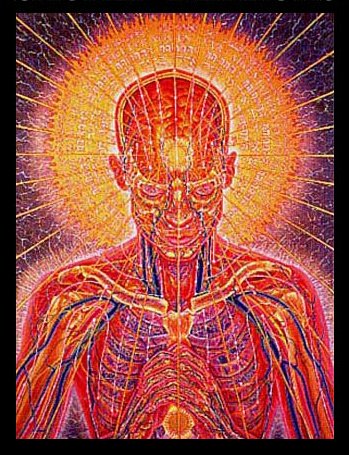 People who meditated 30 minutes a day for 8 weeks had changes in the parts of their brains associated with memory, sense of self, empathy and stress.
Read about it here in the NY Times: http://well.blogs.nytimes.com/2011/01/28/how-meditation-may-change-the-brain/?emc=eta1
It’s l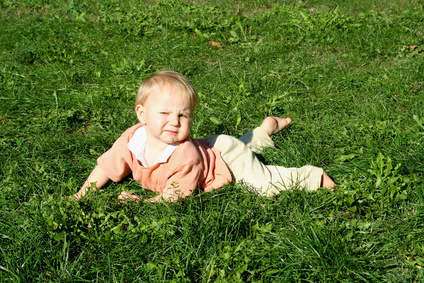
It’s been known for a long time that winter-born babies are more likely to develop severe mental illness, including schizophrenia, depression and seasonal affective disorder. Researchers at Vanderbilt and the University of Alabama may have identified clues as to how seasonal sunlight exposure could affect expression of clock genes that control our normal biological rhythms.
https://www.scientificamerican.com/article.cfm?id=blame-it-on-winter
 Originally discovered by an Allied forces Army nurse in WWII, the placebo response continues to mystify physicians, researchers, and pharmaceutical companies alike. Our body’s physiological response to medicine is largely impacted by our interpretation of social cues, anticipation of reward, and our beliefs and expectations. This complex constellation of factors in the mind can yield significant clinical improvement in patients taking nothing more than inert sugar pills. As Steve Silberman describes, “The placebo response doesn’t care if the catalyst for healing is a triumph of pharmacology, a compassionate therapist, or a syringe of salt water. All it requires is a reasonable expectation of getting better. That’s potent medicine.” Interestingly, it also works the other way – the ‘Nocebo Response.’
http://www.wired.com/medtech/drugs/magazine/17-09/ff_placebo_effect?currentPage=all

Pioneered at the Benrath Senior Centre in Düsseldorf, some treatment centers are now encouraging Alzheimer’s sufferers to wait at a fake bus stop as part of pioneering treatment for the disease.
http://www.radiolab.org/blogs/radiolab-blog/2010/mar/23/the-bus-stop/
http://www.fastcompany.com/1598472/uncommon-act-of-design-fake-bus-stop-helps-alzheimers-patients
 It's Interesting