Measuring attention to angry faces may help predict depression relapse

Up to 80 percent of individuals with a past history of depression will get depressed again in the future. However, little is known about the specific factors that put these people at risk. New research suggests that it may be due to the things you pay attention to in your life.

Researchers at Binghamton University recruited 160 women—60 with a past history of depression, 100 with no history of depression. They showed each woman a series of two faces, one with a neutral expression and the other with either an angry, sad or happy expression. Using eye-tracking, they found that women with a past history of depression paid more attention to the angry faces. More importantly, among women with a history of prior depression, those who tended to look the most at the angry faces were at greatest risk for developing depression again over the next two years.

“If you’re walking around day to day, your attention will just be drawn to certain things and you’ll tend to look at some things more than others. What we showed is if your attention is drawn to people who appear to be angry with you or critical of you, then you’re at risk for depression,” said Brandon Gibb, professor of psychology at Binghamton University and director of the Mood Disorders Institute and Center for Affective Science.

“I think the most interesting thing about this is that we followed these women for two years, and the women who are paying attention to angry faces are the most likely to become depressed again, and they become depressed in the

shortest amount of time. So they’re at greatest risk,” said graduate student and lead author of the study Mary Woody. “We might be able to identify women who are at greatest risk for future depression just by something as simple as how they pay attention to different emotional expressions in their world.”

To address these types of attentional biases, computer programs and games are being used to retrain peoples’ attention. This approach has shown promise in the treatment of anxiety and is now being tested as a treatment for depression. Woody said that, by showing the important role that attentional biases play in depression risk, this new research highlights the promise of these types of attention retraining programs.

“It’s a very important first step in developing a new line of treatment for people who are at risk for depression and for who currently have depression,” Woody said.

“Some people might be able to use this instead of traditional therapy or could use it as an adjunct to traditional treatment,” Gibb added.
The study, “Selective Attention toward Angry Faces and Risk for Major Depressive Disorder in Women: Converging Evidence from Retrospective and Prospective Analyses,” was published in Clinical Psychological Science.

http://medicalxpress.com/news/2015-06-attention-angry-future-depression.html

Edible Marijuana Labels Often Have Potency Wrong, Study Says


An assortment of edible marijuana products. Most edibles in a recent study inaccurately described the amount of THC on their labels.

By CATHERINE SAINT LOUIS

An analysis of 75 edible marijuana products sold to patients in Seattle, San Francisco and Los Angeles found that labels on just 17 percent accurately described their levels of THC, the main psychoactive ingredient, researchers reported Tuesday.

Sixty percent of the products had less THC than their packages advertised, and 23 percent of them had more THC than claimed.

“We need a more accurate picture of what’s being offered to patients,” said Dr. Donald Abrams, the chief of hematology and oncology at San Francisco General Hospital. He was not involved in the new study, which was published in JAMA.

“What we have now in this country is an unregulated medical marijuana industry, due to conflicts between state and federal laws,” Dr. Abrams said.

After ingesting marijuana, patients experience the maximal high one to three hours later. (It is felt within minutes after smoking.) Inaccurate labels complicate the consumption of marijuana for medical purposes.

Products with too little THC, or tetrahydrocannabinol, may fail to deliver symptom relief to those with debilitating conditions like chronic pain, and those with too much may overwhelm users.

Some of Dr. Abrams’s older cancer patients have tried edibles, he said, because they do not want to smoke marijuana. But some have eaten too much THC, with unpleasant results such as severe anxiety.

In the new study, cannabis candy, drinks and baked goods from 47 brands were tested by the Werc Shop, a laboratory with outposts in California and Washington State.

The Johns Hopkins University School of Medicine paid for the study except for the cost of the testing, which was covered by the Werc Shop. The company’s chief executive, Jeffrey Raber, is a study author.

Some discrepancies were notably large: In one case, a product had just three milligrams of THC even though its label claimed 108, said Ryan Vandrey, the study’s lead author and an associate professor of psychiatry and behavioral sciences at the Johns Hopkins University School of Medicine.

The researchers declined to name specific manufacturers or products. “I didn’t want to get sued,” Dr. Vandrey said.

“The point is not to say, ‘Hey, X medical marijuana company, you’re bad,’ ” he added. The more serious issue is that “we don’t have the kind of quality assurance for edibles that we have for any other medicine.”

The analysis found some geographical differences: The likelihood of having edible medical marijuana with more THC than advertised was higher in Los Angeles, while the likelihood of having it with less THC than labeled was greater in Seattle.

The researchers also tested each product for cannabidiol, or CBD, a nonpsychoactive ingredient of marijuana that is being studied in purified form as a possible aid to children with intractable epilepsy.

Forty-four products had detectable levels of CBD, though only 13 disclosed CBD. Nine had less CBD than labeled; four had more.

One limitation was that just one laboratory performed the analysis, medical and lab experts cautioned. Methodologies and results vary from lab to lab.

Some variability in test results is routine in this sort of analysis, so the researchers classified labels as accurate if the THC content was within 10 percent of the claimed levels.

Still, Remy Kachadourian, a chemist who has analyzed edible marijuana, suggested that 10 percent variability was too narrow.

“Plus or minus 15 percent is acceptable, and not only in my lab, but other labs in Colorado,” said Dr. Kachadourian, a senior scientist at CMT Laboratories in Denver.

Even though 23 states and the District of Columbia have medical marijuana programs, the federal government does not recognize marijuana as medicine and considers it illegal.

“When that changes,” Dr. Abrams said, “we’ll see the industry rushing to standardize dosing, as well as laboratory testing of products.”

Thanks to Mike Moore for bringing this to the attention of the It’s Interesting community.

FDA grants fast-track status to promising new drug for treating the cognitive symptoms of schizophrenia

Forum Pharmaceuticals announced that the FDA has granted Fast Track designation to encenicline for the treatment of cognitive impairment in schizophrenia.

Forum recently completed patient enrollment for the COGNITIV SZ phase 3 clinical trial program which includes two randomized, double-blind, placebo-controlled studies. The program is evaluating the safety and efficacy of two oral doses of once-daily treatment with encenicline as a pro-cognitive treatment compared to placebo when added to chronic, stable, atypical antipsychotic therapy in people with schizophrenia.

Primary endpoints of the trials include effect on cognitive function and effect on clinical function. The two global 26-week trials enrolled a total of more than 1,500 patients at approximately 200 clinical sites.

Encenicline is an orally administered, selective, and potent agonist of the alpha 7 receptor found in hippocampal and cortical neurons involved in cognition.

In a phase 2 trial, which was sponsored by Forum and results of which were released in March, 319 schizophrenia patients were randomized to receive either encenicline in one of two doses daily, or a placebo, for 12 weeks.

Patients in both encenicline dose groups showed significant cognitive improvement based on various measures, according to a presentation made at the 15th International Congress on Schizophrenia Research. In a subset of 154 patients, the improvement was greater in the higher-dose group (0.9 mg) than the lower-dose cohort (0.27 mg).

Sleep or die — growing body of research warns of heart attacks, strokes

We have all experienced the aftermath of a bad night’s sleep: grogginess, irritability, difficulty carrying out even the simplest of tasks. A growing amount of research suggests that not getting enough shut-eye could also have insidious effects on heart disease, obesity and other conditions.

The American Academy of Sleep Medicine, the largest physician-based organization for sleep medicine, recently put out their first recommendations for what is the right amount of sleep. It advises that adults get at least seven hours every night based on research on the link between inadequate sleep and a number of poor health outcomes.

Although most of us already know that we should get at least seven hours of sleep, a study last month suggested that Americans are creeping down to that cutoff. The average amount of sleep that they reported getting a night has dropped from 7.4 hours in 1985 to 7.29 hours in 1990 to 7.18 in 2004 and 2012.

The Centers for Disease Control and Prevention, which requested and helped support the development of the current recommendations, has called not getting enough sleep a public health epidemic.

For many aspects of health, “it was quite clear that seven to nine hours was good,” said Dr. Nathaniel F. Watson, president of the American Academy of Sleep Medicine and a professor of neurology at University of Washington. Watson led the panel of experts that wrote the recommendations. The group looked at more than 300 studies.

Getting only six hours of sleep a night or less was associated with setbacks in performance, including mental alertness and driving ability, and increased risk of heart attack, stroke, diabetes and obesity, Watson said.

There were not enough studies looking at the health of people who got between six and seven hours of sleep or more than nine hours to know how their health fared.

The panel did not put an upper cutoff on the amount of sleep a person should get because, in addition to the lack of evidence, “there are instances where a person might sleep longer if they are recovering from a sleep debt or illness, and we had trouble coming up with a biological way that sleep would be bad for you,” Watson said.

Although there have been reports that sleeping nine hours or more a night is associated with increased risk of death, that link probably has more to do with the fact that the people who slept a lot had underlying illnesses that ultimately did them in, said James Gangwisch, a sleep researcher at Columbia University who helped develop the current recommendations.

In addition, reports of sleeping a lot may actually be an indicator that a person is not exercising or socializing, which can carry health risks.

Sleep and how it relates to body mass and more

The panel looked at studies that reported connections between the amount of sleep that people said they got and their health over long periods. The panel also took into consideration studies that monitored people in sleep labs that controlled how much sleep they got.

For example, Gangwisch and his colleagues have reported a connection between getting less than seven hours of sleep a night and high body mass index. Separate studies in sleep labs suggest how inadequate sleep could lead to obesity: it drives up the levels of appetite-inducing hormones.

The weight gain that might be caused by inadequate shut-eye could, in turn, increase the risk of heart attack and stroke, Gangwisch said. In addition, sleep deficits seem to increase blood pressure as several studies have found, which could be bad for heart health.

One small study found that healthy adults had higher blood pressure after a night when they were only allowed to sleep four hours compared with a night when they were allowed to sleep for eight hours.

It is hard to say, however, if depriving people of sleep for an extended period would have lasting effects on blood pressure and appetite, even though studies linking sleep deprivation with heart disease and weight gain suggest so.

Sleep lab studies usually only investigate the effect of abridged snoozing for several nights, but people might adjust somewhat to sleep deprivation if it became the norm for them, Gangwisch said.

Although the recent recommendations are for the appropriate amount of shut-eye, getting bad sleep could be just as harmful as not getting enough sleep. Among the most common sleep disorders are insomnia and obstructive sleep apnea, which causes people to stop breathing intermittently throughout the night. About 10% of adults have chronic insomnia; obstructive sleep apnea affects an estimated 24% of men and 9% of women.

Obstructive sleep apnea in particular can take a toll in many ways beyond just shortening the amount of sleep you get, Watson said. The condition can increase blood pressure (separately from the effect of not getting enough sleep), deprive the body of oxygen, cause irregular heartbeat and make the blood more sticky, all of which can increase the risk of heart disease and stroke, he said.

A study that was presented this week at the European Society of Cardiology meeting found that men who had a sleep disorder were between 2 and 2.6 times more likely to have a heart attack and 1.5 to 4 times more likely to have a stroke over the 14-year period of the study.

Not sleeping well? Talk to the doc

“This study underscores to me the importance that if a person doesn’t think they are sleeping well, they should talk to their doctor,” said Kristen Knutson, an assistant professor of medicine at the University of Chicago who was not involved in the study.

Signs that you are not sleeping well or enough include needing a lot of caffeine to get through the day and falling asleep during a meeting or movie, which Knutson said does not usually happen in well-rested people no matter how bored they are.

ome people might need more or less than seven hours of shut-eye. To know what is right for you, see how long you sleep when you are a couple of days into a vacation and the alarm does not go off, Knutson suggested. (The first couple of days you might sleep longer because you are catching up.)

Knutson agrees with the advice that there does not seem to be a danger in sleeping too much. “People generally don’t sleep more than they should, and if you are laying in bed and can’t sleep, the general recommendation is to get up,” she said.

There are a number of strategies for making the most of your slumber. These include going to sleep and waking up about the same time every day, making your bedroom dark and cool and avoiding caffeine too close to bedtime.

“Some people view sleep as an obstruction to success, and we would rather have people view it as a tool for success,” Watson said. “We really want people to prioritize their sleep and understand that it is as important to their overall well being as diet and exercise,” he added.

http://www.cnn.com/2015/06/19/health/sleep-or-die/index.html

Peanut Allergy Drug Designated Breakthrough Therapy

Aimmune Therapeutics announced that the Food and Drug Administration (FDA) has granted Breakthrough Therapy designation to AR101, an oral immunotherapy for children and adolescents 4–17 years of age who are allergic to peanuts.

Aimmune Therapeutics recently announced positive results of ARC001, its randomized, double-blind, placebo-controlled Phase 2 study of AR101 for desensitization treatment of peanut allergy. Results demonstrated that 100% of patients who completed the active treatment regimen (n=23) tolerated exposure to a cumulative amount of at least 443mg of peanut protein, and 78% of those patients tolerated exposure to a cumulative amount of 1,043mg of peanut protein.

AR101 is a complex mixture of naturally occurring proteins and pharmaceutical-grade inactive ingredients designed to enable the dosing of consistent amounts of peanut protein with well-defined concentrations of peanut allergens. Patients ingest AR101 mixed with a common, age-appropriate food.

The company plans to initiate a Phase 3 confirmatory registration trial of AR101 for the desensitization treatment of peanut allergy in children and adults.

For more information visit Aimmune.com.

“Beautiful Mind” John Nash’s Schizophrenia “Disappeared” as he aged


The Princeton mathematician, who along with his wife died in a car crash last month, claimed that aging as opposed to medicine helped improve his condition

Mathematician John Nash, who died May 23 in a car accident, was known for his decades-long battle with schizophrenia—a struggle famously depicted in the 2001 Oscar-winning film “A Beautiful Mind.” Nash had apparently recovered from the disease later in life, which he said was done without medication.

But how often do people recover from schizophrenia, and how does such a destructive disease disappear?

Nash developed symptoms of schizophrenia in the late 1950s, when he was around age 30, after he made groundbreaking contributions to the field of mathematics, including the extension of game theory, or the math of decision making. He began to exhibit bizarre behavior and experience paranoia and delusions. Over the next several decades, he was hospitalized several times, and was on and off anti-psychotic medications.

But in the 1980s, when Nash was in his 50s, his condition began to improve. In an email to a colleague in the mid-1990s, Nash said, “I emerged from irrational thinking, ultimately, without medicine other than the natural hormonal changes of aging,” according to The New York Times. Nash and his wife Alicia died, at ages 86 and 82, respectively, in a crash on the New Jersey Turnpike while en route home from a trip on which Nash had received a prestigious award for his work.

Studies done in the 1930s, before medications for schizophrenia were available, found that about 20 percent of patients recovered on their own, while 80 percent did not, said Dr. Gilda Moreno, a clinical psychologist at Nicklaus Children’s Hospital in Miami. More recent studies have found that, with treatment, up to 60 percent of schizophrenia patients can achieve remission, which researchers define as having minimal symptoms for at least six months, according to a 2010 review study in the journal Advances in Psychiatric Treatment.

It’s not clear why only some schizophrenia patients get better, but researchers do know that a number of factors are linked with better outcomes. Nash appeared to have had many of these factors in his favor, Moreno said.

People who have a later onset of the disease tend to do better than those who experience their first episode of psychosis in their teens, Moreno said. (“Psychosis” refers to losing touch with reality, exhibited by symptoms like delusions.) Nash was 30 years old when he started to experience symptoms of schizophrenia, which include hallucinations and delusions.

In addition, social factors—such as having a job, a supportive community and a family that is able to help with everyday tasks—are also linked with better outcomes for schizophrenia patients, Moreno said.

Nash had supportive colleagues who helped him find jobs where people were protective of him, and a wife who cared for him and took him into her house even after the couple divorced, which may have prevented him from becoming homeless, according to an episode of the PBS show “American Experience” that focused on Nash. “He had all those protective factors,” Moreno said.

Some researchers have noted that patients with schizophrenia tend to get better as they age.

“We know, as a general rule, with exceptions, that as people with schizophrenia age, they have fewer symptoms, such as delusions and hallucinations,” Dr. E. Fuller Torrey, a psychiatrist who specializes in schizophrenia, said in an interview with “American Experience.”

However, Moreno said that many patients will get worse over time if they don’t have access to proper medical care and are not in a supportive environment.

“When you have a schizophrenic who has had the multiple psychotic breaks, there is a downward path,” Moreno said. Patients suffer financially because they can’t work, physically because they can’t take care of themselves, and socially because their bizarre behaviors distance them from others, Moreno said.

It may be that the people who have supportive environments are the ones who are able to live to an older age, and have a better outcome, Moreno said.

Still, there is no guarantee that someone will recover from schizophrenia—a patient may have all the protective factors but not recover, Moreno said. Most patients cope with their symptoms for their entire lives, but many are also able to live rewarding lives, according to the National Institute of Mental Health.

http://www.scientificamerican.com/article/beautiful-mind-john-nash-s-schizophrenia-disappeared-as-he-aged/

New research shows that high salt diet suppresses weight gain in mice on a high fat diet


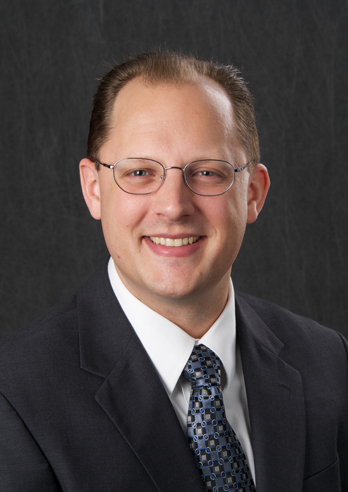
Dr. Justin Grobe, PhD


Dr. Michael Lutter, MD PhD

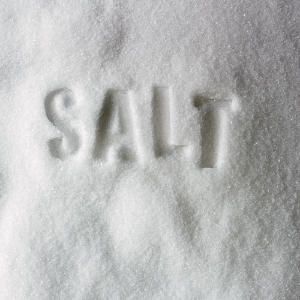
In a study that seems to defy conventional dietary wisdom, University of Iowa scientists have found that adding high salt to a high-fat diet actually prevents weight gain in mice.

As exciting as this may sound to fast food lovers, the researchers caution that very high levels of dietary salt are associated with increased risk for cardiovascular disease in humans. Rather than suggest that a high salt diet is suddenly a good thing, the researchers say these findings really point to the profound effect non-caloric dietary nutrients can have on energy balance and weight gain.

“People focus on how much fat or sugar is in the food they eat, but [in our experiments] something that has nothing to do with caloric content – sodium – has an even bigger effect on weight gain,” say Justin Grobe, PhD, assistant professor of pharmacology at the UI Carver College of Medicine and co-senior author of the study, which was published in the journal Scientific Reports on June 11.

The UI team started the study with the hypothesis that fat and salt, both being tasty to humans, would act together to increase food consumption and promote weight gain. They tested the idea by feeding groups of mice different diets: normal chow or high-fat chow with varying levels of salt (0.25 to 4 percent). To their surprise, the mice on the high-fat diet with the lowest salt gained the most weight, about 15 grams over 16 weeks, while animals on the high-fat, highest salt diet had low weight gain that was similar to the chow-fed mice, about 5 grams.

“We found out that our ‘french fry’ hypothesis was perfectly wrong,” says Grobe, who also is a member of the Fraternal Order of Eagles Diabetes Research Center at the UI and a Fellow of the American Heart Association. “The findings also suggest that public health efforts to continue lowering sodium intake may have unexpected and unintended consequences.”

To investigate why the high salt prevented weight gain, the researchers examined four key factors that influence energy balance in animals. On the energy input side, they ruled out changes in feeding behavior – all the mice ate the same amount of calories regardless of the salt content in their diet. On the energy output side, there was no difference in resting metabolism or physical activity between the mice on different diets. In contrast, varying levels of salt had a significant effect on digestive efficiency – the amount of fat from the diet that is absorbed by the body.

“Our study shows that not all calories are created equal,” says Michael Lutter, MD, PhD, co-senior study author and UI assistant professor of psychiatry. “Our findings, in conjunction with other studies, are showing that there is a wide range of dietary efficiency, or absorption of calories, in the populations, and that may contribute to resistance or sensitivity to weight gain.”

“This suppression of weight gain with increased sodium was due entirely to a reduced efficiency of the digestive tract to extract calories from the food that was consumed,” explains Grobe.

It’s possible that this finding explains the well-known digestive ill effects of certain fast foods that are high in both fat and salt, he adds.

Through his research on hypertension, Grobe knew that salt levels affect the activity of an enzyme called renin, which is a component in the renin- angiotensin system, a hormone system commonly targeted clinically to treat various cardiovascular diseases. The new study shows that angiotensin mediates the control of digestive efficiency by dietary sodium.

The clinical usefulness of reducing digestive efficiency for treating obesity has been proven by the drug orlistat, which is sold over-the-counter as Alli. The discovery that modulating the renin-angiotensin system also reduces digestive efficiency may lead to the developments of new anti-obesity treatments.

Lutter, who also is an eating disorders specialist with UI Health Care, notes that another big implication of the findings is that we are just starting to understand complex interactions between nutrients and how they affect calorie absorption, and it is important for scientists investigating the health effects of diet to analyze diets that are more complex than those currently used in animal experiments and more accurately reflect normal eating behavior.

“Most importantly, these findings support continued and nuanced discussions of public policies regarding dietary nutrient recommendations,” Grobe adds.

http://www.eurekalert.org/pub_releases/2015-06/uoih-hsp061115.php

New genetic evidence for the link between creativity and bipolar disorder / schizophrenia


Results imply creative people are 25% more likely to carry genes that raise risk of bipolar disorder and schizophrenia. But others argue the evidence is flimsy.

The ancient Greeks were first to make the point. Shakespeare raised the prospect too. But Lord Byron was, perhaps, the most direct of them all: “We of the craft are all crazy,” he told the Countess of Blessington, casting a wary eye over his fellow poets.

The notion of the tortured artist is a stubborn meme. Creativity, it states, is fuelled by the demons that artists wrestle in their darkest hours. The idea is fanciful to many scientists. But a new study claims the link may be well-founded after all, and written into the twisted molecules of our DNA.

In a large study published on Monday, scientists in Iceland report that genetic factors that raise the risk of bipolar disorder and schizophrenia are found more often in people in creative professions. Painters, musicians, writers and dancers were, on average, 25% more likely to carry the gene variants than professions the scientists judged to be less creative, among which were farmers, manual labourers and salespeople.

Kari Stefansson, founder and CEO of deCODE, a genetics company based in Reykjavik, said the findings, described in the journal Nature Neuroscience, point to a common biology for some mental disorders and creativity. “To be creative, you have to think differently,” he told the Guardian. “And when we are different, we have a tendency to be labelled strange, crazy and even insane.”

The scientists drew on genetic and medical information from 86,000 Icelanders to find genetic variants that doubled the average risk of schizophrenia, and raised the risk of bipolar disorder by more than a third. When they looked at how common these variants were in members of national arts societies, they found a 17% increase compared with non-members.

The researchers went on to check their findings in large medical databases held in the Netherlands and Sweden. Among these 35,000 people, those deemed to be creative (by profession or through answers to a questionnaire) were nearly 25% more likely to carry the mental disorder variants.

Stefansson believes that scores of genes increase the risk of schizophrenia and bipolar disorder. These may alter the ways in which many people think, but in most people do nothing very harmful. But for 1% of the population, genetic factors, life experiences and other influences can culminate in problems, and a diagnosis of mental illness.

“Often, when people are creating something new, they end up straddling between sanity and insanity,” said Stefansson. “I think these results support the old concept of the mad genius. Creativity is a quality that has given us Mozart, Bach, Van Gogh. It’s a quality that is very important for our society. But it comes at a risk to the individual, and 1% of the population pays the price for it.”

Stefansson concedes that his study found only a weak link between the genetic variants for mental illness and creativity. And it is this that other scientists pick up on. The genetic factors that raise the risk of mental problems explained only about 0.25% of the variation in peoples’ artistic ability, the study found. David Cutler, a geneticist at Emory University in Atlanta, puts that number in perspective: “If the distance between me, the least artistic person you are going to meet, and an actual artist is one mile, these variants appear to collectively explain 13 feet of the distance,” he said.

Most of the artist’s creative flair, then, is down to different genetic factors, or to other influences altogether, such as life experiences, that set them on their creative journey.

For Stefansson, even a small overlap between the biology of mental illness and creativity is fascinating. “It means that a lot of the good things we get in life, through creativity, come at a price. It tells me that when it comes to our biology, we have to understand that everything is in some way good and in some way bad,” he said.

But Albert Rothenberg, professor of psychiatry at Harvard University is not convinced. He believes that there is no good evidence for a link between mental illness and creativity. “It’s the romantic notion of the 19th century, that the artist is the struggler, aberrant from society, and wrestling with inner demons,” he said. “But take Van Gogh. He just happened to be mentally ill as well as creative. For me, the reverse is more interesting: creative people are generally not mentally ill, but they use thought processes that are of course creative and different.”

If Van Gogh’s illness was a blessing, the artist certainly failed to see it that way. In one of his last letters, he voiced his dismay at the disorder he fought for so much of his life: “Oh, if I could have worked without this accursed disease – what things I might have done.”

In 2014, Rothernberg published a book, “Flight of Wonder: an investigation of scientific creativity”, in which he interviewed 45 science Nobel laureates about their creative strategies. He found no evidence of mental illness in any of them. He suspects that studies which find links between creativity and mental illness might be picking up on something rather different.

“The problem is that the criteria for being creative is never anything very creative. Belonging to an artistic society, or working in art or literature, does not prove a person is creative. But the fact is that many people who have mental illness do try to work in jobs that have to do with art and literature, not because they are good at it, but because they’re attracted to it. And that can skew the data,” he said. “Nearly all mental hospitals use art therapy, and so when patients come out, many are attracted to artistic positions and artistic pursuits.”

http://www.theguardian.com/science/2015/jun/08/new-study-claims-to-find-genetic-link-between-creativity-and-mental-illness

New research shows that people with ‘O’ blood type have decreased risk of cognitive decline

A pioneering study conducted by leading researchers at the University of Sheffield has revealed blood types play a role in the development of the nervous system and may impact the risk of developing cognitive decline.

The research, carried out in collaboration with the IRCCS San Camillo Hospital Foundation in Venice, shows that people with an ‘O’ blood type have more grey matter in their brain, which helps to protect against diseases such as Alzheimer’s, than those with ‘A’, ‘B’ or ‘AB’ blood types.

Research fellow Matteo De Marco and Professor Annalena Venneri, from the University’s Department of Neuroscience, made the discovery after analysing the results of 189 Magnetic Resonance Imaging (MRI) scans from healthy volunteers.

The researchers calculated the volumes of grey matter within the brain and explored the differences between different blood types.

The results, published in the Brain Research Bulletin, show that individuals with an ‘O’ blood type have more grey matter in the posterior proportion of the cerebellum.

In comparison, those with ‘A’, ‘B’ or ‘AB’ blood types had smaller grey matter volumes in temporal and limbic regions of the brain, including the left hippocampus, which is one of the earliest part of the brain damaged by Alzheimer’s disease.

These findings indicate that smaller volumes of grey matter are associated with non-‘O’ blood types.

As we age a reduction of grey matter volumes is normally seen in the brain, but later in life this grey matter difference between blood types will intensify as a consequence of ageing.

“The findings seem to indicate that people who have an ‘O’ blood type are more protected against the diseases in which volumetric reduction is seen in temporal and mediotemporal regions of the brain like with Alzheimer’s disease for instance,” said Matteo DeMarco.

“However additional tests and further research are required as other biological mechanisms might be involved.”

Professor Annalena Venneri added: “What we know today is that a significant difference in volumes exists, and our findings confirm established clinical observations. In all likelihood the biology of blood types influences the development of the nervous system. We now have to understand how and why this occurs.”

More information: “‘O’ blood type is associated with larger grey-matter volumes in the cerebellum,” Brain Research Bulletin, Volume 116, July 2015, Pages 1-6, ISSN 0361-9230, dx.doi.org/10.1016/j.brainresbull.2015.05.005

Columbia University neuroscientist​ gives new perspective on drug abuse and addiction

“I grew up in the hood in Miami in a poor neighborhood. I came from a community in which drug use was prevalent. I kept a gun in my car. I engaged in petty crime. I used and sold drugs. But I stand before you today also — emphasis on also — a professor at Columbia University who studies drug addiction.”

That’s how Dr. Carl Hart, a neuroscientist and professor of psychology and psychiatry, opened a recent TED talk he gave about his research into addiction. After his difficult youth, Hart said he toed the drug war line for a number of years: “I fully believed that the crime and poverty in my community was a direct result of crack cocaine.” He bought into the notion, pushed by policymakers in the 1980s and 1990s, that you could get hooked on crack and other drugs after just one hit.

But his research has disabused him of these notions. He recruited cocaine and meth users into his lab, and over a period of several days offered them some options: they could either receive hits of their drug of choice, or they could take payments of five dollars instead. Crucially, the payments offered were less than the value of the drugs they could consume.

Contrary to the notion of the craven drug fiend who will do literally anything for one more hit, Hart found that half of cocaine and meth users opted for the money over the drugs. And when he increased the payments to 20 dollars, closer to 80 percent of meth users chose the money. The lesson? “Attractive alternatives dramatically decrease drug use,” he said in his talk.

This speaks to another point Hart made, which is worth quoting at length:

80 to 90 percent of people who use illegal drugs are not addicts. They don’t have a drug problem. Most are responsible members of our society. They are employed. They pay their taxes. They take care of their families. And in some cases they even become president of the United States.

He’s right, of course. Among people who have ever used marijuana, only 9 percent become addicted. That rate is 11 percent for cocaine and 17 percent for stimulants like meth. Even the vast majority of people who use heroin — 77 percent of them — never get addicted to the drug.

When it comes to his own kids, Hart, who is black, is less worried about drugs and more worried about the people who enforce drug laws. He says that the effects of drugs at the individual-level are predictable and easy to understand: you smoke some weed, you will experience X effects after Y amount of time. But interactions with the police are a different story. “I don’t know how to keep my children safe with the police because, particularly when it comes to Black folks, interactions with police are not predictable,” he said in a recent Q&A hosted by the Drug Policy Alliance and reported in Ebony magazine.

Thanks to Kebmodee for bringing this to the It’s Interesting community.