Rare Form of MS May Be Caused by a Single Gene Mutation

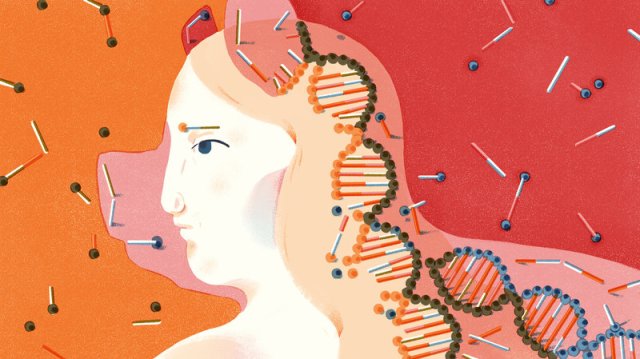
A single genetic mutation may increase a person’s risk of developing a rare, severe form of multiple sclerosis (MS) by roughly 60 percent, according to a study published recently in the journal Neuron.

That’s an unusually straightforward result for a complex disease like MS, which has previously been traced to hundreds of mutations that each increases the risk of developing the disease only slightly.

“That’s why our finding is unprecedented,” Carles Vilariño-Güell, Ph.D., an assistant professor of medical genetics at The University of British Columbia and one of the paper’s senior authors, told Healthline.

His team found the mutation by combing through a database of Canadians with MS who had donated blood samples as part of the Canadian Collaborative Project on Genetic Susceptibility to MS.

Some of these samples belonged to a family that was disproportionately diagnosed with the disease. Four first cousins and two parents developed MS.

The team isolated a common mutation from their DNA, and looked for that mutation in other individuals in the database.

That’s how they found a second family similarly afflicted. Three first cousins and two parents were diagnosed with MS.

Having so many cases of MS within a family is rare. The disease is not considered truly heritable, although a person’s risk does increase if a parent or sibling has the disease.

The families shared another rare trait. Most had the more severe version of the disease known as primary progressive MS, which makes up 10 to 15 percent of all MS cases.

Treatments for primary progressive MS have so far eluded scientists, although there are promising clinical trials underway of a drug called Ocrelizumab.


Future Research

The study found the mutation only in a handful of people, all of whom were diagnosed with a rare form of the disease.

Therefore, the researchers don’t suggest they have found the genetic basis of MS.

But they do think they’ve discovered a way to study how the disease progresses in the body and what drugs could be developed to slow or even stop it

Bruce Bebo, Ph.D., vice president of research at the National Multiple Sclerosis Society, agrees.

“Studying the genetics of a very rare form that is inherited can give us clues about pathways involved in MS in the general population,” he told Healthline.

The mutation appears to disable a regulatory gene called NR1H3, which codes for a protein that helps regulate the inflammation and the metabolism of lipids.

The researchers now plan to engineer a similar mutation in mice so they can study the outcome of a disabled NR1H3 gene and test potential new drugs in an animal model.

And because the NR1H3 pathway has already been implicated in diseases like atherosclerosis and heart disease, there are already drugs in clinical trials for safety that could be repurposed for treating MS, Vilariño-Güell said.

“Understanding the genetics of MS could help us get closer to individualizing therapy to people for better outcomes,” Bebo said.

Getting Personal with Treatment

People with a disease like MS, which appears in so many different ways and can be linked to so many different genetic components, could benefit by personalized medicine.

If the mechanism of each disease causing mutation or group of mutations is pinpointed, scientists could potentially design more effective, targeted treatments rather than the standard one-size-fits-all therapies.

That means tracking down the many different genetic hotspots that are linked to MS.

Overall, genetic predisposition accounts for only about a third of a person’s risk of developing the disease, Bebo said. Within that category only about half the genes responsible can be identified.

Researchers don’t know where the other half of that genetic risk comes from, Bebo said, but it makes sense that it would include rare mutations like this one that help explain risk in a small fraction of MS patients.

And there could be many different versions of these mutations.

“Odds are if you look at a different family the genetic risk would probably be something different than this,” Bebo said.

Speeding Through the Genome

The Canadian database has been available since the late 1990s, but only recently has the team had access to exome sequencing, a powerful, efficient tool that makes searching for tiny genetic changes easier.

This technique sequences only the DNA that codes for proteins — leaving the other 98 percent behind. It’s like speed reading the genome.

Exome sequencing has been particularly helpful for finding so-called “Mendelian” diseases — diseases that can be traced to a single, heritable mutation just like Gregor Mendel’s purple and white pea flowers. Cystic fibrosis and sickle cell anemia are two examples of these diseases.

With this discovery, the researchers say that have found a Mendelian form of MS.

That doesn’t mean the discovery won’t be beneficial for the 85 percent of people diagnosed with relapsing remitting MS. In many of those patients, the disease eventually changes course and becomes progressive.

Whatever is learned about primary progressive MS — a condition that doesn’t respond to treatments for other types of MS — could also potentially help those with secondary progressive MS, the researchers say.

http://www.healthline.com/health-news/form-of-ms-could-be-caused-by-single-genetic-mutation#5

Toxoplasma infection might trigger neurodegenerative disease


Infection with the common parasite Toxoplasma gondii promotes accumulation of a neurotransmitter in the brain called glutamate, triggering neurodegenerative diseases in individuals predisposed to such conditions.

Written by Honor Whiteman

This is the finding of a new study conducted by researchers from the University of California-Riverside (UC-Riverside), recently published in PLOS Pathogens.

T. gondii is a single-celled parasite that can cause a disease known as toxoplasmosis.

Infection with the parasite most commonly occurs through eating undercooked, contaminated meat or drinking contaminated water.

It may also occur through accidentally swallowing the parasite after coming into contact with cat feces – by cleaning a litter tray, for example.

Though more than 60 million people in the United States are believed to be infected with T. gondii, few people become ill from it; a healthy immune system can normally stave it off.

As such, most people who become infected with the parasite are unaware of it.

Those who do become ill from T. gondii infection may experience flu-like symptoms – such as swollen lymph glands or muscle aches – that last for at least a month.

In severe cases, toxoplasmosis can cause damage to the eyes, brain, and other organs, though such complications usually only arise in people with weakened immune systems.

The new study, however, suggests there may be another dark side to T. gondii infection: it may lead to development of neurodegenerative disease in people who are predisposed to it.

To reach their findings, lead author Emma Wilson – an associate professor in the Division of Biomedical Sciences at the UC-Riverside School of Medicine – and colleagues focused on how T. gondii infection in mice affects glutamate production

How a build-up of glutamate can damage the brain

Glutamate is an amino acid released by nerve cells, or neurons. It is one of the brain’s most abundant excitatory neurotransmitters, aiding communication between neurons.

However, previous studies have shown that too much glutamate may cause harm; a build-up of glutamate is often found in individuals with traumatic brain injury (TBI) and people with certain neurodegenerative diseases, such as multiple sclerosis (MS) and amyotrophic lateral sclerosis (ALS).

The researchers explain that excess glutamate accumulates outside of neurons, and this build-up is regulated by astrocytes – cells in the central nervous system (CNS).

Astrocytes use a glutamate transporter called GLT-1 in an attempt to remove excess glutamate from outside of neurons and convert it into a less harmful substance called glutamine, which cells use for energy.

“When a neuron fires, it releases glutamate into the space between itself and a nearby neuron,” explains Wilson. “The nearby neuron detects this glutamate, which triggers a firing of the neuron. If the glutamate isn’t cleared by GLT-1 then the neurons can’t fire properly the next time and they start to die.”


T. gondii increases glutamate by inhibiting GLT-1

n mice infected with T. gondii, the researchers identified an increase in glutamate levels.

They found that the parasite causes astrocytes to swell, which impairs their ability to regulate glutamate accumulation outside of neurons.

Furthermore, the parasite prevents GLT-1 from being properly expressed, which causes an accumulation of glutamate and misfiring of neurons. This may lead to neuronal death, and ultimately, neurodegenerative disease.

“These results suggest that in contrast to assuming chronic Toxoplasma infection as quiescent and benign, we should be aware of the potential risk to normal neurological pathways and changes in brain chemistry.” – Emma Wilson

Next, the researchers gave the infected mice an antibiotic called ceftriaxone, which has shown benefits in mouse models of ALS and a variety of CNS injuries.

They found the antibiotic increased expression of GLT-1, which led to a reduction in glutamate build-up and restored neuronal function.

Wilson says their study represents the first time that T. gondii has been shown to directly disrupt a key neurotransmitter in the brain.

“More direct and mechanistic research needs to be performed to understand the realities of this very common pathogen,” she adds.

While their findings indicate a link between T. gondii infection and neurodegenerative disease, Wilson says they should not be cause for panic.

“We have been living with this parasite for a long time,” she says. “It does not want to kill its host and lose its home. The best way to prevent infection is to cook your meat and wash your hands and vegetables. And if you are pregnant, don’t change the cat litter.”

The team now plans to further investigate what causes the reduced expression of GLT-1 in T. gondii infection.

http://www.medicalnewstoday.com/articles/310865.php

Drug 8-Times Stronger than Morphine Linked to at Least 50 Deaths in U.S.

A new synthetic drug called U-47700 has been linked with at least 50 deaths across the United States, and several states are trying to halt the spread of the drug, which can be bought online.

Georgia, Ohio, and Wyoming have taken action to ban the drug, and Kansas law enforcement agencies are seeking an emergency ban. The U.S. Drug Enforcement Administration is analyzing the drug but hasn’t yet moved to control it, a spokeswoman told the Associated Press.

U-47700 is an opioid that is nearly 8 times stronger than morphine. It comes in different forms and can be swallowed, snorted, or injected.

The drug — being made by chemical companies in China — was developed by pharmaceutical company UpJohn in the 1970s, and the recipe for making it is easy to find, Barry Logan, PhD, chief of forensic toxicology at NMS Labs in Pennsylvania, which provides lab services for government and private clients, told the AP.

Opioids might worsen chronic pain, study finds

Written by Honor Whiteman

Anew study has questioned the benefits of opioid painkillers, after finding the drugs might worsen chronic pain rather than ease it.

Study co-leader Prof. Peter Grace, of the University of Colorado at Boulder (CU-Boulder), and colleagues recently published their findings in the Proceedings of the National Academy of Sciences.

Opioids are among the most commonly used painkillers in the United States; almost 250 million opioid prescriptions were written in 2013 – the equivalent to one bottle of pills for every American adult.

Previous studies have suggested opioids – such as codeine, oxycodone, morphine, and fentanyl – are effective pain relievers. They bind to proteins in the brain, spinal cord, and gastrointestinal tract called opioid receptors, reducing pain perception.

Increasing use and abuse of opioids, however, has become a major public health concern in the U.S.; opioid overdoses are responsible for 78 deaths in the country every day.

Now, Prof. Grace and colleagues have questioned whether opioids really work for pain relief, after finding the opioid morphine worsened chronic pain in rats.

Just 5 days of morphine treatment increased chronic pain in rats
According to Prof. Grace, previous studies assessing morphine use have focused on how the drug affects pain in the short term.

With this in mind, the researchers set out to investigate the longer-term effects of morphine use for chronic pain.

For their study, the team assessed two groups of rats with chronic nerve pain. One group was treated with morphine, while the other was not.

Compared with the non-treatment group, the team found that the chronic pain of the morphine group worsened with just 5 days of treatment. What is more, this effect persisted for several months.

“We are showing for the first time that even a brief exposure to opioids can have long-term negative effects on pain,” says Prof. Grace. “We found the treatment was contributing to the problem.”

Another ‘ugly side’ to opioids
According to the authors, the combination of morphine and nerve injury triggered a “cascade” of glial cell signaling, which increased chronic pain.

Glial cells are the “immune cells” of the central nervous system, which support and insulate nerve cells and aid nerve injury recovery.

They found that this cascade activated signaling from a protein called interleukin-1beta (IL-1b), which led to overactivity of nerve cells in the brain and spinal cord that respond to pain. This process can increase and prolong pain.

The researchers say their findings have important implications for individuals with chronic pain – a condition that is estimated to affect around 100 million Americans.

“The implications for people taking opioids like morphine, oxycodone and methadone are great, since we show the short-term decision to take such opioids can have devastating consequences of making pain worse and longer lasting. This is a very ugly side to opioids that had not been recognized before.”

Study co-leader Prof. Linda Watkins, CU-Boulder

It is not all bad news, however. The researchers found they were able to reverse morphine’s pain-increasing effect using a technique called “designer receptor exclusively activated by designer drugs” (DREADD), which involves the use of a targeted drug that stops glial cell receptors from recognizing opioids.

“Importantly, we’ve also been able to block the two main receptors involved in this immune response, including Toll-Like receptor 4 (TLR4) and another one called P2X7R, which have both been separately implicated in chronic pain before,” notes Prof. Grace.

“By blocking these receptors, we’re preventing the immune response from kicking in, enabling the painkilling benefits of morphine to be delivered without resulting in further chronic pain.”

He adds that drugs that can block such receptors are currently in development, but it is likely to be at least another 5 years before they are available for clinical use.

http://www.medicalnewstoday.com/articles/310645.php

Thanks to Kebmnodee for bringing this to the attention of the It’s Interesting community.

Historic Health Push Aims To Wipe Out Elephantiasis, Disease That Causes Intense Social Stigma And Pain

by Eleanor Goldberg

Though nearly 1.4 billion people are at risk of developing a disfiguring disease that’s easily preventable, it remains one of the most overlooked conditions. But a powerful new campaign hopes to change that.

Lymphatic filariasis, also known as elephantiasis, is a neglected tropical disease (NTD) that causes a host of debilitating issues, including leading body parts, like limbs and genital organs, to swell to severe proportions, according to the World Health Organization. More than 120 million people worldwide are living with elephantiasis, and a group of advocates has hatched a plan to put an end to it.

India’s Ministry of Health and Family Welfare recently unveiled its mission to launch the largest mass drug administration in history to eliminate elephantiasis, a condition that leads to inescapable social stigma in addition to physical pain. Dubbed Hathipaon Mukt Bharat, which means –- Filaria Free India -– the initiative plans to dole out medication to more than 400 million people and hopes a PSA that features the effects of the disease will urge people to get involved.

According to WHO, preventing the spread of the disease requires just one annual dose of two medications.

India is an apt place to launch the program considering that more than a third of people who are affected by the world’s neglected tropical diseases live there. If the mission is successful, it could wipe out elephantiasis in India as early as next year, according to the campaign.

Eliminating elephantiasis could do much more than just keep people from developing the disabling condition. Experts say it’s critical in the fight to curb hunger, too, Reuters recently reported.

The 17 neglected diseases, which also include sleeping sickness, yaws and dengue fever, are most prevalent in rural communities in the poorest areas of the world.

While valiant efforts have been made to bring nutrition to people who are affected by such illnesses, experts say the diseases first need to be tackled before the sufferers can reap any true benefit from such programs.

“You can spend a lot of resources distributing protein supplements or vitamins, but in the end if you’re administering them to people infested with worms then that supplement is just being eaten by the worms,” Marianne Comparet, director of the International Society for Neglected Tropical Diseases, told Reuters.”We very much view the NTDs as an acute program to treat a disease, but also to ensure there’s a solid foundation for the other programs to grow from.”

http://www.huffingtonpost.com/2015/02/18/elephantiasis-india_n_6701478.html

That New Superbug Was Found in a UTI and That’s Key

BR3GWM bacteria streaked and grows on an agar plate in the lab

by SARAH ZHANG

THE WOMAN HARBORING E. coli resistant to colistin did not know it, and it’s only luck that we do. Her doctor would have never prescribed that last-resort antibiotic for a routine urinary tract infection—it can cause serious kidney damage. But her doctor did take a urine sample, which ended up at the Walter Reed National Military Medical Center, where researchers had recently started testing for colistin resistance. The test came back positive. Then the came scary headlines about a new superbug in the US.

Superbugs are bacteria with genetic mutations that let them survive humanity’s harshest weapons in germ warfare: antibiotics. The gene behind this E. coli’s colistin resistance is called mcr-1. It first emerged last year when Chinese researchers found it in samples from hospital patients and raw pork. Why pork? Colistin’s serious side effects mean it’s no longer used as a human antibiotic in many countries. But in China, farmers have been adding it by the pound into feed to fatten animals up.

Once epidemiologists knew to look for mcr-1, they found it in Malaysia, England and then the rest of Europe. It was only a matter of time before colistin resistance turned up in the US. On the same day news came out about this woman’s colistin-resistant UTI, the Department of Health and Human Services also announced it found mcr-1 in a sample from a pig intestine.

Colistin is not used in animal feed in the US, so it’s unclear how colistin-resistant bacteria ended up infecting that woman—or that pig. But food and people move freely across borders. And more even seriously, US animal farmers do use other antibiotics—even human ones—on chicken, pigs, and cows. A growing body of research has linked antibiotic use in food animals to drug-resistant bouts of food poisoning from salmonella, campylobacter, and MRSA. Even more interesting is a possible link between antibiotics on meat and urinary tract infections, which science journalist Maryn McKenna has covered extensively. The Food and Drug Administration issued a guidance last year for farms to phase out medically important antibiotics, though only voluntarily.


The Rise of the Drug-Resistant UTI

Urinary tract infections are damn common—annoyingly common if you ask many women. And antibiotic resistant UTIs are on the rise, too: From 2000 to 2010, the number of UTIs resistant to the antibiotic Cipro went from 3 percent to 17.1 percent. Because UTIs afflict so many people, they’re fairly representative antibiotic resistance out there in people community—especially compared to the resistant infections that epidemiologists tend to study most intensely, like ones that kill already sick hospital patients. “UTIs are a good picture of what people are being exposed to on a daily basis” says Amee Manges, an epidemiologist at the University of British Columbia. Case in point: That colistin-resistant bacteria in the woman from Philadelphia.

Manges has spent the past fifteen years studying the link between antibiotic use in meat production, especially poultry, and UTIs. Back when she was working on her doctoral thesis at the University of California, Berkeley, she kept seeing young, otherwise healthy students with UTIs. Originally, she thought she was going to track sexual transmission of the E. coli that caused such infections. With that kind of sporadic sexual transmission, she should have seen many different strains. But when she DNA fingerprinted the bacteria, she found they were all the same strain—the same pattern you’d see from a single source, like if the campus cafeteria gave everyone food poisoning. She was never able to trace those UTI cases back to the original source, but she’s been working on the question ever since.

UTIs are so hard to trace because the infection might not set in until long after a patient first acquired to bacteria. Say a woman eats some undercooked chicken. “The bacteria just hangs out in your intestine for months or possibly years,” says Manges. Then you get risk factor for UTI—sex or a catheter insertion—and that bacteria makes its way from, ahem, the end of your gut to the urethra. But getting people to remember what they ate a week ago is hard. Getting people to remember what they ate a year ago? Hahaha.

The Surveillance Net
Nevertheless, Manges and others have found that strains on meat match strains found in UTIs. Because of the difficulty in tracing UTIs, that evidence is not as ironclad as the evidence for antibiotics use and antibiotic-resistant food poisoning. With routine surveillance of UTIs though, epidemiologists could get a better handle of not only resistant bacteria that come from meat—but also other sources like drinking water or travel or family members being in the hospital. But that surveillance doesn’t happen. “There’s no organized infrastructure to get a good handle about resistance rates across communities,” says Kalpana Gupta, an infectious disease specialist at Boston University.

When patients walk in with UTIs, doctors will often hand out antibiotics without doing a urine culture. Growing the bacteria takes two days—testing for antibiotic-resistance a third—and by that time the patient is usually on the mend already. The fact that the women in Philadelphia got tested was unusual. The fact that her sample was tested against colistin even more so. As Gupta says, “Colistin is not something we would even use to treat UTIs.” (Resistance to another class of antibiotics triggered that extra test in this case.)

The Centers for Disease Control and Prevention is now following up with the woman in Philadelphia to find out she ended up with that colistin-strain of E. coli, which has never been found in the US before. Her infection was fortunately not resistant to all antibiotics. But what makes the colistin-resistance gene mcr-1 so worrisome is that it’s on a small loop of DNA that different bacteria easily swap back and forth. Someday, another bacteria already immune to all other antibiotics will pick up mcr-1, too. It’s only a matter of time.

The wider the surveillance net though, the more quickly we’ll find it.

In Search For Cures, Scientists Create Embryos That Are Both Animal And Human

A handful of scientists around the United States are trying to do something that some people find disturbing: make embryos that are part human, part animal.

The researchers hope these embryos, known as chimeras, could eventually help save the lives of people with a wide range of diseases.

One way would be to use chimera embryos to create better animal models to study how human diseases happen and how they progress.

Perhaps the boldest hope is to create farm animals that have human organs that could be transplanted into terminally ill patients.

But some scientists and bioethicists worry the creation of these interspecies embryos crosses the line. “You’re getting into unsettling ground that I think is damaging to our sense of humanity,” says Stuart Newman, a professor of cell biology and anatomy at the New York Medical College.

The experiments are so sensitive that the National Institutes of Health has imposed a moratorium on funding them while officials explore the ethical issues they raise.

Nevertheless, a small number of researchers are pursuing the work with alternative funding. They hope the results will persuade the NIH to lift the moratorium.

“We’re not trying to make a chimera just because we want to see some kind of monstrous creature,” says Pablo Ross, a reproductive biologist at the University of California, Davis. “We’re doing this for a biomedical purpose.”

The NIH is expected to announce soon how it plans to handle requests for funding.

Recently, Ross agreed to let me visit his lab for an unusual look at his research. During the visit, Ross demonstrated how he is trying to create a pancreas that theoretically could be transplanted into a patient with diabetes.

The first step involves using new gene-editing techniques to remove the gene that pig embryos need to make a pancreas.

Working under an elaborate microscope, Ross makes a small hole in the embryo’s outer membrane with a laser. Next, he injects a molecule synthesized in the laboratory to home in on and delete the pancreas gene inside. (In separate experiments, he has done this to sheep embryos, too.)

After the embryos have had their DNA edited this way, Ross creates another hole in the membrane so he can inject human induced pluripotent stem cells, or iPS for short, into the pig embryos.

Like human embryonic stem cells, iPS cells can turn into any kind of cell or tissue in the body. The researchers’ hope is that the human stem cells will take advantage of the void in the embryo to start forming a human pancreas.

Because iPS cells can be made from any adult’s skin cells, any organs they form would match the patient who needs the transplant, vastly reducing the risk that the body would reject the new organ.

But for the embryo to develop and produce an organ, Ross has to put the chimera embryos into the wombs of adult pigs. That involves a surgical procedure, which is performed in a large operating room across the street from Ross’s lab.

The day Ross opened his lab to me, a surgical team was anesthetizing an adult female pig so surgeons could make an incision to get access to its uterus.

Ross then rushed over with a special syringe filled with chimera embryos. He injected 25 embryos into each side of the animal’s uterus. The procedure took about an hour. He repeated the process on a second pig.

Every time Ross does this, he then waits a few weeks to allow the embryos to develop to their 28th day — a time when primitive structures such as organs start to form.

Ross then retrieves the chimeric embryos to dissect them so he can see what the human stem cells are doing inside. He examines whether the human stem cells have started to form a pancreas, and whether they have begun making any other types of tissues.

The uncertainty is part of what makes the work so controversial. Ross and other scientists conducting these experiments can’t know exactly where the human stem cells will go. Ross hopes they’ll only grow a human pancreas. But they could go elsewhere, such as to the brain.

“If you have pigs with partly human brains you would have animals that might actually have consciousness like a human,” Newman says. “It might have human-type needs. We don’t really know.”

That possibility raises new questions about the morality of using the animals for experimentation. Another concern is that the stem cells could form human sperm and human eggs in the chimeras.

“If a male chimeric pig mated with a female chimeric pig, the result could be a human fetus developing in the uterus of that female chimera,” Newman says. Another possibility is the animals could give birth to some kind of part-human, part-pig creature.

“One of the concerns that a lot of people have is that there’s something sacrosanct about what it means to be human expressed in our DNA,” says Jason Robert, a bioethicist at Arizona State University. “And that by inserting that into other animals and giving those other animals potentially some of the capacities of humans that this could be a kind of violation — a kind of, maybe, even a playing God.”

Ross defends what his work. “I don’t consider that we’re playing God or even close to that,” Ross says. “We’re just trying to use the technologies that we have developed to improve peoples’ life.”

Still, Ross acknowledges the concerns. So he’s moving very carefully, he says. For example, he’s only letting the chimera embryos develop for 28 days. At that point, he removes the embryos and dissects them.

If he discovers the stem cells are going to the wrong places in the embryos, he says he can take steps to stop that from happening. In addition, he’d make sure adult chimeras are never allowed to mate, he says.

“We’re very aware and sensitive to the ethical concerns,” he says. “One of the reasons we’re doing this research the way we’re doing it is because we want to provide scientific information to inform those concerns.”

Ross is working with Juan Carlos Izpisua Belmonte from the Salk Intitute for Biological Studies in La Jolla, Calif., and Hiromitsu Nakauchi at Stanford University. Daniel Garry of the University of Minnesota and colleagues are conducting similar work. The research is funded in part by the Defense Department and the California Institute for Regenerative Medicine (CIRM).

http://www.npr.org/sections/health-shots/2016/05/18/478212837/in-search-for-cures-scientists-create-embryos-that-are-both-animal-and-human

Thanks to Kebmodee for bringing this to the attention of the It’s Interesting community.

Weighted blankets may help treat anxiety

tress, anxiety, and insomnia affect millions of people worldwide, and to alleviate the symptoms, there are a variety of routes one can take, including the ever-popular pharmaceutical pills. But as our world continues to break through the madness of synthetic options and expose each other to holistic options derived from both ancient teachings as well as present-day healers, it’s important we keep our eyes and ears open for our own good.

Anyone who suffers from the above disorders knows the word “simple” doesn’t quite fit with how they feel. In fact, it seems to be very much the opposite: a complex feeling that can barely be put into words. So, how can something as simple as sleeping with weighted blankets be a plausible solution to stress, anxiety, insomnia, and more?

Called deep pressure touch stimulation, (or DPTS), this type of therapy is similar to getting a massage. Pressure is exerted over the body and provides both physical and psychological benefits. Deep touch pressure, according to Temple Grandin, Ph.D., “is the type of surface pressure that is exerted in most types of firm touching, holding, stroking, petting of animals, or swaddling.” In comparison to very light touching, which has been found to alert the nervous system, deep pressure proves to be relaxing and calming.

Weighted blankets have been traditionally used by occupational therapists as a means to help children with sensory disorders, anxiety, stress, or issues related to autism, and research continues to support this practice. One study, using the Grandin’s Hug Machine device, which allows administration of lateral body pressure, investigated the effects of deep pressure as a tool for alleviating anxiety related to autism. The researchers found “a significant reduction in tension and a marginally significant reduction in anxiety for children who received the deep pressure compared with the children who did not.”

Of weighted blankets specifically, occupational therapist Karen Moore says in psychiatric care, “weighted blankets are one of our most powerful tools for helping people who are anxious, upset, and possibly on the verge of losing control.”

One study, published in Occupational Therapy in Mental Health in 2008, showed that weighted blankets helped with anxiety, and another study published in Australasian Psychiatry in 2012 confirmed this.

Weighted blankets are like warm hugs. They mold to your body to provide pressure that aids in relaxing the nervous system. Think of it like a baby being swaddled — the weight and pressure work to comfort and provide much-needed relief, encouraging the production of serotonin in order to uplift your mood. This same chemical naturally converts to melatonin, which signals your body to rest and relax. Weighted blankets are perfect for anyone looking to try out a non-drug therapy that is both safe and effective.

To weigh the blankets down, plastic poly pellets are typically used, being sewn into compartments throughout the blanket for even weight distribution. The weight of the blanket serves as a deep touch therapy, stimulating deep touch receptors all over your body that promote a more grounded and safe feeling to the individual.

Though the weight of the blanket depends on your size and personal preference, a standard weight for adults ranges from 15 to 30 pounds. It is recommended to speak with a doctor or occupational therapist regarding using one if you are suffering from a medical condition. It is also strongly advised not to use a weighted blanket should you be suffering from a respiratory, circulatory, or temperature regulation problem.

As for where you can buy them, there are many websites you can purchase them from, providing you with different weights, fabrics, colors, and sizes to personalize your experience. You can even make your own as well.

http://www.collective-evolution.com/2016/05/20/how-weighted-blankets-are-helping-people-with-anxiety/

Robot outperforms highly-skilled human surgeons on pig GI surgery

A robot surgeon has been taught to perform a delicate procedure—stitching soft tissue together with a needle and thread—more precisely and reliably than even the best human doctor.

The Smart Tissue Autonomous Robot (STAR), developed by researchers at Children’s National Health System in Washington, D.C., uses an advanced 3-D imaging system and very precise force sensing to apply stitches with submillimeter precision. The system was designed to copy state-of-the art surgical practice, but in tests involving living pigs, it proved capable of outperforming its teachers.

Currently, most surgical robots are controlled remotely, and no automated surgical system has been used to manipulate soft tissue. So the work, described today in the journal Science Translational Medicine, shows the potential for automated surgical tools to improve patient outcomes. More than 45 million soft-tissue surgeries are performed in the U.S. each year. Examples include hernia operations and repairs of torn muscles.

“Imagine that you need a surgery, or your loved one needs a surgery,” says Peter Kim, a pediatric surgeon at Children’s National, who led the work. “Wouldn’t it be critical to have the best surgeon and the best surgical techniques available?”

Kim does not see the technology replacing human surgeons. He explains that a surgeon still oversees the robot’s work and will take over in an emergency, such as unexpected bleeding.

“Even though we take pride in our craft of doing surgical procedures, to have a machine or tool that works with us in ensuring better outcome safety and reducing complications—[there] would be a tremendous benefit,” Kim says. The new system is an impressive example of a robot performing delicate manipulation. If robots can master human-level dexterity, they could conceivably take on many more tasks and jobs.

STAR consists of an industrial robot equipped with several custom-made components. The researchers developed a force-sensitive device for suturing and, most important, a near-infrared camera capable of imaging soft tissue in detail when fluorescent markers are injected.

“It’s an important result,” says Ken Goldberg, a professor at UC Berkeley who is also developing robotic surgical systems. “The innovation in 3-D sensing is particularly interesting.”

Goldberg’s team is developed surgical robots that could be more flexible than STAR because instead of being manually programmed, they can learn automatically by observing expert surgeons. “Copying the skill of experts is really the next step here,” he says.

https://www.technologyreview.com/s/601378/nimble-fingered-robot-outperforms-the-best-human-surgeons/

Thanks to Kebmodee for bringing this to the It’s Interesting community.

Psychedelic Therapy and Bad Trips


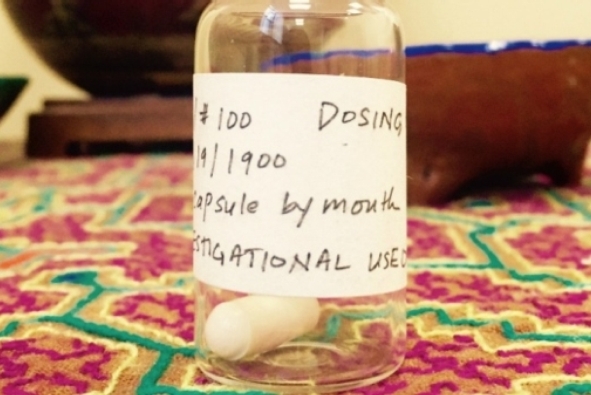
Synthetic psilocybin, a compound found in magic mushrooms, has been administered to cancer patients in a study at New York University. Researcher Anthony Bossis says many subjects report decreased depression and fear of death after their session. Although some patients do not report persistent positive feelings, none report persistent adverse effects. Photo: Bossis, NYU.

By John Horgan

Bossis, a psychologist at New York University, belongs to an intrepid cadre of scientists reviving research into psychedelics’ therapeutic potential. I say “reviving” because research on psychedelics thrived in the 1950s and 1960s before being crushed by a wave of anti-psychedelic hostility and legislation.

Psychedelics such as LSD, psilocybin and mescaline are still illegal in the U.S. But over the past two decades, researchers have gradually gained permission from federal and other authorities to carry out experiments with the drugs. Together with physicians Stephen Ross and Jeffrey Guss, Bossis has tested the potential of psilocybin—the primary active ingredient of “magic mushrooms”–to alleviate anxiety and depression in cancer patients.

Journalist Michael Pollan described the work of Bossis and others in The New Yorker last year. Pollan said researchers at NYU and Johns Hopkins had overseen 500 psilocybin sessions and observed “no serious adverse effects.” Many subjects underwent mystical experiences, which consist of “feelings of unity, sacredness, ineffability, peace and joy,” as well as the conviction that you have discovered “an objective truth about reality.”

Pollan’s report was so upbeat that I felt obliged to push back a bit, pointing out that not all psychedelic experiences—or mystical ones–are consoling. In The Varieties of Religious Experience, William James emphasized that some mystics have “melancholic” or “diabolical” visions, in which ultimate reality appears terrifyingly alien and uncaring.

Taking psychedelics in a supervised research setting doesn’t entirely eliminate the risk of a bad trip. That lesson emerged from a study in the early 1990s by psychiatrist Rick Strassman, who injected dimethyltryptamine, DMT, into human volunteers.

From 1990 to 1995, Strassman supervised more than 400 DMT sessions involving 60 subjects. Many reported dissolving blissfully into a radiant light or sensing the presence of a loving god. But 25 subjects had “adverse effects,” including terrifying hallucinations of “aliens” that took the shape of robots, insects or reptiles. (For more on Strassman’s study, see this link: https://www.rickstrassman.com/index.php?option=com_content&view=article&id=61&Itemid=60

Swiss chemist Albert Hofmann, who discovered LSD’s powers in 1943 and later synthesized psilocybin, sometimes expressed misgivings about psychedelics. When I interviewed him in 1999, he said psychedelics have enormous scientific, therapeutic and spiritual potential. He hoped someday people would take psychedelics in “meditation centers” to awaken their religious awe.

Yet in his 1980 memoir LSD: My Problem Child, Hofmann confessed that he occasionally regretted his role in popularizing psychedelics, which he feared represent “a forbidden transgression of limits.” He compared his discoveries to nuclear fission; just as fission threatens our fundamental physical integrity, so do psychedelics “attack the spiritual center of the personality, the self.”

I had these concerns in mind when I attended a recent talk by Bossis near New York University. A large, bearded man who exudes warmth and enthusiasm, Bossis couldn’t reveal details of the cancer-patient study, a paper on which is under review, but he made it clear that the results were positive.

Many subjects reported decreased depression and fear of death and “improved well-being” after their session. Some called the experience among the best of their lives, with spiritual implications. An atheist woman described feeling “bathed in God’s love.”

Bossis said psychedelic therapy could transform the way people die, making the experience much more meaningful. He quoted philosopher Victor Frankl, who said, “Man is not destroyed by suffering. He is destroyed by suffering without meaning.”

During the Q&A, I asked Bossis about bad trips. Wouldn’t it be awful, I suggested, if a dying patient’s last significant experience was negative? Bossis said he and his co-researchers were acutely aware of that risk. They minimized adverse reactions by managing the set (i.e., mindset, or expectations, of the subject) and setting (context of the session).

First, they screen patients for mental illness, eliminating those with, say, a family history of schizophrenia. Second, the researchers prepare patients for sessions, telling them to expect and explore rather than suppressing negative emotions, such as fear or grief. Third, the sessions take place in a safe, comfortable room, which patients can decorate with personal items, such as photographs or works of art. A researcher is present during sessions but avoids verbal interactions that might distract the patient from her inner journey. Patients and researchers generally talk about sessions the following day.

These methods seem to work. Some patients, to be sure, became frightened or melancholy. One dwelled on the horrors of the Holocaust, which had killed many members of his family, but he found the experience meaningful. Some patients did not emerge from their sessions with persistent positive feelings, Bossis said, but none reported persistent adverse effects.

Bossis has begun a new study that involves giving psilocybin to religious leaders, such as priests and rabbis. His hope is that these subjects will gain a deeper understanding of the mystical roots of their faiths.

http://blogs.scientificamerican.com/cross-check/psychedelic-therapy-and-bad-trips/