
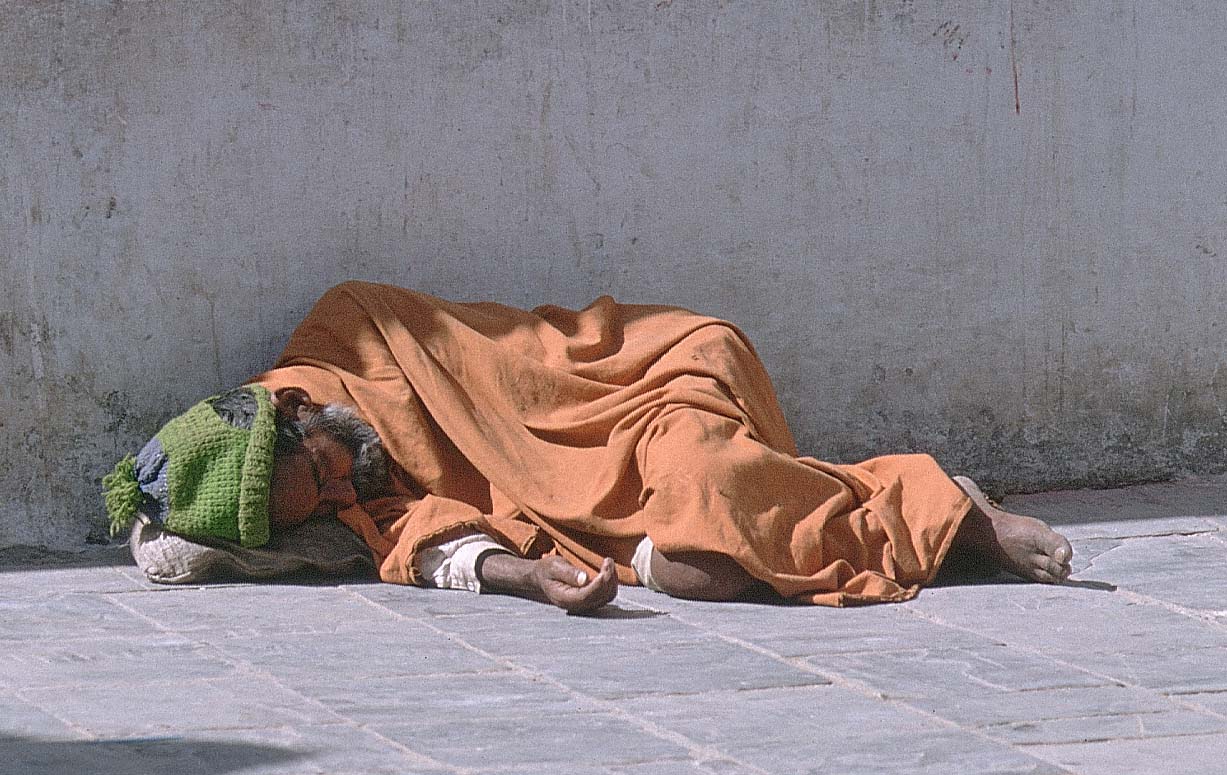
When faced with the prospect of marginalized, alienated people entering our community, our brains automatically categorize into “us” and “them,” and we perceive dangers with “them.”
We unconsciously view “us” in a better light, and rationalize away facts that might cast us in a negative light.
Our brains also automatically prompt us to devalue “them,” and cherry-pick data to support this view.
We then unconsciously work to emphasize ways that we are different from “them,” even when those differences are trivial.
This automatic, unconscious overvaluing of “us” and devaluation of “them” leads to discrimination.
Freud described this phenomenon long ago as “the narcissism of small differences.”
Read this fascinating and provocative article about the neurobiology of atttitudes towards homeless people, written by UT Southwestern Medical Center Dallas psychiatrist Adam Brenner.
http://www.dallasnews.com/opinion/sunday-commentary/20100910-Adam-Brenner-Why-not-in-3669.ece
 It's Interesting
that’s just sad
I’m currently running a campaign on indiegogo, and I shared in an update a simple rhetorical question . . .
Just curious . . .
Why is it that some people are angered by the homeless man, woman or child who ask for change to get something to eat, when they’re walking into a restaurant to buy themselves a hot meal?
Don’t they know that without notice, or even in a twinkling of an eye, this could be them . . .
http://igg.me/at/ASF-RAOK