Blood serum study reveals networks of proteins that impact aging

by Bob Yirka

A team of researchers from several institutions in Iceland and the U.S. has conducted a unique blood serum investigation and discovered multiple protein networks that are involved in the aging process. In their paper published in the journal Science, the group describes their study and what they found.

Prior research has shown that when older mice have their blood systems connected to younger mice, the older mice experience improvements in age-related organ deterioration. This finding has led scientists to suspect that aging might be caused by something in the blood. In this new effort, the researchers sought to test this idea by studying proteins in the circulatory system.

The study consisted of analyzing blood samples from 5,457 people living in Iceland, all of whom were over the age of 65 and who were participants in an ongoing study called Age, Gene/Environment Susceptibility. The volunteers had also been chosen specifically to represent a cross section of the people living in Iceland. The major part of the blood analysis involved creating a panel of DNA aptamers (short sequences that bind to proteins) that could be used to recognize proteins, both known and unknown. Blood serum from the volunteers was then compared against the panels and the results were analyzed by a computer looking for patterns.

The researchers report that they discovered 27 networks that showed evidence of coordinated pattern expression. These networks, or modules, as the researchers call them, were different from one another in size and form and were made of proteins from both tissue and organs. They also report that many of the modules had expression patterns that have in the past been associated with age-related diseases such as heart disease and metabolic syndrome—and there were some that were also associated with mortality in the years after the samples were taken from the volunteers. The group suggests their findings offer more evidence of the role blood serum plays in the aging process.

The researchers report that they also looked for the means by which the networks they discovered are regulated and found that approximately 60 percent of mechanisms involved are unknown.

More information: Valur Emilsson et al. Co-regulatory networks of human serum proteins link genetics to disease, Science (2018). DOI: 10.1126/science.aaq1327

https://m.medicalxpress.com/news/2018-08-blood-serum-reveals-networks-proteins.html

New lung cell with role in cystic fibrosis discovered


Ionocytes (orange) extend through neighboring epithelial cells (nuclei, cyan) to the surface of the respiratory epithelial lining. This newly identified cell type expresses high levels of CFTR, a gene that is associated with cystic fibrosis when mutated.

by ABBY OLENA

Two independent research teams have used single-cell RNA sequencing to generate detailed molecular atlases of mouse and human airway cells. The findings, reported in two studies today (August 1) in Nature, reveal the gene-expression patterns of thousands of lung cells, as well as the existence of a previously unknown cell type that expresses high levels of the gene mutated in cystic fibrosis, the cystic fibrosis transmembrane conductance regulator (CFTR).

“These papers are extremely exciting,” says Amy Ryan, a lung biologist at the University of Southern California who was not involved in either study. “They’ve interrogated the cellular composition and the cellular hierarchy of the airways by using a single-cell RNA-sequencing technique. That kind of information is going to have a significant impact on advancing the research that we can do, and hopefully the derivation of new therapeutic approaches for any number of airway diseases.”

Jayaraj Rajagopal, a pulmonary physician at Massachusetts General Hospital and Harvard University and coauthor of one of the studies, had been studying lung regeneration and wanted to use single-cell sequencing to look at differences in the lungs’ stem-cell populations. He and his colleagues teamed up with Aviv Regev, a computational biologist at the Broad Institute of MIT and Harvard University, and together, the two groups characterized the transcriptomes of thousands of epithelial cells from the adult mouse trachea.

Rajagopal, Regev, and colleagues uncovered previously unknown differences in gene expression in several groups of airway cells; identified novel structures in the lung; and found new paths of cellular differentiation. They also described several new cell types, including one that the team has named the pulmonary ionocyte, after salt-regulating cells in fish and amphibian skin. These lung cells express similar genes as fish and amphibian ionocytes, the team found, including a gene coding for the transcription factor Foxi1, which regulates genes that play a role in ion transport.

The team also showed that pulmonary ionocytes highly express CFTR, and are in fact the primary source of its product, CFTR—a membrane protein that helps regulate fluid transport and the consistency of mucus—in both mouse and human lungs, suggesting that the cells might play a role in cystic fibrosis.

“So much that we found rewrites the way we think about lung biology and lung cells,” says Rajagopal. “I think the entire community of pulmonologists and lung biologists will have to take a step back and think about their problems with respect to all these new cell types.”

For the other study, Aron Jaffe, a biologist at Novartis who studies how different airway cell types are made, combined forces with Harvard systems biologist Allon Klein and his team. Klein’s group had previously developed a single-cell RNA-sequencing method that Jaffe describes as “the perfect technology to take a big picture view and really define the full repertoire of epithelial cell types in the airway.”

Jaffe, Klein, and colleagues sequenced RNA from thousands of single human bronchial epithelial and mouse tracheal epithelial cells. The atlas generated by their sequencing analysis revealed pulmonary ionocytes, as well as new gene-expression patterns in familiar cells. The team examined the expression of CFTR in human and mouse ionocytes in order to better understand the possible role for the cells in cystic fibrosis. Consistent with the findings of the other study, the researchers showed that pulmonary ionocytes make the majority of CFTR protein in the airways of humans and mice.

“Finding this new rare cell type that accounts for the majority of CFTR activity in the airway epithelium was really the biggest surprise,” Jaffe tells The Scientist. “CFTR has been studied for a long time, and it was thought that the gene was broadly expressed in many cells in the airway. It turns out that the epithelium is more complicated than previously appreciated.”

These studies are “very exciting work [and] a wonderful example of how new technologies that have come online in the last few years—in this case single-cell RNA sequencing—have made a very dramatic advance in our understanding of aspects of biology,” says Ann Harris, a geneticist at Case Western Reserve University who did not participate in either study.

In terms of future directions, the authors “have shown that transcription factor [Foxi1] is central to the transcriptional program of these ionocytes,” says Harris. One of the next questions is, “does it directly interact with the CFTR gene or is it working through other transcription factors or other proteins that regulate CFTR gene expression?”

According to Jennifer Alexander-Brett, a pulmonary physician and researcher at Washington University School of Medicine in St. Louis who was not involved in the studies, the possibility that a rare cell type could be playing a part in regulating airway physiology is “captivating.”

Apart from investigating the potential role for ionocytes in lung function, Alexander-Brett says that researchers can likely make broad use of the data from the studies—particularly details on the expression of genes coding for transcription factors and cell-surface markers. “One area that we really struggle with in airway biology . . . is [that] we just don’t have good markers” to differentiate cell types, she explains. But these papers are “very comprehensive. There’s a ton of data here.”

D.T. Montoro et al., “A revised airway epithelial hierarchy includes CFTR-expressing ionocytes,” Nature, doi:10.1038/s41586-018-0393-7, 2018.

L.W. Plasschaert et al., “A single-cell atlas of the airway epithelium reveals the CFTR-rich pulmonary ionocyte,” Nature, doi:10.1038/s41586-018-0394-6, 2018.

https://www.the-scientist.com/news-opinion/new-lung-cell-identified-64594?utm_campaign=TS_DAILY%20NEWSLETTER_2018&utm_source=hs_email&utm_medium=email&utm_content=64924537&_hsenc=p2ANqtz-_M5n43mM_3CJb8-lIkjE6yt4ij2HduxgVeZi_X5bG7ATrAOGkvtsg4DpCbuAc0NAG8lx4myMxN3kiH4C1qc9OdlQkAGg&_hsmi=64924537

A Lack of This One Molecule Might Be The Reason Millions of People Have Depression

By Michelle Star

People who live with depression have low blood levels of a specific molecule, new medical research has revealed. It’s called acetyl-L-carnitine, and those with particularly severe, treatment-resistant or childhood onset depression were found to have the lowest levels.

Naturally produced by the body, acetyl-L-carnitine plays a crucial role in metabolising fat and the production of energy. It’s also widely available as a dietary supplement – not some strange and esoteric thing.

Now researchers from multiple institutions have found a link to depression, noticing a clear correlation between the condition and noticeably low levels of acetyl-L-carnitine.

In recent years, more and more evidence has been building to suggest this link. Since at least 1991, medical researchers have been aware of acetyl-L-carnitine’s potential to treat depression, particularly in geriatric and comorbid patients, with the substance showing greater efficacy than a placebo.

More recently, Carla Nasca of the Rockefeller University led a study on rodents, which found that acetyl-L-carnitine had a fast-acting antidepressant effect on rats, kicking into effect in just a few days, rather than the weeks it takes for drugs like SSRIs.

Now Nasca and colleagues have conducted a study on human patients to see if there’s a basis for a similar trial in people.

“As a clinical psychiatrist, I have treated many people with this disorder in my practice,” said Stanford University School of Medicine psychiatrist Natalie Rasgon.

“It’s the number one reason for absenteeism at work, and one of the leading causes of suicide. Worse, current pharmacological treatments are effective for only about 50 percent of the people for whom they’re prescribed. And they have numerous side effects, often decreasing long term compliance.”

The research team recruited 71 patients with a diagnosis of depression. These were men and women, aged between 20 and 70. They also recruited 45 demographically matched healthy controls.

The patients had to fill out a detailed questionnaire, undergo a clinical assessment and medical history, and give a blood sample. Of the patients with depression, 28 had moderate depression and 43 had severe depression at the time of the study.

When compared to the age- and sex-matched healthy controls, the patients with depression had substantially lower levels of acetyl-L-carnitine.

Those with the most severe depression had the lowest levels. This included patients whose depression had resisted antidepressant drugs, those with early onset, and those who had experienced childhood abuse, neglect, poverty or violence.

These patients constitute around 25-30 percent of all people suffering depression, and are the most in need of help, the researchers said.

But there are a few steps to be done before acetyl-L-carnitine supplements can be approved as a treatment. In particular, clinical trials on human patients with depression, since, as we know, results from rodent models can’t always be replicated in humans.

The researchers also don’t know the reason for the correlation, or the effect it has. The rat research suggests that acetyl-L-carnitine plays a role in the brain, preventing the excessive firing of excitatory neurons, but this will need to be explored further as well.

“We’ve identified an important new biomarker of major depression disorder,” Rasgon said.

“We didn’t test whether supplementing with that substance could actually improve patients’ symptoms. What’s the appropriate dose, frequency, duration? We need to answer many questions before proceeding with recommendations, yet. This is the first step toward developing that knowledge, which will require large-scale, carefully controlled clinical trials.”

https://www.sciencealert.com/depression-linked-to-low-blood-levels-of-acetyl-l-carnitine-human-study

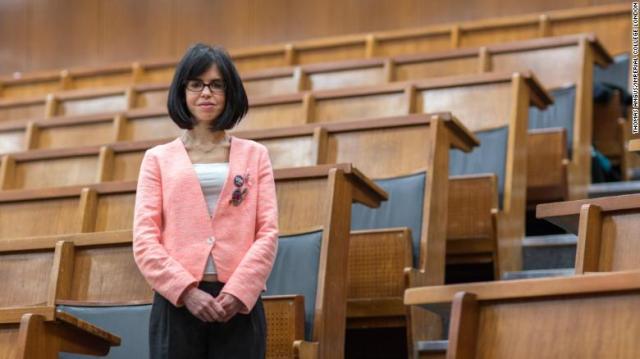
A physicist is writing one Wikipedia entry a day to recognize women in science

By Christina Zdanowicz

When she’s not working in a physics lab, one London researcher is making sure women in science get the recognition they deserve. And she’s doing it one Wikipedia article at a time.

Jess Wade has written more than 280 Wikipedia pages this year, each highlighting a woman or someone from another group underrepresented in science, she said. She challenged herself to write one piece per day in 2018, and so far, she’s outpacing that rate. “In writing them, you get so inspired and excited because these people that you are researching … are absolutely incredible,” Wade, a postdoctoral researcher in physics at Imperial College London, told CNN. “It’s such a fun thing to do that you get motivated to keep contributing to science because you want to be one of these phenomenal people one day.”

There aren’t many women with Wikipedia bios
Only 17% of Wikipedia’s biographies in 2016 were about women, according to the Wikimedia Foundation, the charity that runs the collaboratively edited, online reference project. And when you narrow it down to women in science, technology, engineering and math, often dubbed STEM, the numbers are even lower because women are underrepresented in those fields.

“When you look up a scientist, the first thing that comes up is their Wikipedia page,” Wade said. “But more often than not, women don’t have them.”

Wade wanted to do something that could help close the gender gap and increase the representation of women in the sciences. So, she started writing Wikipedia bios. “I thought, ‘What could we do now to make sure that women are on an equal footing with men?’ and that’s where Wikipedia’s really useful,” she said. “It costs nothing for me to write a Wikipedia article, other than maybe an hour or an hour and a half of my time.”

She chose Wikipedia because people these days research life’s questions by Googling. Wikipedia articles, she said, are indexed quickly and appear near the top of most searches.
Meet a volcanologist, an immunobiologist and a particle physicist Beyond her crusade to expand their recognition, Wade has become enthralled with her subjects.
Her favorite article she’s written is about Tamsin Mather, an Oxford University volcanologist whose research has sometimes proven dangerous.

“(Mather) went to Chile, Nicaragua and Italy and at one point was held at gunpoint. It was incredibly dangerous research,” Wade said. “She’s been really successful in her studies and has a really cool story and (is) really cool herself, as well.”

Then, there was Gertrudis de la Fuente, a Spanish biochemist who led the government’s commission on “toxic oil syndrome,” which killed more than 1,100 people after a mass poisoning in 1981. Her story was made into a film. And Michael Johnson, assistant professor of immunobiology at the University of Arizona, who created the popular Black Science Blog.
And Sudanese radiologist Hania Morsi Fadl, who founded the Khartoum Breast Cancer Centre.

Wade tweets out her Wikipedia pages and other articles about scientists. In turn, people tweet and email her suggestions of whom she should cover. One of her latest writes grew out of a suggestion from Loyola University Chicago Associate Professor Robert McNees, who wanted to know about Frances Pleasonton. She was a particle physicist who was part of a team that measured the half-life of a neutron in 1951.

And sometimes, Wade gets to meet the people she writes about, such as 2017 TED fellow Elizabeth Wayne. Wade took the photo of Wayne that’s on the biomedical engineer’s Wikipedia page.

‘Science works better’ with diversity
Diversity in science has been Wade’s passion for years. She has sponsored seminars and workshops to bring hundreds of girls interested in science to her laboratory.
She is also trying to address the shortage of science teachers in schools, a problem that’s plaguing the United States and the United Kingdom. Not having enough passionate teachers with sufficient experience in the subjects they teach proves problematic, she said.

“(Students) realize that they may not want to do this subject when it gets quite difficult or challenging. At school, they want to be really good, so they don’t choose to study the subjects,” she said. “Then, they can’t choose that subject at university, … so we have this big skills gap in our country, and you have the same in America.”

She serves on the board of a UK group that works to foster more women in STEM, and she created the Women in Physics group at her university. “We see science works better, science works faster, engineering works better when we have the biggest and most diverse range of people contributing to it,” Wade said. “We need everyone to help solve these problems because they’re bigger than anyone can physically imagine, and … we need every single scientist in the country, really in the world, to solve it.”

The industry needs to be more supportive to retain scientists, Wade argues. That means, in part, nominating people for awards and speaking engagements — and even creating Wikipedia pages for them. “We need to get better at standing up for underrepresented groups’ ideas and putting them forward,” Wade said.

‘Not everyone in life needs a Wikipedia page’
There are some days Wade can’t write because she’s traveling. Other times, she authors several Wikipedia pages per day. And her reach stretches beyond gender to other groups underrepresented in science. “That might be a woman, an African-American, an LGBTQ+-identifying scientist,” she said. “It could be any of these people who so far haven’t been celebrated enough in the scientific community.”

Before Wade starts writing, she often checks with her subjects to make sure they want to be featured, she said. “Some people do a controversial area of research, and it’s not the best thing that they have loads of publicity,” she said. Others decline because they’ve been trolled on social media, she said.

Her criteria for selecting subjects are based on the rules of Wikipedia, which has guidelines for what gets posted on its site. “If a topic has received significant coverage in reliable sources that are independent of the subject, it is presumed to be suitable for a stand-alone article or list,” reads Wikipedia’s page on notability.

Wade’s only frustration with her project has been when her pages were deleted because the subjects weren’t notable enough, she said. She’s also meticulous about fact-checking and properly citing her sources to ensure the page meets Wikipedia’s standards. “Not everyone in life needs a Wikipedia page,” she said. “We need to make sure that this is documenting the most successful and important thinkers of our time.”

Wade, who works in printed electronics and creates light-emitting diodes, said she doesn’t find herself notable enough as a scholar. Yet Ben Britton, an engineer in the Department of Materials at her college, created a Wikipedia page about her. And Wikipedia hasn’t deleted it. “I know I’m not notable enough yet as an academic, and it has become a space for trolls to nominate me for deletion and basically discuss how rubbish I am!” Wade said. “I’m much happier talking about how great other people are other than anything I’ve achieved.”

‘We haven’t had a light shone on us’
And it’s working. The Wikimedia Foundation has acknowledged Wade’s work and featured her on its blog.
“Wikimedia UK applauds the work Dr. Jess Wade has done, not just to improve content on underrepresented women scientists on Wikipedia, but to do public outreach on this important issue,” Wikimedia UK said a statement.

Wade also has worked with Alice White, Wikimedian in Residence at the Wellcome Collection, a London library and museum, to help introduce people working in STEM to the Wikipedia community, that group said.

Maryam Zaringhalam, a molecular biologist who met Wade last year at a conference, is a leader of 500 Women Scientists, a grass-roots group that aims to make the scientific community more inclusive and has been boosting Wade’s Wikipedia work. “I see articles saying, ‘Where are the women in science?’ I think that we’ve always been here but that we haven’t had a light shone on us,” said Zaringhalam, who also has written Wikipedia entries and said they take a lot of time and effort. “I think that (Wade) going through and digging up those stories,” Zaringhalam said, “it really speaks to the fact that we have always been here but we’ve been ignored or written out.”

https://www.cnn.com/2018/07/27/health/scientist-women-wikipedia-entries-trnd/index.html

Discovery Reverses Wrinkles And Hair Loss in Mice

by PETER DOCKRILL

The appearance of wrinkled, weathered skin and the disappearance of hair are two of the regrettable hallmarks of getting older, but new research suggests these physical manifestations of ageing might not be permanent – and can potentially be reversed.

New experiments with mice show that by treating a mutation-based imbalance in mitochondrial function, animals that looked physically aged regrew hair and lost their wrinkles – restoring them to a healthy, youthful appearance in just weeks.

“To our knowledge, this observation is unprecedented,” says geneticist Keshav Singh from the University of Alabama at Birmingham.

One of the focal points of anti-ageing research is investigating the so-called mitochondrial theory of ageing, which posits that mutations in the DNA of our mitochondria – the ‘powerhouse of the cell’ – contribute over time to defects in these organelles, giving rise to ageing itself, associated chronic diseases, and other human pathologies.

To investigate these mechanisms, Singh and fellow researchers genetically modified mice to have depleted mitochondrial DNA (mtDNA).

They did this by adding the antibiotic doxycycline to the food and drinking water of transgenic mice. This turned on a mutation which causes mitochondrial dysfunction and depletes their healthy levels of mtDNA.

In the space of eight weeks, the previously healthy mice developed numerous physical changes reminiscent of natural ageing: greying and significantly thinning hair, wrinkled skin, along with slowed movements and lethargy.

The depleted mice also showed an increased numbers of skin cells, contributing to an abnormal thickening of the outer layer of their skin, in addition to dysfunctional hair follicles, and an imbalance between enzymes and inhibitors that usually prevents collagen fibres from wrinkling skin.

But once the doxycycline was no longer fed to the animals, and their mitochondria could get back to doing what they do best, the mice regained their healthy, youthful appearance within just four weeks.

Effectively, they reverted to the animals they were before their mitochondrial DNA content was tampered with – which could mean mitochondria are reversible regulators of skin ageing and hair loss.

“It suggests that epigenetic mechanisms underlying mitochondria-to-nucleus cross-talk must play an important role in the restoration of normal skin and hair phenotype,” says Singh.

“Further experiments are required to determine whether phenotypic changes in other organs can also be reversed to wildtype level by restoration of mitochondrial DNA.”

Even though the mitochondrial depletion affected the entire animal, for the most part the induced mutation did not seem to greatly affect other organs – suggesting hair and skin tissue are most susceptible to the depletion.

But it could also mean the discovery here isn’t the fountain of youth for slowing or reversing the wider physiological causes of ageing – only its more surface, cosmetic symptoms. Although, at least some in the scientific community aren’t persuaded yet.

“While this is a clever proof of principle, I am not convinced of the clinical relevance of this,” biologist Lindsay Wu, from the Laboratory for Ageing Research at the University of New South Wales, who was not involved in the study, told ScienceAlert.

“The rate of mitochondrial DNA mutations here is many orders of magnitude higher than the rate of mitochondrial DNA mutations observed during normal ageing.”

“I would be really keen to see what happens when they turn down the rate of mutations to a lower level more relevant to normal ageing,” Wu added.

In that vein – with further research, and assuming these effects can be replicated outside the bodies of mice, which isn’t yet known – it’s possible this could turn out to be a major discovery in the field.

For their part, at least, the researchers are convinced mtDNA mutations can teach us a lot more about how the clocks in our bodies might be stopped (or wound back to another time entirely).

“This mouse model should provide an unprecedented opportunity for the development of preventative and therapeutic drug development strategies to augment the mitochondrial functions for the treatment of ageing-associated skin and hair pathology,” the authors write in their paper, “and other human diseases in which mitochondrial dysfunction plays a significant role.”

The findings are reported in Cell Death and Disease.

https://www.sciencealert.com/unprecedented-dna-discovery-actually-reverses-wrinkles-and-hair-loss-mitochondria-mutation-mtdna

Researchers identify dozens of new gene changes that point to elevated risk of prostate cancer in men of European descent

As the result of a six-year long research process, Fredrick R. Schumacher, a cancer epidemiology researcher at Case Western Reserve University School of Medicine, and an international team of more than 100 colleagues have identified 63 new genetic variations that could indicate higher risk of prostate cancer in men of European descent. The findings, published in a research letter in Nature Genetics, contain significant implications for which men may need to be regularly screened because of higher genetic risk of prostate cancer. The new findings also represent the largest increase in genetic markers for prostate cancer since they were first identified in 2006.

The changes, known as genetic markers or SNPs (“snips”), occur when a single base in the DNA differs from the usual base at that position. There are four types of bases: adenine (A), thymine (T), guanine (G) and cytosine (C). The order of these bases determines DNA’s instructions, or genetic code. They can serve as a flag to physicians that a person may be at higher risk for a certain disease. Previously, about 100 SNPs were associated with increased risk of prostate cancer. There are 3 billion base pairs in the human genome; of these, 163 have now been associated with prostate cancer.

One in seven men will be diagnosed with prostate cancer during their lifetimes.

“Our findings will allow us to identify which men should have early and regular PSA screenings and these findings may eventually inform treatment decisions,” said Schumacher. Prostate-specific antigen (PSA) screenings measure how much PSA, a protein produced by both cancerous and noncancerous tissue in the prostate, is in the blood.

Adding the 63 new SNPs to the 100 that are already known allows for the creation of a genetic risk score for prostate cancer. In the new study, the researchers found that men in the top one percent of the genetic risk score had a six-fold risk-increase of prostate cancer compared to men with an average genetic risk score. Those who had the fewest number of these SNPs, or a low genetic risk score, had the lowest likelihood of having prostate cancer.

In a meta-analysis that combined both previous and new research data, Schumacher, with colleagues from Europe and Australia, examined DNA sequences of about 80,000 men with prostate cancer and about 60,000 men who didn’t have the disease. They found that men with cancer had a higher frequency of 63 different SNPs (also known as single nucleotide polymorphisms) that men without the disease did not have. Additionally, the more of these SNPs that a man has, the more likely he is to develop prostate cancer.

The researchers estimate that there are about 500-1,000 genetic variants possibly linked to prostate cancer, not all of which have yet been identified. “We probably only need to know 10 percent to 20 percent of these to provide relevant screening guidelines,” continued Schumacher, who is an associate professor in the Department of Population and Quantitative Health Sciences at Case Western Reserve School of Medicine.

Currently, researchers don’t know which of the SNPs are the most predictive of increased prostate cancer risk. Schumacher and a number of colleagues are working to rank those most likely to be linked with prostate cancer, especially with aggressive forms of the disease that require surgery, as opposed to slowly developing versions that call for “watchful waiting” and monitoring.

The research lays a foundation for determining who and how often men should undergo PSA tests. “In the future, your genetic risk score may be highly indicative of your prostate cancer risk, which will determine the intensity of PSA screening,” said Schumacher. “We will be working to determine that precise genetic risk score range that would trigger testing. Additionally, if you have a low score, you may need screening less frequently such as every two to five years.” A further implication of the findings of the new study is the possibility of precise treatments that do not involve surgery. “Someday it may be feasible to target treatments based on a patient’s prostate cancer genetic risk score,” said Schumacher.

In addition to the work in the new study, which targets men of European background, there are parallel efforts underway looking at genetic signals of prostate cancer in men of African-American and Asian descent.

Researchers identify dozens of new gene changes that point to elevated risk of prostate cancer in men of European descent

Why the Medical Research Grant System Could Be Costing Us Great Ideas

By Aaron E. Carroll

The medical research grant system in the United States, run through the National Institutes of Health, is intended to fund work that spurs innovation and fosters research careers. In many ways, it may be failing.

It has been getting harder for researchers to obtain grant support. A study published in 2015 in JAMA showed that from 2004 to 2012, research funding in the United States increased only 0.8 percent year to year. It hasn’t kept up with the rate of inflation; officials say the N.I.H. has lost about 23 percent of its purchasing power in a recent 12-year span.

Because the money available for research doesn’t go as far as it used to, it now takes longer for scientists to get funding. The average researcher with an M.D. is 45 years old (for a Ph.D. it’s 42 years old) before she or he obtains that first R01 (think “big” grant).

Given that R01-level funding is necessary to obtain promotion and tenure (not to mention its role in the science itself), this means that more promising researchers are washing out than ever before. Only about 20 percent of postdoctoral candidates who aim to earn a tenured position in a university achieve that goal.

This new reality can be justified only if those who are weeded out really aren’t as good as those who remain. Are we sure that those who make it are better than those who don’t?

A recent study suggests the grant-making system may be unreliable in distinguishing between grants that are funded versus those that get nothing — its very purpose.

When a health researcher believes she or he has a good idea for a research study, they most often submit a proposal to the N.I.H. It’s not easy to do so. Grants are hard to write, take a lot of time, and require a lot of experience to obtain.

After they are submitted, applications are sorted by topic areas and then sent to a group of experts called a study section. If any experts have a conflict of interest, they recuse themselves. Applications are usually first reviewed by three members of the study section and then scored on a number of domains from 1 (best) to 9 (worst).

The scores are averaged. Although the bottom half of applications will receive written comments and scores from reviewers, the applications are not discussed in the study section meetings. The top half are presented in the meeting by the reviewers, then the entire study section votes using the same nine-point scale. The grants are then ranked by scores, and the best are funded based on how much money is available. Grants have to have a percentile better than the “payline,” which is, today, usually between 10 and 15 percent.

Given that there are far more applications than can be funded, and that only the best ones are even discussed, we hope that the study sections can agree on the grades they receive, especially at the top end of the spectrum.

In this study of the system, researchers obtained 25 funded proposals from the National Cancer Institute. Sixteen of them were considered “excellent,” as they were funded the first time they were submitted. The other nine were funded on resubmission — grant applications can be submitted twice — and so can still be considered “very good.”

They then set up mock study sections. They recruited researchers to serve on them just as they do on actual study sections. They assigned those researchers to grant applications, which were reviewed as they would be for the N.I.H. They brought those researchers together in groups of eight to 10 and had them discuss and then score the proposals as they would were this for actual funding.

The intraclass correlation — a statistic that refers to how much groups agree — was 0 for the scores assigned. This meant that there was no agreement at all on the quality of any application. Because they were concerned about the reliability of this result, the researchers also computed a Krippendorff’s alpha, another statistic of agreement. A score above 0.7 (range 0 to 1) is considered “acceptable.” None were; the values were all very close to zero. A final statistic measured overall similarity scores and found that scores for the same application were no more similar than scores for different applications.

There wasn’t even any difference between the scores for those funded immediately and those requiring resubmission.

A new sensor for bad breath

Ever wish you could do a quick “breath check” before an important meeting or a big date? Now researchers, reporting in ACS’ journal Analytical Chemistry, have developed a sensor that detects tiny amounts of hydrogen sulfide gas, the compound responsible for bad breath, in human exhalations.

According to the American Dental Association, half of all adults have suffered from bad breath, or halitosis, at some point in their lives. Although in most cases bad breath is simply an annoyance, it can sometimes be a symptom of more serious medical and dental problems. However, many people aren’t aware that their breath is smelly unless somebody tells them, and doctors don’t have a convenient, objective test for diagnosing halitosis. Existing hydrogen sulfide sensors require a power source or precise calibration, or they show low sensitivity or a slow response. Il-Doo Kim and coworkers wanted to develop a sensitive, portable detector for halitosis that doctors could use to quickly and inexpensively diagnose the condition.

To develop their sensor, the team made use of lead(II) acetate – a chemical that turns brown when exposed to hydrogen sulfide gas. On its own, the chemical is not sensitive enough to detect trace amounts (2 ppm or less) of hydrogen sulfide in human breath. So the researchers anchored lead acetate to a 3D nanofiber web, providing numerous sites for lead acetate and hydrogen sulfide gas to react. By monitoring a color change from white to brown on the sensor surface, the researchers could detect as little as 400 ppb hydrogen sulfide with the naked eye in only 1 minute. In addition, the color-changing sensor detected traces of hydrogen sulfide added to breath samples from 10 healthy volunteers.

https://www.acs.org/content/acs/en/pressroom/presspacs/2018/acs-presspac-june-6-2018/sensor-detects-whiff-of-bad-breath.html

New research shows a map of neuronal activity that gets encoded in the hippocampus with learning


by Nicolas Scherger

Dr. Thomas Hainmüller and Prof. Dr. Marlene Bartos of the Institute of Physiology of the University of Freiburg have established a new model to explain how the brain stores memories of tangible events. The model is based on an experiment that involved mice seeking a place where they received rewards in a virtual environment. The scientific journal “Nature” has published the study.

In the world of the mouse’s video game, the walls that depict a corridor four meters long are made up of green and blue patterned blocks. The floor is marked with turquoise dots. A short distance away, there’s a brown disc on the floor that looks like a cookie. That’s the symbol for the reward location. The mouse heads for it, gets there, and the symbol disappears. The next cookie promptly appears a bit further down the corridor. The mouse is surrounded by monitors and is standing on a styrofoam ball that is floating on compressed air and turns beneath the mouse when it runs. The ball makes it possible to transfer of the mouse’s movements to the virtual environment. If the mouse reaches the reward symbol, a straw is used to give it a drop of soy milk and stimulate it to form memories of its experiences in the virtual world. The mouse learns when, and at which location, it will receive a reward. It also learns how to locate itself and discriminate between different corridors in the video game.

Viewing the brain with a special microscope

“As the mouse is getting to know its environment, we use a special microscope to look from the outside into its brain and we record the activities of its nerve cells on video,” explains Thomas Hainmüller, a physician and doctoral candidate in the MD/PhD program of the Spemann Graduate School of Biology and Medicine (SGBM) of the University of Freiburg. He says that works because, in reality, the head of the mouse remains relatively still under the microscope as it runs through the virtual world of the video game. On the recordings, the mice’s genetically-manipulated nerve cells flash as soon as they become active. Hainmüller and Marlene Bartos, a Professor of Systemic and Cellular Neurobiology are using this method to investigate how memories are sorted and retrieved. “We repeatedly place the mouse in the virtual world on consecutive days,” says Hainmüller. “In that way, we can observe and compare the activity of the nerve cells in different stages of memory formation,” he explains.

Nerve cells encode places

The region of the brain called the hippocampus plays a decisive role in the formation of memory episodes – or memories of tangible experiences. Hainmüller and Bartos published that the nerve cells in the hippocampus create a map of the virtual world in which single neurons code for actual places in the video game. Earlier studies done at the Freiburg University Medical Center showed that nerve cells in the human hippocampus code video games in the same way. The cells become activated and flash when the mouse is at the respective place, otherwise they remain dark. “To our surprise, we found very different maps inside the hippocampus,” reports Hainmüller. In part, they provide an approximate overview of the position of the mouse in the corridor, yet they also consider time and context factors, and above all, information about in which of the corridors the mouse is located. The maps are also updated during the days of the experiment and as a result can be recognized as a learning process.

Better understanding of memory formation

The research team summarizes, saying that their observations provide a model that explains how activity of the nerve cells in the hippocampus can map the space, time and and context of memory episodes. The findings allow for better understanding of the biological processes that effect the formation of memory in the brain. Hainmüller says, “In the long term, we would like to use our results to contribute to the development of treatments to help people with neurological and psychiatric illnesses.”

Original publication
Thomas Hainmüller and Marlene Bartos (2018): Parallel emergence of stable and dynamic memory engrams in the hippocampus. In: Nature. doi: 10.1038/s41586-018-0191-2

https://www.pr.uni-freiburg.de/pm-en/online-magazine/research-and-discover/maps-made-of-nerve-cells

Bees Appear Able to Comprehend the Concept of Zero

Honeybees can identify a piece of paper with zero dots as “less than” a paper with a few dots. Such a feat puts the insects in a select group—including the African grey parrot, nonhuman primates, and preschool children—that can understand the concept of zero, researchers report June 7 in Science.

“The fact that the bees generalized the rule ‘choose less’ to [blank paper] was consequently really surprising,” study coauthor Aurore Avarguès-Weber, a cognitive neuroscientist the University of Toulouse, tells The Scientist in an email. “It demonstrated that bees consider ‘nothing’ as a quantity below any number.”

In past studies, researchers have shown that bees can count up to five, but whether the insects could grasp more-complex ideas, such as addition or nothingness, has been unclear. In the latest study, Avarguès-Weber and her colleagues tested the bees’ ability to comprehend the absence of a stimulus by first training the insects to consistently choose sheets of paper either with fewer or more dots by landing on a tiny platform near the paper with the dots. If the bees chose correctly, they were rewarded with a sugary drink. The bees performed the task surprisingly well, Avarguès-Weber says. “The fact that they can do it while we were also controlling for potential confounding parameters confirms their capacity to discriminate numbers.”

The team then tested the bees’ ability to distinguish a blank piece of paper, or what the researchers call an empty set, from a sheet with one dot and found the insects chose correctly about 63 percent of the time. The behavior reveals “an understanding that an empty set is lower than one, which is challenging for some other animals,” the researchers write in the paper.

That bees can use the idea of “less than” to extrapolate that nothing has a quantitative nature is “very surprising,” says Andreas Nieder of the University of Tübingen in Germany who was not involved in the study. “Bees have minibrains compared with human brains—fewer than a million neurons compared with our 86 billion—yet they can understand the concept of an empty set.”

Nieder suggests honeybees, similar to humans, may have developed this ability to comprehend the absence of something as a survival advantage, to help with foraging, avoiding predation, and interacting with other bees of the same species. The absence of food or a mate is important to understand, he says.

Clint Perry, who studies bees at Queen Mary University of London and was not involved in the study, is a bit more cautious about the results. “I applaud these researchers. It is very difficult to test these types of cognitive abilities in bees,” he says. “But I don’t feel convinced that they were actually showing that the bees could understand the concept of zero or even the absence of information.” Perry suggests the bees might have selected where to land based solely on the total amount of black or white on each paper and that’s the choice that got rewarded, rather than distinguishing the number of dots or lack of them.

Avarguès-Weber and her colleagues argue, however, that the bees were always rewarded when shown dots. “In the test with zero (white paper) versus an image with a few dots, the bees chose the white picture without any previous experience with such stimulus. A choice based exclusively on learning would consist in choosing an image similar to the rewarded ones, ones presenting dots,” she says.

Perry says he’d like to see better control experiments to confirm the finding, while Nieder is interested in the underlying brain physiology that might drive the how the insects comprehend nothingness. How the absence of a stimulus is represented in the human brain hasn’t been well studied, though it has been explored in individual neurons in the brains of nonhuman primates. It could be even harder to study in bees, because they have much smaller brains, Nieder says. Setting up the experiments to test behavior and record brain activity would be challenging.

Avarguès-Weber and her colleagues propose a solution to that challenge—virtual reality. “We are developing a setup in which a tethered bee could learn a cognitive task as done in free-flying conditions so we could record brain activity in parallel,” she says. The team also plans to test the bees’ potential ability to perform simple addition or subtraction.

S. Howard et al., “Numerical ordering of zero in honey bees,” Science, doi:10.1126/science.aar4975, 2018.

https://www.the-scientist.com/?articles.view/articleNo/54776/title/Bees-Appear-Able-to-Comprehend-the-Concept-of-Zero/