A new map of the brain’s serotonin system

anewmapofthe
A 3-D rendering of the serotonin system in the left hemisphere of the mouse brain reveals two groups of serotonin neurons in the dorsal raphe that project to either cortical regions (blue) or subcortical regions (green) while rarely crossing into the other’s domain.

As Liqun Luo was writing his introductory textbook on neuroscience in 2012, he found himself in a quandary. He needed to include a section about a vital system in the brain controlled by the chemical messenger serotonin, which has been implicated in everything from mood to movement regulation. But the research was still far from clear on what effect serotonin has on the mammalian brain.

“Scientists were reporting divergent findings,” said Luo, who is the Ann and Bill Swindells Professor in the School of Humanities and Sciences at Stanford University. “Some found that serotonin promotes pleasure. Another group said that it increases anxiety while suppressing locomotion, while others argued the opposite.”

Fast forward six years, and Luo’s team thinks it has reconciled those earlier confounding results. Using neuroanatomical methods that they invented, his group showed that the serotonin system is actually composed of at least two, and likely more, parallel subsystems that work in concert to affect the brain in different, and sometimes opposing, ways. For instance, one subsystem promotes anxiety, whereas the other promotes active coping in the face of challenges.

“The field’s understanding of the serotonin system was like the story of the blind men touching the elephant,” Luo said. “Scientists were discovering distinct functions of serotonin in the brain and attributing them to a monolithic serotonin system, which at least partly accounts for the controversy about what serotonin actually does. This study allows us to see different parts of the elephant at the same time.”

The findings, published online on August 23 in the journal Cell, could have implications for the treatment of depression and anxiety, which involves prescribing drugs such as Prozac that target the serotonin system – so-called SSRIs (selective serotonin reuptake inhibitors). However, these drugs often trigger a host of side effects, some of which are so intolerable that patients stop taking them.

“If we can target the relevant pathways of the serotonin system individually, then we may be able to eliminate the unwanted side effects and treat only the disorder,” said study first author Jing Ren, a postdoctoral fellow in Luo’s lab.

Organized projections of neurons

The Stanford scientists focused on a region of the brainstem known as the dorsal raphe, which contains the largest single concentration in the mammalian brain of neurons that all transmit signals by releasing serotonin (about 9,000).

The nerve fibers, or axons, of these dorsal raphe neurons send out a sprawling network of connections to many critical forebrain areas that carry out a host of functions, including thinking, memory, and the regulation of moods and bodily functions. By injecting viruses that infect serotonin axons in these regions, Ren and her colleagues were able to trace the connections back to their origin neurons in the dorsal raphe.

This allowed them to create a visual map of projections between the dense concentration of serotonin-releasing neurons in the brainstem to the various regions of the forebrain that they influence. The map revealed two distinct groups of serotonin-releasing neurons in the dorsal raphe, which connected to cortical and subcortical regions in the brain.

“Serotonin neurons in the dorsal raphe project to a bunch of places throughout the brain, but those bunches of places are organized,” Luo said. “That wasn’t known before.”

Two parts of the elephant

In a series of behavioral tests, the scientists also showed that serotonin neurons from the two groups can respond differently to stimuli. For example, neurons in both groups fired in response to mice receiving rewards like sips of sugar water but they showed opposite responses to punishments like mild foot shocks.

“We now understand why some scientists thought serotonin neurons are activated by punishment, while others thought it was inhibited by punishment. Both are correct – it just depends on which subtype you’re looking at,” Luo said.

What’s more, the group found that the serotonin neurons themselves were more complex than originally thought. Rather than just transmitting messages with serotonin, the cortical-projecting neurons also released a chemical messenger called glutamate – making them one of the few known examples of neurons in the brain that release two different chemicals.

“It raises the question of whether we should even be calling these serotonin neurons because neurons are named after the neurotransmitters they release,” Ren said.

Taken together, these findings indicate that the brain’s serotonin system is not made up of a homogenous population of neurons but rather many subpopulations acting in concert. Luo’s team has identified two groups, but there could be many others.

In fact, Robert Malenka, a professor and associate chair of psychiatry and behavioral sciences at Stanford’s School of Medicine, and his team recently discovered a group of serotonin neurons in the dorsal raphe that project to the nucleus accumbens, the part of the brain that promotes social behaviors.

“The two groups that we found don’t send axons to the nucleus accumbens, so this is clearly a third group,” Luo said. “We identified two parts of the elephant, but there are more parts to discover.”

https://medicalxpress.com/news/2018-08-brain-serotonin.html

Surprising new way to treat obesity

new-way-to-target-high-rates-of-obesity-307945
A UNSW-led team researching a drug to avoid insulin resistance was greeted with an unexpected result that could have implications for the nation’s rising rates of obesity and associated disease.

A novel drug is being touted as a major step forward in the battle against Australia’s escalating rates of obesity and associated metabolic diseases.

Two in three adults in Australia are overweight or obese. A long-term study between researchers at the Centenary Institute and UNSW Sydney has led to the creation of a drug which targets an enzyme linked to insulin resistance – a key contributor of metabolic diseases, such as type 2 diabetes.

The project has been a collaboration between the Centenary Institute’s Associate Professor Anthony Don, UNSW’s Metabolic research group and its leader Associate Professor Nigel Turner, and UNSW Professor Jonathan Morris’ synthetic chemistry group. Together, they set out to create a drug that targeted enzymes within the Ceramide Synthase family, which produce lipid molecules believed to promote insulin resistance in skeletal muscle, as well as liver and fat tissue.

The study has been published in the highly-regarded scientific journal Nature Communications. Surprisingly, although the drug was very effective at reducing the lipids of interest in skeletal muscle, it did not prevent mice (which had been fed a high-fat diet to induce metabolic disease) from developing insulin resistance. Instead, it prevented the mice from depositing and storing fat by increasing their ability to burn fat in skeletal muscle.

“We anticipated that targeting this enzyme would have insulin-sensitising, rather than anti-obesity, effects. However, since obesity is a strong risk factor for many different diseases including cardiovascular disease and cancer, any new therapy in this space could have widespread benefits,” says UNSW Associate Professor Nigel Turner.

While the study produced some unexpected results, it’s the first time scientists have been able to develop a drug that successfully targets a specific Ceramide Synthase enzyme in metabolic disease, making it a significant advancement in the understanding and prevention of a range of chronic health conditions.

“From here, I would like to develop drugs which target both the Ceramide Synthase 1 and 6 enzymes together, and see whether it produces a much stronger anti-obesity and insulin sensitising response. Although these drugs need more work before they are suitable for use in the clinic, our work so far has been a very important step in that direction,” says Centenary Institute’s Associate Professor Anthony Don.

https://newsroom.unsw.edu.au/news/health/surprise-result-researchers-targeting-high-rates-obesity

Gut Bacteria Hold the Key to Creating Universal Blood

gut-bacteria-hold-the-key-to-creating-universal-blood-307955


In January, raging storms caused medical emergencies along the U.S. East Coast, prompting the Red Cross to issue an urgent call for blood donations. The nation’s blood supply was especially in need of O-type blood that can be universally administered in an emergency. Now, scientists say they have identified enzymes — from the human gut — that can turn type A and B blood into O, as much as 30 times more efficiently than previously studied enzymes.

The researchers will present their results today at the 256th National Meeting & Exposition of the American Chemical Society (ACS). ACS, the world’s largest scientific society, is holding the meeting here through Thursday. It features more than 10,000 presentations on a wide range of science topics.

A brand-new video on the research is available at http://bit.ly/acsblood.

“We have been particularly interested in enzymes that allow us to remove the A or B antigens from red blood cells,” Stephen Withers, Ph.D., says. “If you can remove those antigens, which are just simple sugars, then you can convert A or B to O blood.” He says scientists have pursued the idea of adjusting donated blood to a common type for a while, but they have yet to find efficient, selective enzymes that are also safe and economical.

To assess potential enzyme candidates more quickly, Withers collaborated with a colleague at his institution, the University of British Columbia (UBC), who uses metagenomics to study ecology. “With metagenomics, you take all of the organisms from an environment and extract the sum total DNA of those organisms all mixed up together,” Withers explains. Casting such a wide net allows Withers’ team to sample the genes of millions of microorganisms without the need for individual cultures. The researchers then use E. coli to select for DNA containing genes that code for enzymes that can cleave sugar residues. So instead of using metagenomics as a means of learning about microbial ecology, Withers uses it to discover new biocatalysts. “This is a way of getting that genetic information out of the environment and into the laboratory setting and then screening for the activity we are interested in,” he says.

Withers’ team considered sampling DNA from mosquitoes and leeches, the types of organisms that degrade blood, but ultimately found successful candidate enzymes in the human gut microbiome. Glycosylated proteins called mucins line the gut wall, providing sugars that serve as attachment points for gut bacteria while also feeding them as they assist in digestion. Some of the mucin sugars are similar in structure to the antigens on A- and B-type blood. The researchers homed in on the enzymes the bacteria use to pluck the sugars off mucin and found a new family of enzymes that are 30 times more effective at removing red blood cell antigens than previously reported candidates.

Withers is now working with colleagues at the Centre for Blood Research at UBC to validate these enzymes and test them on a larger scale for potential clinical testing. In addition, he plans to carry out directed evolution, a protein engineering technique that simulates natural evolution, with the goal of creating the most efficient sugar-removing enzyme.

“I am optimistic that we have a very interesting candidate to adjust donated blood to a common type,” Withers says. “Of course, it will have to go through lots of clinical trails to make sure that it doesn’t have any adverse consequences, but it is looking very promising.”

The researchers acknowledge support and funding from the Canadian Institutes of Health Research.

https://www.acs.org/content/acs/en/pressroom/newsreleases/2018/august/gut-bacteria-provide-key-to-making-universal-blood-video.html

Cleveland Clinic Researchers Discover Novel Subtype of Multiple Sclerosis


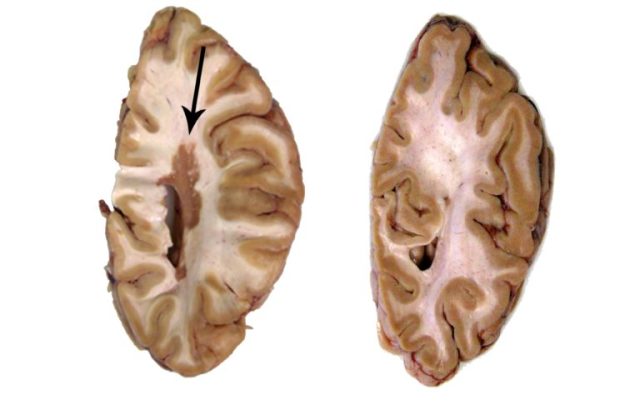
Reprinted from The Lancet Neurology, http://dx.doi.org/10.1016/S1474-4422(18)30245-X, Trapp et al, Cortical neuronal densities and cerebral white matter demyelination in multiple sclerosis: a retrospective study, Copyright (2018), with permission from Elsevier


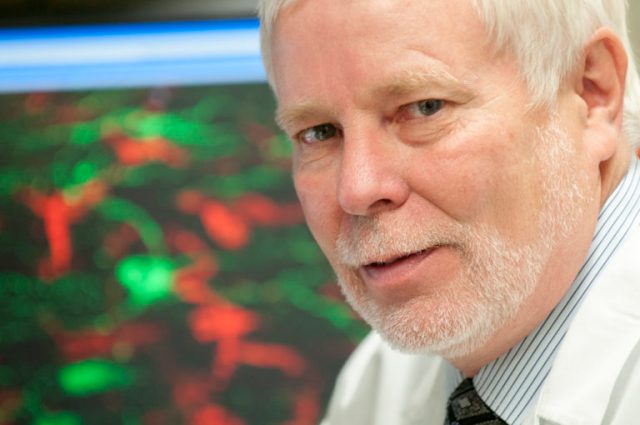
Bruce Trapp, Ph.D., chair of Cleveland Clinic’s Lerner Research Institute Department of Neurosciences

Cleveland Clinic researchers have discovered a new subtype of multiple sclerosis (MS), providing a better understanding of the individualized nature of the disease.

MS has long been characterized as a disease of the brain’s white matter, where immune cells destroy myelin – the fatty protective covering on nerve cells. The destruction of myelin (called demyelination) was believed to be responsible for nerve cell (neuron) death that leads to irreversible disability in patients with MS.

However, in the new findings, a research team led by Bruce Trapp, Ph.D., identified for the first time a subtype of the disease that features neuronal loss but no demyelination of the brain’s white matter. The findings, published in Lancet Neurology, could potentially lead to more personalized diagnosis and treatments.

The team’s findings support the concept that neurodegeneration and demyelination can occur independently in MS and underscore the need for more sensitive MRI imaging techniques for evaluating brain pathology in real time and monitoring treatment response in patients with the disease. This new subtype of MS, called myelocortical MS (MCMS), was indistinguishable from traditional MS on MRI. The researchers observed that in MCMS, part of the neurons become swollen and look like typical MS lesions indicative of white matter myelin loss on MRI. The disease was only diagnosed in post-mortem tissues.

“This study opens up a new arena in MS research. It is the first to provide pathological evidence that neuronal degeneration can occur without white matter myelin loss in the brains of patients with the disease,” said Trapp, chair of Cleveland Clinic’s Lerner Research Institute Department of Neurosciences. “This information highlights the need for combination therapies to stop disability progression in MS.”

In the study of brain tissue from 100 MS patients who donated their brains after death, the researchers observed that 12 brains did not have white matter demyelination. They compared microscopic tissue characteristics from the brains and spinal cords of 12 MCMS patients, 12 traditional MS patients and also individuals without neurological disease. Although both MCMS and traditional MS patients had typical MS lesions in the spinal cord and cerebral cortex, only the latter group had MS lesions in the brain white matter.

Despite having no typical MS lesions in the white matter, MCMS brains did have reduced neuronal density and cortical thickness, which are hallmarks of brain degeneration also observed in traditional MS. Contrary to previous belief, these observations show that neuronal loss can occur independently of white matter demyelination.

“The importance of this research is two-fold. The identification of this new MS subtype highlights the need to develop more sensitive strategies for properly diagnosing and understanding the pathology of MCMS,” said Daniel Ontaneda, M.D., clinical director of the brain donation program at Cleveland Clinic’s Mellen Center for Treatment and Research in MS. “We are hopeful these findings will lead to new tailored treatment strategies for patients living with different forms of MS.”

Dr. Trapp is internationally known for his work on mechanisms of neurodegeneration and repair in MS and has published more than 240 peer-reviewed articles and 40 book chapters. He also holds the Morris R. and Ruth V. Graham Endowed Chair in Biomedical Research. In 2017 he received the prestigious Outstanding Investigator award by the National Institute of Neurological Disorders and Stroke to examine the biology of MS and to seek treatments that could slow or reverse the disease.

Cleveland Clinic Researchers Discover Novel Subtype of Multiple Sclerosis

New Research Suggests It’s all About the Bass

When we listen to music, we often tap our feet or bob our head along to the beat – but why do we do it? New research led by Western Sydney University’s MARCS Institute suggests the reason could be related to the way our brain processes low-frequency sounds.

The study, published in PNAS, recorded the electrical activity of volunteers’ brains while they listened to rhythmic patterns played at either low or high-pitched tones. The study found that while listening, volunteer’s brain activities and the rhythmic structure of the sound became synchronized – particularly at the frequency of the beat.

Co-author of the paper, Dr Sylvie Nozaradan from the MARCS Institute, say these findings strongly suggest that the bass exploits a neurophysiological mechanism in the brain – essentially forcing it to lock onto the beat.

“There is mounting evidence supporting the hypothesis that selective synchronization of large pools of neurons of the brain to the beat frequency may support perception and movement to the musical beat”, says Dr Nozaradan.

While this research is an important step in answering the mystery of why we ‘dance to the beat of the drum’, according to co-author Dr Peter Keller from the MARCS Institute, these findings could also prove important in clinical rehabilitation.

“Music is increasingly being used in clinical rehabilitation of cognitive and motor disorders caused by brain damage and these findings, and a better understanding of the relationship between music and movement, could help develop such treatments,” says Dr Keller.

The research team – also comprising of co-authors Dr Manuel Varlet and Tomas Lenc – suggests that while this research is an important step in understanding the relationship between bass and movement, there are still many open questions about the mechanisms behind this phenomenon.

“Future research is needed to clarify what networks of brain areas are responsible for this synchronization to the beat and how it develops from early in infancy” says Dr Nozaradan.

https://www.westernsydney.edu.au/newscentre/news_centre/more_news_stories/new_research_suggests_its_all_about_the_bass

Scientists Think They’ve Found The Part of The Brain That Makes People Pessimistic

\

by DAVID NIELD

A specific part of the brain called the caudate nucleus could control pessimistic responses, according to animal tests, a finding which might help us unlock better treatments for mental disorders like anxiety and depression.

These disorders often come with negative moods triggered by a pessimistic reaction, and if scientists can figure out how to control that reaction, we might stand a better chance of dealing with the neuropsychiatric problems that affect millions of people worldwide – and maybe discover the difference between glass half full and glass half empty people along the way.

The research team from MIT found that when the caudate nucleus was artificially stimulated in macaques, the animals were more likely to make negative decisions, and consider the potential drawback of a decision rather than the potential benefit.

This pessimistic decision-making continued right through the day after the original stimulation, the researchers found.

“We feel we were seeing a proxy for anxiety, or depression, or some mix of the two,” says lead researcher Ann Graybiel. “These psychiatric problems are still so very difficult to treat for many individuals suffering from them.”

The caudate nucleus has previously been linked to emotional decision-making, and the scientists stimulated it with a small electrical current while the monkeys were offered a reward (juice) and an unpleasant experience (a puff of air to the face) at the same time.

In each run through the amount of juice and the strength of the air blast varied, and the animals could choose whether or not to accept the reward – essentially measuring their ability to weigh up the costs of an action against the benefits.

When the caudate nucleus was stimulated, this decision-making got skewed, so the macaques started rejecting juice/air ratios they would have previously accepted. The negative aspects apparently began to seem greater, while the the rewards became devalued.

“This state we’ve mimicked has an overestimation of cost relative to benefit,” says Graybiel. After a day or so, the effects gradually disappeared.

The researchers also found brainwave activity in the caudate nucleus, part of the basal ganglia, changed when decision-making patterns changed. This might give doctors a marker to indicate whether someone would be responsive to treatment targeting this part of the brain or not.

The next stage is to see whether the same effect can be noticed in human beings – scientists have previously linked abnormal brain activity in people with mood disorders to regions connected to the caudate nucleus, but there’s a lot more work to be done to confirm these neural connections.

Making progress isn’t easy because of the incredibly complexity of the brain, but the researchers think their results show the caudate nucleus could be disrupting dopamine activity in the brain, controlling mood and our sense of reward and pleasure.

“There must be many circuits involved,” says Gabriel. “But apparently we are so delicately balanced that just throwing the system off a little bit can rapidly change behaviour.”

The research has been published in Neuron.

https://www.sciencealert.com/we-found-the-brain-region-for-pessimism

New research shows that being forgetful is a sign of unusual intelligence

By Timothy Roberts

Being able to recall memories, whether short-term or long-term is something that we all need in life. It comes in handy when we are studying at school or when we are trying to remember where we left our keys. We also tend to use our memory at work and remembering somebody’s name is certainly a good thing.

Although many of us may consider ourselves to have a good memory, we are all going to forget things from time to time. When it happens, we might feel as if we are slipping but there may be more behind it than you realize.

Imagine this scenario; you go to the grocery store to pick up 3 items and suddenly, you forget why you were there. Even worse, you may walk from one room to another and forget why you got up in the first place!

If you often struggle with these types of problems, you will be happy to learn that there is probably nothing wrong with you. In fact, a study that was done by the Neuron Journal and it has some rather good news. It says that forgetting is part of the brain process that might actually make you smarter by the time the day is over.

Professors took part in a study at the University of Toronto and they discovered that the perfect memory actually doesn’t necessarily reflect your level of intelligence.

You might even be surprised to learn that when you forget details on occasion, it can make you smarter.

Most people would go by the general thought that remembering more means that you are smarter.

According to the study, however, when you forget a detail on occasion, it’s perfectly normal. It has to do with remembering the big picture compared to remembering little details. Remembering the big picture is better for the brain and for our safety.

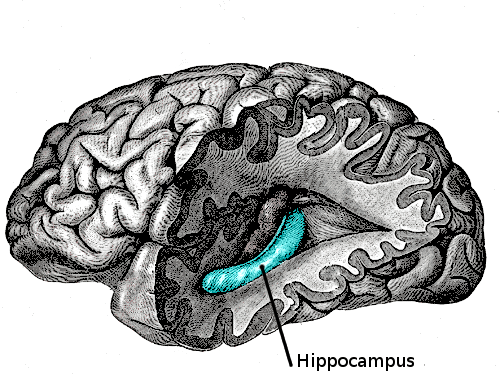
Our brains are perhaps more of a computer than many of us think. The hippocampus, which is the part of the brain where memories are stored, tends to filter out the unnecessary details.

In other words, it helps us to “optimize intelligent decision making by holding onto what’s important and letting go of what’s not.”

Think about it this way; is it easier to remember somebody’s face or their name? Which is the most important?

In a social setting, it is typically better to remember both but if we were part of the animal kingdom, remembering somebody as being a threat would mean our very lives. Remembering their name would be inconsequential.

The brain doesn’t automatically decide what we should remember and what we shouldn’t. It holds new memories but it sometimes overwrites old memories.

When the brain becomes cluttered with memories, they tend to conflict with each other and that can make it difficult to make important decisions.

That is why the brain tends to hold on to those big picture memories but they are becoming less important with the advent of technology.

As an example, at one time, we would have learned how to spell words but now, we just use Google if we don’t know how to spell them. We also tend to look everything up online, from how to change a showerhead to how to cook meatloaf for dinner.

If you forget everything, you may want to consider having a checkup but if you forget things on occasion, it’s perfectly okay.

The moral of the story is, the next time you forget something, just think of it as your brain doing what it was designed to do.

http://wetpaintlife.com/scientists-say-that-being-forgetful-is-actually-a-sign-you-are-unusually-intelligent/?utm_source=vn&utm_tracking=11&utm_medium=Social

RNA methylation discovered to be key to brain cell connections

Methyl chemical groups dot lengths of DNA, helping to control when certain genes are accessible by a cell. In new research, UCLA scientists have shown that at the connections between brain cells—which often are located far from the central control centers of the cells—methyl groups also dot chains of RNA. This methyl markup of RNA molecules is likely key to brain cells’ ability to quickly send signals to other cells and react to changing stimuli in a fraction of a second.

To dictate the biology of any cell, DNA in the cell’s nucleus must be translated into corresponding strands of RNA. Next, the messenger RNA, or mRNA—an intermediate genetic molecule between DNA and proteins—is transcribed into proteins. If a cell suddenly needs more of a protein—to adapt to an incoming signal, for instance—it must translate more DNA into mRNA. Then it must make more proteins and shuttle them through the cell to where they are needed. This process means that getting new proteins to a distant part of a cell, like the synapses of neurons where signals are passed, can take time.

Research has recently suggested that methyl chemical groups, which can control when DNA is transcribed into mRNA, are also found on strands of mRNA. The methylation of mRNA, researchers hypothesize, adds a level of control to when the mRNA can be translated into proteins, and their occurrence has been documented in a handful of organs throughout the bodies of mammals. The pattern of methyls on mRNA in any given cell is dubbed the “epitranscriptome.”

UCLA and Kyoto University researchers mapped out the location of methyls on mRNA found at the synapses, or junctions, of mouse brain cells. They isolated brain cells from adult mice and compared the epitranscriptome found at the synapses to the epitranscriptomes of mRNA elsewhere in the cells. At more than 4,000 spots on the genome, the mRNA at the synapse was methylated more often. More than half of these spots, the researchers went on to show, are in genes that encode proteins found mostly at the synapse. The researchers found that when they disrupted the methylation of mRNA at the synapse, the brain cells didn’t function normally.

The methylation of mRNA at the synapse is likely one of many ways that neurons speed up their ability to send messages, by allowing the mRNA to be poised and ready to translate into proteins when needed.

The levels of key proteins at synapses have been linked to a number of psychiatric disorders, including autism. Understanding how the epitranscriptome is regulated, and what role it plays in brain biology, may eventually provide researchers with a new way to control the proteins found at synapses and, in turn, treat disorders characterized by synaptic dysfunction.

More information: Daria Merkurjev et al. Synaptic N6-methyladenosine (m6A) epitranscriptome reveals functional partitioning of localized transcripts, Nature Neuroscience (2018). DOI: 10.1038/s41593-018-0173-6

Read more at: https://phys.org/news/2018-08-methyl-rna-key-brain-cell.html#jCp

The neurobiological basis of leadership rests in low aversion to responsibility


Low responsibility aversion is an important determinant of the decision to lead.

Leaders are more willing to take responsibility for making decisions that affect the welfare of others. In a new study, researchers at the University of Zurich identified the cognitive and neurobiological processes that influence whether someone is more likely to take on leadership or to delegate decision-making.

Parents, company bosses and army generals, as well as teachers and heads of state, all have to make decisions that affect not only themselves, but also influence the welfare of others. Sometimes, the consequences will be borne by individuals, but sometimes by whole organizations or even countries.

Researchers from the Department of Economics investigated what distinguishes people with high leadership abilities. In the study, which has just been published in the journal Science, they identify a common decision process that may characterize followers: Responsibility aversion, or the unwillingness to make decisions that also affect others.

Controlled experiments and brain imaging

In the study, leaders of groups could either make a decision themselves or delegate it to the group. A distinction was drawn between “self” trials, in which the decision only affected the decision-makers themselves, and “group” trials, in which there were consequences for the whole group. The neurobiological processes taking place in the brains of the participants as they were making the decisions were examined using functional magnetic resonance imaging (fMRI).

The scientists tested several common intuitive beliefs, such as the notion that individuals who are less afraid of potential losses or taking risks, or who like being in control, will be more willing to take on responsibility for others. These characteristics, however, did not explain the differing extent of responsibility aversion found in the study participants. Instead, they found that responsibility aversion was driven by a greater need for certainty about the best course of action when the decision also had an effect on others. This shift in the need for certainty was particularly pronounced in people with a strong aversion to responsibility.

“Because this framework highlights the change in the amount of certainty required to make a decision, and not the individual’s general tendency for assuming control, it can account for many different leadership types,” says lead author Micah Edelson. “These can include authoritarian leaders who make most decisions themselves, and egalitarian leaders who frequently seek a group consensus.”

More information: Computational and neurobiological foundations of leadership decisions. Science: August 2, 2018. DOI: 10.1126/science.aat0036

Reducing NOVA1 gene helps prevent tumor growth in most common type of lung cancer


Lung cancer seen on chest X ray.

Researchers have identified a gene that when inhibited or reduced, in turn, reduced or prevented human non-small cell lung cancer tumors from growing.

When mice were injected with non-small cell lung cancer cells that contained the gene NOVA1, three of four mice formed tumors. When the mice were injected with cancer cells without NOVA1, three of four mice remained tumor-free.

The fourth developed a tumor, but it was very small compared to the mice with the NOVA1 tumor cells, said Andrew Ludlow, first author on the study and assistant professor at the University of Michigan School of Kinesiology.

The research appears online today in Nature Communications. Ludlow did the work while a postdoctoral fellow at the University of Texas Southwestern Medical Center, in the shared lab of Woodring Wright, professor of cell biology and internal medicine, and Jerry Shay, professor of cell biology.

The study found that in cancer cells, the NOVA1 gene is thought to activate telomerase, the enzyme that maintains telomeres—the protective caps on the ends of chromosomes that preserve genetic information during cell division (think of the plastic aglets that prevent shoelace ends from fraying).

Telomerase isn’t active in healthy adult tissues, so telomeres degrade and shorten as we age. When they get too short, the body knows to remove those damaged or dead cells.

In most cancers, telomerase is reactivated and telomeres are maintained, thus preserving the genetic material, and these are the cells that mutate and become immortal.

Telomerase is present in most cancer types, and it’s an attractive therapeutic target for cancer. However, scientists haven’t had much luck inhibiting telomerase activity in cancer, Ludlow said.

Ludlow’s group wanted to try a new approach, so they screened lung cancer cell lines for splicing genes (genes that modify RNA) that might regulate telomerase in cancer, and identified NOVA1.

They found that reducing the NOVA1 gene reduced telomerase activity, which led to shorter telomeres, and cancer cells couldn’t survive and divide.

Researchers only looked at non-small cell lung cancers, and NOVA1 was present in about 70 percent of them.

“Non-small cell lung cancer is the most prevalent form of age-related cancer, and 80 to 85 percent of all lung cancers are non-small cell,” Ludlow said. “But there really aren’t that many treatments for it.”

According to the American Cancer Society, lung cancer causes the most cancer deaths among men and women, and is the second most common cancer, aside from skin cancer.

Before researchers can target NOVA1 or telomerase splicing as a serious potential therapy for non-small cell lung cancer, they must gain a much better understanding of how telomerase is regulated. This research is a step in that direction.

Ludlow’s group is also looking at ways to directly impact telomerase splicing, in addition to reducing NOVA1.

Explore further: Blocking two enzymes could make cancer cells mortal

More information: Andrew T. Ludlow et al, NOVA1 regulates hTERT splicing and cell growth in non-small cell lung cancer, Nature Communications (2018). DOI: 10.1038/s41467-018-05582-x

https://medicalxpress.com/news/2018-08-nova1-gene-tumor-growth-common.html