Bounding and Galloping crocodiles

Even on land, crocodiles are no fish out of water. While these reptiles might look lazy and slow sunning on the bank, they can easily pick up speed when necessary, and a scary number can gallop or bound like a horse or a dog.

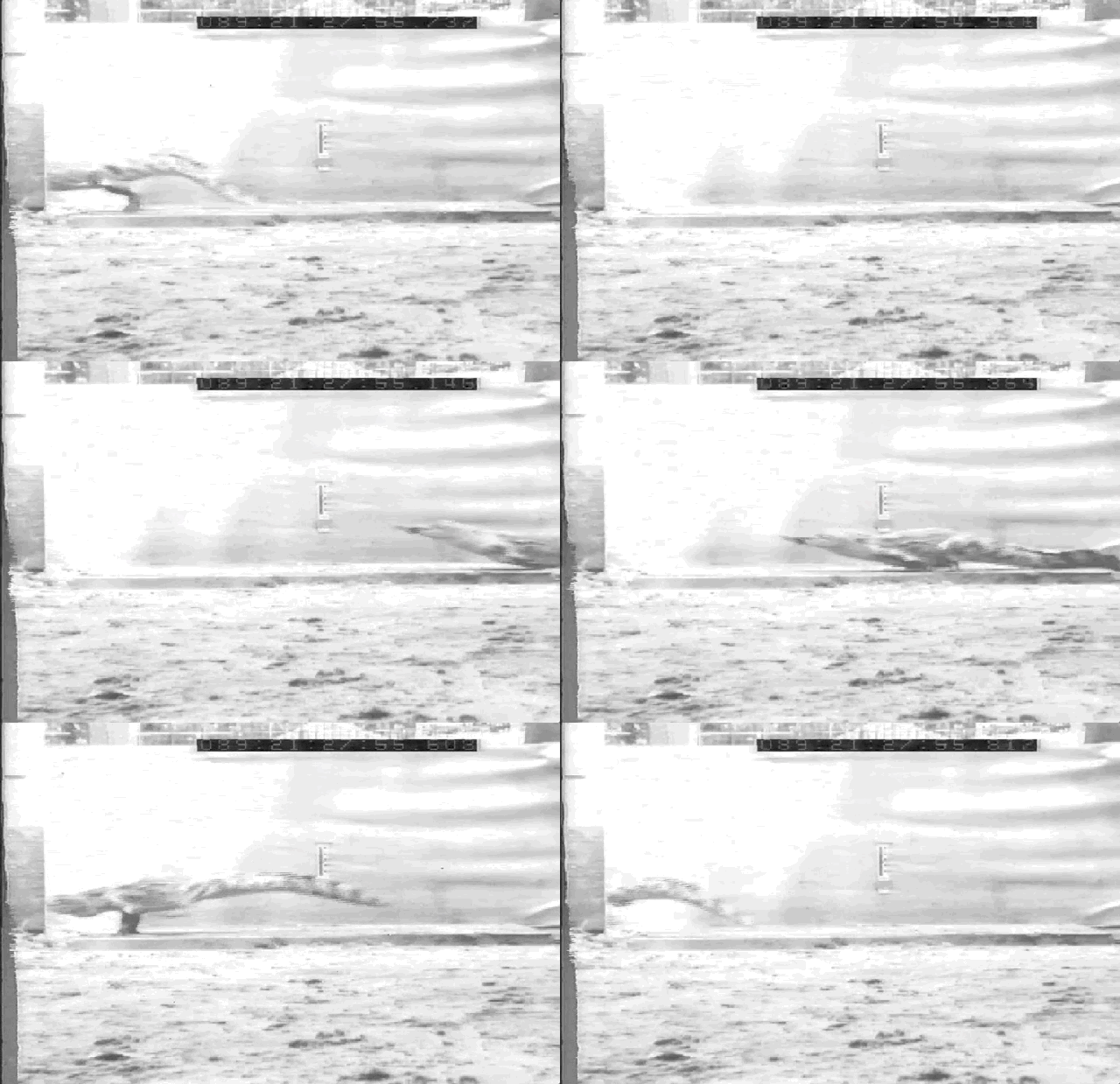
Bounding is when an animal’s forelimbs hit the ground at the same time, with the back legs pushing off soon after; meanwhile, a gallop is a four-beat sequence whereby the fore and hindlimbs take turns landing.

Freshwater crocodiles from Australia (Crocodylus johnstoni) were historically thought to be the only species capable of doing both. But that’s not actually true. Not even close.

It turns out even scientists have underestimated these creatures. Past research suggested only a handful of croc species were able to gallop, but a new study now adds five more to the mix, suggesting it’s a whole lot more common than we ever thought.

Setting up video cameras around a zoological park in Florida, veterinary scientists analysed the gaits and speeds of 42 individuals from 15 species of crocodylia, which includes true crocodiles (family Crocodylidae), alligators and caimans.

While alligators and caimans were only able to trot on land, the team noticed eight species of crocodile capable of galloping or bounding.

They claim their study is the first to properly document galloping in the Philippine crocodile (Crocodylus mindorensis), the Cuban crocodile (C. rhombifer), the American crocodile (C. acutus), the West-African slender-snouted crocodile (Mecistops cataphractus) and the dwarf crocodile (Osteolaemus tetraspis).

Judging by how common this skill appears to be, there might even be more species that can do the same. There have already been anecdotal reports of galloping in species such as the marsh crocodile (C. palustris) and the New Guinea crocodile (C. novaeguineae).

“We were really surprised at one major thing – despite the different gaits crocodiles and alligators use, they all can run about as fast,” John Hutchinson, a specialist in evolutionary biomechanics at the Royal Veterinary College (RVC), told PA.

No matter what their size, almost every species studied was able to reach nearly 18 kilometres per hour (11 mph), whether it be through trotting, galloping or bounding.

Only crocodiles, however, could use their legs asymmetrically, providing longer stride frequencies, especially among those with smaller body sizes. Why alligators cannot do this remains uncertain, but the researchers think this skill is probably ancestral and has less to do with speed than we thought.

“We suspect that bounding and galloping give small crocodiles better acceleration and manoeuvrability, especially useful for escaping from danger,” explains Hutchinson

“It seems like alligators and caiman stand their ground rather than run away with an extreme gait.”

Similar to other studies, the researchers think the crocodile’s unusual asymmetrical gait came from a long-lost ancestor that lived on the land and had longer legs.

If this is right, it could mean that the ancestors of the alligators somehow lost this ability or no longer express it.

But there’s also another possibility that is rarely acknowledged: the common ancestor of today’s 20 crocodile species may have actually evolved this asymmetrical gait as opposed to inheriting it.

Looking at related species could clear up some of the confusion – the gharial is an Asian fish-eating crocodile that lies outside the Crocodyloidea  and Alligatoroidea ancestry, so if they can be shown to have asymmetrical gaits, it could shed light on how this skill appeared.

But similar to crocodiles and alligators, the gaits of the gharial’s are not well documented, so there’s clearly a lot more research that needs to be done.

“Together, our new observations of asymmetrical gaits and our broader dataset on locomotor kinematics spanning the clade Crocodylia considerably expand our knowledge of their behaviours and natural history,” the authors conclude.

“Importantly, this combined evidence strongly refutes the popular notion that only a few crocodiles use asymmetrical gaits.”

The study was published in Scientific Reports.
https://www.sciencealert.com/approach-with-caution-more-crocodile-species-than-we-thought-can-reach-a-gallop

Predators may make prey get smart and grow more brain cells

By Chelsea Whyte

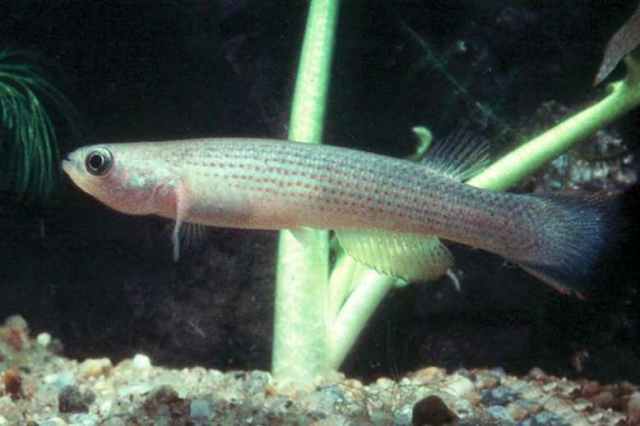
Sometimes stress can be good for a fish. When there are more predators around, killifish in Trinidad grow more brain cells than those that face no predators, and they do so even into adulthood.

“I was surprised to find this because in previous studies, we found that predators inhibit the production of brain cells,” says Kent Dunlap at Trinity College in Connecticut. It seems that killifish swim their own way.

Dunlap and his colleagues examined the brains of a type of wild caught killifish (Rivulus hartii) from three streams on the Caribbean island. In each stream, they gathered about eight adult fish from a location with a high number of predators and about eight from a location with little to no predation. They only used males because previous research on these fish showed that predation affects male but not female brains.

The researchers measured the size of the males’ brains as well as the density of newly grown cells. They found that fish from both spots in each stream had brains similar in size relative to their bodies, but those that had to fight off more predators had nearly double the amount of new brain cells. Dunlap says this may mean that instead of fairly static brains that respond to predators in a timid way, the new brain cells could allow for more responsive behaviour.

To sort out whether this effect is genetic or purely a response to their environment, Dunlap and his team raised fish from each location and then dissected their brains. In the lab, even with an absence of predators, they saw that the increased brain cell growth persisted in fish descended from those that lived in high-predation areas.

“Over evolutionary time, predation has caused the populations to differ genetically, so there’s this intrinsic difference now that’s upheld,” says Dunlap. He adds that this pattern would likely show up in other animals that continue to grow brain cells into adulthood.

“We mammals and birds, once we reach sexual maturation our body and brain don’t grow very much,” he says. “But fish grow throughout their lifetime, as do many other non-birds and non-mammals.”

Journal reference: Royal Society Proceedings B, DOI: 10.1098/rspb.2019.1485

Read more: https://www.newscientist.com/article/2226787-predators-may-make-prey-get-smart-and-grow-more-brain-cells/#ixzz67ovnyDlk

Pig-Monkey Hybrid Engineered in China


This piglet had some cells from a monkey but died within a week of birth
Tang Hai

By Michael Le Page

Pig-primate chimeras have been born live for the first time but died within a week. The two piglets, created by a team in China, looked normal although a small proportion of their cells were derived from cynomolgus monkeys.

“This is the first report of full-term pig-monkey chimeras,” says Tang Hai at the State Key Laboratory of Stem Cell and Reproductive Biology in Beijing.

The ultimate aim of the work is to grow human organs in animals for transplantation. But the results show there is still a long way to go to achieve this, the team says.

Hai and his colleagues genetically modified cynomolgus monkey cells growing in culture so they produced a fluorescent protein called GFP. This enabled the researchers to track the cells and their descendents. They then derived embryonic stem cells from the modified cells and injected them into pig embryos five days after fertilisation.

More than 4000 embryos were implanted in sows. Ten piglets were born as a result, of which two were chimeras. All died within a week. In the chimeric piglets, multiple tissues – including in the heart, liver, spleen, lung and skin – partly consisted of monkey cells, but the proportion was low: between one in 1000 and one in 10,000.

It is unclear why the piglets died, says Hai, but because the non-chimeric pigs died as well, the team suspects it is to do with the IVF process rather than the chimerism. IVF doesn’t work nearly as well in pigs as it does in humans and some other animals.

The team is now trying to create healthy animals with a higher proportion of monkey cells, says Hai. If that is successful, the next step would be to try to create pigs in which one organ is composed almost entirely of primate cells.

Something like this has already been achieved in rodents. In 2010, Hiromitsu Nakauchi, now at Stanford University in California, created mice with rat pancreases by genetically modifying the mice so their own cells couldn’t develop into a pancreas.

Pig-human chimeras

In 2017, Juan Carlos Izpisua Belmonte’s team at the Salk Institute in California created pig-human chimeras, but only around one in 100,000 cells were human and, for ethical reasons, the embryos were only allowed to develop for a month. The concern is that a chimera’s brain could be partly human.

This is why Hai and his team used monkey rather than human cells. But while the proportion of monkey cells in their chimeras is higher than the proportion of human cells in Belmonte’s chimeras, it is still very low.

“Given the extremely low chimeric efficiency and the deaths of all the animals, I actually see this as fairly discouraging,” says stem cell biologist Paul Knoepfler at the University of California, Davis.

He isn’t convinced that it will ever be possible to grow organs suitable for transplantation by creating animal-human chimeras. However, it makes sense to continue researching this approach along with others such as tissue engineering, he says.

According to a July report in the Spanish newspaper El País, Belmonte’s team has now created human-monkey chimeras, in work carried out in China. The results have not yet been published.

While interspecies chimerism doesn’t occur naturally, the bodies of animals including people can consist of a mix of cells. Mothers have cells from their children growing in many of their organs, for instance, a phenomenon called microchimerism.

Journal reference: Protein & Cell, DOI: 10.1007/s13238-019-00676-8

Read more: https://www.newscientist.com/article/2226490-exclusive-two-pigs-engineered-to-have-monkey-cells-born-in-china/#ixzz67RYaU5XS

This Brainless, Single-Celled Blob Can Make Complex ‘Decisions’


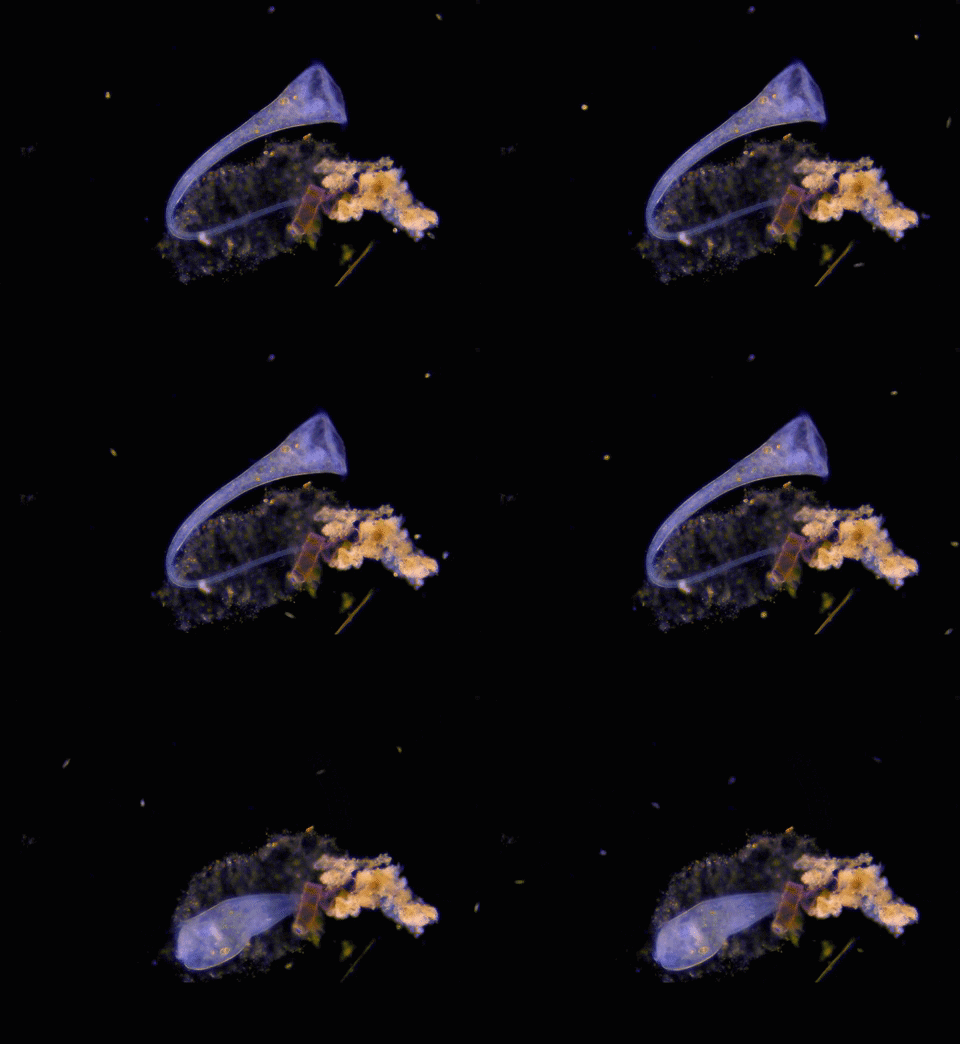
S. roeselii is shown here contracting down to where it’s holding onto a surface.

By Yasemin Saplakoglu

Tiny, brainless blobs might be able to make decisions: A single-celled organism can “change its mind” to avoid going near an irritating substance, according to new findings.

Over a century ago, American zoologist Herbert Spencer Jennings conducted an experiment on a relatively large, trumpet-shaped, single-celled organism called Stentor roeselii. When Jennings released an irritating carmine powder around the organisms, he observed that they responded in a predictable pattern, he wrote in his findings, which he published in a text called “Behavior of the Lower Organisms” in 1906.

To avoid the powder, the organism first would try to bend its body around the powder. If that didn’t work, the blob would reverse the movement of its cilia — hairlike projections that help it move and feed — to push away the surrounding particles. If that still didn’t work, the organism would contract around its point of attachment on a surface to feed. And finally, if all else failed, it would detach from the surface and swim away.

In the decades that followed, however, other experiments failed to replicate these findings, and so they were discredited. But recently, a group of researchers at Harvard University decided to re-create the old experiment as a side project. “It was a completely off-the-books, skunkworks project,” senior author Jeremy Gunawardena, a systems biologist at Harvard, said in a statement. “It wasn’t anyone’s day job.”

After a long search, the researchers found a supplier in England who had collected S. roeselii specimens from a golf course pond and had them shipped over to Gunawardena’s lab. The team used a microscope to observe and record the behavior of the organisms when the scientists released an irritant nearby.

First, they tried releasing carmine powder, the 21st century organisms weren’t irritated like their ancestors were. “Carmine is a natural product of the cochineal beetle, so its composition may have changed since [Jennings’] day,” the researchers wrote in the study. So they tried another irritant: microscopic plastic beads.

Sure enough, the S. roeselii started to avoid the beads, using the behaviors that Jennings described. At first, the behaviors didn’t seem to be in any particular order. For example, some organisms would bend first, then contract, while others would only contract. But when the scientists did a statistical analysis, they found that there was indeed, on average, a similar order to the organisms’ decision-making process: The single-celled blobs almost always chose to bend and alter the direction of their cilia before they contracted or detached and swam away, according to the statement.

What’s more, the researchers found that, if the organism did reach the stage of needing to contract or detach, there was an equal chance that they would choose one behavior over the other.

“They do the simple things first, but if you keep stimulating, they ‘decide’ to try something else,” Gunawardena said. “S. roeselii has no brain, but there seems to be some mechanism that, in effect, lets it ‘change its mind’ once it feels like the irritation has gone on too long.”

The findings can help inform cancer research and even change the way we think about our own cells. Rather than being solely “programmed” to do something by our genes, “cells exist in a very complex ecosystem, and they are, in a way, talking and negotiating with each other, responding to signals and making decisions,” Gunawardena said. Single-celled organisms, whose ancestors once ruled the ancient world, might be “much more sophisticated than we generally give them credit for,” he said.

The findings were published Dec. 5 in the journal Current Biology.

https://www.livescience.com/single-celled-organisms-decisions.html?utm_source=notification

Fascinating Study Finds That Stressed Out Baby Worms Tend to Live Longer

by David Nield

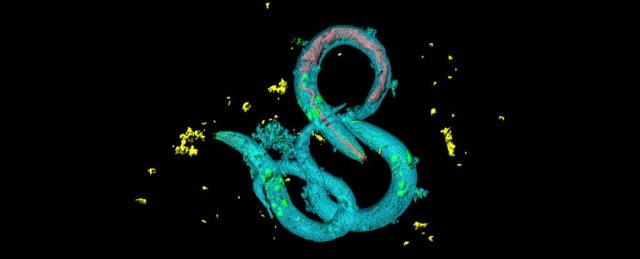
Scientists researching a key aspect of biochemistry in living creatures have been taking a very close look at the tiny Caenorhabditis elegans roundworm. Their latest results show that when these nematodes get put under more biochemical stress early in their lives, they somehow tend to live longer.

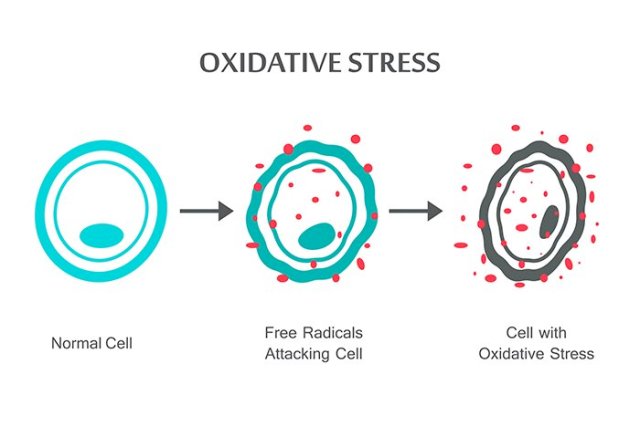
This type of stress, called oxidative stress – an imbalance of oxygen-containing molecules that can result in cellular and tissue damage – seems to better prepare the worms for the strains of later life, along the same lines as the old adage that whatever doesn’t kill you, makes you stronger.

You might think that worm lifespans have no bearing on human life. And surely, until we have loads more research done in this field, it would be a big leap to say the same principles of prolonging one’s lifespan might hold true for human beings.

But there’s good reason to put C. elegans through the paces. This model organism has proven immensely helpful for researchers trying to better understand key biological functions present in worm and human alike – and oxidative stress is one such function.

The little wriggly creatures are known to have significant variations in their lifespan even when the whole population is genetically identical and grows up in the exact same conditions. So the team went looking for other factors that affect C. elegans’ longevity.

“The general idea that early life events have such profound, positive effects later in life is truly fascinating,” says biochemist Ursula Jakob from the University of Michigan.

Jakob and her colleagues sorted thousands of C. elegans larvae based on the oxidative stress levels they experienced during development – this stress arises when cells produce more oxidants and free radicals than they can handle. It’s a normal part of the ageing process, but it’s also triggered by exercise and a limited food supply.

One way to measure this stress is by the levels of reactive oxygen species (ROS) molecules an organism produces – simply put, this measurement indicates the biochemical stress an organism is under. In the case of these roundworms, the more ROS were produced during development, the longer their lifespans turned out to be.

To explain how this effect of ROS might come about, the researchers went looking for changes in the worms’ genetic regulation, specifically those genes that are known to be involved in dealing with oxidative stress.

While doing so, they detected a key difference – the nematodes exposed to more ROS during development appeared to have undergone an epigenetic change (a gene expression switch that can happen due to environmental influences) that increased the oxidative stress resistance of their body’s cells.

There are still a lot of questions to answer, but the researchers think their results identify one of the stochastic – or random – influences on the lifespan of organisms; it’s something that has been hypothesised in the field of the genetics of ageing. And down the line, it may turn out to be relevant for ageing humans, too.

“This study provides a foundation for future work in mammals, in which very early and transient metabolic events in life seem to have equally profound impacts on lifespan,” the researchers conclude.

The study has been published in Nature.

https://www.sciencealert.com/biological-stress-in-early-life-could-be-one-of-the-keys-to-a-long-lifespan?perpetual=yes&limitstart=1

A blue whale’s heart beats just twice a minute when it dives for food

By Layal Liverpool

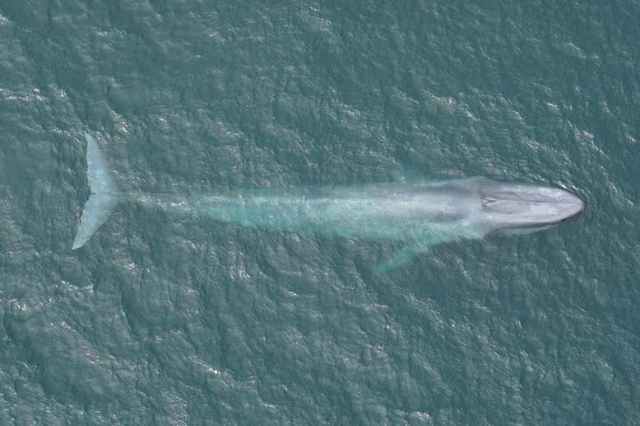
We have checked the pulse of a wild-living blue whale for the first time, and discovered something remarkable. When blue whales dive for food they can reduce their heart rates to as low as 2 beats per minute. This is well below the rates the large animals were calculated to have. Previous predictions were that the whales would have a resting heart rate of 15 beats per minute.

The finding is particularly extraordinary given that whales have an energetically demanding feeding method, says Jeremy Goldbogen at Stanford University, California. During lunge feeding, a blue whale engulfs a volume of prey-filled water that can be larger than its own body.

From a large inflatable boat in Monterey Bay, California, Goldbogen and his team used a 6-metre pole to attach heart rate monitors to a single blue whale. The monitors were held in place with suction cups. The researchers were then able to monitor the whale’s heart rate for almost 9 hours. They detected heart rates of just 2 to 8 beats per minute hundreds of times.

The whale dived for as long as 16.5 minutes at a time, reaching a maximum depth of 184 metres, and stayed at the surface for intervals ranging from 1 to 4 minutes. The whale’s heart rate was at its lowest when it was diving for food and shot up after it resurfaced, reaching a peak of 37 beats per minute.

The reduction in heart rate during dives enables whales to temporarily redistribute oxygenated blood from the heart to other muscles needed for lunging, says Goldbogen. Whales then recover upon resurfacing by dramatically increasing their breathing and heart rate, he says.

These results demonstrate “the quite extraordinary level of flexibility and control that these diving mammals have over their heart rate and blood flow”, says Sascha Hooker at the University of St Andrews, UK.

Recent technological advances have enabled these kinds of readings to be collected from free-living whales, says Hooker. “These are opening the door to a much greater understanding of how these animals are able to perform some quite amazing feats of diving and exercise,” she says.

Journal reference: PNAS, DOI: 10.1073/pnas.1914273116

Read more: https://www.newscientist.com/article/2224674-a-blue-whales-heart-beats-just-twice-a-minute-when-it-dives-for-food/#ixzz66PRZuGAd

Vampire bats form close friendships and help each other.


A vampire bat carrying a proximity sensor to study its social behavior in the wild.

By Jessie Young

Vampire bats may be bloodsucking creatures of the night — but they also form strong friendships and help each other out in times of need, a study has found.

The study, published in the journal Current Biology on Thursday, found that vampire bats who formed social bonds in captivity maintained those bonds even after they were released back into the wild.

This is significant because it’s often difficult to tell whether “partner fidelity” in animal relationships is due to the immediate costs and benefits of helping each other, or due to some shared relationship history. But in this experiment, the bats remembered and helped each other in two drastically different environments, even when they didn’t have to.

The study, conducted by researchers at Ohio State University, housed 23 wild female vampire bats and their captive-born offspring for almost two years. To encourage them to help each other and to measure these relationships, researchers withheld food from some individual bats “to induce social grooming and regurgitated food sharing.”

They found that the bats who didn’t receive food had a higher probability of being groomed and fed by other bats. This kind of cooperation is particularly rare between vampire bats that aren’t related because they have to pay a cost to help their peers — to feed each other, they have to regurgitate their own meals.

“It’s pretty rare outside of humans to have behaviors where I’m paying an obvious cost to help you and you’re not related to me,” said Gerald Carter, one of the study’s lead authors, in the press release.

Then, the bats were released back into their original roost, wearing small sensors to monitor their behavior. Even though they were now part of a bigger group with other bats who hadn’t been part of the experiment, the “test” bats who had lived together in the lab stuck together — they had higher levels of social grooming, food sharing, and close contact with each other.

The fact that the bats continued their friendships in the wild was “a sign that the relationships weren’t borne only of convenience while they lived together in a cage,” said the study’s press release.

“It’s kind of analogous to being friends in high school,” said Carter. “After you graduate, and you’re released out of this structured environment, do you continue to stay in touch with those people, or do you lose touch with them? It depends on personality types and the kinds of experiences you shared. That’s essentially what we were after with this study.”

The study concluded that, much like humans, vampire bat friendships are generally strengthened by their shared past experiences.

However, sometimes humans drift apart after high school — and similarly, not all the lab bat friendships survived in the wild. In particular, the captive-born offspring had bite marks after returning to the wild colony, and they eventually left the roost. The study suggested they might have tried to fly back to their place of birth — the lab — or perhaps failed to develop natural wild bat behaviors.

https://www.cnn.com/2019/10/31/world/vampire-bats-friends-intl-hnk-scli-scn/index.html?utm_source=The+Good+Stuff&utm_campaign=91b09c3d68-EMAIL_CAMPAIGN_2019_10_30_05_15&utm_medium=email&utm_term=0_4cbecb3309-91b09c3d68-103653961

How conservation dogs help track endangered species

By Ashley Strickland

Dogs and their sensitive noses are known for finding people during search and rescue efforts, sniffing out drugs and even diseases like cancer. But the powerful canine nose can also act like radar for other things that are hidden from our sight.

Now, they’re acting like watchdogs for endangered species and assisting with conservation efforts.
Organizations like Working Dogs for Conservation train dogs to identify the scents of endangered animals and their droppings, which helps scientists track species that may be declining.

Tracking animal scat, or fecal matter, can reveal where endangered species live, how many of them are living in an area and what might be threatening them. And it’s a less stressful way of monitoring species than trapping and releasing them.

Previously, conversation dogs have successfully tracked the San Joaquin kit fox, gray wolves, cougars, bobcats, moose, river otters, American minks, black-footed ferrets and even the North Atlantic right whale, according to a new study published Wednesday in the Journal of Wildlife Management.

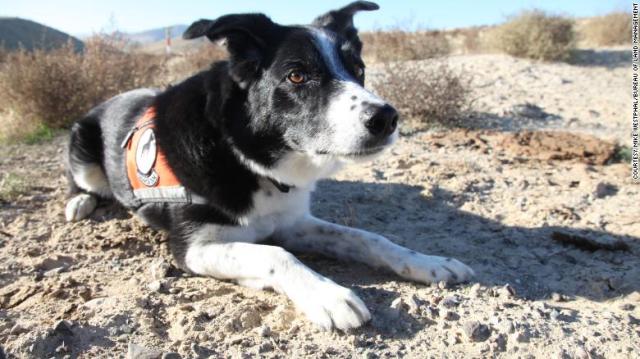
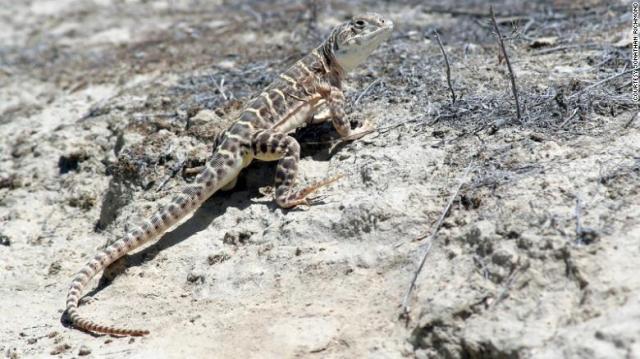
In the new study, scientists trained conservation dogs to focus on a new kind of animal: reptiles. They wanted to track the elusive and endangered blunt-nosed leopard lizard in the San Joaquin Valley. The experienced conservation dogs, including one female German shepherd and two male border collies, were trained to detect the scent of the lizard’s scat.

Then, the scientists could retrieve the samples and determine the gender, population genetics, diet, hormones, parasites, habitat use and health of the lizards. Humans have a difficult time identifying such small samples by sight because they are hard to distinguish from the environment. They can also be very similar to other scat.

The blunt-nosed leopard lizard is a fully protected species in California. It’s endangered because its habitat has been destroyed. Surveying the species and their habitat can help scientists to understand if existing conservation efforts are helping.

Over four years, scientists took the dogs out to the desert to detect and collect samples. The dogs would signal their discovery by laying down next to the scat. Then, they would be rewarded by a toy or play session.

Working between one and two hours a day, the dogs went out with survey teams from the end of April to mid May, when the lizards would emerge from brumation, otherwise known as reptile hibernation, according to the study. The dogs were trained not to approach the lizards if they saw them.

Over four years, they collected 327 samples and 82% of them were confirmed as belonging to blunt-nosed leopard lizards.

The researchers believe this method of tracking has potential and now they want to refine the method to see if it will work on a larger scale.

“So many reptilian species have been hit so hard,” said Mark Statham, lead study author and associate researcher with the Mammalian Ecology and Conservation Unit of the UC Davis School of Veterinary Medicine. “A large proportion of them are endangered or threatened. This is a really valuable way for people to be able to survey them.”

https://www.cnn.com/2019/10/30/world/conservation-dogs-endangered-lizard-scn/index.html?utm_source=The+Good+Stuff&utm_campaign=91b09c3d68-EMAIL_CAMPAIGN_2019_10_30_05_15&utm_medium=email&utm_term=0_4cbecb3309-91b09c3d68-103653961

Spider webs don’t rot easily and scientists may have figured out why: bacteria key to decomposition can’t get at the silk’s nitrogen, a nutrient needed for growth

By Priyanka Runwal

From spooky abandoned houses to dark forest corners, spider webs have an aura of eternal existence. In reality, the silk threads can last hours to weeks without rotting. That’s because bacteria that would aid decomposition are unable to access the silk’s nitrogen, a nutrient the microbes need for growth and reproduction, a new study suggests.

Previous research had hinted that spider webs might have antimicrobial properties that outright kill bacteria. But subjecting the webs of three spider species to four types of bacteria revealed that the spiders use a resist strategy instead, researchers report October 23 in the Journal of Experimental Biology.

The scientists “challenge something that has gone significantly overlooked,” says Jeffery Yarger, a biochemist at Arizona State University in Tempe, who wasn’t involved in the research. “We just assumed [the silk] has some kind of standard antimicrobial property.”

Spiders spin strings of silk to trap food, wrap their eggs and rappel. Their silk webs can sport leaf debris for camouflage amidst tree canopies or leftover dead insects for a meal later. These bits and bobs lure bacteria and fungi involved in decomposition to the web, exposing the protein-rich web silks to the microbes.

“But [the microbes] don’t seem to affect spider silk,” says Dakota Piorkowski, a biologist at Tunghai University in Taichung, Taiwan.

To check if the silk was lethal to bacteria, Piorkowski’s team placed threads from three tropical spider species — giant golden orb weaver (Nephila pilipes), lawn wolf spider(Hippasa holmerae) anddome tent spider (Cyrtophora moluccensis) — in petri dishes and grew four types of bacteria, including E. coli, in perpendicular lines across the silk. “The idea is that if the silk has antibacterial properties, you should see no growth between the piece of silk and … bacteria,” Piorkowski says.

There was no evidence of this “clear zone” of dead bacteria in spots where the bacteria came in direct contact with the silk, the researchers found. So the team then tested if the silk kept hungry bacteria at bay by blocking them from its nitrogen reserves. Wetting the silk threads with an assortment of nutrient solutions showed that the bacteria readily grew on all three types of spider silk when extra nitrogen was available. That indicated that the bacteria are capable of growing on and possibly decomposing the silk, as long as the threads themselves aren’t the only source of nitrogen.

The researchers hypothesize that an outer coating of fat or complex protein on the silk may block bacteria’s access to nitrogen.

Randy Lewis, a spider silk biologist at Utah State University in Logan, cautions against ruling out antibacterial features in all spider silks, though. Underground webs of tarantulas (SN: 5/23/11), for example, can face environments rife in microorganisms compared with that experienced by aerial web-spinning spiders, he says, and may need the extra protection.

Spider webs don’t rot easily and scientists may have figured out why

Australian water rats cut cane toads open with ‘surgical precision’ to feast on their hearts

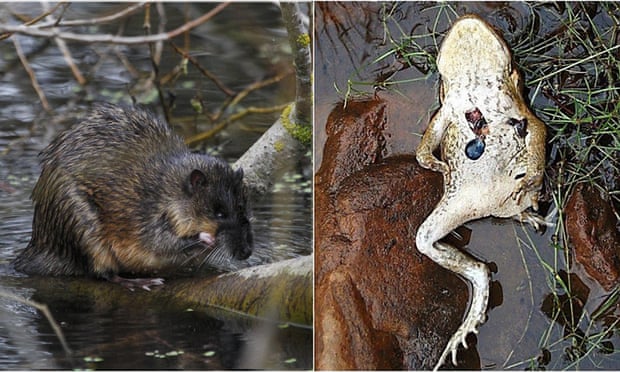
Australian water rats have learned how to kill cane toads, eat their hearts and carve out their organs with “surgical precision”.

In only two years, highly intelligent native rakali in the Kimberly region of Western Australia discovered how to safely destroy the deadly toad – by removing its gallbladder and feasting on the heart.

The rats even targeted the biggest, most poisonous toads they could find, leaving their bodies strewn by the riverside, according to research published in Australian Mammalogy.

Cane toads were first introduced into Queensland in the 1930s and have been marching slowly west ever since, devastating native animals and driving them towards extinction. The toads first arrived in a site monitored by the researchers in WA in 2011.

But to their surprise, the scientists found the native water rat – better known as the rakali – was fighting back. The highly intelligent rodent has extremely sharp claws and teeth, and can grow to up 1kg in weight.

Dr Marissa Parrott, the paper’s co-author, said the scientists began to see dead toads appear, cut open in a “very distinctive” way.

“It was a small area of creek, three to five metres in size, and every day we were finding new dead cane toads,” she said. “Up to five every single morning.

“They were flipping them over, making a very distinctive, almost surgical precision cut down the chest. They would even remove the gallbladder outside the body, which contains toxic bile salts. They knew to remove that bit.”

“In the medium-sized toads, as well as eating the heart and liver, they would strip off the toxic skin from one or both legs and eat the non-toxic thigh muscle.

“They have very strong sharp teeth, very dextrous little hands. They can pick up a fish or a yabby and open them up very quickly and target the areas they like.”

According to the paper, researchers observed 38 toad carcasses, floating in the river or on the creekbank, over 15 days.

“All carcasses had an incision in the chest area, measuring [on average] 10.8mm vertically and 12.2mm horizontally,” it said.

“There was no evidence of bites to the head or body of the partially consumed toads. Rather, the rats appeared to hold the toad on its back and then incise the thoracic cavity to consume organs while the toad was still alive.”

Parrott, a reproductive biologist at Zoos Victoria, said another astonishing finding was the size of the dead toads. While only 2.5% of the toads in the region were classified as large toads, the big toads made up 74% of the bodycount.

This suggested the rats were specifically targeting the biggest toads.

“Water rats are quite large themselves,” Parrott said. “They have the power to subdue a larger toad and get a bigger payload, get that larger heart and larger liver. By killing those larger toads, it may be easier to avoid the toxic organs like the gallbladder.”

This could have a positive effect for other native animals, because the largest toads are more toxic and more dangerous.

Parrott hopes other water rats around the country could develop the same technique, and help halt the march of the toad, but said other measures were needed.

“The water rats could protect small areas and could slow the progression of toads,” she said. “There have been anecdotal reports of water rats killing cane toads, across Queensland and the Northern Territory. But there are so many hundreds of millions of cane toads those areas could get swamped. It’s a major issue for our native predators.”

The researchers hypothesise that the rats either learned from scratch – by figuring out which parts of the toad made them sick – or already had previous experience from eating Australian native toxic frogs.

Either way, Parrott said, it was likely helped by the fact the rats spent a lot of time raising their children.

“The parents have quite a long period of care with their offspring. The baby rats will stay with their mother – and they can learn from their parents. It would make very good sense that their parents are teaching their children how to kill those cane toads and avoid those poisonous areas.

“And it is very possible that those children will spread to other areas and teach their children how to kill and eat those biggest toads.”

Other animals, like crows and kites, have been observed turning cane toads inside out to avoid the toxic skin and only eat non-poisonous organs, the report said.

Parrott said her focus was now on promoting water rat conservation. The rats face threats from pollution of waterways, can be caught in fishing line and discarded balloons, and hunted by stray cats, foxes and dogs.

“[The findings] show the intelligence of our native rodents,” she said. “A lot of people don’t really know we have native rodents in Australia. A story like this has really raised their profile and made people not only realise they are very clever but they are a very beautiful animal we should be protecting.”

https://www.theguardian.com/world/2019/oct/26/australian-water-rats-cut-cane-toads-open-with-surgical-precision-to-feast-on-their-hearts

Thanks to Kebmodee for bringing this to the It’s Interesting community.