Salmon Hats: A Bizarre Behavior Resurfaces in Orcas

By Sascha Pare

Orcas off the coast of Washington State are balancing dead fish on their heads like it’s the 1980s, but researchers still aren’t sure why they do it.

Northwest Pacific orcas have started wearing salmon hats again, bringing back a bizarre trend first described in the 1980s, researchers say.

Last month, scientists and whale watchers spotted orcas (Orcinus orca) in South Puget Sound and off Point No Point in Washington State swimming with dead fish on their heads.

This is the first time they’ve donned the bizarre headgear since the summer of 1987, when a trendsetting female West Coast orca kickstarted the behavior for no apparent reason. Within a couple of weeks, the rest of the pod had jumped on the bandwagon and turned salmon corpses into must-have fashion accessories, according to the marine conservation charity ORCA — but it’s unclear whether the same will happen this time around.

Researchers think the orcas sporting salmon hats now may be veterans of the trend when it first appeared nearly 40 years ago. “It does seem possible that some individuals that experienced [the behavior] the first time around may have started it again,” Andrew Foote, an evolutionary ecologist at the University of Oslo in Norway, told New Scientist.

The motivation for the salmon hat trend remains a mystery. “Honestly, your guess is as good as mine,” Deborah Giles, an orca researcher at the University of Washington who also heads the science and research teams at the non-profit Wild Orca, told New Scientist.

Salmon hats are a perfect example of what researchers call a “fad” — a behavior initiated by one or two individuals and temporarily picked up by others before it’s abandoned. Back in the 1980s, the trend only lasted a year; by the summer of 1988, dead fish were totally passé and salmon hats disappeared from the West Coast orca population.

Orca researchers’ best guess is that salmon hat fads are linked to high food availability. South Puget Sound is currently teeming with chum salmon (Oncorhynchus keta), and with too much food to eat on the spot, orcas may be saving fish for later by balancing them on their heads, New Scientist reported.

Orcas have been spotted stashing food away in other places, too. “We’ve seen mammal-eating killer whales carry large chunks of food under their pectoral fin, kind of tucked in next to their body,” Giles said. Salmon is probably too small to fit securely under orcas’ pectoral fins, so the marine mammals may have opted for the top of their heads instead.

Camera-equipped drones could help researchers monitor salmon hat-wearing orcas in a way that was not possible 37 years ago. “Over time, we may be able to gather enough information to show that, for instance, one carried a fish for 30 minutes or so, and then he ate it,” Giles said.

But the food availability theory could be wrong — if the footage reveals that orcas abandon the salmon without eating them, researchers will be sent back to the drawing board.

Whatever the reason for the behavior, Giles said it’s been fun to watch it come back in style. “It’s been a while since I’ve personally seen it,” she said.


Is this how complex life evolved? Experiment that put bacteria inside fungi offers clues

Biologists created a symbiotic system that hints at how cell features such as mitochondria and chloroplasts might have emerged a billion years ago.

Scientists wielding a minute hollow needle — and a bike pump — have managed to implant bacteria into a larger cell, creating a relationship similar to those that sparked the evolution of complex life.

The feat — described1 in Nature on 2 October — could help researchers to understand the origins of pairings that gave rise to specialized organelles called mitochondria and chloroplasts more than one billion years ago.

Endosymbiotic relationships — in which a microbial partner lives harmoniously within the cells of another organism — are found in numerous life forms, including insects and fungi. Scientists think that mitochondria, the organelles that are responsible for cells’ energy production, evolved when a bacterium took up residence inside an ancestor of eukaryotic cells. Chloroplasts emerged when an ancestor of plants swallowed a photosynthetic microorganism.

Determining the factors that formed and sustained these couplings is difficult because they occurred so long ago. To get around this problem, a team led by microbiologist Julia Vorholt, at the Swiss Federal Institute of Technology in Zurich (ETH Zurich), has spent the past few years engineering endosymbioses in the laboratory. Their approach uses a 500-1000 nanometre wide needle to puncture host cells and then deliver bacterial cells one at a time.

Sparking symbiosis

Even with this technical wizardry, initial pairings tended to fail; for instance, because the would-be symbiont divided too fast and killed its host2. The team’s luck changed when they recreated a natural symbiosis that occurs between some strains of a fungal plant pathogen, Rhizopus microsporus, and the bacterium Mycetohabitans rhizoxinica, which produces a toxin that protects the fungus from predation.

Yet delivering bacterial cells into the fungi, which have thick cell walls that maintain a high internal pressure, was a challenge. After piercing the wall with the needle, the researchers used a bicycle pump — and later an air compressor — to maintain enough pressure to deliver the bacteria.

After overcoming the initial shock of surgery, the fungi continued their life cycles and produced spores, a fraction of which contained bacteria. When these spores germinated, bacteria were also present in the cells of the next generation of fungi. This showed that the new endosymbiosis could be passed onto offspring — a key finding.

Vanishing bacteria

But the germination success of the bacteria-containing spores was low. In a mixed population of spores (some with bacteria and some without), those with bacteria vanished after two generations. To see whether relations could be improved, the researchers used a fluorescent cell sorter to select spores containing bacteria — which had been labelled with a glowing protein — and propagated only these spores in future rounds of reproduction. By ten generations, the bacteria-containing spores germinated nearly as efficiently as those without bacteria.

The basis of this adaptation isn’t clear. Genome sequencing identified a handful of mutations associated with improved germination success in the fungus — which was a strain of R. microsporus not known to carry endosymbionts naturally — and found no changes in the bacteria.

The line that germinated most efficiently tended to limit the number of bacteria in each spore, says study co-author Gabriel Giger, a microbiologist at ETH Zurich. “There are ways for these two partners to make a better, easier living with each other. That’s something that’s really important for us to understand.”

Fungal immune system

Researchers don’t know much about the genetics of R. microsporus. But Thomas Richards, an evolutionary biologist at the University of Oxford, UK, wonders whether a fungal immune system is preventing symbiosis — and whether mutations to this system could be easing relations. “I’m a big fan of this work,” he adds.

Eva Nowack, a microbiologist at Heinrich Heine University Düsseldorf in Germany, was surprised at how quickly adaptations to symbiotic life seemed to evolve. In the future, she would love to see what happens after even longer time periods; for example, more than 1,000 generations.

Engineering such symbioses could lead to the development of novel organisms with useful traits, such as the ability to consume carbon dioxide or atmospheric nitrogen, says Vorholt. “That’s the idea: to bring in new traits that an organism doesn’t have, and that would be difficult to implement otherwise.”

doi: https://doi.org/10.1038/d41586-024-03224-5

References

  1. Giger, G. H. et al. Nature https://doi.org/10.1038/s41586-024-08010-x (2024).Article Google Scholar 
  2. Gäbelein, C. G., Reiter, M. A., Ernst, C., Giger, G. H. & Vorholt, J. A. ACS Synth. Biol. 11, 3388–3396 (2022).Article Google Scholar

Carbon bond that uses only one electron seen for first time

By Katherine Bourzac

For a little more than a century, chemists have believed that strong atomic links called covalent bonds are formed when atoms share one or more electron pairs. Now, researchers have made the first observations of single-electron covalent bonds between two carbon atoms.

This unusual bonding behaviour has been seen between a few other atoms, but scientists are particularly excited to see it in carbon, the basic building block of life on Earth and the key component of industrial chemicals including drugs, plastics, sugars and proteins. The discovery was published1 in Nature on 25 September.

“The covalent bond is one of the most important concepts in chemistry, and discovery of new types of chemical bonds holds great promise for expanding vast areas of chemical space,” says University of Tokyo chemist Takuya Shimajiri, who was part of the carbon bonding research team.

Most chemical bonds in molecules are made up of a single pair of electrons, shared between atoms. These are called covalent single bonds. In particularly strong bonds, atoms might share two electron pairs in a double bond, or three pairs — a triple bond. But chemists know that atoms interact in many other ways, and by studying more unusual bond types at the boundaries of the possible, they hope to better understand what a chemical bond is in the first place.

Pauling’s proposal

The concept of single-electron covalent bonds dates to 1931, when chemist Linus Pauling proposed them. But at the time, chemists didn’t have the tools to observe such bonds, says Marc-Etienne Moret, a chemist at Utrecht University in the Netherlands. Even with modern analytical techniques, these bonds are challenging to observe. “The situation in which only one electron makes a bond is very unstable,” says Moret. “This means the bond will break easily and have a strong tendency to either release or capture an electron to restore an even number of electrons.”

In 1998, scientists observed2 a single-electron bond between two phosphorus atoms; Moret was part of a group that created3 one between copper and boron in 2013. Chemists have theorized that these unusual bonds might occur between carbon atoms in short-lived intermediate structures that appear during chemical reactions. But to observe these fickle bonds, chemists have to stabilize a compound that contains them. A stable compound that contains a one-electron C–C bond had eluded chemists.

Shimajiri says the key to observing the single-electron carbon bond was carefully designing a molecule that would stabilize it. The research team, which included Hokkaido University chemist Yusuke Ishigaki, created a molecule that provides a stable ‘shell’ of fused carbon rings that helps hold together the carbon–carbon bond in its centre. That central bond is stretched out to a relatively long length for a C–C bond, which makes it susceptible to losing one electron in an oxidation reaction, creating the elusive single-electron bond.

Stable bond

To capture this compound in a stable, observable form, they crystallized it. When the oxidation is performed in the presence of iodine, the reaction yields a purple salt, with the stable shell of the molecule holding together the single-electron C–C bond inside. They then used various analytical techniques to characterize the molecule and the bond. Shimajiri says the compound is extremely stable under ambient conditions.

“In several chemical reactions, the involvement of one-electron bonds has been proposed, but so far, they have remained hypothetical,” says Shimajiri. Creating stable compounds containing these bonds could help researchers to better understand what happens during these reactions.

Guy Bertrand, a chemist at the University of California, Santa Barbara, was part of the team that created the phosphorus single-electron bond. He says it’s significant to see it in carbon. “Anytime you do something with carbon, the impact is greater than with any other element,” he says. Carbon is the stuff of organic chemistry. But he says it’s not so easy to say whether this work will have any applications. “This is a curiosity,” he says. “But it will be in the textbooks.”

Shimajiri hopes that the description of the single-electron carbon bond will help chemists to better understand the basic nature of chemical bonds. “We aim to clarify what a covalent bond is — specifically, at what point does a bond qualify as covalent, and at what point does it not?”

doi: https://doi.org/10.1038/d41586-024-03138-2

Record-Breaking Whale Stays Underwater for 3 Hours and 42 Minutes

By George Dvorsky

Marine biologists are astonished after a Cuvier’s beaked whale held its breath for nearly four hours during a deep dive. The unexpected observation shows there’s much to learn about these medium-sized whales.

Scientists from Duke University and the Cascadia Research Collective recorded the unbelievable dive during field observations off the coast of Cape Hatteras, North Carolina, in 2017. In the first of two epic dives, the Cuvier beaked whale, wearing tag ZcTag066, stayed underwater for nearly three hours. A week later, the whale outdid itself, holding its breath for a bewildering three hours and 42 minutes.

“We didn’t believe it at first, because these are mammals after all, and any mammal spending that long underwater just seemed incredible,” Nicola Quick, the lead author of the new study and a biologist at Duke University, said in an email.

The record-breaking observations occurred in the midst of a five-year survey, in which Quick and her colleagues were measuring the time it takes Cuvier beaked whales (Ziphius cavirostris) to perform their deep foraging dives. During these dives, the whales venture to depths exceeding 9,800 feet (3,000 meters) and hunt squid and deep-sea fish. Unfortunately, the two recordings of ZcTag066 had to be excluded from the researchers’ primary data set “because they were recorded 17 and 24 days after a known [one-hour] exposure to a Navy mid-frequency active sonar signal,” as the authors wrote in the study, adding that these two extreme dives “are perhaps more indicative of the true limits of the diving behaviour of this species.” It’s possible the exposure to sonar might have altered the whale’s normal diving habits, but the researchers don’t know.

Going into the study, the scientists had estimated a maximum length of 33 minutes for the deep dives, after which time the whales need to resurface and gulp some precious atmospheric oxygen, or resume “anaerobic respiration,” in the parlance of the researchers. The team conducted field observations to test this assumption and to measure the length of time it takes for these toothed whales to recover once at the surface. Details of their work were published today in the Journal of Experimental Biology.

Cuvier’s beaked whales are elusive and skittish, having developed fascinating strategies to avoid predators, namely orcas. Thus, it was a challenge for the team to place their satellite-linked tags onto the whales.

“Because the animals spend so little time at the surface, we needed calm seas and experienced observers to look for them,” said Quick in a press release, adding that the “average period they spend at the surface is about two minutes, so getting a tag on [them] takes a dedicated crew and a manoeuvrable vessel.”

The researchers managed to tag 23 individuals, with field observations ongoing from 2014 to 2018. In total, the scientists recorded more than 3,600 foraging dives, the median duration of which was clocked at 59 minutes. The shortest dives lasted just 33 minutes, but the longest dive (excluding ZcTag066’s) was recorded at 2 hours and 13 minutes.

With this data in hand, the researchers had to revise their models. They re-visited the breath-holding patterns and abilities of other aquatic mammals, which led to a new estimate of 77.7 minutes. This obviously still fell considerably short of their field observations, as 5% of dives exceeded this apparent limit.

Clearly, the scientists are missing something about these whales and the unique abilities that allow for their extended stays beneath the water. This sad fact was driven home even further when the team analyzed the whales’ recovery time, that is, the time spent on the surface after a long foraging dive in preparation for a subsequent dive.

It stands to reason that, after a super-long dive, a Cuvier’s beaked whale might want to chill on the surface for a bit to replenish its oxygen supply and rest its weary muscles. Weirdly, this assumption did not jibe with the field observations, as no clear pattern emerged from the data. For example, a whale that dove for 2 hours needed just 20 minutes of rest before it went back for more, while another whale, after diving for 78 minutes, stayed on the surface for 4 hours before foraging again. The new study raises more questions than it answers.

We asked Quick how it’s possible for these mammals to stay underwater for so long.

“These animals are really adapted to diving, so they have lots of myoglobin in their muscles, which helps them to hold more oxygen in their bodies,” she replied. “They are also able to reduce their energy expenditure by being streamlined to dive, and we think reducing their metabolic rate. It’s likely they have many other adaptations as well that we still don’t fully understand, such as being able to reduce their heart rates and restrict the movement of blood flow to tissues.”

As to why some some of the dives lasted so long, the authors said the whales may have been enjoying their time in areas rich in food or reacting to a perceived threat, such as a noise disturbance (U.S. Navy, we’re looking at you).

An encouraging aspect of this study is how much there is still to learn about these aquatic mammals. Clearly, it’s a case of biology exceeding our expectations, which can only be described as exciting.

https://gizmodo.com/record-breaking-whale-stays-underwater-for-mind-bending-1845155205

Ice Age Cave Bear Found Exquisitely Preserved in Siberian Permafrost

By George Dvorsky

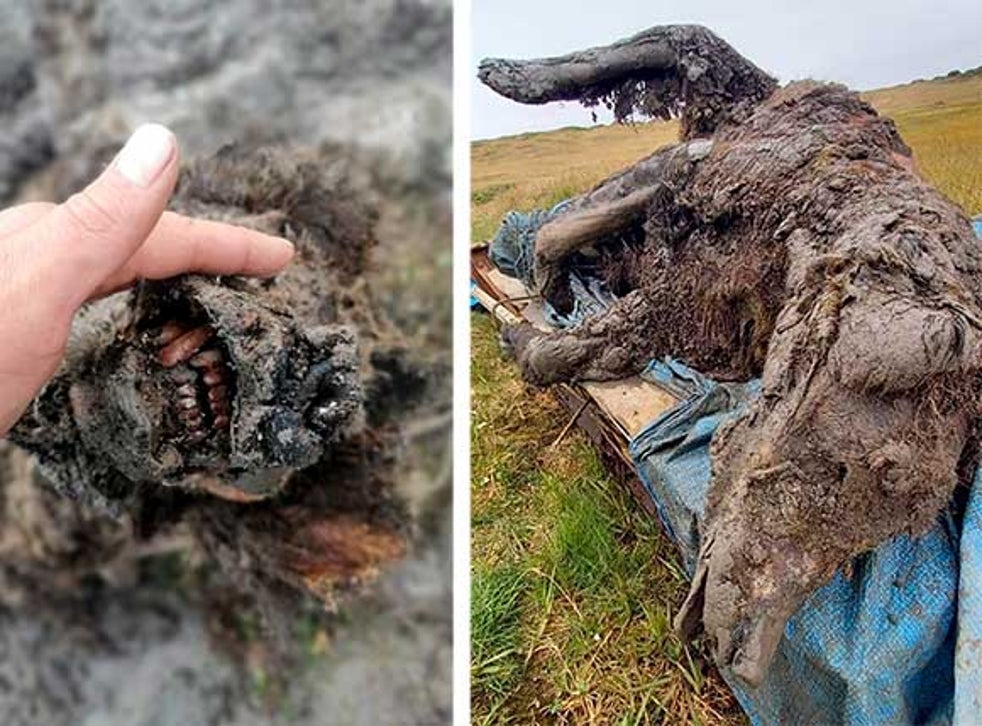
Reindeer herders working on Bolshoy Lyakhovsky Island in arctic Russia have stumbled upon an incredibly well-preserved cave bear, in what scientists say is a discovery of “world importance.”

When it comes to studying extinct cave bears, paleontologists have traditionally dealt with scattered bones and the odd skull. That’s why this new discovery is so important, as the body of the adult cave bear is “completely preserved” with “all internal organs in place including even its nose,” as scientist Lena Grigorieva explained in a North-Eastern Federal University (NEFU) press release describing the specimen. The finds are of “great importance for the whole world,” she added.

The carcass—now the only known fully intact adult cave bear—was discovered by reindeer herders on the island of Bolshoy Lyakhovsky, which is located in arctic Russia between the Laptev Sea and the East Siberian Sea. Bolshoy Lyakhovsky is the largest of the Lyakhovsky Islands—a part of the New Siberian Islands archipelago.

Cave bears (Ursus spelaeus) went extinct just prior to the end of the last ice age some 15,000 years ago, though possibly as early as 27,800 years ago. Cave bears and modern bears diverged from a common ancestor around 1.2 million to 1.4 million years ago. They were quite large, weighing upwards of 1,540 pounds (700 kg), and were possibly omnivorous.

A preliminary estimate places the age of the newly discovered cave bear at between 22,000 and 39,500 years old. This large window needs to be constrained, and that’ll hopefully be accomplished by a radiocarbon analysis, as senior researcher Maxim Cheprasov from the Mammoth Museum laboratory in Yakutsk explained in the NEFU press release.

The remains will be studied by NEFU researchers in Yakutsk, along with Russian colleagues and international collaborators who will be invited to join the study. Possibilities for research are wide open: isotopic analysis of teeth could point to diet and geographical range; DNA analysis could offer new insights into its evolutionary history and unique genetic traits; and an analysis of its stomach contents could likewise shed light on its diet. It would be good to know, for example, if this beast was an obligate herbivore or an opportunistic omnivore like the modern brown bears it resembles.

In a separate but related discovery, a well-preserved cave bear cub was found on the mainland of Yakutia. Indeed, discoveries from arctic Russia seem to be increasing in frequency as the permafrost melts in Siberia. Recently, ice age lion cubs were found in Yakutsk, and an analysis of their DNA revealed more about the family tree of these extinct creatures.

https://gizmodo.com/ice-age-cave-bear-found-exquisitely-preserved-in-siberi-1845061915

Bees force plants to flower early by cutting holes in their leaves

By Alice Klein

Hungry bumblebees can coax plants into flowering and making pollen up to a month earlier than usual by punching holes in their leaves.

Bees normally come out of hibernation in early spring to feast on the pollen of newly blooming flowers. However, they sometimes emerge too early and find that plants are still flowerless and devoid of pollen, which means the bees starve.

Fortunately, bumblebees have a trick up their sleeves for when this happens. Consuelo De Moraes at ETH Zurich in Switzerland and her colleagues discovered that worker bumblebees can make plants flower earlier than normal by using their mouthparts to pierce small holes in leaves.

In a series of laboratory and outdoor experiments, the researchers found that bumblebees were more likely to pierce holes in the leaves of tomato plants and black mustard plants when deprived of food. The leaf damage caused the tomato plants to flower 30 days earlier than usual and the black mustard plants to flower 16 days earlier.

It is still a mystery how the leaf damage promotes early blooming. Previous studies have found that plants sometimes speed up their flowering in response to stressors like intense light and drought, but the effects of insect damage haven’t been studied much.

De Moraes and her colleagues were unable to induce early flowering by punching holes in the plant leaves themselves. This suggests that bees may provide additional cues that encourage flowering, like injecting chemicals from their saliva into the leaves when they pierce them. “We hope to explore this in future work,” she says.

Read more: https://www.newscientist.com/article/2244009-bees-force-plants-to-flower-early-by-cutting-holes-in-their-leaves/#ixzz6NBO04hUl

Forest Fungi Ride Out Wildfires by Hiding Inside Plants

by Annie Greene

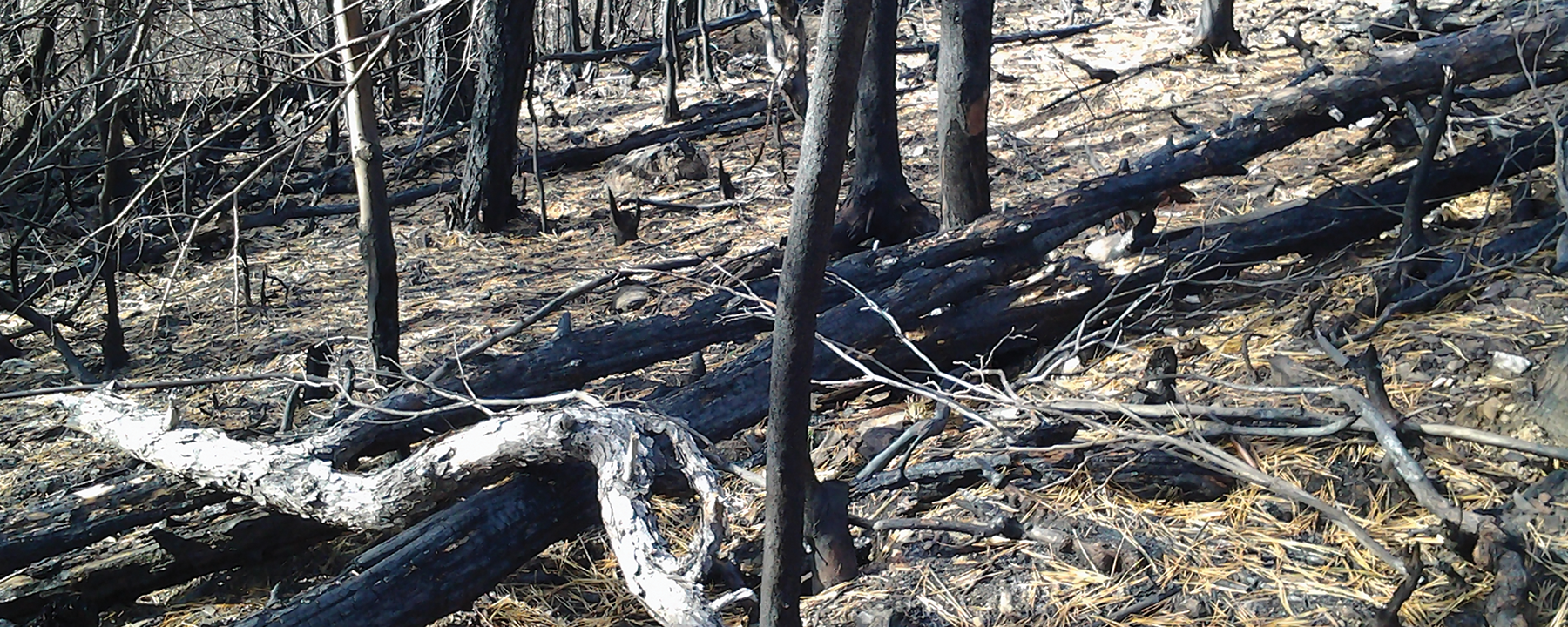
After the Chimney Tops 2 Wildfire charred 11,000 acres of the Great Smoky Mountains National Park along the North Carolina–Tennessee state line in November 2016, rangers closed affected trails to visitors. Mycologists Andy N. Miller and Karen Hughes and their teams were an exception. Toting hard hats and sample collection kits, these scientists jumped at the opportunity to track down their research subjects: pyrophilous (“fire-loving”) fungi, which produce mushrooms prolifically after forest fires and then disappear as the forest recovers.

The severely burned areas of the Smokies were almost completely lifeless two months after the blaze, when the group first ventured into the affected zone. “The level of destruction was incredible,” recounts Hughes, a researcher at the University of Tennessee, Knoxville, in an email to The Scientist. “Everything I touched left black carbon on my hands. It was incredibly quiet.” Miller, who is based at the University of Illinois Urbana-Champaign, also noted a surreal lack of activity. “There’s nothing running around, no birds singing,” he says. To him, the site smelled “like a house had burned up.” When the researchers returned to their collection sites a few months later, however, their mushrooms of interest had risen from the ashes. Miller noticed that when these fungi surface, they do so en masse: “They’re less than a millimeter in diameter, but there’s a lot of them, and once you train your eyes, they’re just all over the place.”

The researchers were interested in documenting which species of pyrophilous fungi are present in the Smokies. They also wanted to test a theory about where the fungi go during the long periods between forest fires. Some fire-loving fungi are known to lie dormant in the dirt as spores or other heat-tolerant structures until post-fire soil conditions trigger growth and reproduction. Other species exist between burns in a vegetative state, aiding decomposition of dead organisms or interacting with tree roots. But many fire-loving fungi don’t fit into any of these categories. A new proposal, known as the body snatchers hypothesis, posits that some pyrophilous fungi hide out inside plants or lichens in between fires, nestling among host cells in a so-called endophytic or endolichenic state.

To test the hypothesis, the researchers traveled to the burn site every few months for more than a year to sample the soil, as well as the mosses and lichens that sprang up while the forest recovered. They also gathered specimens from unburned areas of the park for comparison. In May 2018, members of Miller’s lab began analyzing the samples they’d collected. DNA sequencing results identified a total of 22 pyrophilous fungal species in the Smokies. Of these, three species were present only in the soil, while the remaining 19 were found inside plant samples from burned and unburned areas, either exclusively or in addition to being found in the soil. In line with the body snatchers hypothesis, “almost all of our pyrophilous fungi were found as endophytes,” Miller says.

Mosses and lichens often live in difficult-to-reach places such as rock crevices and may be hardy enough to withstand minor flames, so fungi living inside these hosts could theoretically survive a low-intensity wildfire. But it’s still unclear how all of these organisms might persist through a moderate or severe burn, and how a fire-loving fungus would escape its host to recolonize a charred forest. Hughes has a hypothesis based on her observations at the burn site: “After the fire, I saw numerous tiny lichen fragments on the burned soil, as if they had been lofted into the air while trees were burning and settled on the ground after the fire,” she says. These burned plant fragments may inoculate the soil with the fungi they harbor, giving the fire-loving fungi a way into the dirt.

This is a feasible way for both a pyrophilous fungus and its host to rebound after a fire and maintain their relationship, according to Keith Clay, who studies plant-fungus interactions at Tulane University and was not involved with this study. “If [a moss fragment] lands in a good place, it can regenerate the whole plant,” says Clay. “If the endophyte is in that fragment, presumably it can just colonize these newly grown plants as well from the get-go.” Post-fire fungi may also acquire new hosts after a burn, Miller notes. One mushroom can produce millions of airborne spores that likely land on nearby mosses and lichens, germinate, and invade the tissues of these new hosts, he says.

To check whether their findings might apply to other forests, Miller and Hughes analyzed moss and lichen samples from other sites around the US. A handful of the fire-loving fungi identified in the Smokies were also present as endophytes in Indiana and Alaska. That result was surprising because “there was really no evidence that a fire had occurred in the last few years in those areas,” Miller says. “What are they doing there if they’re not waiting for a fire to come along?”

One possibility is that, while body snatching between fires, pyrophilous fungi use their plant hosts as nutrient sources, says Clay. He notes that many plants and fungi have mutualistic endophytic relationships, where the plant typically provides the fungus with “a home where they can live and sugars, carbon, from photosynthesis.” In return, the fungus often produces alkaloids that benefit the host. Yet for the pyrophilous fungi examined in this study, Clay says, “what they offer the plant is not clear.” Sydney Glassman, a microbial ecologist at the University of California, Riverside, who was not involved with the study, notes that in vitro assays using carbon isotopes could help uncover these trade-offs by revealing “nutrient transfer between the plants and the fungus.”

Miller and his team plan to examine the details of fungus-host interactions by recreating body snatching in the lab and conducting long-term field studies, he notes. After all, many forests where pyrophilous fungi live go for decades without fire, he says. “So how is that relationship maintained?”

https://www.the-scientist.com/notebook/forest-fungi-ride-out-wildfires-by-hiding-inside-plants-67326?utm_campaign=TS_DAILY%20NEWSLETTER_2020&utm_source=hs_email&utm_medium=email&utm_content=86856096&_hsenc=p2ANqtz-8BKRYRGs_fo90ZncO_fmihHmxcb7igfgKB79gkfdKckRdyLVHnViIWWELwSyNw7QIkAcI47O7ksk1iFQ0kJDaX39xITA&_hsmi=86856096

Hitchhiking red-billed oxpeckers warn endangered rhinos when people are nearby


The black rhino was once the most populous rhino species on Earth, with an estimated 850,000 individuals roaming Africa. But poaching has devastated the species.


The red-billed oxpecker serves as an alarm bell for black rhinos, signaling nearby danger. The birds often eat pests like ticks from the backs of rhinos and other mammals, including livestock. Due to the practice of applying pesticides to livestock, the oxpecker has seen its numbers decline.

By Gloria Dickie

Red-billed oxpeckers hitching rides on the backs of black rhinos are a common sight in the African bush. The birds are best known for feeding from lesions full of ticks or other parasites on a rhino’s hide. But new research suggests that the relationship between the two species is much more mutualistic (SN: 10/9/02). Shouty and shrill oxpeckers can serve as an alarm bell, alerting black rhinos to the presence of people, scientists report April 9 in Current Biology. That could help the endangered animals evade poachers, the researchers propose.

“Rhinos are as blind as bats,” explains Roan Plotz, a behavioral ecologist at Victoria University in Melbourne, Australia. Even in close proximity, a rhino might struggle to notice lurking danger by sight. But the oxpecker easily can, unleashing a sharp call to warn of intruders.

In South Africa’s Hluhluwe–iMfolozi Park, Plotz and his colleague Wayne Linklater of California State University, Sacramento approached 11 black rhinos (Diceros bicornis) by foot on the open plain on 86 occasions. The team found that those rhinos with a red-billed oxpecker (Buphagus erythrorhynchus) tagging along were much better at detecting the researchers’ presence than those without.

“Rhinos without oxpeckers on their back were able to detect our approaches just 23 percent of the time whereas rhinos with oxpeckers detected them every single time,” Plotz says. Rhinos listening to an oxpecker’s heads-up also picked up on the approaching scientists from 61 meters away, more than twice as far as when the rhinos were alone.

All rhinos responded to the oxpeckers’ alarm calls by becoming vigilant — standing up from a resting position, for example — and turning to face downwind, their sensory blind spot. The rhinos then either ran away or walked downwind to investigate the potential danger.

Black rhinos were once the most numerous species of rhino in the world. But poaching for traditional Chinese medicine has devastated the species (SN: 11/17/79). Though poaching has slowed since its peak in 2015, just 5,500 black rhinos remain in the wild and conservationists are searching for solutions that could permanently protect the critically endangered species.

The red-billed oxpecker has also declined. The birds feed on ticks, including those burrowed in cattle, but for decades, farmers treated their livestock with pesticides to kill the parasites. This inadvertently transferred the poison to oxpeckers, causing them to die out in some regions in Africa. In turn, many black rhinos must navigate the landscape without their avian companions. Given the study’s findings, Plotz thinks conservationists should consider reintroducing oxpecker sentinels to rhino populations.

“The oxpeckers are clearly adding a new depth and dimension to rhino awareness levels,” says animal ecologist Jo Shaw, Africa rhino program manager at World Wildlife Fund South Africa. “This emphasizes further the complex webs between species within ecosystems and the need for conservationists to work to ensure all functions remain intact.”

However, wildlife ecologist Michael Knight, chair of the International Union for Conservation of Nature’s African Rhino Specialist Group, cautions that a lot of poaching takes place during full-moon nights when sleeping oxpeckers would be of less assistance.

Hitchhiking oxpeckers warn endangered rhinos when people are nearby

20 minutes in nature a day is your ticket to feeling better

Nature soothes our stressed-out souls. We instinctively know nature is the best prescription, but research is revealing how little time we need to set aside to reap the benefits.

In one study, published in the journal Frontiers in Psychology, researchers tried to identify the most effective “dose” of nature within the context of normal daily life. As more doctors prescribe nature experiences for stress relief and other health benefits — sometimes referred to as a “nature pill” — the study’s authors hoped to clarify the details of these treatments. More biophilia is generally better for us, but since not everyone can spend all day in deep wilderness, the study looked for a sweet spot.

“We know that spending time in nature reduces stress, but until now it was unclear how much is enough, how often to do it, or even what kind of nature experience will benefit us,” says lead author MaryCarol Hunter, an associate professor at the University of Michigan’s School for Environment and Sustainability, in a statement. “Our study shows that for the greatest payoff, in terms of efficiently lowering levels of the stress hormone cortisol, you should spend 20 to 30 minutes sitting or walking in a place that provides you with a sense of nature.”

A nature pill can be a low-cost, low-risk way to curb the negative health effects of urbanization and indoor lifestyles. To find the most efficient dosage, Hunter and her co-authors asked 36 city dwellers to have nature experiences of at least 10 minutes three times per week over eight weeks. (A nature experience was defined as “anywhere outside that, in the opinion of the participant, made them feel like they’ve interacted with nature,” Hunter explains.) Every two weeks, the researchers collected saliva samples to measure levels of the stress hormone cortisol, both before and after the participants took their nature pill.

The data showed that just a 20-minute nature experience was enough to significantly reduce cortisol levels. The effect was most efficient between 20 to 30 minutes, after which benefits continued to accrue but at a slower rate. Researchers in the United Kingdom who analyzed the routines of roughly 20,000 people came up with a similar prescription: 2 hours a week total spent in a park or woodland setting will improve your health.

Nature time doesn’t have to mean exercise, either

Those results dovetail with the findings of other studies, one of which found that spending 20 minutes in an urban park can make you happier, regardless of whether you use that time to exercise. That study was published in the International Journal of Environmental Health Research,

“Overall, we found park visitors reported an improvement in emotional well-being after the park visit,” lead author and University of Alabama at Birmingham professor Hon K. Yuen said in a statement. “However, we did not find levels of physical activity are related to improved emotional well-being. Instead, we found time spent in the park is related to improved emotional well-being.”

For this study, 94 adults visited three urban parks in Mountain Brook, Alabama, completing a questionnaire about their subjective well-being before and after their visit. An accelerometer tracked their physical activity. A visit lasting between 20 and 25 minutes demonstrated the best results, with a roughly 64 percent increase in the participants’ self-reported well-being, even if they didn’t move a great deal in the park. That last point is particularly positive, since it means most anyone can benefit from visiting a nearby park, regardless of age or physical ability.

The study’s co-author and another UAB professor, Gavin Jenkins, acknowledges the study pool was small, but its findings illustrate the importance of urban parks.

“There is increasing pressure on green space within urban settings,” Jenkins said in the statement. “Planners and developers look to replace green space with residential and commercial property. The challenge facing cities is that there is an increasing evidence about the value of city parks but we continue to see the demise of theses spaces.”

In another review published in Frontiers in Psychology, researchers at Cornell University examined the results of 14 studies that focused on the impact of nature on college students. They found that you might not even need the full 20 minutes to reap the benefits of some outdoor time. The studies showed that as little as 10–20 minutes of sitting or walking in nature can help college students feel happier and less stressed.

“It doesn’t take much time for the positive benefits to kick in,” said lead author Gen Meredith, associate director of the Master of Public Health Program and lecturer at the College of Veterinary Medicine, in a statement. “We firmly believe that every student, no matter what subject or how high their workload, has that much discretionary time each day, or at least a few times per week.”

https://www.mnn.com/health/fitness-well-being/blogs/urban-park-20-minutes-feel-better-study

Ecuadorian Cactus Absorbs Ultrasound, Enticing Bats to Flowers

by EMILY MAKOWSKI

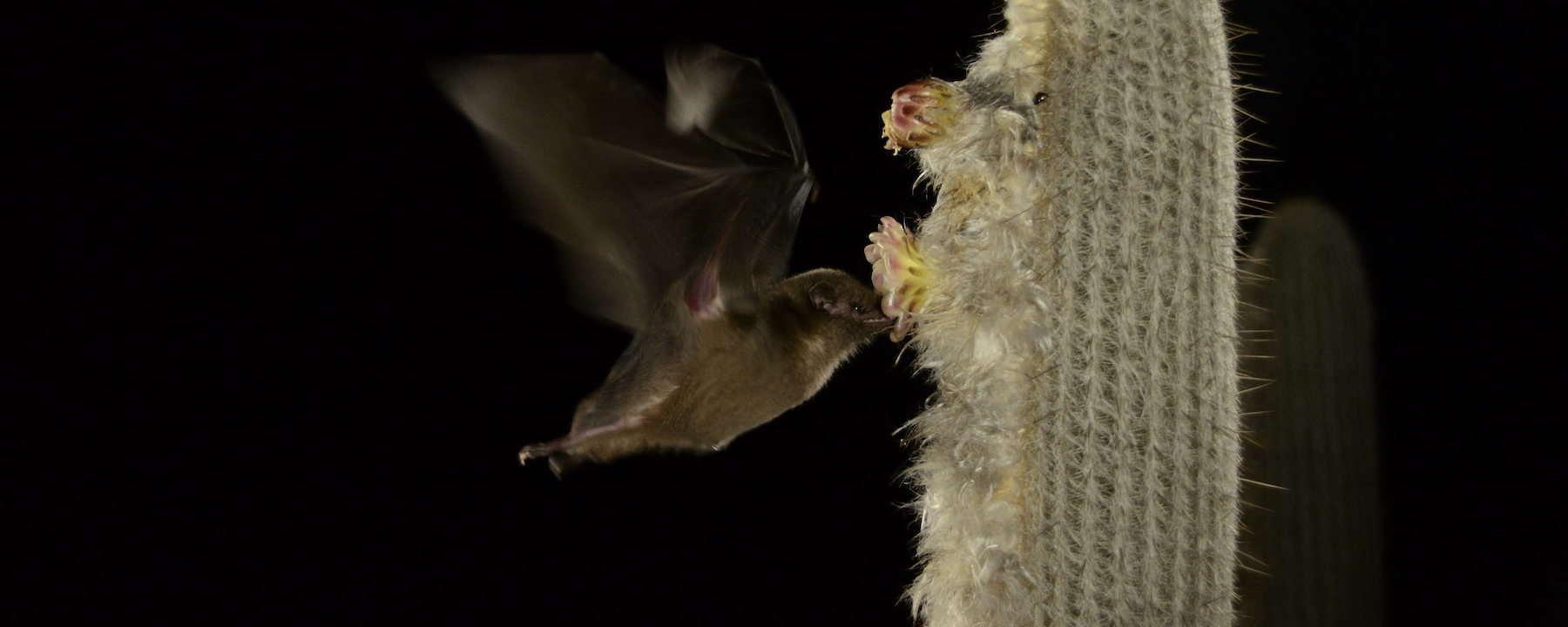
Plants pollinated by nectar-drinking bats often have flowers that reflect ultrasonic waves, making it easier for the animals to locate flowers through echolocation. But one cactus does the opposite—it absorbs more ultrasound in the area surrounding its flowers, making them stand out against a “quieter” background, according to a preprint published on bioRxiv last month.

Espostoa frutescens is a type of column-shaped cactus found only in the Ecuadorian Andes mountains. It has small flowers on its side that open at night, attracting bats as they fly from flower to flower in search of nectar. One of its main pollinators is Geoffroy’s tailless bat (Anoura geoffroyi).

“Bats are really good pollinators,” Ralph Simon, a postdoc in Wouter Halfwerk’s lab at Vrije Universiteit Amsterdam and the lead author of the preprint, tells The Scientist. “They carry a lot of pollen in their fur, and they have a huge home range so they can transport pollen from plants that grow far apart. For plants with a patchy distribution pattern like this cactus, it’s especially beneficial to rely on bats for pollination,” he says.

For bats to find the flowers at night, they use echolocation, emitting ultrasonic calls too high for humans to hear that bounce off objects and allow the bats to form a mental map of their surroundings. Some plants have evolved techniques that take advantage of this sonar system and allow bats to better detect flowers, such as making their petals more concave, forming a more reflective surface that can bounce more echolocation back to the bat. But E. frutescens takes a different approach.

Each of E. frutescens’s flowers are surrounded by an area of wooly hairs called the cephalium. Simon and colleagues knew from past measurements that the hairs were sound-absorbent, and were interested in seeing whether this part of the cactus could be involved in helping bats find the flowers. They attached a microphone and speaker to a device resembling the shape and size of a bat head in order to mimic a bat, and played prerecorded echolocation calls to the cacti and measured how much sound was reflected back to the bat replica.

The team found that the hairy cephalium absorbed ultrasound, and that the greatest absorption occurred above 90 kHz, in the range of the frequency of Geoffroy’s tailless bat’s echolocation call. The sound that bounced back to the microphone from the cephalium area was about 14 decibels quieter than the sound that bounced off the non-hairy part of the cacti.

It’s a “totally different mechanism” than the reflection method other cacti use, says Simon. “Instead of making the flowers conspicuous, it dampens the background. The background absorbs the ultrasound, and the flowers show up in [the middle of] this absorbent fur.”

This mechanism makes sense from a communication standpoint, writes May Dixon, a graduate student studying bat behavior in Mike Ryan’s lab at the University of Texas at Austin who was not involved with the study, in an email to The Scientist. “If you are trying to send a message, you have to think not only about the message itself but also the context. For example, if you are calling someone, you should be loud enough for them to hear, sure, but you should also call from a quiet place,” she says.

“There is something wonderful about the ways that plants have found to communicate with animals through evolution,” Dixon notes. “A cactus has no sense of what it is to be a bat—it can’t see, smell, or echolocate—but here it is, sending a bat a message in a language that a bat can understand.”

The cephalium appears to have originally evolved to protect flowers from environmental stressors such as UV rays, drying out, getting too cold, or being eaten, but “during evolution, it co-opted another function, and it functions as a sound absorbing structure as well,” says Simon. The evolution of this mechanism benefits both cactus and bat. “From the bat point of view, with this mechanism, they save time. And for them, it’s important to save time, because they have to visit several hundred flowers each night to get enough energy,” he says.

The current study did not look at whether sites on the plants with the highest sound absorption in the bats’ echolocation range “indeed resulted in the highest detection and visitation rates by bats,” says Jan Komdeur, an evolutionary ecologist at University of Groningen in the Netherlands who did not participate in the research, in an email to The Scientist. In the future, researchers could investigate how often real-life bats approach hairy versus experimentally manipulated hairless flowers, he suggests.

Jorge Schondube, an ecologist at the Universidad Nacional Autónoma de México who was not involved with the study, agrees that research on real-life bats is needed. “The pattern’s very clear, but now [researchers] need to show how the mechanism is actually changing the behavior of the bats,” he says.

Still, he’s impressed by the findings so far. “Nature is very creative. And by being creative, it allows the origin of completely new and unimaginable things. It’s really surprising that something like this can happen, and the paper shows it really, really beautifully. . . . What we’re seeing here is something that has not been seen before in terms of sound.”

https://www.the-scientist.com/news-opinion/ecuadorian-cactus-absorbs-ultrasound–enticing-bats-to-flowers-66981?utm_campaign=TS_DAILY%20NEWSLETTER_2020&utm_source=hs_email&utm_medium=email&utm_content=82166272&_hsenc=p2ANqtz-9in3Tqjl731fVW0JE_k3Ht2NOEvCOnql7E5ADhmEp4j43Rrs5Q6gxTipSPvHXAs-8C6MvOvVFdBpktnFeyya1pvZPF2A&_hsmi=82166272