F.D.A. Agrees to New Trials for Ecstasy as Relief for PTSD Patients

mdma

By DAVE PHILIPPS

After three tours in Iraq and Afghanistan, C. J. Hardin wound up hiding from the world in a backwoods cabin in North Carolina. Divorced, alcoholic and at times suicidal, he had tried almost all the accepted treatments for post-traumatic stress disorder: psychotherapy, group therapy and nearly a dozen different medications.

“Nothing worked for me, so I put aside the idea that I could get better,” said Mr. Hardin, 37. “I just pretty much became a hermit in my cabin and never went out.”

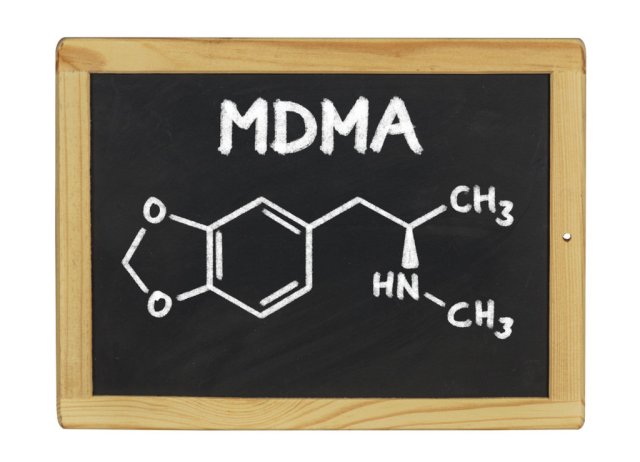
Then, in 2013, he joined a small drug trial testing whether PTSD could be treated with MDMA, the illegal party drug better known as Ecstasy.

“It changed my life,” he said in a recent interview in the bright, airy living room of the suburban ranch house here, where he now lives while going to college and working as an airplane mechanic. “It allowed me to see my trauma without fear or hesitation and finally process things and move forward.”

Based on promising results like Mr. Hardin’s, the Food and Drug Administration gave permission Tuesday for large-scale, Phase 3 clinical trials of the drug — a final step before the possible approval of Ecstasy as a prescription drug.

If successful, the trials could turn an illicit street substance into a potent treatment for PTSD.

Through a spokeswoman, the F.D.A. declined to comment, citing regulations that prohibit disclosing information about drugs that are being developed.

“I’m cautious but hopeful,” said Dr. Charles R. Marmar, the head of psychiatry at New York University’s Langone School of Medicine, a leading PTSD researcher who was not involved in the study. “If they can keep getting good results, it will be of great use. PTSD can be very hard to treat. Our best therapies right now don’t help 30 to 40 percent of people. So we need more options.”

But he expressed concern about the potential for abuse. “It’s a feel-good drug, and we know people are prone to abuse it,” he said. “Prolonged use can lead to serious damage to the brain.”

The Multidisciplinary Association for Psychedelic Studies, a small nonprofit created in 1985 to advocate the legal medical use of MDMA, LSD, marijuana and other banned drugs, sponsored six Phase 2 studies treating a total of 130 PTSD patients with the stimulant. It will also fund the Phase 3 research, which will include at least 230 patients.

Two trials here in Charleston focused on treating combat veterans, sexual assault victims, and police and firefighters with PTSD who had not responded to traditional prescription drugs or psychotherapy. Patients had, on average, struggled with symptoms for 17 years.

After three doses of MDMA administered under a psychiatrist’s guidance, the patients reported a 56 percent decrease of severity of symptoms on average, one study found. By the end of the study, two-thirds no longer met the criteria for having PTSD. Follow-up examinations found that improvements lasted more than a year after therapy.

“We can sometimes see this kind of remarkable improvement in traditional psychotherapy, but it can take years, if it happens at all,” said Dr. Michael C. Mithoefer, the psychiatrist who conducted the trials here. “We think it works as a catalyst that speeds the natural healing process.”

The researchers are so optimistic that they have applied for so-called breakthrough therapy status with the Food and Drug Administration, which would speed the approval process. If approved, the drug could be available by 2021.

Under the researchers’ proposal for approval, the drug would be used a limited number of times in the presence of trained psychotherapists as part of a broader course of therapy. But even in those controlled circumstances, some scientists worry that approval as a therapy could encourage more illegal recreational use.

“It sends the message that this drug will help you solve your problems, when often it just creates problems,” said Andrew Parrott, a psychologist at Swansea University in Wales who has studied the brains of chronic Ecstasy users. “This is a messy drug we know can do damage.”

Allowing doctors to administer the drug to treat a disorder, he warned, could inadvertently lead to a wave of abuse similar to the current opioid crisis.

During initial studies, patients went through 12 weeks of psychotherapy, including three eight-hour sessions in which they took MDMA. During the sessions, they lay on a futon amid candles and fresh flowers, listening to soothing music.

Dr. Mithoefer and his wife, Ann Mithoefer, and often their portly terrier mix, Flynn, sat with each patient, guiding them through traumatic memories.

“The medicine allows them to look at things from a different place and reclassify them,” said Ms. Mithoefer, a psychiatric nurse. “Honestly, we don’t have to do much. Each person has an innate ability to heal. We just create the right conditions.”

Research has shown that the drug causes the brain to release a flood of hormones and neurotransmitters that evoke feelings of trust, love and well-being, while also muting fear and negative emotional memories that can be overpowering in patients with post-traumatic stress disorder. Patients say the drug gave them heightened clarity and ability to address their problems.

For years after his combat deployments, Mr. Hardin said he was sleepless and on edge. His dreams were marked with explosions and death. The Army gave him sleeping pills and antidepressants. When they didn’t work, he turned to alcohol and began withdrawing from the world.

“I just felt hopeless and in the dark,” he said. “But the MDMA sessions showed me a light I could move toward. Now I’m out of the darkness and the world is all around me.”

Since the trial, he has gone back to school and remarried.

The chemist Alexander Shulgin first realized the euphoria-inducing traits of MDMA in the 1970s, and introduced it to psychologists he knew. Under the nickname Adam, thousands of psychologists began to use it as an aid for therapy sessions. Some researchers at the time thought the drug could be helpful for anxiety disorders, including PTSD, but before formal clinical trails could start, Adam spread to dance clubs and college campuses under the name Ecstasy, and in 1985, the Drug Enforcement Administration made it a Schedule 1 drug, barring all legal use.

Since then, the number of people seeking treatment for PTSD has exploded and psychiatry has struggled to keep pace. Two drugs approved for treating the disorder worked only mildly better than placebos in trials. Current psychotherapy approaches are often slow and many patients drop out when they don’t see results. Studies have shown combat veterans are particularly hard to treat.

In interviews, study participants said MDMA therapy had not only helped them with painful memories, but also had helped them stop abusing alcohol and other drugs and put their lives back together.

On a recent evening, Edward Thompson, a former firefighter, tucked his twin 4-year-old girls into bed, turned on their night light, then joined his wife at a backyard fire.

“If it weren’t for MDMA … ” he said.

“He’d be dead,” his wife, Laura, finished.

They both nodded.

Years of responding to gory accidents left Mr. Thompson, 30, in a near constant state of panic that he had tried to numb with alcohol and prescription opiates and benzodiazepines.

By 2015, efforts at therapy had failed, and so had several family interventions. His wife had left with their children, and he was considering jumping in front of a bus.

A member of a conservative Anglican church, Mr. Thompson had never used illegal drugs. But he was struggling with addiction from his prescription drugs, so he at first rejected a suggestion by his therapist that he enter the study. “In the end, I was out of choices,” he said.

Three sessions with the drug gave him the clarity, he said, to identify his problems and begin to work through them. He does not wish to take the drug again.

“It gave me my life back, but it wasn’t a party drug,” he said. “It was a lot of work.”

Cat ownership linked to schizophrenia and other mental illness

A pair of new studies links childhood cat ownership and infection with the parasite Toxoplasma gondii (T. gondii) with later onset schizophrenia and other mental illness. Researchers published their findings in the online Schizophrenia Research and Acta Psychiatrica Scandinavica.

In the Schizophrenia Research study, investigators compared two previous studies that suggested childhood cat ownership could be a possible risk factor for schizophrenia or another serious mental illness with a third, even earlier survey on mental health to see if the finding could be replicated.

“The results were the same,” researchers reported, “suggesting that cat ownership in childhood is significantly more common in families in which the child later becomes seriously mentally ill.”

If accurate, the researchers expect the culprit to be infection with T. gondii, a parasite commonly carried by cats. At this point, though, they are urging others to conduct further studies to clarify the apparent link between cat ownership and schizophrenia.

The Acta Psychiatrica Scandinavica study was a meta-analysis of 50 previously published studies to investigate the prevalence of t. gondii infection in people diagnosed with psychiatric disorders compared with healthy controls.

In cases of schizophrenia, researchers said evidence of an association with T. gondii was “overwhelming,” CBS News reported. Specifically, people infected with T. gondii were nearly twice as likely to be diagnosed with schizophrenia as people never infected with the parasite, according to the report.

The meta-analysis also suggested associations between T. gondii infection and bipolar disorder, obsessive-compulsive disorder, and addiction. No association, however, was found for major depression.

—Jolynn Tumolo

References

1. Fuller Torrey E, Simmons W, Yolken RH. Is childhood cat ownership a risk factor for schizophrenia later in life? Schizophrenia Research. 2015 April 18. [Epub ahead of print].

2. Sutterland AL, Fond G, Kuin A, et al. Beyond the association. Toxoplasma gondii in schizophrenia, bipolar disorder, and addiction: systematic review and meta-analysis. Acta Psychiatrica Scandinavica. 2015 April 15. [Epub ahead of print].

http://www.psychcongress.com/article/studies-link-cat-ownership-schizophrenia-other-mental-illness

The mechanics of laughter

When the General Assembly of the United Nations proclaimed March 20 the International Day of Happiness, it was more than a frivolous feel-good holiday. The aim was to inspire 100 million to promote the universal goal of happiness and well-being around the world.

And while the U.N. admirably frames the day as way to talk about a more “inclusive, equitable and balanced approach” to the economic growth that can lead to more global happiness, we’re taking another approach. We’re talking laughter.

But there’s a funny thing about laughter: It’s so much more than an indication of happiness.

Laughing serves a social function. Some suggest that the first human laughter was a group ­gesture of relief at the passing of danger; and since laughter relaxes the biological fight-or-flight response, laughter may indicate trust in one’s company.

Likewise, many researchers think that laughter is connected to bonding.

“Laughter occurs when people are comfortable with one another, when they feel open and free. And the more laughter, the more bonding within the group,” says cultural anthropologist Mahadev Apte.

Behavioral neurobiologist and expert laughter researcher (that’s a thing) Robert Provine believes that laughter serves as a social signal. And indeed, other scientists concur; studies show that people are 30 times more likely to laugh in social settings than when they are alone.

The social science of laughter

Laughter is part of a universal human language. It is understood across cultures … and unlike words and syntax, which we have to learn, we are born with the capacity for giggles and tittering.

When we laugh, it happens unconsciously. We don’t think, “Hey, that’s funny, I’ll respond by laughing.” Although we can consciously be “in the moment” of our laughter, we can’t make true laughter just happen.

And while laughter isn’t always sparked by happiness, it often ends up there. Some experts believe that laughter is used to process things that are difficult to understand. Consider the nervous laughter during an intense event or the seemingly out-of-place laughter during funerals. These are the moments in life where things don’t make sense, and laughter is the behavior that evolved to respond to such times.

In these cases, maybe laughter can be best considered a defense against suffering and despair; as Psychology Today notes when addressing the topic of tittering, “If we can joke about a disappointing or traumatic event, we’ll often find ourselves feeling that what’s happened to us isn’t so bad and that we’ll be able to get through it.”

And then, happiness ensues.

Interestingly, researchers have found that a way a person laughs is a good indicator of his or her social power. People with high status tend to laugh louder and higher in pitch with fewer inhibitions, while people with lower status have laughter that is shorter, lower in pitch and more airy. The study, which was published in the Journal of Experimental Social Psychology, found that it observers can immediately pick up on someone’s social standing by listening to how he or she laughs.


Laughter and your brain

While we know that ce­rtain regions of the brain host certain functions, researchers have found that the production of laughter happens in various parts of our gray matter. The relationship between laughter and the brain is not fully understood, but some things are known. Although emotional responses are thought to be distinct to specific sections of the brain, laughter appears to be created by a circuit that runs through numerous areas. Furthermore, the limbic system — the complex network of nerves beneath the cerebral cortex that deals with instinct and mood — seems to be central in the process of laughing.

The average human laughs 17 times a day, and aside from stress-induced laughter, most laughter is a reaction to humor. Upon a funny scenario, more than a dozen facial muscles contract and the zygomatic major muscle becomes stimulated, resulting in a smile. The epiglottis interferes with the larynx and disrupts the respiratory system just enough so that air intake becomes irregular, making the laugher gasp.

When things really get going, the tear ducts are activated, leaving many of us laughing until we cry.

Provine did a study on the sonic structure of laughter and found that all human laughter consists of basic short notes repeated every 210 milliseconds. Laughter can be comprised of “ha”s or “ho”s, he says, but not both. Provine also says that we have a “detector” that reacts to laughter by triggering other neural circuits in the brain, which ends up generating more laughter. This explains how sometimes when we start laughing, we can’t stop; why this seems to happen so frequently in church and lecture halls has yet to be determined.

A wonderful thing about laughing – aside from just the pure pleasure of it – are the health benefits bestowed by the act; it can actually change your body. Consider the following:

It can stimulate your heart, lungs, muscles and endorphin release by enhancing your oxygen intake.

It relieves your stress response, leading to feelings of increased pleasantness.

It can tame tension by stimulating circulation and helping muscle relaxation, both of which help reduce some physical symptoms of stress.

It may improve your immune system. The Mayo Clinic tells us that negative thoughts “manifest into chemical reactions that can affect your body by bringing more stress into your system and decreasing your immunity.” Conversely, positive thoughts release neuropeptides that help conquer stress and possibly other stress-related illness.

It potentially soothes pain by encouraging the body to produce its own natural painkillers.

And perhaps loveliest of all; laughter is infectious. The simple act of laughing can help not only you, but those around you. It’s the best kind of contagion.

http://www.mnn.com/health/fitness-well-being/stories/happiness-101-the-mechanics-of-laughter

Pupil response to negative facial expressions predicts risk for depression relapse

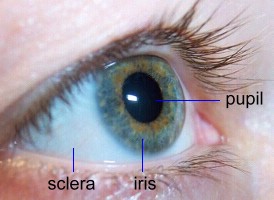
Pupil dilation in reaction to negative emotional faces predicts risk for depression relapse, according to new research from Binghamton University, State University of New York.

Researchers at Binghamton University, led by PhD student Anastacia Kudinova, aimed to examine whether physiological reactivity to emotional stimuli, assessed via pupil dilation, served as a biological marker of risk for depression recurrence among individuals who are known to be at a higher risk due to having previous history of depression. Participants were 57 women with a history of major depressive disorder (MDD). The researchers recorded the change in pupil dilation in response to angry, happy, sad and neutral faces. The team found that women’s pupillary reactivity to negative (sad or angry faces) but not positive stimuli prospectively predicted MDD recurrence.

“The study focuses on trying to identify certain markers of depression risk using measures that are readily accessible, reliable and less expensive,” said Kudinova. “It is something we can put in any doctor’s office that gives us a quick and easy objective measure of risk.”

Additionally, the researchers found that both high and low reactivity to angry faces predicted risk for MDD recurrence. These findings suggest that disrupted physiological response to negative stimuli indexed via pupillary dilation could serve as a physiological marker of MDD risk, thus presenting clinicians with a convenient and inexpensive method to predict which of the at-risk women are more likely to experience depression recurrence.

“It’s a bit complicated because different patterns of findings were found for pupil reactivity to angry versus sad faces. Specifically, really high or really low pupil dilation to angry faces was associated with increased risk whereas only low dilation to sad faces was associated with risk (high dilation to sad faces was actually protective),” said Brandon Gibb, professor of psychology at Binghamton University and director of the Mood Disorders Institute and Center for Affective Science.

Other contributors to this research include Katie Burkhouse and Mary Woody, both PhD students; Max Owens, assistant professor of psychology at the University of South Florida, St. Petersburg; and Greg Siegle, associate professor of psychiatry at the University of Pittsburgh School of Medicine.
The paper, “Pupillary reactivity to negative stimuli prospectively predicts recurrence of major depressive disorder in women,” was published in Psychophysiology.

https://www.binghamton.edu/mpr/news-releases/news-release.html?id=2448

New drug for postpartum depression succeeds in mid-stage study

ppd

By Natalie Grover

Sage Therapeutics Inc said its drug alleviated symptoms of severe postpartum depression, meeting the main goal of a small mid-stage study and sending the company’s shares soaring.

About one in seven women experience postpartum depression that eventually interferes with her ability to take care of the baby and handle daily tasks, according to the American Psychological Association. There are no specific therapies for PPD. Existing options include standard antidepressants and psychotherapy.

Data on 21 patients showed that the drug, SAGE-547, achieved a statistically significant reduction in symptoms at 60 hours, compared to placebo, on a standard depression scale, Sage said in a news release reporting topline results from the study. (http://bit.ly/29KtPBI)

“This represented a greater than 20 point mean reduction in the depression scores of the SAGE-547 group at the primary endpoint of 60 hours through trial completion with a greater than 12 point difference from placebo. The statistically significant difference in treatment effect began at 24 hours, (p=0.006) with an effect that was maintained at similar magnitude through to the 30-day follow-up (p=0.01),” the company reported.

Typical antidepressants take about four-to-six weeks to take effect, trial investigator Samantha Meltzer-Brody told Reuters. “So the rapid onset of response of this drug is unlike anything else available in the field,” she said.

A woman with PPD can suffer a whirlwind of emotions, including severe anxiety, panic attacks, thoughts of harming herself or the baby, and feelings of worthlessness, shame, guilt or inadequacy.

Cambridge, Massachusetts-based Sage said it had initiated an expansion of the mid-stage study to determine optimal dosing for the injectable drug.

Sage is also evaluating the drug for use in super refractory status epilepticus (SRSE), a life-threatening seizure disorder, as well as essential tremor.

http://www.psychcongress.com/article/drug-postpartum-depression-succeeds-mid-stage-study-27946

New discovery on brain chemistry of patients with schizophrenia and their relatives

katharine-thakkar

People with schizophrenia have different levels of the neurotransmitters glutamate and gamma-aminobutyric acidergic (GABA) than healthy people do, and their relatives also have lower glutamate levels, according to a study published online in Biological Psychiatry.

Using magnetic resonance spectroscopy, researchers discovered reduced levels of glutamate — which promotes the firing of brain cells — in both patients with schizophrenia and healthy relatives. Patients also showed reduced levels of GABA, which inhibits neural firing. Healthy relatives, however, did not.

Researchers are unsure why healthy relatives with altered glutamate do not show symptoms of schizophrenia or how they maintain normal GABA levels despite a predisposition to the illness.

“This finding is what’s most exciting about our study,” said lead investigator Katharine Thakkar, PhD, assistant professor of clinical psychology at Michigan State University, East Lansing. “It hints at what kinds of things have to go wrong for someone to express this vulnerability toward schizophrenia. The study gives us more specific clues into what kinds of systems we want to tackle when we’re developing new treatments for this very devastating illness.”

The study included 21 patients with chronic schizophrenia, 23 healthy relatives of other people with schizophrenia not involved in the study, and 24 healthy nonrelatives who served as controls.

Many experts believe there are multiple risk factors for schizophrenia, including dopamine and glutamate-GABA imbalance. Drugs that regulate dopamine do not work for all patients with schizophrenia. Dr. Thakkar believes magnetic resonance spectroscopy may help clinicians target effective treatments for specific patients.

“There are likely different causes of the different symptoms and possibly different mechanisms of the illness across individuals,” said Dr. Thakkar.

“In the future, as this imaging technique becomes more refined, it could conceivably be used to guide individual treatment recommendations. That is, this technique might indicate that one individual would benefit more from treatment A and another individual would benefit more from treatment B, when these different treatments have different mechanisms of action.”

—Jolynn Tumolo

References

Thakkar KN, Rösler L, Wijnen JP, et al. 7T proton magnetic resonance spectroscopy of GABA, glutamate, and glutamine reveals altered concentrations in schizophrenia patients and healthy siblings [publisehd online ahead of print April 19, 2016]. Biological Psychiatry.
Study uncovers clue to deciphering schizophrenia [press release]. Washington, DC: EurekAlert!; June 7, 2016.

CDC Reports 24% Increase in US Suicide Rates

by Tori Rodriguez, MA, LPC

Although there was a consistent reduction in US suicide rates from 1986 through 1999, the trend appears to have reversed during the most recent investigation period. A new report from the Centers for Disease Control and Prevention (1) reveals that suicide rates increased by 24% from 1999 to 2014, with the greatest increase observed in the latter half of that period.

The increase occurred among males and females in all age groups from 10-74. While rates for males still exceed those for females, the gap began to narrow during the most recent period. Among females, the rate increase was almost triple that of males: 45% vs 16%.

While the highest suicide rate was observed among men aged 75 and older, there was a reduction of 8% in this group from the previous report. There was a 43% increase among males in the 45-64 age group, making it the group with the greatest rate increase and the second-highest suicide rate among males. The second highest increase (37%) occurred among males aged 10–14, although this group had the lowest rate among all of the age groups.

As with males, the suicide rate also decreased among females in the 75 and over group, by 11%. The steepest increase (200%) occurred among females aged 10-14, though the actual number of suicides in this age group was relatively small (150 in 2014). The females with the highest suicide rates comprised the 45-64 age group, which had the second greatest increase (63%) since the previous period. For females in the age groups of 15-24, 25-44, and 65-74, rate increases ranged from 31% to 53%.

The most common cause of suicide in females was poisoning, which accounted for 34.1% of cases, while the use of firearms accounted for more than half of male suicides (55.4%). Cases involving some form of suffocation–including hanging and strangulation–increased among both males and females.

Though the report does not provide possible explanations for these trends, other recent findings offer clues about a host of variables that could be influencing rates in the middle age brackets in particular, with especially strong support for economic issues as a potential influence. A study published in 2015 in the American Journal of Preventive Medicine, for example, found that economic and legal problems disproportionately affected adults aged 40-64 who had committed suicide (2). Research reported in 2014 showed a robust link between suicide rates and unemployment rates in adults in middle-aged adults but not other age groups, and according to a 2011 CDC study, suicide rates increased during periods of economic recession and declined during economic growth among people aged 25-64 years (3,4).

A co-author of the 2014 and 2015 studies, Julie A. Phillips, PhD, of the Institute for Health, Health Care Policy and Aging Research at Rutgers University, has received a grant from the American Foundation of Suicide to investigate the numerous variables that could be influencing the trend in middle-aged adults.

Additionally, a randomized controlled trial published in 2016 in PLoS Medicine found promising results with a brief, low-cost treatment designed to address the main risk factor for suicide: previous attempts (5).

An approach called the Attempted Suicide Short Intervention Program (ASSIP) was shown to reduce subsequent attempts by 80% among patients admitted to the emergency department after a suicide attempt.

If you or someone you know is experiencing suicidal thoughts, contact the National Suicide Prevention Line at 1-800-273-TALK (8255) and visit online at http://www.suicidepreventionlifeline.org.

References

1. Curtin SC, Warner M, Hedegaard H. Increase in suicide in the United States, 1999–2014. NCHS data brief, no 241. 2016; Hyattsville, MD: National Center for Health Statistics.

2. Hempstead KA, Phillips JA. Rising suicide among adults aged 40-64 years: the role of job and financial circumstances. Am J Prev Med. 2015; 48(5):491-500.

3. Phillips JA, Nugent CN. Suicide and the Great Recession of 2007-2009: the role of economic factors in the 50 U.S. states. Social Science & Medicine. 2014; 116:22-31.

4. Luo F, Florence CS, Quispe-Agnoli M, et al. Impact of business cycles on US suicide rates, 1928-2007. Am J Public Health. 2011; 101(6):1139-46.

5. Gysin-Maillart A, Schwab S, Soravia L, Megert M, Michel K. A novel brief therapy for patients who attempt suicide: A 24-months follow-up randomized controlled study of the Attempted Suicide Short Intervention Program (ASSIP). PLoS Medicine. 2016; 13(3): e1001968.

http://www.psychiatryadvisor.com/suicide-and-self-harm/increase-in-suicide-rates-in-united-states-cdc/article/492762/?DCMP=EMC-PA_Update_RD&cpn=psych_md,psych_all&hmSubId=&hmEmail=5JIkN8Id_eWz7RlW__D9F5p_RUD7HzdI0&NID=1710903786&dl=0&spMailingID=14943637&spUserID=MTQ4MTYyNjcyNzk2S0&spJobID=820858811&spReportId=ODIwODU4ODExS0

Workaholics May Have Underlying Psychiatric Problems

There’s a fine balance between working to live and living to work.

For many people, work is more than just something we do to pay our bills. It can become a calling, a means of fulfillment.

But there’s a difference between being dedicated to your job and being a workaholic.

New research published in the journal PLOS ONE examined the prevalence of workaholism and how often overly dedicated work tactics intersect with symptoms of psychiatric illness.

These include obsessive-compulsive disorder (OCD), attention deficit hyperactivity disorder (ADHD), depression, and anxiety.

“Workaholics scored higher on all the psychiatric symptoms than nonworkaholics,” lead researcher Cecilie Schou Andreassen, a clinical psychologist specialist at the Department of Psychosocial Science at the University of Bergen (UiB) in Norway, said in a press release.

Those more likely to be workaholics, researchers say, include younger, single workers with higher education who are managers, self-employed, or work in the private sector. Women were also more likely to be workaholics.

Examining the Psychiatric Disorders

Researchers used data from 16,426 working people aged 16 to 75 years who completed a series of surveys to gauge their addiction to work and self-reporting inventories about ADHD, OCD, anxiety, and depression.

Overall, nearly 8 percent of the people surveyed had what researchers would call workaholism, defined as “being overly concerned about work, driven by an uncontrollable work motivation, and investing so much time and effort to work that it impairs other important life areas.”

Of those addicted to their work, nearly 34 percent met the criteria for anxiety, almost 33 percent for ADHD, more than 25 percent for OCD, and almost 9 percent for depression.

Those rates were two to four times higher compared to nonworkaholics.

This begs a bigger question: Do workaholics have these underlying conditions and use work as a treatment or does working too hard bring out these disorders?

The prevalence of psychiatric symptoms among workaholics has researchers puzzled.

“Thus, taking work to the extreme may be a sign of deeper psychological or emotional issues,” Schou Andreassen said. “Whether this reflects overlapping genetic vulnerabilities, disorders leading to workaholism or, conversely, workaholism causing such disorders, remain uncertain.”

Still, there’s a chicken-and-egg scenario because these fields may be more appealing to people with certain conditions, namely ADHD. Workaholics, researchers say, may choose positions, jobs, or sectors that allow for day-to-day activities that suit them best. These can include a fast pace, quick deadlines, or changing duties.

Rob Dobrenski, Ph.D., a licensed clinical psychologist in New York City who was not affiliated with the study, said he hasn’t noticed a condition-career connection with patients in his practice, but he also says it’s not a bad idea for people with conditions like ADHD or OCD.

“Neither of those conditions have ‘cures’ per se, they are mostly just managed, so it wouldn’t necessarily be the worst scenario to direct people to work that doesn’t exploit those issues,” he told Healthline. “The problem would be pushing people into careers that actually amplify the problem.”

There also could also be other issues at play.

“Individuals with ADHD may have to work harder and longer to compensate for their work behavior caused by neurological deficits. They may also be at risk of taking on projects and tasks impulsively — resulting in more work than they can realistically do within normal working hours,” the study states. “Furthermore, it is hypothesized that these workaholic ADHD types push themselves in their job in order to disprove conceptions of them by others as being lazy or unintelligent.”

In the case of anxiety and depression, researchers say work may act as an escape mechanism.

Dobrenski, author of “Crazy: Notes on and off the Couch,” says in the ideal scenario, work could be a form of therapy by giving people purpose and meaning, a way to contribute to society, or a method to develop self-esteem.

“It can also serve as a meaningful distraction from other difficulties,” he said. “But, like many other things that can be useful, overdoing it has limitations and can serve as a way to not address other important aspects of life, simply because you’ve left no time for those and no longer have the emotional/cognitive energy for them.”

Are You a Workaholic?

The researchers used seven valid criteria when drawing the line between addictive and nonaddictive behavior to determine if a person could be considered a workaholic.

Using a scale of one to five, one being never and five being always, ask yourself if you’ve experienced these scenarios over the past year.
•You think of how you can free up more time to work.
•You spend much more time working than initially intended.
•You work in order to reduce feelings of guilt, anxiety, helplessness, or depression.
•You have been told by others to cut down on work without listening to them.
•You become stressed if you are prohibited from working.
•You deprioritize hobbies, leisure activities, and/or exercise because of your work.
•You work so much that it has negatively influenced your health.

If you scored four or five on four or more of the criteria, sorry, but researchers say your behavior qualifies you as a workaholic.

While more studies are needed on the subject, researchers say physicians should not overlook that a seemingly successful workaholic does not have ADHD-related or other underlying issues that need attention.

“Their considerations affect both the identification and treatment of these disorders,” Schou Andreassen said.

With technology — smartphones, tablets, laptops, etc. — providing access to work nearly everywhere, taking some time off from your digital devices can have a therapeutic benefit.

“Everyone should have moments of ‘unplugging,’ regardless of workaholism or not,” Dobrenski said. “But definitely, if you are addicted to your job and technology is even a small part of it, unplugging can give you a chance to catch your breath and reconnect to the real world.”

http://www.healthline.com/health-news/workaholics-may-have-underlying-psychiatric-problems#6

Computers can now accurately predict future development of schizophrenia based on how a person talks


A new study finds an algorithmic word analysis is flawless at determining whether a person will have a psychotic episode.

by ADRIENNE LAFRANCE

Although the language of thinking is deliberate—let me think, I have to do some thinking—the actual experience of having thoughts is often passive. Ideas pop up like dandelions; thoughts occur suddenly and escape without warning. People swim in and out of pools of thought in a way that can feel, paradoxically, mindless.

Most of the time, people don’t actively track the way one thought flows into the next. But in psychiatry, much attention is paid to such intricacies of thinking. For instance, disorganized thought, evidenced by disjointed patterns in speech, is considered a hallmark characteristic of schizophrenia. Several studies of at-risk youths have found that doctors are able to guess with impressive accuracy—the best predictive models hover around 79 percent—whether a person will develop psychosis based on tracking that person’s speech patterns in interviews.

A computer, it seems, can do better.

That’s according to a researchers at Columbia University, the New York State Psychiatric Institute, and the IBM T. J. Watson Research Center. They used an automated speech-analysis program to correctly differentiate—with 100-percent accuracy—between at-risk young people who developed psychosis over a two-and-a-half year period and those who did not. The computer model also outperformed other advanced screening technologies, like biomarkers from neuroimaging and EEG recordings of brain activity.

“In our study, we found that minimal semantic coherence—the flow of meaning from one sentence to the next—was characteristic of those young people at risk who later developed psychosis,” said Guillermo Cecchi, a biometaphorical-computing researcher for IBM Research, in an email. “It was not the average. What this means is that over 45 minutes of interviewing, these young people had at least one occasion of a jarring disruption in meaning from one sentence to the next. As an interviewer, if my mind wandered briefly, I might miss it. But a computer would pick it up.”

Researchers used an algorithm to root out such “jarring disruptions” in otherwise ordinary speech. Their semantic analysis measured coherence and two syntactic markers of speech complexity—including the length of a sentence and how many clauses it entailed. “When people speak, they can speak in short, simple sentences. Or they can speak in longer, more complex sentences, that have clauses added that further elaborate and describe the main idea,” Cecchi said. “The measures of complexity and coherence are separate and are not correlated with one another. However, simple syntax and semantic incoherence do tend to aggregate together in schizophrenia.”

Here’s an example of a sentence, provided by Cecchi and revised for patient confidentiality, from one of the study’s participants who later developed psychosis:

I was always into video games. I mean, I don’t feel the urge to do that with this, but it would be fun. You know, so the one block thing is okay. I kind of lied though and I’m nervous about going back.

While the researchers conclude that language processing appears to reveal “subtle, clinically relevant mental-state changes in emergent psychosis,” their work poses several outstanding questions. For one thing, their sample size of 34 patients was tiny. Researchers are planning to attempt to replicate their findings using transcripts from a larger cohort of at-risk youths.

They’re also working to contextualize what their findings might mean more broadly. “We know that thought disorder is an early core feature of schizophrenia evident before psychosis onset,” said Cheryl Corcoran, an assistant professor of clinical psychiatry at Columbia University. “The main question then is: What are the brain mechanisms underlying this abnormality in language? And how might we intervene to address it and possibly improve prognosis? Could we improve the concurrent language problems and function of children and teenagers at risk, and either prevent psychosis or at least modify its course?”

Intervention has long been the goal. And so far it has been an elusive one. Clinicians are already quite good at identifying people who are at increased risk of developing schizophrenia, but taking that one step farther and determining which of those people will actually end up having the illness remains a huge challenge.

“Better characterizing a behavioral component of schizophrenia may lead to a clearer understanding of the alterations to neural circuitry underlying the development of these symptoms,” said Gillinder Bedi, an assistant professor of clinical psychology at Columbia University. “If speech analyses could identify those people most likely to develop schizophrenia, this could allow for more targeted preventive treatment before the onset of psychosis, potentially delaying onset or reducing the severity of the symptoms which do develop.”

All this raises another question about the nature of human language. If the way a person speaks can be a window into how that person is thinking, and further, a means of assessing how they’re doing, which mechanisms of language are really most meaningful? It isn’t what you say, the aphorism goes, it’s how you say it. Actually, though, it’s both.

As Cecchi points out, the computer analysis at the center of the study didn’t include any acoustic features like intonation, cadence, volume—all characteristics which could be meaningful in interpreting a person’s pattern of speaking and, by extension, thinking. “There is a deeper limitation, related to our current understanding of language and how to measure the full extent of what is being expressed and communicated when people speak to each other, or write,” Cecchi said. “The discriminative features that we identified are still a very simplified description of language. Finally, while language provides a unique window into the mind, it is still just one aspect of human behavior and cannot fully substitute for a close observation and interaction with the patient.”

http://www.theatlantic.com/technology/archive/2015/08/speech-analysis-schizophrenia-algorithm/402265/

Aokigahara: Japan’s Suicide Forest

by Kristy Puchko

Northwest of the majestic Mount Fuji is the sprawling 13.5 square miles of Aokigahara, a forest so thick with foliage that it’s known as the Sea of Trees. But it’s the Japanese landmark’s horrific history that made the woods a fitting location for the spooky horror film The Forest. Untold visitors have chosen this place, notoriously called The Suicide Forest, as the setting for their final moments, walking in with no intention of ever walking back out. Here are a few of the terrible truths and scary stories that forged Aokigahara’s morbid reputation.

1. AOKIGAHARA IS ONE OF THE MOST POPULAR SUICIDE DESTINATIONS IN THE WORLD.

Statistics on Aokigahara’s suicide rates vary, in part because the forest is so lush that some corpses can go undiscovered for years or might be forever lost. However, some estimates claim as many as 100 people a year have successfully killed themselves there.


2. JAPAN HAS A LONG TRADITION OF SUICIDE.

Self-inflicted death doesn’t carry the same stigma in this nation as it does in others. Seppuku—a samurai’s ritual suicide thought to be honorable—dates back to Japan’s feudal era. And while the practice is no longer the norm, it has left a mark. “Vestiges of the seppuku culture can be seen today in the way suicide is viewed as a way of taking responsibility,” said Yoshinori Cho, author of Why do People Commit Suicide? and director of the psychiatry department at Teikyo University in Kawasaki, Kanagawa.

3. JAPAN HAS ONE OF THE HIGHEST SUICIDE RATES IN THE WORLD.

The global financial crisis of 2008 made matters worse, resulting in 2,645 recorded suicides in January 2009, a 15 percent increase from the previous year. The numbers reached their peak in March, the end of Japan’s financial year. In 2011, the executive director of a suicide prevention hotline told Japan Times, “Callers most frequently cite mental health and family problems as the reason for contemplating suicide. But behind that are other issues, such as financial problems or losing their job.”

4. SUICIDE PREVENTION ATTEMPTS INCLUDE SURVEILLANCE AND POSITIVE POSTS.

Because of the high suicide rate, Japan’s government enacted a plan of action that aims to reduce such rates by 20 percent within the next seven years. Part of these measures included posting security cameras at the entrance of the Suicide Forest and increasing patrols. Suicide counselors and police have also posted signs on various paths throughout the forest that offer messages like “Think carefully about your children, your family” and “Your life is a precious gift from your parents.”

5. IT’S NATURALLY EERIE.

Bad reputation aside, this is no place for a leisurely stroll. The forest’s trees organically twist and turn, their roots winding across the forest floor in treacherous threads. Because of its location at the base of a mountain, the ground is uneven, rocky, and perforated with hundreds of caves. But more jarring than its tricky terrain is the feeling of isolation created from the stillness; the trees are too tightly packed for winds to whip through and the wildlife is sparse. One visitor described the silence as “chasms of emptiness.” She added, “I cannot emphasize enough the absence of sound. My breath sounded like a roar.”

6. DEATH BY HANGING IS THE MOST POPULAR METHOD OF SUICIDE AMONG THE SEA OF TREES.

The second is said to be poisoning, often by drug overdose.

7. A NOVEL POPULARIZED THIS DARK TRADITION. . .

In 1960, Japanese writer Seichō Matsumoto released the tragic novel Kuroi Jukai, in which a heartbroken lover retreats to the Sea of Trees to end her life. This romantic imagery has proved a seminal and sinister influence on Japanese culture. Also, looped into this lore: The Complete Suicide Manual, which dubs Aokigahara “the perfect place to die.” The book has been found among the abandoned possessions of various Suicide Forest visitors.

8. BUT IT WAS NOT THE START OF THE FOREST’S DARK LEGACY.

Ubasute is a brutal form of euthanasia that translates roughly to “abandoning the old woman.” An uncommon practice—only resorted to in desperate times of famine—where a family would lessen the amount of mouths to feed by leading an elderly relative to a mountain or similarly remote and rough environment to die, not by means of suicide but by dehydration, starvation, or exposure. Some insist this was not a real occurrence, but rather grim folklore. Regardless, stories of the Sea of Trees being a site for such abandonment have long been a part of its mythos.

9. THE SUICIDE FOREST MAY BE HAUNTED.

Some believe the ghosts—or yurei—of those abandoned by ubasute and the mournful spirits of the suicidal linger in the woods. Folklore claims they are vengeful, dedicated to tormenting visitors and luring those that are sad and lost off the path.

10. ANNUAL SEARCHES HAVE BEEN HELD THERE SINCE 1970.

There are volunteers who do patrol the area, making interventional efforts. However, these annual endeavors are not intended to rescue people, but to recover their remains. Police and volunteers trek through the Sea of Trees to bring bodies back to civilization for a proper burial. In recent years, the Japanese government has declined to release the numbers of corpses recovered from these gruesome searches. But in the early 2000s, 70 to 100 were uncovered each year.

11. BRINGING A TENT INTO THE FOREST SUGGESTS DOUBT.

Camping is allowed in the area but visitors who bring a tent with them are believed to be undecided on their suicide attempt. Some will camp for days, debating their fates. People on prevention patrol will gently speak with such campers, entreating them to leave the forest.

12. THE SUICIDE FOREST IS SO THICK THAT SOME VISITORS USE TAPE TO AVOID GETTING LOST.

Volunteers who search the area for bodies and those considering suicide typically mark their way with plastic ribbon that they’ll loop around trees in this leafy labyrinth. Otherwise, one could easily lose their bearings after leaving the path and become fatally lost.

13. YOU MAY NOT BE ABLE TO CALL FOR HELP.

Rich with magnetic iron, the soil of the Suicide Forest plays havoc on cellphone service, GPS systems, and even compasses. This is why tape can be so crucial. But some believe this feature is proof of demons in the dark.

14. NOT EVERYONE WHO GOES THERE HAS DEATH ON THEIR AGENDA.

Locals lament that this natural wonder is known first and foremost for its lethal allure. Still, tourists can take in gorgeous views of Mount Fuji and visit highlights like the distinctive lava plateau, 300-year-old trees, and the enchanting Narusawa Ice Cave.

15. GOING OFF THE PATH CAN LEAD TO GHASTLY DISCOVERIES.

The Internet is littered with disturbing images from the Suicide Forest, from abandoned personal effects snared in the undergrowth to human bones and even more grisly remains strewn across the forest floor or dangling from branches. So if you dare to venture into this forbidding forest, do as the signs suggest and stay on the path.

http://mentalfloss.com/article/73288/15-eerie-things-about-japans-suicide-forest