Machine-learning based model may identify dementia in primary care

machine-learning-model-provides-early-dementia-diagnosis-306451

A machine learning-based model using data routinely gathered in primary care identified patients with dementia in such settings, according to research recently published in BJGP Open.

“Improving dementia care through increased and timely diagnosis is a priority, yet almost half of those living with dementia do not receive a timely diagnosis,” Emmanuel A. Jammeh, PhD, of the science and engineering department at Plymouth University in the United Kingdom, and colleagues wrote.

“A cost-effective tool that can be used by [primary care providers] to identify patients likely to be living with dementia, based only on routine data would be extremely useful. Such a tool could be used to select high-risk patients who could be invited for targeted screening,” they added.

The researchers used Read codes, a set of clinical terms used in the U.K. to summarize data for general practice, to develop a machine learning-based model to identify patients with dementia. The Read codes were selected based on their significant association with patients with dementia, and included codes for risk factors, symptoms and behaviors that are collected in primary care. To test the model, researchers collected Read-encoded data from 26,483 patients living in England aged 65 years and older.

Jammeh and colleagues found that their machine-based model achieved a sensitivity of 84.47% and a specificity of 86.67% for identifying dementia.

“This is the first demonstration of a machine-learning approach to identifying dementia using routinely collected [National Health Service] data, researchers wrote.

“With the expected growth in dementia prevalence, the number of specialist memory clinics may be insufficient to meet the expected demand for diagnosis. Furthermore, although current ‘gold standards’ in dementia diagnosis may be effective, they involve the use of expensive neuroimaging (for example, positron emission tomography scans) and time-consuming neuropsychological assessments which is not ideal for routine screening of dementia,” they continued.

The model will be evaluated with other datasets, and have its validation tested “more extensively” at general practitioner practices in the future, Jammeh and colleagues added. – by Janel Miller

https://www.healio.com/family-medicine/geriatric-medicine/news/online/%7B62392171-6ad7-481a-9289-bd69df49d4a4%7D/machine-learning-based-model-may-identify-dementia-in-primary-care

Researchers report startling inflammasome discovery in Alzheimer’s study

1-alzheimersdi
Diagram of the brain of a person with Alzheimer’s Disease.

In recent years, researchers have largely converged on the role of inflammation in the development and progression of Alzheimer’s disease (AD). Studies over the past decade have revealed unexpected interactions between the brain and the immune system, and metabolic conditions such as obesity and diabetes may activate inflammatory responses that contribute to the development and progression of AD.

The activation of the inflammatory response is controlled by the inflammasome, a multi-protein oligomer that promotes the release of several pro-inflammatory cytokines including interleukin 1β (IL-1β) and interleukin 18 (IL-18). In an earlier study, a group of researchers with the University of Massachusetts Medical School, the University of Tokyo and the University of Bonn reported that mice with a cognate of Alzheimer’s disease that were additionally bred to knock out the NLRP3 gene encoding the inflammasome were completely protected from neurodegenerative effects of the disease. The researchers presumed that this was the result of their inability to produce IL-1β and IL-18.

This finding was quite promising, suggesting that targeting components of the inflammasome might be a path to Alzheimer’s treatments. In their new study, they sought to determine the effect of IL-18 by breeding IL-18 knockout mice. The researchers considered IL-18 to be a promising target, because levels are elevated in the cerebrospinal fluid of AD patients with mild cognitive impairment. Additionally, it is known to increase the production of amyloid peptide.

But the result of the new mouse study was startling, and completely unprecedented in Alzheimer’s research. The IL-18 knockout mice developed a lethal seizure disorder that the researchers attribute to an increase in neuronal network transmission. The authors write, “… the effects of IL-18 deletion were so dramatic that we were unable to identify previous evidence to help understand the phenomena.”

The finding that a proinflammatory cytokine might in some way ameliorate seizure-inducing neural activity seems counterintuitive, since inflammation is theorized to promote neurodegenerative symptoms in AD. The researchers believe that epilepsy is understudied in AD patients, even though it is a common complication; they point out that two-thirds of AD patients experience both motor and non-motor seizures. Additionally, AD patients with epilepsy are more likely to develop memory loss and other cognitive symptoms, and experience a more widespread loss of brain cells than AD patients without epilepsy, according to the researchers.

They theorize that IL-18 may be counteracting seizure-promoting effects of IL-1β, and suppressing IL-18 thus induced seizures in the test mice. “In fact,” they write, “the countereffect of IL-18 and IL-1β has been documented in a mouse model of cerebellar ataxia. Importantly, we found that the acute application of IL-18 protein reduced excitatory synaptic transmission in the hippocampus, providing evidence that IL-18 has a protective function in neuronal excitability. Thus, we speculate that IL-18 directly suppresses these proepileptogenic effects of IL-1β in APP/PS1 mice.”

However, the most important implication of the study may be that, while the inflammasome is a promising therapeutic target for Alzheimer’s, inhibiting specific cytokines could negatively affect people with the disease.

More information: Inflammasome-derived cytokine IL18 suppresses amyloid-induced seizures in Alzheimer-prone mice. Proceedings of the National Academy of Sciences (2018). doi.org/10.1073/pnas.1801802115

Abstract
Alzheimer’s disease (AD) is characterized by the progressive destruction and dysfunction of central neurons. AD patients commonly have unprovoked seizures compared with age-matched controls. Amyloid peptide-related inflammation is thought to be an important aspect of AD pathogenesis. We previously reported that NLRP3 inflammasome KO mice, when bred into APPswe/PS1ΔE9 (APP/PS1) mice, are completely protected from amyloid-induced AD-like disease, presumably because they cannot produce mature IL1β or IL18. To test the role of IL18, we bred IL18KO mice with APP/PS1 mice. Surprisingly, IL18KO/APP/PS1 mice developed a lethal seizure disorder that was completely reversed by the anticonvulsant levetiracetam. IL18-deficient AD mice showed a lower threshold in chemically induced seizures and a selective increase in gene expression related to increased neuronal activity. IL18-deficient AD mice exhibited increased excitatory synaptic proteins, spine density, and basal excitatory synaptic transmission that contributed to seizure activity. This study identifies a role for IL18 in suppressing aberrant neuronal transmission in AD.
Journal reference: Proceedings of the National Academy of Sciences

Scientists Have Discovered a Brand New ‘Micro-Organ’ in The Human Immune System: subcapsular proliferative foci

LymphSlide_web_1024

Researchers have identified a brand new ‘micro-organ’ inside the immune system of mice and humans – the first discovery of its kind for decades – and it could put scientists on the path to developing more effective vaccines in the future.

Vaccines are based on centuries of research showing that once the body has encountered a specific type of infection, it’s better able to defend against it next time. And this new research suggests this new micro-organ could be key to how our body ‘remembers’ immunity.

The researchers from the Garvan Institute of Medical Research in Australia spotted thin, flat structures on top of the immune system’s lymph nodes in mice, which they’ve dubbed “subcapsular proliferative foci” (or SPFs for short).

These SPFs appear to work like biological headquarters for planning a counter-attack to infection.

lymph-node-spf-2
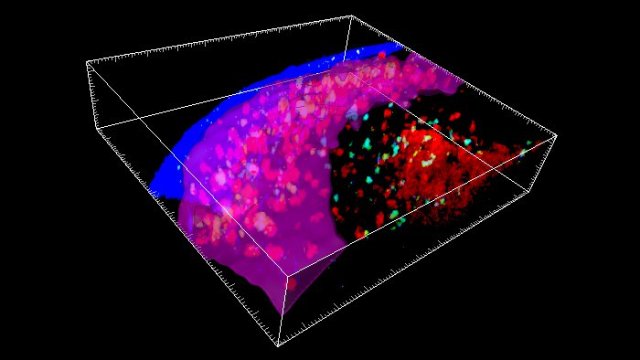
Immune cells gathering at the SPF, with the purple band showing the SPF surface.

These SPFs only appear when the mice immune systems are fighting off infections that have been encountered before.

What’s more, the researchers detected SPFs in human lymph nodes too, suggesting our bodies react in the same way.

“When you’re fighting bacteria that can double in number every 20 to 30 minutes, every moment matters,” says senior researcher Tri Phan. “To put it bluntly, if your immune system takes too long to assemble the tools to fight the infection, you die.”

“This is why vaccines are so important. Vaccination trains the immune system, so that it can make antibodies very rapidly when an infection reappears. Until now we didn’t know how and where this happened.”

Traditional microscopy approaches analyse thin 2D slices of tissue, and the researchers think that’s why SPFs haven’t been spotted before – they themselves are very thin, and they only appear temporarily.

In this case the team made the equivalent of a 3D movie of the immune system in action, which revealed the collection of many different types of immune cell in these SPFs. The researchers describe them as a “one-stop shop” for fighting off remembered infections, and fighting them quickly.

Crucially, the collection of immune cells spotted by the researchers included Memory B type cells – cells which tell the immune system how to fight off a particular infection. Memory B cells then turn into plasma cells to produce antibodies and do the actual work of tackling the threat.

“It was exciting to see the memory B cells being activated and clustering in this new structure that had never been seen before,” says one of the team, Imogen Moran.

“We could see them moving around, interacting with all these other immune cells and turning into plasma cells before our eyes.”

According to the researchers, the positioning of the SPF structures on top of lymph nodes makes them perfectly positioned for fighting off infections – and fast.

They’re strategically placed at points where bacteria would invade, and contain all the ingredients required to keep the infection at bay.

Now we know how the body does it, we might be able to improve vaccine techniques – vaccines currently focus on making memory B cells, but this study suggests the process could be made more efficient by also looking at how they transform into plasma cells through the inner workings of an SPF.

“So this is a structure that’s been there all along, but no one’s actually seen it yet, because they haven’t had the right tools,” says Phan.

“It’s a remarkable reminder that there are still mysteries hidden within the body – even though we scientists have been looking at the body’s tissues through the microscope for over 300 years.”

The research has been published in Nature Communications.

https://www.sciencealert.com/researchers-identify-new-lymph-node-structures-powering-immunity

New major study shows that there is no healthy level of alcohol consumption

5121

Even the occasional drink is harmful to health, according to the largest and most detailed research carried out on the effects of alcohol, which suggests governments should think of advising people to abstain completely.

The uncompromising message comes from the authors of the Global Burden of Diseases study, a rolling project based at the University of Washington, in Seattle, which produces the most comprehensive data on the causes of illness and death in the world.

Alcohol, says their report published in the Lancet medical journal, led to 2.8 million deaths in 2016. It was the leading risk factor for premature mortality and disability in the 15 to 49 age group, accounting for 20% of deaths.

Current alcohol drinking habits pose “dire ramifications for future population health in the absence of policy action today”, says the paper. “Alcohol use contributes to health loss from many causes and exacts its toll across the lifespan, particularly among men.”

Most national guidelines suggest there are health benefits to one or two glasses of wine or beer a day, they say. “Our results show that the safest level of drinking is none.”

The study was carried out by researchers at the Institute of Health Metrics and Evaluation (IHME), who investigated levels of alcohol consumption and health effects in 195 countries between 1990 to 2016. They used data from 694 studies to work out how common drinking was and from 592 studies including 28 million people worldwide to work out the health risks.

Moderate drinking has been condoned for years on the assumption that there are some health benefits. A glass of red wine a day has long been said to be good for the heart. But although the researchers did find low levels of drinking offered some protection from heart disease, and possibly from diabetes and stroke, the benefits were far outweighed by alcohol’s harmful effects, they said.

Drinking alcohol was a big cause of cancer in the over-50s, particularly in women. Previous research has shown that one in 13 breast cancers in the UK were alcohol-related. The study found that globally, 27.1% of cancer deaths in women and 18.9% in men over 50 were linked to their drinking habits.

In younger people globally the biggest causes of death linked to alcohol were tuberculosis (1.4% of deaths), road injuries (1.2%), and self-harm (1.1%).

In the UK, the chief medical officer Sally Davies has said there is no safe level of drinking, but the guidance suggests that drinkers consume no more than 14 units a week to keep the risks low. Half a pint of average-strength lager contains one unit and a 125ml glass of wine contains around 1.5 units.

While the study shows that the increased risk of alcohol-related harm in younger people who have one drink a day is small (0.5%), it goes up incrementally with heavier drinking: to 7% among those who have two drinks a day (in line with UK guidance) and 37% for those who have five.

One in three, or 2.4 billion people around the world, drink alcohol, the study shows. A quarter of women and 39% of men drink. Denmark has the most drinkers (95.3% of women, and 97.1% of men). Pakistan has the fewest male drinkers (0.8%) and Bangladesh the fewest women (0.3%). Men in Romania and women in Ukraine drink the most (8.2 and 4.2 drinks a day respectively), while women in the UK take the eighth highest place in the female drinking league, with an average of three drinks a day.

“Alcohol poses dire ramifications for future population health in the absence of policy action today. Our results indicate that alcohol use and its harmful effects on health could become a growing challenge as countries become more developed, and enacting or maintaining strong alcohol control policies will be vital,” said the report’s senior author, Prof Emmanuela Gakidou.

“Worldwide we need to revisit alcohol control policies and health programmes, and to consider recommendations for abstaining from alcohol. These include excise taxes on alcohol, controlling the physical availability of alcohol and the hours of sale, and controlling alcohol advertising. Any of these policy actions would contribute to reductions in population-level consumption, a vital step toward decreasing the health loss associated with alcohol use.”

Dr Robyn Burton, of King’s College London, said in a commentary in the Lancet that the conclusions of the study were clear and unambiguous. “Alcohol is a colossal global health issue and small reductions in health-related harms at low levels of alcohol intake are outweighed by the increased risk of other health-related harms, including cancer,” she wrote.

“There is strong support here for the guideline published by the Chief Medical Officer of the UK who found that there is ‘no safe level of alcohol consumption’.”

Public health policy should be to prioritise measures to reduce the numbers who drink through price increases, taxation, or setting the price according to the strength of the drink (minimum unit pricing), followed by curbs on marketing and restricting the places where people can buy alcohol.

“These approaches should come as no surprise because these are also the most effective measures for curbing tobacco-related harms, another commercially mediated disease, with an increasing body of evidence showing that controlling obesity will require the same measures,” she wrote.

Ben Butler, a Drinkaware spokesperson, said: “This new study supports existing evidence about the harms associated with alcohol. Our research shows that over a quarter of UK adults typically exceed the low risk drinking guidelines and are running the risk of serious long term illnesses.”

But David Spiegelhalter, Winton professor for the public understanding of risk at the University of Cambridge, said the data showed only a very low level of harm in moderate drinkers and suggested UK guidelines were very low risk.

“Given the pleasure presumably associated with moderate drinking, claiming there is no ‘safe’ level does not seem an argument for abstention,” he said. “There is no safe level of driving, but government do not recommend that people avoid driving. Come to think of it, there is no safe level of living, but nobody would recommend abstention.”

https://www.theguardian.com/society/2018/aug/23/no-healthy-level-of-alcohol-consumption-says-major-study

Cleveland Clinic Researchers Discover Novel Subtype of Multiple Sclerosis


Reprinted from The Lancet Neurology, http://dx.doi.org/10.1016/S1474-4422(18)30245-X, Trapp et al, Cortical neuronal densities and cerebral white matter demyelination in multiple sclerosis: a retrospective study, Copyright (2018), with permission from Elsevier


Bruce Trapp, Ph.D., chair of Cleveland Clinic’s Lerner Research Institute Department of Neurosciences

Cleveland Clinic researchers have discovered a new subtype of multiple sclerosis (MS), providing a better understanding of the individualized nature of the disease.

MS has long been characterized as a disease of the brain’s white matter, where immune cells destroy myelin – the fatty protective covering on nerve cells. The destruction of myelin (called demyelination) was believed to be responsible for nerve cell (neuron) death that leads to irreversible disability in patients with MS.

However, in the new findings, a research team led by Bruce Trapp, Ph.D., identified for the first time a subtype of the disease that features neuronal loss but no demyelination of the brain’s white matter. The findings, published in Lancet Neurology, could potentially lead to more personalized diagnosis and treatments.

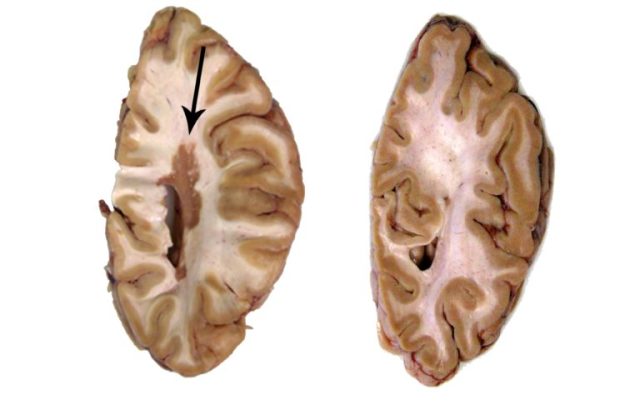
The team’s findings support the concept that neurodegeneration and demyelination can occur independently in MS and underscore the need for more sensitive MRI imaging techniques for evaluating brain pathology in real time and monitoring treatment response in patients with the disease. This new subtype of MS, called myelocortical MS (MCMS), was indistinguishable from traditional MS on MRI. The researchers observed that in MCMS, part of the neurons become swollen and look like typical MS lesions indicative of white matter myelin loss on MRI. The disease was only diagnosed in post-mortem tissues.

“This study opens up a new arena in MS research. It is the first to provide pathological evidence that neuronal degeneration can occur without white matter myelin loss in the brains of patients with the disease,” said Trapp, chair of Cleveland Clinic’s Lerner Research Institute Department of Neurosciences. “This information highlights the need for combination therapies to stop disability progression in MS.”

In the study of brain tissue from 100 MS patients who donated their brains after death, the researchers observed that 12 brains did not have white matter demyelination. They compared microscopic tissue characteristics from the brains and spinal cords of 12 MCMS patients, 12 traditional MS patients and also individuals without neurological disease. Although both MCMS and traditional MS patients had typical MS lesions in the spinal cord and cerebral cortex, only the latter group had MS lesions in the brain white matter.

Despite having no typical MS lesions in the white matter, MCMS brains did have reduced neuronal density and cortical thickness, which are hallmarks of brain degeneration also observed in traditional MS. Contrary to previous belief, these observations show that neuronal loss can occur independently of white matter demyelination.

“The importance of this research is two-fold. The identification of this new MS subtype highlights the need to develop more sensitive strategies for properly diagnosing and understanding the pathology of MCMS,” said Daniel Ontaneda, M.D., clinical director of the brain donation program at Cleveland Clinic’s Mellen Center for Treatment and Research in MS. “We are hopeful these findings will lead to new tailored treatment strategies for patients living with different forms of MS.”

Dr. Trapp is internationally known for his work on mechanisms of neurodegeneration and repair in MS and has published more than 240 peer-reviewed articles and 40 book chapters. He also holds the Morris R. and Ruth V. Graham Endowed Chair in Biomedical Research. In 2017 he received the prestigious Outstanding Investigator award by the National Institute of Neurological Disorders and Stroke to examine the biology of MS and to seek treatments that could slow or reverse the disease.

Cleveland Clinic Researchers Discover Novel Subtype of Multiple Sclerosis

Elephants Revived a “Zombie” Gene that May Fend Off Cancer

Elephants’ secret to their low rates of cancer might be explained in part by a so-called zombie gene—one that was revived during evolution from a defunct duplicate of another gene. In the face of DNA damage, elephant cells fire up the activity of the zombie gene LIF6 to kill cells, thereby destroying any cancer-causing genetic defects, researchers reported in Cell Reports.

“From an evolutionary biology perspective, it’s completely fascinating,” Joshua Schiffman, a pediatric oncologist at the University of Utah who was not involved in the work, tells National Geographic.

The better-known LIF gene has a number of functions in mammals, including as an extracellular cytokine. In elephants, LIF is duplicated numerous times as pseudogenes, which don’t have the proper sequence to produce functioning transcripts. For the latest study, the researchers wanted to see whether the duplications might have anything to do with elephant cells’ unusual response to DNA damage: indiscriminant destruction.

The team found that one of the pseudogenes, LIF6, evolved after LIF was duplicated in a way that produces a transcript, and that the gene product is controlled by TP53, a tumor suppressor. When the researchers overexpressed LIF6 in elephant cells, the cells underwent apoptosis. The same thing happened with they introduced the gene to Chinese hamster ovary cells, indicating that LIF6 has a role in elephants’ defense against DNA damage.

More work needs to be done to determine whether the LIF6 revival is responsible for elephants’ low cancer rates. There are likely to be other contributors, says coauthor Vincent Lynch, an evolutionary biologist at the University of Chicago, in an interview with The New York Times. “There are lots of stories like LIF6 in the elephant genome, and I want to know them all.”

https://www.the-scientist.com/news-opinion/elephants-revived-a-zombie-gene-that-perhaps-fends-off-cancer-64643

Scientist thinks he has developed a genetic test for heart attack risk and wants to give it away free.

by Matthew Herper

A Harvard scientist thinks he’s reached a new milestone: a genetic test that helps identify people who are at high risk of having a heart attack. Can he convince doctors to use it?

“I think–in a few years, I think everybody will know this number, similar to the way we know our cholesterol right now,” muses Sekar Kathiresan, director of the Cardiovascular Disease Initiative at the Broad institute and a professor at Harvard Medical School.

Not everyone else is so sure. “I think it’s a brilliant approach,” says Harlan Krumholz, the Harold H. Hines Jr. professor of cardiology at Yale University and one of Kathiresan’s collaborators. But he worries about whether Kathiresan’s tests are ready to compete with the plethora of diagnostic tests, from AI-boosted CT scans to new types of “bad” cholesterol proteins, that are on offer. And he worries about cost. There is no commercial version of the gene test. But the very idea that such a test is not only available, but also near, is the result of a cresting wave of new genetic science, the result of large efforts to gather genetic information from millions of volunteers.

The number in question is what is called a polygenic risk score. Instead of looking for one miswritten gene that causes heart attacks, or, for that matter, other health problems, geneticists are increasingly looking at thousands of genetic alterations without even being sure what each does. In the case of Kathiresan’s polygenic score, the test looks for 6.6 million single-letter genetic changes that are more prevalent in people who have had early heart attacks.

Our genetic inheritances, the current thinking goes, are not so much a set of declarative orders as a cacophony of noise. There are big genetic changes that can have a big effect, but most diseases are the result of lots of tiny changes that add up. In Kathiresan’s words, it’s mostly a gemish (Yiddish for “a mixture”). And it’s not clear which changes are biologically important – Kathiresan says only 6,000 or so of the 6.6 million genetic changes are probably actually causing heart attacks. But finding those specific changes will take a long time. The risk score could be used now.

The effect of this genetic cacophony can be huge. The most common single mutation that increases the risk of heart disease is a gene that causes a disease called heterozygous familial hypercholesterolemia (literally: inherited high cholesterol) that occurs in one person in 250 and triple’s a person’s risk of having a heart attack. But today, in a paper in Nature Genetics, Kathiresan and his colleagues present data that 5% to 8% have a polygenic score that also at least triples their risk of having a heart attack. That’s about 20 times as many people, Kathiresan says.

“These patients are currently unaware of their risk because the polygenic patients don’t have higher levels of the usual risk factors,” Kathiresan says. “Their cholesterol is not high. Their blood pressure is not that high. They are hidden from the current risk assessment tools.”

In the Nature Genetics paper, Kathiresan’s team tested the 6-million-variant polygenic score in two groups of patients numbering, respectively, 120,280 and 288,978 people, from the U.K. BioBank, a government-backed effort in the United Kingdom to collect genetic data. For some patients, the risk was even higher, with the genetic changes predicting a fivefold increase in heart attack risk. The paper also argues that polygenic risk scores could be used to predict risk of conditions such as type 2 diabetes and breast cancer.

Another study, yet to be published, looked at the prevalence of both familial hypercholesterolemia and the polygenic score in a population of people who had heart attacks in their 40s and 50s, Katherisan says. Only 2% had familial hypercholesterolemia, but 20% had a high polygenic risk score. Knowing one’s polygenic risk score might matter. A 2016 paper in the New England Journal of Medicine showed that people with high polygenic scores had fewer heart attacks if they had healthier lifestyles, and a 2017 paper in the medical journal Circulation showed that patients with high polygenic risk scores got an outsize benefit from cholesterol-lowering statin drugs. Those papers, both by Kathiresan’s group, used a score that included only a few dozen gene variants.

Doctors should be skeptical of such a test. There’s a long history of tests in medicine that have done more harm than good by leading to people to take drugs they do not need. Cardiologists have gotten used to even higher standards for data. For instance, many might want to see if the test can show a benefit in a large study in which people are tested at random. Many will want more evidence that the test can identify people at high risk they’d otherwise miss, as Kathiresan says, and that it doesn’t lead to treatment in those who don’t need it. Kathiresan says he hopes to do a study in the highest-risk individuals to prove that statin drugs can lower their risk. If the test becomes a commercial prospect, more studies will drive up the eventual cost.

Kathiresan is hoping to follow a less expensive path. He notes that 17 million people have already used genotyping services like 23andMe and Ancestry. He hopes that people who use those services (23andMe costs $99, Ancestry $59) will submit their data to a portal he’ll build for free. He also says he’s in discussions with commercial providers, but he’s hoping that people will be able to get their polygenic scores for about as much as the cost of a cholesterol test. For the people at the highest risk, he argues, this is information that could be important. For others, he argues, why deny people information that has been scientifically validated?

Whether Kathiresan can really pull off a low-cost version in a medical system that is optimized to make money is as big a question as whether the test is ready for prime time. Krumholz worried about the cost of the test until a reporter told him of Kathiresan’s planned website. “If you say it’s free, I’m going, ‘Why not?'” Krumholz says. “It’s a better family history,” he says, comparing the test to asking whether a relative has had a heart attack. But that may be the biggest ‘if’. If anything is more puzzling than genetics, it is the economics of healthcare in the U.S.A.
https://www.forbes.com/sites/matthewherper/2018/08/13/a-harvard-scientist-thinks-he-has-a-gene-test-for-heart-attack-risk-he-wants-to-give-it-away-free/#557490e85959

Stem cell transplants to be used in treating Crohn’s disease

Crohn’s disease is a long-term condition that causes inflammation of the lining of the digestive system, and results in diarrhoea, abdominal pain, extreme tiredness and other symptoms that significantly affect quality of life.

Current treatments include drugs to reduce inflammation but these have varying results, and surgery is often needed to remove the affected part of the bowel. In extreme cases, after multiple operations over the years, patients may require a final operation to divert the bowel from the anus to an opening in the stomach, called a stoma, where stools are collected in a pouch.

Chief investigator Professor James Lindsay from Queen Mary’s Blizard Institute and a consultant at Barts Health NHS Trust said: “Despite the introduction of new drugs, there are still many patients who don’t respond, or gradually lose response, to all available treatments. Although surgery with the formation of a stoma may be an option that allows patients to return to normal daily activities, it is not suitable in some and others may not want to consider this approach.

“We’re hoping that by completely resetting the patient’s immune system through a stem cell transplant, we might be able to radically alter the course of the disease. While it may not be a cure, it may allow some patients to finally respond to drugs which previously did not work.”

Helen Bartlett, a Crohn’s disease patient who had stem cell therapy at John Radcliffe Hospital, Oxford, said: “Living with Crohn’s is a daily struggle. You go to the toilet so often, you bleed a lot and it’s incredibly tiring. You also always need to be careful about where you go. I’ve had to get off trains before because there’s been no toilet, and I needed to go there and then.

“I’ve been in and out of hospital for the last twenty years, operation after operation, drug after drug, to try to beat this disease. It’s frustrating, it’s depressing and you just feel so low.

“When offered the stem cell transplant, it was a complete no brainer as I didn’t want to go through yet more failed operations. I cannot describe how much better I feel since the treatment. I still have problems and I’m always going to have problems, but I’m not in that constant pain.”

The use of stem cell transplants to wipe out and replace patients’ immune systems has recently been found to be successful in treating multiple sclerosis. This new trial will investigate whether a similar treatment could reduce gut inflammation and offer hope to people with Crohn’s disease.

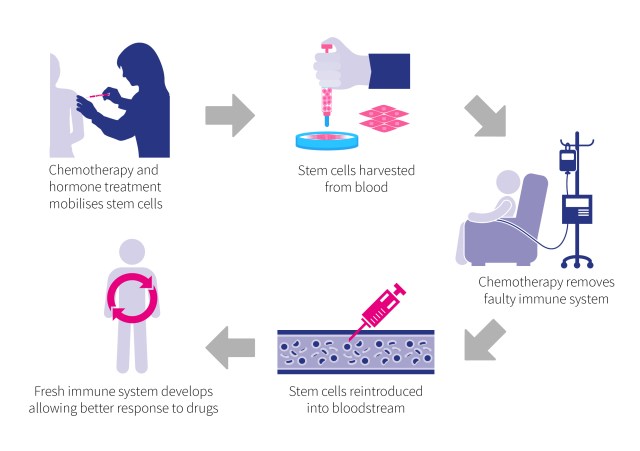
In the trial, patients undergo chemotherapy and hormone treatment to mobilise their stem cells, which are then harvested from their blood. Further chemotherapy is then used to wipe out their faulty immune system. When the stem cells are re-introduced back into the body, they develop into new immune cells which give the patient a fresh immune system.

In theory, the new immune system will then no longer react adversely to the patient’s own gut to cause inflammation, and it will also not act on drug compounds to remove them from their gut before they have had a chance to work.

Professor Tom Walley, Director of the NIHR Evaluation, Trials and Studies programmes, which funded the trial, said: “Stem cell therapies are an important, active and growing area of research with great potential. There are early findings showing a role for stem cells in replacing damaged tissue. In Crohn’s disease this approach could offer real benefits for the clinical care and long term health of patients.”

The current clinical trial, called ‘ASTIClite’, is a follow up to the team’s 2015 ‘ASTIC’ trial, which investigated a similar stem cell therapy. Although the therapy in the original trial did not cure the disease, the team found that many patients did see benefit from the treatment, justifying a further clinical trial. There were also some serious side effects from the doses of drugs used, so this follow-up trial will be using a lower dose of the treatment to minimise risks due to toxicity.

Patients will be recruited to the trial through Barts Health NHS Trust, Cambridge University Hospitals NHS Foundation Trust, Guy’s & St Thomas’ NHS Foundation Trust, NHS Lothian, Nottingham University Hospitals NHS Trust, Oxford University Hospitals NHS Foundation Trust, Royal Liverpool and Broadgreen University Hospital NHS Trust and Sheffield Teaching Hospitals NHS Foundation Trust.

The trial will involve academics from the University of Manchester, University of Nottingham, University of Sheffield, Nottingham Trent University, University of Edinburgh, University of Oxford, King’s College London, as well as Queen Mary University of London.

The study was funded by a Medical Research Council and NIHR partnership created to support the evaluation of interventions with potential to make a step-change in the promotion of health, treatment of disease and improvement of rehabilitation or long-term care.

https://www.qmul.ac.uk/media/news/2018/smd/stem-cell-transplants-to-be-used-in-treating-crohns-disease.html

New lung cell with role in cystic fibrosis discovered


Ionocytes (orange) extend through neighboring epithelial cells (nuclei, cyan) to the surface of the respiratory epithelial lining. This newly identified cell type expresses high levels of CFTR, a gene that is associated with cystic fibrosis when mutated.

by ABBY OLENA

Two independent research teams have used single-cell RNA sequencing to generate detailed molecular atlases of mouse and human airway cells. The findings, reported in two studies today (August 1) in Nature, reveal the gene-expression patterns of thousands of lung cells, as well as the existence of a previously unknown cell type that expresses high levels of the gene mutated in cystic fibrosis, the cystic fibrosis transmembrane conductance regulator (CFTR).

“These papers are extremely exciting,” says Amy Ryan, a lung biologist at the University of Southern California who was not involved in either study. “They’ve interrogated the cellular composition and the cellular hierarchy of the airways by using a single-cell RNA-sequencing technique. That kind of information is going to have a significant impact on advancing the research that we can do, and hopefully the derivation of new therapeutic approaches for any number of airway diseases.”

Jayaraj Rajagopal, a pulmonary physician at Massachusetts General Hospital and Harvard University and coauthor of one of the studies, had been studying lung regeneration and wanted to use single-cell sequencing to look at differences in the lungs’ stem-cell populations. He and his colleagues teamed up with Aviv Regev, a computational biologist at the Broad Institute of MIT and Harvard University, and together, the two groups characterized the transcriptomes of thousands of epithelial cells from the adult mouse trachea.

Rajagopal, Regev, and colleagues uncovered previously unknown differences in gene expression in several groups of airway cells; identified novel structures in the lung; and found new paths of cellular differentiation. They also described several new cell types, including one that the team has named the pulmonary ionocyte, after salt-regulating cells in fish and amphibian skin. These lung cells express similar genes as fish and amphibian ionocytes, the team found, including a gene coding for the transcription factor Foxi1, which regulates genes that play a role in ion transport.

The team also showed that pulmonary ionocytes highly express CFTR, and are in fact the primary source of its product, CFTR—a membrane protein that helps regulate fluid transport and the consistency of mucus—in both mouse and human lungs, suggesting that the cells might play a role in cystic fibrosis.

“So much that we found rewrites the way we think about lung biology and lung cells,” says Rajagopal. “I think the entire community of pulmonologists and lung biologists will have to take a step back and think about their problems with respect to all these new cell types.”

For the other study, Aron Jaffe, a biologist at Novartis who studies how different airway cell types are made, combined forces with Harvard systems biologist Allon Klein and his team. Klein’s group had previously developed a single-cell RNA-sequencing method that Jaffe describes as “the perfect technology to take a big picture view and really define the full repertoire of epithelial cell types in the airway.”

Jaffe, Klein, and colleagues sequenced RNA from thousands of single human bronchial epithelial and mouse tracheal epithelial cells. The atlas generated by their sequencing analysis revealed pulmonary ionocytes, as well as new gene-expression patterns in familiar cells. The team examined the expression of CFTR in human and mouse ionocytes in order to better understand the possible role for the cells in cystic fibrosis. Consistent with the findings of the other study, the researchers showed that pulmonary ionocytes make the majority of CFTR protein in the airways of humans and mice.

“Finding this new rare cell type that accounts for the majority of CFTR activity in the airway epithelium was really the biggest surprise,” Jaffe tells The Scientist. “CFTR has been studied for a long time, and it was thought that the gene was broadly expressed in many cells in the airway. It turns out that the epithelium is more complicated than previously appreciated.”

These studies are “very exciting work [and] a wonderful example of how new technologies that have come online in the last few years—in this case single-cell RNA sequencing—have made a very dramatic advance in our understanding of aspects of biology,” says Ann Harris, a geneticist at Case Western Reserve University who did not participate in either study.

In terms of future directions, the authors “have shown that transcription factor [Foxi1] is central to the transcriptional program of these ionocytes,” says Harris. One of the next questions is, “does it directly interact with the CFTR gene or is it working through other transcription factors or other proteins that regulate CFTR gene expression?”

According to Jennifer Alexander-Brett, a pulmonary physician and researcher at Washington University School of Medicine in St. Louis who was not involved in the studies, the possibility that a rare cell type could be playing a part in regulating airway physiology is “captivating.”

Apart from investigating the potential role for ionocytes in lung function, Alexander-Brett says that researchers can likely make broad use of the data from the studies—particularly details on the expression of genes coding for transcription factors and cell-surface markers. “One area that we really struggle with in airway biology . . . is [that] we just don’t have good markers” to differentiate cell types, she explains. But these papers are “very comprehensive. There’s a ton of data here.”

D.T. Montoro et al., “A revised airway epithelial hierarchy includes CFTR-expressing ionocytes,” Nature, doi:10.1038/s41586-018-0393-7, 2018.

L.W. Plasschaert et al., “A single-cell atlas of the airway epithelium reveals the CFTR-rich pulmonary ionocyte,” Nature, doi:10.1038/s41586-018-0394-6, 2018.

https://www.the-scientist.com/news-opinion/new-lung-cell-identified-64594?utm_campaign=TS_DAILY%20NEWSLETTER_2018&utm_source=hs_email&utm_medium=email&utm_content=64924537&_hsenc=p2ANqtz-_M5n43mM_3CJb8-lIkjE6yt4ij2HduxgVeZi_X5bG7ATrAOGkvtsg4DpCbuAc0NAG8lx4myMxN3kiH4C1qc9OdlQkAGg&_hsmi=64924537

New research shows a mechanism by which tau may be toxic in Alzheimer’s disease

New evidence suggests a mechanism by which progressive accumulation of Tau protein in brain cells may lead to Alzheimer’s disease. Scientists studied more than 600 human brains and fruit fly models of Alzheimer’s disease and found the first evidence of a strong link between Tau protein within neurons and the activity of particular DNA sequences called transposable elements, which might trigger neurodegeneration. The study appears in the journal Cell Reports.

“One of the key characteristics of Alzheimer’s disease is the accumulation of Tau protein within brain cells, in combination with progressive cell death,” said corresponding author Dr. Joshua Shulman, associate professor of neurology, neuroscience and molecular and human genetics at Baylor College of Medicine and investigator at the Jan and Dan Duncan Neurological Research Institute at Texas Children’s Hospital. “In this study we provide novel insights into how accumulation of Tau protein may contribute to the development of Alzheimer’s disease.”

Although scientists have studied for years what happens when Tau forms aggregates inside neurons, it still is not clear why brain cells ultimately die. One thing that scientists have noticed is that neurons affected by Tau accumulation also appear to have genomic instability.

“Genomic instability refers to an increased tendency to have alterations in the genetic material, DNA, such as mutations or other impairments. This means that the genome is not functioning correctly. Genomic instability is known to be a major driving force behind other diseases such as cancer,” Shulman said. “Our study focused on a new possible causal connection between Tau accumulation within neurons and the resulting genomic instability in Alzheimer’s disease.”

Enter transposable elements
Previous studies of brain tissues from patients with other neurologic diseases and of animal models have suggested that the neurons not only present with genomic instability, but also with activation of transposable elements.

“Transposable elements are short pieces of DNA that do not seem to contribute to the production of proteins that make cells function. They behave in a way similar to viruses; they can make copies of themselves that are inserted within the genome and this can create mutations that lead to disease,” Shulman said. “Although most transposable elements are dormant or dysfunctional, some may become active in human brains late in life or in disease. That’s what led us to look specifically at Alzheimer’s disease and the possible association between Tau accumulation and activated transposable elements.”

Shulman and his colleagues began their investigations by studying more than 600 human brains from a population study run by co-author Dr. David Bennett at Rush University Medical Center in Chicago. This population study follows participants throughout their lives and at death, allowing the researchers to examine their brains in detail postmortem. One of the evaluations is the amount of Tau accumulation across many brain regions. In addition, co-author Dr. Philip De Jager at the Broad Institute and Columbia University comprehensively profiled gene expression in the same brains.

“With this large amount of data, we looked to identify signatures of active transposable elements, but this was not easy,” Shulman said. “We therefore reached out to Dr. Zhandong Liu, a co-author in this study, and together we developed a new software tool to detect signatures of active transposable elements from postmortem human brains. Then we conducted a statistical analysis in which we compared the amount of active transposable elements signatures with the amount of Tau accumulation, brain by brain.” Liu also is assistant professor of pediatrics – neurology at Baylor and a member of the Dan L Duncan Comprehensive Cancer Center.

The researchers found a strong link between the amount of Tau accumulation in neurons and detectable activity of transposable elements.

“We identified individual transposable elements that were active when Tau aggregates were present. Surprisingly, we also found evidence that the activation of transposable elements was quite broad across the genome,” Shulman said.

Other research has shown that Tau may disrupt the tightly packed architecture of the genome. It is believed that tightly packed DNA limits gene activation, while opening up the DNA may promote it. Keeping the DNA tightly packed may be an important mechanism to suppress the activity of transposable elements that lead to disease.

“The fact that Tau aggregates can affect that architecture of the genome may be one possible mechanism by which transposable elements are activated in Alzheimer’s disease,” Shulman said. “However, our studies in human brains only establish an association between Tau accumulation and activation of transposable elements. To determine whether Tau accumulation could in fact cause transposable element activation, we conducted studies with a fruit fly model of Alzheimer’s disease.”

In this fruit fly model of the disease, the researchers found that triggering Tau changes similar to those observed in human brains resulted in the activation of fruit fly transposable elements, strongly suggesting that Tau aggregates that disrupt the architecture of the genome can potentially mediate the activation of transposable elements and ultimately cause neurodegeneration.

“We think our experiments reveal new and potentially important insights relevant for understanding Alzheimer’s disease mechanisms,” Shulman said. “There is still a lot of work to be done, but by presenting our results we hope we can stimulate others in the research community to help work on this problem.”

https://www.bcm.edu/news/neurology/research-links-tau-aggregates-cell-death