New Medical Device to Detect Precancerous Lesions in the Esophagus Wins 2020 Edison Award

A medical device based on technology developed by three faculty members from Case Western Reserve University and University Hospitals Cleveland Medical Center (UH) has won a prestigious 2020 Edison Best New Product Award.

EsoCheck, a device designed to help detect precancerous changes in the esophagus, was named a “Silver” winner of the 2020 Edison Best New Product Awards in the “Medical/Dental – Testing Solutions” subcategory.

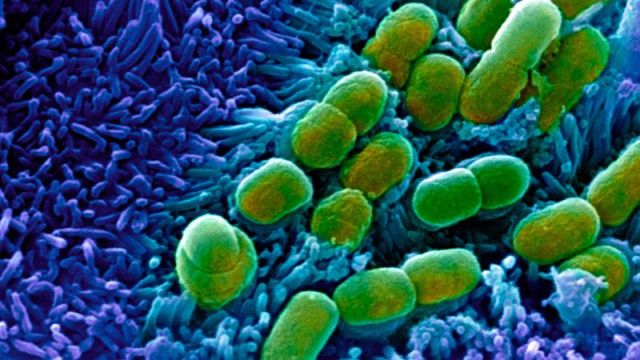
Esophageal adenocarcinomas have increased more than five-fold in recent years and are a highly lethal cancer, with less than 20% 5-year survival. These cancers arise from a precursor lesion of Barrett’s esophagus (BE), which is an abnormal cell type that arises in the lower esophagus.

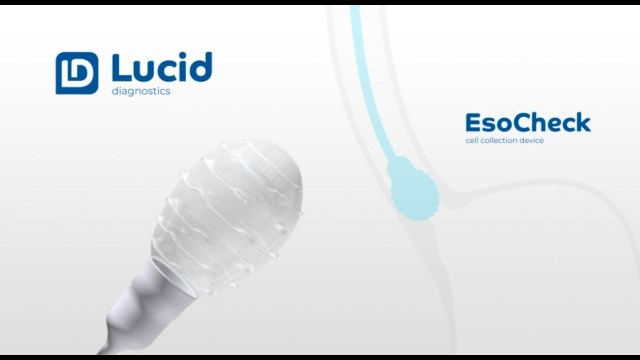
EsoCheck is a swallowable balloon-based device that, in a simple five-minute outpatient exam, can collect cells from the lower region of the esophagus to help determine if Barrett’s disease is present. Unlike endoscopy, the current method for examining the esophagus, EsoCheck does not require a patient to undergo sedation, lose a day of work or need a companion for transportation.

The EsoCheck device works together with EsoGuard, a companion molecular assay that tests the DNA from the cells retrieved by EsoCheck for the presence of genetic changes indicative of the presence or absence of Barrett’s disease.

Lucid Diagnostics, a subsidiary of New York-based PAVmed Inc., licensed the EsoCheck and EsoGuard technology through the Case Western Reserve University Technology Transfer Office in 2018.

The EsoCheck device and EsoGuard DNA test were co-invented by Amitabh Chak, MD, (Professor of Medicine at the Case Western Reserve School of Medicine and gastroenterologist at the University Hospitals Digestive Health Institute); Sanford Markowitz, MD, PhD, (Ingalls Professor of Cancer Genetics and Medicine at the School of Medicine and an oncologist at University Hospitals Seidman Cancer Center); and Joseph Willis, MD,(Professor of Pathology at the School of Medicine and Pathology Vice-Chair for translational research at UH).

The technology was developed as part of the Case Comprehensive Cancer Center’s GI SPORE (Gastrointestinal Specialized Program of Research Excellence) and BETRNet (Barrett’s Esophagus Translational Research Network) programs led by Markowitz and Chak, and was first tested in humans in a clinical trial led by Chak at University Hospitals.

Further support for the clinical assay development was derived from a National Cancer Institute award led by Willis. The development was also supported by the Case-Coulter partnership and the State of Ohio Third Frontier Technology Validation Start-up Fund.

Last fall, the new EsoCheck method for examining the esophagus received clearance from the U.S. Food and Drug Administration for clinical use, and, this February, the companion EsoGuard DNA test for Barrett’s detection received breakthrough designation from the FDA.

Since 1987, the Edison Awards, named after Thomas Alva Edison, have recognized some of the most innovative products and business leaders in the world. They’re among the most prestigious accolades, honoring excellence in new product and service development, marketing, design and innovation.

About University Hospitals / Cleveland, Ohio

Founded in 1866, University Hospitals serves the needs of patients through an integrated network of 18 hospitals, more than 50 health centers and outpatient facilities, and 200 physician offices in 16 counties throughout northern Ohio. The system’s flagship academic medical center, University Hospitals Cleveland Medical Center, located in Cleveland’s University Circle, is affiliated with Case Western Reserve University School of Medicine. The main campus also includes University Hospitals Rainbow Babies & Children’s Hospital, ranked among the top children’s hospitals in the nation; University Hospitals MacDonald Women’s Hospital, Ohio’s only hospital for women; University Hospitals Harrington Heart & Vascular Institute, a high-volume national referral center for complex cardiovascular procedures; and University Hospitals Seidman Cancer Center, part of the NCI-designated Case Comprehensive Cancer Center. UH is home to some of the most prestigious clinical and research programs in the nation, including cancer, pediatrics, women’s health, orthopedics, radiology, neuroscience, cardiology and cardiovascular surgery, digestive health, transplantation and urology. UH Cleveland Medical Center is perennially among the highest performers in national ranking surveys, including “America’s Best Hospitals” from U.S. News & World Report. UH is also home to Harrington Discovery Institute at University Hospitals – part of The Harrington Project for Discovery & Development. UH is one of the largest employers in Northeast Ohio with 28,000 physicians and employees. Advancing the Science of Health and the Art of Compassion is UH’s vision for benefitting its patients into the future, and the organization’s unwavering mission is To Heal. To Teach. To Discover. Follow UH on LinkedIn, Facebook @UniversityHospitals and Twitter @UHhospitals. For more information, visit UHhospitals.org.

https://finance.yahoo.com/news/medical-device-developed-cwru-uh-123000489.html

Coronavirus Vaccine Could Be Ready in Six Months from Sarah Gilbert at Oxford University

By Olivia Konotey-Ahulu

A vaccine against the coronavirus could be ready by September, according to a scientist leading one of Britain’s most advanced teams.

Sarah Gilbert, professor of vaccinology at Oxford University, told The Times on Saturday that she is “80% confident” the vaccine would work, and could be ready by September. Experts have warned the public that vaccines typically take years to develop, and one for the coronavirus could take between 12 to 18 months at best.

In the case of the Oxford team, however, “it’s not just a hunch, and as every week goes by we have more data to look at,” Gilbert told the London newspaper.

Gilbert’s team is one of dozens worldwide working on a vaccine and is the most advanced in Britain, she told the Times. As the country looks set to begin its fourth week under lockdown, a vaccine could be fundamental in easing the measures and returning to normal life. Gilbert said human trials are due to start in the next two weeks.

Her remarks came as the death toll from the virus pushed past 100,000 globally. On Friday, the U.K. reported 980 fatalities, taking the total count from the virus to 8,958, and the government has repeatedly pleaded with the public to obey lockdown rules during the long Easter holiday weekend. As Prime Minister Boris Johnson begins his recovery after a spell in intensive care, Patrick Vallance, the government’s chief scientific adviser, warned he expects the number of deaths to increase for “a few weeks” yet.

Manufacturing the millions of vaccine doses necessary could take months. Gilbert said she’s in discussions with the British government about funding, and starting production before the final results are in, allowing the public to access the vaccine immediately if it proves to work. She said success by the autumn was “just about possible if everything goes perfectly.”

https://www.bloomberg.com/news/articles/2020-04-11/coronavirus-vaccine-could-be-ready-in-six-months-times

Blood Pressure Meds Point the Way to Possible COVID-19 Treatment


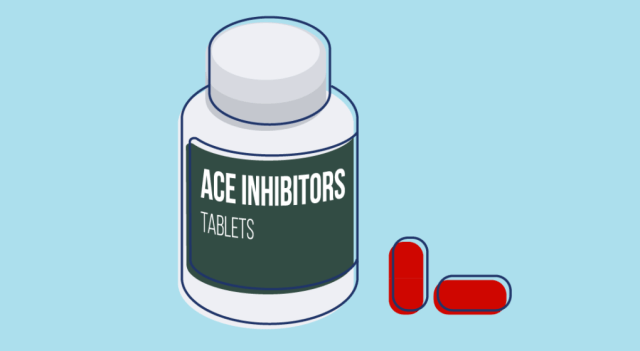
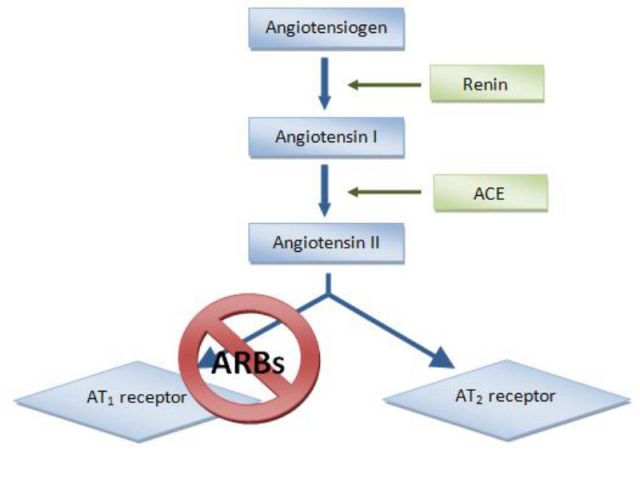
The antihypertension drugs called ARBs disrupt the pathway that leads to blood vessel constriction by preventing angiotensin II from binding to the AT1 receptor. This now-available angiotensin is then processed by ACE2 (not shown) into the form that leads to blood vessel dilation. ACE inhibitors work by blocking the production of angiotensin II.


A coronavirus spike protein (red) binds to an ACE2 receptor (blue).

For the past few weeks, research journals have been publishing reports on the connection between medications that reduce high blood pressure and COVID-19. The concern is that the medications might increase the abundance of the receptor that SARS-CoV-2—the virus that causes COVID-19—uses to enter cells. Boosting levels of these ACE2 receptors on lung and heart cells could give the virus more cellular entry points to target and potentially make symptoms of the disease more severe.

It’s a hypothesis that is important to test, notes Carlos Ferrario, a professor of general surgery at Wake Forest School of Medicine who specializes in research on antihypertensive drugs.

So far, the data supporting the connection between blood pressure medications—specifically, angiotensin-converting-enzyme (ACE) inhibitors and angiotensin receptor blockers (ARBs)—and COVID-19 are scant. Yet media coverage of the connection has led patients prescribed the drugs to call their doctors asking if they should stop taking them. In response, several medical associations—including the American College of Cardiology, the American Heart Association, the Heart Failure Society of America, and the European Society of Cardiology—have issued guidelines saying patients should not stop taking the antihypertensive drugs because there’s no evidence to support the claim that they cause more-severe SARS-CoV-2 infections.

In support of that recommendation, Ankit Patel, a clinical and research fellow focusing on the kidneys at Brigham and Women’s Hospital in Boston, and his Brigham colleague Ashish Verma dug into the literature to address the confusion and reported March 24 in JAMA that there’s no definitive evidence to suggest ACE inhibitors and ARBs increase the severity of COVID-19. Another team of doctors, writing in the March 30 issue of the New England Journal of Medicine, came to the same conclusion.

Instead of making COVID-19 symptoms worse, some antihypertensive drugs may actually reduce the severity of infections, and could therefore be used to treat the disease, both sets of doctors say. A closer look at the underlying mechanisms of the medications has also buoyed another idea for how to treat COVID-19—give patients the enzyme ACE2 as a decoy to direct SARS-CoV-2 away from their cells. A biotech company developing such an approach using recombinant ACE2 received regulatory approval today (April 2) to start clinical trials on COVID-19 patients.

“It’s a very interesting idea,” David Kass, a cardiologist at Johns Hopkins School of Medicine tells The Scientist. “Obviously, if the virus binds to this form of ACE2 that’s floating around in the bloodstream and not attached to a cell, it won’t be able to multiply and damage the cells.”

How ACE2 acts in the body

The ACE2 decoy idea can be traced back to early work on the receptor by Josef Penninger, a molecular immunologist at the University of British Columbia. Roughly 20 years ago, he was working as a researcher at the Ontario Cancer Institute when he cloned ACE2 and started probing what it does.

A senior investigator in the lab thought the work was a waste of time, Penninger recalls, telling him that scientists already knew everything they needed to know about the renin–angiotensin system, which regulates blood pressure and fluid and electrolyte balance. The senior researcher added that ACE2, which is associated with the system, was so boring Penninger should stop working on it before he ruined his career. At the time, it was a painful comment to hear, but it made Penninger even more determined to understand ACE2’s biological function. “It’s funny now,” he says.

Over time, he and others started to unravel how ACE2 operates within the renin–angiotensin system. The system starts with a hormone secreted by the kidneys called renin that cleaves the peptide hormone angiotensinogen into angiotensin I. That cleavage product is then converted into a version of angiotensin II by ACE, the angiotensin-converting enzyme. That version binds to the angiotensin II type 1 (AT1) receptor, on the surface of blood vessels, lung, and heart cells among other cells in the body. Where those molecules meet, blood vessels constrict and blood pressure rises, which can contribute to acute respiratory distress syndrome.

This is where ACE2 comes in. The enzyme cleaves an amino acid off angiotensin II to create angiotensin 1-7, which dilates blood vessels, reduces inflammation, and inactivates angiotensin II before it gets to a cell’s AT1 receptor.

“Whenever there is a hormone that has a certain interaction in the body, there’s often another hormone to counteract it,” Patel says. ACE2 counterbalances ACE, and “the body tries to maintain those two in balance to keep things in check.”

Doctors prescribe ACE inhibitors to people with high blood pressure and other heart problems to prevent ACE from converting angiotensin I into the form of angiotensin II that constricts blood vessels, leading to lower blood pressure. ARBs prevent angiotensin II from binding to AT1 receptors so ACE2 metabolizes it, also lowering blood pressure.

“We actually know a lot about ACE2 and its biology,” Penninger says. “We should follow the data.”

An ACE2 boost might distract the coronavirus

Penninger published his work on ACE2 biology in 2002, just before the outbreak of SARS in 2003. After the virus infected humans and started to spread, a team from Boston published the first clues to how SARS-CoV targets ACE2 to gain entry into human cells. There were other receptors proposed as entry points at that time, but the mention of ACE2 caught Penninger’s attention.

He started a study in mice, and in 2005 published the first definitive evidence that SARS-CoV uses ACE2 to infect its host’s cells. In the same study, Penninger and his colleagues showed that the virus reduces ACE2 abundance, which results in ramped-up angiotensin II levels, in turn causing acute lung failure. The work revealed what made SARS-CoV so deadly, he says.

Based on the data, Penninger’s team argued that administering a recombinant ACE2 protein could trick the virus into binding with it, rather than actual ACE2 receptors. This could then protect endogenous receptors and allow them to continue to function in counterbalancing ACE, and, ideally, protect the lung and heart from damage during a viral infection.

Penninger has been working on developing a recombinant ACE2 protein therapy for 15 years. He first tested it in mice after they’d inhaled acid; treatment with ACE2 prevented the animals from developing acute lung injury. Other studies showed the recombinant proteins could be used to treat heart failure, and eventually the research led to clinical trials to test ACE2’s safety in humans.

So far, early clinical trials of the drug have shown it does not have any harmful side effects in healthy humans or in patients with lung failure. (Penninger was not involved in conducting the clinical trial).

The next step is to see if the recombinant enzyme can intervene in a SARS-CoV-2 infection. In a study published today in Cell, Penninger’s group shows the drug can reduce the viral load of SARS-CoV-2 in experimental models by a factor of 1,000 to 5,000. Today, Apeiron Biologics, the biotech company Penninger founded in 2005, was also awarded regulatory approval to start clinical trials to test the drug in patients with severe COVID-19 symptoms, which, he says, could happen as early as the end of next week.

Ramping up ACE2 using ARBs instead

Penninger’s early work on SARS-CoV is part of what prompted the discussion among physicians about the safety of ACE inhibitors and ARBs, which regulate levels of angiotensin II directly or via its cell receptor. Another study related to the antihypertensive drugs that got the doctors’ attention was one done by Ferrario more than a decade ago. Administering ACE inhibitors or ARBs to rats led to increased ACE2 activity in the animals’ hearts, exactly where scientists and physicians wouldn’t want more ACE2 receptors for SARS-CoV-2 to target. Or at least, that’s what one might think.

But Penninger’s preliminary work from 2005 implies that increasing ACE2 levels through antihypertensive drugs might treat symptoms of SARS-CoV-2 infection, with ARBs showing more promise than ACE inhibitors.

ACE inhibitors lower levels of angiotensin II, and when they do, there’s less substrate for ACE2 to metabolize, which could leave the enzyme idle and therefore open to attack by SARS-CoV-2. That’s part of the argument some researchers were making about ACE inhibitors contributing to COVID-19 infection. However, there are no data to show that happens, Penninger says. Still, he argues, the way ACE inhibitors work in the body, freeing up ACE2 on cells for viral targeting rules them out as potential COVID-19 treatments.

Using ARBs to combat the virus is a more promising approach. As Penninger’s team showed, SARS-CoV reduced the abundance of ACE2, causing hypertension and lung failure in mice. If ARBs boost ACE2 expression, that might counteract the effects of the infection. The hypothesis is preliminary at this point, says David Gurwitz, a geneticist with a background in pharmacology at Tel Aviv University. He described the idea, which seems paradoxical, March 4 in a review article published in Drug Development Research. The main difference between ACE inhibitors and ARBs is that the former just frees up existing ACE2 receptors, while the latter leads to an increase in the number of receptors, allowing more angiotensin II to be converted to angiotensin 1-7. That would dilate blood vessels and reduce inflammation, countering any hypertensive state caused by a viral infection.

In clinical analyses designed to ensure that ARBs don’t harm COVID-19 patients, researchers in China have published preliminary data on medRxiv supporting the hypothesis. In the study, the team tracked the health outcomes of 511 patients taking medications for heart conditions who then became infected with SARS-CoV-2. The patients took either ACE inhibitors, ARBs, or other drugs that lowered their blood pressure. The results showed that patients over age 65 taking ARBs were at a lower risk of developing severe lung damage than age-matched patients not taking the medications, but there weren’t enough data to do a similar analysis for ACE inhibitors. The work reveals there was no hazard for ARBs, and there may be benefits, but as always, more data are needed, Kass says.

One way to collect those data on a larger scale, Gurwitz explains, would be to analyze many more COVID-19 patients’ health records to see if they’ve been taking ARBs prior to SARS-CoV-2 infection, then comparing the severity of infection in those patients and how well they recovered with the symptoms of COVID-19 patients not taking the medications.

Gurwitz also recommends researchers compare the percentage of people chronically medicated with different antihypertensive medications in the general population with the percentage of them among hospital admissions for COVID-19. These types of analyses could also be done with many other approved drugs, he notes, not just ARBs.

Already, physicians at University Hospital Zurich have begun a patient registry to do these types of health informatics analyses, and physicians and researchers at Johns Hopkins School of Medicine and other public health schools in the US have been discussing the feasibility of starting these studies.

“Unfortunately for the country, we’re going to have lots of COVID-19 cases,” Kass says. “Groups are now trying to get these epidemiological studies started so we can get answers.”

https://www.the-scientist.com/news-opinion/blood-pressure-meds-point-the-way-to-possible-covid-19-treatment-67371?utm_campaign=TS_DAILY%20NEWSLETTER_2020&utm_source=hs_email&utm_medium=email&utm_content=85706789&_hsenc=p2ANqtz–HTxdAA4l8ORpuJZQE3i–UqSCKXPaN4-_B2bIk8IV5pUfRvwjTqC8GIsP5hN1DJ4aIl7wJ54eQ0sjwTYqx2BbUBCqmA&_hsmi=85706789

Plants “talk” to neighbors to ward off pests


Goldenrods that evolved in the presence of herbivores release volatile chemicals that trigger defenses in neighboring plants of their species, even those that are genetically unrelated.

by Ashley Yeager

When a beetle larva bites into the leaf of a goldenrod plant, a perennial herb known for its bright yellow flowers, it gets a mouthful of food to fuel its growth. But the plant’s perspective is rather different. The bite damages the goldenrod (genus: Solidago), causing it to launch molecular defenses against the insect and to emit a concoction of chemicals that change the physiology of goldenrod plants nearby. It’s as if the plants are communicating about the invader.

For researchers studying plants’ responses to herbivory, the reasons for this communication are something of a mystery. “We don’t have a good understanding of why these plants are emitting these cues,” Rick Karban, an entomologist who studies plant communication at the University of California, Davis, tells The Scientist. “We don’t even know if the cues that plants are emitting—that other plants can perceive and respond to—are somewhat intentional,” or just a byproduct of leaf damage.

The notion that plants communicate was controversial until the end of the 20th century. Biologists first argued that trees and plants could “talk” to one another in the 1980s, but data supporting the idea were dismissed by many researchers as statistically sketchy. Over the past few decades, however, the scientific community has revised its opinion. A series of papers have shown that when a plant such as goldenrod is damaged, it releases volatile organic compounds (VOCs) that prompt neighboring plants to mount their own chemical defenses against an impending herbivore attack. Karban says researchers are now focused on why the emitting plant puts out this signal, and whether it derives a benefit from telling those around it that it’s being eaten.

It’s possible that surrounding plants are merely eavesdropping on the signal emitter, which derives no benefit from the situation. Researchers have also proposed two alternative hypotheses that involve a benefit to the emitter. The first—the kin selection hypothesis—states that the plant emitting the signal indirectly benefits thanks to the increased survival of genetically related individuals in its vicinity, even if the plant itself is damaged by herbivory. The second—the mutual benefit hypothesis—posits that the plant emitting the signal directly benefits from communication because the preemptive chemical defenses launched by all its neighbors result in a hostile environment that encourages the herbivorous insect to move away from the area.

Finding evidence to distinguish between these scenarios hasn’t been easy, especially because plant communication is a small field. But a long-running project offers new clues. In 1996, a team at Cornell University started an elaborate experiment on one goldenrod species, S. altissima, regularly spraying rows and rows of the plant with the insecticide fenvalerate, while leaving other rows untreated. After 12 years, the researchers collected plants from each of the rows, brought them to the lab, snipped the stems, and grew clones. Then, the team set up collections of the clones in pots at a nearby farm, let goldenrod beetle larvae munch on some of the plants, and measured the emission of VOCs.

“This research was really mostly curiosity driven,” says Aino Kalske, a postdoctoral researcher in ecology and evolution biology at the University of Turku in Finland and a former graduate student at Cornell who helped with the experiment. She and her colleagues were particularly interested to see if the goldenrod’s chemical messages would evolve differently depending on whether the plants had been treated with insecticide and were protected from insect attacks or had been left untreated and experienced higher levels of herbivory. Differences in signaling between the treated and untreated plants’ descendants might be a small step toward determining which hypothesis about plant communication was correct.

The team found that VOCs emitted by goldenrod plants whose predecessors had been sprayed with the insecticide only induced genetically identical plants to mount preemptive chemical defenses to insect invasion—consistent with the kin selection hypothesis. But VOCs emitted by goldenrod whose predecessors hadn’t been sprayed with the insecticide induced the preemptive defense from all the other goldenrod plants around them, even plants that weren’t their kin—consistent with the mutual benefit hypothesis.

Additionally, the plants exposed to herbivory converged on a shared VOC signal over the course of the study—with all of the goldenrod plants eventually emitting the same chemical signals whether they were genetically identical to the emitter plant or not. Plants treated with insecticide showed no such signal convergence, the researchers reported in Current Biology last September. This sort of convergence on a single chemical signal is thought to benefit plants exposed to herbivory by providing a stronger deterrent against invading insects or a stronger attraction for the herbivores’ natural enemies. Kalske says the study provides the first concrete evidence that plants aren’t merely eavesdropping on one another, and that the emitter derives a benefit from releasing its chemical messages.

“The main value of the paper is the extremely long-lasting experiment needed to assess an evolutionary change in an organism,” Emilio Guerrieri, a researcher at the National Research Council of Italy’s Institute for Sustainable Plant Protection who was not involved in the study, writes in an email to The Scientist. The experiment, he says, “represents a sound demonstration that herbivores shape the VOC emission of a plant.”

Researchers still don’t know much about how the plants actually receive and respond to the VOC cues, Kalske notes, or whether the presence of other types of herbivores, such as mammals, influences similar signal changes. These are questions that the team would still like to answer, she says, not least because of the potential agricultural applications. “Understanding the intricacies of the plant world and plant-plant communication in more detail can potentially help us in plant protection in the agricultural context, if we can learn how to use these volatiles to turn on defenses in crop plants effectively.”

https://www.the-scientist.com/notebook/generations-of-insect-attacks-drive-plants-to-talk-publicly-67159?utm_campaign=TS_DAILY%20NEWSLETTER_2020&utm_source=hs_email&utm_medium=email&utm_content=85515973&_hsenc=p2ANqtz-8vgYliNz5ABV6V5y8nfekspNyWlR_u8kwYavJWO2rn12UkRI4JtrgOhqW_8tWCBOElTrXoYiey8YAUjNTNNyBHJfH0MQ&_hsmi=85515973

Blood from coronavirus survivors might save lives

Hospitals in New York City are gearing up to use the blood of people who have recovered from COVID-19 as a possible antidote for the disease. Researchers hope that the century-old approach of infusing patients with the antibody-laden blood of those who have survived an infection will help the metropolis — now the US epicentre of the outbreak — to avoid the fate of Italy, where intensive-care units (ICUs) are so crowded that doctors have turned away patients who need ventilators to breathe.

The efforts follow studies in China that attempted the measure with plasma — the fraction of blood that contains antibodies, but not red blood cells — from people who had recovered from COVID-19. But these studies have reported only preliminary results so far. The convalescent-plasma approach has also seen modest success during past severe acute respiratory syndrome (SARS) and Ebola outbreaks — but US researchers are hoping to increase the value of the treatment by selecting donor blood that is packed with antibodies and giving it to the patients who are most likely to benefit.

A key advantage to convalescent plasma is that it’s available immediately, whereas drugs and vaccines take months or years to develop. Infusing blood in this way seems to be relatively safe, provided that it is screened for viruses and other infectious agents. Scientists who have led the charge to use plasma want to deploy it now as a stopgap measure, to keep serious infections at bay and hospitals afloat as a tsunami of cases comes crashing their way.

“Every patient that we can keep out of the ICU is a huge logistical victory because there are traffic jams in hospitals,” says Michael Joyner, an anaesthesiologist and physiologist at the Mayo Clinic in Rochester, Minnesota. “We need to get this on board as soon as possible, and pray that a surge doesn’t overwhelm places like New York and the west coast.”

On 23 March, New York governor Andrew Cuomo announced the plan to use convalescent plasma to aid the response in the state, which has more than 25,000 infections, with 210 deaths. “We think it shows promise,” he said. Thanks to the researchers’ efforts, the US Food and Drug Administration (FDA) today announced that it will permit the emergency use of plasma for patients in need. As early as next week, at least two hospitals in New York City — Mount Sinai and Albert Einstein College of Medicine — hope to start using coronavirus-survivor plasma to treat people with the disease, Joyner says.

After this first rollout, researchers hope the use will be extended to people at a high risk of developing COVID-19, such as nurses and physicians. For them, it could prevent illness so that they can remain in the hospital workforce, which can’t afford depletion.

And academic hospitals across the United States are now planning to launch a placebo-controlled clinical trial to collect hard evidence on how well the treatment works. The world will be watching because, unlike drugs, blood from survivors is relatively cheap and available to any country hit hard by an outbreak.

Scientists assemble

Arturo Casadevall, an immunologist at Johns Hopkins University in Baltimore, Maryland, has been fighting to use blood as a COVID-19 treatment since late January, as the disease spread to other countries and no surefire therapy was in sight. Scientists refer to this measure as ‘passive antibody therapy’ because a person receives external antibodies, rather than generating an immune response themselves, as they would following a vaccination.

The approach dates back to the 1890s. One of the largest case studies occurred during the 1918 H1N1 influenza virus pandemic. More than 1,700 patients received blood serum from survivors, but it’s difficult to draw conclusions from studies that weren’t designed to meet current standards.

During the SARS outbreak in 2002–03, an 80-person trial of convalescent serum in Hong Kong found that people treated within 2 weeks of showing symptoms had a higher chance of being discharged from hospital than did those who weren’t treated. And survivor blood has been tested in at least two outbreaks of Ebola virus in Africa with some success. Infusions seemed to help most patients in a 1995 study in the Democratic Republic of the Congo, but the study was small and not placebo controlled. A 2015 trial in Guinea was inconclusive, but it didn’t screen plasma for high levels of antibodies. Casadevall suggests that the approach might have shown a higher efficacy had researchers enrolled only participants who were at an early stage of the deadly disease, and therefore were more likely to benefit from the treatment.

Casadevall corralled support for his idea through an editorial in the Wall Street Journal, published on 27 February, which urged the use of convalescent serum because drugs and vaccines take so long to develop. “I knew if I could get this into a newspaper, people would react, whereas if I put it into a science journal, I might not get the same reaction,” he says.

He sent his article to dozens of colleagues from different disciplines, and many joined his pursuit with enthusiasm. Joyner was one. Around 100 researchers at various institutes self-organized into different lanes. Virologists set about finding tests that could assess whether a person’s blood contains coronavirus antibodies. Clinical-trial specialists thought about how to identify and enroll candidates for treatment. Statisticians created data repositories. And, to win regulatory clearance, the group shared documents required for institutional ethical-review boards and the FDA.

Tantalizing signs

Their efforts paid off. The FDA’s classification today of convalescent plasma as an ‘investigational new drug’ against coronavirus allows scientists to submit proposals to test it in clinical trials, and lets doctors use it compassionately to treat patients with serious or life-threatening COVID-19 infections, even though it is not yet approved.

“This allows us to get started,” says Joyner. Physicians can now decide whether to offer the therapy to people with very advanced disease, or to those that seem to be headed there — as he and other researchers recommend. He says hospitals will file case reports so that the FDA gets a handle on which approaches work best.

Researchers have also submitted to the FDA three protocols for placebo-controlled trials to test the plasma, which they hope will take place at hospitals affiliated with Johns Hopkins, the Mayo Clinic and Washington University in St. Louis, along with other universities that want to take part.

Future directions

The US tests of convalescent plasma aren’t the first. Since early February, researchers in China — where the coronavirus emerged late last year — have launched several studies using the plasma. Researchers have yet to report on the status and results of these studies. But Liang Yu, an infectious-disease specialist at Zhejiang University School of Medicine in China, told Nature that in one preliminary study, doctors treated 13 people who were critically ill with COVID-19 with convalescent plasma. Within several days, he says the virus no longer seemed to be circulating in the patients, indicating that antibodies had fought it off. But he says that their conditions continued to deteriorate, suggesting that the disease might have been too far along for this therapy to be effective. Most had been sick for more than two weeks.

In one of three proposed US trials, Liise-anne Pirofski, an infectious-disease specialist at Albert Einstein College of Medicine, says researchers plan to infuse patients at an early stage of the disease and see how often they advance to critical care. Another trial would enrol severe cases. The third would explore plasma’s use as a preventative measure for people in close contact with those confirmed to have COVID-19, and would evaluate how often such people fall ill after an infusion compared with others who were similarly exposed but not treated. These outcomes are measurable within a month, she says. “Efficacy data could be obtained very, very quickly.”

Even if it works well enough, convalescent serum might be replaced by modern therapies later this year. Research groups and biotechnology companies are currently identifying antibodies against the coronavirus, with plans to develop these into precise pharmaceutical formulas. “The biotech cavalry will come on board with isolating antibodies, testing them, and developing into drugs and vaccines, but that takes time,” says Joyner.

In some ways, Pirofski is reminded of the urgency she felt as a young doctor at the start of the HIV epidemic in the early 1980s. “I met with medical residents last week, and they are so frightened of this disease, and they don’t have enough protective equipment, and they are getting sick or are worried about getting sick,” she says. A tool to help to protect them now would be welcomed.

Since becoming involved with the push for blood as a treatment, Pirofski says another aspect of the therapy holds her interest: unlike a pharmaceutical product bought from companies, this treatment is created by people who have been infected. “I get several e-mails a day from people who say, ‘I survived and now I want to help other people’,” she says. “All of these people are willing to put on their boots and brush their teeth, and come help us do this.”

https://www.nature.com/articles/d41586-020-00895-8?utm_source=fbk_nnc&utm_medium=social&utm_campaign=naturenews&fbclid=IwAR08dlcqj_ixR5eJxFxrlI4UikMrTpBLLA4_aYTxfD5CfjRLi8lli2DB3gI&utm_source=Nature+Briefing&utm_campaign=7fdc8b2aa7-briefing-dy-20200325&utm_medium=email&utm_term=0_c9dfd39373-7fdc8b2aa7-44039353

First drug repurposing trial for COVID-19 falls flat

By Anette Breindl

The first attempt at using existing drugs to treat patients infected with SARS-CoV-2 has yielded disappointing results.

In 200 hospitalized patients with severe COVID-19, a 14-day regimen of twice-daily treatment with Kaletra/Aluvia (lopinavir/ritonavir, Abbvie Inc.) did not hasten recovery when added to the standard of care. Chinese clinicians led by Bin Cao of the National Clinical Research Center for Respiratory Diseases reported their findings in the March 19, 2020, issue of The New England Journal of Medicine.

Lopinavir is a protease inhibitor, while ritonavir increases the half-life of lopinavir by inhibiting its metabolism. The drug was tested because screening studies had flagged it as having activity against MERS-CoV, which has led to a clinical trial of a combination of Kaletra/Aluvia and interferon-beta for the treatment of MERS-CoV in the Kingdom of Saudi Arabia.

In the COVID-19 trial, 199 patients were treated, split evenly between drug and standard-of-care groups. The study’s primary endpoint, time to improvement, was the same between the two groups, both of which took 16 days to improve. Mortality and viral load at various time points were also not different.

In an editorial published alongside the paper, Lindsey Baden, of Harvard Medical School, and Eric Rubin, of the Harvard TH Chan School of Public Health, wrote that “the results for certain secondary endpoints are intriguing,” but also acknowledged that those results were hard to interpret, due to a mix of trial size, possible differences in illness severity at baseline, and the fact that the trial was randomized but not blinded.

And if certain endpoints were intriguing, others were discouraging. In particular, viral loads did not differ between the groups, tellingly so, according to Baden and Rubin. “Since the drug is supposed to act as a direct inhibitor of viral replication, the inability to suppress the viral load and the persistent detection of viral nucleic acid strongly suggest that it did not have the activity desired,” they wrote. “Thus, although some effect of the drug is possible, it was not easily observed.”

It is possible that larger trials will yet uncover an effect of Kaletra/Aluvia. But for now, perhaps the best hope is that other drugs will work better – in particular, remdesivir (Gilead Sciences Inc.), which was originally developed for Ebola virus disease, but proved less effective there than several other options.

A paper in the Jan. 10, 2020, issue of Nature Communications investigated the effects of Aluvia on MERS-CoV in mouse experiments, where it showed ho-hum effects. The authors of the Nature Communications paper reported that “prophylactic [Kaletra/Aluvia plus interferon-beta] slightly reduces viral loads without impacting other disease parameters.”

But remdesivir was more effective. “Both prophylactic and therapeutic [remdesivir] improve pulmonary function and reduce lung viral loads and severe lung pathology” in a mouse model of MERS, the authors reported.

Remdesivir is in both an NIH-sponsored clinical trial and a Japanese-Chinese trial as potential COVID-19 treatment, after a January case report of a patient who showed rapid improvement after he was treated with the drug for COVID-19.

Though the Kaletra/Aluvia trial’s results were not as hoped, Baden and Rubin noted that the trial itself was an encouraging bit of news, as well as a “heroic effort…. As we saw during the 2014 Ebola outbreak in West Africa, obtaining high-quality clinical trial data to guide the care of patients is extremely difficult in the face of an epidemic, and the feasibility of a randomized design has been called into question. Yet Cao’s group of determined investigators not only succeeded but ended up enrolling a larger number of patients (199) than originally targeted.”

Possible Biological Explanations for Kids’ Escape from COVID-19


Infected children may harbor SARS-CoV-2 while showing less-severe symptoms than adults. Their young immune systems, ACE2 receptor levels, and even exposure to other coronaviruses might play a role in their resilience.

by Anthony King

Since SARS-CoV-2, the virus responsible for the COVID-19 pandemic, was first recognized as a close cousin of the virus that caused the SARS outbreak of 2003, scientists have looked to the experience of that earlier epidemic to glean insight into the current global health crisis.

Kids were largely unaffected in the original SARS outbreak. In Hong Kong, no one under the age of 24 years died, while more than 50 percent of patients over 65 succumbed to the infection. Globally, less than 10 percent of those diagnosed with SARS were children, and only 5 percent of them required intensive care.

“There were repeated incursions from animals to humans, with both SARS and MERS, and the assumption by many was maybe children are just not exposed to the infected civet cats or camels,” says virologist Kanta Subbarao of the Doherty Institute in Melbourne, Australia.

A very similar pattern has been observed with the new outbreak of COVID-19. Within Wuhan, no children tested positive between November 2019 and the second week of January, and the elderly proved particularly vulnerable. The Chinese Centers for Disease Control and Prevention reported in mid-February that out of 44,672 confirmed cases of COVID-19, 86.6 percent were between 30 and 79 years of age. The oldest among them were at greatest risk of death. And in a study of 1,099 patients in China, just 0.9 percent of confirmed cases were under the age of nine, while only 1.2 percent were between 10 and 19 years old.

Now, evidence is emerging that while few children suffer severely from COVID-19, they do get infected. A recent study even found evidence of viral excretion in children from rectal swabs. “At the moment it doesn’t seem to be causing much in the way of serious disease in young people, particularly children,” says virologist Robin Shattock of Imperial College London. However, he adds, “it is quite likely that children are an important source of the virus.”

“There is good evidence that children get infected and have a fairly high titre of virus but just don’t have serious disease,” agrees Ralph Baric, a coronavirus researcher at the University of North Carolina at Chapel Hill. He saw a similar phenomenon in his mouse studies with the original SARS coronavirus (SARS-CoV). Although SARS-CoV can replicate fairly well, “younger animals are really resistant to infection in terms of the disease,” he says. When Baric tested older animals, he says, the severity of SARS illnesses rose. In one experiment, one-fifth of mice infected with SARS aged 3–4 weeks died, whereas all of the mice 7–8 weeks old died.

Subbarao has also found that young adult mice, at six weeks old, can clear SARS-CoV with no significant clinical symptoms. “When we used the same virus in 12-month-old mice, which is by no means really old, there were more clinical signs,” she says. These results indicate that both the original SARS-CoV and the one circulating now may infect children, but not make them ill. “The animal data supports the idea that they are infected but do not develop disease, because our young mice have the same levels of virus as old mice but do not get sick,” says Stanley Perlman, an immunologist at the University of Iowa. “It is not a question of infection.”

The work on mice is now being supported by emerging epidemiological data. A preprint posted to medRxiv on March 4 analyzed 391 COVID-19 cases and 1,286 of their close contacts. The authors concluded that children are at a similar risk of infection as the general population, though less likely to have severe symptoms.

An aging immune system

One explanation for the correlation between age and disease severity is that as humans’ immune systems age, more cells become inactive. “As you age, your immune system undergoes senescence and loses its capacity to respond as effectively or be regulated as effectively,” says Baric.

Another explanation, which Perlman favors, is tied to the aging lung environment. In order for individuals not to easily develop asthma or overreact to environmental irritants such as pollen or pollution, aged lungs counter the usual immune reaction with some tamping down of inflammation. As a result, says Perlman, the lungs do not respond quickly enough to a viral infection. For instance, when his group makes the lungs of older mice more like those of young mice by altering prostaglandins, compounds that respond to tissue injury, “then the mice do well and they can clear the [SARS] infection and don’t get sick,” says Perlman.

In experiments reported in 2010, Perlman and his colleagues showed that T cells are especially important in clearing viruses from mice infected with SARS-CoV. “It is almost certain we need both an antibody- and T cell–response to do well” against COVID-19 infection, says Perlman. His suspicion is that the young immune system and its efficient T cells do a superior job of responding to SARS-CoV-2. A 2010 study led by Subbarao also stressed the importance of CD4+ helper T cells, which stimulate B cells to make antibodies against pathogens, in controlling SARS-CoV infection in mice.

“It could be that the type of T cell that dominates early in life is better at repelling this virus,” says immunologist Kingston Mills of Trinity College Dublin. He also proposes that young children’s higher production of a type of T cell called Th2 might guard against runaway inflammatory responses to SARS-CoV-2. Perlman doesn’t support the proposed role of a bias toward Th2 cells in the case of this viral infection, but he does agree that an immune overreaction is problematic.

“The innate response is delayed in the elderly, so ends up playing catch-up and is exuberant,” Perlman writes in an email to The Scientist.

ACE2 receptor

SARS-CoV and SARS-CoV-2 both use the same keyhole to enter cells, the ACE2 receptor. There’s an abundance of this receptor in cells in the lower lung, which may explain the high incidence of pneumonia and bronchitis in those with severe COVID-19 infection. A recent study showed that ACE2 is also highly expressed in the mouth and tongue, granting the virus easy access to a new host. ACE2 receptor abundance goes down in the elderly in all these tissues, but, counterintuitively, this might place them at a greater risk of severe illness.

This is because the ACE2 enzyme is an important regulator of the immune response, especially inflammation. It protects mice against acute lung injury triggered by sepsis. And a 2014 study found that the ACE2 enzyme offers protection against lethal avian influenza. Some patients with better outcomes had higher levels of the protein in their sera, and turning off the gene for ACE2 led to severe lung damage in mice infected with H5N1, while treating mice with human ACE2 dampened lung injury.

A fall in ACE2 activity in the elderly is partly to blame for humans’ poorer ability to put the brakes on our inflammatory response as we age, according to emailed comments from Hongpeng Jia of Johns Hopkins Medicine. Reduced abundance of ACE2 receptors in older adults could leave them less able to cope with SARS-CoV-2, says Baric, though the hypothesis still needs more research.

Exposure to other coronaviruses

There are four other coronaviruses that infect humans, with symptoms typical of a common cold. These viruses are common in children. “We don’t know which of them, if any, might provide some cross immunity,” says Subbarao. It could be that immunity to viral proteins, obtained from circulating “common cold” viruses, moderates the course of COVID-19.

This is a “hand-waving hypothesis,” Subbarao adds, but one that is worth testing. Recently, it has been suggested that plasma from people who’ve recovered from COVID-19 could be transfused into patients infected with SARS-CoV-2 to treat them.

“I don’t think anyone in the field knows why the disease is less robust in extremely young animals or humans,” Baric tells The Scientist. It is also still too early to know how much learned from the first SARS coronavirus applies to SARS-CoV-2. “SARS-CoV-1 will tell us a lot, but I think there is new information we are going to learn about SARS-CoV-2,” Perlman acknowledges.

https://www.the-scientist.com/news-opinion/possible-biological-explanations-for-kids-escape-from-covid-19-67273?utm_campaign=TS_DAILY%20NEWSLETTER_2020&utm_source=hs_email&utm_medium=email&utm_content=84840060&_hsenc=p2ANqtz-_QBhFeETnCdgO-hMkDQF0G0KlDcX_Lu5wb8FR6n0M2nggE4q841plJ_OtOZv-bbBKiOgV9emt0eX9q7t-0l6Og3pcCVQ&_hsmi=84840060

Second person cured of HIV is still free of active virus two years on


Adam Castillejo, known in the scientific literature as the London Patient, in London’s East End, March 1, 2020.

By Gina Yu and Amy Woodyatt

he second person ever to be cured of HIV is still free of active virus more than two years on, a study published by medical journal The Lancet HIV revealed on Tuesday.

Two and a half years ago, Adam Castillejo — previously identified as the “London patient” — finished HIV antiretroviral therapy.

He underwent a stem cell transplant to treat lymphoma and his donor carried a mutation known as CCR5-delta 32, which made him resistant to HIV.

Researchers said that in treating his lymphoma, they believe Castillejo, now 41, was cured of HIV.

HIV (human immunodeficiency virus) is a life-long viral infection that attacks the body’s immune system and can have significant health consequences. There is no widely available cure, however, the virus is treatable with a combination of drugs known as antiretroviral therapy that reduces the amount of virus in a person’s blood and it is preventable by using PrEP, which was approved by the US Food and Drug Administration in 2012.

According to UNAids there were 37.9 million people globally living with HIV in 2018.

“Our findings show that the success of stem cell transplantation as a cure for HIV, first reported nine years ago in the Berlin patient, can be replicated,” said Ravindra Gupta, lead author of the study and a professor in University of Cambridge’s clinical microbiology department.

Unlike the Berlin patient — identified later as Timothy Ray Brown — Castillejo underwent only one stem-cell transplantation instead of two and did not have radiotherapy to his entire body as part of his treatment.

Castillejo represents a step toward a less intensive treatment approach, the authors said.
Still, given the invasive nature of the experimental treatment, the authors caution its widespread use.

“It is important to note that this curative treatment is high-risk, and only used as a last resort for patients with HIV who also have life-threatening haematological malignancies,” Gupta said. “Therefore, this is not a treatment that would be offered widely to patients with HIV who are on successful antiretroviral treatment.”

Since Castillejo is only the second reported patient to undergo this experimental treatment successfully, the authors note that he will require continued, but much less frequent, monitoring for re-emergence of the virus.

Sharon Lewin, director of the Peter Doherty Institute for Infection and Immunity at the University of Melbourne, said that the case was an “exciting advance” but should be viewed in context.

“It’s hard to know if this is a cure, only time will tell, but this is looking very promising,” Lewin said in a statement sent to CNN.

“This case is an exciting advance, but we need to also place it in context — curing people of HIV via a bone marrow transplant is just not a viable option on any kind of scale. We need to constantly reiterate the importance of, prevention, early testing and treatment adherence as the pillars of the current global response to HIV/AIDS. And maintain the search for an HIV cure,” she added.

In an interview with the New York Times, Castillejo said that he decided to reveal his identity after years of difficult treatments and moments of despair.

“This is a unique position to be in, a unique and very humbling position,” Castillejo told the newspaper. “I want to be an ambassador of hope.”

Kat Smithson, director of policy at the National AIDS Trust, applauded Castillejo for sharing his experience, adding that there is a stigma around HIV which can make it difficult for some people to seek help.

“His story helps raise much-needed awareness of HIV, but broader than that it’s a story about incredible resilience, determination and hope,” she said in a statement to CNN.

https://www.cnn.com/2020/03/10/health/hiv-treatment-cure-london-intl-scli-gbr/index.html

Brain scans used to read minds of intensive care patients

By Clare Wilson

When a person sustains a severe brain injury that leaves them unable to communicate, their families and doctors often have to make life-or-death decisions about their care for them. Now brain scanners are being tested in intensive care to see if mind-reading can enable some patients to have their say, New Scientist can reveal.

At the moment, doctors ask the families of people who have a poor prognosis and cannot communicate if they think their relative would want to continue life-sustaining treatments such as being on a ventilator. “Life would be so much easier if you could just ask the person,” says Adrian Owen at the University of Western Ontario in Canada.

Owen’s team previously developed a brain-scanning approach for a much smaller group of people – those in states between consciousness and being in a coma, for example those in a vegetative state. Such people show few signs of awareness and have to be fed through a tube.

Owen found that some of these people can direct their thoughts in response to instructions, which can be picked up on brain scans. If someone is asked to imagine playing tennis, for instance, the part of their brain involved in movement lights up in the scan.

This has let his and other teams ask those who are able to respond in this way yes/no questions, which can give people a say over their living conditions. About a fifth of people the technique is tried on can respond.

Owen is now using the same technique on people who are in intensive care in the first few days after sustaining a severe brain injury. In such circumstances, just over a quarter of people end up having their treatment withdrawn due to a poor prognosis.

For example, in some cases doctors may predict that if the person survives, they would be paralysed and unable to speak. “A decision will typically be made in the first 10 days about whether to go on or pull the plug,” says Owen.

His team has so far used brain scanning on about 20 such people in intensive care to try to communicate with them. Owen won’t yet reveal how many responded to questions, nor whether he asked them if they wanted to live or die.

But he says he has also made progress in developing a new brain imaging technique. The original method uses fMRI machines. To use them the person has to be taken to a separate room and put inside a scanner, and their tubes and equipment have to be changed to allow this to happen. “It’s really challenging and dangerous,” says Owen.

The new approach uses functional near-infrared spectroscopy, which can be done at the bedside and requires only a headset. Although the method visualises only a small part of the brain, this is enough to let someone answer a yes/no question by imagining playing tennis to give the answer “yes”.

In a paper published last week, Owen’s team showed this allowed volunteers without brain injury to accurately answer questions three-quarters of the time (Frontiers in Neuroscience, doi.org/dncs). The team has also used it successfully to speak to people with a condition that causes complete paralysis (see “Temporarily locked in”, below).

As well as conveying information about a person’s wishes, bedside mind-reading may also be useful for shedding light on their prognosis. Among people in a vegetative state, those who can respond to instructions in a brain scanner are more likely to recover, says Owen.

Continued treatment

He believes the technique is more likely to lead to ventilator treatment being continued than stopped. “Negative findings are hard to interpret,” he says. “Positive findings are easier.”

“This is potentially exciting but I wouldn’t want people to get their hopes up because this might only be applicable to a very small group of people,” says Paul Dean of the UK’s Intensive Care Society.

If doctors are able to communicate with people in this way, they would have to be confident the patient had the legal mental capacity to make life or death decisions, says Jenny Kitzinger at Cardiff University, UK. “Have they understood the question, have they understood the diagnosis?”

Read more: https://www.newscientist.com/article/2235266-exclusive-brain-scans-used-to-read-minds-of-intensive-care-patients/#ixzz6FM9c4iLA

Powerful antibiotics discovered using AI


Machine learning spots molecules that work even against ‘untreatable’ strains of bacteria.

by Jo Marchant

A pioneering machine-learning approach has identified powerful new types of antibiotic from a pool of more than 100 million molecules — including one that works against a wide range of bacteria, including tuberculosis and strains considered untreatable.

The researchers say the antibiotic, called halicin, is the first discovered with artificial intelligence (AI). Although AI has been used to aid parts of the antibiotic-discovery process before, they say that this is the first time it has identified completely new kinds of antibiotic from scratch, without using any previous human assumptions. The work, led by synthetic biologist Jim Collins at the Massachusetts Institute of Technology in Cambridge, is published in Cell1.

The study is remarkable, says Jacob Durrant, a computational biologist at the University of Pittsburgh, Pennsylvania. The team didn’t just identify candidates, but also validated promising molecules in animal tests, he says. What’s more, the approach could also be applied to other types of drug, such as those used to treat cancer or neurodegenerative diseases, says Durrant.

Bacterial resistance to antibiotics is rising dramatically worldwide, and researchers predict that unless new drugs are developed urgently, resistant infections could kill ten million people per year by 2050. But over the past few decades, the discovery and regulatory approval of new antibiotics has slowed. “People keep finding the same molecules over and over,” says Collins. “We need novel chemistries with novel mechanisms of action.”

Forget your assumptions
Collins and his team developed a neural network — an AI algorithm inspired by the brain’s architecture — that learns the properties of molecules atom by atom.

The researchers trained its neural network to spot molecules that inhibit the growth of the bacterium Escherichia coli, using a collection of 2,335 molecules for which the antibacterial activity was known. This includes a library of about 300 approved antibiotics, as well as 800 natural products from plant, animal and microbial sources.

The algorithm learns to predict molecular function without any assumptions about how drugs work and without chemical groups being labelled, says Regina Barzilay, an AI researcher at MIT and a co-author of the study. “As a result, the model can learn new patterns unknown to human experts.”

Once the model was trained, the researchers used it to screen a library called the Drug Repurposing Hub, which contains around 6,000 molecules under investigation for human diseases. They asked it to predict which would be effective against E. coli, and to show them only molecules that look different from conventional antibiotics.

From the resulting hits, the researchers selected about 100 candidates for physical testing. One of these — a molecule being investigated as a diabetes treatment — turned out to be a potent antibiotic, which they called halicin after HAL, the intelligent computer in the film 2001: A Space Odyssey. In tests in mice, this molecule was active against a wide spectrum of pathogens, including a strain of Clostridioides difficile and one of Acinetobacter baumannii that is ‘pan-resistant’ and against which new antibiotics are urgently required.

Proton block
Antibiotics work through a range of mechanisms, such as blocking the enzymes involved in cell-wall biosynthesis, DNA repair or protein synthesis. But halicin’s mechanism is unconventional: it disrupts the flow of protons across a cell membrane. In initial animal tests, it also seemed to have low toxicity and be robust against resistance. In experiments, resistance to other antibiotic compounds typically arises within a day or two, says Collins. “But even after 30 days of such testing we didn’t see any resistance against halicin.”

The team then screened more than 107 million molecular structures in a database called ZINC15. From a shortlist of 23, physical tests identified 8 with antibacterial activity. Two of these had potent activity against a broad range of pathogens, and could overcome even antibiotic-resistant strains of E. coli.

The study is “a great example of the growing body of work using computational methods to discover and predict properties of potential drugs”, says Bob Murphy, a computational biologist at Carnegie Mellon University in Pittsburgh. He notes that AI methods have previously been developed to mine huge databases of genes and metabolites to identify molecule types that could include new antibiotics2,3.

But Collins and his team say that their approach is different — rather than search for specific structures or molecular classes, they’re training their network to look for molecules with a particular activity. The team is now hoping to partner with an outside group or company to get halicin into clinical trials. It also wants to broaden the approach to find more new antibiotics, and design molecules from scratch. Barzilay says their latest work is a proof of concept. “This study puts it all together and demonstrates what it can do.”

doi: 10.1038/d41586-020-00018-3
References
1.
Stokes, J. M. et al. Cell https://doi.org/10.1016/j.cell.2020.01.021 (2020).

https://www.nature.com/articles/d41586-020-00018-3?utm_source=Nature+Briefing&utm_campaign=f680a1d26d-briefing-dy-20200221&utm_medium=email&utm_term=0_c9dfd39373-f680a1d26d-44039353