Abstinence from substance use among adolescents is increasing

alcoholg487677380_1462902

1. In a nationally representative survey of American adolescents, there was a fivefold increase in prevalence of lifetime abstinence from substance use among high school seniors.

2. Prevalence of lifetime abstinence from cigarettes and alcohol increased most drastically, whereas rates of marijuana and other substance use have remained more steady.

Substance use is an important modifiable health behavior, and previous studies have focused on use of individual substances. In this cross-sectional study, researchers sought to characterize trends in substance nonuse among adolescents by analyzing responses to the Monitoring the Future Project (MTF), a survey of nationally representative samples of 8th-, 10th-, and 12th-grade students between 1976 and 2014. Prevalence of lifetime abstinence from substance use among high school seniors has risen from 5% in 1976 to 26% in 2014, with similar trends among 8th- and 10th-grade students. Abstinence from cigarettes and alcohol increased dramatically during the study period, while abstinence of marijuana and other illicit substances increased only slightly and, in the case of marijuana, have fallen from peak levels in the 1990s. Students who were male, African American, or reported higher levels of religious involvement were significantly more likely to report lifetime abstinence. Lower odds of reporting lifetime abstinence were noted among students with low grade point average, past-month truancy, employment during the school year, and living in a single-parent household.

These findings are limited by self report bias. True prevalence may be underestimated because adolescents who were not in school to take the survey and those who were missing data for any substance were excluded from analysis. Nonetheless, the study is strengthened by its large, nationally representative sample of high school students. For physicians, these results highlight the importance of identifying and discussing the use of marijuana and other substances with adolescents and parents.

https://www.psychiatryadvisor.com/addiction/abstinence-from-substance-use-among-adolescents-is-increasing/article/787208/?utm_source=newsletter&utm_medium=email&utm_campaign=pa-update-dmd-20180825&cpn=psych_md%2cpsych_all&hmSubId=2yAHMYaJqF41&NID=1710903786

New major study shows that there is no healthy level of alcohol consumption

5121

Even the occasional drink is harmful to health, according to the largest and most detailed research carried out on the effects of alcohol, which suggests governments should think of advising people to abstain completely.

The uncompromising message comes from the authors of the Global Burden of Diseases study, a rolling project based at the University of Washington, in Seattle, which produces the most comprehensive data on the causes of illness and death in the world.

Alcohol, says their report published in the Lancet medical journal, led to 2.8 million deaths in 2016. It was the leading risk factor for premature mortality and disability in the 15 to 49 age group, accounting for 20% of deaths.

Current alcohol drinking habits pose “dire ramifications for future population health in the absence of policy action today”, says the paper. “Alcohol use contributes to health loss from many causes and exacts its toll across the lifespan, particularly among men.”

Most national guidelines suggest there are health benefits to one or two glasses of wine or beer a day, they say. “Our results show that the safest level of drinking is none.”

The study was carried out by researchers at the Institute of Health Metrics and Evaluation (IHME), who investigated levels of alcohol consumption and health effects in 195 countries between 1990 to 2016. They used data from 694 studies to work out how common drinking was and from 592 studies including 28 million people worldwide to work out the health risks.

Moderate drinking has been condoned for years on the assumption that there are some health benefits. A glass of red wine a day has long been said to be good for the heart. But although the researchers did find low levels of drinking offered some protection from heart disease, and possibly from diabetes and stroke, the benefits were far outweighed by alcohol’s harmful effects, they said.

Drinking alcohol was a big cause of cancer in the over-50s, particularly in women. Previous research has shown that one in 13 breast cancers in the UK were alcohol-related. The study found that globally, 27.1% of cancer deaths in women and 18.9% in men over 50 were linked to their drinking habits.

In younger people globally the biggest causes of death linked to alcohol were tuberculosis (1.4% of deaths), road injuries (1.2%), and self-harm (1.1%).

In the UK, the chief medical officer Sally Davies has said there is no safe level of drinking, but the guidance suggests that drinkers consume no more than 14 units a week to keep the risks low. Half a pint of average-strength lager contains one unit and a 125ml glass of wine contains around 1.5 units.

While the study shows that the increased risk of alcohol-related harm in younger people who have one drink a day is small (0.5%), it goes up incrementally with heavier drinking: to 7% among those who have two drinks a day (in line with UK guidance) and 37% for those who have five.

One in three, or 2.4 billion people around the world, drink alcohol, the study shows. A quarter of women and 39% of men drink. Denmark has the most drinkers (95.3% of women, and 97.1% of men). Pakistan has the fewest male drinkers (0.8%) and Bangladesh the fewest women (0.3%). Men in Romania and women in Ukraine drink the most (8.2 and 4.2 drinks a day respectively), while women in the UK take the eighth highest place in the female drinking league, with an average of three drinks a day.

“Alcohol poses dire ramifications for future population health in the absence of policy action today. Our results indicate that alcohol use and its harmful effects on health could become a growing challenge as countries become more developed, and enacting or maintaining strong alcohol control policies will be vital,” said the report’s senior author, Prof Emmanuela Gakidou.

“Worldwide we need to revisit alcohol control policies and health programmes, and to consider recommendations for abstaining from alcohol. These include excise taxes on alcohol, controlling the physical availability of alcohol and the hours of sale, and controlling alcohol advertising. Any of these policy actions would contribute to reductions in population-level consumption, a vital step toward decreasing the health loss associated with alcohol use.”

Dr Robyn Burton, of King’s College London, said in a commentary in the Lancet that the conclusions of the study were clear and unambiguous. “Alcohol is a colossal global health issue and small reductions in health-related harms at low levels of alcohol intake are outweighed by the increased risk of other health-related harms, including cancer,” she wrote.

“There is strong support here for the guideline published by the Chief Medical Officer of the UK who found that there is ‘no safe level of alcohol consumption’.”

Public health policy should be to prioritise measures to reduce the numbers who drink through price increases, taxation, or setting the price according to the strength of the drink (minimum unit pricing), followed by curbs on marketing and restricting the places where people can buy alcohol.

“These approaches should come as no surprise because these are also the most effective measures for curbing tobacco-related harms, another commercially mediated disease, with an increasing body of evidence showing that controlling obesity will require the same measures,” she wrote.

Ben Butler, a Drinkaware spokesperson, said: “This new study supports existing evidence about the harms associated with alcohol. Our research shows that over a quarter of UK adults typically exceed the low risk drinking guidelines and are running the risk of serious long term illnesses.”

But David Spiegelhalter, Winton professor for the public understanding of risk at the University of Cambridge, said the data showed only a very low level of harm in moderate drinkers and suggested UK guidelines were very low risk.

“Given the pleasure presumably associated with moderate drinking, claiming there is no ‘safe’ level does not seem an argument for abstention,” he said. “There is no safe level of driving, but government do not recommend that people avoid driving. Come to think of it, there is no safe level of living, but nobody would recommend abstention.”

https://www.theguardian.com/society/2018/aug/23/no-healthy-level-of-alcohol-consumption-says-major-study

How restricting calories might offer protection against age-related diseases

20120917-restriction

Instead of survival of the fittest, evolution might actually be about survival of the laziest.

That’s according to a new study published Tuesday in the journal The Royal Society. Researchers from the University of Kansas studied fossils of ancient mollusks and gastropods, and found that organisms with higher metabolic rates were more likely to go extinct.

Animals that required less energy to power their daily lives and maintain their bodily functions were more likely to win in the long run, the results showed.

While metabolism isn’t the only factor that determines whether a species goes extinct, the researchers suggest that it’s a very important component of long-term survival.

That new finding adds to a growing body of evidence that links lower metabolism with longevity. (Naked mole rats, for example, are the longest living rodents thanks to a quirk in their metabolism.)

Rozalyn Anderson, an associate professor at the University of Wisconsin’s School of Medicine and Public Health, told Business Insider that her work in monkeys also suggests metabolism is at the center of the aging process.

“I think it’s all about energy: energy use, energy storage and the type of pathways that are being engaged to derive energy,” she said.

Restricting calories in monkeys
Anderson’s most recent research has been on the impacts of restricting caloric intake in Rhesus monkeys.

In a study of 76 monkeys published in the journal Science in 2009, Anderson and her colleagues found that restricting how many calories the animals consumed by 25% over a span of 20 years made them age differently, compared to a group of control monkeys that ate however much they wanted.

The monkeys who ate less were 2.5 times less likely to have an age-related disease like cancer or heart disease.

“The calorically restricted animals age differently,” Anderson said. “They don’t age slower, they age differently, and the way they age is associated with less disease risk. And that difference is in terms of their metabolism.”

She added that restricting a body’s caloric intake — the fuel it takes in — alters how the body produces and consumes energy, making it more energetically efficient.

Anderson also noted that the monkeys that underwent caloric restriction maintained their level of physical activity as they aged, whereas the control animals’ physical activity levels decreased. She explained at a conference in 2014 that for calorically restricted animals, there’s a lower metabolic cost associated with movement — more “bang for your buck” when it comes to trading nutrients for usable energy units.

When humans restrict their calories, researchers have seen similar outcomes. A two-year-long, NIH-supported study published in The Journals of Gerontology in 2015 found that participants who restricted their calories by 12% on average saw decreases in risk factors that contribute to age-related heart disease and diabetes. The experiment did not significantly alter their metabolism, though.

Connecting the dots between factors in the aging process
Anderson said that in her various studies of different facets of aging, she’s most fascinated when her research uncovers pathways that converge and overlap. This is happening more and more in the field of aging, and it’s helping her piece together why caloric restriction seems to alter parts of the aging process.

“I think it’s all completely connected, and these are just different ways of looking at the same phenomenon, which is the things that change with age that makes older people more vulnerable to disease than young people,” Anderson said. “How could you imagine a machine as complicated as a person or a monkey or a mouse, and not have it massively interconnected?”

For example, she found that a specific group of microRNAs — molecules that control gene expression — that she studied in relation to aging a while back plays an active role in the body’s response to caloric restriction. Anderson also found links between caloric restriction and her previous studies on NAD, a molecule that’s tied to energy metabolism and mitochondria. Putting these cellular-level studies into a bigger picture allows Anderson to gauge how all the moving parts come together when calories are limited.

“There’s this idea that the constellation of cells in a tissue are performing different tasks and different ones are creating vulnerability in different ways,” Anderson said. “It’s becoming more nuanced, for sure, it’s becoming more complicated. But it’s also making more sense. Which is why I think it’s kind of cool.”

Aging is inevitable, Anderson said, but her work is suggesting that how you age is flexible and manipulatable.

Understanding the relationship between metabolism and aging will allow scientists to better design studies on longevity. And as more research reveals how and why animals with lower metabolisms live longer and survive better, scientists may be able to figure out ways to mimic those effects in humans.

https://www.thisisinsider.com/restricting-calories-could-protect-against-aging-2018-8

Creationists and conspiracy theorists share the same core process of teleological thinking.

It’s not uncommon to hear someone espouse the idea that “everything happens for a reason” or that something that happened was “meant to be.” Now, researchers reporting in Current Biology on August 20 have found that this kind of teleological thinking is linked to two seemingly unrelated beliefs: creationism, the belief that life on Earth was purposely created by a supernatural agent, and conspiracism, the tendency to explain historical or current events in terms of secret conspiracies or conspiracy theories.

“We find a previously unnoticed common thread between believing in creationism and believing in conspiracy theories,” says Sebastian Dieguez of the University of Fribourg. “Although very different at first glance, both these belief systems are associated with a single and powerful cognitive bias named teleological thinking, which entails the perception of final causes and overriding purpose in naturally occurring events and entities.”

A teleological thinker, for example, will accept as true propositions such as “the sun rises in order to give us light” or “the purpose of bees is to ensure pollination,” he says. “This type of thinking is anathema to scientific reasoning, and especially to evolutionary theory, and was famously mocked by Voltaire, whose character Pangloss believed that ‘noses were made to wear spectacles.’ Yet it is very resilient in human cognition, and we show that it is linked not only to creationism, but also to conspiracism.”

In previous work, Dieguez and colleagues showed that conspiracism wasn’t explained by the tendency to assume that “nothing happens by accident.” They realized that conspiracism isn’t driven by a rejection of the idea that the world is random and complex, but that it still could be linked to the notion that events in the world are actively and purposely fabricated. They also noticed that this looked “striking similar” to creationism. If correct, they reasoned, then conspiracism, like creationism, should be associated with teleological thinking, and both types of beliefs should be correlated with each other.

To find out whether this was the case, the researchers asked more than 150 college students in Switzerland to complete a questionnaire including teleological claims and conspiracist statements, as well as measures of analytical thinking, esoteric and magical beliefs, and a randomness perception task. The survey data showed that the tendency to ascribe function and meaning to natural facts and events was significantly, though modestly, correlated with conspiracist belief scales. Drawing on a large-scale survey of people in France, the researchers also found a strong association between creationism and conspiracism.

To look more closely at this pattern, the researchers next recruited more than 700 people to complete questionnaires online. Those data again confirmed associations among teleological thinking, creationism, and conspiracism. The data also show that those relationships are partly distinct from other variables, including gender, age, analytical thinking, political orientation, education, and agency detection.

“By drawing attention to the analogy between creationism and conspiracism, we hope to highlight one of the major flaws of conspiracy theories and therefore help people detect it, namely that they rely on teleological reasoning by ascribing a final cause and overriding purpose to world events,” Dieguez says. “We think the message that conspiracism is a type of creationism that deals with the social world can help clarify some of the most baffling features of our so-called ‘post-truth era.'”

The researchers say the findings have important implications for science educators and communicators. They may also help in formulating policies to “discourage the endorsement of socially debilitating and sometimes dangerous beliefs and belief systems.”

The researchers are now in the process of assessing the effectiveness of ongoing attempts to educate kids and adolescents about the nature of conspiracy theories and other types of misinformation. They say what’s ultimately needed is a thorough understanding of the factors that contribute to a conspiracist mindset, which is relevant to many beliefs, including global warming denialism and vaccine rejection, and they are developing a general framework to help disentangle the relevant factors.

The findings may help to explain how certain types of misinformation spread so easily aided by social media channels. “It’s possible that content framed in teleological terms are easier to process and spread faster than other types of information, and this could be tested on a much larger scale,” Dieguez says.

https://medicalxpress.com/news/2018-08-core-error-underlies-belief-creationism.html

Cleveland Clinic Researchers Discover Novel Subtype of Multiple Sclerosis


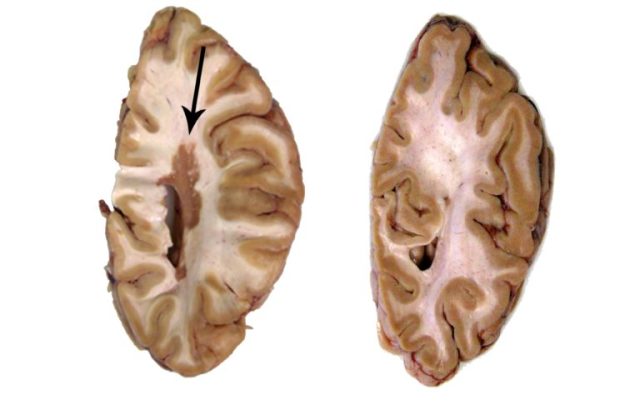
Reprinted from The Lancet Neurology, http://dx.doi.org/10.1016/S1474-4422(18)30245-X, Trapp et al, Cortical neuronal densities and cerebral white matter demyelination in multiple sclerosis: a retrospective study, Copyright (2018), with permission from Elsevier


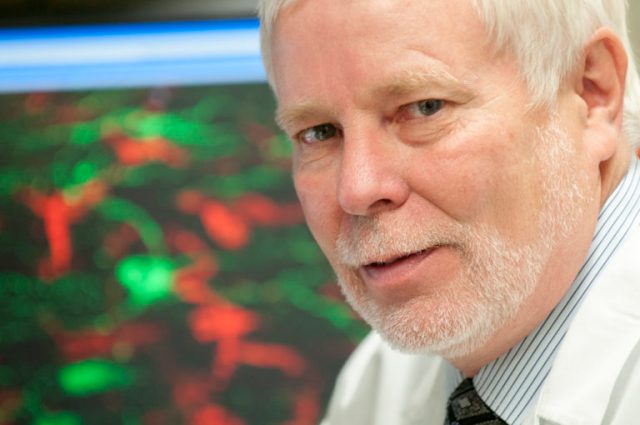
Bruce Trapp, Ph.D., chair of Cleveland Clinic’s Lerner Research Institute Department of Neurosciences

Cleveland Clinic researchers have discovered a new subtype of multiple sclerosis (MS), providing a better understanding of the individualized nature of the disease.

MS has long been characterized as a disease of the brain’s white matter, where immune cells destroy myelin – the fatty protective covering on nerve cells. The destruction of myelin (called demyelination) was believed to be responsible for nerve cell (neuron) death that leads to irreversible disability in patients with MS.

However, in the new findings, a research team led by Bruce Trapp, Ph.D., identified for the first time a subtype of the disease that features neuronal loss but no demyelination of the brain’s white matter. The findings, published in Lancet Neurology, could potentially lead to more personalized diagnosis and treatments.

The team’s findings support the concept that neurodegeneration and demyelination can occur independently in MS and underscore the need for more sensitive MRI imaging techniques for evaluating brain pathology in real time and monitoring treatment response in patients with the disease. This new subtype of MS, called myelocortical MS (MCMS), was indistinguishable from traditional MS on MRI. The researchers observed that in MCMS, part of the neurons become swollen and look like typical MS lesions indicative of white matter myelin loss on MRI. The disease was only diagnosed in post-mortem tissues.

“This study opens up a new arena in MS research. It is the first to provide pathological evidence that neuronal degeneration can occur without white matter myelin loss in the brains of patients with the disease,” said Trapp, chair of Cleveland Clinic’s Lerner Research Institute Department of Neurosciences. “This information highlights the need for combination therapies to stop disability progression in MS.”

In the study of brain tissue from 100 MS patients who donated their brains after death, the researchers observed that 12 brains did not have white matter demyelination. They compared microscopic tissue characteristics from the brains and spinal cords of 12 MCMS patients, 12 traditional MS patients and also individuals without neurological disease. Although both MCMS and traditional MS patients had typical MS lesions in the spinal cord and cerebral cortex, only the latter group had MS lesions in the brain white matter.

Despite having no typical MS lesions in the white matter, MCMS brains did have reduced neuronal density and cortical thickness, which are hallmarks of brain degeneration also observed in traditional MS. Contrary to previous belief, these observations show that neuronal loss can occur independently of white matter demyelination.

“The importance of this research is two-fold. The identification of this new MS subtype highlights the need to develop more sensitive strategies for properly diagnosing and understanding the pathology of MCMS,” said Daniel Ontaneda, M.D., clinical director of the brain donation program at Cleveland Clinic’s Mellen Center for Treatment and Research in MS. “We are hopeful these findings will lead to new tailored treatment strategies for patients living with different forms of MS.”

Dr. Trapp is internationally known for his work on mechanisms of neurodegeneration and repair in MS and has published more than 240 peer-reviewed articles and 40 book chapters. He also holds the Morris R. and Ruth V. Graham Endowed Chair in Biomedical Research. In 2017 he received the prestigious Outstanding Investigator award by the National Institute of Neurological Disorders and Stroke to examine the biology of MS and to seek treatments that could slow or reverse the disease.

Cleveland Clinic Researchers Discover Novel Subtype of Multiple Sclerosis

New Research Suggests It’s all About the Bass

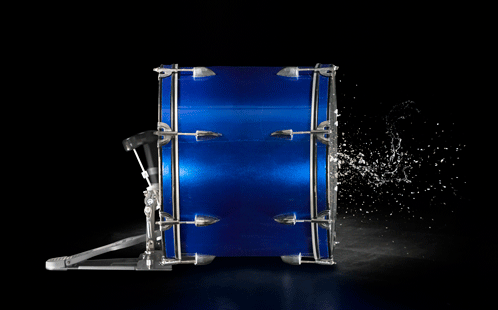
When we listen to music, we often tap our feet or bob our head along to the beat – but why do we do it? New research led by Western Sydney University’s MARCS Institute suggests the reason could be related to the way our brain processes low-frequency sounds.

The study, published in PNAS, recorded the electrical activity of volunteers’ brains while they listened to rhythmic patterns played at either low or high-pitched tones. The study found that while listening, volunteer’s brain activities and the rhythmic structure of the sound became synchronized – particularly at the frequency of the beat.

Co-author of the paper, Dr Sylvie Nozaradan from the MARCS Institute, say these findings strongly suggest that the bass exploits a neurophysiological mechanism in the brain – essentially forcing it to lock onto the beat.

“There is mounting evidence supporting the hypothesis that selective synchronization of large pools of neurons of the brain to the beat frequency may support perception and movement to the musical beat”, says Dr Nozaradan.

While this research is an important step in answering the mystery of why we ‘dance to the beat of the drum’, according to co-author Dr Peter Keller from the MARCS Institute, these findings could also prove important in clinical rehabilitation.

“Music is increasingly being used in clinical rehabilitation of cognitive and motor disorders caused by brain damage and these findings, and a better understanding of the relationship between music and movement, could help develop such treatments,” says Dr Keller.

The research team – also comprising of co-authors Dr Manuel Varlet and Tomas Lenc – suggests that while this research is an important step in understanding the relationship between bass and movement, there are still many open questions about the mechanisms behind this phenomenon.

“Future research is needed to clarify what networks of brain areas are responsible for this synchronization to the beat and how it develops from early in infancy” says Dr Nozaradan.

https://www.westernsydney.edu.au/newscentre/news_centre/more_news_stories/new_research_suggests_its_all_about_the_bass

Can Eyes Predict Parkinson’s Disease? Retinal thinning from dopamine loss may be an early disease marker.

by Judy George

Retinal thinning was linked to dopaminergic neuronal atrophy in a cross-sectional analysis, raising the possibility that it could be a way to detect pathologic changes in early Parkinson’s disease (PD) patients, researchers said.

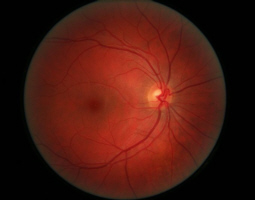
Drug-naïve patients with early Parkinson’s showed retinal thinning as measured by optical coherence tomography (OCT) that correlated with both disease severity and nigral dopaminergic degeneration, reported Jee-Young Lee, MD, PhD, of the Seoul National University Boramae Medical Center, and colleagues in Neurology.

“Our study is the first to show a link between the thinning of the retina and a known sign of the progression of the disease — the loss of brain cells that produce dopamine,” Lee said in a statement.

“We also found the thinner the retina, the greater the severity of disease. These discoveries may mean that neurologists may eventually be able to use a simple eye scan to detect Parkinson’s disease in its earliest stages, before problems with movement begin.”

Retinal pathology has been tied to other neurodegenerative disorders including dementia. In previous studies, retinal nerve fiber layer thickness has been linked to Parkinson’s disease, and OCT is a potential PD biomarker.

The search for a definitive Parkinson’s biomarker has been extensive and includes clinical (anosmia; REM behavior disorder), genetic (GBA mutation; LRRK2 mutation), and biochemical (blood and cerebrospinal fluid) techniques, along with positron emission tomography (PET), magnetic resonance imaging (MRI), and single photon emission computed tomography (SPECT) imaging.

No biomarker has been validated for clinical practice, noted Jamie Adams, MD, of the University of Rochester Medical Center in New York, and Chiara La Morgia, MD, PhD, of the University of Bologna in Italy, in an accompanying editorial: “Because of the complexity of the disease, combining biomarkers from different categories is likely the best strategy to accurately predict PD status and progression.”

In this analysis, Lee and colleagues studied 49 Parkinson’s patients with an average age of 69, along with 54 age-matched controls, including only early-stage, drug-naïve PD patients without ophthalmologic disease.

The researchers used high-resolution OCT to measure retinal nerve fiber layer thickness, microperimetry to measure retinal function, and dopamine transporter analysis to measure N(3-[18F]fluoropropyl)-2-carbomethoxy-3-(4-iodophenyl) nortropane uptake in the basal ganglia. Retinal layer thickness and volume were measured and compared in PD patients and controls.

Retinal thinning was found in the inferior and temporal perifoveal sectors of the PD patients, particularly the inner plexiform and ganglion cell layers, along with an association between retinal thinning and dopaminergic loss in the left substantia nigra. The team also reported an inverse association between inner retinal thickness in the inferior perifoveal sector and disease severity (Hoehn and Yahr stage), and a positive correlation between macular sensitivity and retinal layer thickness.

“Overall, these data support the presence of an association between retinal thinning and dopaminergic loss in PD,” said Adams and La Morgia. “Inner retinal thinning in individuals with PD has been reported in previous studies, but this is the first study that demonstrates a correlation between inner retinal thinning and nigral dopaminergic loss.”

“These findings may point to a pathologic connection between the retina and basal ganglia in PD and are in line with previous studies reporting asymmetric retinal nerve fiber layer loss, more evident in the eye contralateral to the most affected body side.”

The results need to be interpreted with caution, Lee and co-authors noted. Retina analysis was limited to the macular area in this research. Studies with larger numbers of Parkinson’s patients are needed to confirm the findings. And this study was a cross-sectional analysis, so correlations between retinal changes and PD severity need to be established over time.

But if the findings are confirmed, “retina scans may not only allow earlier treatment of Parkinson’s disease, but more precise monitoring of treatments that could slow progression of the disease as well,” Lee said.

https://www.medpagetoday.com/neurology/parkinsonsdisease/74575

DARPA Wants to Zap Your Brain to Boost Your Memory

We may go to sleep at night, but our brains don’t. Instead, they spend those quiet hours tidying up, and one of their chores is to lug memories into long-term storage boxes.

Now, a group of scientists may have found a way to give that memory-storing process a boost, by delivering precisely timed electric zaps to the brain at the exact right moments of sleep. These zaps, the researchers found, can improve memory.

And to make matters even more interesting, the team of researchers was funded by the Defense Advanced Research Projects Agency (DARPA), the U.S. agency tasked with developing technology for the military. They reported their findings July 23 in The Journal of Neuroscience.

DARPA Wants to Zap Your Brain to Boost Your Memory
Credit: Shutterstock
We may go to sleep at night, but our brains don’t. Instead, they spend those quiet hours tidying up, and one of their chores is to lug memories into long-term storage boxes.

Now, a group of scientists may have found a way to give that memory-storing process a boost, by delivering precisely timed electric zaps to the brain at the exact right moments of sleep. These zaps, the researchers found, can improve memory.

And to make matters even more interesting, the team of researchers was funded by the Defense Advanced Research Projects Agency (DARPA), the U.S. agency tasked with developing technology for the military. They reported their findings July 23 in The Journal of Neuroscience.

If the findings are confirmed with additional research, the brain zaps could one day be used to help students study for a big exam, assist people at work or even treat patients with memory impairments, including those who experienced a traumatic brain injury in the military, said senior study author Praveen Pilly, a senior scientist at HRL Laboratories, a research facility focused on advancing technology.

The study involved 16 healthy adults from the Albuquerque, New Mexico, area. The first night, no experiments were run; instead, it was simply an opportunity for the participants to get accustomed to spending the night in the sleep lab while wearing the lumpy stimulation cap designed to deliver the tiny zaps to their brains. Indeed, when the researchers started the experiment, “our biggest worry [was] whether our subjects [could] sleep with all those wires,” Pilly told Live Science.

The next night, the experiment began: Before the participants fell asleep, they were shown war-like scenes and were asked to spot the location of certain targets, such as hidden bombs or snipers.

Then, the participants went to sleep, wearing the stimulation cap that not only delivered zaps but also measured brain activity using a device called an electroencephalogram (EEG). On the first night of the experiment, half of the participants received brain zaps, and half did not.

Using measurements from the EEG, the researchers aimed their electric zaps at a specific type of brain activity called “slow-wave oscillations.” These oscillations — which can be thought of as bursts of neuron activity that come and go with regularity — are known to be important for memory consolidation. They take place during two sleep stages: stage 2 (still a “light” sleep, when the heart rate slows down and body temperature drops) and stage 3 (deep sleep).

So, shortly after the participants in the zapping group fell into slow-wave oscillations, the stimulation cap would deliver slight zaps to the brain, in tune with the oscillations. The next morning, all of the participants were shown similar war-zone scenes, and the researchers measured how well they detected targets.

Five days later, the groups were switched for the second night of experiments.

The researchers found that, the mornings after, the participants who received the brain zaps weren’t any better at detecting targets in the same scene they saw the night before, compared with those who slept without zaps. But those who received the zapping were much better at detecting the same targets in novel scenes. For example, if the original scene showed a target under a rock, the “novel” scene might show the same target-rock image, but from a different angle, according to a press release from HRL Laboratories.

Researchers call this “generalization.” Pilly explained it as follows: “If you’re [studying] for a test, you learn a fact, and then, when you’re tested the following morning on the same fact … our intervention may not help you. On the other hand, if you’re tested on some questions related to that fact [but] which require you to generalize or integrate previous information,” the intervention would help you perform better.

This is because people rarely recall events exactly as they happen, Pilly said, referring to what’s known as episodic memory. Rather, people generalize what they learn and access that knowledge when faced with various situations. (For example, we know to stay away from a snake in the city, even if the first time we saw it, it was in the countryside.)

Previous studies have also investigated the effects of brain stimulation on memory. But although they delivered the zaps during the same sleep stage as the new study, the researchers in the previous studies didn’t attempt to match the zaps with the natural oscillations of the brain, Pilly said.

Jan Born, a professor of behavioral neuroscience at the University of Tübingen in Germany who was not part of the study, said the new research showed that, “at least in terms of behavior, [such a] procedure is effective.”

The approaches examined in the study have “huge potential, but we are still in the beginning [of this type of research], so we have to be cautious,” Born told Live Science.

One potential problem is that the stimulation typically hits the whole surface of the brain, Born said. Because the brain is wrinkled, and some neurons hide deep in the folds and others sit atop ridges, the stimulations aren’t very effective at targeting all of the neurons necessary, he said. This may make it difficult to reproduce the results every time, he added.

Pilly said that because the zaps aren’t specialized, they could also, in theory, lead to side effects. But he thinks, if anything, the side effect might simply be better-quality sleep.

https://www.livescience.com/63329-darpa-brain-zapping-memory.html

Psychedelic Drug Recreates Near-Death Experiences in the Brain

Near-death experiences, or NDEs, are significant psychological events that occur close to actual or perceived impending death. Commonly reported aspects of NDEs include out of body experiences, feelings of transitioning to another world and of inner peace, many of which are also reported by users taking DMT.

DMT is a potent psychedelic found in certain plants and animals, and is the major psychoactive compound in ayahuasca, the psychedelic brew prepared from vines and used in ceremonies in south and central America.

Researchers from Imperial College London set out to look at the similarities between the DMT experience and reports of NDEs. Their findings, published today in the journal Frontiers in Psychology, reveal a large overlap between those who have had NDEs and healthy volunteers administered DMT.

As part of the trial, the team looked at 13 healthy volunteers over two sessions, who were given intravenous DMT and placebo, receiving one of four doses of the compound. The research was carried out at the NIHR Imperial Clinical Research Facility. All volunteers were screened and overseen by medical staff throughout.

Researchers compared the participants’ experiences against a sample of 67 people who had previously reported actual NDEs and who had completed a standardised questionnaire to try and quantify their experiences. The group were asked a total of 16 questions including ‘Did scenes from your past come back to you?’ and ‘Did you see, or feel surrounded by, a brilliant light?’.

Following each dosing session, the 13 healthy volunteers filled out exactly the same questionnaire to find out what sort of experiences they had whilst on DMT and how this compared to the NDE group.

The team found that all volunteers scored above a given threshold for determining an NDE, showing that DMT could indeed mimic actual near death experiences and to a comparable intensity as those who have actually had an NDE.

Dr Robin Carhart-Harris, who leads the Psychedelic Research Group at Imperial and supervised the study, said: “These findings are important as they remind us that NDE occur because of significant changes in the way the brain is working, not because of something beyond the brain. DMT is a remarkable tool that can enable us to study and thus better understand the psychology and biology of dying.”

Professor David Nutt, Edmond J Safra Chair in Neuropsychopharmacology at Imperial, said: “These data suggest that the well-recognised life-changing effects of both DMT and NDE might have the same neuroscientific basis.”

PhD candidate Chris Timmermann, a member of the Psychedelic Research Group at Imperial and first author of the study, said: “Our findings show a striking similarity between the types of experiences people are having when they take DMT and people who have reported a near-death experience.”

The researchers note some subtle, but important differences between DMT and NDE responses, however. DMT was more likely to be associated with feelings of ‘entering an unearthly realm’, whereas actual NDEs brought stronger feelings of ‘coming to a point of no return’. The team explain that this may be down to context, with volunteers being screened, undergoing psychological preparation beforehand and being monitored through in a ‘safe’ environment.

“Emotions and context are particularly important in near-death experiences and with psychedelic substances,” explains Timmermann. “While there may be some overlap between NDE and DMT-induced experiences, the contexts in which they occur are very different.”

“DMT is a potent psychedelic and it may be that it is able to alter brain activity in a similar fashion as when NDEs occur.”

“We hope to conduct further studies to measure the changes in brain activity that occur when people have taken the compound. This, together with other work, will help us to explore not only the effects on the brain, but whether they might possibly be of medicinal benefit in future.”

https://www.technologynetworks.com/neuroscience/news/powerful-psychedelic-compound-models-near-death-experiences-in-the-brain-307638?utm_campaign=NEWSLETTER_TN_Neuroscience_2017&utm_source=hs_email&utm_medium=email&utm_content=65211042&_hsenc=p2ANqtz-_szeHBJKSgWgl_SDBvWrV8ncLN5bzJ6mkDQpNXKHOwtLpcxo_Vp3gC6mytMbuTKLxvvbahYFeA9RFa28pxLHQs18Nimg&_hsmi=65211042

Scientists Think They’ve Found The Part of The Brain That Makes People Pessimistic

\

by DAVID NIELD

A specific part of the brain called the caudate nucleus could control pessimistic responses, according to animal tests, a finding which might help us unlock better treatments for mental disorders like anxiety and depression.

These disorders often come with negative moods triggered by a pessimistic reaction, and if scientists can figure out how to control that reaction, we might stand a better chance of dealing with the neuropsychiatric problems that affect millions of people worldwide – and maybe discover the difference between glass half full and glass half empty people along the way.

The research team from MIT found that when the caudate nucleus was artificially stimulated in macaques, the animals were more likely to make negative decisions, and consider the potential drawback of a decision rather than the potential benefit.

This pessimistic decision-making continued right through the day after the original stimulation, the researchers found.

“We feel we were seeing a proxy for anxiety, or depression, or some mix of the two,” says lead researcher Ann Graybiel. “These psychiatric problems are still so very difficult to treat for many individuals suffering from them.”

The caudate nucleus has previously been linked to emotional decision-making, and the scientists stimulated it with a small electrical current while the monkeys were offered a reward (juice) and an unpleasant experience (a puff of air to the face) at the same time.

In each run through the amount of juice and the strength of the air blast varied, and the animals could choose whether or not to accept the reward – essentially measuring their ability to weigh up the costs of an action against the benefits.

When the caudate nucleus was stimulated, this decision-making got skewed, so the macaques started rejecting juice/air ratios they would have previously accepted. The negative aspects apparently began to seem greater, while the the rewards became devalued.

“This state we’ve mimicked has an overestimation of cost relative to benefit,” says Graybiel. After a day or so, the effects gradually disappeared.

The researchers also found brainwave activity in the caudate nucleus, part of the basal ganglia, changed when decision-making patterns changed. This might give doctors a marker to indicate whether someone would be responsive to treatment targeting this part of the brain or not.

The next stage is to see whether the same effect can be noticed in human beings – scientists have previously linked abnormal brain activity in people with mood disorders to regions connected to the caudate nucleus, but there’s a lot more work to be done to confirm these neural connections.

Making progress isn’t easy because of the incredibly complexity of the brain, but the researchers think their results show the caudate nucleus could be disrupting dopamine activity in the brain, controlling mood and our sense of reward and pleasure.

“There must be many circuits involved,” says Gabriel. “But apparently we are so delicately balanced that just throwing the system off a little bit can rapidly change behaviour.”

The research has been published in Neuron.

https://www.sciencealert.com/we-found-the-brain-region-for-pessimism