Daily step counts between 5,000 to 10,000 or more reduced depression symptoms across 33 studies.
The associations may be due to several mechanisms, like improvement in sleep quality and inflammation.
Daily step counts of 5,000 or more corresponded with fewer depressive symptoms among adults, results of a systematic review and meta-analysis published in JAMA Network Open suggested.
The results are consistent with previous studies linking exercise to various risk reductions for mental health disorders and show that setting step goals “may be a promising and inclusive public health strategy for the prevention of depression,” the researchers wrote.
According to Bruno Bizzozero-Peroni, PhD, MPH, from Universidad De Castilla-La Mancha in Spain, and colleagues, daily step counts are a “simple and intuitive objective measure” of physical activity, while tracking such counts has become increasingly feasible for the general population thanks to the availability of fitness trackers.
“To our knowledge, the association between the number of daily steps measured
with wearable trackers and depression has not been previously examined through a meta-analytic approach,” they wrote.
The researchers searched multiple databases for analyses assessing the effects of daily step counts on depressive symptoms, ultimately including a total of 27 cross-sectional studies and six longitudinal studies comprising 96,173 adults aged 18 years or older.
They found that in the cross-sectional studies, daily step counts of 10,000 or more (standardized mean difference [SMD] = 0.26; 95% CI, 0.38 to 0.14), 7,500 to 9,999 (SMD = 0.27; 95% CI, 0.43 to 0.11) and 5,000 to 7,499 (SMD = 0.17; 95% CI, 0.3 to 0.04) corresponded with reduced depressive symptoms vs. daily step counts less than 5,000.
In the prospective cohort studies, people with 7,000 or more steps a day had a reduced risk for depression vs. with people with fewer than 7,000 daily steps (RR = 0.69; 95% CI, 0.62-0.77), whereas an increase of 1,000 steps a day suggested an association with a lower risk for depression (RR = 0.91; 95% CI, 0.87-0.94).
There were a couple study limitations. The researchers noted that reverse associations are possible, while they could not rule out residual confounders.
They also pointed out that there are some remaining questions, such as whether there is a ceiling limit after which further step counts would no longer reduce the risk for depression.
Bizzozero-Peroni and colleagues highlighted several possible biological and psychosocial mechanisms behind the associations, like changes in sleep quality, inflammation, social support, self-esteem, neuroplasticity and self-efficacy.
They concluded that “a daily active lifestyle may be a crucial factor in regulating and reinforcing these pathways” regardless of the exact combination of mechanisms responsible for the positive link.
“Specifically designed experimental studies are still needed to explore whether there are optimal and maximal step counts for specific population subgroups,” they wrote.
The genetic mutation that causes Huntington’s disease (HD)—a devastating brain disease that disrupts mobility and diminishes cognitive ability—may also enhance early brain development and play a role in promoting human intelligence.
This revelation comes from more than 10 years of brain imaging and brain function data, including motor, cognitive, and behavioral assessments, collected from a unique population—children and young adults who carry the gene for HD. While an HD mutation will eventually cause fatal brain disease in adulthood, the study finds that early in life, children with the HD mutation have bigger brains and higher IQ than children without the mutation.
“The finding suggests that early in life, the gene mutation is actually beneficial to brain development, but that early benefit later becomes a liability,” says Peg Nopoulos, MD, professor and head of psychiatry at the UI Carver College of Medicine, and senior author on the study published in The Annals of Neurology.
The finding may also have implications for developing effective treatments for HD. If the gene’s early action is beneficial, then simply aiming to knock out the gene might result in loss of the developmental benefit, too. Creating therapies that can disrupt the gene’s activity later in the patient’s lifetime might be more useful.
The new data about the gene’s positive effect on early brain development is also exciting to Nopoulos for another reason.
“We are very interested in the fact that this appears to be a gene that drives IQ,” she says. “No previous study has found any gene of significant effect on IQ, even though we know intelligence is heritable.”
HD gene linked to better brain development in early life
Huntington’s disease is caused by a mutation in the huntingtin (HTT) gene. The protein produced by the HTT gene is necessary for normal development, but variations within a segment of the protein have a profound effect on the brain.
The segment in question is a long repeat of one amino acid called glutamine. More repeats are associated with bigger, more complex brains. For example, species such as sea urchins or fish have no repeats, but these repeats start to appear higher up the evolutionary ladder. Rodents have a few repeats, while apes (our closest relatives) have even more repeats; and humans have the most.
Most people have repeats in the range of 10–26, but if a person has 40 or more repeats, then they develop HD. Although the gene expansion is present before birth, HD symptoms do not appear until middle age. Nopoulos’s team at the University of Iowa has a long history of studying how the HTT gene expansion affects brain development in the decades before disease onset.
“We know that the expanded gene causes a horrible degenerative disease later in life, but we also know it is a gene that is crucial for general development,” she says.
“We were surprised to find that it does have a positive effect on brain development early in life. Those who have the gene expansion have an enhanced brain with larger volumes of the cerebrum and higher IQ compared to those who don’t.”
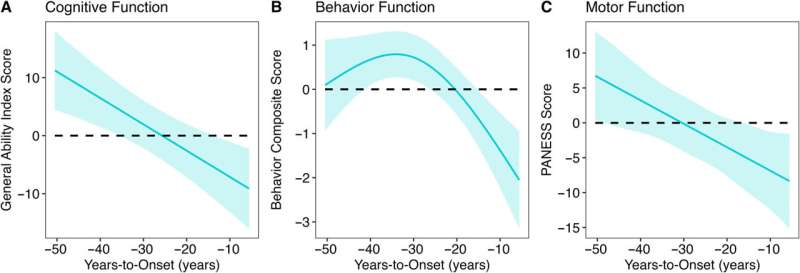
In particular, the study found that decades before HD symptoms appeared, children with the HD gene expansion showed significantly better cognitive, behavioral, and motor scores compared to children with repeats within the normal range. Children with the expanded gene also had larger cerebral volumes and greater cortical surface area and folding. After this initial peak, a prolonged deterioration was seen in both brain function and structure.
The study gathered this data by following almost 200 participants in the Kids-HD study, the only longitudinal study of children and young adults at risk for HD due to having a parent or grandparent with the disease.
Evolutionary benefit comes at a cost
Although surprising, the findings are in line with studies by evolutionary biologists who believe that genes like HTT may have been “positively selected” for human brain evolution. This theory, known as antagonistic pleiotropy, suggests that certain genes can produce a beneficial effect early in life, but come at a cost later in life.
The finding also challenges the idea that the protein produced by the HD gene is solely a toxic protein that causes brain degeneration.
“Overall, our study suggests that we should rethink the notion of the toxic protein theory,” says Nopoulos, who is also a member of the Iowa Neuroscience Institute.
“Instead, we should consider the theory of antagonistic pleiotropy—a theory that suggests that genes like HTT build a better brain early in life, but the cost of the superior brain is that it isn’t built to last and may be prone to premature or accelerating aging.
“This means that instead of knocking down the gene for therapy, drugs that slow the aging process may be more effective.”
Next steps
Nopoulos’s team is already making progress extending the research from the Kids-HD program. Nopoulos has established the Children to Adult Neurodevelopment in Gene-Expanded Huntington’s Disease (ChANGE-HD), a multi-site study that aims to recruit hundreds of participants for a total of over 1,200 assessments to validate the key findings from the Kids-HD study and to enhance future research on HD.
A primary area of focus will be understanding how an enlarged brain can later lead to degeneration. One hypothesis Nopoulos and her team will explore involves the idea that an enlarged cortex might produce excess glutamate (an important neurotransmitter), which is beneficial in early brain development, but later leads to neurotoxicity and brain degeneration.
In addition to Nopoulos, the UI team included Mohit Neema, MD, UI research scientist and first author of the study; Jordan Schultz, PharmD; Douglas Langbehn, MD, Ph.D.; Amy Conrad, Ph.D.; Eric Epping, MD, Ph.D.; and Vincent Magnotta, Ph.D.
More information: Mohit Neema et al, Mutant Huntingtin Drives Development of an Advantageous Brain Early in Life: Evidence in Support of Antagonistic Pleiotropy, Annals of Neurology (2024). DOI: 10.1002/ana.27046
Scientists at the University of Copenhagen have discovered a new weight loss drug target that reduces appetite, increases energy expenditure, and improves insulin sensitivity without causing nausea or loss of muscle mass. The discovery was reported in the journal Nature and could lead to a new therapy for millions of people with both obesity and type 2 diabetes who do not respond well to current treatments.
Millions of people around the world benefit from weight-loss drugs based on the incretin hormone GLP-1. These drugs also improve kidney function, reduce the risk of fatal cardiac events, and are linked to protection against neurodegeneration.
However, many people stop taking the drugs due to common side effects, including nausea and vomiting. Studies also show that incretin-based therapies like Wegovy and Mounjaro are much less effective at lowering weight in people living with both obesity and type 2 diabetes—a group numbering more than 380 million people globally.
In the study, scientists from the University of Copenhagen describe a powerful new drug candidate that lowers appetite without loss of muscle mass or side effects like nausea and vomiting. And, unlike the current generation of treatments, the drug also increases the body’s energy expenditure—the capacity of the body to burn calories.
“While GLP-1-based therapies have revolutionized patient care for obesity and type 2 diabetes, safely harnessing energy expenditure and controlling appetite without nausea remain two Holy Grails in this field. By addressing these needs, we believe our discovery will propel current approaches to make more tolerable, effective treatments accessible to millions more individuals,” says Associate Professor Zach Gerhart-Hines from the NNF Foundation Center for Basic Metabolic Research (CBMR) at the University of Copenhagen.
NK2R activation lowers body weight and reverses diabetes
Our weight is largely determined by the balance between the energy we consume and the amount of energy we expend. Eating more and burning less creates a positive energy balance leading to weight gain, while eating less and burning more creates a negative balance, resulting in weight loss.
The current generation of incretin-based therapies tip the scales toward a negative energy balance by lowering appetite and the total calories a person consumes. But scientists have also recognized the potential on the other side of the equation—increasing the calories the body burns.
This approach is especially relevant, given recent research that has shown that our bodies seem to be burning fewer calories at rest than they did a few decades ago. However, there are currently no clinically approved ways to safely increase energy expenditure, and few options are in development.
This was the starting point when scientists at the University of Copenhagen decided to test the effect of activating the neurokinin 2 receptor (NK2R) in mice. The Gerhart-Hines Group identified the receptor through genetic screens that suggested NK2R played a role in maintaining energy balance and glucose control.
They were astonished by the results of the studies—not only did activating the receptor safely increase calorie-burning, it also lowered appetite without any signs of nausea.
Further studies in non-human primates with type 2 diabetes and obesity showed that NK2R activation lowered body weight and reversed their diabetes by increasing insulin sensitivity and lowering blood sugar, triglycerides, and cholesterol.
“One of the biggest hurdles in drug development is translation between mice and humans. This is why we were excited that the benefits of NK2R agonism translated to diabetic and obese nonhuman primates, which represents a big step towards clinical translation,” says Ph.D. Student Frederike Sass from CBMR at the University of Copenhagen, and first author of the study.
The discovery could result in the next generation of drug therapies that bring more efficacious and tolerable treatments for the almost 400 million people globally who live with both type 2 diabetes and obesity.
The University of Copenhagen holds the patent rights for targeting NK2R. To date, research by the Gerhart-Hines lab has led to the creation of three biotech companies—Embark Biotech, Embark Laboratories, and Incipiam Pharma.
In 2023, Embark Biotech was acquired by Novo Nordisk to develop next generation therapeutics for cardiometabolic disease.
Researchers have developed an AI-powered model that—in 10 seconds—can determine during surgery if any part of a cancerous brain tumor that could be removed remains, a study published in Nature suggests.
The technology, called FastGlioma, outperformed conventional methods for identifying what remains of a tumor by a wide margin, according to the research team led by University of Michigan and University of California San Francisco.
“FastGlioma is an artificial intelligence-based diagnostic system that has the potential to change the field of neurosurgery by immediately improving comprehensive management of patients with diffuse gliomas,” said senior author Todd Hollon, M.D., a neurosurgeon at University of Michigan Health and assistant professor of neurosurgery at U-M Medical School.
“The technology works faster and more accurately than current standard of care methods for tumor detection and could be generalized to other pediatric and adult brain tumor diagnoses. It could serve as a foundational model for guiding brain tumor surgery.”
When a neurosurgeon removes a life threatening tumor from a patient’s brain, they are rarely able to remove the entire mass.
Commonly, the tumor is missed during the operation because surgeons are not able to differentiate between healthy brain and residual tumor in the cavity where the mass was removed. Residual tumor’s ability to resemble healthy brain tissue remains a major challenge in surgery.
Neurosurgical teams employ different methods to locate that residual tumor during a procedure.
They may get MRI imaging, which requires intraoperative machinery that is not available everywhere. The surgeon might also use a fluorescent imaging agent to identify tumor tissue, which is not applicable for all tumor types. These limitations prevent their widespread use.
In this international study of the AI-driven technology, neurosurgical teams analyzed fresh, unprocessed specimens sampled from 220 patients who had operations for low- or high-grade diffuse glioma.
FastGlioma detected and calculated how much tumor remained with an average accuracy of approximately 92%.
In a comparison of surgeries guided by FastGlioma predictions or image- and fluorescent-guided methods, the AI technology missed high-risk, residual tumor just 3.8% of the time—compared to a nearly 25% miss rate for conventional methods.
“This model is an innovative departure from existing surgical techniques by rapidly identifying tumor infiltration at microscopic resolution using AI, greatly reducing the risk of missing residual tumor in the area where a glioma is resected,” said co-senior author Shawn Hervey-Jumper, M.D., professor of neurosurgery at University of California San Francisco and a former neurosurgery resident at U-M Health.
“The development of FastGlioma can minimize the reliance on radiographic imaging, contrast enhancement or fluorescent labels to achieve maximal tumor removal.”
How it works
To assess what remains of a brain tumor, FastGlioma combines microscopic optical imaging with a type of artificial intelligence called foundation models. These are AI models, such as GPT-4 and DALL·E 3, trained on massive, diverse datasets that can be adapted to a wide range of tasks.
After large scale training, foundation models can classify images, act as chatbots, reply to emails and generate images from text descriptions.
To build FastGlioma, investigators pre-trained the visual foundation model using over 11,000 surgical specimens and 4 million unique microscopic fields of view.
The tumor specimens are imaged through stimulated Raman histology, a method of rapid, high resolution optical imaging developed at U-M. The same technology was used to train DeepGlioma, an AI based diagnostic screening system that detects a brain tumor’s genetic mutations in under 90 seconds.
“FastGlioma can detect residual tumor tissue without relying on time-consuming histology procedures and large, labeled datasets in medical AI, which are scarce,” said Honglak Lee, Ph.D., co-author and professor of computer science and engineering at U-M.
Full resolution images take around 100 seconds to acquire using stimulated Raman histology; a “fast mode” lower resolution image takes just 10 seconds.
Researchers found that the full resolution model achieved accuracy up to 92%, with the fast mode slightly lower at approximately 90%.
“This means that we can detect tumor infiltration in seconds with extremely high accuracy, which could inform surgeons if more resection is needed during an operation,” Hollon said.
AI’s future in cancer
Over the last 20 years, the rates of residual tumor after neurosurgery have not improved.
Not only is FastGlioma an accessible and affordable tool for neurosurgical teams operating on gliomas, but researchers say, it can also accurately detect residual tumor for several non-glioma tumor diagnoses, including pediatric brain tumors, such as medulloblastoma and ependymoma, and meningiomas.
“These results demonstrate the advantage of visual foundation models such as FastGlioma for medical AI applications and the potential to generalize to other human cancers without requiring extensive model retraining or fine-tuning,” said co-author Aditya S. Pandey, M.D., chair of the Department of Neurosurgery at U-M Health.
“In future studies, we will focus on applying the FastGlioma workflow to other cancers, including lung, prostate, breast, and head and neck cancers.”
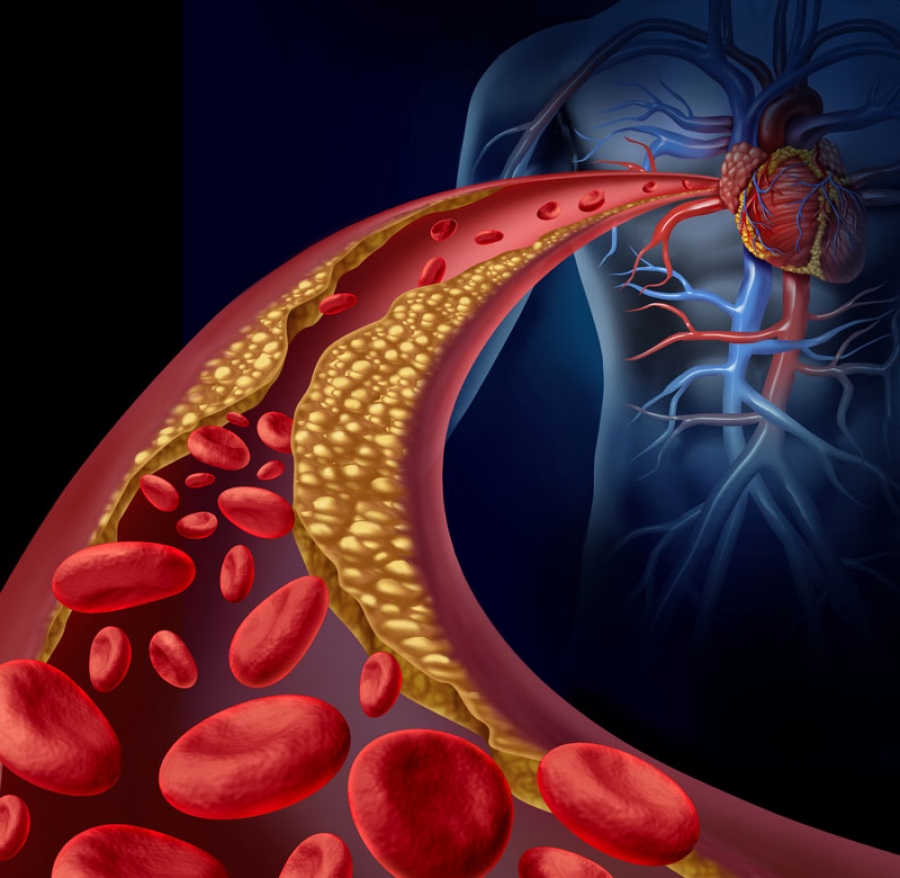
Researchers at Case Western Reserve University have identified a new target to treat atherosclerosis, a condition where plaque clogs arteries and causes major cardiac issues, including stroke and heart attack.
In a new study, published in the journal Cell Reports, the team identified an inflammation-reducing molecule—called itaconate (ITA)—that could be the foundation of a new approach to treat such a common and deadly disease.
Heart disease is the leading cause of death for men, women and people of most racial and ethnic groups, according to the U.S. Centers for Disease Control and Prevention.
Medications help but don’t completely protect patients from cardiovascular risk. So, doctors also recommend lifestyle changes, such as a low-cholesterol/low-fat diet (LCLFD), to further reduce plaque and inflammation that increase the risk of cardiovascular disease. Yet many patients find it challenging to follow diet restrictions long-term.
Identifying the role ITA plays in diet and heart disease may help address this.
“We’ve found that itaconate is crucial to the diet’s ability to stabilize plaques and reduce inflammation, which has been a mystery until now,” said Andrei Maiseyeu, associate professor at the Cardiovascular Research Institute and Department of Biomedical Engineering at Case Western Reserve’s School of Medicine.
“This discovery marks a major leap forward in the understanding of how diet-induced plaque resolution occurs at a molecular level.”
Based on their discovery, Maiseyeu and his team have developed a new treatment: ITA-conjugated lipid nanoparticles. This new therapeutic approach allows ITA to accumulate in plaque and bone marrow, where it reduces inflammation and mimics the beneficial effects of LCLFD without requiring drastic lifestyle changes.
“We have already seen its effectiveness in multiple models of atherosclerosis,” Maiseyeu said. “We are optimistic that this will result in better treatments that will greatly lower the long-term risk of heart attacks and strokes while also improving patients’ quality of life.”
Maiseyeu and his team are now taking steps to translate ITA-LNP to the clinic, including engineering a pill form of the treatment, which they believe will not only be convenient for patients, but also transformative.
More information: Natalie E. Hong et al, Nanoparticle-based itaconate treatment recapitulates low-cholesterol/low-fat diet-induced atherosclerotic plaque resolution, Cell Reports (2024). DOI: 10.1016/j.celrep.2024.114911
Summary: New research shows that the brain divides the day into “chapters” based on what a person focuses on. These mental boundaries aren’t solely prompted by changes in surroundings but also by internal goals and priorities. In experiments using audio narratives, participants’ brains organized events differently depending on whether they focused on specific details.
This study suggests that how we experience and remember events is influenced by both context and what matters most to us at the time.
Key Facts:
The brain forms new “chapters” based on attention and personal goals, not just environment.
MRI scans showed that people segmented stories differently depending on their focus.
The research may help explain how expectations influence memory formation.
Source: Columbia University
The moment a person steps off the street and into a restaurant—to take just one example—the brain mentally starts a new “chapter” of the day, a change that causes a big shift in brain activity. Shifts like this happen all day long, as people encounter new environments, like going out for lunch, attending their kid’s soccer game, or settling in for a night of watching TV.
But what determines how the brain divides the day into individual events that we can understand and remember separately?
That’s what a new paper in the journal Current Biology aimed to find out.
The research team, led by Christopher Baldassano, an associate professor of Psychology, and Alexandra De Soares, then a member of his lab, turned up interesting results.
The researchers wanted to better understand what prompts the brain to form a boundary around the events we encounter, effectively registering it as a new “chapter” in the day.
One possibility is that new chapters are entirely caused by big changes in a person’s surroundings, like how walking into a restaurant takes them from outdoors to indoors.
Another possibility, however, is that the new chapters are prompted by internal scripts that our brain writes based on past experience, and that even big environmental changes might be ignored by our brain if they are not related to our current priorities and goals.
To test their hypothesis, researchers developed a set of 16 audio narratives, each about three to four minutes long. Each narrative took place in one of four locations (a restaurant, an airport, a grocery store, and a lecture hall) and dealt with one of four social situations (a breakup, a proposal, a business deal, and a meet cute).
The researchers found that the way the brain divides up an experience into individual events depends on what a person currently cares about and is paying attention to.
When listening to a story about a marriage proposal at a restaurant, for example, subjects’ prefrontal cortex would usually be organizing the story into events related to the proposal, leading up (hopefully) to the final “yes.”
But the researchers found that they could force the prefrontal cortex to organize the story in a different way if they instead asked study participants to focus on the events related to the dinner orders of the couple. For study participants who were told to focus on these details, moments like ordering dishes became critical new chapters in the story.
“We wanted to challenge the theory that the sudden shifts in brain activity when we start a new chapter of our day are only being caused by sudden shifts in the world—that the brain isn’t really ‘doing’ anything interesting when it creates new chapters, it’s just responding passively to a change in sensory inputs,” Baldassano said.
“Our research found that isn’t the case: The brain is, in fact, actively organizing our life experiences into chunks that are meaningful to us.”
The researchers measured where the brain created new chapters both by looking at MRI scans of the brain to identify fresh brain activity, and, in a separate group of participants, by asking them to press a button to indicate when they thought a new part of the story had begun.
They found that the brain divided stories into separate chapters depending on the perspective they were told to be attuned to—and it didn’t just apply to the proposal-in-a-restaurant scenario: A person hearing a story about a breakup in an airport could, if prompted to pay attention to details of the airport experience, register new chapters as they went through security and arrived at their gate.
Meanwhile, a person who heard a story about a person closing a business deal while grocery shopping could be prompted to register either the new steps of the business deal as new chapters, or to be attuned primarily to the phases of grocery shopping instead.
The details that the study participants were prompted to pay attention to influenced what their brain perceived as a new chapter in the story.
Moving forward, the researchers hope to investigate the impact that expectations have on long-term memory. As part of this study, the researchers also asked each participant to tell them everything they remembered about each story.
They are still in the process of analyzing the data to understand how the perspective they were asked to adopt while listening to the story changes the way they remember it. More broadly, this study is part of an ongoing effort in the field to build a comprehensive theory about how real-life experiences are divided up into event memories.
The results indicate that prior knowledge and expectations are a key ingredient in how this cognitive system works.
Baldassano described the work as a passion project.
“Tracking activity patterns in the brain over time is a big challenge that requires using complex analysis tools,” he said: “Using meaningful stories and mathematical models to discover something new about cognition is exactly the kind of unconventional research in my lab that I am most proud of and excited about.”
Life and death are traditionally viewed as opposites. But the emergence of new multicellular life-forms from the cells of a dead organism introduces a “third state” that lies beyond the traditional boundaries of life and death.
Usually, scientists consider death to be the irreversible halt of functioning of an organism as a whole. However, practices such as organ donation highlight how organs, tissues and cells can continue to function even after an organism’s demise. This resilience raises the question: What mechanisms allow certain cells to keep working after an organism has died?
The third state challenges how scientists typically understand cell behavior. While caterpillars metamorphosing into butterflies, or tadpoles evolving into frogs, may be familiar developmental transformations, there are few instances where organisms change in ways that are not predetermined. Tumors, organoids and cell lines that can indefinitely divide in a petri dish, like HeLa cells, are not considered part of the third state because they do not develop new functions.
However, researchers found that skin cells extracted from deceased frog embryos were able to adapt to the new conditions of a petri dish in a lab, spontaneously reorganizing into multicellular organisms called xenobots. These organisms exhibited behaviors that extend far beyond their original biological roles. Specifically, these xenobots use their cilia – small, hair-like structures – to navigate and move through their surroundings, whereas in a living frog embryo, cilia are typically used to move mucus.
Xenobots are also able to perform kinematic self-replication, meaning they can physically replicate their structure and function without growing. This differs from more common replication processes that involve growth within or on the organism’s body.
Researchers have also found that solitary human lung cells can self-assemble into miniature multicellular organisms that can move around. These anthrobots behave and are structured in new ways. They are not only able to navigate their surroundings but also repair both themselves and injured neuron cells placed nearby.
Taken together, these findings demonstrate the inherent plasticity of cellular systems and challenge the idea that cells and organisms can evolve only in predetermined ways. The third state suggests that organismal death may play a significant role in how life transforms over time.
Postmortem conditions
Several factors influence whether certain cells and tissues can survive and function after an organism dies. These include environmental conditions, metabolic activity and preservation techniques.
Different cell types have varying survival times. For example, in humans, white blood cells die between 60 and 86 hours after organismal death. In mice, skeletal muscle cells can be regrown after 14 days postmortem, while fibroblast cells from sheepandgoats can be cultured up to a month or so postmortem.
Metabolic activity plays an important role in whether cells can continue to survive and function. Active cells that require a continuous and substantial supply of energy to maintain their function are more difficult to culture than cells with lower energy requirements. Preservation techniques such as cryopreservation can allow tissue samples such as bone marrow to function similarly to that of living donor sources.
Factors such as age, health, sex and type of species further shape the postmortem landscape. This is seen in the challenge of culturing and transplanting metabolically active islet cells, which produce insulin in the pancreas, from donors to recipients. Researchers believe that autoimmune processes, high energy costs and the degradation of protective mechanisms could be the reason behind many islet transplant failures.
How the interplay of these variables allows certain cells to continue functioning after an organism dies remains unclear. One hypothesis is that specialized channels and pumps embedded in the outer membranes of cells serve as intricate electrical circuits. These channels and pumps generate electrical signals that allow cells to communicate with each other and execute specific functions such as growth and movement, shaping the structure of the organism they form.
The extent to which different types of cells can undergo transformation after death is also uncertain. Previous research has found that specific genes involved in stress, immunity and epigenetic regulation are activated after death in mice, zebrafishand people, suggesting widespread potential for transformation among diverse cell types.
Implications for biology and medicine
The third state not only offers new insights into the adaptability of cells. It also offers prospects for new treatments.
For example, anthrobots could be sourced from an individual’s living tissue to deliver drugs without triggering an unwanted immune response. Engineered anthrobots injected into the body could potentially dissolve arterial plaque in atherosclerosis patients and remove excess mucus in cystic fibrosis patients.
Importantly, these multicellular organisms have a finite life span, naturally degrading after four to six weeks. This “kill switch” prevents the growth of potentially invasive cells.
A better understanding of how some cells continue to function and metamorphose into multicellular entities some time after an organism’s demise holds promise for advancing personalized and preventive medicine.
A team led by scientists at Case Western Reserve University School of Medicine has identified a new therapeutic approach for combating neurodegenerative diseases, offering hope of improved treatments for Alzheimer’s disease, Parkinson’s disease, Vanishing White Matter disease and multiple sclerosis, among others.
Neurodegenerative diseases, which affect millions of people worldwide, occur when nerve cells in the brain or nervous system lose function over time and ultimately die, according to the National Institutes of Health. Alzheimer’s disease and Parkinson’s disease are the most common.
The research team’s new study, published online Feb. 20 in the journal Nature Neuroscience, focused on astrocytes—the brain’s most abundant cells, which normally support healthy brain function. Growing evidence indicates astrocytes can switch to a harmful state that increases nerve-cell loss in neurodegenerative diseases.
The researchers created a new cellular technique to test thousands of possible medications for their ability to prevent these rogue astrocytes from forming.
“By harnessing the power of high-throughput drug-screening, we’ve identified a key protein regulator that, when inhibited, can prevent the formation of harmful astrocytes,” said Benjamin Clayton, lead author and National Multiple Sclerosis Society career transition fellow in the laboratory of Paul Tesar at the Case Western Reserve School of Medicine.
They found that blocking the activity of a particular protein, HDAC3, may prevent the development of dangerous astrocytes. The scientists discovered that by administering medications that specifically target HDAC3, they were able to prevent the development of dangerous astrocytes and significantly increase the survival of nerve cells in mouse models.
Tesar, also director of the School of Medicine’s Institute for Glial Sciences, said more research needs to be done before patients might benefit from the promising approach. But, he said, their findings could lead to the creation of novel therapies that disarm harmful astrocytes and support neuroprotection—perhaps improving the lives of people with neurodegenerative illnesses in the future.
“Therapies for neurodegenerative disease typically target the nerve cells directly,” Tesar said, “but here we asked if fixing the damaging effects of astrocytes could provide therapeutic benefit. Our findings redefine the landscape of neurodegenerative disease treatment and open the door to a new era of astrocyte targeting medicines.”
Additional contributing researchers from the Case Western Reserve School of Medicine, and from the George Washington School of Medicine, The Ohio State University and the University of Tampa included James Kristell, Kevin Allan, Erin Cohn, Yuka Maeno-Hikichi, Annalise Sturno, Alexis Kerr, Elizabeth Shick, Molly Karl, Eric Garrison, Robert Miller, Andrew Jerome, Jesse Sepeda, Andrew Sas, Benjamin Segal, and Eric Freundt.
The research was supported by grants from the National Institutes of Health, National Multiple Sclerosis Society and Hartwell Foundation, and philanthropic support by sTF5 Care and the R. Blane & Claudia Walter, Long, Goodman, Geller and Weidenthal families.
Getting too much or too little sleep may increase the risk for cognitive decline, or dementia, in older adults, according to a study published Monday by JAMA Network Open.
In an analysis of the sleep habits of more than 20,000 English and Chinese adults age 48 to 75, people who slept for fewer than four hours or more than 10 hours per day showed evidence of declines in cognitive function, including memory and language comprehension, researchers said.
“This study is an observational study and cannot demonstrate a causal relationship,” study co-author Yanjun Ma told UPI, so the findings don’t necessarily prove that lack of sleep or excessive sleep causes a decline in cognitive function.
Observational studies are intended to assess only the effect of an intervention — in this case, sleep — on study participants, without trying to modify it to compare differences.
It’s possible that diminished or excessive sleep is an early sign of cognitive decline or dementia, as opposed to a risk factor, researchers said.
“Future mechanism studies, as well as intervention studies examining the association between sleep duration and cognitive decline are required,” said Ma, of the Peking University Clinical Research Institute in China.
As many as 6 million Americans have some form of dementia, and changes in sleep patterns are common, according to the Alzheimer’s Association.
To date, research has shown that sleep disturbances can result from cognitive impairment, while animal studies have found links between lack of sleep and increased levels of brain proteins that are thought to be signs for Alzheimer’s disease, said Dr. Yue Leng, who authored a commentary on the study findings.
Leng is an assistant professor of psychiatry at the University of California-San Francisco.
For their research, Ma and colleagues analyzed data on sleep behaviors and cognitive function in 20,065 adults from the English Longitudinal Study of Aging and the China Health and Retirement Longitudinal Study, and tracked them for about eight years, on average.
In addition to finding higher levels of cognitive decline among those who slept fewer than four or more than 10 hours per day, the researchers also observed that people with these sleep habits had “faster cognitive decline” than those who slept seven to nine hours per day, Ma said.
“It’s usually believed that sleep deprivation might lead to cognitive decline, but it’s unclear why too much sleep might be bad for cognitive health,” Leng added. “Older adults should pay more attention to their sleep habits, as these might have implications for their cognitive health.”
Humans spend about a third of our lives sleeping, and scientists have long debated why slumber takes up such a huge slice of our time. Now, a new study hints that our main reason for sleeping starts off as one thing, then changes at a surprisingly specific age.
Two leading theories as to why we sleep focus on the brain: One theory says that the brain uses sleep to reorganize the connections between its cells, building electrical networks that support our memory and ability to learn; the other theory says that the brain needs time to clean up the metabolic waste that accumulates throughout the day. Neuroscientists have quibbled over which of these functions is the main reason for sleep, but the new study reveals that the answer may be different for babies and adults.
In the study, published Sep. 18 in the journal Science Advances, researchers use a mathematical model to show that infants spend most of their sleeping hours in “deep sleep,” also known as random eye movement (REM) sleep, while their brains rapidly build new connections between cells and grow ever larger. Then, just before toddlers reach age 2-and-a-half, their amount of REM sleep dips dramatically as the brain switches into maintenance mode, mostly using sleep time for cleaning and repair.
“It was definitely shocking to us that this transition was so sharp,” from growth mode to maintenance mode, senior author Van Savage, a professor of ecology and evolutionary biology and of computational medicine at the University of California, Los Angeles and the Santa Fe Institute, told Live Science in an email. The researchers also collected data in other mammals — namely rabbits, rats and guinea pigs — and found that their sleep might undergo a similar transformation; however, it’s too soon to tell whether these patterns are consistent across many species.
That said, “I think in actuality, it may not be really so sharp” a transition, said Leila Tarokh, a neuroscientist and Group Leader at the University Hospital of Child and Adolescent Psychiatry and Psychotherapy at the University of Bern, who was not involved in the study. The pace of brain development varies widely between individuals, and the researchers had fairly “sparse” data points between the ages of 2 and 3, she said. If they studied individuals through time as they aged, they might find that the transition is less sudden and more smooth, or the age of transition may vary between individuals, she said.
An emerging hypothesis
In a previous study, published in 2007 in the journal Proceedings of the National Academy of Sciences, Savage and theoretical physicist Geoffrey West found that an animal’s brain size and brain metabolic rate accurately predict the amount of time the animal sleeps — more so than the animal’s overall body size. In general, big animals with big brains and low brain metabolic rates sleep less than small animals with the opposite features.
This rule holds up across different species and between members of the same species; for instance, mice sleep more than elephants, and newborn babies sleep more than adult humans. However, knowing that sleep time decreases as brains get bigger, the authors wondered how quickly that change occurs in different animals, and whether that relates to the function of sleep over time.
To begin answering these questions, the researchers pooled existing data on how much humans sleep, compiling several hundred data points from newborn babies and children up to age 15. They also gathered data on brain size and metabolic rate, the density of connections between brain cells, body size and metabolic rate, and the ratio of time spent in REM sleep versus non-REM sleep at different ages; the researchers drew these data points from more than 60 studies, overall.
Babies sleep about twice as much as adults, and they spend a larger proportion of their sleep time in REM, but there’s been a long-standing question as to what function that serves, Tarokh noted.
The study authors built a mathematical model to track all these shifting data points through time and see what patterns emerged between them. They found that the metabolic rate of the brain was high during infancy when the organ was building many new connections between cells, and this in turn correlated with more time spent in REM sleep. They concluded that the long hours of REM in infancy support rapid remodeling in the brain, as new networks form and babies pick up new skills. Then, between age 2 and 3, “the connections are not changing nearly as quickly,” and the amount of time spent in REM diminishes, Savage said.
At this time, the metabolic rate of cells in the cerebral cortex — the wrinkled surface of the brain — also changes. In infancy, the metabolic rate is proportional to the number of existing connections between brain cells plus the energy needed to fashion new connections in the network. As the rate of construction slows, the relative metabolic rate slows in turn.
“In the first few years of life, you see that the brain is making tons of new connections … it’s blossoming, and that’s why we see all those skills coming on,” Tarokh said. Developmental psychologists refer to this as a “critical period” of neuroplasticity — the ability of the brain to forge new connections between its cells. “It’s not that plasticity goes away” after that critical period, but the construction of new connections slows significantly, as the new mathematical model suggests, Tarokh said. At the same time, the ratio of non-REM to REM sleep increases, supporting the idea that non-REM is more important to brain maintenance than neuroplasticity.
Looking forward, the authors plan to apply their mathematical model of sleep to other animals, to see whether a similar switch from reorganization to repair occurs early in development, Savage said.
“Humans are known to be unusual in the amount of brain development that occurs after birth,” lead author Junyu Cao, an assistant professor in the Department of Information, Risk, and Operations Management at The University of Texas at Austin, told Live Science in an email. (Cao played a key role in compiling data and performing computations for the report.) “Therefore, it is conceivable that the phase transition described here for humans may occur earlier in other species, possibly even before birth.”
In terms of human sleep, Tarokh noted that different patterns of electrical activity, known as oscillations, occur in REM versus non-REM sleep; future studies could reveal whether and how particular oscillations shape the brain as we age, given that the amount of time spent in REM changes, she said. Theoretically, disruptions in these patterns could contribute to developmental disorders that emerge in infancy and early childhood, she added — but again, that’s just a hypothesis.








 It's Interesting