More steps per day could significantly reduce the risk for depression symptoms

ey takeaways:

  • Daily step counts between 5,000 to 10,000 or more reduced depression symptoms across 33 studies.
  • The associations may be due to several mechanisms, like improvement in sleep quality and inflammation.

Daily step counts of 5,000 or more corresponded with fewer depressive symptoms among adults, results of a systematic review and meta-analysis published in JAMA Network Open suggested.

The results are consistent with previous studies linking exercise to various risk reductions for mental health disorders and show that setting step goals “may be a promising and inclusive public health strategy for the prevention of depression,” the researchers wrote.

According to Bruno Bizzozero-Peroni, PhD, MPH, from Universidad De Castilla-La Mancha in Spain, and colleagues, daily step counts are a “simple and intuitive objective measure” of physical activity, while tracking such counts has become increasingly feasible for the general population thanks to the availability of fitness trackers.

“To our knowledge, the association between the number of daily steps measured

with wearable trackers and depression has not been previously examined through a meta-analytic approach,” they wrote.

The researchers searched multiple databases for analyses assessing the effects of daily step counts on depressive symptoms, ultimately including a total of 27 cross-sectional studies and six longitudinal studies comprising 96,173 adults aged 18 years or older.

They found that in the cross-sectional studies, daily step counts of 10,000 or more (standardized mean difference [SMD] = 0.26; 95% CI, 0.38 to 0.14), 7,500 to 9,999 (SMD = 0.27; 95% CI, 0.43 to 0.11) and 5,000 to 7,499 (SMD = 0.17; 95% CI, 0.3 to 0.04) corresponded with reduced depressive symptoms vs. daily step counts less than 5,000.

In the prospective cohort studies, people with 7,000 or more steps a day had a reduced risk for depression vs. with people with fewer than 7,000 daily steps (RR = 0.69; 95% CI, 0.62-0.77), whereas an increase of 1,000 steps a day suggested an association with a lower risk for depression (RR = 0.91; 95% CI, 0.87-0.94).

There were a couple study limitations. The researchers noted that reverse associations are possible, while they could not rule out residual confounders.

They also pointed out that there are some remaining questions, such as whether there is a ceiling limit after which further step counts would no longer reduce the risk for depression.

Bizzozero-Peroni and colleagues highlighted several possible biological and psychosocial mechanisms behind the associations, like changes in sleep quality, inflammation, social support, self-esteem, neuroplasticity and self-efficacy.

They concluded that “a daily active lifestyle may be a crucial factor in regulating and reinforcing these pathways” regardless of the exact combination of mechanisms responsible for the positive link.

“Specifically designed experimental studies are still needed to explore whether there are optimal and maximal step counts for specific population subgroups,” they wrote.

Sources/Disclosures

Collapse

Source: 

Bizzozero-Peroni B, et al. JAMA Netw Open. 2024;doi:10.1001/jamanetworkopen.2024.51208.
New research shows that different fears are controlled by different parts of the brain

Rodielon Putol

ByRodielon Putol

Earth.com staff writer

Fear strikes in many forms – standing on the edge of a towering skyscraper, glimpsing a tarantula, or feeling your heart race as you prepare to deliver a speech.

The scientific community long believed these scenarios stimulated brains similarly.

“There’s this story that we’ve had in the literature that the brain regions that predict fear are things like the amygdala, or the orbital frontal cortex area, or the brainstem,” said Ajay Satpute, an associate professor of psychology at Northeastern University.

“Those are thought to be part of a so-called ‘fear circuit’ that’s been a very dominant model in neuroscience for decades.”

Challenging the fear circuit model

In early October 2024, Satpute and his team released a study challenging this long-held belief.

The researchers used MRI scans to examine the brain’s response to three distinct fear-inducing scenarios: fear of heights, spiders, and public speaking.

Contrary to prior assumptions, the study revealed each type of fear activated different brain regions, debunking the idea of a universal “fear circuit.”

“Much of the debate on the nature of emotion concerns the uniformity or heterogeneity of representation for particular emotion categories,” noted the researchers.

The team discovered that “the overwhelming majority of brain regions that predict fear only do so for certain situations.”

Research suggests responses to fear are more specific than previously thought. These findings carry important implications for understanding anxiety across species, and how to develop neural signatures for personalized treatments.

Machine learning and fear in the brain

The research tested long-standing assumptions about how fear works, particularly as neuroscience increasingly relies on AI and machine learning to predict emotions.

“Most of those approaches assume that there is a single pattern that underlies the brain-behavior relationship: there’s a single pattern that predicts disgust. There’s a single pattern that predicts anger,” said Satpute.

“Well, if that’s true, then such a pattern should be apparent for different varieties of fear.”

However, when it comes to fear, the study showed a more complex picture.

Focus of the research

In the experiment, the researchers asked 21 participants to identify their fears and used magnetic resonance imaging (MRI) scans to monitor brain activity as they watched videos depicting anxiety-inducing scenarios.

“We tried to find really scary videos of spiders,” Satpute said. “Because I don’t want a neural predictive model that ‘says you’re looking at a spider.’ I want a neural predictive model that says ‘you’re experiencing fear.’”

Revealing fear’s hidden complexities

Following each video, participants rated their levels of fear, valence (how pleasant or unpleasant the experience was), and arousal on a questionnaire.

The study revealed two surprising insights: responses were observed in a wider array of brain regions and not all brain regions were involved across all scenarios.

“The amygdala, for instance, seemed to carry information that predicted fear during the heights context, but not some of the other contexts,” Satpute said. “We’re not seeing these so-called ‘classic threat areas’ involved in being predictive of fear across situations.”

Body’s response to emotional triggers

The research is part of a broader body of work from Satpute’s lab, which focuses on understanding how fear manifests in the body.

In a previous 2021 study, the team explored physiological responses to fear such as sweat and heart rate when facing different triggers like heights or confrontations with law enforcement.

The study also revealed that different triggers caused varied bodily reactions, supporting the idea that fear isn’t one-size-fits-all.

Implications for future treatments

Satpute hopes to replicate these findings with a larger and more diverse participant pool and factoring in demographics like age and gender.

While the current study has a small sample size, the results could reshape how health professionals approach treating fear and anxiety disorders.

“When we look at the brain and the neural correlates of fear, part of the reason we want to understand is so we can intervene on it,” noted Satpute. “Our findings suggest the interventions might also need to be tailored to the person and situation.”

Revolutionizing fear-based therapies

This shift in understanding could revolutionize behavior-based therapies for conditions like phobias and PTSD. It might even impact drug-based treatments.

“Drug-based therapies that target a particular circuit do work, but only for about fiftyish percent of people,” Satpute said. “It’s not really clear why.”

“Our research offers at least some explanation – the brain regions that are going to matter for any emotional experience are going to vary by the person and situation. If you focus only on what’s common, you ignore so much.”

This understanding of fear moves beyond the idea of a “fear circuit” and opens doors for personalized treatments.

Whether it’s the fear of falling, facing a spider, or standing in front of an audience, the research shows fear is more complex than once believed.

The study is published in The Journal of Neuroscience.

https://www.earth.com/news/spiders-heights-or-public-speaking-each-fear-has-a-unique-place-in-the-brain/

Serotonin levels in the brain increase with reward value

by Dartmouth College

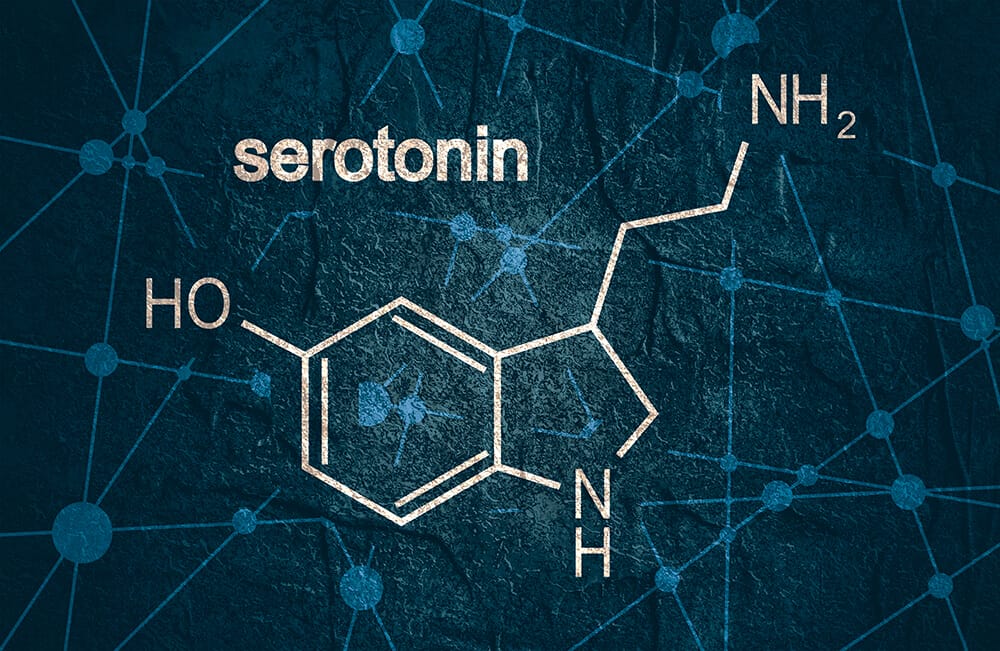
Serotonin is often referred to as the “happiness molecule.” It plays a critical role in affecting mood levels and is also a neurotransmitter that sends signals within the brain and the body.

Researchers have generally thought that the chemical plays a global role in modulating brain states by acting over a longer timescale than dopamine, which signals reward but operates on a much shorter timeframe.

Now, a Dartmouth study published in The Journal of Neuroscience reports that serotonin increases in anticipation of a reward and scales with the value of that reward.

For decades, prior research has looked at the release of dopamine levels in encoding the value of rewards at a subsecond timescale using a technique that enabled scientists to monitor it throughout different areas in the mouse brain.

Techniques for monitoring serotonin at this timescale did not previously exist, leaving many unknowns about when serotonin is released in the brain because of its widespread projections. Serotonin is an extraordinarily complex system, with the cells located in one small region of the brain, which then send their messages to pretty much every other area of the brain.

There are 14 serotonin receptors, which are like 14 different locks and the key, serotonin, can fit into any one of those locks, unlocking a different message depending on the door. This explains why past studies have focused on targeting those receptors before it was possible to examine serotonin itself.

“In this research we used a new biosensor called GRAB-serotonin, for short, that could, for the first time, measure the molecule by ‘grabbing’ serotonin released in the brain, while the mouse was running around receiving a tasty treat,” says senior author Kate Nautiyal, an assistant professor of psychological and brain sciences at Dartmouth.

Using a technique called fiber photometry, light can be used to trigger and then measure fluorescence fluctuations from a biosensor like GRAB, whenever serotonin is detected. The team was able to study the release of serotonin in mice while they received rewards, which in this case were varied concentrations of evaporated milk, which mice love. The researchers were then able to look at how serotonin levels changed depending on how good the reward was.

“We had a pretty good understanding that if you alter serotonin signaling by targeting receptors or manipulating reuptake such as with selective serotonin reuptake inhibitors, which are used in antidepressants, you get these broad impacts on mood and can change the way that animals or individuals seem to regulate behavior,” says co-author Mitchell Spring, a postdoctoral researcher who worked on this project in the Nautiyal Lab, a behavioral neuroscience lab in the Department of Psychological and Brain Sciences at Dartmouth.

The results showed that consumption of higher concentrations of the reward was associated with greater serotonin release. When the mice were thirsty and were given water, there was a big serotonin signal, and when they were satiated with a good reward and were full, the serotonin signal was not as strong.

The findings also showed that if you give mice a cue that predicts the reward, serotonin levels rise during the cue, or anticipation, of the reward.

“We found that you can modulate the serotonin signal with the subjective value of the reward,” says Nautiyal. “Our results tell us that serotonin is really a signal in the brain monitoring how good a reward is.”

In measuring the release of serotonin, the team focused on one brain region, the dorsomedial striatum, which has previously been associated very strongly with dopamine, decision-making, and impulsivity.

The researchers say that selective serotonin reuptake inhibitors are widely prescribed and generally effective but we don’t fully understand how they work or what serotonin is doing to address the behaviors that these antidepressants are treating.

“A better understanding of how serotonin is operating at baseline or in healthy individuals during a positive experience could be used to develop more targeted treatments for psychiatric disorders like depression and addiction,” says Nautiyal.

More information: Mitchell G. Spring et al, Striatal serotonin release signals reward value, The Journal of Neuroscience (2024). DOI: 10.1523/JNEUROSCI.0602-24.2024

Journal information: Journal of Neuroscience 

https://medicalxpress.com/news/2024-09-fiber-photometry-technique-serotonin-brain.html

CDC data reveal three social drivers that influence suicide risk

Key takeaways:

  • New data revealed that health insurance coverage, internet access and income level can influence suicide risk.
  • PCPs should create a comfortable environment to address these factors and reduce suicide risk.

By addressing factors like health insurance coverage, internet access and income level, primary care providers can play an important role in suicide prevention, according to experts.

“September is Suicide Prevention Month and today is World Suicide Prevention Day, a day where we raise awareness and attention to this issue, emphasizing the message that suicide is preventable,” Debra Houry, MD, MPH, CDC’s Chief Medical Officer, said in a media briefing on Sept. 10. “Suicide rates have increased over the last 20 years and remain high: more than 49,000 people died by suicide in 2022, and provisional data indicate a similar number of people died by suicide in 2023.”

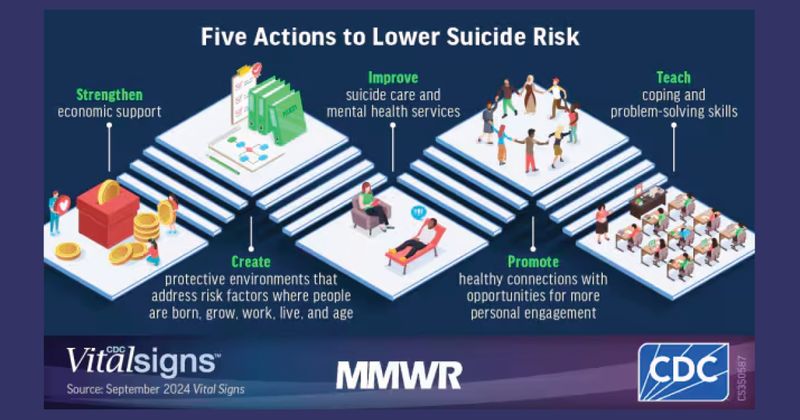
PC0924Houry_Graphic_01_WEB
By addressing factors like health insurance coverage, internet access and income level, PCPs can play an important role in suicide prevention, according to experts. Image: CDC

Brent Smith, MD, MSc, MLS, FAAFP, a family physician in Mississippi and member of the American Academy of Family Physicians board of directors, told Healio that PCPs “play a really underappreciated, undervalued role in all mental health care, but specifically suicide prevention.”

“Family physicians often become the de facto treatment for mental health because they’re the ones that are already established with the patient, that are available, and that have established a patient’s trust, and therefore kind of have a unique window,” he said.

Although suicide prevention often focuses on helping patients in crisis, Houry said it is also vital to reduce factors that lead to increased suicide risk and actively address factors that promote resilience, “to keep people from ever getting to a crisis.”

In that vein, a new CDC vital signs report highlighted the importance of exploring community factors — particularly, health insurance coverage, household income levels and broadband internet access — that could be improved to help prevent suicides.

“We all likely know someone who has struggled with suicidal thoughts,” Houry said. “I lost two medical school classmates to suicide and know how this crisis can truly impact anyone and everyone.”

The new data

Alison Cammack, PhD, MPH, lead author of the new vital signs report, and colleagues found that suicide rates were lowest for counties with higher levels of household income, broadband internet access and health insurance coverage.

More specifically, when compared with the counties that had the lowest levels of these factors, suicide rates were:

  • 13% lower in counties with the most household income;
  • 26% lower in counties with the highest health insurance coverage; and
  • 44% lower in counties where most of the homes have broadband internet access.

Cammack said there could be many reasons as to why this may be the case.

“We know that these three factors are linked with protective factors that have been shown to help reduce the risk of suicide,” Cammack, who is also health scientist of the CDC Suicide Prevention Team, said. “Health insurance coverage can help [patients] access mental health and primary care services and treatment; high-speed Internet access connects people to prevention resources, job opportunities, telehealth services and friends and family; and household financial resources such as income and economic support put in place by local state and federal governments can help families secure food, housing, health care and other basic needs.”

The report also found some groups continue to face higher suicide rates, Cammack added, including men, people in rural areas, white people and American Indian/Alaskan Native people.

“It is important to note that many barriers challenge a person’s ability to access health insurance, broadband internet and higher income,” she said. “For example, tribal and rural communities may lack the infrastructure to obtain internet access. It’s imperative that our nation works toward a comprehensive suicide prevention approach focused on programs, practices and policies designed to prevent suicide crises before they happen.”

For patients who are already stressed by these community-level factors, “it does not take much other stress to really put you in a bad place from a mental health standpoint,” Smith said.

“All of the things that we can’t control with medicine … Those social determinants play as much of a role as anything else,” he said. “And you can throw medicine [at symptoms] all you want, but we still have to treat the other things that the patients deal with.”

Importance for PCPs

Better understanding factors that influence suicide risk can improve prevention efforts and ultimately save more lives, Houry said.

“Suicide is preventable, and we know what works to stop it and to spare families and friends from losing loved ones,” she said.

PCPs must prioritize evaluating and treating these and other social factors that can impact patient health, Smith said.

“Move social determinants of health higher up in your priority list when you’re dealing with mental health, suicide and other issues,” he said. “Come to it sooner, address it quicker, and make it as much of a priority as you can in your treatment plans, in order to have a more lasting impact and more success in treating these types of things.”

That can start with creating a positive environment where patients feel safe in talking about mental health, he said.

“The biggest thing for you to do is just make the environment comfortable for people to talk about the things that are really bothering them, and then you’ll start to see some actual impact on this,” Smith said. “The problem is just making sure we’re putting it into perspective. We often undervalue how much these social stressors drive their other issues.”

Smith acknowledged that PCPs are often unable to address social determinants of health until they have tried therapy, medicine and other treatment modalities. If they do prioritize addressing these factors, “they’ll find that they’re more successful getting not only their mental health issues under control, but also their chronic medical problems,” he added.

“Our work to make patients healthy has to go beyond just a clinical room, just the exam room,” Smith said. “It’s got to go back into their communities.”

Anyone in crisis can seek confidential and free help by contacting the 988 Suicide & Crisis Lifeline by texting or calling 988 or reaching out online at 988lifeline.org.

Reference:

The serotonin-boosting action of antidepressants relieves depression by restoring normal communication and connections in the brain

Scott Thompson, PhD 

Professor, Department of Psychiatry
Director, Center for Novel Therapeutics
University of Colorado School of Medicine
Anschutz Medical Campus

Researchers from the University of Colorado Anschutz Medical Campus have established a new framework for understanding how classic antidepressants work in treating major depressive disorder (MDD), reemphasizing their importance and aiming to reframe clinical conversation around their role in treatment.

The nature of the dysfunction at the root of MDD has been under investigation for decades. Classic antidepressants, like SSRIs (selective serotonin reuptake inhibitors, such as Prozac) cause an elevation in the levels of the brain chemical messenger, serotonin. This observation led to the idea that antidepressants work because they restore a chemical imbalance, such as a lack of serotonin. However, subsequent years of research showed no significant decrease in serotonin in people with depression. While experts have moved away from this hypothesis due to lack of concrete evidence, this has led to a shift in public opinion on the effectiveness of these medications.

Antidepressants, such as SSRIs and serotonin and norepinephrine reuptake inhibitors (SNRIs) are still effective in alleviating depressive episodes in many patients, however. In a paper published in Molecular Psychiatry, researchers outline a new framework for understanding how antidepressants are efficacious in treating MDD. This framework helps clarify how antidepressants like SSRIs are still be helpful, even if MDD isn’t caused by a lack of serotonin.

“The best evidence of changes in the brain in people suffering from MDD is that some brain regions are not communicating with each other normally,” says Scott Thompson, PhD, professor in the department of psychiatry at the University of Colorado School of Medicine and senior author. “When the parts of the brain responsible for reward, happiness, mood, self-esteem, even problem solving in some cases, are not communicating with each other properly, then they can’t do their jobs properly.

“There is good evidence that antidepressants that increase serotonin, like SSRIs, all work by restoring the strength of the connections between these regions of the brain. So do novel therapeutics such as esketamine and psychedelics. This form of neuroplasticity helps release brain circuits from being ‘stuck’ in a pathological state, ultimately leading to a restoration of healthy brain function,” said Thompson.

Thompson and colleagues liken this theory to a car running off the road and getting stuck in a ditch, requiring the help of a tow truck to pull the car out of its stuck state, allowing it to move freely down the road again.

Researchers are hoping health care providers will use their examples to bolster conversations with apprehensive patients about these treatments, helping them better understand their condition and how to treat it.

“We are hoping this framework provides clinicians new ways to communicate the way these treatments work in combating MDD,” said C. Neill Epperson, MD, Robert Freedman endowed professor and chair of the department of psychiatry in the University of Colorado School of Medicine and co-author on the paper. “Much of the public conversation around the effectiveness of antidepressants, and the role serotonin plays in diagnosis and treatment, has been negative and largely dangerous. While MDD is a heterogenous disorder with no one fits all solution, it is important to emphasize that if a treatment or medication is working for you, then they are lifesaving. Understanding how these medications promote neuroplasticity can help strengthen that message.”

Story Source:

Materials provided by University of Colorado Anschutz Medical Campus. Original written by Kelsea Pieters. Note: Content may be edited for style and length.


Journal Reference:

  1. Chloe E. Page, C. Neill Epperson, Andrew M. Novick, Korrina A. Duffy, Scott M. Thompson. Beyond the serotonin deficit hypothesis: communicating a neuroplasticity framework of major depressive disorderMolecular Psychiatry, 2024; DOI: 10.1038/s41380-024-02625-2

https://www.sciencedaily.com/releases/2024/06/240605162707.htm

Single-dose drug to quash anxiety in trials

By Bronwyn Thompson

An effective single-dose, long-term treatment for anxiety could be within reach, with the phase 2b clinical trial of MM-120 reported to have passed the stage with flying colors. The makers, MindMed, now plan to hold an end-of-phase meeting with the US Food and Drug Administration (FDA) in early 2024, and then get a phase 3 trial under way.

MM-120 is essentially lysergide D-tartrate, which is best known by its abbreviation, LSD. A synthetic tryptamine, this serotonergic hallucinogen acts as a partial agonist at serotonin (5-hydroxytryptamine [5-HT]) 5-HT2A receptors. MindMed has developed a tartrate form of lysergide to treat generalized anxiety disorder (GAD) and, in a separate trial, attention-deficit hyperactivity disorder (ADHD).

The company has reported that the phase 2b clinical trial of 200 participants with GAD symptoms had met its primary endpoint with “positive topline results,” paving the way for taking it to the next trial stage and closer to therapeutic approval.

“Clinically meaningful improvements,” compared to a placebo, were noted in groups on 100 µg and 200 µg doses. MM-120 was reportedly well tolerated, with side effects such as hallucinations and euphoric mood only occurring on dose day.

Not surprisingly, given its one-off dose and it being a standalone drug – so with no psychotherapy aspect to the trial – 90% of the 200 participants completed the four-week trial and 97.5% in the high-dose groups saw it through to the end.

“We are excited by the strong positive results for MM-120 in GAD, particularly given that this is the first study to assess the standalone drug effects of MM-120 in the absence of any psychotherapeutic intervention,” said MindMed director Robert Barrow in a statement. “These promising findings represent a major step forward in our goal to bring a paradigm-shifting treatment to the millions of patients who are profoundly impacted by GAD.”

GAD, which can be a hugely debilitating subtype of anxiety disorder, is hallmarked by chronic excessive worry that can impact work, health and relationships. Of the estimated 6.8 million Americans who have GAD, less than half are receiving any treatment for it.

It’s also notoriously difficult to treat, with around half of those who do seek medical intervention not responding to initial treatment.

In the study, 100 µg of MM-120 administered once, showed remarkable results four weeks later. Using the Hamilton Anxiety Rating Scale (HAM-A), remission rates and Clinical Global Impressions – Severity (CGI-S) scores, the drug’s performance shows great promise.

Looking at clinical response, with a 50% or greater improvement in HAM-A scores after the fourth week, 78% of the participants had significant GAD relief compared to the placebo, while clinical remission – a HAM-A score below seven – was shown in a massive 50% of participants who had received the 100-µg dose.

Overall, participants receiving 100 µg or 200 µg experienced a two-unit improvement in the CGI-S score at the four-week assessment.

“Generalized anxiety disorder is a common condition associated with significant impairment that adversely affects millions of people and there remains a serious unmet need for this patient population,” said Daniel Karlin, Chief Medical Officer of MindMed. “The pharmaceutical industry has largely ignored GAD over recent decades as it has proved extremely difficult to target. Few new treatment options have shown robust activity in GAD since the last new drug approval in 2004, making the strong, rapid, and durable clinical activity of a single dose of MM-120 observed in the trial particularly notable.

“We believe this study is the first to rigorously assess the efficacy of a drug candidate in this class in the absence of a concurrent therapeutic intervention, which brings hope to the millions of people suffering from GAD and provides additional evidence that MM-120 may play an important role in revolutionizing the treatment of brain health disorders,” he added in the statement.

https://newatlas.com/medical/single-dose-drug-quash-anxiety-trial

Horses help in the development of emotionally well-adjusted teenagers, study finds


The study team found that the equine students had fewer emotional and behavioral problems, and their prosocial behavior was about four times better than that of the control group. Photo by Philippe Oursel

Interacting with horses is great for the development of emotionally well-adjusted adolescents, the findings of a new study show.

The differences between adolescents involved with horses and those without such contact were found to be quite profound in some areas.

For their study, Imre Zoltán Pelyva and his fellow researchers focused on a group of healthy students, aged 14–18, without special educational needs or problems.

Those with contact with horses attended 10 agricultural secondary schools in Hungary. They all took part in a four-year equine program. These students had no diagnosed physical or psychological difficulties.

Within the curriculum, they spent two days — 9 to 13 hours each week — with horses. They fed and groomed the horses, cleaned the stable, and worked with the horses on the lunge, from the saddle, and also undertook carriage driving.

Members of the control group comprised students from the same schools who studied non-horse related, agricultural, or food industry vocations, such as gardening, animal husbandry, meat processing or baking.

They did not take part in any activities involving horses.

All the students — there were 525 in all — underwent evaluations at the beginning and at the end of their studies. Central to this was a recognised questionnaire to assess their emotional and behavioral problems and psychic disturbances.

The results between the equine students and the control group were then compared.

The study team, writing in the journal Environmental Research and Public Health, found that the equine students had fewer emotional and behavioral problems, and their prosocial behavior was about four times better than that of the control group.

Prosocial behavior is social behavior that benefits other people or society as a whole, such as helping, sharing, donating, co-operating, and volunteering.

The study team, from the University of Pécs and the University of Szeged in Hungary, characterized the differences as remarkable.

“Our results indicate that students of equine-related vocations are more helpful and empathetic, and have fewer behavior problems than those studying other vocations.

Equine students were assessed as having fewer behavior problems upon admission to their school (all of them had regular contact with horses before). However, impressively, the rate of decline in these problems was found to be more significant than in the other group.

The study team, discussing their findings, said the findings that favorable characteristics were already present at the admission of equine students to the institutions might suggest that adolescents with stronger social skills are attracted to horses.

“On the other hand, the fact that the decline of behavior problems is more remarkable in the equine group than in the control group suggests that equine-assisted activities might play a role in strengthening these skills.”

Their analysis showed that equine-related activities were a significant factor leading to these favorable behavior traits.

“It is important to mention that these beneficial effects of equine-assisted activities are mostly based on the students’ understanding of and susceptibility to equine communication.

“The mere presence of a horse is less likely to be effective if the equine professional present does not give meaning to the horse’s behavior.

“Students have to learn to treat the horses as subjects and not as objects in order to get involved and become receptive to positive influence within the interaction.

“At the same time, this knowledge (that is, understanding equine communication and behavior) is also essential just to be able to work safely and effectively with these animals.

“This means that no therapeutic goals are needed to teach students to pay attention to and respect horses — it is the basis of all equine interactions in professional environments.”

That, they said, is why the standard school environments, without any therapeutic element, could produce such results.

“We strongly believe that the relationship humans build with horses shows them a way to build trust, acceptance, and understanding toward humans, as well.

“Our results suggest that young people who learn to listen to and take care of the horse can transfer this knowledge to intraspecies communication and behavior, as well.

“Equine students’ prosocial behavior is four times better than that of non-equine students. This result is remarkable and supports the idea that being around horses improves students’ social competences.”

Adolescence, they said, is a difficult period in life. They have to cope with many difficulties during these years.

“They need help to understand and find their place in the world, or to just generally get around successfully. The lucky ones get enough support from their family and friends, others — a very limited number — get professional help with more serious problems.

“Our study showed that with a little care and attention, normal school programs can improve competencies that are useful in life.

“If horses can be used to help adolescents and there are schools with horses and adolescents, why not exploit the possibility? With a little investment, gains might be great.”

The results indicate that equine-assisted activities have a protective effect on the behavior of adolescents, they said.

“These results also show that equine vocational schools or programs have — to the best of our knowledge — so far unidentified potential to help adolescents with behavior problems, or possibly to prevent their development.

The full study team comprised Pelyva, Etelka Szovák and Ákos Levente Tóth, all with the University of Pécs; and Réka Kresák, with the University of Szeged.

Pelyva, I.Z.; Kresák, R.; Szovák, E.; Tóth, Á.L. How Equine-Assisted Activities Affect the Prosocial Behavior of Adolescents. Int. J. Environ. Res. Public Health 2020, 17, 2967.

https://www.horsetalk.co.nz/2020/09/29/horses-help-curb-behavior-problem-youngsters-study/

Children with less sleep experience increased depression and anxiety, and decreased cognitive performance

Shorter sleep duration among children was associated with increased risk for depression, anxiety, impulsive behavior and poor cognitive performance, according to study findings published in Molecular Psychiatry.

“Sleep disturbances are common among children and adolescents around the world, with approximately 60% of adolescents in the United States receiving less than 8 hours of sleep on school nights,” Jianfeng Feng, PhD, of the department of computer science at University of Warwick in the UK, told Healio Psychiatry. “An important public health implication is that psychopathology in both children and their parents should be considered in relation to sleep problems in children. Further, we showed that brain structure is associated with sleep problems in children and that this is related to whether the child has depressive problems.”

According to Feng and colleagues, the present study is the first large-scale research effort to analyze sleep duration in children and its impact on psychiatric problems including depression, brain structure and cognition. They analyzed measures related to these areas using data from the Adolescent Brain Cognitive Development Study, which included structural MRI data from 11,067 individuals aged 9 to 11 years.

The researchers found that depression, anxiety and impulsive behavior were negatively correlated with sleep duration. Dimensional psychopathology in participants’ parents was correlated with short sleep duration in the children. Feng and colleagues noted that the orbitofrontal cortex, prefrontal and temporal cortex, precuneus and supramarginal gyrus were brain areas in which higher volume was correlated with longer sleep duration. According to longitudinal data analysis, psychiatric problems, particularly depressive problems, were significantly associated with short sleep duration 1 year later. Moreover, they found that depressive problems significantly mediated these brain regions’ effect on sleep. Higher volume of the prefrontal cortex, temporal cortex and medial orbitofrontal cortex were associated with higher cognitive scores.

“Our findings showed that 53% of children received less than 9 hours of sleep per night,” Feng said. “More importantly, the behavior problems total score for children with less than 7 hours of sleep was 53% higher on average and the cognitive total score was 7.8% lower on average than for children with 9 to 11 hours of sleep. We hope this study attracts public attention to sleep problems in children and provides evidence for governments to develop advice about sleep for children.” – by Joe Gramigna

https://www.healio.com/psychiatry/depression/news/online/%7B7440e93a-fe6a-4154-88f4-a5858d16c4cb%7D/children-with-less-sleep-experience-increased-depression-anxiety-decreased-cognitive-performance

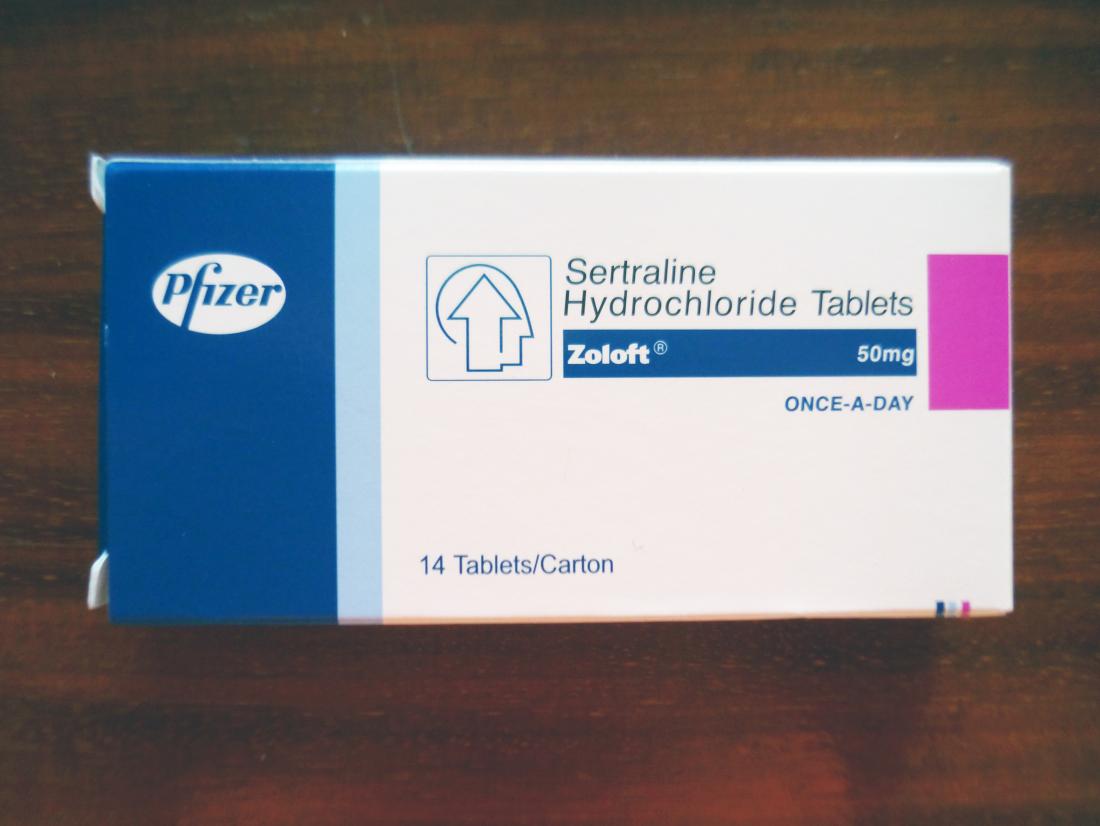
New clinical trial shows that most common antidepressant barely helps improve depression symptoms

he most commonly prescribed antidepressant barely relieves symptoms of modern depression, a major study reveals.

The largest independent investigation ever undertaken found patients taking sertraline experienced negligible improvements in mood.

Published in the Lancet Psychiatry, the study comes amid mounting controversy over increased use of antidepressants by GPs in recent decades, with roughly 7.3 million people in England issued a prescription each year.

Its authors said they were “shocked and surprised” by the results, and called for the development of new classes of medication.

However, in the absence of better drugs, they do not want current prescribing practice to be changed because the trial also showed sertraline is effective in reducing anxiety, which often accompanies depression.

The new trial is by far the largest to be conducted without the involvement of the pharmaceutical industry.

It is also the most in-depth examination of sertraline – a type of selective serotonin reuptake inhibitor (SSRI) – in patients with a range of depression severities, rather than just in severely depressed patients in specialist mental health units.

The study included 654 people aged 18 to 74 who were given either the antidepressant for 12 weeks or a placebo.

The results showed depressive symptoms were five per cent lower after six weeks in the sertraline group, which was “no convincing evidence” of an effect.

After 12 weeks, there was a 13 per cent reduction, a finding the experts described as “weak”.

But the drug did offer clear benefits in reducing anxiety, with a 21 per cent reduction in symptoms at six weeks and 23 per cent at 12 weeks.

This is likely to explain why patients taking sertraline were twice as likely to say they felt generally better compared to the placebo group, even once questioned on specific symptoms of depression the benefit was far weaker.

Symptoms of depression include poor concentration, low mood, trouble with sleep, lack of enjoyment, whereas anxiety is presents as worry, nervousness, irritability and restlessness.

Professor Glyn Lewis, who led the research at University College London, said: “We were shocked and surprised when we did our analysis.

“There is absolutely no doubt this is an unexpected result.’

“Our primary hypothesis was that it would affect those depressive symptoms at six weeks and we didn’t find that.

“We definitely need better treatments for depression, and we need more research in this area.”

He suggested that new, more effective classes of antidepressants could be based on ketamine, psilocybin, the psychedelic in magic mushrooms, and anti-inflammatories.

It is thought that roughly four million people in England are long-term users of antidepressants.

Prescribing data shows that SSRI’s such as sertraline make up 54 per cent of antidepressant prescriptions.

Scientists have responded to the new study by pointing out that some of the patients had very mild symptoms of depression to start with, making it less likely that sertraline would cause an improvement.

However, others have pointed out that this is exactly the basis upon which GPs tend to hand out the drugs in practice.

Dr Gemma Lewis, who co-authored the new research, said: “I think it’s really important to understand that anxiety symptoms are very, very common among people with depression.”

She added: “It appears that people taking the drug are feeling less anxious, so they feel better overall, even if their depressive symptoms were less affected.

“We hope that we have cast new light on how antidepressants work, as they may be primarily affecting anxiety symptoms such as nervousness, worry and tension, and taking longer to affect depressive symptoms.”

Professor Helen Stokes-Lampard, Chair of the Royal College of GPs, said: “It is well-established that it often takes a while for patients to feel the full benefits of modern antidepressants and that they work best when taken for significant periods of time, which is one reason why doctors will often review patients after several weeks of use and then prescribe a fairly long course of the drugs, if they appear to be beneficial.”

https://www.telegraph.co.uk/science/2019/09/19/common-antidepressant-barely-helps-improve-depression-symptoms/

Thanks to Kebmodee for bringing this to the It’s Interesting community.

A consortium of US universities aims to examine how best to help graduate students, a vulnerable population that is affected by anxiety and depression.

An ambitious research project aims to assess the state of mental-health resources and support for graduate students. The 22-month initiative is a joint venture of the Council of Graduate Schools (CGS) in Washington DC and the Jed Foundation, a non-profit organization in New York City that focuses on the mental health of young adults. The initiative will explore current schemes and programmes centred on student wellness at CGS member universities in the United States and Canada, and provide recommendations for future approaches to promote mental and emotional well-being in students.

“We want to create a road map for moving forward,” says Suzanne Ortega, CGS president and the principal investigator of the project, called Supporting Mental Health and Wellness of Graduate Students. “We’ll be offering advice about policies and resources that will help students in crisis while also creating an environment where graduate students can thrive.”

The project, supported by nearly US$280,000 in grants from the Alfred P. Sloan Foundation and the Andrew W. Mellon Foundation, will gather input through surveys of administrators at CGS’s 500 or so member institutions across the world, along with focus groups that will probably involve students as well as those advocating on behalf of students. A key part of the conversation will take place at a workshop for students, administrators and mental-health specialists that is tentatively scheduled for October next year in Washington DC. An initial report of findings and recommendations for policies is scheduled to be published in December next year.

Unmet needs

The pressure, competition and stress experienced by graduate students puts them at high risk for mental-health issues, Ortega says. Precise estimates of the prevalence of anxiety and depression in this population remain elusive, she notes, and graduate students need and deserve thoughtful, evidence-based support. “We’re convinced by the need,” she says. “We know that a significant minority of graduate students have clinical symptoms of distress.”

Nance Roy, the Jed Foundation’s chief clinical officer, says that few effective mental-health programmes aimed at graduate students are currently offered at academic institutions. The Jed Foundation assisted universities in developing guidelines that will help to address undergraduate mental health, but Roy points out that graduate students have different needs and life situations that could require tailored approaches. For example, graduate students might find it especially difficult to take time off when they’re feeling overwhelmed. “They may not be able to just step away from a research project,” she says. “We want to promote people taking time off if they need it.”

Roy is also concerned about mentorship, a crucial aspect of graduate training that doesn’t always receive much scrutiny. “That relationship needs a tremendous amount of attention,” she says.

Ortega and other investigators have identified some innovative approaches that deserve a closer look. Boston University in Massachusetts, for example, instituted a holiday policy this year that ensures two weeks, or ten working days, of paid holiday every year for PhD students on annual stipends. “The idea is that this will foster work–life balance, which is a big part of student wellness,” says Ortega.

Another is the Mental Health Bill of Rights and Responsibilities that was adopted by the graduate education department at Vanderbilt University in Nashville, Tennessee, in February. The document states that, among other things, any student who seeks mental-health treatment through the university will be assigned a care coordinator who can help them to navigate the system and connect with resources.

Mark Wallace, a neuroscientist and dean of the Vanderbilt University Graduate School, says that the bill of rights was a product of many discussions between graduate students and university leaders. “This approach ensures that everyone has a role to play in tackling mental-health issues on our campus, whether they be students, faculty or staff,” he says.

Covering new ground

Ortega says that the CGS initiative is the first of its kind in the United States and Canada. She and other investigators were partly inspired by other mental-health schemes, including the UK Council For Graduate Education’s first International Conference on the Mental Health & Wellbeing of Postgraduate Researchers, which took place in May (and was supported by Nature Research).

The CGS will co-host a global summit, Cultural Contexts of Health and Well-Being in Graduate Education, at the University of Manchester, UK, on 1–3 September. “There’s a growing recognition of these issues in Europe,” Ortega says.

Ortega and Roy hope that their project will inspire universities around the United States to take a closer look at at what they’re doing — or not doing — to promote the mental health of graduate students. The results should also lay the foundation for a future of better support for graduate students, including more scientifically rigorous studies of issues that this group faces, Ortega says.

“Graduate-student mental health and well-being has become one of the hottest topics that our graduate dean members want to see addressed,” Ortega says. “Clearly, we have a lot of work to do in the next 22 months.”

https://www.nature.com/articles/d41586-019-02584-7?utm_source=Nature+Briefing&utm_campaign=0a58fd4efb-briefing-dy-20190902&utm_medium=email&utm_term=0_c9dfd39373-0a58fd4efb-44039353