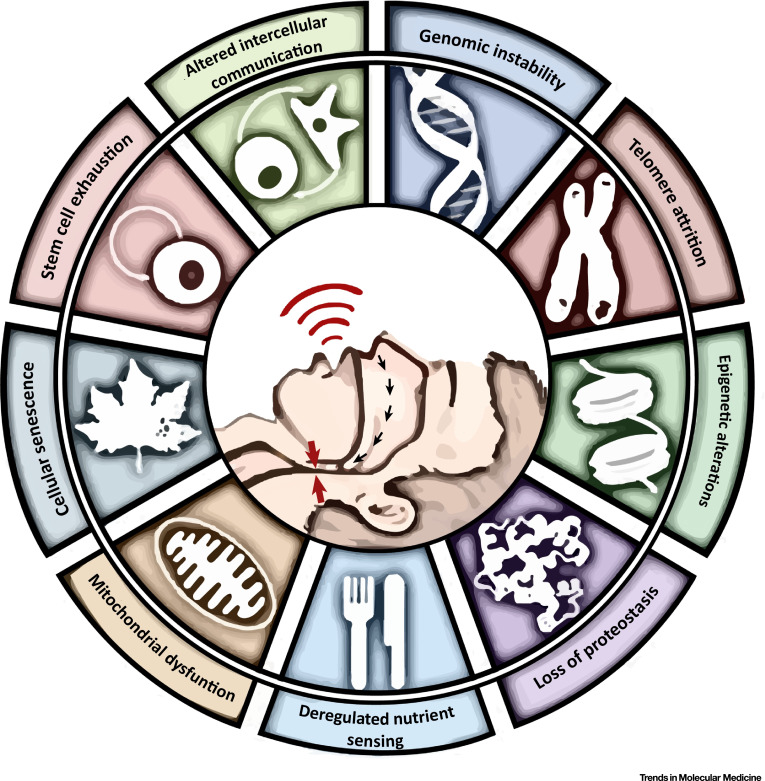
More severe OSA linked to premature aging in adults

A heightened oxygen desaturation index was significantly linked to epigenetic age acceleration determined via two epigenetic clocks, according to a presentation at the American Thoracic Society International Conference.

“OSA severity is associated with positive epigenetic age acceleration or premature aging,” Ilia Ostrovski, respirology fellow from University of British Columbia, said during his presentation. “We also conclude that the association between obstructive sleep apnea and positive epigenetic age acceleration is better demonstrated by second generation epigenetic clocks likely due to their calibration with physiologic outcomes rather than chronological age.”

In a large, cross-sectional study, Ostrovski and colleagues evaluated epigenetic age, a biologic age biomarker, of 1,254 adults (mean age, 53 years; 43% women) from the 2016 to 2019 Canadian Sleep and Circadian Network biobank who underwent sleep testing to find out if OSA severity is linked to premature aging, or epigenetic age acceleration.

Researchers utilized blood samples to extract DNA and four validated epigenetic clocks to find epigenetic age estimations.

“Levels of DNA methylation at certain sites in the genome are associated with chronological age; thus, epigenetic or biological age can be predicted exploiting this feature of the DNA methylome,” Ostrovski and colleagues wrote in the study abstract.

Ostrovski noted during his presentation that first generation clocks (Horvath pan-tissue and Hannum) are calibrated to chronologic age, whereas second generation clocks (PhenoAge and GrimAge) are calibrated to physiologic outcomes and mortality.

“It’s becoming increasingly recognized that these [second generation clocks] capture age-related decline better than first generation clocks,” he said.

The total cohort included 325 controls (median age, 54 years; 54% women; median BMI, 28 kg/m2) and 929 individuals with OSA.

Of those with OSA, most had severe OSA (n = 387; median age, 56 years; 34% women; median BMI, 37 kg/m2), followed by moderate OSA (n = 297; median age, 56 years; 36% women; median BMI, 33 kg/m2) and mild OSA (n = 245; median age, 58 years; 51% women; median BMI, 31 kg/m2).

Baseline characteristics with a greater proportion of those with severe or moderate OSA vs. those with mild OSA or controls included current smoking status (14% vs. 12% vs. 9% vs. 7.4%), diabetes (28% vs. 18% vs. 17% vs. 9.3%), hypertension (51% vs. 55% vs. 42% vs. 32%) and cardiovascular disease (14% vs. 15% vs. 13% vs. 9%).

The proportion of individuals with alcohol use disorder was similar among controls, those with mild OSA and those with moderate OSA (63% vs. 62% vs. 63%) but lower among those with severe OSA (52%).

Further, median oxygen desaturation index (ODI) at baseline increased as OSA became more severe, starting at two desaturation episodes per hour in the control group and escalating to 10 episodes per hour in the mild OSA group, 21 episodes per hour in the moderate group and 50 episodes per hour in the severe group.

To find the relationship between epigenetic age acceleration and ODI for each clock, researchers used linear regression adjusted for blood cell type proportions, age, sex, ethnicity, smoking, alcohol use, BMI, chip ID and chip position/row.

Using the GrimAge clock, each rise in ODI by 10 corresponded to epigenetic age acceleration of 0.16 years (P = .004). The same increase in ODI was also linked to epigenetic age acceleration of 0.11 years in the PhenoAge clock (P = .039).

No significant relationship was found between the two factors when using each of the first-generation clocks, and Ostrovski highlighted that the link became nonsignificant after factoring in BMI.

“We feel that future work should prioritize prospective evaluation of the impact of OSA severity on aging-related outcomes and also determine whether treatment of OSA reverses its effect on epigenetic age acceleration,” Ostrovski said.

Reference:

Alzheimer’s risk factors may be measurable in adolescents and young adults

Risk factors for Alzheimer’s dementia may be apparent as early as our teens and 20s, according to new research reported at the Alzheimer’s Association International Conference® (AAIC®) 2020.

These risk factors, many of which are disproportionately apparent in African Americans, include heart health factors — such as high blood pressure, high cholesterol and diabetes — and social factors like education quality. According to the Alzheimer’s Association Alzheimer’s Disease Facts and Figures report, older African Americans are about twice as likely to have Alzheimer’s or other dementias as older whites.

“By identifying, verifying, and acting to counter those Alzheimer’s risk factors that we can change, we may reduce new cases and eventually the total number of people with Alzheimer’s and other dementia,” said Maria C. Carrillo, Ph.D., Alzheimer’s Association chief science officer. “Research like this is important in addressing health inequities and providing resources that could make a positive impact on a person’s life.”

“These new reports from AAIC 2020 show that it’s never too early, or too late, to take action to protect your memory and thinking abilities,” Carrillo said.

The Alzheimer’s Association is leading the U.S. Study to Protect Brain Health Through Lifestyle Intervention to Reduce Risk (U.S. POINTER), a two-year clinical trial to evaluate whether lifestyle interventions that simultaneously target many risk factors protect cognitive function in older adults who are at increased risk for cognitive decline. U.S. POINTER is the first such study to be conducted in a large, diverse group of Americans across the United States.

African American Youth At Higher Risk of Dementia

In a population of more than 714 African Americans in the Study of Healthy Aging in African Americans (STAR), Kristen George, Ph.D., MPH, of the University of California, Davis, and colleagues found that high blood pressure and diabetes, or a combination of multiple heart health-related factors, are common in adolescence and are associated with worse late-life cognition. Study participants were adolescents (n=165; ages 12-20), young adults (n=439; ages 21-34) and adults (n=110; ages 35-56). Mean age at cognitive assessment was 68.

Cognition was measured using in-person tests of memory and executive function. The researchers found that, in this study population, having diabetes, high blood pressure, or two or more heart health risk factors in adolescence, young adulthood, or mid-life was associated with statistically significantly worse late-life cognition. These differences persisted after accounting for age, gender, years since risk factors were measured, and education.

Before this report, little was known about whether cardiovascular disease (CVD) risk factors developed prior to mid-life were associated with late-life cognition. This is an important question because African Americans have a higher risk of CVD risk factors compared to other racial/ethnic groups from adolescence through adulthood.

According to the researchers, these findings suggest that CVD risk factors as early as adolescence influence late-life brain health in African Americans. Efforts to promote heart and brain healthy lifestyles must not only include middle-aged adults, but also younger adults and adolescents who may be especially susceptible to the negative impact of poor vascular health on the brain.

Early Adult BMI Associated With Late Life Dementia Risk

In what the authors say is the first study to report on the issue, higher early adulthood (age 20-49) body mass index (BMI) was associated with higher late-life dementia risk.

Relatively little is known about the role of early life BMI on the risk of Alzheimer and other dementias. The scientists studied a total of 5,104 older adults from two studies, including 2,909 from the Cardiovascular Health Study (CHS) and 2,195 from the Health, Aging and Body Composition study (Health ABC). Of the total sample, 18% were Black and 56% were women. Using pooled data from four established cohorts spanning the adult life course, including the two cohorts under the study, the scientists estimated BMI beginning at age 20 for all older adults of CHS and Health ABC.

For women, dementia risk increased with higher early adulthood BMI. Compared to women with normal BMI in early adulthood, dementia risk was 1.8 times higher among those who were overweight, and 2.5 times higher among those who were obese. Analyses were adjusted for midlife and late life BMI.

They found no association between midlife BMI and dementia risk among women.

For men, dementia risk was 2.5 times higher among those who were obese in early adulthood, 1.5 times higher among those who were overweight in mid-life and 2.0 times higher among those who were obese in mid-life, in models also adjusted for late life BMI.

For both women and men, dementia risk decreased with higher late life BMI.

Adina Zeki Al Hazzouri, Ph.D. of Columbia University and colleagues found that high BMI in adulthood is a risk factor for dementia in late life. The researchers suggest that efforts aimed at reducing dementia risk may need to begin earlier in life with a focus on obesity prevention and treatment.

Quality of Early-Life Education Influences Dementia Risk

In a diverse group of more than 2,400 people followed up to 21 years, higher quality early-life education was associated with better language and memory performance, and lower risk of late-life dementia. Results were somewhat different between men and women, and between Blacks and Whites in the study.

The study included 2,446 Black and White men and women, age 65 and older, enrolled in the Washington Heights/Inwood Columbia Aging Project who attended elementary school in the United States. A school quality variable based on historical measures included: mandatory school enrollment age, minimum dropout age, school term length, student-teacher ratio, and student attendance.

People who attended school in states with lower quality education had more rapid decline in memory and language as an older adult. Black women and men and White women who attended schools in states with higher quality education were less likely to develop dementia. According to the scientists, the results were explained, in part, because people who attend higher quality schools end up getting more years of school.

Justina Avila-Rieger, PhD, a postdoctoral research scientist at Columbia University Irving Medical Center and colleagues say the findings provide evidence that later life dementia risk and cognitive function is influenced by early-life state educational policies.

https://www.sciencedaily.com/releases/2020/07/200730092616.htm

Spain’s oldest woman (113 years old) speaks about surviving COVID


Branyas lives in Olot, a city in Catalonia.

By Jack Guy and Al Goodman

A 113-year-old woman, thought to be the oldest in Spain, has said she feels fine after surviving a brush with coronavirus.

Video footage of Maria Branyas, who was born on March 4 1907, shows the super-centenarian speaking to the director of the care home where she lives in Olot, Catalonia.

“In terms of my health I am fine, with the same minor annoyances that anyone can have,” said Branyas in the video. It was recorded Monday, a spokeswoman for the care home told CNN.

Branyas recovered after a mild case of Covid-19. Her battle started shortly after her family visited her on March 4 to celebrate her 113th birthday, the spokeswoman said.

The family has not been able to visit in person since then. Branyas has lived for 18 years in her own private room at the Santa Maria del Tura nursing home, which is run by the Institute of the Order of San Jose of Gerona, affiliated with the Roman Catholic Church, the spokeswoman said.

Branyas was born in San Francisco in the United States, where her father worked as a journalist, reports the AFP news agency.

Over the course of her long life she has survived two world wars as well as the 1918 flu pandemic, which killed more than 50 million people around the world.

Although Branyas recovered from coronavirus, two residents of the same home died of it. The situation at the care home has since improved, said the spokeswoman.

Spain’s state of emergency, in effect since March 14, has strict confinement measures that remain in place. But with the infection and death rates now declining, the government has lifted some lockdown measures in certain parts of the country, on what it says will be a gradual reopening of activity.

But the initial lifting of these restrictions did not apply to Olot, where Branyas lives.

https://www.cnn.com/2020/05/13/europe/spain-oldest-woman-coronavirus-survivor-scli-intl/index.html

68 year old Nigerian woman gives birth to twins

By Bukola Adebayo, CNN

A Nigerian woman has given birth to twins, a boy, and a girl at the age of 68.

Margaret Adenuga went through three previous IVF procedures before finally having twins.

Her husband Noah Adenuga, 77 told CNN the couple, who married in 1974 had long desired to have a child of their own.

Adenuga said they never gave up even after the failed attempts.
The retired stock auditor told CNN, “I am a dreamer, and I was convinced this particular dream of ours will come to pass.”

The babies were delivered via caesarian section at 37 weeks last Tuesday at the Lagos University Teaching Hospital (LUTH) but the hospital only recently made the news public to give the first-time mother time to recuperate, it said.

Dr. Adeyemi Okunowo, who delivered the babies, told CNN a specialist team was assembled at the hospital to monitor the pregnancy because of her age.
“As an elderly woman and a first-time mother, it was a high-risk pregnancy and also because she was going to have twins but we were able to manage her pregnancy to term,” Okunowo told CNN.

https://www.cnn.com/2020/04/22/africa/nigerian-woman-68-gives-birth-intl/index.html

New evidence that daily meditation could slow aging in your brain

Taking up meditation while sheltering-in-place may not only help you cope with the stress of the coronavirus pandemic, it may even keep your brain from aging.

A recently pubished 18-year analysis of the mind of a Buddhist monk by the Center for Healthy Minds at the University of Wisconsin-Madison found daily, intensive meditation slowed the monk’s brain aging by as much as eight years when compared to a control group.

The project started in the 1990s with neuroscientist Richard Davidson’s relationship with the Dalai Lama. Davidson started making connections between positive emotions and brain health, which jump-started research for the study.

“[The Dalai Lama] was really encouraging me to take the practices from this tradition and investigate them with the tools of modern science,” said Davidson, founder and director of the Center for Healthy Minds. “And if we find through these investigations that these practices are valuable to then disseminate them widely.”

The study began with a Buddhist monk

Using MRI and a machine learning framework which estimates “brain-age” from brain imaging, Davidson and lead scientist Nagesh Adluru studied the mind of Tibetan Buddhist meditation master Yongey Mingyur Rinpoche over the course of 18 years.

The goal, Davidson said, was to find out whether there was a difference in the rate of aging between the brains of seasoned meditation masters compared to those who were novice practitioners. Rinpoche was first scanned in 2002 at the age of 27. At the time, he had already completed nine years of meditation retreats. He was scanned again at the respective ages of 30, 32 and 41 years old.

The last time he was scanned, he had just returned from a four-and-a-half-year wandering retreat, and his brain was calculated to be 33-years-old, eight years younger than his biological age.
The researchers compared Rinpoche’s aging brain to a control group and his appeared to age much slower than the general focus group.

The results could have lasting implications on health

The magnitude of the effect was pronounced even with a margin of error that is plus or minus two to three years, Davidson said.

“If these effects accumulate over time, we think there will be very important health and well-being implications.”

Everyone, especially now amid the coronavirus pandemic, can benefit from meditation because it is designed to remind us of our own basic goodness, Davidson said.

“I think what is exciting is the invitation that we can impact our own brain … and change the rate at which it ages through engaging in practices that are nourishing and helpful for our well-being.”

The researchers said they are excited to see how Rinpoche’s brain will continue to develop, and how this data can help improve overall well-being.

https://www.cnn.com/2020/03/20/health/meditation-slows-brain-age-trnd-wellness/index.html

Drinking alcohol every day can speed up brain aging by one week per session, according to a study of more than 17,000 people

Researchers at the University of Southern California looked at more than 17,000 brain scans to see if daily smoking and drinking advanced brain age. The study found that every gram of alcohol consumed a day aged the brain by 11 days. Smoking a pack of cigarettes a day for a year aged the brain by 11 days. It is one of the largest studies ever done on brain aging and alcohol, making the findings quite robust.

by Shira Feder

Over time, drinking a little bit more alcohol than recommended could accelerate the brain’s aging process, according to a new study.

Though previous studies have found the same, most were tentative findings based on small groups of people or large groups of mice.

The new study, from researchers at the University of Southern California, offers a more robust estimate, reached by examining 17,308 human brain scans from the UK Biobank — one of the biggest sample sizes ever seen.

The team found that for every gram of alcohol consumed a day, the brain aged 0.02 years — or, seven-and-a-half days. (The average can of beer or small glass of wine contains 14 grams of alcohol). People who reported drinking every day had brains which were, on average, 0.4 years older than people who didn’t drink daily.

Smoking had even stronger effect: the team found that those who smoke a pack of cigarettes a day for a year age their brains by 0.03 years (11 days).

The researchers took 30% of the brain scans in their study, all from people aged 45 to 81, and used them to train a computer, which scanned each brain to see how old or young they looked.

They then compared the computer’s estimates of each brain’s age with the person’s real age, and their self-reports of how much alcohol and tobacco they consume daily, in order to see if consuming alcohol or tobacco regularly aged the brain.

Comparing those results with the other 70% of their brain scans, they found that the more you drank and smoke, the more likely you were to have a brain aged beyond your actual age.

Lucina Uddin, director of the Cognitive and Behavioral Neuroscience Division at the University of Miami, who was not involved in the study, told Insider that the use of an algorithm is what makes this study’s findings so compelling.

“Back in the day we’d scan 20 or 40 subjects, if we were lucky, for neuroimaging studies,” Uddin said. “Now we’re getting bigger numbers like 200 or 300 individuals. But this is the biggest sample we’ve ever seen.”

Because the sample size is so big, scientists can ask questions that apply to the entire population, rather than just a few people.

Brain age is essentially a measure of brain health, says Uddin, who was not surprised by the study’s findings.

“Looking at brain age is a way of checking how well you’ve been taking care of your brain,” she told Insider. “My age is 40, but does my brain look more like a 50-year-old brain or a 60-year-old brain? Do you look younger than your age or older than your age?”

The lead author of the study, Arthur Toga, told Inverse: “The 0.4 years of difference was statistically significant. We suggest that daily or almost daily alcohol consumption can be detrimental to the brain.”

However, many super-agers — people who live well beyond 100 years old, and often appear resistant to the dementia gene — report drinking alcohol now and then.

What’s more, a recent Harvard study found drinking in moderation can have some benefits, particularly for the heart.

Dr. Qi Sun, a co-author of the Harvard study, previously told Insider: “If you drink alcohol, it’s very important that you drink responsibly, not in excess, and that you also focus on eating a healthy diet, maintaining a healthy body weight, not smoking, and exercising. If you don’t drink you don’t need to start drinking.”

https://www.insider.com/alcohol-every-day-ages-your-brain-quicker-17000-brain-scans-2020-1

Life-long strategies that may help decrease the risk of developing dementia

There are no instant, miracle cures. But recent studies suggest we have more control over our cognitive health than we might think. It just takes some effort.

When it comes to battling dementia, the unfortunate news is this: Medications have proven ineffective at curing or stopping the disease and its most common form, Alzheimer’s disease. But that isn’t the end of the story. According to a recent wave of scientific studies, we have more control over our cognitive health than is commonly known. We just have to take certain steps—ideally, early and often—to live a healthier lifestyle.

In fact, according to a recent report commissioned by the Lancet, a medical journal, around 35% of dementia cases might be prevented if people do things including exercising and engaging in cognitively stimulating activities. “When people ask me how to prevent dementia, they often want a simple answer, such as vitamins, dietary supplements or the latest hyped idea,” says Eric Larson, a physician at Kaiser Permanente in Seattle and one of a group of scientists who helped prepare the report. “I tell them they can take many common-sense actions that promote health throughout life.”

The Lancet report, distilling the findings of hundreds of studies, identifies several factors that likely contribute to dementia risk, many of which can be within people’s power to control. These include midlife obesity, physical inactivity, high blood pressure, Type 2 diabetes, social isolation and low education levels.

Of course, there are no guarantees. Dementia is a complicated disease that has multiple causes and risk factors, some of which remain unknown. Nevertheless, there is increasing evidence that people—even those who inherit genes that put them at greater risk of developing Alzheimer’s in later life—can improve their chances by adopting lifestyle changes.

“It’s not just about running three times a week,” says Sarah Lenz Lock, executive director of AARP’s Global Council on Brain Health. “Instead, it’s about a package of behaviors, including aerobic exercise, strength training, a healthy diet, sleep and cognitive training.”

Because most neurodegenerative diseases take years, if not decades, to develop, researchers say the best time to focus on brain health is long before symptoms occur—ideally by midlife if not before. Still, they emphasize that it is never too late to start.

What follows is a look at what scientific studies tell us about possible ways to reduce dementia risk.

1. Blood-pressure control

The potential role that cardiovascular health—including blood pressure—plays in dementia has been one of the tantalizing highlights of recent research based on the Framingham Heart Study, which has followed thousands of residents of Framingham, Mass., and their relatives since 1948.

The research found a 44% decline in the dementia rate among people age 60 or older for the period 2004 to 2008, compared with 1977 to 1983. Diagnoses fell to two for every 100 study participants from 3.6 in the earlier period. Over the same roughly 30 years, the average age at which dementia was diagnosed rose to 85 from 80.

Co-author Claudia Satizabal, an assistant professor at UT Health San Antonio, says the research suggests that improvements in cardiovascular health and education levels help explain the trend. Improvements in dementia rates have occurred only in participants “who had at least a high-school diploma,” the study says. And as dementia rates have fallen, the study also says, so have the rates of “stroke and other cardiovascular diseases,” thanks in part to a greater use of blood-pressure medication.

Unlike studies in which participants are randomly assigned to different treatment groups and then monitored for results, the Framingham study and others that analyze population data cannot definitively prove a cause-and-effect relationship. Dr. Satizabal says that while the significant decline in dementia rates since 1977 suggests that management of stroke and heart issues could have contributed, that “is something that needs more research.”

A recent study that randomly assigned participants to different treatment goals offers further evidence for the idea that high blood pressure is a treatable risk factor that leads to dementia.

In 2010, researchers at Wake Forest School of Medicine began enrolling almost 9,400 people age 50 and older with high blood pressure in one of two groups. With the aid of medication, one group reduced its systolic blood pressure—which measures pressure in the arteries when the heart contracts—to less than 120. The other group aimed for less than 140.

The group with lower blood pressures experienced such significantly lower rates of death, strokes and heart attacks that in 2015 the researchers stopped the trial ahead of schedule. The scientists concluded it would be unethical to continue because most people should be targeting the lower blood pressure, says the study’s co-author Jeff Williamson, a Wake Forest medical school professor.

In 2017 and 2018, the researchers performed a final round of cognitive tests on participants and discovered that the lower-blood-pressure group had 19% fewer diagnoses of mild cognitive impairment, often a precursor to dementia, and 15% fewer cases of any type of dementia, mild or otherwise.

Using MRIs, the researchers scanned 673 participants’ brains and, upon follow-up, found less damaging changes in the lower-blood-pressure group.

“This is the first trial that has demonstrated an effective strategy for prevention of cognitive impairment,” says Kristine Yaffe, professor of psychiatry, neurology and epidemiology at the University of California, San Francisco. “That’s pretty big news,” says Dr. Yaffe, who wasn’t involved in the study.

2. Exercise

Several studies that have followed large numbers of people for years suggest that physically active individuals are less likely than inactive peers are to develop dementia, according to a recent World Health Organization report.

Exercise increases the flow of blood to the brain, improves the health of blood vessels and raises the level of HDL cholesterol, which together help protect against cardiovascular disease and dementia, says Laura Baker, a professor at Wake Forest School of Medicine. Exercise can also lead to the formation of new brain synapses and protect brain cells from dying.

Prof. Baker’s studies suggest that aerobic exercise can help improve cognitive function in people with mild memory, organizational and attention deficits, which are often the first symptoms of cognitive impairment.

One recent study conducted by Prof. Baker and several co-authors enrolled 65 sedentary adults ages 55 to 89 with mild memory problems. For six months, half completed four 60-minute aerobic-exercise sessions at the gym each week. Under a trainer’s supervision, they exercised mainly on treadmills at 70% to 80% of maximum heart rate. The other half did stretching exercises at 35% of maximum heart rate.

At the beginning and end of the study, researchers collected participants’ blood and spinal fluid and obtained MRI scans of their brains. Over the six months, the aerobic-exercise group had a statistically significant reduction in the level in their spinal fluid of tau protein, which accumulates in the brains of people with Alzheimer’s. They also had increased blood flow to areas of the brain that are important for attention and concentration, and their scores on cognitive tests improved. The stretching group, in contrast, showed no improvement on cognitive tests or tau levels.

3. Cognitive training

Many population studies suggest that education increases cognitive reserve, a term for the brain’s ability to compensate for neurological damage. The Framingham study, for example, found that participants with at least a high-school diploma benefited the most from declining dementia rates, compared with participants with less education.

In another population study, researchers at Columbia University analyzed data from 593 people age 60 or older, 106 of whom developed dementia. People with clerical, unskilled or semiskilled jobs had greater risk of getting the disease than managers and professionals.

In a separate study, some of the same researchers followed 1,772 people age 65 or older, 207 of whom developed dementia. After adjusting the results for age, ethnic group, education and occupation, the authors found that people who engaged in more than six activities a month—including hobbies, reading, visiting friends, walking, volunteering and attending religious services—had a 38% lower rate of developing dementia than people who did fewer activities.

In yet another study, researchers at institutions including Rush University Medical Center’s Rush Institute for Healthy Aging examined the brains of 130 deceased people who had undergone cognitive evaluations when alive. Among individuals in whom similar levels of Alzheimer’s-related brain changes were seen in the postmortem examinations, the researchers found that those who had more education generally had shown higher cognitive function.

Yaakov Stern, a professor at Columbia University College of Physicians and Surgeons who has written about these studies and the impact of education on dementia, recommends maintaining “educational and mentally stimulating activities throughout life.” This fosters growth of new neurons and may slow the rate at which certain regions of the brain shrink with age. It also promotes cognitive reserve, he says.

4. Diet

Efforts to study the impact of diet on dementia are relatively new, but there are some indications that certain diets may be beneficial in lowering the risk of dementia.

Several population studies, for instance, suggest that people with a Mediterranean diet, which is high in fish, fruits, nuts and vegetables, have lower rates of dementia, according to the World Health Organization.

But a variation on that diet may offer even more protection against the development of Alzheimer’s disease, according to a study released in 2015.

In this study, researchers including Dr. Martha Clare Morris, director of the Rush Institute for Healthy Aging, analyzed data from 923 people ages 58 to 98 who kept detailed food diaries about what they ate from 2004 to 2013.

In total, 158 subjects developed dementia. But among individuals who remained cognitively healthy, a high proportion had consumed a diet heavy in leafy green and other vegetables, nuts, berries, beans, whole grains, fish, poultry, olive oil and wine (in moderation). Their diets were limited in red meat, butter, cheese, sweets and fried and fast foods.

This diet, which researchers named the Mind diet, shares many elements of a Mediterranean diet. But the Mind diet prescribes more foods—including berries and leafy green vegetables—that are associated with lower rates of neurological diseases.

The researchers scored each of the 923 participants on how closely their detailed eating habits followed three diets: Mind, Mediterranean, and Dash diet, designed to reduce high blood pressure. For each diet, researchers ranked the participants based on their scores, subdividing them by the degree to which they followed each diet—closely, partly or little.

This led to several discoveries: First, there were about 50% fewer Alzheimer’s diagnoses among participants who most closely followed either the Mind diet or the Mediterranean diet, compared with those who followed either diet only a little. For the Dash diet, there was a 39% reduction for those who were most faithful to its rules.

Meanwhile, even those who only partly followed the Mind diet saw a 35% reduction in Alzheimer’s diagnoses, while no reduction was seen for those who only partly followed either the Mediterranean or Dash diet.

In contrast to the Mediterranean and Dash diets, “even modest adherence to the Mind diet may have substantial benefits for prevention of Alzheimer’s disease,” says Kristin Gustashaw, a dietitian at Rush.

5. Sleep

No one knows for sure why we sleep. One theory is that sleep helps us remember important information by performing a critical housekeeping function on brain synapses, including eliminating some connections and strengthening others.

Another theory is that sleep washes “toxic substances out of our brains that shouldn’t be there,” including beta amyloid and tau proteins that are implicated in Alzheimer’s, says Ruth Benca, a professor of medicine at the University of California, Irvine.

In a 2015 study, Prof. Benca and others examined 98 participants without dementia ages 50 to 73. Many were at genetic risk for the disease. Brain scans revealed that those reporting more sleep problems had higher levels of amyloid deposits in areas of the brain typically affected by Alzheimer’s.

“Poor sleep may be a risk factor for Alzheimer’s,” says Prof. Benca, who is conducting a study to see whether treating sleep problems may help prevent dementia.

She says sleep—or a lack of it—may help explain why about two-thirds of Alzheimer’s patients are women. Some researchers theorize that during menopause women can become vulnerable to the disease, in part due to increased prevalence of insomnia.

6. Combination

There is a growing consensus that when it comes to preserving brain health, the more healthy habits you adopt, the better.

According to a forthcoming study of 2,765 older adults by researchers at Rush, nonsmokers who stuck to the Mind diet, got regular exercise, engaged in cognitively stimulating activities and drank alcohol in moderation had 60% fewer cases of dementia over six years than people with just one such habit.

A study published in July found that people at greater genetic risk for Alzheimer’s appear to benefit just as much from eating well, exercising and drinking moderately as those who followed the same habits but weren’t at elevated genetic risk for the disease.

The study, by researchers including Kenneth Langa, associate director of the Institute of Gerontology at the University of Michigan, examined data from 196,383 Britons age 60 and older. Over about a decade, there were 38% fewer dementia diagnoses among individuals who had healthy habits and a gene, APOE4, that puts people at higher risk for Alzheimer’s, than there were among people who had the gene and poor habits. The gene increases the risk for Alzheimer’s by two to 12 times, depending on how many copies a person has.

Among participants with low genetic risk for Alzheimer’s, healthy habits were associated with a 40% reduction in the incidence of the disease. The results suggest a correlation between lifestyle, genetic risk and dementia, the study says.

Many point to a recent clinical trial in Finland of 1,260 adults ages 60 to 77 as proof that a multipronged approach can work.

The researchers, from institutions including the Karolinska Institute in Sweden and the National Institute for Health and Welfare in Helsinki, randomly assigned half of the participants, all deemed at high risk for dementia, to regular sessions with nutritionists, exercise trainers and instructors in computerized brain-training programs. The participants attended social events and were closely monitored for conditions including high blood pressure, excess abdominal weight and high blood sugar.

“They got support from each other to make lifestyle changes,” says co-author Miia Kivipelto, a professor at the Karolinska Institute in Sweden.

The other half received only general health advice.

After two years, both groups showed improvements in cognitive performance. But the overall scores of the intensive-treatment group improved by 25% more than the scores for the other group. The intensive-treatment group scored between 40% and 150% better on tests of executive function, mental speed and complex memory tasks, suggesting that a multifaceted approach can “improve or maintain cognitive functioning in at-risk elderly people,” the study says.

“We are studying whether exercise and lifestyle can be medicine to protect brain health as we get older,” says Prof. Baker, who is overseeing a U.S. study modeled on the Finnish trial.

https://apple.news/AzlC5CLNvQJWJrsP-qrJFIw

How we think as children may be linked to our cognitive performance at age 70

Our thinking skills in childhood could offer a glimpse into how our minds might work at the age of 70, according to a study spanning decades.

The research started in 1946, when 502 8-year-olds, who were born in the U.K. in the same week, took tests to measure their thinking and memory skills. The participants took cognitive tests again between the ages of 69 and 71.

The participants also had scans, including a positron emission tomography (PET) scan that detects amyloid-beta plaques in the brain. These sticky collections of protein are linked to Alzheimer’s disease.

The study, published in the journal Neurology, shows those with the highest test scores in childhood were more likely to have high scores later in life. Kids in the top 25 percent had a greater chance of being in that same quartile at 70.

Educational attainment and socioeconomic status also appeared to make a difference. Those who were college-educated scored around 16 percent better in tests than those who left school before they hit 16. Participants who had a white-collar job were able to remember, on average, 12 details from a short story, versus 11 if they had a manual job. Overall, women did better than men when their memory and thinking speed were tested.

Participants who were found to have amyloid-beta plaques in their brains, meanwhile, scored lower on cognitive tests. In one assessment where participants had to find the missing pieces in five geometric shapes, those with the plaque got 23 out of 32 problems correct, versus 25 for those without the plaques.

Dr. Jonathan M. Schott of University College London commented: “Finding these predictors is important because if we can understand what influences an individual’s cognitive performance in later life, we can determine which aspects might be modifiable by education or lifestyle changes like exercise, diet or sleep, which may, in turn, slow the development of cognitive decline.

“Our study found that small differences in thinking and memory associated with amyloid plaques in the brain are detectable in older adults even at an age when those who are destined to develop dementia are still likely to be many years away from having symptoms.”

Earlier this year, Schott and his team published a separate study in the journal The Lancet Neurology that showed having high blood pressure in a person’s mid-30s was linked to higher levels of blood vessel damage in the brain, as well as shrinkage of the organ.

Professor Tara Spires-Jones from the UK Dementia Research Institute at the University of Edinburgh, who did not work on the new study, told Newsweek the findings add to other studies that suggest our genetics, as well as environmental factors, play a role in how we maintain our thinking skills as we age.

“However, this does not mean that all of your brain power during aging is determined during childhood,” she said. “There is good scientific evidence from this study and many others that keeping your brain and body active are likely to reduce your risk of developing Alzheimer’s disease, even as adults.”

Learning, socializing and exercise can all help, she said.

“One way this works is by building new connections between brain cells, called synapses. Synapses are the building blocks of memory, so building up a robust network of synapses, sometimes called ‘brain reserve’ is thought to be the biology behind the finding that more education is associated with a lower risk of dementia and age-related cognitive decline,” explained Spires-Jones.

Spires-Jones suggested amyloid-beta plaques might be linked with lower tests scores in the study because they build up and damage the connections between brain cells, called synapses, impairing brain function.

“Amyloid plaques are also widely thought to initiate a toxic cascade that leads to dementia in Alzheimer’s disease, including the build-up and spread of another pathology called ‘tangles,'” she said.

She said the study was “very strong” but limited because observational studies can’t explain the links that emerge, and the participants were all white so the results might not relate to other populations.

“It will be important in future work to try and understand the biological underpinnings for the associations between childhood intelligence and better cognitive ability during aging,” she said.

https://www.newsweek.com/dementia-aging-study-brains-tests-1468657

How Fast You Walk Might Show How Fast You’re Aging

By Dennis Thompson

Middle-aged folks who worry about healthy aging would do well to keep an eye on their walking speed.

Turns out that the walking speed of 45-year-olds is a pretty solid marker of how their brains and bodies are aging, a new study suggests.

Slow walkers appear to be aging more rapidly, said senior researcher Terrie Moffitt, a professor of psychology and neuroscience at Duke University. They’ve lost more brain volume in middle-age than folks with a quicker walking pace, and also perform worse on physical and mental tests, she said.

“For those people who were slow walkers for their age group, they already had many of the signs of failing health that are regularly tested in a geriatric clinic,” Moffitt said.

In the study, middle-aged people who walked slower than 3.6-feet per second ranked in the lowest fifth when it comes to walking speed, and those are the individuals already showing signs of rapid aging, said Dr. Stephanie Studenski, a geriatrician with the University of Pittsburgh School of Medicine.

“It takes many body systems to have you walk well,” Studenski said. “It takes a good heart, good lungs, good nervous system, good strength, good musculoskeletal system and a variety of other things. Gait speed summarizes the health of all of your body’s systems.”

Gait speed tests are a standard part of geriatric care, and are regularly given to people 65 and older, Moffitt said.

“The slower a person walks, that is a good predictor of impending mortality,” Moffitt said. “The slower they walk, the more likely they will pass away.”

Moffitt and her colleagues suspected that gait tests might be valuable given at an earlier age, figuring that walking speed could serve as an early indicator of how well middle-aged people are aging.

To test this notion, the researchers turned to a long-term study of nearly 1,000 people born in a single year in Dunedin, New Zealand. These people have been tested regularly since their birth in 1972-1973 regarding a wide variety of medical concerns.

This group of study participants recently turned 45, and as they did, the research team tested their walking speed by asking each to repeatedly amble down a 25-foot-long electronic pad, Moffitt said.

Each person walked down the pad at their normal rate, and then again as fast as they could. They also were asked to walk as fast as possible while reciting the alphabet backward, Moffitt said.

All of the participants then were subjected to a battery of aging tests normally used in geriatric clinics.

In addition, they underwent an MRI brain scan to test the volume of their brains, since a shrinking brain has been linked to dementia and Alzheimer’s disease.

The participants also were given a variety of mental and physical tests. The physical tests involved things like balancing on one foot, standing up out of a chair as fast as they could, or gripping a monitor as tightly as they could to test hand strength.

“All these things are very subtle,” Moffitt said. “They’re not anything that would knock you over with a feather. You have to test them in order to find them.”

The findings showed that people who were in the lowest fifth for walking speed had signs of premature and rapid aging.

Studenski said, “It’s the bottom 20% that’s by far in bigger trouble than the others.”

The slower walkers also looked older to a panel of eight screeners asked to guess each participant’s age from a facial photograph.

The findings were published online Oct. 11 in JAMA Network Open.

A gait test could be an easy and low-cost way for primary care doctors to test how well middle-aged patients are aging, said Studenski, who wrote an editorial accompanying the new study.

Doctors could place sensors at the beginning and end of a hallway, and test patients’ walking speed as they head down to the examination room, she added.

However, doctors would need to be taught how to interpret gait speed for middle-aged patients, the same way that geriatricians already are trained to interpret walking speed in seniors.

Middle-aged people with a slower gait could try to slow their aging by eating healthy, exercising, quitting smoking, and maintaining better control over risk factors like high blood pressure and elevated cholesterol, Studenski and Moffitt suggested.

An even better use of walking speed could be as an early test of drugs and therapies meant to counter dementia and other diseases of aging, Moffitt said.

These therapies usually are difficult to assess because researchers have to wait years for people to grow old and display the hoped-for benefits, she noted.

“They need something cheap and effective they can do now to evaluate these treatments,” Moffitt said. “If they give it to people and it speeds up their walking, we’ve really got something there.”

SOURCES: Terrie Moffitt, Ph.D., professor, psychology and neuroscience, Duke University, Durham, N.C.; Stephanie Studenski, M.D., MPH, geriatrician, University of Pittsburgh School of Medicine; Oct. 11, 2019, JAMA Network Open, online

https://consumer.healthday.com/senior-citizen-information-31/misc-aging-news-10/how-fast-you-walk-might-show-how-fast-you-re-aging-751167.html

Immune cells invade aging brains, disrupt new nerve cell formation

A study by Stanford University School of Medicine investigators has revealed that immune cells infiltrate the rare newborn nerve-cell nurseries of the aging brain. There’s every reason to think those interlopers are up to no good. Experiments in a dish and in living animals indicate they’re secreting a substance that chokes off new nerve cell production.

While most of the experiments in the study were carried out in mice, the central finding—the invasion, by immune cells called killer T cells, of neurogenic niches (specialized spots in the brain where new nerve cells, or neurons, are generated)—was corroborated in tissue excised from autopsied human brains.

The findings could accelerate progress in hunting down the molecules in the body that promote the common deterioration of brain function in older individuals and in finding treatments that might stall or even reverse that deterioration. They also signify a crack in the wall of dogma that’s deemed the healthy brain impervious to invasion by the body’s immune cells, whose unbridled access to the organ could cause damage.

“The textbooks say that immune cells can’t easily get into the healthy brain, and that’s largely true,” said Anne Brunet, Ph.D., professor of genetics and senior author of the study. “But we’ve shown that not only do they get into otherwise healthy aging brains—including human brains—but they reach the very part of the brain where new neurons arise.”

Lead authorship of the study, to be published online July 3 in Nature, is shared by medical student Ben Dulken, Ph.D., graduate student Matthew Buckley and postdoctoral scholar Paloma Navarro Negredo, Ph.D.

The cells that aid memory

Many a spot in a young mammal’s brain is bursting with brand new neurons. But for the most part, those neurons have to last a lifetime. Older mammals’ brains retain only a couple of neurogenic niches, consisting of several cell types whose mix is critical for supporting neural stem cells that can both differentiate into neurons and generate more of themselves. New neurons spawned in these niches are considered essential to forming new memories and to learning, as well as to odor discrimination.

In order to learn more about the composition of the neurogenic niche, the Stanford researchers catalogued, one cell at a time, the activation levels of the genes in each of nearly 15,000 cells extracted from the subventricular zone (a neurogenic niche found in mice and human brains) of healthy 3-month-old mice and healthy 28- or 29-month-old mice.

This high-resolution, single-cell analysis allowed the scientists to characterize each cell they looked at and see what activities it was engaged in. Their analysis confirmed the presence of nine familiar cell types known to compose the neurogenic niche. But when Brunet and her colleagues compared their observations in the brains of young mice (equivalent in human years to young adults) with what they saw in the brains of old mice (equivalent to people in their 80s), they identified a couple of cell types in the older mice not typically expected to be there—and barely present in the young mice. In particular, they found immune cells known as killer T cells lurking in the older mice’s subventricular zone.

The healthy brain is by no means devoid of immune cells. In fact, it boasts its own unique version of them, called microglia. But a much greater variety of immune cells abounding in the blood, spleen, gut and elsewhere in the body are ordinarily denied entry to the brain, as the blood vessels pervading the brain have tightly sealed walls. The resulting so-called blood-brain barrier renders a healthy brain safe from the intrusion of potentially harmful immune cells on an inflammatory tear as the result of a systemic illness or injury.

“We did find an extremely sparse population of killer T cells in the subventricular zone of young mice,” said Brunet, who is the Michele and Timothy Barakett Endowed Professor. “But in the older mice, their numbers were expanded by 16-fold.”

That dovetailed with reduced numbers of proliferation-enabled neural stem cells in the older mice’s subventricular zone. Further experiments demonstrated several aspects of the killer T cells’ not-so-mellow interaction with neural stem cells. For one thing, tests in laboratory dishware and in living animals indicated that killer T cells isolated from old mice’s subventricular zone were far more disposed than those from the same mice’s blood to pump out an inflammation-promoting substance that stopped neural stem cells from generating new nerve cells.

Second, killer T cells were seen nestled next to neural stem cells in old mice’s subventricular zones and in tissue taken from the corresponding neurogenic niche in autopsied brains of old humans; where this was the case, the neural stem cells were less geared up to proliferate.

Possible brain-based antigens

A third finding was especially intriguing. Killer T cells’ job is to roam through the body probing the surfaces of cells for biochemical signs of a pathogen’s presence or of the possibility that a cell is becoming, or already is, cancerous. Such telltale biochemical features are called antigens. The tens of billions of killer T cells in a human body are able to recognize a gigantic range of antigens by means of receptors on their own surfaces. That’s because every unexposed, or naïve, killer T cell has its own unique receptor shape.

When an initially naïve killer T cell is exposed to an unfamiliar antigen that fits its uniquely shaped receptor, it reacts by undergoing multiple successive rounds of replication, culminating in a large set of warlike cells all sharing the same receptor and all poised to destroy any cells bearing the offending antigen. This process is called clonal expansion.

The killer T cells found in old mice’s brains had undergone clonal expansion, indicating likely exposure to triggering antigens. But the receptors on those killer T cells differed from the ones found in the old mice’s blood, suggesting that the brain-localized killer T cells hadn’t just traipsed through a disrupted blood-brain barrier via passive diffusion but were, rather, reacting to different, possibly brain-based, antigens.

Brunet’s group is now trying to determine what those antigens are. “They may bear some responsibility for the disruption of new neuron production in the aging brain’s neurogenic niches,” she said.

Single cell analysis reveals T cell infiltration in old neurogenic niches, Nature (2019). DOI: 10.1038/s41586-019-1362-5 , https://www.nature.com/articles/s41586-019-1362-5

https://medicalxpress.com/news/2019-07-immune-cells-invade-aging-brains.html