
New research shows that being forgetful is a sign of unusual intelligence

By Timothy Roberts

Being able to recall memories, whether short-term or long-term is something that we all need in life. It comes in handy when we are studying at school or when we are trying to remember where we left our keys. We also tend to use our memory at work and remembering somebody’s name is certainly a good thing.

Although many of us may consider ourselves to have a good memory, we are all going to forget things from time to time. When it happens, we might feel as if we are slipping but there may be more behind it than you realize.

Imagine this scenario; you go to the grocery store to pick up 3 items and suddenly, you forget why you were there. Even worse, you may walk from one room to another and forget why you got up in the first place!

If you often struggle with these types of problems, you will be happy to learn that there is probably nothing wrong with you. In fact, a study that was done by the Neuron Journal and it has some rather good news. It says that forgetting is part of the brain process that might actually make you smarter by the time the day is over.

Professors took part in a study at the University of Toronto and they discovered that the perfect memory actually doesn’t necessarily reflect your level of intelligence.

You might even be surprised to learn that when you forget details on occasion, it can make you smarter.

Most people would go by the general thought that remembering more means that you are smarter.

According to the study, however, when you forget a detail on occasion, it’s perfectly normal. It has to do with remembering the big picture compared to remembering little details. Remembering the big picture is better for the brain and for our safety.
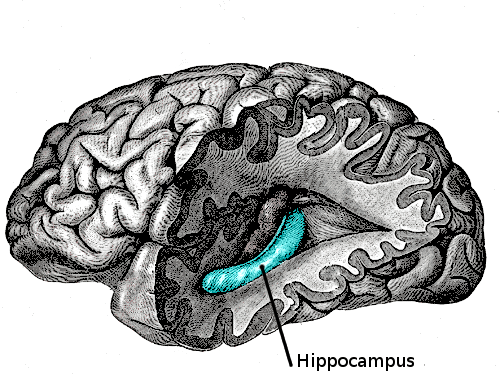
Our brains are perhaps more of a computer than many of us think. The hippocampus, which is the part of the brain where memories are stored, tends to filter out the unnecessary details.

In other words, it helps us to “optimize intelligent decision making by holding onto what’s important and letting go of what’s not.”

Think about it this way; is it easier to remember somebody’s face or their name? Which is the most important?

In a social setting, it is typically better to remember both but if we were part of the animal kingdom, remembering somebody as being a threat would mean our very lives. Remembering their name would be inconsequential.

The brain doesn’t automatically decide what we should remember and what we shouldn’t. It holds new memories but it sometimes overwrites old memories.

When the brain becomes cluttered with memories, they tend to conflict with each other and that can make it difficult to make important decisions.

That is why the brain tends to hold on to those big picture memories but they are becoming less important with the advent of technology.

As an example, at one time, we would have learned how to spell words but now, we just use Google if we don’t know how to spell them. We also tend to look everything up online, from how to change a showerhead to how to cook meatloaf for dinner.

If you forget everything, you may want to consider having a checkup but if you forget things on occasion, it’s perfectly okay.

The moral of the story is, the next time you forget something, just think of it as your brain doing what it was designed to do.

http://wetpaintlife.com/scientists-say-that-being-forgetful-is-actually-a-sign-you-are-unusually-intelligent/?utm_source=vn&utm_tracking=11&utm_medium=Social

Screens are killing your eyeballs

Blue light’s rap sheet is growing ever longer. Researchers have connected the high-energy visible light, which emanates from both the sun and your cell phone (and just about every other digital device in our hands and on our bedside tables), to disruptions in the body’s circadian rhythms. And physicians have drawn attention to the relationship between our favorite devices and eye problems, ranging from everyday eye strain to glaucoma to macular degeneration.

Humans can see a thin spectrum of light, ranging from red to violet. Shorter wavelengths appear blue, while the longer ones appear red. What appears as white light, whether it’s from sunlight or screen time, actually includes almost every color in the spectrum. In a recent paper published in the journal Scientific Reports, researchers at the University of Toledo have begun to parse the process by which close or prolonged exposure to the 445 nanometer shortwave called “blue light” can trigger damage irreversible damage in eye cells. The results could have profound consequences for consumer technology.

“Photoreceptors are like the vehicle. Retinal is the gas,” says study author and chemistry professor Ajith Karunarathne. In the lab, when cells from the eye were exposed to blue light directly—in theory, mimicking what happens when we stare at our phone or computer screens—the high-intensity waves trigger a chemical reaction in the retinal molecules in the eye. The blue light causes the retinal to oxidize, creating “toxic chemical species,” according to Karunarathne. The retinal, energized by this particular band of light, kills the photoreceptor cells, which do not grow back once they are damaged. If retinal is the gas, Karunarathne says, then blue light is a dangerous spark.

Catastrophic damage to your vision is hardly guaranteed. But the experiment shows that blue light can kill photoreceptor cells. Murdering enough of them can lead to macular degeneration, an incurable disease that blurs or even eliminates vision.

Blue light occurs naturally in sunlight, which also contains other forms of visible light and ultraviolet and infrared rays. But, Karunarathne points out, we don’t spend that much time staring at the sun. As kids, most of us were taught it would fry our eyes. Digital devices, however, pose a bigger threat. The average American spends almost 11 hours a day in front of some type of screen, according to a 2016 Nielsen poll. Right now, reading this, you’re probably mainlining blue light.

When we stare straight at our screens—especially in the dark—we channel the light into a very small area inside our eyeball. “That can actually intensify the light emitted from the device many many fold,” Karunarathne says. “When you take a magnifying glass and hold it to the sun, you can see how intense the light at the focal point gets. You can burn something.”

Some user experience designers have been criticizing our reliance on blue light, including Amber Case, author of the book Calm Technology. On her Medium blog she documented the way blue light has become “the color of the future,” thanks in part to films like 1982’s Blade Runner. The environmentally-motivated switch from incandescent light bulbs to high-efficiency (and high-wattage) LED bulbs further pushed us into blue light’s path. But, Case writes, “[i]f pop culture has helped lead us into a blue-lit reality that’s hurting us so much, it can help lead us toward a new design aesthetic bathed in orange.”

The military, she notes, still uses red or orange light for many of its interfaces, including those in control rooms and cockpits. “They’re low-impact colors that are great for nighttime shifts,” she writes. They also eliminate blue light-induced “visual artifacts”—the sensation of being blinded by a bright screen in the dark—that often accompany blue light and can be hazardous in some scenarios.

Apple offers a “night shift” setting on its phones, which allow users to blot out the blue and filter their screens through a sunset hue. Aftermarket products designed to control the influx of blue light into our irises are also available, including desktop screen protectors. There are even blue light-filtering sunglasses marketed to specifically to gamers. But as the damage done by blue light becomes clearer—just as our vision is getting blurrier—consumers may demand bigger changes.

Going forward, Karunarathne plans to stay in data-collection mode. “This is a new trend of looking at our devices,” he says. “It will take some time to see if and how much damage these devices can cause over time. When this new generation gets older, the question is, by that time, is the damage done?” But now that he appears to have identified a biochemical pathway for blue light damage, he’s also looking for new interventions. “Who knows. One day we might be able to develop eye drops, that if you know you are going to be exposed to intense light, you could use some of those… to reduce damage.”

https://www.popsci.com/screens-killing-eyes-blue-light?dom=currents&src=syn#page-3

RNA methylation discovered to be key to brain cell connections

Methyl chemical groups dot lengths of DNA, helping to control when certain genes are accessible by a cell. In new research, UCLA scientists have shown that at the connections between brain cells—which often are located far from the central control centers of the cells—methyl groups also dot chains of RNA. This methyl markup of RNA molecules is likely key to brain cells’ ability to quickly send signals to other cells and react to changing stimuli in a fraction of a second.

To dictate the biology of any cell, DNA in the cell’s nucleus must be translated into corresponding strands of RNA. Next, the messenger RNA, or mRNA—an intermediate genetic molecule between DNA and proteins—is transcribed into proteins. If a cell suddenly needs more of a protein—to adapt to an incoming signal, for instance—it must translate more DNA into mRNA. Then it must make more proteins and shuttle them through the cell to where they are needed. This process means that getting new proteins to a distant part of a cell, like the synapses of neurons where signals are passed, can take time.

Research has recently suggested that methyl chemical groups, which can control when DNA is transcribed into mRNA, are also found on strands of mRNA. The methylation of mRNA, researchers hypothesize, adds a level of control to when the mRNA can be translated into proteins, and their occurrence has been documented in a handful of organs throughout the bodies of mammals. The pattern of methyls on mRNA in any given cell is dubbed the “epitranscriptome.”

UCLA and Kyoto University researchers mapped out the location of methyls on mRNA found at the synapses, or junctions, of mouse brain cells. They isolated brain cells from adult mice and compared the epitranscriptome found at the synapses to the epitranscriptomes of mRNA elsewhere in the cells. At more than 4,000 spots on the genome, the mRNA at the synapse was methylated more often. More than half of these spots, the researchers went on to show, are in genes that encode proteins found mostly at the synapse. The researchers found that when they disrupted the methylation of mRNA at the synapse, the brain cells didn’t function normally.

The methylation of mRNA at the synapse is likely one of many ways that neurons speed up their ability to send messages, by allowing the mRNA to be poised and ready to translate into proteins when needed.

The levels of key proteins at synapses have been linked to a number of psychiatric disorders, including autism. Understanding how the epitranscriptome is regulated, and what role it plays in brain biology, may eventually provide researchers with a new way to control the proteins found at synapses and, in turn, treat disorders characterized by synaptic dysfunction.

More information: Daria Merkurjev et al. Synaptic N6-methyladenosine (m6A) epitranscriptome reveals functional partitioning of localized transcripts, Nature Neuroscience (2018). DOI: 10.1038/s41593-018-0173-6

Read more at: https://phys.org/news/2018-08-methyl-rna-key-brain-cell.html#jCp

Giant sinkhole swallows six cars in parking lot

Shoppers at the Tanger Outlets in East Lampeter Township, Lancaster County, got a little more than they bargained for on Friday, according to WPMT.

A giant sinkhole swallowed six cars and threatened two more right in the middle of the parking lot. No one was injured.

“It was kind of just this subtle but loud crack,” said Lane Castagna. “We started running over and we hear people screaming.”

Officials are investigating what caused the sinkhole to form.

An irrigation system underneath the area collapsed and crews continued to expand the barriers, just in case the sinkhole expands.

Engineers were on scene with blueprints of the area, trying to determine which areas are stable and which aren’t.

And until that point, owners of the affected cars will have to wait. Car owners also say they hope the incoming rain will not add to the damage if the sinkhole is to flood.

“My daughter was going to run something back to the car and she gave me a call and said, ‘Mom, I think our car is in a sinkhole,’ and of course I didn’t believe her because that wouldn’t happen in the middle of a parking lot,” said Sheryl Delozier.

Giant sinkhole swallows six cars in parking lot

Killer whale continues carrying dead calf for previously unseen length of mourning

By Ayana Archie and Jay Croft

A female orca whale is still apparently grieving her dead calf and still swimming with its body after more than two weeks, authorities say.

“It’s heartbreaking to watch,” said Michael Milstein of the National Oceanic and Atmospheric Administration’s West Coast Region. “This kind of behavior is like a period of mourning and has been seen before. What’s extraordinary about this is the length of time.”

The adult — Tahlequah, or J35 as the whale has come to be known by researchers — and corpse were last seen definitively Thursday afternoon, 17 days after the baby’s birth. The female calf died after a few hours.

The mother, preventing the body from sinking to the ocean floor, has been carrying it and nudging it toward the surface of the Pacific off the coast of Canada and the northwestern US.
Orcas, also called killer whales, are highly social, and this pod was spotted Friday afternoon near Vancouver, British Columbia.

Another struggling female in the same pod — J50, also known as Scarlet — was shot with antibiotics to fight an infection, since scientists worry that she has been losing a frightening amount of weight.

These are grim signs. The Southern Resident population the females belong to has about 75 members, and has not had a successful birth in three years. In the last 20 years, only 25% of the babies have survived.

‘Deep feelings’ not uncommon

Scientists says grieving is common among mammals such as whales, dolphins, elephants and deer. Evidence shows the orca brain is large, complex and highly developed in areas dealing with emotions, said Lori Marino, president of the Whale Sanctuary Project.

“It’s not surprising they’re capable of deep feelings, and that’s what (Tahlequah) is showing,” Marino said. “What exactly she’s feeling we’ll never know. But the bonds between mothers and calves are extremely strong. Everything we know about them says this is grieving.”

Center for Whale Research founder Ken Balcomb said it’s “unprecedented” for an orca to keep this going for so long. He said the mother has traveled more than 1,000 miles with the corpse, which has begun to decompose.

“It is a grief, a genuine mourning,” he said.

Dwindling food source

The problem for this group of killer whales is a dwindling food supply, scientists say. Most killer whales eat a wider diet, but this particular group of about 75 resident orcas eats just salmon, which have been overfished in the area for commercial consumption. Manmade contraptions, like hydroelectric power sources, block the salmons’ path to release eggs.

Exacerbating the problem is that orcas do not have babies often or in large numbers, and when they do, it is a long process. It takes a calf a little under a year and a half to fully develop in the womb, and they nurse for another year. They must learn to swim right away, Balcomb said, and rely on their mothers for food for several years — first through nursing, then through providing fish.

“Extinction is looming,” Balcomb told CNN last month, but it is not inevitable if humans restore salmon populations and river systems in time.

https://www.cnn.com/2018/08/10/us/orca-whale-still-carrying-dead-baby-trnd/index.html

Psychologists explore potential benefits of hallucinogens for mental health disorders

Many people think of psychedelics as relics from the hippie generation or something taken by ravers and music festival-goers, but they may one day be used to treat disorders ranging from social anxiety to depression, according to research presented at the annual convention of the American Psychological Association.

“Combined with psychotherapy, some psychedelic drugs like MDMA, psilocybin and ayahuasca may improve symptoms of anxiety, depression and post-traumatic stress disorder,” said Cristina L. Magalhaes, PhD, of Alliant International University Los Angeles, and co-chair of a symposium on psychedelics and psychotherapy. “More research and discussion are needed to understand the possible benefits of these drugs, and psychologists can help navigate the clinical, ethical and cultural issues related to their use.”

Hallucinogens have been studied in the U.S. for their potential healing benefits since the discovery of LSD in the 1940s. However, research has mostly stalled since psychedelics were outlawed in the late 1960s.

A shift may be coming soon though, as MDMA, commonly known as ecstasy, is beginning its third and final phase of clinical trials in an effort to win Food and Drug Administration approval for treatment of post-traumatic stress disorder, said Adam Snider, MA, of Alliant International University Los Angeles, and co-chair of the symposium.

Findings from one study presented at the symposium suggested that symptoms of social anxiety in autistic adults may be treatable with a combination of psychotherapy and MDMA. Twelve autistic adults with moderate to severe social anxiety were given two treatments of pure MDMA plus ongoing therapy and showed significant and long-lasting reductions in their symptoms, the research found.

“Social anxiety is prevalent in autistic adults and few treatment options have been shown to be effective,” said Alicia Danforth, PhD, of the Los Angeles Biomedical Research Institute at the HarborUCLA Medical Center, who conducted the study. “The positive effects of using MDMA and therapy lasted months, or even years, for most of the research volunteers.”

Research discussed also explored how LSD, psilocybin (known colloquially as “magic mushrooms”) and ayahuasca (a brew used by indigenous people of the Amazon for spiritual ceremonies) may benefit people with anxiety, depression and eating disorders.

Adele Lafrance, PhD, of Laurentian University, highlighted a study of 159 participants who reported on their past use of hallucinogens, level of spirituality and relationship with their emotions.

Using hallucinogens was related to greater levels of spirituality, which led to improved emotional stability and fewer symptoms of anxiety, depression and disordered eating, the study found.

“This study reinforces the need for the psychological field to consider a larger role for spirituality in the context of mainstream treatment because spiritual growth and a connection to something greater than the self can be fostered,” said Lafrance.

Other research presented suggested that ayahuasca may help alleviate depression and addiction, as well as assist people in coping with trauma.

“We found that ayahuasca also fostered an increase in generosity, spiritual connection and altruism,” said Clancy Cavnar, PhD, with Núcleo de Estudos Interdisciplinares sobre Psicoativos.

For people suffering from life-threatening cancer, psilocybin may provide significant and lasting decreases in anxiety and distress.

When combined with psychotherapy, psilocybin helped a study’s 13 participants grapple with loss and existential distress. It also helped the participants reconcile their feelings about death as nearly all participants reported that they developed a new understanding of dying, according to Gabby Agin-Liebes, BA, of Palo Alto University, who conducted the research.

“Participants made spiritual or religious interpretations of their experience and the psilocybin treatment helped facilitate a reconnection to life, greater mindfulness and presence, and gave them more confidence when faced with cancer recurrence,” said Agin-Liebes.

Presenters throughout the symposium discussed the need for more research to fully understand the implications of using psychedelics as an adjunct to psychotherapy as well as the ethical and legal issues that need to be considered.

Military researchers think spider silk may keep US troops lighter and cooler in combat

The silk spiders produce is tougher than Kevlar and more flexible than nylon, and Air Force researchers think it could it could be key to creating new materials that take the load and heat off troops in the field.

Scientists at the Air Force Research Lab and Purdue University have been examining natural silk to get a sense of its ability to regulate temperature — silk can drop 10 to 15 degrees Fahrenheit through passive radiative cooling, which means radiating more heat than it absorbs, according to an Air Force news release.

Those researchers want to apply that property to synthetics, like artificial spider silk, which is stronger than Kevlar, the polymer typically used in body armor, and more flexible than nylon.

Enhancing body armor and adding comfort for troops is one of many improvements hoped for by a team led by Dr. Augustine Urbas, a researcher in the Functional Materials Division of the Materials and Manufacturing Directorate.

“Understanding natural silk will enable us to engineer multifunctional fibers with exponential possibilities. The ultra-strong fibers outperform the mechanical characteristics of many synthetic materials as well as steel,” Urbas said in the release. “These materials could be the future in comfort and strength in body armor and parachute material for the warfighter.”

In addition to making flexible, cooler body armor, the material could also be used to make tents that keep occupants cooler as well as parachutes that can carry heavier loads.

Artificial spider silk may initially cost double what Kevlar does, but its light weight, strength, flexibility, and potential for other uses make it more appealing, according to the release.

Air Force researchers are also looking at Fibroin, a silk protein produced by silkworms, to create materials that can reflect, absorb, focus, or split light under different circumstances.

It’s not the military’s first attempt to shake up its body armor with natural or synthetic substances.

Two years ago, the Army said it was looking into using genetically modified silkworms to create a tough, elastic fiber known as Dragon Silk.

Dr. James Zheng, chief scientist for project manager Soldier Protection and Individual Equipment, told Army Times at the time that while the Army is developing and testing material solutions all the time, “Mother Nature has created and optimized many extraordinary materials.”

At the end of 2016, then-Air Force Academy cadet Hayley Weir and her adviser, professor Ryan Burke, successfully tested a kind of viscous substance that could be used to enhance existing body armor. Weir did not reveal the formula for the substance, but she used plastic utensils and a KitchenAid mixer to whip up the gravy-like goo, placing it in vacuum-sealed bags and flattened into quarter-inch layers.

The material was designed to be lighter than standard Kevlar and offer more flexibility for the wearer. During tests, when struck by bullets, the gooey material absorbed the impact and stopped the bullets.

https://www.businessinsider.com/military-scientists-want-to-use-spider-silk-for-body-armor-parachutes-2018-8

New research shows that degenerative eye diseases are associated with risk of developing Alzheimer’s disease


Age-related macular degeneration, diabetic retinopathy and glaucoma were all associated with a higher risk of developing Alzheimer’s disease in a new study.

by Rich Haridy

A new study has found an interesting correlation between several degenerative eye diseases and the onset of Alzheimer’s disease. No mechanism explaining the connection has been proposed at this stage but it is thought these eye conditions may help physicians identify patients at risk of developing Alzheimer’s at a stage before major symptoms appear.

The five-year study followed almost 4,000 patients over the age of 65, all without clinically diagnosed Alzheimer’s disease at the time of enrolment. After five years, 792 subjects were officially diagnosed with Alzheimer’s. The study found that those subjects with age-related macular degeneration, diabetic retinopathy or glaucoma, were 40 to 50 percent more likely to develop Alzheimer’s compared to patients without those specific conditions. No correlation between cataracts and an increased risk of Alzheimer’s were found.

“We don’t mean people with these eye conditions will get Alzheimer’s disease,” cautions Cecilia Lee, lead researcher on the study. “The main message from this study is that ophthalmologists should be more aware of the risks of developing dementia for people with these eye conditions and primary care doctors seeing patients with these eye conditions might be more careful on checking on possible dementia or memory loss.”

The researchers are clear that there are no definable causal connections between these eye conditions and Alzheimer’s at this stage, but the study does highlight the potential of using the eye as a way to better understand what is going on in the brain. Intriguingly, this isn’t the first bit of research that has found correlations between signs detected in the eye and the onset of Alzheimer’s disease.

Last year, a team from Cedars-Sinai Medical Center revealed that the same type of amyloid protein deposits found in the brain, and hypothesized as a major pathogenic cause of Alzheimer’s, can also be detected on the retina. That research suggested a possible investigational eye scan could become an effective early screening device for the disease.

While this new study does not at all cross over with last year’s research, and there is no implication that amyloid proteins play a part in these degenerative eye diseases, it does add to a fascinating growing body of work that highlights the eye’s role in helping offer a deeper insight into the cognitive health of our brain.

The research was published in the journal Alzheimer’s & Dementia.

https://newatlas.com/eye-disease-alzheimers-connection/55823/

A Soviet-Era Fox Experiment May Finally Reveal The Genes Behind Domestication

by CAROLYN Y. JOHNSON

In 1959, Soviet scientists embarked on an audacious experiment to breed a population of tame foxes, a strain of animals that wouldn’t be aggressive or fearful of people.

Scientists painstakingly selected the friendliest foxes to start each new generation, and within 10 cycles they began to see differences from wild foxes – fox pups that wagged their tails eagerly at people or with ears that stayed folded like a dog’s.

This study in animal domestication, known as the Russian farm-fox experiment, might be just a fascinating historical footnote – a quirky corner in the otherwise fraught scientific heritage of Soviet Russia.

Instead, it spawned an ongoing area of research into how domestication, based purely on behavioral traits, can result in other changes – like curlier tails and changes to fur color.

Now, the tools of modern biology are revealing the genetic changes that underpin the taming of foxes of Siberia.

In a new study, published Monday in Nature Ecology & Evolution, scientists used genome sequencing to identify 103 stretches of the fox genome that appear to have been changed by breeding, a first pass at identifying the genes that make some foxes comfortable with humans and others wary and aggressive.

The scientists studied the genomes of 10 foxes from three different groups: the tame population, a strain that was bred to be aggressive toward people and a conventional group bred to live on a farm.

Having genetic information from all three groups allowed the researchers to identify regions of the genome that were likely to have changed due to the active selection of animals with different behaviors, rather than natural fluctuation over time.

Those regions offer starting points in efforts to probe the genetic basis and evolution of complex traits, such as sociability or aggressiveness.

“The experiment has been going on for decades and decades, and to finally have the genome information, you get to look and see where in the genome and what in the genome has been likely driving these changes that we’ve seen – it’s a very elegant experimental design,” said Adam Boyko, an associate professor of biomedical sciences at Cornell University, who was not involved in the study.

While some genetic traits are relatively simple to unravel, the underpinnings of social behaviors aren’t easy to dissect. Behavior is influenced by hundreds or thousands of genes, as well as the environment – and typically behaviors fall on a wide spectrum.

The existence of fox populations bred solely for how they interact with people offers a rare opportunity to strip away some of the other complexity – with possible implications for understanding such traits in people and other animals, too, since evolution may work on the same pathways or even the same genes.

“We’re interested to see what are the genes that make such a big difference in behavior. There are not so many animal models which are good to study genetics of social behavior, and in these foxes it’s such a big difference between tame foxes compared to conventional foxes, and those selected for aggressive behavior,” said Anna Kukekova, an assistant professor at the University of Illinois at Urbana-Champaign, who led the work.

Kukekova and colleagues began studying one very large gene that they think may be linked to tame behavior, called SorCS1. The gene plays a role in sorting proteins that allow brain cells to communicate.

Kukekova is interested in determining what happens if the gene is deleted in a mouse and to search for specific mutations that might contribute to differences in behavior.

Bridgett vonHoldt, an assistant professor of ecology and evolutionary biology at Princeton University, said changes that occurred in foxes “overlap extensively with those observed in the transition of gray wolves to modern domestic dogs.”

She said the study may help dog and fox biologists determine if there are complex behavioral traits under the control of just a few genes.

Recent fox evolution in a domesticated population may seem to have little to do with understanding the genetics of human behavior, but interest in domestication has grown as an area of scientific interest in part because genes involved in behavior in one animal may play a similar role in another.

“One reason why it is interesting is it gives us some insights about us. Humans are domesticated themselves, in a way,” Boyko said.

“We’re much more tolerant of being around other humans than probably we were as we were evolving; we’ve had to undergo a transformation, even relatively recently from the agricultural revolution.”

https://www.sciencealert.com/soviet-era-fox-taming-experiment-may-reveal-genes-behind-social-behavior

Male cheerleaders to join the NFL for the first time this season

The NFL sidelines are going to look a little different this year. For the first time, the cheerleading squads of two teams will include men.

The Los Angeles Rams and New Orleans Saints have added males cheerleaders, who will perform the same moves as the women on field. (Some teams already include stuntmen, but they are not considered part of the cheerleading squad.)

Napoleon Jinnies and Quinton Peron will join the Rams squad, while Jesse Hernandez will become a member of the Saints Saintsations. Both men expressed their excitement and disbelief on Twitter.

“This week has been a whirlwind!,” said Peron. “But it’s still so surreal to me that I am one of the First Male cheerleaders to dance for a pro team.”

The move is certainly a step toward gender equality and inclusiveness, but how it will be received by NFL fans remains to be seen. The sport saw a schism form last year amid player protests during the national anthem. And the current divisive nature of the national political scene could embolden some to strongly express seeing men in roles that have historically been filled by scantily clad women.

The threat of that isn’t dampening the excitement for Jinnies, Peron, and Hernandez, though.

All three men will make their NFL debut this Thursday, August 9, when the NFL preseason begins.

http://fortune.com/2018/08/07/nfl-first-male-cheerleaders/