Heart disease risk is hidden in your genes. Scientists are getting better at finding it.

GWAS_ADN1.0

In the United States, around 735,000 people each year have a heart attack. In all, heart disease (and its complications, including heart attacks) kills 610,000 a year here, making it the leading cause of death in America and worldwide.

Preventing heart disease is a huge public health challenge. And right now doctors have good, but limited, options for finding out who is at greatest risk for it.

Doctors know that about half the risk for heart disease comes from lifestyle choices: how much, and what, a person is eating, how much alcohol they drink, if they smoke.

The other half is related to genetics, and it’s much harder to assess. You can ask a person about their family history of heart disease and can check for high blood pressure and obesity, which are also related to genetics. But up until the recent explosion in genetic science, it was hard to probe the genes themselves.

Last week, in the journal Nature Genetics, researchers at Harvard University and the Broad Institute published evidence that they can check out 6 million spots in a person’s genome to assess their risk for developing coronary artery disease, when the main blood vessel supplying the heart with oxygen gets clogged with plaque. It’s a precursor to a heart attack, when a clot cuts off blood flow to the heart, starving it of oxygen.

In the study, people who carried the greatest number of genetic variants suggestive of heart attack risk were three or more times likely to develop coronary artery disease than controls. The researchers argue that with this test, about one in 12 people could be identified as having a higher risk of heart attack based on their genetics alone.

“If you told me there was a genetic score that could identify 8 percent of the population with more than a threefold risk, I’d say, that’s amazing,” Robert Yeh, a cardiologist at the Smith Center for Outcomes Research in Cardiology, who was not involved in the study, says. Currently, the best commonly available genetic test for heart disease risk — which looks for a single gene linked to high cholesterol — can only detect increased risk in 0.4 percent of people.

“The big takeaway is that we can now capture the inherited component to heart attack risk with a single number,” Sekar Kathiresan, the Massachusetts General Hospital cardiologist and geneticist who led the study, says. With this new tool, Kathiresan hopes doctors could put those people at higher risk on cholesterol-lowering medications (statins) at an earlier age, or more easily persuade them to make lifestyle changes to lower their risk.

The new tool here is called a polygenic risk score, which you can think of as a tally of the tiny changes in your genome that are correlated with risk of developing a disease.

In the coming years, you’re going to hear a lot more about them. These scores, while increasingly helpful in some areas of medicine, come with a lot of caveats. Indeed, when you dig a bit deeper into this latest Nature Genetics paper, you find there’s a lot more work to do to validate polygenic risk scores for heart disease, so they will be useful and relevant to people around the globe. For one: This study was exclusively conducted with subjects in the UK of white European background. The predictions derived from this group do not necessarily transfer over to another. For this and other reasons, scientists skeptical of polygenic risk scores say they are not yet ready for the clinic — and wonder if they will ever be.

At the same time, it seems likely these polygenic risk scores are going to change the way we think about our health and our medical decision-making.

What’s a polygenic risk score?
Over the past decade, medical researchers have realized that our risk for many common conditions like heart disease and diabetes are not influenced by just one gene, or even a small handful of them. Instead, studies analyzing huge numbers of sequenced human genomes have found that there are hundreds of genes that work in constellation influencing our risk for diseases.

DNA is the recipe for our biology. But it turns out that recipe looks something like an M.C. Escher drawing, with a huge number of genes influencing life outcomes in hard-to-understand, hard-to-follow, interconnected ways.

That is, there can be hundreds of interrelated spots in the genome that are correlated with a person’s risk for heart disease, or raising or lowering their height by a millimeter. Scientists are getting better at identifying these spots in the genome that confer risk and are now trying to figure out if tallying up these genetic changes — in what’s known as a “polygenic risk score” — is useful in trying to predict, and prevent, disease. (They are also calculating them for behavioral traits like educational attainment.)

In developing polygenic risk scores, in many cases, genetics researchers often don’t know what the underlying genes do. All they know is that these genes are correlated with — which does not mean cause — the disease. “It’s pretty mindless,” says Cecile Janssens, an epidemiologist at Emory University who is critical of the hype of polygenic risk scores.

Proponents of polygenic scoring, though, argue that you don’t need to know what the genes are doing to make predictions off them.

“It’s all about getting a predictor and then repeating it in other groups,” Kathiresan says. “At the end of the day, I could just call it a magic number generator. It doesn’t exactly matter how I’m getting there, as long as it works in other groups equally well.”

That’s what happened in this latest paper. A polygenic risk score derived from huge genome-wide association studies predicted heart attack risk in nearly 300,000 people in the UK. (Read more about how scientists come up with polygenic risk scores here.)

How good is the prediction?
Because each change in the genome — called single nucleotide polymorphisms, or SNPs (pronounced “snip”) — confers such a tiny change in risk, adding more and more of them to the risk score yields diminishing returns. “We see this trend already for years — every new SNP that we discover has a smaller effect than we knew already,” Janssens, says.

In the recent Nature Genetics study, she points out, when the researchers increased the number of SNPs in their risk model from 74 to 6 million, the predictive power of the test only increased by a smidgen. Most of those SNPs have a predictive power of approximately zero.

Here’s a chart showing where the polygenic risk score for coronary artery disease matters most. Polygenic scores, like so many human traits, are normally distributed, meaning they follow the pattern of the bell curve. But a person’s risk for coronary artery disease really only starts to increase if they have the very highest number of SNPs that are correlated with heart disease risk. The top 8 percent of the participants had a three times greater risk of heart disease. The top 0.5 percent had five times the risk.

There are many caveats to this risk prediction, which the authors of the study acknowledge. One is that it’s currently unclear if predicting heart attack risk in this manner provides an additional benefit to the risk models derived from asking people simple questions about their lifestyle and family history. The researchers suspect it does, but they didn’t set up their study to test this question.

Another is that this risk model was developed and tested solely on people who had donated their medical and genetic information to the UK Biobank, which contains only genetic data of people of white, European ancestry. The predictive power of these tests is expected to diminish in people of African ancestry, Asian ancestry, and so on. Genetics researchers will need to repeat polygenic risk studies with data from these populations if these predictions are truly going to be useful and equitable.

And yet one more: We shouldn’t take it for granted that intervening with early medication or lifestyle changes for the people at highest risk will make a difference in lowering their risk. Other studies have found that people with higher genetic risk scores for atherosclerosis tend to receive a stronger benefit from statins. But the question needs further testing.

All that said, Yeh, the research cardiologist, says there’s still a lot of optimism around these scores. Current risk factors for heart disease, like high blood pressure or family history, don’t always help single out who truly is most at risk.

“The majority of being who develop coronary artery disease are not people who have a multitude of cardiac risk factors,” Yeh says. “About half of people have just one risk factor, high blood pressure alone. People like that, although they only have one cardiac risk factor, sometimes none, they wouldn’t think of themselves of [having] a very high elevated risk for coronary artery disease.”

A genetic risk factor could help narrow it down.

We’re going to start seeing more and more polygenic tests for disease risk
Polygenic risk scores, says Eric Topol, a cardiologist and geneticist with Scripps Research, “are going to take hold in common medical practice. It’s a matter of when, not if.”

And they’ll be used for conditions outside of heart disease. Indeed, in the latest Nature Genetics study, the researchers also calculated risk scores for diabetes, atrial fibrillation (irregular heart rhythm), inflammatory bowel disease, and breast cancer. The genetic tests for these conditions found fewer people at elevated risk than the tests for heart disease. And not every test will be equally predictive.

Kathiresan points out that while only 8 percent of the study participants were singled out for elevated risk for coronary artery disease, about 20 percent of all the participants were flagged as having elevated risk for at least one of the diseases listed above.

And while these scores are now being generated for all kinds of health and behavioral issues, medicine isn’t really ready to implement them. Huge questions remain. For instance, while it’s possible to do a genetic risk assessment of an infant, or even an embryo, does it make sense or is it even ethical for new parents to learn their embryos or newborns are at a threefold risk for heart disease?

Doctors will also have to think long and hard about how they discuss these kinds of risks with their patients. Scoring in the 70th percentile of risk for coronary artery disease may sound scary, but it won’t increase a person’s chances of getting that disease by all that much.

There are also likely to be unintended consequences of giving patients a new health metric to fear. Consider what happened with cholesterol, a risk factor for heart disease that people began being commonly tested for in the 1980s. Fear of cholesterol came to inspire low-fat food trends. Those dietary trends made food companies money, but they didn’t necessarily make people healthier, especially as many of the foods marketed as low-fat were still loaded with sugar.

What happens when some huckster starts selling vitamins to complement a polygenic risk score, or some other forms of woo? (Currently, you can buy a customized diet guide based on a sequencing of your DNA.) There’s a lot of education that needs to happen here to prevent genetic risk prediction from becoming genetic astrology.

For now, aside from a polygenic risk score for breast cancer, these tests don’t yet exist in the clinic. But they’re going to get easier and easier to discover on your own. If you have your genetics data from a commercial company like 23andMe, you can upload it to a number of sites on the internet to see your risk scores for a slew of traits and diseases. Kathiresan’s team is hoping to build a free tool for people to assess their coronary artery disease risk in this manner.

Here’s a reasonable fear: It’s going to be hard for consumers, without much input from doctors, to know when the risk scores matter and when they do not. Heck, you can currently take a genetics test for intelligence that really won’t tell you anything valuable. It’s possible to develop polygenic risk score for loneliness, baldness, marital status, or really any human trait that is even vaguely influenced by genes. It takes more information — like odds ratios — to know whether those scores really matter in your life.

It will also be hard to know what to do to diminish risk. A high polygenic score for breast cancer might mean a woman wants to make more frequent mammogram appointments, Janssens says. But the current recommendations for people at higher risk of heart disease are things everyone should be doing: living a healthy lifestyle free of tobacco.

“I actually think there’s going to be a whole [medical] field that emerges, kind of like radiology emerged in 1900 with the invention of X-rays,” Kathiresan says, “where [doctors] are basically interpreting that genetic information for medical risk.”

That field needs to start up soon, because there’s a lot more coming.

https://www.vox.com/science-and-health/2018/8/24/17759772/genetics-polygenic-risk-heart-disease-nature

Researchers report startling inflammasome discovery in Alzheimer’s study

1-alzheimersdi
Diagram of the brain of a person with Alzheimer’s Disease.

In recent years, researchers have largely converged on the role of inflammation in the development and progression of Alzheimer’s disease (AD). Studies over the past decade have revealed unexpected interactions between the brain and the immune system, and metabolic conditions such as obesity and diabetes may activate inflammatory responses that contribute to the development and progression of AD.

The activation of the inflammatory response is controlled by the inflammasome, a multi-protein oligomer that promotes the release of several pro-inflammatory cytokines including interleukin 1β (IL-1β) and interleukin 18 (IL-18). In an earlier study, a group of researchers with the University of Massachusetts Medical School, the University of Tokyo and the University of Bonn reported that mice with a cognate of Alzheimer’s disease that were additionally bred to knock out the NLRP3 gene encoding the inflammasome were completely protected from neurodegenerative effects of the disease. The researchers presumed that this was the result of their inability to produce IL-1β and IL-18.

This finding was quite promising, suggesting that targeting components of the inflammasome might be a path to Alzheimer’s treatments. In their new study, they sought to determine the effect of IL-18 by breeding IL-18 knockout mice. The researchers considered IL-18 to be a promising target, because levels are elevated in the cerebrospinal fluid of AD patients with mild cognitive impairment. Additionally, it is known to increase the production of amyloid peptide.

But the result of the new mouse study was startling, and completely unprecedented in Alzheimer’s research. The IL-18 knockout mice developed a lethal seizure disorder that the researchers attribute to an increase in neuronal network transmission. The authors write, “… the effects of IL-18 deletion were so dramatic that we were unable to identify previous evidence to help understand the phenomena.”

The finding that a proinflammatory cytokine might in some way ameliorate seizure-inducing neural activity seems counterintuitive, since inflammation is theorized to promote neurodegenerative symptoms in AD. The researchers believe that epilepsy is understudied in AD patients, even though it is a common complication; they point out that two-thirds of AD patients experience both motor and non-motor seizures. Additionally, AD patients with epilepsy are more likely to develop memory loss and other cognitive symptoms, and experience a more widespread loss of brain cells than AD patients without epilepsy, according to the researchers.

They theorize that IL-18 may be counteracting seizure-promoting effects of IL-1β, and suppressing IL-18 thus induced seizures in the test mice. “In fact,” they write, “the countereffect of IL-18 and IL-1β has been documented in a mouse model of cerebellar ataxia. Importantly, we found that the acute application of IL-18 protein reduced excitatory synaptic transmission in the hippocampus, providing evidence that IL-18 has a protective function in neuronal excitability. Thus, we speculate that IL-18 directly suppresses these proepileptogenic effects of IL-1β in APP/PS1 mice.”

However, the most important implication of the study may be that, while the inflammasome is a promising therapeutic target for Alzheimer’s, inhibiting specific cytokines could negatively affect people with the disease.

More information: Inflammasome-derived cytokine IL18 suppresses amyloid-induced seizures in Alzheimer-prone mice. Proceedings of the National Academy of Sciences (2018). doi.org/10.1073/pnas.1801802115

Abstract
Alzheimer’s disease (AD) is characterized by the progressive destruction and dysfunction of central neurons. AD patients commonly have unprovoked seizures compared with age-matched controls. Amyloid peptide-related inflammation is thought to be an important aspect of AD pathogenesis. We previously reported that NLRP3 inflammasome KO mice, when bred into APPswe/PS1ΔE9 (APP/PS1) mice, are completely protected from amyloid-induced AD-like disease, presumably because they cannot produce mature IL1β or IL18. To test the role of IL18, we bred IL18KO mice with APP/PS1 mice. Surprisingly, IL18KO/APP/PS1 mice developed a lethal seizure disorder that was completely reversed by the anticonvulsant levetiracetam. IL18-deficient AD mice showed a lower threshold in chemically induced seizures and a selective increase in gene expression related to increased neuronal activity. IL18-deficient AD mice exhibited increased excitatory synaptic proteins, spine density, and basal excitatory synaptic transmission that contributed to seizure activity. This study identifies a role for IL18 in suppressing aberrant neuronal transmission in AD.
Journal reference: Proceedings of the National Academy of Sciences

A new map of the brain’s serotonin system

anewmapofthe
A 3-D rendering of the serotonin system in the left hemisphere of the mouse brain reveals two groups of serotonin neurons in the dorsal raphe that project to either cortical regions (blue) or subcortical regions (green) while rarely crossing into the other’s domain.

As Liqun Luo was writing his introductory textbook on neuroscience in 2012, he found himself in a quandary. He needed to include a section about a vital system in the brain controlled by the chemical messenger serotonin, which has been implicated in everything from mood to movement regulation. But the research was still far from clear on what effect serotonin has on the mammalian brain.

“Scientists were reporting divergent findings,” said Luo, who is the Ann and Bill Swindells Professor in the School of Humanities and Sciences at Stanford University. “Some found that serotonin promotes pleasure. Another group said that it increases anxiety while suppressing locomotion, while others argued the opposite.”

Fast forward six years, and Luo’s team thinks it has reconciled those earlier confounding results. Using neuroanatomical methods that they invented, his group showed that the serotonin system is actually composed of at least two, and likely more, parallel subsystems that work in concert to affect the brain in different, and sometimes opposing, ways. For instance, one subsystem promotes anxiety, whereas the other promotes active coping in the face of challenges.

“The field’s understanding of the serotonin system was like the story of the blind men touching the elephant,” Luo said. “Scientists were discovering distinct functions of serotonin in the brain and attributing them to a monolithic serotonin system, which at least partly accounts for the controversy about what serotonin actually does. This study allows us to see different parts of the elephant at the same time.”

The findings, published online on August 23 in the journal Cell, could have implications for the treatment of depression and anxiety, which involves prescribing drugs such as Prozac that target the serotonin system – so-called SSRIs (selective serotonin reuptake inhibitors). However, these drugs often trigger a host of side effects, some of which are so intolerable that patients stop taking them.

“If we can target the relevant pathways of the serotonin system individually, then we may be able to eliminate the unwanted side effects and treat only the disorder,” said study first author Jing Ren, a postdoctoral fellow in Luo’s lab.

Organized projections of neurons

The Stanford scientists focused on a region of the brainstem known as the dorsal raphe, which contains the largest single concentration in the mammalian brain of neurons that all transmit signals by releasing serotonin (about 9,000).

The nerve fibers, or axons, of these dorsal raphe neurons send out a sprawling network of connections to many critical forebrain areas that carry out a host of functions, including thinking, memory, and the regulation of moods and bodily functions. By injecting viruses that infect serotonin axons in these regions, Ren and her colleagues were able to trace the connections back to their origin neurons in the dorsal raphe.

This allowed them to create a visual map of projections between the dense concentration of serotonin-releasing neurons in the brainstem to the various regions of the forebrain that they influence. The map revealed two distinct groups of serotonin-releasing neurons in the dorsal raphe, which connected to cortical and subcortical regions in the brain.

“Serotonin neurons in the dorsal raphe project to a bunch of places throughout the brain, but those bunches of places are organized,” Luo said. “That wasn’t known before.”

Two parts of the elephant

In a series of behavioral tests, the scientists also showed that serotonin neurons from the two groups can respond differently to stimuli. For example, neurons in both groups fired in response to mice receiving rewards like sips of sugar water but they showed opposite responses to punishments like mild foot shocks.

“We now understand why some scientists thought serotonin neurons are activated by punishment, while others thought it was inhibited by punishment. Both are correct – it just depends on which subtype you’re looking at,” Luo said.

What’s more, the group found that the serotonin neurons themselves were more complex than originally thought. Rather than just transmitting messages with serotonin, the cortical-projecting neurons also released a chemical messenger called glutamate – making them one of the few known examples of neurons in the brain that release two different chemicals.

“It raises the question of whether we should even be calling these serotonin neurons because neurons are named after the neurotransmitters they release,” Ren said.

Taken together, these findings indicate that the brain’s serotonin system is not made up of a homogenous population of neurons but rather many subpopulations acting in concert. Luo’s team has identified two groups, but there could be many others.

In fact, Robert Malenka, a professor and associate chair of psychiatry and behavioral sciences at Stanford’s School of Medicine, and his team recently discovered a group of serotonin neurons in the dorsal raphe that project to the nucleus accumbens, the part of the brain that promotes social behaviors.

“The two groups that we found don’t send axons to the nucleus accumbens, so this is clearly a third group,” Luo said. “We identified two parts of the elephant, but there are more parts to discover.”

https://medicalxpress.com/news/2018-08-brain-serotonin.html

New ‘Floating Backpack’ Tech Promises to Reduce Fatigue on Humps

lightning-pack-1200

Lightning Packs, LLC has created what could be a ground-breaking new pack-frame design that appears to float while being carried, reducing fatigue. It may even generate power, the makers say.

“Our ergonomic backpacks use an innovative pulley system to reduce impact forces on the user by 80 to 90 [percent], which reduces exertion and injury,” according to the Lightning Packs website.

Lightning Packs founder and pack inventor Lawrence Rome is a muscle physiology expert, according to the company’s website. He also teached at the University of Pennsylvania.

“We first designed, built under contract, and delivered a series of ergonomic and electricity-generating backpacks for personnel of the United States Army and Marine Corps. The ergonomic benefits of our design have been field-tested and approved by soldiers themselves,” the website states.

The Army’s Communications-Electronics Research Development and Engineering Center put out a brief video in 2015 to showcase the new pack frame technology.

Yakira Howarth, of CERDEC’S Command, Power and Integration Directorate, said in the video that the frame “generates electricity through rotary motion that we can capture and use to trickle-charge any batteries or electronics that they have on them.”

“Our aim is for a net-zero soldier which means that whatever he is powering that is on him will be powered by what he is carrying on him at the same time,” she continued. “We are supporting tactical power for the small unit so we are continually gathering data and feedback from soldiers so that we can continue to improve the wearability of this working prototype.”

It’s unclear if the Army is still looking at the technology.

Lightning Packs now plans to market its new ergonomic backpack, the “Hoverglide,” on the commercial market, using Kickstarter.com to raise funding.

Using Suspended Load Technology, or SLT, the frame slides up and down as the weared walks to reduce “the accelerative forces that cause injuries and reduce mobility,” according to the website.

“The pack reduces the metabolic energy requirement by 40-80 watts, allowing a wearer to carry 8-12 extra pounds ‘for free,'” the website states.

The Hoverglide will be offered in several models for backpacking, commuting and light hiking. There will also be a tactical model which is about the size of a standard daypack or assault pack, according to the review website Hot-Newtech.

“Our company is ready to produce a pack that enables quicker, easier travel while reducing back pain and injury, [and] with your help, we can make that happen,” the Lighting Packs website states.

https://www.military.com/kitup/2018/08/23/new-floating-backpack-tech-promises-reduce-fatigue-humps.html

Schizophrenia, bipolar disorder, alcohol use, and the use of cannabis all shown to make the brain age prematurely.

Buds-1024x683

For what is thought to be the largest study of its kind, the researchers analyzed brain scans of 31,227 people aged 9 months–105 years.

In a paper that now features in the Journal of Alzheimer’s Disease, they describe how they identified “patterns of aging” from the brain scans.

These were done using single photon emission computed tomography (SPECT) and came from people with psychiatric conditions such as attention deficit hyperactivity disorder (ADHD), schizophrenia, and bipolar disorder. They were all attending a psychiatric clinic that was based at several locations.

Each participant underwent two SPECT brain scans — one during a resting state, and another during completion of “a concentration task” — giving a total of 62,454 scans.

The scientists found that they could predict a person’s age from the pattern of blood flow in their brain.

Brain circulation varied over lifespan
They observed that blood flow varied from childhood into older age throughout the lifespan. They also saw that brain aging was more visible in scans of men and those with schizophrenia, anxiety, bipolar disorder, and ADHD.

Brain aging was also more strongly associated with use of cannabis and alcohol.

“Based on one of the largest brain imaging studies ever done,” says lead study author Dr. Daniel G. Amen, a psychiatrist and founder of Amen Clinics in Costa Mesa, CA, “we can now track common disorders and behaviors that prematurely age the brain.”

He suggests that improving the treatment of these disorders could “slow or even halt the process of brain aging.”

https://www.medicalnewstoday.com/articles/322852.php

Scientists Have Discovered a Brand New ‘Micro-Organ’ in The Human Immune System: subcapsular proliferative foci

LymphSlide_web_1024

Researchers have identified a brand new ‘micro-organ’ inside the immune system of mice and humans – the first discovery of its kind for decades – and it could put scientists on the path to developing more effective vaccines in the future.

Vaccines are based on centuries of research showing that once the body has encountered a specific type of infection, it’s better able to defend against it next time. And this new research suggests this new micro-organ could be key to how our body ‘remembers’ immunity.

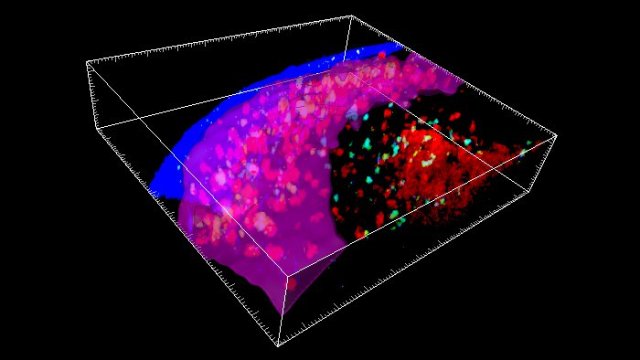
The researchers from the Garvan Institute of Medical Research in Australia spotted thin, flat structures on top of the immune system’s lymph nodes in mice, which they’ve dubbed “subcapsular proliferative foci” (or SPFs for short).

These SPFs appear to work like biological headquarters for planning a counter-attack to infection.

lymph-node-spf-2
Immune cells gathering at the SPF, with the purple band showing the SPF surface.

These SPFs only appear when the mice immune systems are fighting off infections that have been encountered before.

What’s more, the researchers detected SPFs in human lymph nodes too, suggesting our bodies react in the same way.

“When you’re fighting bacteria that can double in number every 20 to 30 minutes, every moment matters,” says senior researcher Tri Phan. “To put it bluntly, if your immune system takes too long to assemble the tools to fight the infection, you die.”

“This is why vaccines are so important. Vaccination trains the immune system, so that it can make antibodies very rapidly when an infection reappears. Until now we didn’t know how and where this happened.”

Traditional microscopy approaches analyse thin 2D slices of tissue, and the researchers think that’s why SPFs haven’t been spotted before – they themselves are very thin, and they only appear temporarily.

In this case the team made the equivalent of a 3D movie of the immune system in action, which revealed the collection of many different types of immune cell in these SPFs. The researchers describe them as a “one-stop shop” for fighting off remembered infections, and fighting them quickly.

Crucially, the collection of immune cells spotted by the researchers included Memory B type cells – cells which tell the immune system how to fight off a particular infection. Memory B cells then turn into plasma cells to produce antibodies and do the actual work of tackling the threat.

“It was exciting to see the memory B cells being activated and clustering in this new structure that had never been seen before,” says one of the team, Imogen Moran.

“We could see them moving around, interacting with all these other immune cells and turning into plasma cells before our eyes.”

According to the researchers, the positioning of the SPF structures on top of lymph nodes makes them perfectly positioned for fighting off infections – and fast.

They’re strategically placed at points where bacteria would invade, and contain all the ingredients required to keep the infection at bay.

Now we know how the body does it, we might be able to improve vaccine techniques – vaccines currently focus on making memory B cells, but this study suggests the process could be made more efficient by also looking at how they transform into plasma cells through the inner workings of an SPF.

“So this is a structure that’s been there all along, but no one’s actually seen it yet, because they haven’t had the right tools,” says Phan.

“It’s a remarkable reminder that there are still mysteries hidden within the body – even though we scientists have been looking at the body’s tissues through the microscope for over 300 years.”

The research has been published in Nature Communications.

https://www.sciencealert.com/researchers-identify-new-lymph-node-structures-powering-immunity

Abstinence from substance use among adolescents is increasing

alcoholg487677380_1462902

1. In a nationally representative survey of American adolescents, there was a fivefold increase in prevalence of lifetime abstinence from substance use among high school seniors.

2. Prevalence of lifetime abstinence from cigarettes and alcohol increased most drastically, whereas rates of marijuana and other substance use have remained more steady.

Substance use is an important modifiable health behavior, and previous studies have focused on use of individual substances. In this cross-sectional study, researchers sought to characterize trends in substance nonuse among adolescents by analyzing responses to the Monitoring the Future Project (MTF), a survey of nationally representative samples of 8th-, 10th-, and 12th-grade students between 1976 and 2014. Prevalence of lifetime abstinence from substance use among high school seniors has risen from 5% in 1976 to 26% in 2014, with similar trends among 8th- and 10th-grade students. Abstinence from cigarettes and alcohol increased dramatically during the study period, while abstinence of marijuana and other illicit substances increased only slightly and, in the case of marijuana, have fallen from peak levels in the 1990s. Students who were male, African American, or reported higher levels of religious involvement were significantly more likely to report lifetime abstinence. Lower odds of reporting lifetime abstinence were noted among students with low grade point average, past-month truancy, employment during the school year, and living in a single-parent household.

These findings are limited by self report bias. True prevalence may be underestimated because adolescents who were not in school to take the survey and those who were missing data for any substance were excluded from analysis. Nonetheless, the study is strengthened by its large, nationally representative sample of high school students. For physicians, these results highlight the importance of identifying and discussing the use of marijuana and other substances with adolescents and parents.

https://www.psychiatryadvisor.com/addiction/abstinence-from-substance-use-among-adolescents-is-increasing/article/787208/?utm_source=newsletter&utm_medium=email&utm_campaign=pa-update-dmd-20180825&cpn=psych_md%2cpsych_all&hmSubId=2yAHMYaJqF41&NID=1710903786

Our Galaxy Has Already Died Once. Now We Are in Its Second Life.

milky-way-died-once-reborn-noguchi_1024

The Milky Way is a zombie. No, not really, it doesn’t go around eating other galaxies’ brains. But it did “die” once, before flaring back to life. That’s what a Japanese scientist has ascertained after peering into the chemical compositions of our galaxy’s stars.

In a large section of the Milky Way, the stars can be divided into two distinct populations based on their chemical compositions. The first group is more abundant in what is known as α elements – oxygen, magnesium, silicon, sulphur, calcium and titanium. The second is less abundant in α elements, and markedly more abundant in iron.

The existence of these two distinct populations implies that something different is happening during the formation stages. But the precise mechanism behind it was unclear.

Astronomer Masafumi Noguchi of Tohoku University believes his modelling shows the answer. The two different populations represent two different periods of star formation, with a quiescent, or “dormant” period in between, with no star formation.

Based on the theory of cold flow galactic accretion proposed back in 2006, Noguchi has modelled the evolution of the Milky Way over a 10 billion-year period.

Originally, the cold flow model was suggested for much larger galaxies, proposing that massive galaxies form stars in two stages. Because of the chemical composition dichotomy of its stars, Noguchi believes this also applies to the Milky Way.

That’s because the chemical composition of stars is dependent on the gases from which they are formed. And, in the early Universe, certain elements – such as the heavier metals – hadn’t yet arrived on the scene, since they were created in stars, and only propagated once those stars had gone supernova.

In the first stage, according to Noguchi’s model, the galaxy is accreting cold gas from outside. This gas coalesces to form the first generation of stars.

After about 10 million years, which is a relatively short timescale in cosmic terms, some of these stars died in Type II supernovae. This propagated the α elements throughout the galaxy, which were incorporated into new stars.

But, according to the model, it all went a bit belly-up after about 3 billion years.

“When shock waves appeared and heated the gas to high temperatures 7 billion years ago, the gas stopped flowing into the galaxy and stars ceased to form,” a release from Tohoku University says.

During a hiatus of about 2 billion years, a second round of supernovae took place – the much longer scale Type Ia supernova, which typically occur after a stellar lifespan of about 1 billion years.

It’s in these supernovae that iron is forged, and spewed out into the interstellar medium. When the gas cooled enough to start forming stars again – about 5 billion years ago – those stars had a much higher percentage of iron than the earlier generation. That second generation includes our Sun, which is about 4.6 billion years old.

Noguchi’s model is consistent with recent research on our closest galactic neighbour, Andromeda, which is thought to be in the same size class as the Milky Way. In 2017, a team of researchers published a paper that found Andromeda’s star formation also occurred in two stages, with a relatively quiescent period in between.

If the model holds up, it may mean that the evolution models of galaxies need to be revised – that, while smaller dwarf galaxies experience continuous star formation, perhaps a “dead” period is the norm for massive ones.

If future observations confirm, who’s up for renaming our galaxy Frankenstein?

Noguchi’s paper has been published in the journal Nature.

https://www.sciencealert.com/milky-way-star-formation-two-generations-cold-flow-accretion-model-noguchi

New major study shows that there is no healthy level of alcohol consumption

5121

Even the occasional drink is harmful to health, according to the largest and most detailed research carried out on the effects of alcohol, which suggests governments should think of advising people to abstain completely.

The uncompromising message comes from the authors of the Global Burden of Diseases study, a rolling project based at the University of Washington, in Seattle, which produces the most comprehensive data on the causes of illness and death in the world.

Alcohol, says their report published in the Lancet medical journal, led to 2.8 million deaths in 2016. It was the leading risk factor for premature mortality and disability in the 15 to 49 age group, accounting for 20% of deaths.

Current alcohol drinking habits pose “dire ramifications for future population health in the absence of policy action today”, says the paper. “Alcohol use contributes to health loss from many causes and exacts its toll across the lifespan, particularly among men.”

Most national guidelines suggest there are health benefits to one or two glasses of wine or beer a day, they say. “Our results show that the safest level of drinking is none.”

The study was carried out by researchers at the Institute of Health Metrics and Evaluation (IHME), who investigated levels of alcohol consumption and health effects in 195 countries between 1990 to 2016. They used data from 694 studies to work out how common drinking was and from 592 studies including 28 million people worldwide to work out the health risks.

Moderate drinking has been condoned for years on the assumption that there are some health benefits. A glass of red wine a day has long been said to be good for the heart. But although the researchers did find low levels of drinking offered some protection from heart disease, and possibly from diabetes and stroke, the benefits were far outweighed by alcohol’s harmful effects, they said.

Drinking alcohol was a big cause of cancer in the over-50s, particularly in women. Previous research has shown that one in 13 breast cancers in the UK were alcohol-related. The study found that globally, 27.1% of cancer deaths in women and 18.9% in men over 50 were linked to their drinking habits.

In younger people globally the biggest causes of death linked to alcohol were tuberculosis (1.4% of deaths), road injuries (1.2%), and self-harm (1.1%).

In the UK, the chief medical officer Sally Davies has said there is no safe level of drinking, but the guidance suggests that drinkers consume no more than 14 units a week to keep the risks low. Half a pint of average-strength lager contains one unit and a 125ml glass of wine contains around 1.5 units.

While the study shows that the increased risk of alcohol-related harm in younger people who have one drink a day is small (0.5%), it goes up incrementally with heavier drinking: to 7% among those who have two drinks a day (in line with UK guidance) and 37% for those who have five.

One in three, or 2.4 billion people around the world, drink alcohol, the study shows. A quarter of women and 39% of men drink. Denmark has the most drinkers (95.3% of women, and 97.1% of men). Pakistan has the fewest male drinkers (0.8%) and Bangladesh the fewest women (0.3%). Men in Romania and women in Ukraine drink the most (8.2 and 4.2 drinks a day respectively), while women in the UK take the eighth highest place in the female drinking league, with an average of three drinks a day.

“Alcohol poses dire ramifications for future population health in the absence of policy action today. Our results indicate that alcohol use and its harmful effects on health could become a growing challenge as countries become more developed, and enacting or maintaining strong alcohol control policies will be vital,” said the report’s senior author, Prof Emmanuela Gakidou.

“Worldwide we need to revisit alcohol control policies and health programmes, and to consider recommendations for abstaining from alcohol. These include excise taxes on alcohol, controlling the physical availability of alcohol and the hours of sale, and controlling alcohol advertising. Any of these policy actions would contribute to reductions in population-level consumption, a vital step toward decreasing the health loss associated with alcohol use.”

Dr Robyn Burton, of King’s College London, said in a commentary in the Lancet that the conclusions of the study were clear and unambiguous. “Alcohol is a colossal global health issue and small reductions in health-related harms at low levels of alcohol intake are outweighed by the increased risk of other health-related harms, including cancer,” she wrote.

“There is strong support here for the guideline published by the Chief Medical Officer of the UK who found that there is ‘no safe level of alcohol consumption’.”

Public health policy should be to prioritise measures to reduce the numbers who drink through price increases, taxation, or setting the price according to the strength of the drink (minimum unit pricing), followed by curbs on marketing and restricting the places where people can buy alcohol.

“These approaches should come as no surprise because these are also the most effective measures for curbing tobacco-related harms, another commercially mediated disease, with an increasing body of evidence showing that controlling obesity will require the same measures,” she wrote.

Ben Butler, a Drinkaware spokesperson, said: “This new study supports existing evidence about the harms associated with alcohol. Our research shows that over a quarter of UK adults typically exceed the low risk drinking guidelines and are running the risk of serious long term illnesses.”

But David Spiegelhalter, Winton professor for the public understanding of risk at the University of Cambridge, said the data showed only a very low level of harm in moderate drinkers and suggested UK guidelines were very low risk.

“Given the pleasure presumably associated with moderate drinking, claiming there is no ‘safe’ level does not seem an argument for abstention,” he said. “There is no safe level of driving, but government do not recommend that people avoid driving. Come to think of it, there is no safe level of living, but nobody would recommend abstention.”

https://www.theguardian.com/society/2018/aug/23/no-healthy-level-of-alcohol-consumption-says-major-study

How restricting calories might offer protection against age-related diseases

20120917-restriction

Instead of survival of the fittest, evolution might actually be about survival of the laziest.

That’s according to a new study published Tuesday in the journal The Royal Society. Researchers from the University of Kansas studied fossils of ancient mollusks and gastropods, and found that organisms with higher metabolic rates were more likely to go extinct.

Animals that required less energy to power their daily lives and maintain their bodily functions were more likely to win in the long run, the results showed.

While metabolism isn’t the only factor that determines whether a species goes extinct, the researchers suggest that it’s a very important component of long-term survival.

That new finding adds to a growing body of evidence that links lower metabolism with longevity. (Naked mole rats, for example, are the longest living rodents thanks to a quirk in their metabolism.)

Rozalyn Anderson, an associate professor at the University of Wisconsin’s School of Medicine and Public Health, told Business Insider that her work in monkeys also suggests metabolism is at the center of the aging process.

“I think it’s all about energy: energy use, energy storage and the type of pathways that are being engaged to derive energy,” she said.

Restricting calories in monkeys
Anderson’s most recent research has been on the impacts of restricting caloric intake in Rhesus monkeys.

In a study of 76 monkeys published in the journal Science in 2009, Anderson and her colleagues found that restricting how many calories the animals consumed by 25% over a span of 20 years made them age differently, compared to a group of control monkeys that ate however much they wanted.

The monkeys who ate less were 2.5 times less likely to have an age-related disease like cancer or heart disease.

“The calorically restricted animals age differently,” Anderson said. “They don’t age slower, they age differently, and the way they age is associated with less disease risk. And that difference is in terms of their metabolism.”

She added that restricting a body’s caloric intake — the fuel it takes in — alters how the body produces and consumes energy, making it more energetically efficient.

Anderson also noted that the monkeys that underwent caloric restriction maintained their level of physical activity as they aged, whereas the control animals’ physical activity levels decreased. She explained at a conference in 2014 that for calorically restricted animals, there’s a lower metabolic cost associated with movement — more “bang for your buck” when it comes to trading nutrients for usable energy units.

When humans restrict their calories, researchers have seen similar outcomes. A two-year-long, NIH-supported study published in The Journals of Gerontology in 2015 found that participants who restricted their calories by 12% on average saw decreases in risk factors that contribute to age-related heart disease and diabetes. The experiment did not significantly alter their metabolism, though.

Connecting the dots between factors in the aging process
Anderson said that in her various studies of different facets of aging, she’s most fascinated when her research uncovers pathways that converge and overlap. This is happening more and more in the field of aging, and it’s helping her piece together why caloric restriction seems to alter parts of the aging process.

“I think it’s all completely connected, and these are just different ways of looking at the same phenomenon, which is the things that change with age that makes older people more vulnerable to disease than young people,” Anderson said. “How could you imagine a machine as complicated as a person or a monkey or a mouse, and not have it massively interconnected?”

For example, she found that a specific group of microRNAs — molecules that control gene expression — that she studied in relation to aging a while back plays an active role in the body’s response to caloric restriction. Anderson also found links between caloric restriction and her previous studies on NAD, a molecule that’s tied to energy metabolism and mitochondria. Putting these cellular-level studies into a bigger picture allows Anderson to gauge how all the moving parts come together when calories are limited.

“There’s this idea that the constellation of cells in a tissue are performing different tasks and different ones are creating vulnerability in different ways,” Anderson said. “It’s becoming more nuanced, for sure, it’s becoming more complicated. But it’s also making more sense. Which is why I think it’s kind of cool.”

Aging is inevitable, Anderson said, but her work is suggesting that how you age is flexible and manipulatable.

Understanding the relationship between metabolism and aging will allow scientists to better design studies on longevity. And as more research reveals how and why animals with lower metabolisms live longer and survive better, scientists may be able to figure out ways to mimic those effects in humans.

https://www.thisisinsider.com/restricting-calories-could-protect-against-aging-2018-8