“Elixir of immortality” found in central China’s ancient tomb

Archaeologists in central China’s Henan Province said Friday that the liquid found in a bronze pot unearthed from a Western Han Dynasty (202 BC-8 AD) tomb is an “elixir of life” recorded in ancient Taoist literature.

About 3.5 liters of the liquid was excavated from the tomb of a noble family in the city of Luoyang last October. It was initially judged by archaeologists to be liquor as it gave off an alcohol aroma.

However, further lab research found that the liquid is mainly made up of potassium nitrate and alunite, the main ingredients of an immortality medicine mentioned in an ancient Taoist text, according to Pan Fusheng, leading archaeologist of the excavation project.

“It is the first time that mythical ‘immortality medicines’ have been found in China,” said Shi Jiazhen, head of the Institute of Cultural Relics and Archaeology in Luoyang.

“The liquid is of significant value for the study of ancient Chinese thoughts on achieving immortality and the evolution of Chinese civilization,” Shi added.

A large number of color-painted clay pots, jadeware and bronze artifacts were also unearthed from the tomb, which covers 210 square meters. The remains of the tomb occupant have also been preserved.

“The tomb provides valuable material for study of the life of Western Han nobles as well as the funeral rituals and customs of the period,” Pan said.

How listening to music ‘significantly impairs’ creativity

The popular view that music enhances creativity has been challenged by researchers who say it has the opposite effect.

Psychologists from the University of Central Lancashire, University of Gävle in Sweden and Lancaster University investigated the impact of background music on performance by presenting people with verbal insight problems that are believed to tap creativity.

They found that background music “significantly impaired” people’s ability to complete tasks testing verbal creativity – but there was no effect for background library noise.

For example, a participant was shown three words (e.g., dress, dial, flower), with the requirement being to find a single associated word (in this case “sun”) that can be combined to make a common word or phrase (i.e., sundress, sundial and sunflower).

The researchers used three experiments involving verbal tasks in either a quiet environment or while exposed to:

Background music with foreign (unfamiliar) lyrics
Instrumental music without lyrics
Music with familiar lyrics
Dr Neil McLatchie of Lancaster University said: “We found strong evidence of impaired performance when playing background music in comparison to quiet background conditions.”

Researchers suggest this may be because music disrupts verbal working memory.

The third experiment – exposure to music with familiar lyrics- impaired creativity regardless of whether the music also boosted mood, induced a positive mood, was liked by the participants, or whether participants typically studied in the presence of music.

However, there was no significant difference in performance of the verbal tasks between the quiet and library noise conditions.

Researchers say this is because library noise is a “steady state” environment which is not as disruptive.

“To conclude, the findings here challenge the popular view that music enhances creativity, and instead demonstrate that music, regardless of the presence of semantic content (no lyrics, familiar lyrics or unfamiliar lyrics), consistently disrupts creative performance in insight problem solving.”

Researchers Rejuvenate Stem Cells In the Aging Brain: Mouse Study

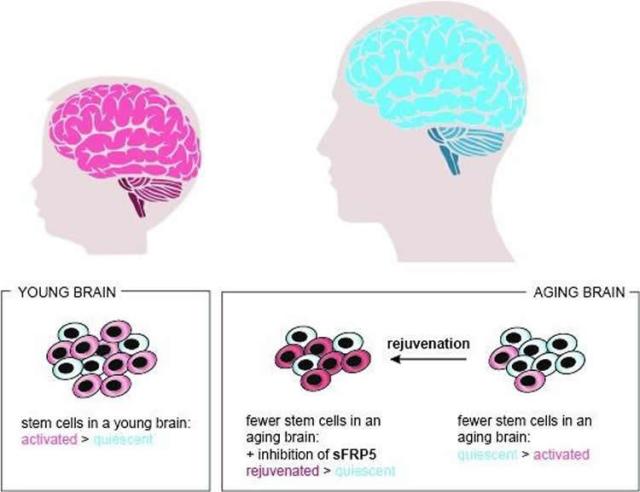
Scientists from the Luxembourg Centre for Systems Biomedicine (LCSB) of the University of Luxembourg and from the German Cancer Research Center (DKFZ) have been able to rejuvenate stem cells in the brain of aging mice. The revitalised stem cells improve the regeneration of injured or diseased areas in the brain of old mice. The researchers expect that their approach will provide fresh impetus in regenerative medicine and facilitate the development of stem cell therapies.

Their results were published today in the journal Cell. All cells making up our organs originate from stem cells. They divide and the resulting cells develop into specific tissue cells, forming the brain, lungs or bone marrow. With age, however, the stem cells of living organisms lose their ability to proliferate. Many of them lapse into a permanent state of quiescence.

In order to create as accurate as possible computational models of stem cell behaviour, the LCSB’s Computational Biology Group led by Prof. Antonio del Sol applied a novel approach. “Stem cells live in a niche where they constantly interact with other cells and extra-cellular components. It is extremely difficult to model such a plethora of complex molecular interactions on the computer. So we shifted perspective. We stopped thinking about what external factors were affecting the stem cells, and started thinking about what the internal state of a stem cell would be like in its precisely defined niche.”

The novel approach led to in a new computational model developed by Dr. Srikanth Ravichandran of the Computational Biology Group: “Our model can determine which proteins are responsible for the functional state of a given stem cell in its niche – meaning whether it will divide or remain in a state of quiescence. Our model relies on the information about which genes are being transcribed. Modern cell biology technologies enable profiling of gene expression at single cell resolution.”

It was previously unknown why most of the stem cells in the brain of old mice remain in a state of quiescence. From their computational model, the researchers at the LCSB identified a molecule called sFRP5 that keeps the neuronal stem cells inactive in old mice, and prevents proliferation by blocking the Wnt pathway crucial for cell differentiation.

A rejuvenation for cells

Then the long-standing expertise in neural stem cells of the collaborators at the German Cancer Research Center (DKFZ) came in: Studying stem cells first in a dish and then later directly in mice, they could experimentally validate the computational prediction. When neutralising the action of sFRP5, the quiescent stem cells did indeed start proliferating more actively. Thus, they were available again to be recruited for the regeneration processes in the aging brain. “With the deactivation of sFRP5, the cells undergo a kind of rejuvenation,” del Sol says: “As a result, the ratio of active to dormant stem cells in the brain of old mice becomes almost as favourable as in young animals.”

“Our results constitute an important step towards the implementation of stem cell-based therapies, for instance for neurodegenerative diseases,” Antonio del Sol says. “We were able to show that, with computational models, it is possible to identify the essential features that are characteristic of a specific state of stem cells.” This approach is not limited to studying the brain. It can also be used to model stem cells of other organs in the body. “The hope is that this will open avenues for regenerative medicine,” says del Sol.

Researchers Rejuvenate Stem Cells In the Aging Brain: Mouse Study

Making Sense of How the Blind ‘See’ Color

What do you think of when you think of a rainbow? If you’re sighted, you’re probably imagining colors arcing through the sky just after the rain.

But what about someone who can’t see a rainbow? How does a congenitally blind person’s knowledge of a rainbow — or even something as seemingly simple as the color red — differ from that of the sighted?

The answer, Alfonso Caramazza said, is complicated: There are similarities but also important differences.

The Daniel and Amy Starch Professor of Psychology, Caramazza is the co-author, with postdoctoral fellow Ella Striem-Amit and Xiaoying Wang and Yanchao Bi from Beijing Normal University, of a new study that suggests that, although they experience them differently, the sighted and the blind are still able to share a common understanding of abstract visual phenomena like rainbows and color. The study is described in a December paper published in Nature Communications.

“The question here is how do we represent things that don’t have an external physical reality — something we can’t touch or smell?” Caramazza said. “If you think about it, this is not just a problem for the blind; it’s a problem anyone has when they hear a word like ‘ion’ or ‘quark,’ for example. Most of us have only a very vague understanding of what those things actually are. If you talk to physicists they can give you theoretical, mathematically precise descriptions, but none of the things they associate with those things have a concrete, physical correspondence.”

With no way to directly experience what something like quarks actually are, Caramazza said, people lean heavily on language to understand or describe them — using words like “strange” and “charm” to describe quarks’ “flavors.”

And the same, he said, is true for blind people seeking to understand color.

“You can use language to describe things that are physical,” he explained. “If you were blind and I wanted to describe a cup to you, I could say it’s a hard object that’s concave and it’s nonporous, so you can put liquids in it. Those descriptions are things you have some physical experience of, so you can piggyback on that experience. But there are some concepts for which you cannot do that. Color is a surface property of an object, but there’s no way for me to tell a blind person what that sensory experience is, because it’s a purely visual experience. So the way they learn about red is the way you and I learn about quarks, or about concepts like justice or virtue — through a verbal description or use in verbal contexts.”

Though scientists have known for decades that abstract and concrete concepts are represented in different parts of the brain, Caramazza said that understanding how the blind experience and understand visual concepts like color can help shed new light on how the brain is organized.

One hypothesis for how knowledge is organized in the brain proposes that representations of the things we know are optimally connected to other parts of the brain that are necessary for processing that information.

“For example,” Caramazza said, “knowledge of something I can see will be organized in a part of my brain that is easily connected with the visual system. But what about color in the blind? It cannot be represented in an area that’s connected to visual processing. Because they learn about it through language, it will be organized in an area that is especially well-connected with language processing. So if the question is where does a blind person store a representation of a rainbow in their brain, they store it in the same area where a sighted person would store a representation of a concept like justice or virtue.”

To see that process in action, Caramazza and his colleagues recruited both blind and sighted volunteers and used fMRI scanners to track activity in their brains as they performed various tasks, including answering questions about rainbows and colors.

“We found that, in the congenitally blind, the neural responses for red were in the same areas as the neural responses for justice,” he said. “The abstractness of something like red in the blind is the same as the abstractness of virtue for the sighted, and in both cases that information is represented in a part of the brain where information is obtained through linguistic processes.”

While the study’s findings suggest there are similarities between how the blind and the sighted interpret concepts like color, Caramazza said the answer is still far from definitive.

“What we are showing is that the organization of concepts in the brain is determined by different principles, one of which is how the information is acquired,” he said. “But the question of whether the blind and the sighted actually have different concepts of red — that’s the hard problem. That’s a philosophical question at this stage. It’s not something we know how to address scientifically, because we’re talking about personal, private experience.”

What is remarkable, Caramazza said, is that despite those differences in how the blind experience colors and how they are represented differently in their brain, the blind and the sighted are able to understand color in similar ways. “You could be talking to a blind person, and if you didn’t know they were blind, you would never suspect that their experience of red is different from yours, because in fact they do know what red means. They know what it means in the same way you come to know what justice means.”

Making Sense of How the Blind ‘See’ Color

Breakdancing, surfing, sport climbing, and skateboarding may be included as new events in the 2024 Paris Olympics.

Breakdancing is one of four additional sports expected to be included at the 2024 Olympic Games in Paris along with surfing, sport climbing and skateboarding, sources indicated Wednesday.

The list of additions is due to be revealed by the local organising committee (OCOG) on Thursday and must be signed off on by the International Olympic Committee.

Their inclusion would come on top of the 28 sports already on the programme, although the Paris 2024 committee did not confirm the reports to AFP.

Breakdancing, an acrobatic style of street dance typically set to hip-hop or funk music, would be making its first appearance in the Olympics, while the three other sports will all be introduced at the 2020 Games in Tokyo.

Karate and baseball/softball, all part of the Tokyo programme, are also candidates, as well as squash, which has been repeatedly rebuffed, and petanque.

At least 20 disciplines from federations recognised by the IOC have applied for inclusion.

Local organisers must submit the recommended list to the IOC which will make a decision in December 2020, following the Tokyo Games.

Breakdancing appeared at last year’s Summer Youth Olympic Games in Buenos Aires, in the form of “battles” — or duels — decided by judges, and falls under the auspices of the World Dance Sport Federations (WDSF).

The IOC and OCOG have already said the number of participating athletes will be capped at 10,500, a reduction from the Tokyo maximum, for the 2024 Games, limiting the hopes of team sports.

Local organisers also suggested the need for the construction of new permanent venues would likely count against sports pushing to be included.

Experimental technique makes it possible to perceive infrared light.

By David Freeman

No one is ditching the night-vision goggles just yet, but scientists working in the United States and China have developed a technique that they say could one day give humans the ability to see in the dark.

The technique involves injecting the eyes with particles that act like tiny antennae that take infrared light — wavelengths that are invisible to humans and other mammals — and convert it to visible wavelengths. Mammals can see wavelengths in just a sliver of the electromagnetic spectrum, and the new technique is designed to widen that sliver.

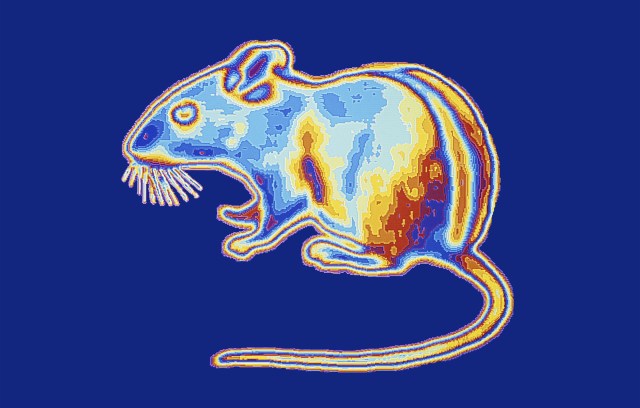
The nanoparticle injections haven’t been tried on humans, but experiments on mice show that they confer the ability to see infrared light without interfering with the perception of light in the visible range. The effect worked during the day and at night and lasted for several weeks. The rodents were left unharmed once it wore off.

Gang Han, a chemist at the University of Massachusetts Medical School and a co-author of a new paper describing the research, said in a statement that the technique could lead to a better understanding of visual perception and possibly lead to new ways to treat color blindness.

But those are far from the only possible applications if the technique can be made to work safely in other mammals, including humans. In an email to NBC News MACH, Han said it might be possible to use nanoparticle injections to create “superdogs” that could make it easier to apprehend lawbreakers in darkness.

“For ordinary people,” he added, “we may also see our sky in a completely different way” both at night and during the day because many celestial objects give off infrared light.

The technique doesn’t confer the ability to see the longer-wavelength infrared light given off by living bodies and other warm objects, Tian Xue, a neuroscientist at the University of Science and Technology of China and a co-author of the paper, said in an email. But at least theoretically, it could give humans the ability to see bodies and objects in darkness without the use of night-vision gear — though an infrared light would still be needed.

For their research, Han, Xue and their collaborators injected the rodents’ eyes with nanoparticles treated with proteins that helped “glue” the particles to light-sensitive cells in the animals’ retinas. Once the tiny antennae were in place, the scientists hypothesized, the nanoparticles would convert infrared light into shorter wavelengths, which the animals would then perceive as green light.

To make sure the mice were actually seeing the converted infrared light, the scientists subjected the animals to a number of tests, including one in which they were given a choice of entering a totally dark box or one illuminated only with infrared light. (Mice are nocturnal, and ordinarily they prefer darkness.) Control animals showed no preference — because both boxes appeared dark to them — while treated mice showed a distinct preference for the dark box.

Other scientists praised the research while expressing doubts about trying the technique in humans.

Harvard neuroscientist Michael Do said in an email that the experiments were “sophisticated” and that the technique was likely to work in humans as well as in mice. But he said it was unclear just how sharp the infrared vision would be in humans, and he cautioned that the injections might damage delicate structures in the eye.

Glen Jeffery, a neuroscientist at the University College London, expressed similar praise for the research — but even graver doubts. “Injecting any material under the retina is risky and should never be done unless there is a clear and justifiable clinical reason…” he said in an email. “I have no idea how you could use this technology to human advantage and would never support its application on healthy humans.”

But the researchers are moving ahead. Han said the team planned to test the technique in bigger animals — possibly dogs.

https://www.nbcnews.com/mach/science/scientists-create-super-mice-can-see-dark-here-s-what-ncna977966

Thanks to Kebmodee for bringing this to the It’s Interesting community.

A chemical in the ashitaba plant may help us live longer.

by CHRISTIAN COTRONEO

If the startling results of a recent Austrian study are any indication, we should all get better acquainted with ashitaba.

In fact, we might even want to make a little room for this ancient Japanese plant beside the basil and lavender in the windowsill.

Ashitaba may have a bright future in Western households because the so-called “Tomorrow’s Leaf” promises just that: A future.

In a paper published this month in the journal Nature, researchers at the University of Graz, suggest a key component of the plant — called 4,4′-dimethoxychalcone, or DMC — may act as an anti-aging mechanism.

In experiments, the substance was found to prolong the lives of worms and fruit flies by as much as 20 percent.

Keeping the cellular process tidy
Researchers suggest DMC acts as a kind of “cellular garbage collector.” It basically speeds along the natural process by which frail and damaged cells are shed to be replaced by shiny new ones.

Normally, the crusty old cells are removed regularly through a process called autophagy. But as we age, the body’s trash collector starts missing appointments, allowing the damaged cells to accumulate, opening the door for a wide range of diseases and disorders.

In the experiments, DMC kept the process whirring along.

So what exactly is this humble hero — and more importantly, why haven’t we carpeted the planet with it yet?

Well, it’s not much to look at, and its leaves are said to be rather bitter — but that likely just gives adds more cred for its centuries-long use as a traditional medicine.

Let’s face it, practitioners of traditional medicine were probably the first to offer the cheerful slogan, “It tastes awful and it works.”

And those ancient chemists stood by the myriad benefits of Angelica keiskei — the plant’s botanical name — touting its powers of increasing breast milk flow, easing blood pressure and even calming the savage ulcer.

Samurai, too, were notorious nibblers— not so much for the plant’s breast milk-boosting ways, but rather its reputation for adding years to one’s life.

But does it really work? Or does it get a pass from traditional medicine because it tastes awful?

Keep in mind that Austrian researchers developed an intensive process to isolate the DMC, administering concentrated dosages to subjects. You’re not likely to be overwhelm your anti-aging genes by chewing on a bale of ashitaba, or making it into a nice tea.

Also, although this was the first time DMC was tested on living animals, there’s a wide chasm between worms and human beings. Countless promising experiments involving animals have crashed hard against the very different reality of human biology.

“The experiments indicate that the effects of DMC might be transferable to humans, although we have to be cautious and wait for real clinical trials,” Frank Madeo, lead author of the study, tells Medical News Today.

Human testing, he adds, will follow, only after researchers see how DMC fares at torquing the hearts of mice.

Of course, that doesn’t mean you can’t get a headstart on what could well become the ultimate opiate for the age-obsessed masses — and grow your own little ashitaba garden.

“Angelicas [another name for the plant] like to be cold stratified,” San Francisco Botanical Garden curator Don Mahoney tells Modern Farmer.

That means keeping the seeds outside at night, preferably in 30-degree temperatures, to help them germinate. As an alternative, Mahoney suggests, a couple of weeks in the fridge could kickstart the process.

“Nearly all of my last batch of seeds germinated,” he explains.

From there, it’s all in the hands of quality soil, while you gradually increase the pot size until the seedling are ready for the ground.

Ashitaba is partial to cool, damp conditions. So in the summer, it might seem like you messed up yet another gardening gambit. But then, when things cool down, “Tomorrow’s Leaf” rises mightily to the occasion.

The plants generally grow to around four feet high. Not only that, but they have a remarkable knack for rejuvenating themselves — a leaf cut off in the morning will start growing back the next day.

As far as looks go, ashitaba, which is a relative of the carrot, isn’t going to make your begonias blush. But its leaves, stems and yellow sap still course with nutrients. Even if the age-torquing upside doesn’t work out, it still packs promise for ulcers and breast milk and even blood pressure.

At the very least, all that promise of extending life will be a nice conversation piece — even if all it ever ends up enlivening is your salad.

And remember: Even the samurai died of old age at some point.

https://www.mnn.com/your-home/organic-farming-gardening/stories/ashitaba-plant-antiaging-properties-how-to-grow

Oxford-Harrington Rare Disease Centre to research rare diseases therapies


The University of Oxford and Harrington Discovery Institute at University Hospitals have announced a new affiliation to advance therapies for rare diseases. The joint program combines capabilities to improve treatment options globally for patients with rare diseases.

The University of Oxford and University Hospitals in Cleveland, Ohio, have announced a multi-year affiliation to establish a global centre for rare diseases. The Oxford-Harrington Rare Disease Centre will bring together the capabilities, resources and expertise of both institutions to deliver new treatments for rare diseases, for which therapeutic options are lacking.

More than 350 million people worldwide are living with a rare disease, and approximately 50 percent are children. There are about 7,000 known rare diseases, with new diseases being discovered every day. A rare disease affects one in 10 Americans, or 10 percent of the US population. Similarly, Europe has approximately 30 million people who suffer from a rare disease. The majority of all rare diseases are genetic in origin, which means they are present throughout a person’s life. Only five percent of rare diseases have a treatment approved by the US Food and Drug Administration (FDA) and similar estimates have been made for treatments approved by the European Medicine Agency (EMA). Therefore, someone with a rare disease today faces a lifelong, often life-threatening, condition with little hope for a cure, or even an effective treatment option.

In this partnership, the University of Oxford and Harrington Discovery Institute commit to addressing unmet need in rare disease. Through their combined resources, the new Centre will set the science and innovation agenda to support cutting-edge breakthroughs across the UK and US with the greatest chance for clinical impact.

The University of Oxford has more than 250 Principal Investigator scientists working on over 350 rare diseases. The Oxford Rare Disease Initiative, established in 2012, is a collaboration between the University of Oxford and the Oxford University Hospitals Trust, which provides the opportunity to combine pre-clinical and clinical expertise in areas such as neurology, inflammation and immunology, hematology, cardiovascular and metabolic diseases and has created an extensive rare disease network.

Since its founding in 2012, Harrington Discovery Institute – part of The Harrington Project for Discovery & Development – has supported more than 100 drugs-in-the-making across disease areas and academic institutions, with a concentration in diseases where unmet need is greatest. The Harrington Project was established to advance scientific discoveries over the ‘Valley of Death’ – the stage in the drug development process when a new discovery is seen as promising, but is insufficiently validated to attract the funding necessary for clinical trials. Harrington Discovery Institute advances these promising discoveries towards the clinic by aligning, through mission and structure, scientific and drug discovery expertise into a new model for drug development.

‘Our partnership with Harrington Discovery Institute recognises the combined experience needed in world-class science and drug development if we are to change the rare disease landscape in a meaningful way – and Oxford is committed to doing so through this unique, open model supporting the most impactful innovation throughout the UK,’ said Sir John Bell, Regius Professor of Medicine at Oxford.

‘Advancing breakthroughs in rare diseases will require bold, new approaches that can overcome scientific challenges and create new medicines. This affiliation represents a commitment to patients first and a tremendous opportunity to improve the health and outcomes of those living with a rare disease,’ said Jonathan S. Stamler, MD, President, Harrington Discovery Institute and Reitman Family Distinguished Chair of Cardiovascular Innovation at University Hospitals and Case Western Reserve University School of Medicine.

The Oxford-Harrington Rare Disease Centre has been several years in planning through efforts of Sir John Bell, Regius Professor of Medicine at Oxford, and with the help of David U’Prichard, ex-Global Head of Pharma R&D and Advisor to The Harrington Project. The Centre will be headquartered both in Oxford, under the leadership of Professor Georg Holländer and Professor Matthew Wood, and in Cleveland within the Harrington Discovery Institute, and managed by its leadership. The Centre will be leveraged by researchers worldwide, and raise awareness for rare diseases.

‘Our family is thrilled to see the incredible evolution of the Harrington Project in only 7 years. Our US program has generated interest from disease foundations to biotech and pharma, and we are so pleased to see it extend to the UK. We are honoured and privileged to be collaborating with perhaps the most illustrious university in the world, and we welcome them as true partners in our efforts to cure disease,” said Ronald G. Harrington, whose family co-founded the Harrington Project with Dr. Stamler at University Hospitals.

“Our Centre promises to advance the best scientific breakthroughs not only at Oxford but also across the UK. This is a unique feature of our commitment to science and patients and one I am most proud of,” said Georg Holländer, Head of the Department of Paediatrics. Matthew Wood, Professor of Neuroscience and Director of the Centre remarked, “The enormous challenge of bringing new medicines into the rare disease space requires not only scientific excellence but also mechanisms to share knowledge and ambitious approaches to translate this successfully into new drugs for patients. We are thrilled that the new Centre will partner with Harrington Discovery Institute and benefit directly from their extraordinary track record in new drug development and commitment to patients.’

‘This is a wonderful example of the synergy in science and innovation that is needed to move discovery forward, and it is gratifying to see our institutions in Cleveland and Oxford combine their strengths to this end,’ said University Hospitals CEO Thomas F. Zenty III.

The Centre is supported in part by a grant from the Cleveland Foundation. ‘This is a phenomenal opportunity for Cleveland to further distinguish itself as a leader in biomedical innovation,’ said Cleveland Foundation President and CEO Ronn Richard. ‘We are excited by the capabilities of Harrington Discovery Institute, which will support medical breakthroughs across the US and UK through its affiliation with one of the world’s premier medical institutions.’

http://www.ox.ac.uk/news/2019-02-28-oxford-harrington-rare-disease-centre-research-rare-diseases-therapies

7 Universal Moral Codes Found Around the World

Most people have a moral compass, or intuition for right and wrong, even if they don’t always follow it. This inner voice has long been credited to culture and religion, but while society does influence our sense of ethics, the roots of morality also seem to run much deeper. Research suggests it’s an ancient instinct in humans, and has found hints of morality in some other social animals, too.

And despite the wide variety of human cultures around the world, a new study identifies seven “universal moral rules” that exist in virtually every society. The study, published this month in the journal Current Anthropology, is “the largest and most comprehensive cross-cultural survey of morals ever conducted,” according to a news release about the findings from the University of Oxford.

“The debate between moral universalists and moral relativists has raged for centuries, but now we have some answers,” says lead author Oliver Scott Curry, senior researcher at Oxford’s Institute for Cognitive and Evolutionary Anthropology, in a statement. “People everywhere face a similar set of social problems, and use a similar set of moral rules to solve them.”

Earlier studies have looked at some of these rules in certain places, Curry and his colleagues note, but none have analyzed all of them across a broad, representative sample of societies. For this new study, they explored a database called the Human Relations Area Files, which includes thousands of ethnographies “from simple hunter-gatherer bands to kingdoms and modern states.” They examined ethnographic views of morality from a stratified random sample of 60 societies around the planet (see map below), comprising more than 600,000 words from more than 600 sources.

They found that seven forms of cooperative behavior “are always seen as morally good,” with not a single society viewing any of them as morally bad. The morals seem to exist with equal frequency across continents, the researchers report, noting they are “not the exclusive preserve of ‘the West’ or any other region.”

Here is a list of those seven guidelines, which the study’s authors describe as “plausible candidates for universal moral rules”:

Help your family.
Help your group.
Return favors.
Be brave.
Defer to superiors.
Divide resources fairly.
Respect others’ property.

The study tests the theory of morality as cooperation, its authors write, which argues morality is “a collection of biological and cultural solutions to the problems of cooperation recurrent in human social life.” It’s part of the idea that morality evolved in social animals because it unifies and bolsters their groups, discouraging individuals from behaving selfishly at the expense of the greater good.

Since there are many types of cooperation, this theory suggests we’ve adapted by developing many types of morality. We may be willing to risk our own lives to protect close relatives, for example, due to the evolutionary benefits of kin selection. We value unity, solidarity and loyalty because there’s strength and safety in numbers, compelling us to form groups and coalitions. Social exchange can explain why we build trust and return favors, as well as our patterns of guilt, gratitude, atonement and forgiveness. The need for conflict resolution may drive us to admire both “hawkish displays of dominance” (bravery) and “dovish displays of submission” (deference to superiors), along with fair division of resources and property rights.

“Everyone everywhere shares a common moral code,” Curry says. “All agree that cooperating, promoting the common good, is the right thing to do.”

Every society seems to agree on these seven basic rules, but the study did find variations in how the rules are prioritized. That makes sense, since their ambiguity could set the stage for moral dilemmas. If your family betrays your country, for example, which loyalty takes precedence? And how much should we really defer to corrupt superiors who abuse their power? “In some societies, family appeared to trump group; in other societies it was the other way around,” the researchers write. “In some societies there was an overwhelming obligation to seek revenge; in other societies this was trumped by the desire to maintain group solidarity.”

It’s worth noting these rules focus widely on what we should do, without specifying particular sins to avoid. They are broad principles, illuminating our shared values but not necessarily offering a definitive code of human ethics. Their ambiguity means they could encompass specific taboos that aren’t spelled out, but the authors add that under the theory of morality as cooperation, “behavior not tied to a specific type of cooperation will not constitute a distinct moral domain.”

Hitting someone without permission, for example, “is not a foundational moral violation,” they write. “Instead, the moral valence of harm will vary according to the cooperative context: uncooperative harm (battery) will be considered morally bad, but cooperative harm (punishment, self-defense) will be considered morally good, and competitive harm in zero-sum contexts (some aspects of mate competition and intergroup conflict) will be considered morally neutral — ‘all’s fair in love and war.'”

A growing body of research suggests altruistic instincts push humans and other social animals to cooperate, but some researchers say the “morality as cooperation” theory is still too reductive. It may not account for societies in which cooperative traits aren’t considered moral, for example, like utilitarians who don’t care about kinship or anarchists who don’t defer to superiors. Cooperation may also fail to explain certain aspects of human ethics like sexual morality, as some outside researchers write in comments published along with the new study, or the existence of destructive morals throughout human history. Massimo Pigliucci, a professor of philosophy at City College of New York, has also called the study’s premise “both interesting and more than a bit irritating,” arguing that it “fails to make the crucial conceptual distinction between the origins of morality and its current function.”

Curry and his colleagues address many of these points in a reply at the end of their paper. They found no societies where these seven rules don’t fit, even though “our survey methodology explicitly set out to find them,” they write, arguing that any such society would be an “outlier” whose beliefs don’t represent humanity as a whole. Still, they agree it remains to be seen whether morality as cooperation “can explain all moral phenomena,” and that sexual morality in particular is still poorly understood. They also acknowledge that “morals sometimes go wrong,” but say those cases could just reflect “the inevitable limitations and by-products of cooperative strategies.”

Morality may be instinctive, but even after all this time, we still have a lot to learn about it. More research will be needed to test this and other theories about our ethical instincts, the authors of the new study write, but for now they hope there’s at least one clear moral to this story: “We hope that this research helps to promote mutual understanding between people of different cultures, an appreciation of what we have in common, and how and why we differ,” Curry says.

https://www.mnn.com/lifestyle/responsible-living/blogs/universal-moral-rules?utm_source=Weekly+Newsletter&utm_campaign=dc5ab96a6c-RSS_EMAIL_CAMPAIGN_WED0227_2019&utm_medium=email&utm_term=0_fcbff2e256-dc5ab96a6c-40844241


Scientists Have Witnessed a Single-Celled Algae Evolve Into a Multicellular Organism

by Fiona MacDonald

Most of us know that at some point in our evolutionary history around 600 million years ago, single-celled organisms evolved into more complex multicellular life.

But knowing that happened and actually seeing it happen in real-time in front of you is an entirely different matter altogether.

And that’s exactly what researchers from the George Institute of Technology and University of Montana have witnessed – and captured in the breathtaking, time-lapse footage below.

The evolution took just 50 weeks, and was triggered by the introduction of a simple predator.

In this incredible experiment, the team was trying to figure out exactly what drove single-celled organisms to become multicellular all those years ago.

One hypothesis is that it was predation that put selective pressure on single-celled organisms, causing them to become more complex.

So to test the validity of this in the lab, the team led by evolutionary biologist William Ratcliff, took populations of single-celled green alga Chlamydomonas reinhardtii.

They then put a single-celled filter-feeding predator in the mix, Paramecium tetraurelia and watched what happened.

Incredibly, the researchers watched as in just 50 weeks – less than the span of a year – two out of five experimental populations of the single-celled creatures evolved into multicellular life.

“Here we show that de novo origins of simple multicellularity can evolve in response to predation,” the team write in their paper.

Fifty weeks is a relative blink of an eye on the evolutionary scale. For the algae it was a little longer – 750 generations. But that’s still quite impressive when you think that they evolved entirely new life cycles.

Being able to witness something like this is not only absolutely mind-blowing, but it also suggests that predation could have played some kind of role in at least part of the evolution of multicellularity.

Not only that, but the resulting multicellular organisms were all incredibly varied. Just like you’d expect in natural evolution.

“Considerable variation exists in the evolved multicellular life cycles, with both cell number and propagule size varying among isolates,” the team write in their paper.

“Survival assays show that evolved multicellular traits provide effective protection against predation.”

The research has been published in Scientific Reports and the full paper is freely available.

https://www.nature.com/articles/s41598-019-39558-8