Artificial intelligence singles out neurons faster than a human can


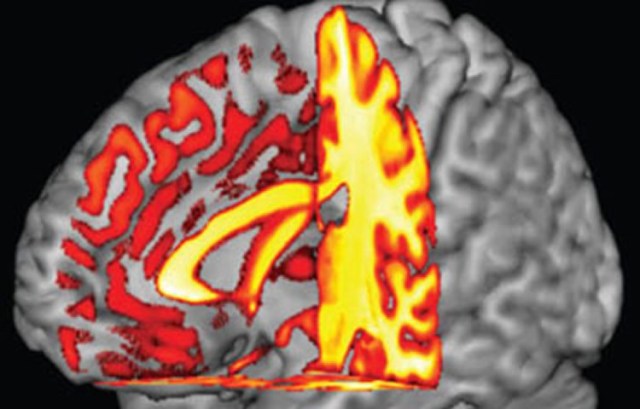
Two-photon imaging shows neurons firing in a mouse brain. Recordings like this enable researchers to track which neurons are firing, and how they potentially correspond to different behaviors. The image is credited to Yiyang Gong, Duke University.

Summary: Convolutional neural network model significantly outperforms previous methods and is as accurate as humans in segmenting active and overlapping neurons.

Source: Duke University

Biomedical engineers at Duke University have developed an automated process that can trace the shapes of active neurons as accurately as human researchers can, but in a fraction of the time.

This new technique, based on using artificial intelligence to interpret video images, addresses a critical roadblock in neuron analysis, allowing researchers to rapidly gather and process neuronal signals for real-time behavioral studies.

The research appeared this week in the Proceedings of the National Academy of Sciences.

To measure neural activity, researchers typically use a process known as two-photon calcium imaging, which allows them to record the activity of individual neurons in the brains of live animals. These recordings enable researchers to track which neurons are firing, and how they potentially correspond to different behaviors.

While these measurements are useful for behavioral studies, identifying individual neurons in the recordings is a painstaking process. Currently, the most accurate method requires a human analyst to circle every ‘spark’ they see in the recording, often requiring them to stop and rewind the video until the targeted neurons are identified and saved. To further complicate the process, investigators are often interested in identifying only a small subset of active neurons that overlap in different layers within the thousands of neurons that are imaged.

This process, called segmentation, is fussy and slow. A researcher can spend anywhere from four to 24 hours segmenting neurons in a 30-minute video recording, and that’s assuming they’re fully focused for the duration and don’t take breaks to sleep, eat or use the bathroom.

In contrast, a new open source automated algorithm developed by image processing and neuroscience researchers in Duke’s Department of Biomedical Engineering can accurately identify and segment neurons in minutes.

“As a critical step towards complete mapping of brain activity, we were tasked with the formidable challenge of developing a fast automated algorithm that is as accurate as humans for segmenting a variety of active neurons imaged under different experimental settings,” said Sina Farsiu, the Paul Ruffin Scarborough Associate Professor of Engineering in Duke BME.

“The data analysis bottleneck has existed in neuroscience for a long time — data analysts have spent hours and hours processing minutes of data, but this algorithm can process a 30-minute video in 20 to 30 minutes,” said Yiyang Gong, an assistant professor in Duke BME. “We were also able to generalize its performance, so it can operate equally well if we need to segment neurons from another layer of the brain with different neuron size or densities.”

“Our deep learning-based algorithm is fast, and is demonstrated to be as accurate as (if not better than) human experts in segmenting active and overlapping neurons from two-photon microscopy recordings,” said Somayyeh Soltanian-Zadeh, a PhD student in Duke BME and first author on the paper.

Deep-learning algorithms allow researchers to quickly process large amounts of data by sending it through multiple layers of nonlinear processing units, which can be trained to identify different parts of a complex image. In their framework, this team created an algorithm that could process both spatial and timing information in the input videos. They then ‘trained’ the algorithm to mimic the segmentation of a human analyst while improving the accuracy.

The advance is a critical step towards allowing neuroscientists to track neural activity in real time. Because of their tool’s widespread usefulness, the team has made their software and annotated dataset available online.

Gong is already using the new method to more closely study the neural activity associated with different behaviors in mice. By better understanding which neurons fire for different activities, Gong hopes to learn how researchers can manipulate brain activity to modify behavior.

“This improved performance in active neuron detection should provide more information about the neural network and behavioral states, and open the door for accelerated progress in neuroscience experiments,” said Soltanian-Zadeh.

Artificial intelligence singles out neurons faster than a human can

Experimental PET scan detects abnormal tau protein in brains of living former NFL players


CTE is a neurodegenerative disease that has been associated with a history of repetitive head impacts, including those that may or may not be associated with concussion symptoms in American football players. The image is in the public domain.

Summary: PET imaging of former NFL players who exhibited cognitive decline and psychiatric symptoms linked to CTE showed higher levels of tau in areas of the brain associated with the neurodegenerative disease. Using an experimental positron emission tomography (PET) scan, researchers have found elevated amounts of abnormal tau protein in brain regions affected by chronic traumatic encephalopathy (CTE) in a small group of living former National Football League (NFL) players with cognitive, mood and behavior symptoms. The study was published online in the New England Journal of Medicine.

Source: Boston University School of Medicine

The researchers also found the more years of tackle football played (across all levels of play), the higher the tau protein levels detected by the PET scan. However, there was no relationship between the tau PET levels and cognitive test performance or severity of mood and behavior symptoms.

“The results of this study provide initial support for the flortaucipir PET scan to detect abnormal tau from CTE during life. However, we’re not there yet,” cautioned corresponding author Robert Stern, PhD, professor of neurology, neurosurgery and anatomy and neurobiology at Boston University School of Medicine (BUSM). “These results do not mean that we can now diagnose CTE during life or that this experimental test is ready for use in the clinic.”

CTE is a neurodegenerative disease that has been associated with a history of repetitive head impacts, including those that may or may not be associated with concussion symptoms in American football players. At this time, CTE can only be diagnosed after death by a neuropathological examination, with the hallmark findings of the build-up of an abnormal form of tau protein in a specific pattern in the brain. Like Alzheimer’s disease (AD), CTE has been suggested to be associated with a progressive loss of brain cells. In contrast to AD, the diagnosis of CTE is based in part on the pattern of tau deposition and a relative lack of amyloid plaques.

The study was conducted in Boston and Arizona by a multidisciplinary group of researchers from BUSM, Banner Alzheimer’s Institute, Mayo Clinic Arizona, Brigham and Women’s Hospital and Avid Radiopharmaceuticals. Experimental flortaucipir PET scans were used to assess tau deposition and FDA-approved florbetapir PET scans were used to assess amyloid plaque deposition in the brains of 26 living former NFL players with cognitive, mood, and behavior symptoms (ages 40-69) and a control group of 31 same-age men without symptoms or history of traumatic brain injury. Results showed that the tau PET levels were significantly higher in the former NFL group than in the controls, and the tau was seen in the areas of the brain which have been shown to be affected in post-mortem cases of neuropathologically diagnosed CTE.

Interestingly, the former player and control groups did not differ in their amyloid PET measurements. Indeed, only one former player had amyloid PET measurements comparable to those seen in Alzheimer’s disease.

“Our findings suggest that mild cognitive, emotional, and behavioral symptoms observed in athletes with a history of repetitive impacts are not attributable to AD, and they provide a foundation for additional research studies to advance the scientific understanding, diagnosis, treatment, and prevention of CTE in living persons, said co-author, Eric Reiman, MD, Executive Director of Banner Alzheimer’s Institute in Phoenix, Arizona. “More research is needed to draw firm conclusions, and contact sports athletes, their families, and other stakeholders are waiting.

With support from NIH, the authors are working with additional researchers to conduct a longitudinal study called the DIAGNOSE CTE Research Project in former NFL players, former college football players, and persons without a history of contact sports play to help address these and other important questions. Initial results of that study are expected in early 2020.

Experimental PET scan detects abnormal tau protein in brains of living former NFL players

How Ketamine Changes the Depressed Patient’s Brain

By Simon Makin

The Food and Drug Administration’s approval last month of a depression treatment based on ketamine generated headlines, in part, because the drug represents a completely new approach for dealing with a condition the World Health Organisation has labelled the leading cause of disability worldwide. The FDA’s approval marks the first genuinely new type of psychiatric drug—for any condition—to be brought to market in more than 30 years.

Although better known as a party drug, the anesthetic ketamine has spurred excitement in psychiatry for almost 20 years, since researchers first showed that it alleviated depression in a matter of hours. The rapid reversal of symptoms contrasted sharply with the existing set of antidepressants, which take weeks to begin working. Subsequent studies have shown ketamine works for patients who have failed to respond to multiple other treatments, and so are deemed “treatment-resistant.”

Despite this excitement, researchers still don’t know exactly how ketamine exerts its effects. A leading theory proposes that it stimulates regrowth of synapses (connections between neurons), effectively rewiring the brain. Researchers have seen these effects in animals’ brains, but the exact details and timing are elusive.

A new study, from a team led by neuroscientist and psychiatrist Conor Liston at Weill Cornell Medicine, has confirmed that synapse growth is involved, but not in the way many researchers were expecting. Using cutting-edge technology to visualize and manipulate the brains of stressed mice, the study reveals how ketamine first induces changes in brain circuit function, improving “depressed” mice’s behavior within three hours, and only later stimulating regrowth of synapses.

As well as shedding new light on the biology underlying depression, the work suggests new avenues for exploring how to sustain antidepressant effects over the long term. “It’s a remarkable engineering feat, where they were able to visualize changes in neural circuits over time, corresponding with behavioral effects of ketamine,” says Carlos Zarate, chief of the Experimental Therapeutics and Pathophysiology Branch at the National Institute of Mental Health, who was not involved in the study. “This work will likely set a path for what treatments should be doing before we move them into the clinic.”

Another reason ketamine has researchers excited is that it works differently than existing antidepressants. Rather than affecting one of the “monoamine” neurotransmitters (serotonin, norepinephrine, and dopamine), as standard antidepressants do, it acts on glutamate, the most common chemical messenger in the brain. Glutamate plays an important role in the changes synapses undergo in response to experiences that underlie learning and memory. That is why researchers suspected such “neuroplasticity” would lie at the heart of ketamine’s antidepressant effects.

Ketamine’s main drawback is its side effects, which include out-of-body experiences, addiction and bladder problems. It is also not a “cure.” The majority of recipients who have severe, difficult-to-treat depression will ultimately relapse. A course of multiple doses typically wears off within a few weeks to months. Little is known about the biology underlying depressive states, remission and relapse. “A big question in the field concerns the mechanisms that mediate transitions between depression states over time,” Liston says. “We were trying to get a better handle on that in the hopes we might be able to figure out better ways of preventing depression and sustaining recovery.”

Chronic stress depletes synapses in certain brain regions, notably the medial prefrontal cortex (mPFC), an area implicated in multiple aspects of depression. Mice subjected to stress display depressionlike behaviors, and with antidepressant treatment, they often improve. In the new study, the researchers used light microscopes to observe tiny structures called spines located on dendrites (a neuron’s “input” wires) in the mPFC of stressed mice. Spines play a key role because they form synapses if they survive for more than a few days.

For the experiment, some mice became stressed when repeatedly restrained, others became so after they were administered the stress hormone corticosterone. “That’s a strength of this study,” says neuroscientist Anna Beyeler, of the University of Bordeaux, France, who was not involved in the work, but wrote an accompanying commentary article in Science. “If you’re able to observe the same effects in two different models, this really strengthens the findings.” The team first observed the effects of subjecting mice to stress for 21 days, confirming that this resulted in lost spines. The losses were not random, but clustered on certain dendrite branches, suggesting the damage targets specific brain circuits.

The researchers then looked a day after administering ketamine and found that the number of spines increased. Just over half appeared in the same location as spines that were previously lost, suggesting a partial reversal of stress-induced damage. Depressionlike behaviors caused by the stress also improved. The team measured brain circuit function in the mPFC, also impaired by stress, by calculating the degree to which activity in cells was coordinated, a measure researchers term “functional connectivity.” This too improved with ketamine.

When the team looked closely at the timing of all this, they found that improvements in behavior and circuit function both occurred within three hours, but new spines were not seen until 12 to 24 hours after treatment. This suggests that the formation of new synapses is a consequence, rather than cause, of improved circuit function. Yet they also saw that mice who regrew more spines after treatment performed better two to seven days later. “These findings suggest that increased ensemble activity contributes to the rapid effects of ketamine, while increased spine formation contributes to the sustained antidepressant actions of ketamine,” says neuroscientist Ronald Duman, of the Yale School of Medicine, who was not involved in the study. Although the molecular details of what happens in the first hours are not yet fully understood, it seems a restoration of coordinated circuit activity occurs first; this is then entrenched by neuroplasticity effects in synapses, which then maintain behavioral benefits over time.

To prove that new synapses were a cause of antidepressant effects, rather than just coinciding with the improved behaviors, the team used a newly developed optogenetic technique, which allowed them to eliminate newly formed spines using light. Optogenetics works by introducing viruses that genetically target cells, causing them to produce light-sensitive proteins. In this case, the protein is expressed in newly formed synapses, and exposure to blue light causes the synapse to collapse. The researchers found that eliminating newly formed synapses in ketamine-treated mice abolished some of the drug’s positive effects, two days after treatment, confirming that new synapses are needed to maintain benefits. “Many mechanisms are surely involved in determining why some people relapse and some don’t,” Liston says, ” but we think our work shows that one of those involves the durability of these new synapses that form.”

And Liston adds: “Our findings open up new avenues for research, suggesting that interventions aimed at enhancing the survival of these new synapses might be useful for extending ketamine’s antidepressant effects.” The implication is that targeting newly formed spines might be useful for maintaining remission after ketamine treatment. “This is a great question and one the field has been considering,” Duman says. “This could include other drugs that target stabilization of spines, or behavioral therapies designed to engage the new synapses and circuits, thereby strengthening them.”

The study used three behavioral tests: one involving exploration, a second a struggle to escape, and a third an assessment of how keen the mice are on a sugar solution. This last test is designed to measure anhedonia—a symptom of depression in which the ability to experience pleasure is lost. This test was unaffected by deleting newly formed spines, suggesting that the formation of new synapses in the mPFC is important for some symptoms, such as apathy, but not others (anhedonia)—and that different aspects of depression involve a variety of brain circuits.

These results could relate to a study published last year that found activity in another brain region, the lateral habenula, is crucially involved in anhedonia, and injecting ketamine directly into this region improves anhedonia-related behavior in mice. “We’re slowly identifying specific regions associated with specific behaviors,” Beyeler says. “The factors leading to depression might be different depending on the individual, so these different models might provide information regarding the causes of depression.”

One caveat is that the study looked at only a single dose, rather than the multiple doses involved in a course of human treatment, Zarate says. After weeks of repeated treatments, might the spines remain, despite a relapse, or might they dwindle, despite the mice still doing well? “Ongoing effects with repeated administration, we don’t know,” Zarate says. “Some of that work will start taking off now, and we’ll learn a lot more.” Of course, the main caution is that stressed mice are quite far from humans with depression. “There’s no real way to measure synaptic plasticity in people, so it’s going to be hard to confirm these findings in humans,” Beyeler says.

https://www.scientificamerican.com/article/behind-the-buzz-how-ketamine-changes-the-depressed-patients-brain/

Your Blood Type May Help Protect You From Cognitive Decline


Findings indicate that smaller volumes of grey matter are associated with non-‘O’ blood types. Image credit: The researchers.

A pioneering study conducted by leading researchers at the University of Sheffield has revealed blood types play a role in the development of the nervous system and may cause a higher risk of developing cognitive decline.

The research, carried out in collaboration with the IRCCS San Camillo Hospital Foundation in Venice, shows that people with an ‘O’ blood type have more grey matter in their brain, which helps to protect against diseases such as Alzheimer’s, than those with ‘A’, ‘B’ or ‘AB’ blood types.

Research fellow Matteo De Marco and Professor Annalena Venneri, from the University’s Department of Neuroscience, made the discovery after analysing the results of 189 Magnetic Resonance Imaging (MRI) scans from healthy volunteers.

The researchers calculated the volumes of grey matter within the brain and explored the differences between different blood types.

The results, published in The Brain Research Bulletin, show that individuals with an ‘O’ blood type have more grey matter in the posterior proportion of the cerebellum.

In comparison, those with ‘A’, ‘B’ or ‘AB’ blood types had smaller grey matter volumes in temporal and limbic regions of the brain, including the left hippocampus, which is one of the earliest part of the brain damaged by Alzheimer’s disease.

These findings indicate that smaller volumes of grey matter are associated with non-‘O’ blood types.

As we age a reduction of grey matter volumes is normally seen in the brain, but later in life this grey matter difference between blood types will intensify as a consequence of ageing.

“The findings seem to indicate that people who have an ‘O’ blood type are more protected against the diseases in which volumetric reduction is seen in temporal and mediotemporal regions of the brain like with Alzheimer’s disease for instance,” said Matteo DeMarco.

“However additional tests and further research are required as other biological mechanisms might be involved.”

Professor Annalena Venneri added: “What we know today is that a significant difference in volumes exists, and our findings confirm established clinical observations. In all likelihood the biology of blood types influences the development of the nervous system. We now have to understand how and why this occurs.”

Your Blood Type May Help Protect You From Cognitive Decline

Parkinson’s May Begin in Gut and Spread to the Brain Via the Vagus Nerve


The research has presented strong evidence that Parkinson’s disease begins in the gastrointestinal tract and spreads via the vagus nerve to the brain. Many patients have also suffered from gastrointestinal symptoms before the Parkinson’s diagnosis is made. The image is for illustrative purposes only.

A major epidemiological registry-based study from Aarhus University and Aarhus University Hospital indicates that Parkinson’s disease begins in the gastrointestinal tract; the study is the largest in the field so far.

The chronic neurodegenerative Parkinson’s disease affects an increasing number of people. However, scientists still do not know why some people develop Parkinson’s disease. Now researchers from Aarhus University and Aarhus University Hospital have taken an important step towards a better understanding of the disease.

New research indicates that Parkinson’s disease may begin in the gastrointestinal tract and spread through the vagus nerve to the brain.

“We have conducted a registry study of almost 15,000 patients who have had the vagus nerve in their stomach severed. Between approximately 1970-1995 this procedure was a very common method of ulcer treatment. If it really is correct that Parkinson’s starts in the gut and spreads through the vagus nerve, then these vagotomy patients should naturally be protected against developing Parkinson’s disease,” explains postdoc at Aarhus University Elisabeth Svensson on the hypothesis behind the study.

A hypothesis that turned out to be correct:

“Our study shows that patients who have had the the entire vagus nerve severed were protected against Parkinson’s disease. Their risk was halved after 20 years. However, patients who had only had a small part of the vagus nerve severed were not protected. This also fits the hypothesis that the disease process is strongly dependent on a fully or partially intact vagus nerve to be able to reach and affect the brain,” she says.

The research project has just been published in the internationally recognised journal Annals of Neurology.

The first clinical examination

The research has presented strong evidence that Parkinson’s disease begins in the gastrointestinal tract and spreads via the vagus nerve to the brain. Many patients have also suffered from gastrointestinal symptoms before the Parkinson’s diagnosis is made.

“Patients with Parkinson’s disease are often constipated many years before they receive the diagnosis, which may be an early marker of the link between neurologic and gastroenterologic pathology related to the vagus nerve ,” says Elisabeth Svensson.

Previous hypotheses about the relationship between Parkinson’s and the vagus nerve have led to animal studies and cell studies in the field. However, the current study is the first and largest epidemiological study in humans.

The research project is an important piece of the puzzle in terms of the causes of the disease. In the future the researchers expect to be able to use the new knowledge to identify risk factors for Parkinson’s disease and thus prevent the disease.

“Now that we have found an association between the vagus nerve and the development of Parkinson’s disease, it is important to carry out research into the factors that may trigger this neurological degeneration, so that we can prevent the development of the disease. To be able to do this will naturally be a major breakthrough,” says Elisabeth Svensson.

Parkinson’s May Begin in Gut and Spread to the Brain Via the Vagus Nerve

Empathy in rats shown with discovery of mirror neurons

Summary: Study reports the anterior cingulate cortex of rats contain mirror neurons that respond to pain experienced by and observations of others.

Source: KNAW

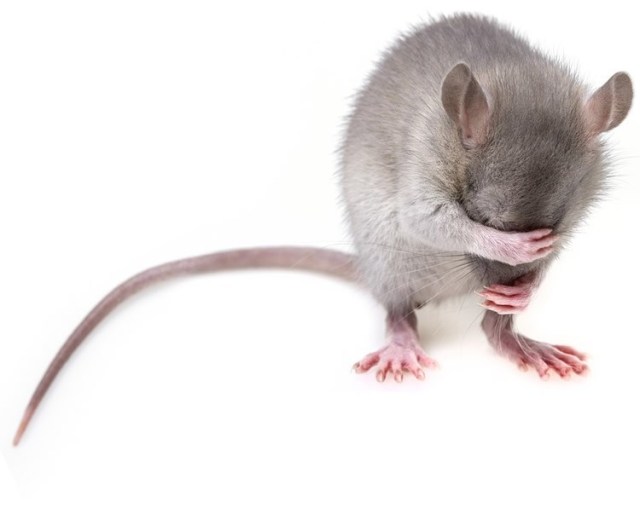
Why is it that we can get sad when we see someone else crying? Why is it that we wince when a friend cuts his finger? Researchers from the Netherlands Institute for Neuroscience have found that the rat brain activates the same cells when they observe the pain of others as when they experience pain themselves. In addition, without the activity of these “mirror neurons”, the animals no longer share the pain of others. As many psychiatric disorders are characterized by a lack of empathy, finding the neural basis for sharing the emotions of others, and being able to modify how much an animal shares the emotions of others, is an exciting step towards understanding empathy and these disorders. The findings will be published in the leading journal Current Biology on April 11th.

Human neuroimaging studies have shown that when we experience pain ourselves, we activate a region of the brain called “the cingulate cortex”. When we see someone else in pain, we reactivate the same region.

On the basis of this, researchers formulated two speculations: (a) the cingulate cortex contains mirror neurons, i.e. neurons that trigger our own feeling of pain and are reactivated when we see the pain of others, and (b) that this is the reason why we wince and feel pain while seeing the pain of others. This intuitively plausible theory of empathy, however, remained untested because it is not possible to record the activity of individual brain cells in humans. Moreover, it is not possible to modulate brain activity in the human cingulate cortex to determine whether this brain region is responsible for empathy.

Rat shares emotions of others

For the first time, researchers at the Netherlands Institute for Neuroscience were able to test the theory of empathy in rats. They had rats look at other rats receiving an unpleasant stimulus (mild shock), and measured what happened with the brain and behavior of the observing rat. When rats are scared, their natural reaction is to freeze to avoid being detected by predators. The researchers found that the rat also froze when it observed another rat exposed to an unpleasant situation.

This finding suggests that the observing rat shared the emotion of the other rat. Corresponding recordings of the cingulate cortex, the very region thought to underpin empathy in humans, showed that the observing rats activated the very neurons in the cingulate cortex that also became active when the rat experienced pain himself in a separate experiment. Subsequently, the researchers suppressed the activity of cells in the cingulate cortex through the injection of a drug. They found that observing rats no longer froze without activity in this brain region.

Same region in rats and humans

This study shows that the brain makes us share the pain of others by activating the same cells that trigger our own pain. So far, this had never been shown for emotions – so-called mirror neurons had only been found in the motor system. In addition, this form of pain empathy can be suppressed by modifying activity in the cingulate cortex.

“What is most amazing”, says Prof. Christian Keysers, the lead author of the study, “is that this all happens in exactly the same brain region in rats as in humans. We had already found in humans, that brain activity of the cingulate cortex increases when we observe the pain of others unless we are talking about psychopathic criminals, who show a remarkable reduction of this activity.” The study thus sheds some light on these mysterious psychopathological disorders. “It also shows us that empathy, the ability to feel with the emotions of others, is deeply rooted in our evolution. We share the fundamental mechanisms of empathy with animals like rats. Rats had so far not always enjoyed the highest moral reputation. So next time, you are tempted to call someone “a rat”, it might be taken as a compliment…”

I feel you: Emotional mirror neurons found in the rat

If You Get the Chills From Music, You May Have a Unique Brain With Particularly Strong Ability to Experience Intense Emotions

ummary: Researchers report on why some people experience more intense emotions while listening to music.

Source: USC.

When Alissa Der Sarkissian hears the song “Nude” by Radiohead, her body changes.

“I sort of feel that my breathing is going with the song, my heart is beating slower and I’m feeling just more aware of the song — both the emotions of the song and my body’s response to it,” said Der Sarkissian, a research assistant at USC’s Brain and Creativity Institute, based at the USC Dornsife College of Letters, Arts and Sciences.

Der Sarkissian is a friend of Matthew Sachs, a PhD student at USC who published a study last year investigating people like her, who get the chills from music.

The study, done while he was an undergraduate at Harvard University, found that people who get the chills from music actually have structural differences in the brain. They have a higher volume of fibers that connect their auditory cortex to the areas associated with emotional processing, which means the two areas communicate better.

“The idea being that more fibers and increased efficiency between two regions means that you have more efficient processing between them,” he said.

People who get the chills have an enhanced ability to experience intense emotions, Sachs said. Right now, that’s just applied to music because the study focused on the auditory cortex. But it could be studied in different ways down the line, Sachs pointed out.

Sachs studies psychology and neuroscience at USC’s Brain and Creativity Institute, where he’s working on various projects that involve music, emotions and the brain.

If You Get the Chills From Music, You May Have a Unique Brain

Historic Image of Black Hole Said to Prove Einstein’s Theory of Relativity

BY LI YEN, EPOCH TIMES

France Córdova, National Science Foundation director, said in a statement: “Black holes have sparked imaginations for decades. They have exotic properties and are mysterious to us.”

In fact, the mysterious black holes, dubbed as “monsters” by scientists, are not empty space, according to NASA. They are instead, as presented in Albert Einstein’s theory of general relativity, made up of “a great amount of matter packed into a very small area,” mostly formed from “the remnants of a large star that dies in a supernova explosion.”

Einstein predicted the existence of massive and dense black holes in the universe, where the gravitational fields are so strong that even light can’t escape.

The German-born American physicist, widely regarded as a genius today, made known this theory to the world more than a century ago on Nov. 25, 1915, at the Prussian Academy of Sciences.

“About a hundred years ago, Albert Einstein gave us a new description of the force of gravity, in which gravity exerts its influence through warps and curves in the fabric of space and time,” Brian Greene, a physicist at Columbia University, said in a video for the World Science.

After Einstein’s death, the scientific community discovered that black holes do exist, and there are countless such black holes spreading throughout the universe.

On April 10, the genius’s century-old theory of general relativity was further reaffirmed—the existence of the gravitational and light-sucking cosmic objects was reported to be true.

“Today, general relativity has passed another crucial test, this one spanning from horizons to the stars,” Avery Broderick, Event Horizon Telescope (EHT) team member of the University of Waterloo and the Perimeter Institute for Theoretical Physics in Canada, said during a press conference in Washington, D.C.

“You can see the ring Einstein’s relativity predicts,” Vincent Fish, a research scientist at MIT’s Haystack Observatory in Westford, and also one of the 200 scientists who was involved in the project, told the Boston Herald. “You know exactly how big that ring should be. This was the first opportunity to test that hypothesis.”

Dimitrios Psaltis, Professor of Astronomy and Physics at the University of Arizona, and EHT project scientist, said in a press release: “The Event Horizon Telescope allows us for the very first time to test the predictions of Einstein’s General Theory of Relativity around supermassive black holes in the centers of galaxies. The predicted size and shape of the shadow theory match our observations remarkably well, increasing our confidence in this century-old theory.”

“If immersed in a bright region, like a disc of glowing gas, we expect a black hole to create a dark region similar to a shadow—something predicted by Einstein’s general relativity that we’ve never seen before,” Heino Falcke of Radboud University, the Netherlands, chair of the EHT Science Council, said.

Some Refute Einstein’s Theory

Despite the theory that shot Einstein to fame, some scientists have said the theory doesn’t explain everything, and requires revision.

Speaking about gravity, Austrian physicist Andrea Ghez, who led a 20-year-long black hole experiment, told Express News: “You can hark back to the days of Newton—who had the previous best description of gravity—and at some point we realized we had to move beyond Newton, to get a more complete vision.”

Ghez added: “As we explore these more and more extreme conditions we see that there is something missing.

“the closer you get to the heart of the galaxy, the shorter the time scales become.”

In terms of light, central to Einstein’s Theory of General Relativity is that the speed of light is constant everywhere.

One counter theory by researchers suggests that the speed of light is varied, and that light traveled faster in the wake of the Big Bang—a significant blow to Einstein’s theory.

“The idea that the speed of light could be variable was radical when first proposed, but with a numerical prediction, it becomes something physicists can actually test. If true, it would mean that the laws of nature were not always the same as they are today,” cosmologist and theoretical physicist João Magueijo told news.com.au.

Location of the Historic Finding

The black hole that was discovered resides at the heart of a huge galaxy known as Messier 87 or M87, near the Virgo galaxy cluster, 55 million light years from Earth.

The first snapshot of the black hole was captured by scientists using a global network of eight linked telescopes that were stationed over five continents in April 2017 for a week-long observation of black holes, according to Event Horizon Telescope.

“This is an extraordinary scientific feat accomplished by a team of more than 200 researchers,” said Sheperd Doeleman, director of the EHT Collaboration.

The enormous black hole captured in the image is predicted to have a mass 6.5 billion times bigger than our sun. Researchers believe it may be the biggest black hole that can be viewed from Earth.

“M87’s huge black hole mass makes it really a monster, even by supermassive black hole standards,” Sera Markoff, an astrophysicist at the University of Amsterdam, told The Verge. “You’re basically looking at a supermassive black hole that’s almost the size of our entire Solar System.”

https://www.theepochtimes.com/historic-image-of-black-hole-said-to-prove-einsteins-theory-of-relativity_2876829.html

Sydney Brenner (1927-2019)

Sydney Brenner was one of the first to view James Watson and Francis Crick’s double helix model of DNA in April 1953. The 26-year-old biologist from South Africa was then a graduate student at the University of Oxford, UK. So enthralled was he by the insights from the structure that he determined on the spot to devote his life to understanding genes.

Iconoclastic and provocative, he became one of the leading biologists of the twentieth century. Brenner shared in the 2002 Nobel Prize in Physiology or Medicine for deciphering the genetics of programmed cell death and animal development, including how the nervous system forms. He was at the forefront of the 1975 Asilomar meeting to discuss the appropriate use of emerging abilities to alter DNA, was a key proponent of the Human Genome Project, and much more. He died on 5 April.

Brenner was born in 1927 in Germiston, South Africa to poor immigrant parents. Bored by school, he preferred to read books borrowed (sometimes permanently) from the public library, or to dabble with a self-assembled chemistry set. His extraordinary intellect — he was reading newspapers by the age of four — did not go unnoticed. His teachers secured an award from the town council to send him to medical school.

Brenner entered the University of the Witwatersrand in Johannesburg at the age of 15 (alongside Aaron Klug, another science-giant-in-training). Here, certain faculty members, notably the anatomist Raymond Dart, and fellow research-oriented medical students enriched his interest in science. On finishing his six-year course, his youth legally precluded him from practising medicine, so he devoted two years to learning cell biology at the bench. His passion for research was such that he rarely set foot on the wards — and he initially failed his final examination in internal medicine.


Sydney Brenner (right) with John Sulston, who both shared the Nobel Prize in Physiology or Medicine with Robert Horvitz in 2002.Credit: Steve Russell/Toronto Star/Getty

In 1952 Brenner won a scholarship to the Department of Physical Chemistry at Oxford. His adviser, Cyril Hinshelwood, wanted to pursue the idea that the environment altered observable characteristics of bacteria. Brenner tried to convince him of the role of genetic mutation. Two years later, with doctorate in hand, Brenner spent the summer of 1954 in the United States visiting labs, including Cold Spring Harbor in New York state. Here he caught up with Watson and Crick again.

Impressed, Crick recruited the young South African to the University of Cambridge, UK, in 1956. In the early 1960s, using just bacteria and bacteriophages, Crick and Brenner deciphered many of the essentials of gene function in a breathtaking series of studies.

Brenner had proved theoretically in the mid-1950s that the genetic code is ‘non-overlapping’ — each nucleotide is part of only one triplet (three nucleotides specify each amino acid in a protein) and successive ‘triplet codons’ are read in order. In 1961, Brenner and Crick confirmed this in the lab. The same year, Brenner, with François Jacob and Matthew Meselson, published their demonstration of the existence of messenger RNA. Over the next two years, often with Crick, Brenner showed how the synthesis of proteins encoded by DNA sequences is terminated.

This intellectual partnership dissolved when Brenner began to focus on whole organisms in the mid-1960s. He finally alighted on Caenorhabditis elegans. Studies of this tiny worm in Brenner’s arm of the legendary Laboratory of Molecular Biology (LMB) in Cambridge led to the Nobel for Brenner, Robert Horvitz and John Sulston.


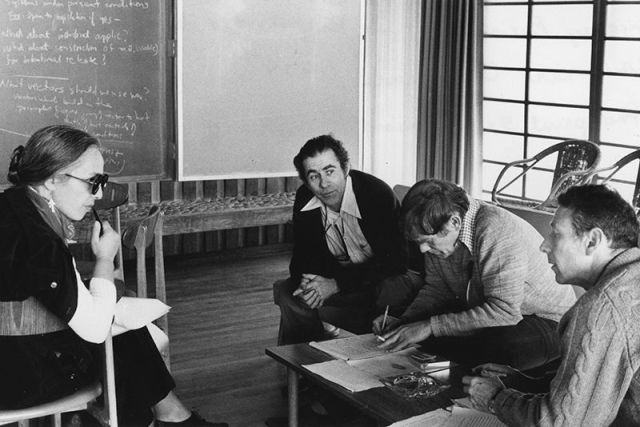
Maxine Singer, Norton Zinder, Sydney Brenner and Paul Berg (left to right) at the 1975 meeting on recombinant DNA technology in Asilomar, California.Credit: NAS

And his contributions went well beyond the lab. In 1975, with Paul Berg and others, he organized a meeting at Asilomar, California, to draft a position paper on the United States’ use of recombinant DNA technology — introducing genes from one species into another, usually bacteria. Brenner was influential in persuading attendees to treat ethical and societal concerns seriously. He stressed the importance of thoughtful guidelines for deploying the technology to avoid overly restrictive regulation.

He served as director of the LMB for about a decade. Despite describing the experience as the biggest mistake in his life, he took the lab (with its stable of Nobel laureates and distinguished staff) to unprecedented prominence. In 1986, he moved to a new Medical Research Council (MRC) unit of molecular genetics at the city’s Addenbrooke’s Hospital, and began work in the emerging discipline of evolutionary genomics. Brenner also orchestrated Britain’s involvement in the Human Genome Project in the early 1990s.

From the late 1980s, Brenner steered the development of biomedical research in Singapore. Here he masterminded Biopolis, a spectacular conglomerate of chrome and glass buildings dedicated to biomedical research. He also helped to guide the Janelia Farm campus of the Howard Hughes Medical Institute in Ashburn, Virginia, and to restructure molecular biology in Japan.

Brenner dazzled, amused and sometimes offended audiences with his humour, irony and disdain of authority and dogma — prompting someone to describe him as “one of biology’s mischievous children; the witty trickster who delights in stirring things up.” His popular columns in Current Biology (titled ‘Loose Ends’ and, later, ‘False Starts’) in the mid-1990s led some seminar hosts to introduce him as Uncle Syd, a pen name he ultimately adopted.

Sydney was aware of the debt he owed to being in the right place at the right time. He attributed his successes to having to learn scientific independence in a remote part of the world, with few role models and even fewer mentors. He recounted the importance of arriving in Oxford with few scientific biases, and leaving with the conviction that seeing the double helix model one chilly April morning would be a defining moment in his life.

The Brenner laboratories (he often operated more than one) spawned a generation of outstanding protégés, including five Nobel laureates. Those who dedicated their careers to understanding the workings of C. elegans now number in the thousands. Science will be considerably poorer without Sydney. But his name will live forever in the annals of biology.

https://www.nature.com/articles/d41586-019-01192-9

Unknown human relative discovered in Philippine cave, Homo luzonensis, that lived more than 50,000 years ago.


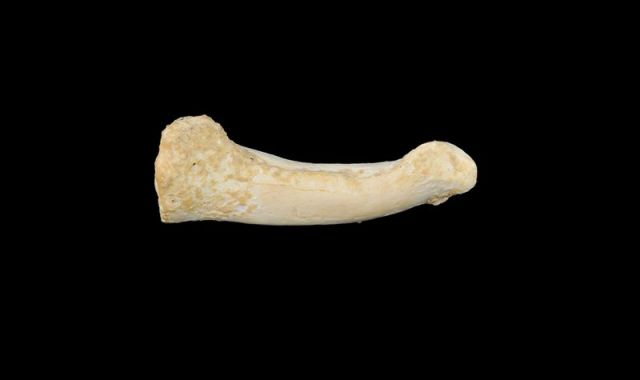
Remains from Callao Cave in the Philippines, including a foot bone, belong to a new hominin species, Homo luzonensis.Credit: Rob Rownd, UP-ASP Film Inst.

The human family tree has grown another branch, after researchers unearthed remains of a previously unknown hominin species from a cave in the Philippines. They have named the new species, which was probably small-bodied, Homo luzonensis.

The discovery, reported in Nature on 10 April1, is likely to reignite debates over when ancient human relatives first left Africa. And the age of the remains — possibly as young as 50,000 years old — suggests that several different human species once co-existed across southeast Asia.

The first traces of the new species turned up more than a decade ago, when researchers reported the discovery of a foot bone dating to at least 67,000 years old in Callao Cave on the island of Luzon, in the Philippines2. The researchers were unsure which species the bone was from, but they reported that it resembled that of a small Homo sapiens.

Further excavations of Callao Cave uncovered a thigh bone, seven teeth, two foot bones and two hand bones — with features unlike those of other human relatives, contends the team, co-led by Florent Détroit, a palaeoanthropologist at the National Museum of Natural History in Paris. The remains come from at least two adults and one child.

“Together, they create a strong argument that this is something new,” says Matthew Tocheri, a palaeoanthropologist at Lakehead University in Thunder Bay, Canada.

Hominin history
H. luzonensis is the second new human species to be identified in southeast Asia in recent years. In 2004, another group announced the discovery3 of Homo floresiensis — also known as the Hobbit — a species that would have stood just over a metre in height, on the Indonesian island of Flores.

But Détroit and his colleagues argue that the Callao Cave remains are distinct from those of H. floresiensis and other hominins — including a species called Homo erectus thought to have been the first human relative to leave Africa, some 2 million years ago.


Seven hominin teeth, including molars and premolars, were found in Callao Cave.Credit: Callao Cave Archaeology Project

The newly discovered molars are extremely small compared with those of other ancient human relatives. Elevated cusps on the molars, like those in H. sapiens, are not as pronounced as they were in earlier hominins. The shape of the internal molar enamel looks similar to that of both H. sapiens and H. erectus specimens found in Asia. The premolars discovered at Callao Cave are small but still in the range of those of H. sapiens and H. floresiensis. But the authors report that the overall size of the teeth, as well as the ratio between molar and premolar size, is distinct from those of other members of the genus Homo.

The shape of the H. luzonensis foot bones is also distinct. They most resemble those of Australopithecus — primitive hominins, including the famous fossil Lucy, thought not to have ever left Africa. Curves in the toe bones and a finger bone of H. luzonensis suggest that the species might have been adept at climbing trees.


Curves in the toe bones of H. luzonensis may have been adaptations for climbing.Credit: Callao Cave Archaeology Project

The researchers are cautious about estimating H. luzonensis’ height, because there are only a few remains to go on. But given its small teeth, and the foot bone reported in 2010, Détroit thinks that its body size was within the range of small H. sapiens, such as members of some Indigenous ethnic groups living on Luzon and elsewhere in the Philippines today, sometimes known collectively as the Philippine Negritos. Men from these groups living in Luzon have a recorded mean height of around 151 centimetres and the women about 142 centimetres.

The right fit
Researchers are split on how H. luzonensis fits into the human family tree. Détroit favours the view that the new species descends from a H. erectus group whose bodies gradually evolved into forms different from those of their ancestors.

“You get different evolutionary pathways on islands,” says palaeontologist Gerrit van den Bergh at the University of Wollongong in Australia. “We can imagine H. erectus arrives on islands like Luzon or Flores, and no longer needs to engage in endurance running but needs to adapt to spend the night in trees.”

But, given the species’ similarities to Australopithecus, Tocheri wonders whether the Callao Cave dwellers descended from a line that migrated out of Africa before H. erectus.

Genetic material from the remains could help scientists to identify the species’ relationship to other hominins, but efforts to extract DNA from H. luzonensis have failed so far. However, the bones and teeth were dated to at least 50,000 years old. This suggests that the species might have been roaming southeast Asia at the same time as H. sapiens, H. floresiensis and a mysterious group known as the Denisovans, whose DNA has been found in contemporary humans in southeast Asia.

“Island southeast Asia appears to be full of palaeontological surprises that complicate simple scenarios of human evolution,” says William Jungers, a palaeoanthropologist at Stony Brook University in New York.

https://www.nature.com/articles/d41586-019-01152-3?utm_source=Nature+Briefing&utm_campaign=669ddc32b9-briefing-dy-20190411&utm_medium=email&utm_term=0_c9dfd39373-669ddc32b9-44039353