Neuroscientists reverse some behavioral symptoms of Williams syndrome

Williams Syndrome, a rare neurodevelopmental disorder that affects about one in 10,000 babies born in the United States, produces a range of symptoms including cognitive impairments, cardiovascular problems, and extreme friendliness, or hypersociability.

In a study of mice, MIT neuroscientists have garnered new insight into the molecular mechanisms that underlie this hypersociability. They found that loss of one of the genes linked to Williams Syndrome leads to a thinning of the fatty layer that insulates neurons and helps them conduct electrical signals in the brain.

The researchers also showed that they could reverse the symptoms by boosting production of this coating, known as myelin. This is significant, because while Williams Syndrome is rare, many other neurodevelopmental disorders and neurological conditions have been linked to myelination deficits, says Guoping Feng, the James W. and Patricia Poitras Professor of Neuroscience and a member of MIT’s McGovern Institute for Brain Research.

“The importance is not only for Williams Syndrome,” says Feng, who is one of the senior authors of the study. “In other neurodevelopmental disorders, especially in some of the autism spectrum disorders, this could be potentially a new direction to look into, not only the pathology but also potential treatments.”

Zhigang He, a professor of neurology and ophthalmology at Harvard Medical School, is also a senior author of the paper, which appears in the April 22 issue of Nature Neuroscience. Former MIT postdoc Boaz Barak, currently a principal investigator at Tel Aviv University in Israel, is the lead author and a senior author of the paper.

Impaired myelination

Williams Syndrome, which is caused by the loss of one of the two copies of a segment of chromosome 7, can produce learning impairments, especially for tasks that require visual and motor skills, such as solving a jigsaw puzzle. Some people with the disorder also exhibit poor concentration and hyperactivity, and they are more likely to experience phobias.

In this study, the researchers decided to focus on one of the 25 genes in that segment, known as Gtf2i. Based on studies of patients with a smaller subset of the genes deleted, scientists have linked the Gtf2i gene to the hypersociability seen in Williams Syndrome.

Working with a mouse model, the researchers devised a way to knock out the gene specifically from excitatory neurons in the forebrain, which includes the cortex, the hippocampus, and the amygdala (a region important for processing emotions). They found that these mice did show increased levels of social behavior, measured by how much time they spent interacting with other mice. The mice also showed deficits in fine motor skills and increased nonsocial related anxiety, which are also symptoms of Williams Syndrome.

Next, the researchers sequenced the messenger RNA from the cortex of the mice to see which genes were affected by loss of Gtf2i. Gtf2i encodes a transcription factor, so it controls the expression of many other genes. The researchers found that about 70 percent of the genes with significantly reduced expression levels were involved in the process of myelination.

“Myelin is the insulation layer that wraps the axons that extend from the cell bodies of neurons,” Barak says. “When they don’t have the right properties, it will lead to faster or slower electrical signal transduction, which affects the synchronicity of brain activity.”

Further studies revealed that the mice had only about half the normal number of mature oligodendrocytes—the brain cells that produce myelin. However, the number of oligodendrocyte precursor cells was normal, so the researchers suspect that the maturation and differentiation processes of these cells are somehow impaired when Gtf2i is missing in the neurons.

This was surprising because Gtf2i was not knocked out in oligodendrocytes or their precursors. Thus, knocking out the gene in neurons may somehow influence the maturation process of oligodendrocytes, the researchers suggest. It is still unknown how this interaction might work.

“That’s a question we are interested in, but we don’t know whether it’s a secreted factor, or another kind of signal or activity,” Feng says.

In addition, the researchers found that the myelin surrounding axons of the forebrain was significantly thinner than in normal mice. Furthermore, electrical signals were smaller, and took more time to cross the brain in mice with Gtf2i missing.

Symptom reversal

It remains to be discovered precisely how this reduction in myelination leads to hypersociability. The researchers suspect that the lack of myelin affects brain circuits that normally inhibit social behaviors, making the mice more eager to interact with others.

“That’s probably the explanation, but exactly which circuits and how does it work, we still don’t know,” Feng says.

The researchers also found that they could reverse the symptoms by treating the mice with drugs that improve myelination. One of these drugs, an FDA-approved antihistamine called clemastine fumarate, is now in clinical trials to treat multiple sclerosis, which affects myelination of neurons in the brain and spinal cord. The researchers believe it would be worthwhile to test these drugs in Williams Syndrome patients because they found thinner myelin and reduced numbers of mature oligodendrocytes in brain samples from human subjects who had Williams Syndrome, compared to typical human brain samples.

“Mice are not humans, but the pathology is similar in this case, which means this could be translatable,” Feng says. “It could be that in these patients, if you improve their myelination early on, it could at least improve some of the conditions. That’s our hope.”

Such drugs would likely help mainly the social and fine-motor issues caused by Williams Syndrome, not the symptoms that are produced by deletion of other genes, the researchers say. They may also help treat other disorders, such as autism spectrum disorders, in which myelination is impaired in some cases, Feng says.

“We think this can be expanded into autism and other neurodevelopmental disorders. For these conditions, improved myelination may be a major factor in treatment,” he says. “We are now checking other animal models of neurodevelopmental disorders to see whether they have myelination defects, and whether improved myelination can improve some of the pathology of the defects.”

More information: Neuronal deletion of Gtf2i, associated with Williams syndrome, causes behavioral and myelin alterations rescuable by a remyelinating drug, Nature Neuroscience (2019). DOI: 10.1038/s41593-019-0380-9 , https://www.nature.com/articles/s41593-019-0380-9

https://medicalxpress.com/news/2019-04-neuroscientists-reverse-behavioral-symptoms-williams.html
‘Longevity gene’ (SIRT6) responsible for more efficient DNA repair

by Lindsey Valich

Explorers have dreamt for centuries of a Fountain of Youth, with healing waters that rejuvenate the old and extend life indefinitely.

Researchers at the University of Rochester, however, have uncovered more evidence that the key to longevity resides instead in a gene.

In a new paper published in the journal Cell, the researchers—including Vera Gorbunova and Andrei Seluanov, professors of biology; Dirk Bohmann, professor of biomedical genetics; and their team of students and postdoctoral researchers—found that the gene sirtuin 6 (SIRT6) is responsible for more efficient DNA repair in species with longer lifespans. The research illuminates new targets for anti-aging interventions and could help prevent age-related diseases.

Inevitable double-strand breaks

As humans and other mammals grow older, their DNA is increasingly prone to breaks, which can lead to gene rearrangements and mutations—hallmarks of cancer and aging. For that reason, researchers have long hypothesized that DNA repair plays an important role in determining an organism’s lifespan. While behaviors like smoking can exacerbate double-strand breaks (DSBs) in DNA, the breaks themselves are unavoidable. “They are always going to be there, even if you’re super healthy,” says Bohmann. “One of the main causes of DSBs is oxidative damage and, since we need oxygen to breathe, the breaks are inevitable.”

Organisms like mice have a smaller chance of accumulating double-strand breaks in their comparatively short lives, versus organisms with longer lifespans, Bohmann says. “But, if you want to live for 50 years or so, there’s more of a need to put a system into place to fix these breaks.”

The longevity gene

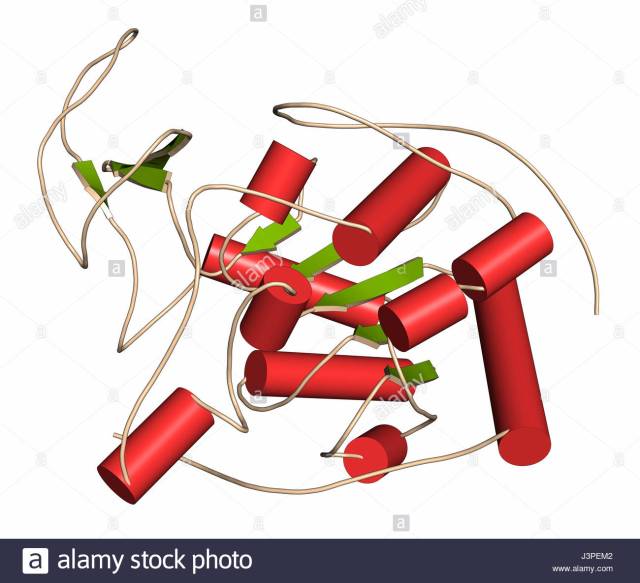
SIRT6 is often called the “longevity gene” because of its important role in organizing proteins and recruiting enzymes that repair broken DNA; additionally, mice without the gene age prematurely, while mice with extra copies live longer. The researchers hypothesized that if more efficient DNA repair is required for a longer lifespan, organisms with longer lifespans may have evolved more efficient DNA repair regulators. Is SIRT6 activity therefore enhanced in longer-lived species?

To test this theory, the researchers analyzed DNA repair in 18 rodent species with lifespans ranging from 3 years (mice) to 32 years (naked mole rats and beavers). They found that the rodents with longer lifespans also experience more efficient DNA repair because the products of their SIRT6 genes—the SIRT6 proteins—are more potent. That is, SIRT6 is not the same in every species. Instead, the gene has co-evolved with longevity, becoming more efficient so that species with a stronger SIRT6 live longer. “The SIRT6 protein seems to be the dominant determinant of lifespan,” Bohmann says. “We show that at the cell level, the DNA repair works better, and at the organism level, there is an extended lifespan.”

The researchers then analyzed the molecular differences between the weaker SIRT6 protein found in mice versus the stronger SIRT6 found in beavers. They identified five amino acids responsible for making the stronger SIRT6 protein “more active in repairing DNA and better at enzyme functions,” Gorbunova says. When the researchers inserted beaver and mouse SIRT6 into human cells, the beaver SIRT6 better reduced stress-induced DNA damage compared to when researchers inserted the mouse SIRT6. The beaver SIRT6 also better increased the lifespan of fruit flies versus fruit flies with mouse SIRT6.

Species with even more robust SIRT6?

Although it appears that human SIRT6 is already optimized to function, “we have other species that are even longer lived than humans,” Seluanov says. Next steps in the research involve analyzing whether species that have longer lifespans than humans—like the bowhead whale, which can live more than 200 years—have evolved even more robust SIRT6 genes.

The ultimate goal is to prevent age-related diseases in humans, Gorbunova says. “If diseases happen because of DNA that becomes disorganized with age, we can use research like this to target interventions that can delay cancer and other degenerative diseases.”

https://phys.org/news/2019-04-longevity-gene-responsible-efficient-dna.html

Flat-Earthers’ Cruise Will Sail to Antarctica ‘Ice Wall’ at the Planet’s Edge

By Mindy Weisberger

Organizers of an annual conference that brings together people who believe that the Earth is flat are planning a cruise to the purported edge of the planet. They’re looking for the ice wall that holds back the oceans.

The journey will take place in 2020, the Flat Earth International Conference (FEIC) recently announced on its website. The goal? To test so-called flat-Earthers’ assertion that Earth is a flattened disk surrounded at its edge by a towering wall of ice.

Details about the event, including the dates, are forthcoming, according to the FEIC, which calls the cruise “the biggest, boldest adventure yet.” However, it’s worth noting that nautical maps and navigation technologies such as global positioning systems (GPS) work as they do because the Earth is … a globe.

Believers in a flat Earth argue that images showing a curved horizon are fake and that photos of a round Earth from space are part of a vast conspiracy perpetrated by NASA and other space agencies to hide Earth’s flatness. These and other flat-Earth assertions appear on the website of the Flat Earth Society (FES), allegedly the world’s oldest official flat Earth organization, dating to the early 1800s.

However, the ancient Greeks demonstrated that Earth was a sphere more than 2,000 years ago, and the gravity that keeps everything on the planet from flying off into space could exist only on a spherical world.

But in diagrams shared on the FES website, the planet appears as a pancake-like disk with the North Pole smack in the center and an edge “surrounded on all sides by an ice wall that holds the oceans back.” This ice wall — thought by some flat-Earthers to be Antarctica — is the destination of the promised FEIC cruise.

There’s just one catch: Navigational charts and systems that guide cruise ships and other vessels around Earth’s oceans are all based on the principle of a round Earth, Henk Keijer, a former cruise ship captain with 23 years of experience, told The Guardian.

GPS relies on a network of dozens of satellites orbiting thousands of miles above Earth; signals from the satellites beam down to the receiver inside of a GPS device, and at least three satellites are required to pinpoint a precise position because of Earth’s curvature, Keijer explained.

“Had the Earth been flat, a total of three satellites would have been enough to provide this information to everyone on Earth,” Keijer said. “But it is not enough, because the Earth is round.”

Whether or not the FEIC cruise will rely on GPS or deploy an entirely new flat-Earth-based navigation system for finding the end of the world, remains to be seen.

https://www.livescience.com/65053-flat-earther-cruise-antarctica-ice-wall.html?utm_source=ls-newsletter&utm_medium=email&utm_campaign=20190422-ls

Poverty leaves a mark on our genes

A new Northwestern University study challenges prevailing understandings of genes as immutable features of biology that are fixed at conception.

Previous research has shown that socioeconomic status (SES) is a powerful determinant of human health and disease, and social inequality is a ubiquitous stressor for human populations globally. Lower educational attainment and/or income predict increased risk for heart disease, diabetes, many cancers and infectious diseases, for example. Furthermore, lower SES is associated with physiological processes that contribute to the development of disease, including chronic inflammation, insulin resistance and cortisol dysregulation.

In this study, researchers found evidence that poverty can become embedded across wide swaths of the genome. They discovered that lower socioeconomic status is associated with levels of DNA methylation (DNAm) — a key epigenetic mark that has the potential to shape gene expression — at more than 2,500 sites, across more than 1,500 genes.

In other words, poverty leaves a mark on nearly 10 percent of the genes in the genome.

Lead author Thomas McDade said this is significant for two reasons.

“First, we have known for a long time that SES is a powerful determinant of health, but the underlying mechanisms through which our bodies ‘remember’ the experiences of poverty are not known,” said McDade, professor of anthropology in the Weinberg College of Arts and Sciences at Northwestern and director of the Laboratory for Human Biology Research.

“Our findings suggest that DNA methylation may play an important role, and the wide scope of the associations between SES and DNAm is consistent with the wide range of biological systems and health outcomes we know to be shaped by SES.”

Secondly, said McDade, also a faculty fellow at Northwestern’s Institute for Policy Research, experiences over the course of development become embodied in the genome, to literally shape its structure and function.

“There is no nature vs. nurture,” he adds.

McDade said he was surprised to find so many associations between socioeconomic status and DNA methylation, across such a large number of genes.

“This pattern highlights a potential mechanism through which poverty can have a lasting impact on a wide range of physiological systems and processes,” he said.

Follow-up studies will be needed to determine the health consequences of differential methylation at the sites the researchers identified, but many of the genes are associated with processes related to immune responses to infection, skeletal development and development of the nervous system.

“These are the areas we’ll be focusing on to determine if DNA methylation is indeed an important mechanism through which socioeconomic status can leave a lasting molecular imprint on the body, with implications for health later in life,” McDade said.

###

“Genome-wide analysis of DNA methylation in relation to socioeconomic status during development and early adulthood” published recently in the American Journal of Physical Anthropology.

In addition to McDade, co-authors include Calen P. Ryan, Northwestern; Meaghan J. Jones, University of British Columbia; Morgan K. Hoke, University of Pennsylvania; Judith Borja, University of San Carlos; Gregory E. Miller and Christopher W. Kuzawa of Northwestern; and Michael S. Kobor, University of British Columbia.

https://www.eurekalert.org/pub_releases/2019-04/nu-pla040419.php

Thanks to Kebmodee for bringing this to the It’s Interesting community.

Exploring Leonardo da Vinci’s knowledge of the brain

Summary: A new study looks at Leonardo da Vinci’s contribution to neuroscience and the advancement of modern sciences.

Source: Profiles, Inc

May 2, 2019, marks the 500th anniversary of Leonardo da Vinci’s death. A cultural icon, artist, engineer and experimentalist of the Renaissance period, Leonardo continues to inspire people around the globe. Jonathan Pevsner, PhD, professor and research scientist at the Kennedy Krieger Institute, wrote an article featured in the April edition of The Lancet titled, “Leonardo da Vinci’s studies of the brain.” In the piece, Pevsner highlights the exquisite drawings and curiosity, dedication and scientific rigor that led Leonardo to make penetrating insights into how the brain functions.

Through his research, Pevsner shares that Leonardo was the first to identify the olfactory nerve as a cranial nerve. He details how Leonardo performed intricate studies on the peripheral nervous system, challenging the findings of earlier authorities and introducing methods centuries earlier than other anatomists and physiologists. Pevsner also delves into Leonardo’s pioneering experiment on the ventricles by replicating his technique of injecting wax to make a cast of the ventricles in the brain to determine their overall shape and size. This further demonstrates Leonardo’s original thinking and advanced intelligence.

“Leonardo’s work reflects the emergence of the modern scientific era and forms a key part of his integrative approach to art and science,” said Pevsner.

“He asked questions about how the brain works in health and in disease. He sought to understand changes in the brain that occur in epilepsy, or why the mental state of a pregnant mother can directly affect the physical well-being of her child. At the Kennedy Krieger Institute, many of us struggle to answer the same questions. While science and technology have advanced at a breathtaking pace, we still need Leonardo’s qualities of passion, curiosity, the ability to visualize knowledge, and clear thinking to guide us forward.”

While Pevsner is viewed as an expert in Leonardo da Vinci, his main profession and passion is research into the molecular basis of childhood and adult brain disorders in his lab at Kennedy Krieger Institute. His lab reported the mutation that causes Sturge-Weber syndrome, and ongoing studies include bipolar disorder, autism spectrum disorder and schizophrenia. He is the author of the textbook, Bioinformatics and Functional Genomics.

Exploring Leonardo da Vinci’s knowledge of the brain

NeuroServo’s portable EEG could become a better way to detect delirium

by Amirah Al Idrus

When Nicolas Tremblay put three electroencephalogram (EEG) electrodes into a baseball cap, he was trying to build a tool to track focus in children with ADHD. He was pitching the device at a health hackathon last October when a nurse from the Montreal Heart Institute approached him with an idea: What if it could be modified for use in hospitals to diagnose patients with delirium?

Delirium—a sudden state of confusion characterized by reduced awareness of the sufferer’s environment—comes on suddenly and can last from hours to days. The American Delirium Society estimates the condition affects more than 7 million hospitalized Americans each year and, according to a Harvard Health report, delirium is the most common complication of hospitalization in people 65 and older.

Compared to hospitalized patients without delirium, those who suffer delirium tend to stay longer in the hospital and are more likely to develop dementia or other types of cognitive impairment and need long-term care after leaving hospital. Delirium is commonly detected via the Confusion Assessment Method, which helps health professionals identify problems with attention, memory, orientation and visual ability. Essentially, patients are asked a set of questions to assess their mental state. Though the method is standardized, it is not an objective test for the condition. What’s more, this approach doesn’t detect delirium early.

“Current methods are only able to detect delirium when the brain is already malfunctioning,” Tremblay said. “When delirium is detected at a later stage, it takes longer to bring the patient back. It costs a lot to the hospital because they have to keep the patient in hospital to revert delirium.”

NeuroServo set about creating a device to catch attention problems in hospitalized patients early, before these deficits manifest physically. Its educational tool, the electrode-fitted hat, measures electrical activity in the brain and signals attention—or lack thereof—via a built-in light that changes color. The device can also send EEG results via Bluetooth to a tablet app used by a teacher.

With input from doctors and nurses, NeuroServo developed a sterile version of the device, a disposable plastic strip holding three EEG electrodes that can be adhered to the patient’s forehead. It attaches to a portable EEG module that clips onto the patient’s jacket.

Using EEG to detect delirium isn’t a new concept; there is scientific proof that delirium can be found with EEG, Tremblay said. But using a traditional EEG on large numbers of patients just isn’t practical: The equipment is cumbersome, the process can require as many as 256 electrodes placed all over the scalp and a neurologist is needed to interpret the results.

NeuroServo’s device uses several algorithms specialized in a specific area of signal analysis, Tremblay said.

“The sum of these analyses is then used to return an easy-to-read graph and results to the nurse or caregiver,” he said.

As for the number of electrodes, NeuroServo’s electronics and algorithms are designed to obtain the best medical-grade EEG signal out of the forehead. ”This allows us to carefully track brain signals in the prefrontal cortex who is responsible for executive functions like attention control or cognitive flexibility,” Tremblay said.

He hopes to keep serving the educational market even as NeuroServo makes a push into the medtech sector. The company is still selling the cap for kids with ADHD, and the device is currently in a pilot study in France in children with autism spectrum disorder. As for its use as a delirium diagnostic tool, the Montreal Heart Institute is kicking off a pilot study this month. McGill University Health Centre will start a pilot later this year, and NeuroServo is working on a third study at a hospital in Boston.

What comes next depends on the outcome of those studies.

“We are waiting for the pilot results to be able to apply for approval from Health Canada, the FDA and so on,” Tremblay said.

NeuroServo is just one player working to make EEG possible for an area in which it has historically not been viable. Mountain View, California-based Ceribell came up with a portable device that quickly detects nonconvulsive seizures in ICU patients. Like NeuroServo’s device, Ceribell’s system doesn’t require a specialist to read its results—instead, it converts EEG signals into sound for a yes/no diagnosis within minutes.

https://www.fiercebiotech.com/biotech/neuroservo-s-portable-eeg-could-become-a-better-way-to-detect-delirium

Heads in the cloud: Scientists predict internet of thoughts ‘within decades’


B/CI technology might also allow us to create a future “global superbrain” that would connect networks of individual human brains and AIs to enable collective thought. The image is in the public doamin.

Summary: Researchers predict the development of a brain/cloud interface that connects neurons to cloud computing networks in real time.

Source: Frontiers

Imagine a future technology that would provide instant access to the world’s knowledge and artificial intelligence, simply by thinking about a specific topic or question. Communications, education, work, and the world as we know it would be transformed.

Writing in Frontiers in Neuroscience, an international collaboration led by researchers at UC Berkeley and the US Institute for Molecular Manufacturing predicts that exponential progress in nanotechnology, nanomedicine, AI, and computation will lead this century to the development of a “Human Brain/Cloud Interface” (B/CI), that connects neurons and synapses in the brain to vast cloud-computing networks in real time.

Nanobots on the brain

The B/CI concept was initially proposed by futurist-author-inventor Ray Kurzweil, who suggested that neural nanorobots – brainchild of Robert Freitas, Jr., senior author of the research – could be used to connect the neocortex of the human brain to a “synthetic neocortex” in the cloud. Our wrinkled neocortex is the newest, smartest, ‘conscious’ part of the brain.

Freitas’ proposed neural nanorobots would provide direct, real-time monitoring and control of signals to and from brain cells.

“These devices would navigate the human vasculature, cross the blood-brain barrier, and precisely autoposition themselves among, or even within brain cells,” explains Freitas. “They would then wirelessly transmit encoded information to and from a cloud-based supercomputer network for real-time brain-state monitoring and data extraction.”

The internet of thoughts

This cortex in the cloud would allow “Matrix”-style downloading of information to the brain, the group claims.

“A human B/CI system mediated by neuralnanorobotics could empower individuals with instantaneous access to all cumulative human knowledge available in the cloud, while significantly improving human learning capacities and intelligence,” says lead author Dr. Nuno Martins.

B/CI technology might also allow us to create a future “global superbrain” that would connect networks of individual human brains and AIs to enable collective thought.

“While not yet particularly sophisticated, an experimental human ‘BrainNet’ system has already been tested, enabling thought-driven information exchange via the cloud between individual brains,” explains Martins. “It used electrical signals recorded through the skull of ‘senders’ and magnetic stimulation through the skull of ‘receivers,’ allowing for performing cooperative tasks.

“With the advance of neuralnanorobotics, we envisage the future creation of ‘superbrains’ that can harness the thoughts and thinking power of any number of humans and machines in real time. This shared cognition could revolutionize democracy, enhance empathy, and ultimately unite culturally diverse groups into a truly global society.”

When can we connect?

According to the group’s estimates, even existing supercomputers have processing speeds capable of handling the necessary volumes of neural data for B/CI – and they’re getting faster, fast.

Rather, transferring neural data to and from supercomputers in the cloud is likely to be the ultimate bottleneck in B/CI development.

“This challenge includes not only finding the bandwidth for global data transmission,” cautions Martins, “but also, how to enable data exchange with neurons via tiny devices embedded deep in the brain.”

One solution proposed by the authors is the use of ‘magnetoelectric nanoparticles’ to effectively amplify communication between neurons and the cloud.

“These nanoparticles have been used already in living mice to couple external magnetic fields to neuronal electric fields – that is, to detect and locally amplify these magnetic signals and so allow them to alter the electrical activity of neurons,” explains Martins. “This could work in reverse, too: electrical signals produced by neurons and nanorobots could be amplified via magnetoelectric nanoparticles, to allow their detection outside of the skull.”

Getting these nanoparticles – and nanorobots – safely into the brain via the circulation, would be perhaps the greatest challenge of all in B/CI.

“A detailed analysis of the biodistribution and biocompatibility of nanoparticles is required before they can be considered for human development. Nevertheless, with these and other promising technologies for B/CI developing at an ever-increasing rate, an ‘internet of thoughts’ could become a reality before the turn of the century,” Martins concludes.

Heads in the cloud: Scientists predict internet of thoughts ‘within decades’

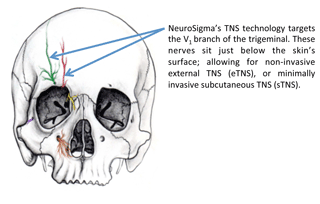
FDA gives green light to first medical device to treat ADHD in children: Monarch external Trigeminal Nerve Stimulation System (eTNS)

The Food and Drug Administration (FDA) approved Friday the first medical device to treat childhood attention deficit hyperactivity disorder, or ADHD.

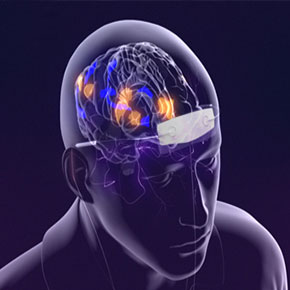
The device, approved for children ages 7 to 12 who do not currently take ADHD medicine, delivers a low-level electrical pulse to a patch placed on the forehead that interacts with the parts of the brain responsible for ADHD symptoms.

“This new device offers a safe, non-drug option for treatment of ADHD in pediatric patients through the use of mild nerve stimulation, a first of its kind,” Carlos Peña, director of the Division of Neurological and Physical Medicine Devices in the FDA’s Center for Devices and Radiological Health, said in a statement.

“Today’s action reflects our deep commitment to working with device manufacturers to advance the development of pediatric medical devices so that children have access to innovative, safe and effective medical devices that meet their unique needs.”

The device, called the Monarch external Trigeminal Nerve Stimulation System (eTNS), is marketed by NeuroSigma and is only available by prescription and must be monitored by a caregiver.

eTNS, which is designed to fit inside one’s pocket, is connected by wire to a patch that is placed on the forehead while sleeping and delivers a “tingling” electrical impulse to branches of the trigeminal nerve.

“While the exact mechanism of eTNS is not yet known, neuroimaging studies have shown that eTNS increases activity in the brain regions that are known to be important in regulating attention, emotion and behavior,” the FDA said.

The FDA also conducted a trial with 62 children with ADHD in which a group that used eTNS had “significant improvement” in their symptoms as opposed to another group that used a placebo.

Side effects of the treatment include drowsiness, an increase in appetite, trouble sleeping, teeth clenching, headache and fatigue. The device should not be placed near a phone or used by children on an insulin pump, pacemaker or implanted neurostimulator, the FDA said.

The FDA found no serious adverse events associated with eTNS.

The device is not currently covered by insurance and has a price tag of just over $1,000 for a starter kit, according to the NeuroSigma website.

FDA gives green light to first medical device to treat ADHD in children

Peer-reviewed scientific grants are more likely to be funded when applicants are allowed to suggest reviewers

Peer reviewers are four times more likely to give a grant application an “excellent” or “outstanding” score rather than a “poor” or “good” one when they are chosen by the grant’s applicants, an analysis of Swiss funding applications has found.

The study, at the Swiss National Science Foundation (SNSF), was completed in 2016, and the SNSF acted quickly on its findings by banning grant applicants from being able to recommend referees.

The authors, who are affiliated with the SNSF, posted their results online at PeerJ Preprints1 on 19 March, and in their paper call on other funders to reconsider their funding processes.

“I think this practice should be abolished altogether,” says study co-author Anna Severin, a sociologist who studies peer review at the University of Bern. Other experts are also wary of the problems that author-picked peer reviewers might cause, but some question whether banning them altogether is the right step.

The study examined more than 38,000 reviews from nearly 13,000 SNSF grant applications by about 27,000 peer reviewers from all disciplines between 2006 and 2016. The authors found that reviewers nominated by applicants were more likely to give these applicants higher evaluation scores than referees chosen by the SNSF.

Higher scores
The study found that reviewers affiliated with non-Swiss institutions gave higher evaluation scores, on average, than those based in the country. Male reviewers gave higher scores than female reviewers did, and male applicants received higher scores than female applicants, although the difference was small. Academics aged over 60 received the best feedback, regardless of their gender.

The findings echo those of previous studies of manuscript peer review2,3, which have found that author-nominated reviewers rate papers more favourably than do referees picked by journal editors.

Liz Allen, who is the director of strategic initiatives at the open-access publisher F1000, says that the latest study is robust, but notes that making a policy change based solely on its data is questionable. “This almost automatically assumes that the scores must be ‘too high’ and therefore biased instead of perhaps testing out who the reviewers were and whether there were reasons why the scores might have been higher,” says Allen, who is also the former head of evaluation at the UK biomedical funder Wellcome Trust.

Johan Bollen, who studies complex computer systems and networks at Indiana University Bloomington, says he sees benefits to both sides of the argument. Grant applicants or study authors “have important information with respect to the experts that are most suited to provide an in-depth and knowledgeable review of their proposal”. But it might create an opportunity for authors to bias the reviewing process, he adds.

A new system
Bollen has previously argued for a system in which all researchers are guaranteed some money, provided they anonymously allocate a fraction of their funding to researchers of their own choice. The goal would be to shift the focus from funding projects to funding people.

Funding agencies around the world have different approaches to choosing grant reviewers. The US National Science Foundation does consider nominated reviewers, as well as those who applicants say are not fit to evaluate their work. Applicants to the US National Institutes of Health, however, are not allowed to suggest potential reviewers.

A spokesperson of UK Research and Innovation, Britain’s central research funder, told Nature that the organization’s individual, topic-based research councils invite applicants to nominate prospective peer reviewers, but suggested reviewers are not always used. When they are, the process also includes at least one additional referee, the spokesperson says.

Finding reviewers who want to referee papers or grant applications can also be a struggle, notes study co-author João Martins, a data scientist at the European Research Council Executive Agency in Brussels. A 2018 survey of more than 11,000 researchers worldwide found a growing “reviewer fatigue”. As a result, journal editors must now invite, on average, a greater number of peer reviewers to referee manuscripts to get each review completed.

https://www.nature.com/articles/d41586-019-01198-3?utm_source=Nature+Briefing&utm_campaign=b5d0e19ae2-briefing-dy-20190418&utm_medium=email&utm_term=0_c9dfd39373-b5d0e19ae2-44039353

People With a Sense of Oneness Experience Greater Life Satisfaction


Edinger-Schons found a significant correlation between scores on her oneness scale and the concepts associated with oneness, suggesting that it was a valid measure of the concept. More important, she also found that people with higher oneness scores reported significantly greater life satisfaction. The image is in the public domain.

Summary: Those who have a greater sense of ‘oneness’ experience overall higher levels of satisfaction with life, regardless of spiritual background or belief.

Source: APA

People who believe in oneness — the idea that everything in the world is connected and interdependent — appear to have greater life satisfaction than those who don’t, regardless of whether they belong to a religion or don’t, according to research published by the American Psychological Association.

“The feeling of being at one with a divine principle, life, the world, other people or even activities has been discussed in various religious traditions but also in a wide variety of scientific research from different disciplines,” said Laura Marie Edinger-Schons, PhD, of the University of Mannheim and author of the study. “The results of this study reveal a significant positive effect of oneness beliefs on life satisfaction, even controlling for religious beliefs.”

The research was published in the journal Psychology of Religion and Spirituality.

Edinger-Schons conducted two surveys involving nearly 75,000 people in Germany. In the first survey, more than 7,000 participants, recruited as part of a cooperation project between the university and a company, were asked to respond to a series of statements designed to measure their belief in oneness (e.g., “I believe that everything in the world is based on a common principle” or “Everything in the world is interdependent and influenced by each other”). They were also asked to respond to items measuring other concepts associated with oneness, such as social connectedness, connectedness to nature and empathy as well as life satisfaction.

Edinger-Schons found a significant correlation between scores on her oneness scale and the concepts associated with oneness, suggesting that it was a valid measure of the concept. More important, she also found that people with higher oneness scores reported significantly greater life satisfaction.

To determine whether oneness scores were variable over time or a more fixed construct, the same survey was administered to the same group of people six weeks later. While a little more than 3,000 of them responded, Edinger-Schons still found that oneness beliefs had not changed significantly and therefore might be stable over time.

Once again, she also found a significant correlation between oneness beliefs and life satisfaction. While being satisfied with life as a whole should be rewarding in itself, research does suggest that people with higher life satisfaction experience some additional benefits, such as increased academic performance in younger people and better health in old age, according to Edinger-Schons.

In a second survey, involving more than 67,000 people, Edinger-Schons looked at whether oneness beliefs could explain individuals’ life satisfaction over and above the effect of religion. Much research has been done on the association between religion and life satisfaction, but she wondered if there might not be something else at work. Specifically, her hypothesis was that oneness beliefs might explain peoples’ satisfaction with life even better than religion.

“I recognized that in various philosophical and religious texts, a central idea is the idea of oneness,” said Edinger-Schons. “In my free time, I enjoy surfing, Capoeira

, meditation and yoga, and all of these have been said to lead to experiences that can be described as being at one with life or nature or just experiencing a state of flow through being immersed in the activity. I was wondering whether the larger belief in oneness is something that is independent of religious beliefs and how it affects satisfaction with life.”

Participants came from a variety of religious backgrounds, including Protestant denominations, Catholicism, Judaism, Islam, Hinduism and Buddhism. More than a quarter of those who identified their beliefs said they were atheist.

While oneness scores did vary by religion (Muslims had the highest median score while atheists had the lowest), they were much better predictors of life satisfaction than religious beliefs.

“I did not find it surprising that atheists have the lowest levels of oneness beliefs in the sample, but what surprised me was that oneness beliefs were actually very different across various religious affiliations, with Muslims having the highest levels,” she said. “Also, when oneness beliefs were taken into account, many of the positive effects of religious affiliation on life satisfaction disappeared.”

Many people today practice yoga, meditation, action sports and other activities that aim at achieving a state of oneness or flow. Strengthening the more general belief in the oneness of everything has the potential to enhance peoples’ lives and might even be more effective than traditional religious beliefs and practices at improving life satisfaction, Edinger-Schons said.

As all the participants were from Germany, she noted that it is unclear if this effect would translate to residents of other countries and suggested more research would need to be done.

People With a Sense of Oneness Experience Greater Life Satisfaction