Philip Leder, Who Deciphered Amino Acid Sequences, Dies


The Harvard Medical School researcher’s work on the genetic basis of protein coding and production led him to make groundbreaking discoveries in immunology, molecular biology, and cancer genetics.

by ASHLEY YEAGER

Harvard Medical School molecular geneticist Philip Leder died last week (February 2). He was 85.

Leder was revered for his work in molecular biology, immunology, and cancer genetics. His first scientific breakthrough came in the 1960s when he was working as a postdoc in geneticist Marshall Nirenberg’s lab at the National Institutes of Health (NIH). Together they developed a technique that confirmed that amino acids were encoded by a sequence of three nucleotides and revealed the triplet code of ambiguous amino acids.

From there, Leder went on to determine the first complete sequence of a mammalian gene, develop the first recombinant DNA vector system safe for use in the lab, identify the structure of genes that encode antibody molecules, discover a gene that caused cancer, and develop the first mouse model of cancer.

“Phil Leder was special. Among great scientists, he was special, and among scientists, he was an icon,” David Livingston, a geneticist at Harvard who worked in Leder’s lab at NIH, tells The Scientist. “He was gifted. He was generous. He was a splendid person to listen to talk, to run experiments by, and be criticized by. He was a splendid human being on top of all of it.”

Leder was born on November 19, 1934 in Washington, DC, and grew up there. He attended Western High School, graduated in 1952, and went on to study at Harvard University. He interned at NIH as an undergraduate, working in biochemist Martha Vaughan’s lab in the National Heart Institute, which is now the National Heart, Lung, and Blood Institute. He finished his bachelor’s degree at Harvard in 1956 and stayed there for medical school, graduating in 1960.

After a two-year residency program at the University of Minnesota Hospitals, he returned to NIH to work with Nirenberg. Leder dove headfirst into the race to decipher the way genes encode proteins and helped to design a filtering instrument to rapidly test 45 amino acid samples simultaneously, instead of one at a time. Leder and Nirenberg could quickly tag amino acids with a radioactive label, bind them to triplet RNA sequences, and put them into the filtering instrument, which helped the team decode unknown amino acid codon sequences, well before other scientists could, according to a remembrance on Leder posted by NIH.

It was one of the most exciting times in Leder’s life, he said. “I would go to bed thinking about the next day’s experiments and then jump out of bed in the morning and rush to the laboratory,” he recalled in a 2012 interview with American Society for Biochemistry and Molecular Biology Today. “I stayed late at night. It was a lot of work, but the intellectual excitement was enormous.” The two published their work on the codons in 1964.

Leder’s “work w/Marshall Nirenberg set the stage for the revolution in molecular genetics,” NIH director Francis Collins wrote on Twitter last Friday (February 7).

In 1965, Leder joined the Weizmann Institute in Rehovot, Israel, as a visiting scientist and stayed until 1966. He returned to the NIH, serving as a research medical officer in the National Cancer Institute from 1966 to 1969 and then became head of the Section on Molecular Genetics in the Laboratory of Molecular Genetics in the National Institute of Child Health and Human Development and in 1972 was promoted to the director of the lab.

During this time and through the 1970s, he and his colleagues worked on deciphering the genetic sequence of alpha globin, a component of hemoglobin, a protein in red blood cells that carries oxygen to the body’s cells and tissues. His work also revealed important details about the genetics of encoding antibodies and that the synthesis of antibodies was not only regulated by genetics but also biochemical processes that ensure specificity to target the right antigen presented by viruses, bacteria, or other invaders in the body.

What made Leder such an outstanding scientist, Livingston explains, was his immense rigor. Control experiments, for example, had to be “at least as incisive or demanding and rigorous as the actual experiments . . . to prove that nothing in the discovery experiment was an artifact,” he says. “And he had an immensely adventurous mind. No problem was beyond at least discussion,” which made Leder unique as a mentor. “In fact, his ability to mentor was internationally celebrated,” Livingston explains. “You could listen to his talks, and you knew he was a fantastic teacher because his mind was utterly clear.”

Leder joined Harvard Medical School (HMS) in 1980, founding its genetics department in 1981 and chairing the department for 25 years. His research there led to the discovery of a specific gene, MYC. With Harvard colleague Timothy Stewart, Leder began using a fine glass needle to insert the cancer-causing gene into mouse embryos just after fertilization, thereby creating OncoMouse, a genetic line of mice that were prone to developing the disease. The duo patented the animal in 1988, giving researchers an unprecedented tool to study cancer and how to treat it.

His work at Harvard was not limited to his research. He made fundamental changes to hiring, instituting nationwide searches for new assistant professors in the genetics department, which increased the likelihood of hiring women, notes Jonathan Seidman, a geneticist at Harvard who worked in Leder’s lab at NIH in the 1970s. Leder also made sure the department didn’t get too big, Seidman says, and he insisted that if faculty were on different floors, spiral staircases—rather than drab stairwells—would connect them, making it easy for researchers to communicate and collaborate.

Leder’s “contributions to science and to HMS cannot be overstated, and he will never be forgotten,” George Daley, Harvard’s dean of the faculty of medicine wrote to colleagues on February 4.

For his work, Leder was honored with the Albert Lasker Award for Basic Medical Research, the US National Medal of Science, the Heineken Prize from the Royal Netherlands Academy of Arts of Sciences, and the William Allan Medal from the American Society of Human Genetics. He was a member of the National Academy of Sciences, a Fellow of the American Association for the Advancement of Science, and a Howard Hughes Medical Institute investigator.

Surviving him are his wife, Aya Leder, his children, Micki, Tani, and Ben, his daughters-in-law, Karen Leder and Mary Leder, and his grandchildren, Jacob, David, Sarah, Eli, Alex, Matt, Amanda, and Annie.

Ashley Yeager is an associate editor at The Scientist. Email her at ayeager@the-scientist.com. Follow her on Twitter @AshleyJYeager.

https://www.the-scientist.com/news-opinion/philip-leder–who-deciphered-amino-acid-sequences–dies-67096

Novel drug therapy from University Hospitals of Cleveland shows promise for improving kidney transplants

Researchers from Case Western Reserve University School of Medicine, University Hospitals Cleveland Medical Center (UH), Cleveland Clinic and Lifebanc (a Northeast Ohio organ-procurement organization) have developed a new way to preserve donated kidneys–a method that could extend the number and quality of kidneys available for transplant, saving more people with end-stage renal disease, more commonly known as “kidney failure.”

The team identified a drug–ethyl nitrite–that could be added to the preservation fluid to generate tiny molecules called S-nitrosothiols (SNOs), which regulate tissue-oxygen delivery. This, in turn, restored flow-through and reduced resistance within the kidney. Higher flow-rates and lower resistance are associated with better kidney function after transplantation.

Their research was funded by a grant from the Roche Organ Transplant Research Foundation and recently published in Annals of Surgery.

The United States has one of the world’s highest incidences of end-stage renal disease, and the number of afflicted individuals continues to increase. The prevalence of end-stage renal disease has more than doubled between 1990 and 2016, according to the Centers for Disease Control.

The optimal treatment is a kidney transplant, but demand far exceeds supply. Additionally, donation rates for deceased donors have been static for several years, despite various public-education campaigns, resulting in fewer kidneys available for transplant. And while the proportion and number of living donors has increased, this latter group still only makes up a small percentage of recovered kidneys for transplant.

Increasing the number of kidneys available for transplant benefits patients by extending lifespans and/or enhancing quality of life as well as the potential for reducing medical costs (a transplant is cheaper than ongoing dialysis). To help improve outcomes for kidney transplant patients, the team explored ways to extend the viability of donated kidneys.

Improvements in surgical techniques and immunosuppression therapies have made kidney transplants a relatively common procedure. However, less attention has been paid to maintaining/improving kidney function during the kidney-transport phase.

“We addressed this latter point through developing enhanced preservation methods,” said senior author James Reynolds, professor of Anesthesiology and Perioperative Medicine at Case Western Reserve School of Medicine and a member of the Harrington Discovery Institute at UH.

For decades, procured kidneys were simply flushed with preservation solution and then transported in ice-filled coolers to the recipient’s hospital. But advances in pumping technology slowly changed the field toward active storage, the preferred method for conveying the organ from donor to recipient.

“However, while 85% of kidneys are now pumped, up to 20% of kidneys are determined to be unsuitable for transplant during the storage phase,” said Kenneth Chavin, professor of surgery at the School of Medicine, chief of hepatobiliary and transplant surgery and director of the UH Transplant Institute.

“For several years, our team has directed research efforts toward understanding and improving the body’s response to medical manipulation,” Reynolds said. “Organ-donor physiology and ‘transport status’ fit well within this metric. We identified a therapy that might improve kidney perfusion, a significant factor in predicting how the organ will perform post-transplant.”

Previous work by Reynolds and long-time collaborator Jonathan Stamler, the Robert S. and Sylvia K. Reitman Family Foundation Distinguished Chair in Cardiovascular Innovation and president of the Harrington Discovery Institute, determined that brain death significantly reduces SNOs, which impairs blood-flow and tissue-oxygenation to the kidneys and other commonly transplanted organs. The loss of SNOs is not corrected by current preservation fluids, so impaired flow through the kidneys continues during storage and transport.

http://7thspace.com/headlines/1099047/novel_drug_therapy_shows_promise_for_quality__quantity_of_kidneys_available_for_transplant.html

AI is learning how to use brain scans to predict the right antidepressant for patients

By Jason Arunn Murugesu

An AI can predict from people’s brainwaves whether an antidepressant is likely to help them. The technique may offer a new approach to prescribing medicines for mental illnesses.

Antidepressants don’t always work, and we aren’t sure why. “We have a central problem in psychiatry because we characterise diseases by their end point, such as what behaviours they cause,” says Amit Etkin at Stanford University in California. “You tell me you’re depressed, and I don’t know any more than that. I don’t really know what’s going on in the brain and we prescribe medication on very little information.”

Etkin wanted to find out if a machine-learning algorithm could predict from the brain scans of people diagnosed with depression who was most likely to respond to treatment with the antidepressant sertraline. The drug is typically effective in only a third of the people who take it.

He and his team gathered electroencephalogram (EEG) recordings showing the brainwaves of 228 people aged between 18 and 65 with depression. These individuals had previously tried antidepressants, but weren’t on such drugs at the start of the study.

Roughly half the participants were given sertraline, while the rest got a placebo. The researchers then monitored the participants’ mood over eight weeks, measuring any changes using a depression rating scale.

Brain activity patterns
By comparing the EEG recordings of those who responded well to the drug with those who didn’t, the machine-learning algorithm was able to identify a specific pattern of brain activity linked with a higher likelihood of finding sertraline helpful.

The team then tested the algorithm on a different group of 279 people. Although only 41 per cent of overall participants responded well to sertraline, 76 per cent of those the algorithm predicted would benefit did so.

Etkin has founded a company called Alto Neuroscience to develop the technology. He hopes it results in more efficient sertraline prescription by giving doctors “the tools to make decisions about their patients using objective tests, decisions that they’re currently making by chance”, says Etkin.

This AI “could have potential future relevance to patients with depression”, says Christian Gluud at the Copenhagen Trial Unit in Denmark. But the results need to be replicated by other researchers “before any transfer to clinical practice can be considered”, he says.

Journal reference: Nature Biotechnology, DOI: 10.1038/s41587-019-0397-3

Read more: https://www.newscientist.com/article/2232792-brain-scans-can-help-predict-wholl-benefit-from-an-antidepressant/#ixzz6DeyTJYpK

Blind Woman Sees With New Implant, Plays Video Game Sent Straight to Her Brain

By Jason Dorrier

t’s been over a decade since artificial retinas first began helping the blind see. But for many people, whose blindness originates beyond the retina, the technology falls short. Which is why new research out of Spain skips the eye entirely, instead sending signals straight to the brain’s visual cortex.

Amazingly, 15 years after losing her sight, Bernardeta Gómez, who suffers from toxic optic neuropathy, used the experimental technology to recognize lights, letters, shapes, people—and even to play a basic video game sent directly to her brain via an implant.

According to MIT Technology Review, Gómez first began working with researchers in late 2018. Over the next six months, she spent four days a week dialing in the technology’s settings and testing its limits.

The system, developed by Eduardo Fernandez, director of neuroengineering at the University of Miguel Hernandez, works like this.

A camera embedded in a pair of thick, black-rimmed glasses records Gómez’s field of view and sends it to a computer. The computer translates the data into electrical impulses the brain can read and forwards it to a brain implant by way of a cable plugged into a port in the skull. The implant stimulates neurons in Gómez’s visual cortex, which her brain interprets as incoming sensory information. Gómez perceives a low-resolution depiction of her surroundings in the form of yellow dots and shapes called phosphenes which she’s learned to interpret as objects in the world around her.

The technology itself is still very much in the early stages—Gómez is the first to test it—but the team aims to work with five more patients in the next few years. Eventually, Fernandez hopes their efforts can help return sight to many more of the world’s blind people.

A Brief History of Artificial Eyes

This isn’t the first time researchers have used technology to help the blind see again.

Roughly two decades ago, the Artificial Retina Project brought together a number of research institutions to develop a device for those suffering retina-destroying diseases. The work resulted in the Argus systems, which, like Fernandez’s system, use a camera mounted on glasses, a computer to translate sensory data, and an implant with an array of electrodes embedded in the retina (instead of the brain).

Over the course of about a decade, researchers developed the Argus I and Argus II systems, ran them through human trials, and gained approval in Europe (2011) and the US (2013) to sell their bionic eyes to eligible individuals.

According to MIT Technology Review, around 350 people use Argus II today, but the company marketing the devices, Second Sight, has pivoted from artificial retinas to the brain itself because far more people, like Gómez, suffer from damage to the neural pathways between eyes and brain.

Just last year, Second Sight was involved in research, along with UCLA and Baylor, testing a system that also skips the retina and sends visual information straight to the brain.

The system, called Orion, is similar to Argus II. A feed from a video camera mounted on dark glasses is converted to electric pulses sent to an implant that stimulates the brain. The device is wireless and includes a belt with a button to amplify dark objects in the sun or light objects in the dark. Like Fernandez’s system, the user sees a low-resolution pattern of phosphenes they interpret as objects.

“I’ll see little white dots on a black background, like looking up at the stars at night,” said Jason Esterhuizen, who was the second research subject to receive the device. “As a person walks toward me, I might see three little dots. As they move closer to me, more and more dots light up.”

Though the research is promising—it’s designated an FDA Breakthrough Device and is being trialed with six patients—Dr. Daniel Yoshor, study leader and neurosurgeon, cautioned the Guardian last year that it’s “still a long way from what we hope to achieve.”

The Road Ahead

Brain implants are far riskier than eye implants, and if the original Argus system is any indication, it may be years before these new devices are used widely beyond research.

Still, brain-machine interfaces (BMIs) are quickly advancing on a number of fronts.

The implant used in Fernandez’s research is a fairly common device called a Utah array. The square array is a few millimeters wide and contains 100 electrode spikes which are inserted into the brain. Each spike stimulates a few neurons. Similar implants have helped paralyzed folks control robotic arms and type messages with just their thoughts.

Though they’ve been the source of several BMI breakthroughs, the arrays aren’t perfect.

The electrodes damage surrounding brain tissue, scarring renders them useless all too quickly, and they only interact with a handful of neurons. The ideal device would be wireless, last decades in the brain—limiting the number of surgeries needed—and offer greater precision and resolution.

Ferndandez believes his implant can be modified to last decades, and while the current maximum resolution is 10 by 10 pixels, he envisions one day implanting as many as 6 on each side of the brain to deliver a resolution of at least 60 by 60 pixels

In addition, new technologies are in the works. Famously, Elon Musk’s company Neuralink is developing soft, thread-like electrodes that are deftly laced into brain tissue by a robot. Neuralink is aiming to include 3,000 electrodes on their device to chat up far more neurons than is currently possible (though it’s not clear whether there’s a limit to how many more neurons actually add value). Still other approaches, that are likely further out, do away with electrodes altogether, using light or chemicals to control gene-edited neurons.

Fernandez’s process also relies on more than just the hardware. The team used machine learning, for example, to write the software that translates visual information into neural code. This can be further refined, and in the coming years, as they work on the system as a whole, the components will no doubt improve in parallel.

But how quickly it all comes together in a product for wider use isn’t clear.

Fernandez is quick to dial back expectations—pointing out that these are still early experiments, and he doesn’t want to get anyone’s hopes up. Still, given the choice, Gómez said she’d have elected to keep the implant and wouldn’t think twice about installing version two.

“This is an exciting time in neuroscience and neurotechnology, and I feel that within my lifetime we can restore functional sight to the blind,” Yoshor said last year.

Blind Woman Sees With New Implant, Plays Video Game Sent Straight to Her Brain

‘Dr. Checklist’ Peter Pronovost gets chance to transform University Hospitals Cleveland Medical Center


Dr. Peter Pronovost: “So much of this work that I’m doing now is relational. It’s about building trusting relationships, because change progresses at the speed of trust, and trust grows when we do things with rather than to people.” (Gus Chan, The Plain Dealer)The Plain Dealer

By Brian Albrecht, The Plain Dealer

CLEVELAND, Ohio — The ghosts of medical errors haunt Dr. Peter Pronovost.

Two deaths, both caused by mistakes. First, his father’s, who died as the result of a cancer misdiagnosis. Then a little girl, a burn victim who succumbed to infection and diagnostic missteps at the hospital where Pronovost worked early in his career.

Those deaths led Pronovost to pursue a medical career dedicated to patient safety, and to create the medical checklist he has become known for worldwide.

Now, he’s implementing his second act, at University Hospitals, as its chief transformation officer, a job he has held since late 2018. His goal: To transform a $4 billion health care system by reducing shortcomings in medical care and increasing the quality of treatment.

The challenge fits Pronovost, says one of his former Johns Hopkins University professors, Dr. Albert Wu. “He’s one of the few people for whom the title might be appropriate, because his work has led to significant changes and innovations in how we deliver health care in the United States.

“He’s a once-in-a-generation guy.”


“One of the lasting impacts of the work we did in infections [with the checklist] was to change the belief that harm was inevitable,” says Dr. Peter Pronovost, chief transformation officer for University Hospitals. (Gus Chan, The Plain Dealer )The Plain Dealer

Taking the harm out of health care

Pronovost appears younger than his 54 years; he’s a self-described wellness fanatic, who loves running, biking, hiking and lifting weights. He’s comfortable at the office in everything from a pink, French cuff, button-down to an open-collar, checkered shirt.

In conversation, he can link medicine with a seemingly disparate array of subjects: United Kingdom economics, the shared learning of birds, the autobiographical nature of a Picasso painting. And yet, somehow, it all makes sense.

People who know him use words like charismatic, passionate, gifted, caring and high-energy to describe a physician whose prescription for health care reform combines research, bottom-line statistics and an unabashedly fervent dose of love.

Pronovost earned the nickname Dr. Checklist for his pioneering work 19 years ago developing a simple set of mandatory steps to eliminate infections from catheter lines, which once killed from 30,000 to 60,000 patients in the U.S. every year.

He wasn’t the first to use a checklist in medicine. But he’s been recognized as being among the first to maximize its use to save lives.

The success of the checklist concept spread to other medical procedures and has since become an accepted standard of health care and patient safety.

“We’ve shown with the checklist that we can take one problem and reduce it by 90 percent across the country,” Pronovost says. “What I want to do is broaden that and say, ‘Could I now take one health care system and eliminate defects in value . . . so we make health care much less harmful, much more affordable and more patient-centered?’

“But just like we did in my prior role, I want to create a model at UH and share it with the world.”

And checklists are very much involved in his vision.

Genesis of the checklist

Preparation for Pronovost’s life’s mission began when he was growing up in Waterbury, Conn. He credits his parents, an elementary school teacher and a mathematics professor, with providing needed support and validation of his views.

Pronovost says his high school study of philosophers like Plato and Socrates inspired an interest in understanding systems.

“One of the things I enjoy is stepping back and saying, ‘OK, here’s all the levers, here’s how the system works. How do we begin to pull those levers to move the needle in a big way?’ ” he says.

Thinking bigger led to the creation of his first checklist, one that tackles infections resulting from central line catheterization.

The process worked, spectacularly, and hospitals in other states and abroad started using the checklist model, which was gradually applied to other hospital procedures.

One application of the checklist concept was developed for blood clot prevention by Dr. Elliott R. Haut, vice chair of quality, safety and service at Johns Hopkins’ department of surgery.

Haut describes Pronovost as “super energetic. He’s a big thinker . . . a broad, how-to-change-the-world kind of guy.”

Pronovost will quickly point out that checklists alone “aren’t Harry Potter’s wand.”

They have to be part of a broader program that includes setting goals, building an enabling infrastructure, engaging with frontline clinicians and creating accountability systems.

When the checklist team started in 2001, at Johns Hopkins in Baltimore, an emphasis on patient safety in medical training and treatment was just in its infancy, You couldn’t even mention “human error” in a medical setting, says Bryan Sexton, now an associate professor of psychiatry and behavioral science at Duke University, who worked with Pronovost.

“Then, here comes this guy who looks like a Ken doll, out of nowhere. He brought science to the table and made it easy to do the right thing,” Sexton says.

“Peter Pronovost provided almost like a list of to-dos to get where [patient safety] needed to go. He was the right person at right time for something that was sorely needed.”

Accolades and accountability

In the years after the checklist debut, Pronovost gathered an array of accolades as he continued working in patient safety.

Time Magazine named Pronovost one of the 100 Most Influential People in the World in 2008, and that same year he won a MacArthur Foundation “genius” grant.

In 2003 he established the Quality and Safety Research Group at Johns Hopkins, and later became head of its Armstrong Institute for Patient Safety and Quality.

“Peter was very effective in positioning his center [the Armstrong Institute] as being about innovation and research, but sufficiently connected to the [health care] delivery system to make the changes that are necessary. His center really got it right,” says Dr. Bob Wachter, a patient safety expert and professor and chairman of the Department of Medicine at the University of California, San Francisco.

“I consider him to be one of the most important forces of my generation in health care,” says Dr. Thomas Lee, chief medical officer for Press Ganey, a national health-care consulting service. “Getting people to use the checklist took a special mix of confidence and passion and resilience. He earned the reputation he has for being a real leader.”

Pronovost helped The Leapfrog Group, a national organization that monitors hospital performance and encourages patient safety, develop its Hospital Safety Grade and annual Leapfrog Hospital Survey programs, says Leah Binder, president and CEO.

“We track reductions in deaths, errors and accidents, and I can say that through Leapfrog, he has saved thousands of lives,” Binder says. “He holds health care accountable for its performance.”

Beyond the checklists

There’s another side to Pronovost, says his daughter Emma.

“A lot of people only see the professional side of him. I get to see the fun side. He teaches me lot about not taking life too seriously,” says Emma, 19, a sophomore at Tulane University.

Like during one of the family’s ski trips when her father, knowing her fondness for dance, started singing waltzes, skiing to the beat, as they sped downhill together, to make her laugh.

And no, he doesn’t make checklists at home. Emma says that falls to her mother, Dr. Marlene R. Miller, pediatrician-in-chief for University Hospitals and chair of the Department of Pediatrics at Rainbow Babies & Children’s Hospital.

Driven and dedicated are words Ethan Pronovost, 22, a software engineer in San Francisco, uses to describe his father.

The dedication extends beyond working hours. Ethan says his father is constantly “looking for opportunities to expand his horizons.”

At work, “he really enjoys the propagation effect. It’s not just him, directly doing it himself, but inspiring others, building this cohort of influence.”

Pronovost’s wife of nearly 24 years is also a quality and safety researcher and says her husband’s qualities as a researcher include being “methodical, persistent. He brings good ideas to the table and then helps, through good analytical approaches, to make sure we can actually know if that intervention makes a difference.”

When asked how he’ll meet his newest challenge at University Hospitals, she laughs and says, “He’s been pretty successful so far. I don’t see that changing.”

Transforming a system

Pronovost cited a quote by poet Emily Dickinson, “Hope inspires the good to reveal itself,” to open a recent meeting of the team of health care specialists who are helping him transform University Hospitals.

He used the quote to illustrate a story about a homeless woman who repeatedly came to a UH hospital emergency room to ask for food. Instead of turning her away, the hospital arranged to have social services bring food to her home and helped resolve her other problems.

“In so much of health care we live these extremes of humanity where we can see what could be despair and self-destruction, or you can see hope and beauty and love,” Pronovost said. “All of us have that choice every day . . . whether we go to the dark and see the despair, or whether we have the hope and see the dignity.”

That said, the meeting got down to the business of the job he was hired for.

Pronovost and UH CEO Thomas Zenty co-developed several goals for the hospital system after Zenty hired the doctor in late 2018.

Their objectives capitalized on trends and challenges in health care, including:

Treat more people on an outpatient basis.

Utilize new technology that enables an increasing number of patients to be cared for at home.

Enhance the value of treatment and services to be more cost-effective and quality conscious.

Pronovost brought several attributes to the job, Zenty says. “Peter is not just a theoretician, but he is also very practical in terms of finding better ways to care for the patients we treat.”

He also was impressed by Pronovost’s work as a practicing physician, which enhances his credibility among fellow doctors, Zenty says.

Pronovost says the first challenge to providing the highest-value health care was identifying defects and working with others to eliminate them.

“We want to develop a new attitude that defects aren’t inevitable, but preventable, and value is all our responsibility,” he says.

Instead of the past “whack-a-mole” approach of trying to resolve individual health care problems as they surface, Pronovost says they organized their goals into three general areas:

Addressing patients’ needs for regular doctor visits, getting needed immunizations and screenings, and developing healthy habits.

Helping people with chronic diseases get well by reducing the risk of misdiagnosis and needless hospitalization.

Improving acute-care management, such as coordinating hospital care with a patient’s primary physician, and reducing unnecessary procedures (as many as 30 percent aren’t needed, Pronovost says).

Weekly interdisciplinary team meetings were established to plan policies, programs and, yes, checklists.

“[Attendees] all have very specific goals on their checklists. [Such as] how are we implementing protocols to reduce the length of [patient] stay and complications? How do we put the right rules in place so people go home rather than to a [skilled nursing facility], and that they get personal care-physician follow-up?” he says.

Pronovost notes that as a result of new efforts “we had about 1,000 to 1,200 fewer people readmitted” to the University Hospitals system last year.

Pronovost also says: There was a 12% increase in patients returning home, vs. a skilled nursing facility, after hospitalization. Acute care costs decreased by 25%. And, personal care physician follow-ups for post-hospital treatment went from 2% to 69%.

In just over a year since he was hired, Pronovost says, “We’re maybe 15 to 20% deployed in building this web of eliminating all these defects.”

Moving ahead

Pronovost is currently involved in an industry/government one-year Quality Summit to determine how to streamline programs administered by the U.S. Department of Health and Human Services to deliver a value-based care model. These programs include health care offered through Medicare, Medicaid and Veteran’s Affairs.

Part of that effort includes looking at the more than 2,000 measures the federal government uses to track health care quality. Pronovost says there needs to be a balance between unnecessary measures and those lacking in certain areas.

Additionally, Pronovost says, improving value in patient care and reducing preventable harm, the third leading cause of death, can trim health care costs, which run an estimated $3.5 trillion annually.

Pronovost’s program of value improvement and defect reduction at UH will probably take another four years to fully deploy, “and no doubt it will continue to get better and improve over time,” he says.

He hopes there will be a third act somewhere.

And would that involve checklists?

Pronovost smiles.

Of course it would.

https://www.cleveland.com/news/2020/02/dr-checklist-bows-in-for-second-act-at-university-hospitals-in-cleveland.html

Orangutan offered a helping hand to man working to clear snake-infested water to protect orangutans

By Emma Reynolds, CNN

Amateur photographer Anil Prabhakar captured the fleeting moment in Borneo, in which one of the Indonesian island’s critically endangered apes stretched out its hand to help a man out of snake-infested water.

Prabhakar was on a safari with friends at a conservation forest run by the Borneo Orangutan Survival Foundation (BOS) when he witnessed the scene.

He told CNN: “There was a report of snakes in that area so the warden came over and he’s clearing snakes.

“I saw an orangutan come very close to him and just offer him his hand.”

Prabhakar said it was difficult for the guard to move in the muddy, flowing water. It seemed as if the orangutan was saying “May I help you”? to the man, he said.

“I really wasn’t able to click,” he said. “I never expected something like that.

“I just grabbed that moment. It was really emotional.”

Venomous snakes are predators of Borneo’s orangutans, which are under threat from forest fires, habitat loss and hunting.

“You could say snakes are their biggest enemy,” said Prabhakar, a geologist from Kerala in India.

The guard then moved away from the ape and climbed out of the water. When Prabhakar asked why he moved away, “He said, ‘they’re completely wild, we don’t know how they’ll react.'”

Prabhakar said the entire encounter lasted just three or four minutes. “I’m so happy that moment happened to me,” he said.

The orangutan is Asia’s only great ape and is found mostly in Borneo and Sumatra in Indonesia, with the remaining 10% found in Sabah and Sarawak in Malaysia, according to the BOS foundation. It is estimated that the Bornean orangutan population has decreased by more than 80% within the past three generations.

The apes are brought to the conservation forest if they are injured, at risk from hunters or facing destruction of their habitats. Once they are healthy, they are returned to the wild.

They also reproduce very slowly, according to BOS. A female will only give birth every six to eight years in the wild.

https://www.cnn.com/2020/02/07/asia/orangutan-borneo-intl-scli/index.html

Aerobic exercise limits risk of Alzheimer’s in vulnerable adults


A new study has found a new link between regular aerobic exercise and improved cognitive function in brain regions associated with Alzheimer’s disease.

By Nick Lavars

Previous research has shown us how regular exercise can be beneficial for cognitive function and help stave off the brain degeneration associated with dementia and Alzheimer’s, but scientists continue to learn more about the mechanisms at play. The latest discovery in this area comes courtesy of researchers from the University of Wisconsin (UW), who have published a new study describing a relationship between regular aerobic exercise and a reduced vulnerability to Alzheimer’s among high-risk adults.

More and more research is establishing stronger and stronger links between exercise and the prevention or slowing of Alzheimer’s and dementia. Last September, one study found that a regime of regular aerobic exercise could slow the degeneration of the hippocampus, while another from early in 2019 found that a hormone released during exercise can improve brain plasticity and memory.

For the new study, the UW researchers enlisted 23 subjects, with the participants all cognitively healthy young adults but with a heightened risk of Alzheimer’s due to family history and genetics. All lived what the researchers describe as a sedentary lifestyle and were first put through examinations to assess their cardiorespiratory fitness, cognitive function, typical daily physical activity, and brain glucose metabolism, which is considered a measure of neuronal health.

From there, half of the subjects were given information about how to lead a more active lifestyle, but were then left to their own devices. The other half of the group was given a personal trainer and put through a treadmill training program described as “moderate intensity,” involving three sessions a week across 26 weeks.

Unsurprisingly, the active group demonstrated improved cardio fitness and took on less sedentary lifestyles once the training program had finished. But in addition, they scored higher on cognitive tests of executive functioning, which is the capacity of the brain to plan, pay attention, remember instructions and multitask. Executive function is known to deteriorate during the onset of Alzheimer’s.

“This study is a significant step toward developing an exercise prescription that protects the brain against AD, even among people who were previously sedentary,” explains lead investigator Ozioma C. Okonkwo.

In addition to this improved executive function, brain scans also revealed some marked differences in brain glucose metabolism in the posterior cingulate cortex, a region again linked with Alzheimer’s.

“This research shows that a lifestyle behavior – regular aerobic exercise – can potentially enhance brain and cognitive functions that are particularly sensitive to the disease,” says Okonkwo. “The findings are especially relevant to individuals who are at a higher risk due to family history or genetic predisposition.”

With the sample size on the small side, the researchers are now working towards larger studies with more subjects to see if their findings can be replicated.

The research was published in the journal Brain Plasticity.

https://newatlas.com/medical/aerobic-exercise-risk-alzheimers-vulnerable-adults/

College Avenue Student Loan Company sent an Ohio man 55,000 copies of the same incorrect bill.

A man from Twinsburg, Ohio, was expecting to receive a letter in the mail.

Instead, when Dan Cain went to the Twinsburg Post Office to find 79 bins of mail, each containing roughly 700 copies of the same letter addressed to him, he knew something was very wrong.
“I was shocked. Are you kidding me? Who makes that kind of mistake?” Cain told CNN affiliate WOIO.

The letters were from the College Avenue Student Loan Company. The company had intended to send Cain and his wife a statement for a student loan they took out for their daughter’s tuition.

Cain said the company apologized and told him there had been a glitch in the outgoing mail system, WOIO reported. CNN has reached out to the College Avenue Student Loan Company for comment.
A US Postal Service spokeswoman said the delivery of 55,000 letters was uncommon.

“The 55,000 letters that were delivered to the customer in Twinsburg, Ohio, is not something we see often, said spokeswoman Naddia Dhalai. “However, the Postal Service is committed to providing the best customer service so every piece of mail we receive will be delivered to our customers.”

Compounding the mistake, the 55,000 letters had an incorrect payment amount, according to Cain. The company used the wrong interest rate to calculate the payment, he said.

The company apologized for that mistake as well and said Cain would receive a new, corrected statement, Cain said. This time, Cain hopes it will be a single letter.

“I just hope it doesn’t happen again,” he said. “I might have to return to sender.”

Cain had to pick up the bins up from the back doors of the post office. It took him two trips to bring home the useless pile of letters, which he believes cost the company thousands of dollars to send, he said. If the company used a bulk rate discount of between 18 and 20 cents a letter, it would have cost up to $11,000 to mail the 55,000 statements.

And now, he’s not entirely sure what to do with the letters, which are stacked in his garage.

“I just may start a fire, a bonfire, and burn it all,” Cain said, laughing.

https://www.cnn.com/2020/02/04/us/twinsburg-55000-mail-post-office-trnd/index.html

Today is 02/02/2020 — the first palindrome day in 909 years

By Emma Reynolds, CNN

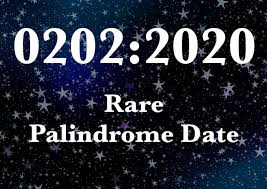
Today is a very special occasion — the date is a palindrome, meaning it is the same when read forwards and backwards.

It is February 2, 2020, or 02/02/2020, in both the MM/DD/YYYY format and the DD/MM/YYYY format. At just after 2 a.m., it was 02:02:20 on 02/02/2020.

This is the only time such a date will occur this century.

The previous palindrome date came 909 years ago on 11/11/1111. The next will come in 101 years on 12/12/2121 and after that there will not be another until 03/03/3030. Solihull School Maths Department wrote on Twitter: “Today is a Palindrome Day in all date formats (UK, USA, ISO).

It’s also a palindrome day of the year (33) and there are a palindrome number of days left in the year (333). Quite a unique day!”

The Royal Wedding Chapel in Las Vegas was advertising weddings on the “significant” date, pointing out that your two-year anniversary would fall on 2-2-22. “Two being the ultimate symbolic number representing you and your spouse to be.”

November 11, 2011 caused a major stir. When the clock struck 11:11:11 on 11/11/11. It was the only double-figure palindromic date and will not come round again for 100 years, in 2111.

However, it is not as perfect as 02/02/2020, because using the full year, 2011, ruins the symmetry.
Las Vegas chapels were bursting at the seams with couples wanting to tie the knot on 11/11/11, with “queen of nightlife” Tiffany Masters holding what she billed as the world’s largest reception.

Verizon Wireless launched its Droid Razr at 11:11 on 11/11/11 and there was even a movie “11-11-11,” about an American author plagued by strange happenings and constant sightings of the number 11.

Human brains are naturally inclined to look for patterns, and many consider such dates lucky. Daniel Hardt, president of Life Path Numerology Center in Indianapolis, called it a “powerful day.”

In September, there were a week of palindrome dates using the US format, if you removed the 20- in the year. There was 9-10-19, 9-11-19 and so on, through to 9/19/19. But of course, these only worked with the US format of MM/DD/YYY.

There had been one of these every year since 2011, but that was the last of the century.

A palindrome is any word, phrase or sequence of numbers that reads the same whether you read it forward or backward, such as “mom,” “race car” or “tacocat.” Author James Joyce invented “tattarrattat,” which is supposed to be the sound of a knock on the door and the longest single-word palindrome in the Oxford English Dictionary.

Famous palindromes include “rats live on no evil star,” “never odd or even” and “a man, a plan, a canal, Panama.” The phrase “A toyota’s a toyota” can continue as a palindrome forever, as in “A toyota’s a toyota’s a toyota…”

Palindrome comes from the Greek words “palin,” which means “again, back” and “dromos,” meaning “running,” according to Dictionary.com. So palindrome is a word of phrase that runs back on itself.

https://www.cnn.com/2020/02/02/world/palindrome-day-february-2-2020-intl-scli/index.html

Drinking alcohol every day can speed up brain aging by one week per session, according to a study of more than 17,000 people

Researchers at the University of Southern California looked at more than 17,000 brain scans to see if daily smoking and drinking advanced brain age. The study found that every gram of alcohol consumed a day aged the brain by 11 days. Smoking a pack of cigarettes a day for a year aged the brain by 11 days. It is one of the largest studies ever done on brain aging and alcohol, making the findings quite robust.

by Shira Feder

Over time, drinking a little bit more alcohol than recommended could accelerate the brain’s aging process, according to a new study.

Though previous studies have found the same, most were tentative findings based on small groups of people or large groups of mice.

The new study, from researchers at the University of Southern California, offers a more robust estimate, reached by examining 17,308 human brain scans from the UK Biobank — one of the biggest sample sizes ever seen.

The team found that for every gram of alcohol consumed a day, the brain aged 0.02 years — or, seven-and-a-half days. (The average can of beer or small glass of wine contains 14 grams of alcohol). People who reported drinking every day had brains which were, on average, 0.4 years older than people who didn’t drink daily.

Smoking had even stronger effect: the team found that those who smoke a pack of cigarettes a day for a year age their brains by 0.03 years (11 days).

The researchers took 30% of the brain scans in their study, all from people aged 45 to 81, and used them to train a computer, which scanned each brain to see how old or young they looked.

They then compared the computer’s estimates of each brain’s age with the person’s real age, and their self-reports of how much alcohol and tobacco they consume daily, in order to see if consuming alcohol or tobacco regularly aged the brain.

Comparing those results with the other 70% of their brain scans, they found that the more you drank and smoke, the more likely you were to have a brain aged beyond your actual age.

Lucina Uddin, director of the Cognitive and Behavioral Neuroscience Division at the University of Miami, who was not involved in the study, told Insider that the use of an algorithm is what makes this study’s findings so compelling.

“Back in the day we’d scan 20 or 40 subjects, if we were lucky, for neuroimaging studies,” Uddin said. “Now we’re getting bigger numbers like 200 or 300 individuals. But this is the biggest sample we’ve ever seen.”

Because the sample size is so big, scientists can ask questions that apply to the entire population, rather than just a few people.

Brain age is essentially a measure of brain health, says Uddin, who was not surprised by the study’s findings.

“Looking at brain age is a way of checking how well you’ve been taking care of your brain,” she told Insider. “My age is 40, but does my brain look more like a 50-year-old brain or a 60-year-old brain? Do you look younger than your age or older than your age?”

The lead author of the study, Arthur Toga, told Inverse: “The 0.4 years of difference was statistically significant. We suggest that daily or almost daily alcohol consumption can be detrimental to the brain.”

However, many super-agers — people who live well beyond 100 years old, and often appear resistant to the dementia gene — report drinking alcohol now and then.

What’s more, a recent Harvard study found drinking in moderation can have some benefits, particularly for the heart.

Dr. Qi Sun, a co-author of the Harvard study, previously told Insider: “If you drink alcohol, it’s very important that you drink responsibly, not in excess, and that you also focus on eating a healthy diet, maintaining a healthy body weight, not smoking, and exercising. If you don’t drink you don’t need to start drinking.”

https://www.insider.com/alcohol-every-day-ages-your-brain-quicker-17000-brain-scans-2020-1