Second person cured of HIV is still free of active virus two years on


Adam Castillejo, known in the scientific literature as the London Patient, in London’s East End, March 1, 2020.

By Gina Yu and Amy Woodyatt

he second person ever to be cured of HIV is still free of active virus more than two years on, a study published by medical journal The Lancet HIV revealed on Tuesday.

Two and a half years ago, Adam Castillejo — previously identified as the “London patient” — finished HIV antiretroviral therapy.

He underwent a stem cell transplant to treat lymphoma and his donor carried a mutation known as CCR5-delta 32, which made him resistant to HIV.

Researchers said that in treating his lymphoma, they believe Castillejo, now 41, was cured of HIV.

HIV (human immunodeficiency virus) is a life-long viral infection that attacks the body’s immune system and can have significant health consequences. There is no widely available cure, however, the virus is treatable with a combination of drugs known as antiretroviral therapy that reduces the amount of virus in a person’s blood and it is preventable by using PrEP, which was approved by the US Food and Drug Administration in 2012.

According to UNAids there were 37.9 million people globally living with HIV in 2018.

“Our findings show that the success of stem cell transplantation as a cure for HIV, first reported nine years ago in the Berlin patient, can be replicated,” said Ravindra Gupta, lead author of the study and a professor in University of Cambridge’s clinical microbiology department.

Unlike the Berlin patient — identified later as Timothy Ray Brown — Castillejo underwent only one stem-cell transplantation instead of two and did not have radiotherapy to his entire body as part of his treatment.

Castillejo represents a step toward a less intensive treatment approach, the authors said.
Still, given the invasive nature of the experimental treatment, the authors caution its widespread use.

“It is important to note that this curative treatment is high-risk, and only used as a last resort for patients with HIV who also have life-threatening haematological malignancies,” Gupta said. “Therefore, this is not a treatment that would be offered widely to patients with HIV who are on successful antiretroviral treatment.”

Since Castillejo is only the second reported patient to undergo this experimental treatment successfully, the authors note that he will require continued, but much less frequent, monitoring for re-emergence of the virus.

Sharon Lewin, director of the Peter Doherty Institute for Infection and Immunity at the University of Melbourne, said that the case was an “exciting advance” but should be viewed in context.

“It’s hard to know if this is a cure, only time will tell, but this is looking very promising,” Lewin said in a statement sent to CNN.

“This case is an exciting advance, but we need to also place it in context — curing people of HIV via a bone marrow transplant is just not a viable option on any kind of scale. We need to constantly reiterate the importance of, prevention, early testing and treatment adherence as the pillars of the current global response to HIV/AIDS. And maintain the search for an HIV cure,” she added.

In an interview with the New York Times, Castillejo said that he decided to reveal his identity after years of difficult treatments and moments of despair.

“This is a unique position to be in, a unique and very humbling position,” Castillejo told the newspaper. “I want to be an ambassador of hope.”

Kat Smithson, director of policy at the National AIDS Trust, applauded Castillejo for sharing his experience, adding that there is a stigma around HIV which can make it difficult for some people to seek help.

“His story helps raise much-needed awareness of HIV, but broader than that it’s a story about incredible resilience, determination and hope,” she said in a statement to CNN.

https://www.cnn.com/2020/03/10/health/hiv-treatment-cure-london-intl-scli-gbr/index.html
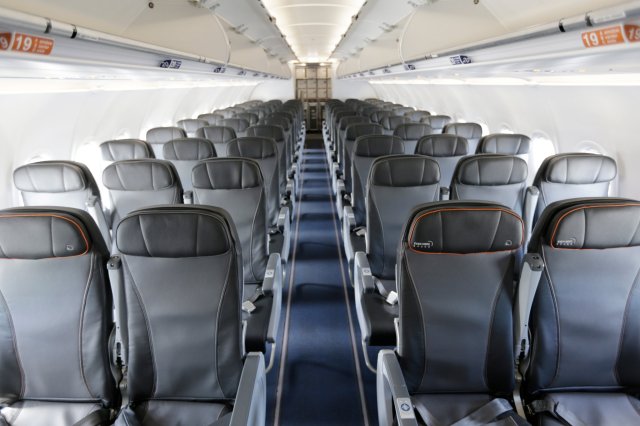
How to Disinfect Your Space on an Airplane

When a video of Naomi Campbell cleaning her airplane seat and wearing a mask and gloves was shared online last year, it made the rounds because her behavior seemed exaggerated. (“Clean everything you touch,” Ms. Campbell said in the video.)

Major airlines, including Delta Air Lines and American Airlines, say they clean their planes to varying degrees between flights, and that plane cleanliness is a priority. But some travelers, including apparently Ms. Campbell, prefer the comfort of knowing they’ve also taken measures of their own to sanitize their airplane space.

There’s been increased attention on this in recent weeks, with the unsettling spread of the coronavirus around the world.

“The airplane and airplane seat is a public space, and we know that germs can live on surfaces for a long time, so it doesn’t hurt to clean it,” said Aaron Milstone, associate hospital epidemiologist at the Johns Hopkins Hospital.

Here are some tips for cleaning your area of a plane and keeping healthy on a flight.

Keep your hands clean and stop touching your face

“Wiping down surfaces on a plane won’t hurt, as long as it doesn’t give you a false sense of security,” Andrew Mehle, associate professor of medical microbiology and immunology at the University of Wisconsin Madison, said, stressing that sanitizing your space on a plane should be done in conjunction with washing hands and following other best practices.

Viral particles, the transmission vehicle of the coronavirus, must travel within mucus or saliva, and they must enter through eyes, nose or mouth. While the coronavirus can last on surfaces like tray tables, touch screens, door handles and faucets — one study found that other coronaviruses, like SARS and MERS stay on metal, glass and plastic for up to nine days — a disinfectant on a hard surface, or soap while washing your hands, will kill the virus.

However, most people tend to touch their faces more often than they realize. Doing so after touching a surface where droplets from when someone sneezed or coughed can lead to the virus being passed on.

So first things first: Wash your hands.

“It’s just as important to think about where your hands have been and to wash your hands,” said Dr. Mehle.

Wash your hands with soap and water for 20 seconds or long enough to sing “Happy Birthday” twice, and if that’s not possible, then use a generous amount of hand sanitizer.

Choose a window seat

A study from Emory University found that during flu season, the safest place to sit on a plane is by a window. Researchers studied passengers and crew members on 10 three- to five-hour flights and observed that people sitting in window seats had less contact with potentially sick people.

“Book a window seat, try not to move during the flight, stay hydrated and keep your hands away from your face,” said Vicki Stover Hertzberg, a professor of biostatistics and bioinformatics at the Rollins School of Public Health at Emory University and one of the lead researchers on the study. “Be vigilant about your hand hygiene.”

Disinfect hard surfaces

When you get to your seat and your hands are clean, use disinfecting wipes to clean the hard surfaces at your seat like the head and arm rest, the seatbelt buckle, the remote, screen, seat back pocket and the tray table. If the seat is hard and nonporous or leather or pleather, you can wipe that down too. Using wipes on upholstered seats could lead to a wet seat and spreading of germs rather than killing them.

“It’s not bad to wipe down the area around you, but it’s worth remembering that the coronavirus is not going to jump off the seat and get into your mouth,” Dr. Milstone said. “People should be more careful of touching something dirty then putting their hands on their faces.”

Disinfecting wipes typically say on the packaging how long a surface needs to stay wet in order for them to work. That time can range from 30 seconds to a few minutes. In order for the wipes to work, you need to follow those time requirements.

Dr. Hertzberg added that if there’s a touch-screen television, you should use a tissue when touching the screen. Using a paper towel or tissue ensures that there’s a barrier between a surface that might have droplets and your hands, which will likely make their way to your face.

“Someone who has been sick and coughing might have touched the door and the faucet, so use wipes in the bathroom then use paper towels to open the door and to close the faucet then throw those in the trash on the way out,” said Bernard Camins, the medical director for infection prevention at the Mount Sinai Health System.

Brain scans used to read minds of intensive care patients

By Clare Wilson

When a person sustains a severe brain injury that leaves them unable to communicate, their families and doctors often have to make life-or-death decisions about their care for them. Now brain scanners are being tested in intensive care to see if mind-reading can enable some patients to have their say, New Scientist can reveal.

At the moment, doctors ask the families of people who have a poor prognosis and cannot communicate if they think their relative would want to continue life-sustaining treatments such as being on a ventilator. “Life would be so much easier if you could just ask the person,” says Adrian Owen at the University of Western Ontario in Canada.

Owen’s team previously developed a brain-scanning approach for a much smaller group of people – those in states between consciousness and being in a coma, for example those in a vegetative state. Such people show few signs of awareness and have to be fed through a tube.

Owen found that some of these people can direct their thoughts in response to instructions, which can be picked up on brain scans. If someone is asked to imagine playing tennis, for instance, the part of their brain involved in movement lights up in the scan.

This has let his and other teams ask those who are able to respond in this way yes/no questions, which can give people a say over their living conditions. About a fifth of people the technique is tried on can respond.

Owen is now using the same technique on people who are in intensive care in the first few days after sustaining a severe brain injury. In such circumstances, just over a quarter of people end up having their treatment withdrawn due to a poor prognosis.

For example, in some cases doctors may predict that if the person survives, they would be paralysed and unable to speak. “A decision will typically be made in the first 10 days about whether to go on or pull the plug,” says Owen.

His team has so far used brain scanning on about 20 such people in intensive care to try to communicate with them. Owen won’t yet reveal how many responded to questions, nor whether he asked them if they wanted to live or die.

But he says he has also made progress in developing a new brain imaging technique. The original method uses fMRI machines. To use them the person has to be taken to a separate room and put inside a scanner, and their tubes and equipment have to be changed to allow this to happen. “It’s really challenging and dangerous,” says Owen.

The new approach uses functional near-infrared spectroscopy, which can be done at the bedside and requires only a headset. Although the method visualises only a small part of the brain, this is enough to let someone answer a yes/no question by imagining playing tennis to give the answer “yes”.

In a paper published last week, Owen’s team showed this allowed volunteers without brain injury to accurately answer questions three-quarters of the time (Frontiers in Neuroscience, doi.org/dncs). The team has also used it successfully to speak to people with a condition that causes complete paralysis (see “Temporarily locked in”, below).

As well as conveying information about a person’s wishes, bedside mind-reading may also be useful for shedding light on their prognosis. Among people in a vegetative state, those who can respond to instructions in a brain scanner are more likely to recover, says Owen.

Continued treatment

He believes the technique is more likely to lead to ventilator treatment being continued than stopped. “Negative findings are hard to interpret,” he says. “Positive findings are easier.”

“This is potentially exciting but I wouldn’t want people to get their hopes up because this might only be applicable to a very small group of people,” says Paul Dean of the UK’s Intensive Care Society.

If doctors are able to communicate with people in this way, they would have to be confident the patient had the legal mental capacity to make life or death decisions, says Jenny Kitzinger at Cardiff University, UK. “Have they understood the question, have they understood the diagnosis?”

Read more: https://www.newscientist.com/article/2235266-exclusive-brain-scans-used-to-read-minds-of-intensive-care-patients/#ixzz6FM9c4iLA

If you drive an expensive car you’re probably a jerk, scientists say

By Rob Picheta

The science is looking pretty unanimous on this one: Drivers of expensive cars are the worst.

A new study has found that drivers of flashy vehicles are less likely to stop and allow pedestrians to cross the road — with the likelihood they’ll slow down decreasing by 3% for every extra $1,000 that their vehicle is worth.

Researchers from the University of Nevada, Las Vegas speculated that the expensive car owners “felt a sense of superiority over other road users” and were less able to empathize with lowly sidewalk-dwellers.

They came to this conclusion after asking volunteers to cross a sidewalk hundreds of times, filming and analyzing the responses by car drivers.

Researchers used one white and one black man, and one white and one black woman — also finding that cars were more likely to yield for the white and female participants. Vehicles stopped 31% of the time for both women and white participants, compared with 24% of the time for men and 25% of the time for black volunteers.

But the best predictor of whether a car would stop was its cost, researchers discovered. “Disengagement and a lower ability to interpret thoughts and feelings of others along with feelings of entitlement and narcissism may lead to a lack of empathy for pedestrians” among costly car owners, they theorized in the study.

And the discovery of a car-value-to-jerkish-behavior correlation isn’t new; the research, published in the Journal of Transport and Health, backed up a Finnish study published last month that found that men who own flashy vehicles are more likely to be “argumentative, stubborn, disagreeable and unempathetic.”

According to that survey of 1,892 drivers by the University of Helsinki, those deemed to have more disagreeable character traits were “more drawn to high-status cars.”

But it also found that conscientious people often favor higher-priced vehicles, too. If you’re reading this while stuck in traffic in your brand new BMW: yes, you’re definitely in that category.

“I had noticed that the ones most likely to run a red light, not give way to pedestrians and generally drive recklessly and too fast were often the ones driving fast German cars,” Helsinki University’s Jan-Erik Lönnqvist said in a press release.

He set out to discover what kind of person is more likely to buy an expensive car, creating a personality test of Finnish car owners.

“The answers were unambiguous: self-centred men who are argumentative, stubborn, disagreeable and unempathetic are much more likely to own a high-status car such as an Audi, BMW or Mercedes,” the press release states.

“These personality traits explain the desire to own high-status products, and the same traits also explain why such people break traffic regulations more frequently than others,” Lönnqvist added.

His study cited previous research that indicated drivers behind the wheel of a costly vehicle are more likely to flout traffic regulations or drive recklessly.

But he also found people with “conscientious” characters seek out pricey models, too.

“People with this type of personality are, as a rule, respectable, ambitious, reliable and well-organised,” the statement said. “They take care of themselves and their health and often perform well at work.”

https://www.cnn.com/2020/02/26/world/expensive-car-drivers-study-scli-scn-intl/index.html

Runner crawled for 8 hours in sub-freezing temperatures after injuring his leg on mountain trail


A US Coast Guard helicopter hovers as it lowers a rescue basket to hoist the runner out of the park.

By Madeline Holcombe

A runner crawled for nearly eight hours to find help after injuring his leg in a national park in Washington, authorities said.

“Carrying a charged cell phone and displaying incredible grit and determination to self-rescue likely prevented more serious injury in this case,” Jefferson County Search and Rescue said in a statement posted on Facebook.

Around 5 p.m. Friday, the runner was injured on the Duckabush River Trail in the Olympic National Park, Washington, according to the release. He was about 10 miles from the trailhead and his cell phone did not have a signal so he couldn’t call for help.

“I wasn’t counting on my phone ever working I just figured this is my only chance I’m going to crawl all the way there,” Joseph Oldendorf told CNN affiliate KIRO. Oldendorf said his tibia became detached, keeping him on his hands and knees. Crawling on the trail made his knees so raw, he said he put his shoes over them for a level of protection.

Temperatures were below freezing, and he was wearing only light running clothes as he crawled for several miles, the release said. At 12:45 a.m. on Saturday, he realized his phone had a signal because he received a text message.

He called 911 and kept crawling, the release said.

Oldendorf told the station that he tried lying down to wait, but he was too cold and believed that if he didn’t keep moving he could die. Thoughts of his family kept him going, he said.
“I don’t want my family to hear I died in the wilderness. I think it’d be unbearable,” Oldendorf told the station.

A crew from the Brinnon Fire Department along with Jefferson Search and Rescue volunteers responded and started up the trail to find the injured runner. A Jefferson County Sheriff’s deputy managed coordination and communication at the trailhead, the release said.

The runner was located by his voice five to six miles from the spot where he was injured, the release said. Fire department EMT’s treated him for a leg injury and exposure to the cold.

The rescuers then moved the runner to a spot where be hoisted by a US Coast Guard helicopter and flown to Harborview Medical Center in Seattle. The trail is on the east side of the Olympic Peninsula, about 50 miles west of Seattle.

The incident renewed his respect for nature, Oldendorf told KIRO, and he hopes to one day return to the trails.

https://www.cnn.com/2020/02/23/us/washington-runner-injured-crawled-eight-hours/index.html

Powerful antibiotics discovered using AI


Machine learning spots molecules that work even against ‘untreatable’ strains of bacteria.

by Jo Marchant

A pioneering machine-learning approach has identified powerful new types of antibiotic from a pool of more than 100 million molecules — including one that works against a wide range of bacteria, including tuberculosis and strains considered untreatable.

The researchers say the antibiotic, called halicin, is the first discovered with artificial intelligence (AI). Although AI has been used to aid parts of the antibiotic-discovery process before, they say that this is the first time it has identified completely new kinds of antibiotic from scratch, without using any previous human assumptions. The work, led by synthetic biologist Jim Collins at the Massachusetts Institute of Technology in Cambridge, is published in Cell1.

The study is remarkable, says Jacob Durrant, a computational biologist at the University of Pittsburgh, Pennsylvania. The team didn’t just identify candidates, but also validated promising molecules in animal tests, he says. What’s more, the approach could also be applied to other types of drug, such as those used to treat cancer or neurodegenerative diseases, says Durrant.

Bacterial resistance to antibiotics is rising dramatically worldwide, and researchers predict that unless new drugs are developed urgently, resistant infections could kill ten million people per year by 2050. But over the past few decades, the discovery and regulatory approval of new antibiotics has slowed. “People keep finding the same molecules over and over,” says Collins. “We need novel chemistries with novel mechanisms of action.”

Forget your assumptions
Collins and his team developed a neural network — an AI algorithm inspired by the brain’s architecture — that learns the properties of molecules atom by atom.

The researchers trained its neural network to spot molecules that inhibit the growth of the bacterium Escherichia coli, using a collection of 2,335 molecules for which the antibacterial activity was known. This includes a library of about 300 approved antibiotics, as well as 800 natural products from plant, animal and microbial sources.

The algorithm learns to predict molecular function without any assumptions about how drugs work and without chemical groups being labelled, says Regina Barzilay, an AI researcher at MIT and a co-author of the study. “As a result, the model can learn new patterns unknown to human experts.”

Once the model was trained, the researchers used it to screen a library called the Drug Repurposing Hub, which contains around 6,000 molecules under investigation for human diseases. They asked it to predict which would be effective against E. coli, and to show them only molecules that look different from conventional antibiotics.

From the resulting hits, the researchers selected about 100 candidates for physical testing. One of these — a molecule being investigated as a diabetes treatment — turned out to be a potent antibiotic, which they called halicin after HAL, the intelligent computer in the film 2001: A Space Odyssey. In tests in mice, this molecule was active against a wide spectrum of pathogens, including a strain of Clostridioides difficile and one of Acinetobacter baumannii that is ‘pan-resistant’ and against which new antibiotics are urgently required.

Proton block
Antibiotics work through a range of mechanisms, such as blocking the enzymes involved in cell-wall biosynthesis, DNA repair or protein synthesis. But halicin’s mechanism is unconventional: it disrupts the flow of protons across a cell membrane. In initial animal tests, it also seemed to have low toxicity and be robust against resistance. In experiments, resistance to other antibiotic compounds typically arises within a day or two, says Collins. “But even after 30 days of such testing we didn’t see any resistance against halicin.”

The team then screened more than 107 million molecular structures in a database called ZINC15. From a shortlist of 23, physical tests identified 8 with antibacterial activity. Two of these had potent activity against a broad range of pathogens, and could overcome even antibiotic-resistant strains of E. coli.

The study is “a great example of the growing body of work using computational methods to discover and predict properties of potential drugs”, says Bob Murphy, a computational biologist at Carnegie Mellon University in Pittsburgh. He notes that AI methods have previously been developed to mine huge databases of genes and metabolites to identify molecule types that could include new antibiotics2,3.

But Collins and his team say that their approach is different — rather than search for specific structures or molecular classes, they’re training their network to look for molecules with a particular activity. The team is now hoping to partner with an outside group or company to get halicin into clinical trials. It also wants to broaden the approach to find more new antibiotics, and design molecules from scratch. Barzilay says their latest work is a proof of concept. “This study puts it all together and demonstrates what it can do.”

doi: 10.1038/d41586-020-00018-3
References
1.
Stokes, J. M. et al. Cell https://doi.org/10.1016/j.cell.2020.01.021 (2020).

https://www.nature.com/articles/d41586-020-00018-3?utm_source=Nature+Briefing&utm_campaign=f680a1d26d-briefing-dy-20200221&utm_medium=email&utm_term=0_c9dfd39373-f680a1d26d-44039353

Jars of human tongues found under floorboards of Florida home

Police are investigating after jars containing preserved human tongues were found in the crawlspace of a house in northwest Gainesville home, WCJB-TV is reporting.

Gainesville police said the remains were discovered during an inspection of the foundation of a home that was once owned by Dr. Ronald Baughman, a former University of Florida researcher and current professor emeritus who published studies in the 1970s and 80s.

Some of the jars date back as far as the 1960s.

Police told the station they were looking into the possibility that the preserved tongues are related to work that Baughman may have brought home and stored under the house’s floorboards.

https://www.news4jax.com/news/florida/2020/02/18/jars-of-preserved-human-tongues-found-under-gainesville-home/

Children with less sleep experience increased depression and anxiety, and decreased cognitive performance

Shorter sleep duration among children was associated with increased risk for depression, anxiety, impulsive behavior and poor cognitive performance, according to study findings published in Molecular Psychiatry.

“Sleep disturbances are common among children and adolescents around the world, with approximately 60% of adolescents in the United States receiving less than 8 hours of sleep on school nights,” Jianfeng Feng, PhD, of the department of computer science at University of Warwick in the UK, told Healio Psychiatry. “An important public health implication is that psychopathology in both children and their parents should be considered in relation to sleep problems in children. Further, we showed that brain structure is associated with sleep problems in children and that this is related to whether the child has depressive problems.”

According to Feng and colleagues, the present study is the first large-scale research effort to analyze sleep duration in children and its impact on psychiatric problems including depression, brain structure and cognition. They analyzed measures related to these areas using data from the Adolescent Brain Cognitive Development Study, which included structural MRI data from 11,067 individuals aged 9 to 11 years.

The researchers found that depression, anxiety and impulsive behavior were negatively correlated with sleep duration. Dimensional psychopathology in participants’ parents was correlated with short sleep duration in the children. Feng and colleagues noted that the orbitofrontal cortex, prefrontal and temporal cortex, precuneus and supramarginal gyrus were brain areas in which higher volume was correlated with longer sleep duration. According to longitudinal data analysis, psychiatric problems, particularly depressive problems, were significantly associated with short sleep duration 1 year later. Moreover, they found that depressive problems significantly mediated these brain regions’ effect on sleep. Higher volume of the prefrontal cortex, temporal cortex and medial orbitofrontal cortex were associated with higher cognitive scores.

“Our findings showed that 53% of children received less than 9 hours of sleep per night,” Feng said. “More importantly, the behavior problems total score for children with less than 7 hours of sleep was 53% higher on average and the cognitive total score was 7.8% lower on average than for children with 9 to 11 hours of sleep. We hope this study attracts public attention to sleep problems in children and provides evidence for governments to develop advice about sleep for children.” – by Joe Gramigna

https://www.healio.com/psychiatry/depression/news/online/%7B7440e93a-fe6a-4154-88f4-a5858d16c4cb%7D/children-with-less-sleep-experience-increased-depression-anxiety-decreased-cognitive-performance

Molecule Offers Hope For Halting Parkinson’s

A promising molecule has offered hope for a new treatment that could stop or slow Parkinson’s, something no treatment can currently do.

Researchers from the University of Helsinki found that molecule BT13 has the potential to both boost levels of dopamine, the chemical that is lost in Parkinson’s, as well as protect the dopamine-producing brain cells from dying.

The results from the study, co-funded by Parkinson’s UK and published online today in the journal Movement Disorders, showed an increase in dopamine levels in the brains of mice following the injection of the molecule. BT13 also activated a specific receptor in the mouse brains to protect the cells.

Typically, by the time people are diagnosed with Parkinson’s, they have already lost 70-80 per cent of their dopamine-producing cells, which are involved in coordinating movement.

While current treatments mask the symptoms, there is nothing that can slow down its progression or prevent more brain cells from being lost, and as dopamine levels continue to fall, symptoms get worse and new symptoms can appear.

Researchers are now working on improving the properties of BT13 to make it more effective as a potential treatment which, if successful, could benefit the 145,000 people living with Parkinson’s in the UK.

The study builds on previous research on another molecule that targets the same receptors in the brain, glial cell line-derived neurotrophic factor (GDNF), an experimental treatment for Parkinson’s which was the subject of a BBC documentary in February 2019. While the results were not clear cut, GDNF has shown promise to restore damaged cells in Parkinson’s.

However, the GDNF protein requires complex surgery to deliver the treatment to the brain because it’s a large molecule that cannot cross the blood-brain barrier – a protective barrier that prevents some drugs from getting into the brain.

BT13, a smaller molecule, is able to cross the blood-brain barrier – and therefore could be more easily administered as a treatment, if shown to be beneficial in further clinical trials.

Professor David Dexter, Deputy Director of Research at Parkinson’s UK, said:

“People with Parkinson’s desperately need a new treatment that can stop the condition in its tracks, instead of just masking the symptoms.

“One of the biggest challenges for Parkinson’s research is how to get drugs past the blood-brain barrier, so the exciting discovery of BT13 has opened up a new avenue for research to explore, and the molecule holds great promise as a way to slow or stop Parkinson’s.

“More research is needed to turn BT13 into a treatment to be tested in clinical trials, to see if it really could transform the lives of people living with Parkinson’s.”

Dr Yulia Sidorova, lead researcher on the study, said: “We are constantly working on improving the effectiveness of BT13. We are now testing a series of similar BT13 compounds, which were predicted by a computer program to have even better characteristics.

“Our ultimate goal is to progress these compounds to clinical trials in a few coming years.”

Molecule offers hope for halting Parkinson’s

Weill Cornell scientists discover gene that links experience of reward of adolescent females to the psychoactive ingredient of marijuana


Dr. Anjali Rajadhyaksha
Professor of Neuroscience in Pediatrics
Associate Dean of Program Development
Weill Cornell Graduate School


Dr. Francis Lee
Psychiatry/Pharmacology; Chair and Psychiatrist-in-Chief
Mortimer D. Sackler, M.D. Professor in Psychiatry, Weill Cornell Medicine


Dr. Caitlin Burgdorf

A common variation in a human gene that affects the brain’s reward processing circuit increases vulnerability to the rewarding effects of the main psychoactive ingredient of cannabis in adolescent females, but not males, according to preclinical research by Weill Cornell Medicine investigators. As adolescence represents a highly sensitive period of brain development with the highest risk for initiating cannabis use, these findings in mice have important implications for understanding the influence of genetics on cannabis dependence in humans.

The brain’s endocannabinoid system regulates activity of cannabinoids that are normally produced by the body to influence brain development and regulate mood, as well as those from external sources, such as the psychoactive ingredient THC, also known as Δ9-tetrahydrocannabinol, which is found in cannabis. An enzyme called fatty acid amide hydrolase (FAAH) breaks down a cannabinoid called anandamide that is naturally found in the brain and is most closely related to THC, helping to remove it from circulation.

In the study, published Feb. 12 in Science Advances, the investigators examined mice harboring a human gene variant that causes FAAH to degrade more easily, increasing overall anandamide levels in the brain. They discovered that the variant resulted in an overactive reward circuit in female—but not male adolescent mice—that resulted in higher preference for THC in females. Previous clinical studies linked this FAAH variant with increased risk for problem drug use, but no studies had specifically looked at the mechanistic effect on cannabis dependence.

“Our study shows that a variant in the FAAH gene, which is found in about one-third of people, increases vulnerability to THC in females and has large-scale impact on brain regions and pathways responsible for processing reward,” said lead author Dr. Caitlin Burgdorf, a recent doctoral graduate from the Weill Cornell Graduate School of Medical Sciences. “Our findings suggest that genetics can be a contributing factor for increased susceptibility to cannabis dependence in select populations.”

The team found that female mice with the FAAH variant showed an increased preference for the environment in which they’d been exposed to THC over a neutral environment when they were exposed to the substance during adolescence, and the effect persisted into adulthood. However, if female mice with this variant were exposed to THC for the first time in adulthood, there was no increased preference for THC. These findings in mice parallel observations in humans that a select population of females are more sensitive to the effects of cannabis and demonstrate a quicker progression to cannabis dependence. “Our findings suggest that we have discovered a genetic factor to potentially identify subjects at risk for cannabis dependence,” said Dr. Burgdorf.

The investigators also found that the genetic variant led to increased neuronal connections and neural activity between two regions of the brain heavily implicated in reward behavior. Next, the team reversed the overactive reward circuit in female mice and found that decreasing circuit activity dampened the rewarding effects of THC.

As substance abuse disorders often emerge during adolescence, the investigators say this study has significant implications for translating these findings to inform developmental and genetic risk factors for human cannabis dependence.

“Our study provides new insights into cannabis dependence and provides us with a circuit and molecular framework to further explore the mechanisms of cannabis dependence,” said co-senior author Dr. Anjali Rajadhyaksha, professor of neuroscience in pediatrics and associate professor of neuroscience in the Feil Family Brain and Mind Research Institute and a member of the Drukier Institute for Children’s Health at Weill Cornell Medicine.

Although genetic factors are increasingly found to be associated with risk for other types of addiction, very few studies have investigated genetic factors associated with increasing risk for cannabis dependence. “In the future, we could use the presence of this FAAH genetic variant to potentially predict if an individual is more likely to be vulnerable to cannabis dependence,” said co-senior author, Dr. Francis Lee, chair of the Department of Psychiatry at Weill Cornell Medicine and psychiatrist-in-chief at NewYork-Presbyterian/Weill Cornell Medical Center. “We are getting one step closer to understanding exactly how neurodevelopmental and genetic factors play interrelated roles to increase susceptibility for cannabis dependence.”

Additional authors on the study were Dr. Deqiang Jing, Ruirong Yang and Chienchum Huang from the Department of Psychiatry at Weill Cornell Medicine; Drs. Teresa A. Milner and Dr. Virginia M. Pickel from the Feil Family Brain and Mind Research Institute at Weill Cornell Medicine; Dr. Matthew N. Hill from departments of Cell Biology and Anatomy and Psychiatry at University of Calgary; and Dr. Ken Mackie from the Department of Psychological and Brain Sciences at Indiana University Bloomington.

This research was supported by the National Institute of Health (Grants T32DA039080, R01DA08259, R01HL098351, R01HL136520, R01DA042943, R01NS052819, R01DA029122), Weill Cornell’s Mowrer Memorial Graduate Student Fellowship, NewYork-Presbyterian Youth Anxiety Center, the Pritzker Neuropsychiatric Disorders Research Consortium, the DeWitt-Wallace Fund of the New York Community Trust, and The Paul Fund.

https://news.weill.cornell.edu/news/2020/02/preclinical-study-links-human-gene-variant-to-thc-reward-in-adolescent-females