There Are Striking Similarities in The Way Bacteria And Humans Settle Into Colonies

by CARLY CASSELLA

The way oral bacteria sets up shop in our mouths is not unlike how we humans settle into our cities, a new study has found.

There’s a reason bacteria are said to live in ‘colonies’, and the more we learn about how these tiny architects build their communities, the more familiar their behavior seems to us.

A new study following how multiple individual settlers develop into microcolonies has found growth patterns and dynamics that mirror our own urban inclinations.

“We take this ‘satellite-level’ view, following hundreds of bacteria distributed on a surface from their initial colonisation to biofilm formation,” says Hyun Koo from the University of Pennsylvania.

“And what we see is that, remarkably, the spatial and structural features of their growth are analogous to what we see in urbanisation.”

Just as in nature, bacteria in your mouth live in complex structures known as biofilms. In fact, 99.9 percent of prokaryotes live crammed together with millions of other neighbours in one of these settlements.

Biofilms are everywhere, but if they’re on your teeth, we refer to them as plaque. This dense and sticky deposit is hard to remove, thereby protecting resident microbes from environmental assaults, like toothpaste, floss or even antibiotics.

It builds up when several individual settlers develop into microcolonies, but exactly how this happens remains underexplored.

Using the oral bacterium Streptococcus mutans, researchers have shown that microbial cells settle at random and regardless of the surface type. Nevertheless, only a subset of colonisers actually begin clustering, expanding their scope “by amalgamating neighboring bacteria into densely populated microcolonies.”

“We thought that the majority of the individual bacteria would end up growing,” says Koo. “But the actual number was less than 40 percent, with the rest either dying off or being engulfed by the growth of other microcolonies.”

Once the clusters arise, something really curious happens: they begin to interact with one another, growing and organising into densely populated “micron-scale microcolonies that further expand and merge” to form a biofilm superstructure.

This sort of cooperation is interesting, as previous studies have reported bacterial competition in other species, especially when there was a scarcity of nutrients.

In this case, the nutrients only impacted the actual forming of the colonies. After that, “the individual microcolonies (distant or in close proximity) continued to grow without disruption until merging with each other, and the merged structures behaved and grew like a single new harmonised community,” the researchers write.

Only when more antagonistic foreign species were introduced did it affect that seemingly peaceful unit, and the growth of the microcolonies was lowered.

“These communities (microcolonies) can expand and merge with each other in a collaborative fashion, without competition between adjacent communities,” the authors conclude.
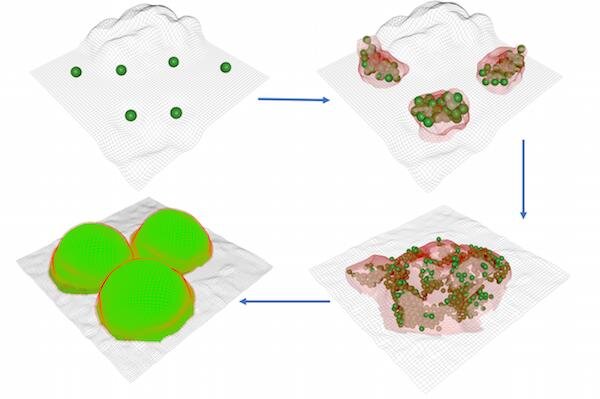
It’s the type of growth that indicates “communal behavior between microorganisms”, and it looks similar to human urbanisation, where some settlers stay static, while others grow into villages that further expand into densely-populated microcolonies or cities, which then merge into microbial megacities.

Of course, there are limits to this idea of bacterial urbanisation. The authors aren’t saying microbes build traffic signs, roads and supply lines, but the general idea is the same and it can not only help us tackle infections better, it might also help us build more sustainably.

“It’s a useful analogy, but it should be taken with a grain of salt,” Koo says. “We’re not saying these bacteria are anthropomorphic. But taking this perspective of biofilm growth gives us a multiscale, multidimensional picture of how they grow that we’ve not seen before.”

The study was published in Nature Communications.
https://www.sciencealert.com/bacteria-settle-into-complex-structures-just-like-humans-settle-into-cities

Discovery of 550 million year old worm-like creature as the first ancestor on the human and animal family tree

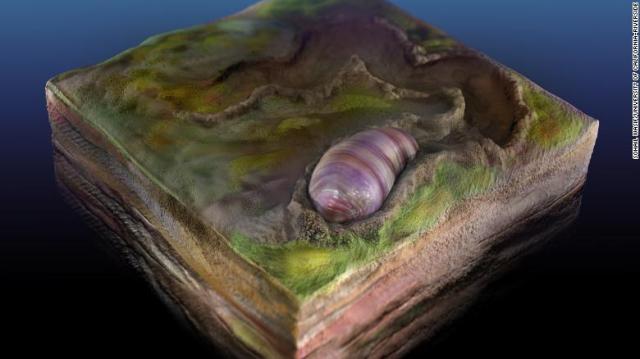
Evidence of a worm-like creature about the size of a grain of rice has been uncovered in South Australia, and researchers believe it is the oldest ancestor on the family tree that includes humans and most animals.

The creature lived 555 million years ago.

It’s considered to be the earliest bilaterian. Bilaterians are organisms with a front, back, two openings on either end and a gut that connects them. They were an evolutionary step forward for early life on Earth.

Some of the oldest life on Earth, including those sponges and algal mats, is referred to as the Ediacaran Biota. This group is based on the earliest fossils ever discovered, providing evidence of complex, multicellular organisms.

But those aren’t directly related to animals living today. And researchers have been trying to find fossilized evidence of the common ancestor of most animals.

Developing bilaterian body structure and organization successfully allowed life to move in specific, purposeful directions. This includes everything from worms and dinosaurs to amphibians and humans.

But for our common ancestor, they knew that fossils of the tiny, simple creatures they imagined would be nearly impossible to find because of its size and soft body.


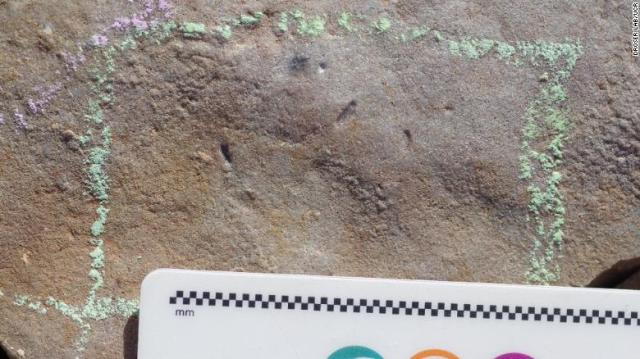
Burrows were found in stone that belonged to a tiny creature who lived billions of years ago.

Then, they turned to fossilized burrows, dated to the Ediacaran Period some 555 million years ago, found in Nilpena, South Australia. For 15 years, scientists knew they were created by bilaterians. But there was no evidence of what made the burrows and lived in them.

That is, until researchers decided to take a closer look at the burrows. Geology professor Mary Droser and doctoral graduate Scott Evans, both from the University of California, Riverside, spotted impressions shaped like ovals near the burrows.

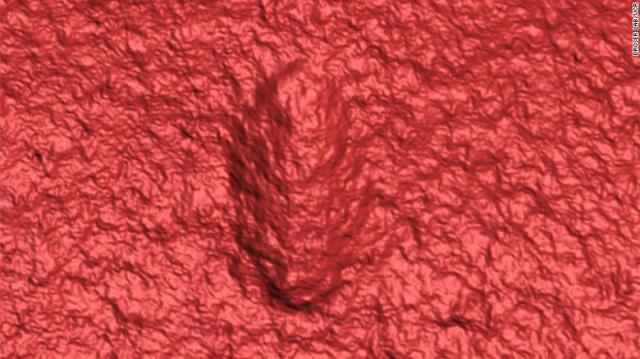
A 3-D laser scan revealed the impressions contained evidence of a body shaped and sized like a rice grain, with a noticeable head, tail and even V-shaped grooves suggesting muscles.

Contractions of the muscles would have enabled the creature to move and create the burrows, like the way a worm moves. Patterns of displaced sediment and signs of feeding led the researchers to determine that it had a mouth, gut and posterior opening.

And the size of the creature matched with the size of the burrows they found.

The study published Monday in the journal Proceedings of the National Academy of Sciences.
“We thought these animals should have existed during this interval, but always understood they would be difficult to recognize,” Evans said. “Once we had the 3D scans, we knew that we had made an important discovery.”


A 3D scan revealed the shape and characteristics of the creature that made the burrows.

The researchers involved in the study named the creature Ikaria wariootia. The first name translates to “meeting place” in the Adnyamathanha language. Adnyamathanha is the name of contemporary Indigenous Australian people that live in the area where the fossil was found. And the name of the species is a variation on a waterway in the area, called Warioota Creek.

The fossilized burrows were found beneath the impressions of other fossils in the lowest layer of Nilpena’s Ediacaran Period deposits. During its lifetime, Ikaria searched for the organic matter it fed on by burrowing through layers of sand on the ocean floor. Given that the burrows track through sand that was oxygenated, rather than toxic spots, suggest the creature had basic senses.

“Burrows of Ikaria occur lower than anything else. It’s the oldest fossil we get with this type of complexity,” Droser said. “We knew that we also had lots of little things and thought these might have been the early bilaterians that we were looking for.”

Droser also explained that other, larger fossils belonging to other creatures they found in the past were likely evolutionary dead-ends.

“This is what evolutionary biologists predicted,” Droser said. “It’s really exciting that what we have found lines up so neatly with their prediction.”

https://www.cnn.com/2020/03/23/world/animal-ancestor-ikaria-scn/index.html

New evidence that daily meditation could slow aging in your brain

Taking up meditation while sheltering-in-place may not only help you cope with the stress of the coronavirus pandemic, it may even keep your brain from aging.

A recently pubished 18-year analysis of the mind of a Buddhist monk by the Center for Healthy Minds at the University of Wisconsin-Madison found daily, intensive meditation slowed the monk’s brain aging by as much as eight years when compared to a control group.

The project started in the 1990s with neuroscientist Richard Davidson’s relationship with the Dalai Lama. Davidson started making connections between positive emotions and brain health, which jump-started research for the study.

“[The Dalai Lama] was really encouraging me to take the practices from this tradition and investigate them with the tools of modern science,” said Davidson, founder and director of the Center for Healthy Minds. “And if we find through these investigations that these practices are valuable to then disseminate them widely.”

The study began with a Buddhist monk

Using MRI and a machine learning framework which estimates “brain-age” from brain imaging, Davidson and lead scientist Nagesh Adluru studied the mind of Tibetan Buddhist meditation master Yongey Mingyur Rinpoche over the course of 18 years.

The goal, Davidson said, was to find out whether there was a difference in the rate of aging between the brains of seasoned meditation masters compared to those who were novice practitioners. Rinpoche was first scanned in 2002 at the age of 27. At the time, he had already completed nine years of meditation retreats. He was scanned again at the respective ages of 30, 32 and 41 years old.

The last time he was scanned, he had just returned from a four-and-a-half-year wandering retreat, and his brain was calculated to be 33-years-old, eight years younger than his biological age.
The researchers compared Rinpoche’s aging brain to a control group and his appeared to age much slower than the general focus group.

The results could have lasting implications on health

The magnitude of the effect was pronounced even with a margin of error that is plus or minus two to three years, Davidson said.

“If these effects accumulate over time, we think there will be very important health and well-being implications.”

Everyone, especially now amid the coronavirus pandemic, can benefit from meditation because it is designed to remind us of our own basic goodness, Davidson said.

“I think what is exciting is the invitation that we can impact our own brain … and change the rate at which it ages through engaging in practices that are nourishing and helpful for our well-being.”

The researchers said they are excited to see how Rinpoche’s brain will continue to develop, and how this data can help improve overall well-being.

https://www.cnn.com/2020/03/20/health/meditation-slows-brain-age-trnd-wellness/index.html

The coronavirus did not escape from a lab. Here’s how we know.


Viruses like the novel coronavirus are shells holding genetic material

As the novel coronavirus causing COVID-19 spreads across the globe, with cases surpassing 284,000 worldwide today (March 20), misinformation is spreading almost as fast.

One persistent myth is that this virus, called SARS-CoV-2, was made by scientists and escaped from a lab in Wuhan, China, where the outbreak began.

A new analysis of SARS-CoV-2 may finally put that latter idea to bed. A group of researchers compared the genome of this novel coronavirus with the seven other coronaviruses known to infect humans: SARS, MERS and SARS-CoV-2, which can cause severe disease; along with HKU1, NL63, OC43 and 229E, which typically cause just mild symptoms, the researchers wrote March 17 in the journal Nature Medicine.

“Our analyses clearly show that SARS-CoV-2 is not a laboratory construct or a purposefully manipulated virus,” they write in the journal article.

Kristian Andersen, an associate professor of immunology and microbiology at Scripps Research, and his colleagues looked at the genetic template for the spike proteins that protrude from the surface of the virus. The coronavirus uses these spikes to grab the outer walls of its host’s cells and then enter those cells. They specifically looked at the gene sequences responsible for two key features of these spike proteins: the grabber, called the receptor-binding domain, that hooks onto host cells; and the so-called cleavage site that allows the virus to open and enter those cells.

That analysis showed that the “hook” part of the spike had evolved to target a receptor on the outside of human cells called ACE2, which is involved in blood pressure regulation. It is so effective at attaching to human cells that the researchers said the spike proteins were the result of natural selection and not genetic engineering.

Here’s why: SARS-CoV-2 is very closely related to the virus that causes severe acute respiratory syndrome (SARS), which fanned across the globe nearly 20 years ago. Scientists have studied how SARS-CoV differs from SARS-CoV-2 — with several key letter changes in the genetic code. Yet in computer simulations, the mutations in SARS-CoV-2 don’t seem to work very well at helping the virus bind to human cells. If scientists had deliberately engineered this virus, they wouldn’t have chosen mutations that computer models suggest won’t work. But it turns out, nature is smarter than scientists, and the novel coronavirus found a way to mutate that was better — and completely different— from anything scientists could have created, the study found.

Another nail in the “escaped from evil lab” theory? The overall molecular structure of this virus is distinct from the known coronaviruses and instead most closely resembles viruses found in bats and pangolins that had been little studied and never known to cause humans any harm.

“If someone were seeking to engineer a new coronavirus as a pathogen, they would have constructed it from the backbone of a virus known to cause illness,” according to a statement from Scripps.

Where did the virus come from? The research group came up with two possible scenarios for the origin of SARS-CoV-2 in humans. One scenario follows the origin stories for a few other recent coronaviruses that have wreaked havoc in human populations. In that scenario, we contracted the virus directly from an animal — civets in the case of SARS and camels in the case of Middle East respiratory syndrome (MERS). In the case of SARS-CoV-2, the researchers suggest that animal was a bat, which transmitted the virus to another intermediate animal (possibly a pangolin, some scientists have said) that brought the virus to humans.

In that possible scenario, the genetic features that make the new coronavirus so effective at infecting human cells (its pathogenic powers) would have been in place before hopping to humans.

In the other scenario, those pathogenic features would have evolved only after the virus jumped from its animal host to humans. Some coronaviruses that originated in pangolins have a “hook structure” (that receptor binding domain) similar to that of SARS-CoV-2. In that way, a pangolin either directly or indirectly passed its virus onto a human host. Then, once inside a human host, the virus could have evolved to have its other stealth feature — the cleavage site that lets it easily break into human cells. Once it developed that capacity, the researchers said, the coronavirus would be even more capable of spreading between people.

All of this technical detail could help scientists forecast the future of this pandemic. If the virus did enter human cells in a pathogenic form, that raises the probability of future outbreaks. The virus could still be circulating in the animal population and might again jump to humans, ready to cause an outbreak. But the chances of such future outbreaks are lower if the virus must first enter the human population and then evolve the pathogenic properties, the researchers said.

https://www.livescience.com/coronavirus-not-human-made-in-lab.html?utm_source=Selligent&utm_medium=email&utm_campaign=15588&utm_content=20200321_Coronavirus_Infographic+&utm_term=3675605&m_i=Y78%2BcYxf2Qsne7KyAz%2Bro3S%2BCTo6VIPlVFATrnaXXtdOBEIZH%2BPO_hNXo7rq5mPCFLKyREQpjzGdZOYb2pvbuvu8nQp0tu

Kenny Rogers passed away at 81. Here the song that Prince secretly wrote for him in 1986.

By MARISSA R. MOSS

There are few more transcendent in pop culture than the late, great Prince. Not only was he a master performer, songwriter, singer and guitar player, he was also a massive music fan who lent his genius to all genres, including country. He often enjoyed working under a pseudonym: Prince had many in his too-short life, from “Jamie Starr” to “Camille” to “Alexander Nevermind” and, of course, the infamous symbol once entirely substituted for his name.

It was as “Joey Coco” where Prince collided with his country side, writing the song “You’re My Love” that was recorded by Kenny Rogers for his 1986 album They Don’t Make Them Like They Used To. [Hear Rogers sing the tune in the clip above]. The Gambler had always been friendly to Prince’s hometown of Minneapolis, making it a tour stop early on when few included it on their creative radar, and Rogers was a fan of Prince: he admitted years after the release of “You’re My Love” that Prince was one of two artists he’d yet to see live but wanted to (Garth Brooks was the other).

Prince wrote songs for everyone from Paula Abdul to Sheena Easton — sometimes under his own name, sometimes not, using the pseudonyms to play masterfully with his own identity and our cultural associations. He didn’t want any notion of what he was “supposed” to sound like or produce precede his art, or, maybe worse, dictate it. As Joey Coco, he wrote several tracks with two recorded by country artists: “Telepathy,” by Deborah Allen, and “You’re My Love” by Rogers. Many others are only available on bootlegs or locked away in Prince’s massive archives. Certainly Prince’s overtly sexual persona didn’t mix well with Music Row’s prudish leanings at the time, though his music begged to differ: take his 1980 single “Still Waiting,” which, though absent of twang, is nearly evocative of a country song, or his penchant to write about both God and faith, which sometimes rung as downright gospel.

A slick Eighties power ballad, “You’re My Love” at first listen doesn’t boast many similarities to Prince himself — though there are licks of the heartfelt love odes he was indeed so capable of. The song features vocals from El DeBarge, which, according to Prince lore, are the only thing that remained from his own personal recording of the track.

Rogers himself backs up the story. “Back in the Eighties, I had contacted [Prince] through a mutual friend to ask if he would write me a song. . . and he did,” Rogers wrote on Facebook. “When he sent the song to me, if I remember right, it was him playing all of the instruments on it and he had his background vocals on it. Unfortunately on the finished record, somehow my producer didn’t end up using the music or vocals (the song was re-cut). It was such an incredible thing that Prince took the time to do that for me. He was a brilliant guy and a gifted musician with a lot of feelings, and you could tell his feelings went far deeper than what was written on his face.”

The same year Rogers released “You’re My Love,” Prince offered his own LP, the wildly excellent Parade that concluded with a ballad, “Sometimes It Snows in April.” With his death on April 21st, he proved that to be right.

“Sometimes I wish that life was never ending,” he sang. “And all good things, they say, never last.”

Only 40% of Americans have made plans to avoid crowds in the coronavirus crisis

Photos of crowded beaches, packed bars and large crowds at amusement parks like Walt Disney World last weekend shocked many Americans who had decided to heed warnings to hunker down amid the coronavirus pandemic.

Public polling published this week gives a clue into the public mindset before those gatherings, when the scope of the pandemic was becoming clearer: As of last week, only 2 in 5 Americans canceled plans to attend large gatherings, according to a Kaiser Family Foundation poll. That leaves a majority of people in Kaiser’s polling who say they haven’t canceled plans for large gatherings.

The polls did not ask whether the respondents had plans to be in large gatherings, and some of those respondents may not have had plans to be in large gatherings.

Kaiser’s polling, while still relevant, is almost a week old — an eternity in the time of coronavirus, which has proven to be a fast moving pandemic. By Thursday evening, more than 13,000 Americans tested positive for coronavirus and at least 195 people were dead.

As those social media images of packed restaurants and bars circulated, the Centers for Disease Control and Prevention issued guidance on Sunday recommending all in-person events of 50 people or more be canceled. The White House then issued recommendations on Monday that people should not gather in groups of more than 10 to help limit the virus’ spread. That’s led to many restaurants and bars being shut down by state or city entities and required to do take out or delivery service only.

The CDC’s guidelines on coronavirus are to take steps to isolate yourself and observe social distancing measures, as well as washing your hands often, keeping a clean home and staying six feet away from others. Many offices have implemented work from home procedures, with millions of Americans secluded in their houses.

That’s led many Americans to take some precautions against getting sick.

Almost 9 in 10 Americans are washing their hands more frequently as a result of the coronavirus pandemic, according to a new AP-NORC poll. Almost a third of Americans are extremely or very worried about being infected with the virus, the same poll showed.

The pandemic has also wreaked havoc on planned travel.

Four in 10 people were planning domestic travel in the next three months. Of that group, 51% are planning to keep their plans, while 27% are considering going and 22% have canceled.
Of those who had international travel planned in the next three months (around 12% of those polled), 25% still plan to go, 33% are considering what to do and 41% have canceled their trips.

Other polling within the last week finds similar results. Around 4 in 10 Americans have decided to change travel plans because of the recent outbreak, and 40% have canceled plans to attend large gatherings, the Kaiser Foundation poll found.

The AP-NORC poll found two-thirds of Americans are staying away from large groups, and significantly fewer are keeping children out of school.

Polling shows many Americans are split over how the government is handling the crisis.
An Ipsos/Reuters poll finds half of Americans support the federal government shutting down gatherings of over 100 people. Almost half (46%) support shutting down all overseas flights and 44% support closing public schools.

Fewer people support shutting down nonessential government offices (29%), shutting down public transportation (21%) and enforcing a curfew (19%), the poll showed.

In an NPR/PBS/Marist poll from last week, 46% say the federal government is doing enough to prevent the spread of coronavirus, down from 61% who said so in February.

The AP-NORC poll was conducted March 12 through 16 online among 1,003 adults with a margin of error of plus or minus 4.3 percentage points. The Kaiser Family Foundation poll was conducted March 11 through 15 over the phone among 1,216 adults with a margin of error of plus or minus 3.0 percentage points. The Ipsos/Reuters poll was conducted March 16 through 17 online among 1,115 adults with a margin of error of plus or minus 3.3 percentage points. The NPR/PBS/Marist poll was conducted March 13 through 14 among over the phone 835 adults with a margin of error of plus or minus 4.8 percentage points.

https://www.cnn.com/2020/03/20/politics/coronavirus-canceling-plans-polling/index.html

French Peer-Reviewed Study: Our Treatment Cured 100% Of Coronavirus Patients

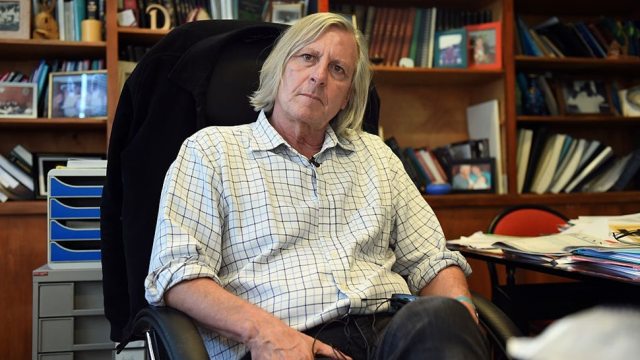
On Wednesday, Gregory Rigano, an advisor to the Stanford University School of Medicine, claimed that a world-renowned French researcher had tested a promising cure for coronavirus.

He tweeted: “Full peer-reviewed study has been released by Didier Raoult MD, PhD. After 6 days 100% of patients treated with HCQ + Azithromycin were virologically cured.”

Appearing on Fox News Wednesday night, Rigano followed up by stating:

And I’m here to report that as of this morning, about 5:00 this morning, a well-controlled peer-reviewed study carried out by the most eminent infectious disease specialist in the world—Didier Raoult, MD, PhD—out of the south of France, in which he enrolled 40 patients, again, a well-controlled peer review study, that showed a 100 percent cure rate against coronavirus. The study was released this morning on my Twitter account, @Riganoesq as well as our most recent website, @covidtrial.io. The study was recently accepted to the International Journal of Antimicrobial Agents by Elsevier.

Rigano continued, “In fact to be able to cure a virus was said to be mathematically impossible, and the first company that did it was a small biotech called Pharmacet that was acquired by Gilead Sciences in a cure for hepatitis C. What we’re here to announce is a second cure to a virus of all time.”

On Monday, The Daily Wire reported that an Australian team had announced they might have found a cure for coronavirus, and it was in a similar vein:

According to infectious disease experts at the University of Queensland in Brisbane, Australia, they may have found a treatment that could possibly eliminate the coronavirus. “University of Queensland Centre for Clinical Research director Professor David Paterson told news.com.au today they have seen two drugs used to treat other conditions wipe out the virus in test tubes,” News.com.aureported Monday.

The two medications Paterson referred to are Chloroquine, an anti-malarial drug, and HIV-suppressing combination lopinavir/ritonavir. Paterson told the outlet that it seemed reasonable to call the drugs “a treatment or a cure … It’s a potentially effective treatment. Patients would end up with no viable coronavirus in their system at all after the end of therapy.”

According to covidtrial.io, here are the backgrounds for Didier Raoult and another doctor involved in the study:

Didier Raoult created the Rickettsia Unit at Aix-Marseille University. Since 2008, Dr. Raoult has served as the director of URMITE (Research Unit in Infectious and Tropical Emergent Diseases), collaborating with CNRS (National Center for the Scientific Research), IRD (Research for the Development Institute), INSERM (National Institute of Health and Medical Research) and Aix Marseille University. His laboratory employs more than 200 people, including nearly 100 active researchers who publish between 250 and 350 papers per year and have produced over 50 patents.

Dr. Chandra Duggirala has a bio that states:

He founded Novobionics, a medical device company to treat diabetes and obesity non-invasively and invented it’s double sleeve technology. He lead the company through preclinical trials and several US and international patents. He is also the Principal Investigator of the Reset-Youth trial, one of the largest clinical trials for investigating the reversibility of epigenetic markers of aging. He also founded a software company at the intersection of nutritional biology and A.I.

https://itsinterestingdotcom.wordpress.com/wp-admin/post-new.php

How one small Italian town cut coronavirus cases to zero in just a few weeks

By Rachael Rettner

A small Italian town appears to have drastically reduced coronavirus infections — reaching zero cases last week — after implementing an aggressive tactic to curb spread, according to news reports.

The town, Vo Euganeo, in northern Italy, saw a cluster of cases of the new coronavirus disease (COVID-19) in the third week of February and was home to the country’s first death from COVID-19, on Feb. 21, according to The Straits Times.

Following this death, the town was put on lockdown, and all 3,300 residents were tested for coronavirus, according to Sky News.

This mass testing revealed that about 3% of residents were infected with the virus, and of these, about half did not show any symptoms, according to ProMarket, the blog of the Stigler Center at the University of Chicago Booth School of Business. After two weeks of a strict lockdown and quarantine of cases, only 0.25% of residents were infected. The town isolated these last few cases and has since reopened.

Vo Euganeo has not reported any new cases since Friday (March 13), according to Sky News.

“The lesson we learned is that isolating all positive cases, whether they were sick or not, we were able to reduce transmission by 90 percent,” Andrea Cristani, a professor of microbiology at the University of Padua in Italy who helped carry out the testing, told RFI.

This message echoes a recent statement from the World Health Organization (WHO). “We have a simple message to all countries — test, test, test,” Tedros Adhanom Ghebreyesus, director-general of WHO, said at a news briefing Monday (March 16). “All countries should be able to test all suspected cases. They cannot fight this pandemic blindfolded.”

COVID-19 cases in the rest of Italy have soared in recent weeks. The country has reported more than 35,700 cases and nearly 3,000 deaths as of Wednesday (March 18).

https://www.livescience.com/small-italian-town-cuts-coronavirus-cases-testing.html?utm_source=Selligent&utm_medium=email&utm_campaign=15489&utm_content=20200319_Coronavirus_Infographic+&utm_term=3675605&m_i=OguKUMtlVZ2XR0FtmKzVwy23qhJljQ_ECDHOF9yeeiliWl1lAhbCDeG8red8tr52pB6GdMdlKqG0SWmT4cwSI4C0qaXToh

California teen donates more than 150 coronavirus sanitation kits to the homeless. Now she wants your help to distribute more.


Fifteen-year-old Shaivi Shah donated more than 150 hygiene kits to the homeless.

By Lauren Lee

The teenager and her parents made the purchases and now it was time to pack them up.

Shaivi Shah, 15, recruited her fellow Tesoro High School honor society members to assemble kits of hand sanitizer, antibacterial soap, lotion and reusable masks for distribution to help people experiencing homelessness in the middle of a pandemic.

“They don’t have necessities right now that are crucial to remain clean and stay germ-free,” Shaivi told CNN.


Shah assembles the kits at home.

California Gov. Gavin Newsom’s recent speech about the state’s homeless problem sparked her idea. So far, the efforts of the passionate student has led to the delivery of more than 150 low-cost sanitation kits to three Los Angeles shelters.

A vulnerable population

According to the US Interagency Council on Homelessness, on any given day, more than 150,000 Californians are living in homelessness — the most of any US state. Shaivi feared they might be forgotten in this time of social distancing.

“A lot of people are just focusing on themselves and their families,” she said.

The altruistic teen from Rancho Santa Margarita started a GoFundMe account to raise funds to expand her program throughout California and the US.

https://www.gofundme.com/f/covid19-sanitation-kit-for-the-homeless-community

“These people that are living on the streets, they have no protection, so even a small amount could help.”

A call to service

Shah hopes that her actions will encourage others to step in to help in their own ways during the pandemic.

“It’s important for people to step in and just do whatever they can, even if it helps just one person.”

Shah is no stranger to community service. Last year, she raised thousands of dollars for a homeless shelter through a dance recital. Her duty to help people experiencing homelessness comes from a feeling of gratitude.

“Imagine yourself in their shoes, without a house, without clothes, without any sanitation,” she says.

“That’ll make you be grateful for what you have, and possibly donate and do something good for the other people.”

https://www.cnn.com/2020/03/19/us/teen-donates-sanitization-kits-to-homeless-iyw-trnd/index.html

China approves first homegrown COVID-19 vaccine to enter clinical trials

By Elise Ma

One day after the U.S. began the first human trial of an mRNA vaccine candidate for COVID-19 on March 16, China said Tuesday evening that it had approved the first clinical trial of a vaccine candidate developed by domestic researchers.

The vaccine candidate, known as Ad5-nCoV, is a recombinant novel coronavirus vaccine. It was jointly developed by Tianjin-based Cansino Biologics Inc. and the Institute of Biotechnology of the Academy of Military Medical Sciences. The clinical trial will enroll 108 subjects and take place at Tongji Hospital in Wuhan, the epicenter of COVID-19.

Cansino said Ad5-nCoV is a genetically engineered vaccine candidate with the replication-defective adenovirus type 5 as the vector to express SARS-CoV-2 spike protein. The vaccine candidate is intended to be used to prevent the disease caused by the novel coronavirus infection.

Backed by the state, the company has also obtained support from the Tianjin Science and Technology Bureau through the Project on Emergency Prevention and Control of COVID-19 Infection to develop the vaccine.

On March 17, the company said it has started to prepare for clinical trials of Ad5-nCoV and the pre-screening of healthy volunteers.

Cansino CEO Xuefeng Yu said the company and the academy have been collaborating closely since late January to develop Ad5-nCoV and generate sound scientific data to support its IND filing. “Having committed to providing unconditional support to fight against the global epidemic, Cansino is determined to launch our vaccine product candidate as soon as possible, with no compromises in quality and safety,” he added.

According to the Chinese Clinical Trial Registry, it is a single-center, open and dose-escalation phase I trial testing safety and tolerance of Ad5-nCoV in healthy adults, ages 18 to 60. The low-, middle- and high-dosage groups will each see 36 patients, who will receive 5e10vp, 1E11vp and 1E11vp of Ad5-nCoV, respectively.

The primary indicator is to see whether there are adverse reactions seven days after injection, and the secondary indicators are whether adverse reactions are observed 28 days after injection or severe adverse reactions six months after the injection.

Researchers will also look for anti-S antibody immunoglobulin G, neutralizing antibodies against SARS-CoV-2, neutralizing antibodies against Ad5 and specific T-cell responses as secondary indicators.

Ad5-nCoV is developed with Cansino’s adenovirus-based viral vector vaccine technology platform, which utilizes adenoviruses as viral vectors to deliver vaccine antigens to the human cell. Previously, the technology platform was key in enabling Cansino to translate its Ebola virus disease vaccine, Ad5-EBOV, from a concept to an approved product in merely three years.

A forerunner in China’s vaccine space, Cansino came to the industry’s attention when its Ad5-EBOV became the first approved Ebola virus vaccine in China for emergency use and as part of the national stockpile in October 2017.

Leveraging the existing technology platform, Cansino said results from preclinical animal studies of Ad5-nCoV show that the vaccine candidate can induce strong immune responses in animal models. The preclinical animal safety studies demonstrated a good safety profile.

“We have completed the necessary preclinical steps for vaccine R&D. To date, the GMP clinical batches have passed quality testing and are ready for the phase I clinical trial,” the company said.

Stepping carefully

A cautious scientist, Yu stressed the importance of safety in vaccine development and warned that there is more to think of than just the speed of development.

“We need speed, but we still need quality. We d

on’t want to introduce a second harm to people. It is critically important to check every step,” Yu said in a webinar organized by Chinese CRO Wuxi Apptec last month.

He said although the existing technology platform can speed up the development of a vaccine, there are issues to address before applying any vaccine to a human. Animal models should be available before moving any vaccine candidates into human trials so as to produce a vaccine that will eventually work without concerns such as disease enhancement.

“Even though we have learned from MERS and SARS, COVID-19 is still a new virus that behaves very differently, so we should really get some basic understanding,” Yu said.

And in developing a vaccine for emergency response, Yu said it would be ideal to require just one dose, and developers need to consider the manufacturability of the vaccine in order to benefit more people.

On March 16, the NIH said a phase I trial has begun in Seattle. The vaccine candidate, known as mRNA-1273 and co-developed by NIH and Moderna Inc., encodes viral spike (S) protein for prevention of COVID-19.

https://www.bioworld.com/articles/433791-china-approves-first-homegrown-covid-19-vaccine-to-enter-clinical-trials?id=433791-china-approves-first-homegrown-covid-19-vaccine-to-enter-clinical-trials