Can dogs sniff out COVID-19?

by MARY JO DILONARDO

In the fight against the coronavirus pandemic, dogs might soon be on the front lines.

Researchers in the U.K. believe they can train dogs to detect COVID-19, the disease caused by the virus. Dogs with a heightened sense of smell may be able to sniff out patients who have the disease even if they aren’t showing symptoms.

Researchers from the London School of Hygiene & Tropical Medicine (LSHTM) are working with Medical Detection Dogs and Durham University to prepare a team of canines to help diagnosis the virus quickly and in a hands-off way.

“It’s early days for COVID-19 odor detection,” James Logan, head of LSHTM’s Department of Disease Control, said in a statement. “We do not know if COVID-19 has a specific odor yet, but we know that other respiratory diseases change our body odor, so there is a chance that it does. And if it does, dogs will be able to detect it. This new diagnostic tool could revolutionize our response to COVID-19.”
The three groups recently collaborated to show that dogs can be trained to detect malaria.

“In principle, we’re sure that dogs could detect COVID-19. We are now looking into how we can safely catch the odor of the virus from patients and present it to the dogs,” said Dr. Claire Guest, CEO and co-founder of Medical Detection Dogs.

“The aim is that dogs will be able to screen anyone, including those who are asymptomatic, and tell us whether they need to be tested. This would be fast, effective and non-invasive and make sure the limited [National Health Service] testing resources are only used where they are really needed.”

Specially trained canines have been taught to sniff out various conditions ranging from cancer to Parkinson’s disease. Their noses are built for that kind of work. Dogs have about 300 million olfactory receptor cells in their noses, compared to only about 5 million in humans.

Dogs are being trained to search for COVID-19 in the same way they’ve been taught to hunt for these other diseases. They sniff samples in a training room and alert their handlers when they’ve found the virus. Researchers say dogs can be trained to discern slight changes in skin temperature, so there’s the potential to detect if someone has a fever. The diagnosis would then be confirmed with a medical test.

The dogs must have a very acute sense of smell to be trained to sniff for medical conditions.

“We have four or five dogs ready to go into training right now,” Logan told CityLab. “If we were able to deploy them within a month or two, we could screen maybe 4,000 to 5,000 people per day. In the short-term, there are some locations where dogs might be appropriate to use, such as screening medical or care staff, or people going into schools and other community areas.”

The team expects the training to cost about £1 million ($1.2 million U.S.). As of April 8, about $3,800 had been raised in crowdfunding to help support the project. They hope to have the dogs trained in the next six to eight weeks.

The dogs will not come in direct contact with people, but will only sniff the air around them, according to Medical Detection Dogs. Infectious disease experts and human and animal health organizations agree there’s no evidence the pets spread the virus to people. There have been a handful of cases where dogs, a cat and a tiger tested positive for the virus, but in all instances researchers believe the animals contracted the virus from people.

“If the research is successful, we could use COVID-19 detection dogs at airports at the end of the epidemic to rapidly identify people carrying the virus,” said Professor Steve Lindsay from Durham University. “This would help prevent the re-emergence of the disease after we have brought the present epidemic under control.”

https://www.mnn.com/family/pets/stories/can-dogs-sniff-out-covid-19?utm_source=Weekly+Newsletter&utm_campaign=d91c69bb97-RSS_EMAIL_CAMPAIGN_FRI0410_2020&utm_medium=email&utm_term=0_fcbff2e256-d91c69bb97-40844241

How other species handle social distancing when someone is sick

by RUSSELL MCLENDON

Social distancing can be hard for social animals like us, even when we know it’s a matter of life and death.

There are countless logistical crises, of course, but avoiding human contact is also just lonely for a species that evolved to live around each other, and many people are struggling to stay vigilant as the coronavirus lockdown drags on.

Yet while it may feel unnatural to live like this, the sacrifices we’re now making have deep roots in the animal kingdom. Social distancing occurs not only in species that always lead solitary lives, and thus avoid each other even when no one is sick, but also in some social species when circumstances call for it.

From ants and bees to mice, monkeys and apes, an array of social animals change their behavior to reduce the risk of spreading infections. Below is a closer look at how some other social species protect themselves and their communities from dangerous diseases. Many use strategies that wouldn’t work for humans, but they still illustrate why isolating ourselves during an outbreak isn’t as unnatural as it feels.

ANTS

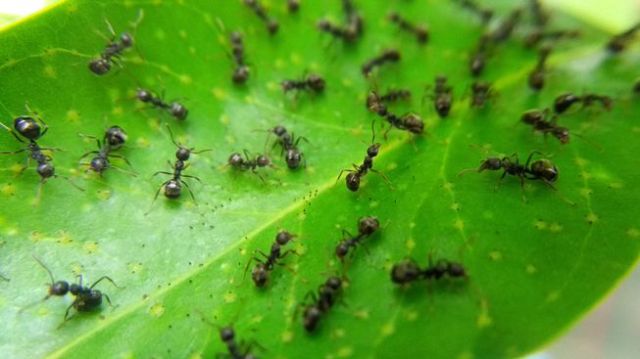
An ant colony is considered a “superorganism,” in which hordes of individuals work together as part of a larger entity, sort of like neurons in a brain. Considering how well ants collaborate on common goals, it may come as little surprise that they excel at social distancing and other methods of disease control. Still, their methods and results are impressive, both in terms of identifying pathogens and neutralizing them.

Black garden ants (Lasius niger), for example, quickly adjust their normal routines when members of the colony develop a fungal infection. Their colonies naturally include both nurses and foragers, who either stay home to care for young ants or venture out to find food. The latter group sometimes picks up pathogens during their excursions, but when they do, both nurses and foragers swiftly respond.

That response begins before the infected ants even become sick, according to a study published in the journal Science, in which researchers exposed some foragers in a colony to spores from a fungus called Metarhizium brunneum. Within one day of exposure, the infected foragers started spending even more time outside the nest than usual, further limiting their contact with other members of the colony.

It isn’t clear how the ants knew they were infected, but it’s possible they can detect the spores on themselves, New Scientist reports. However they knew, isolating themselves so early could make a big difference in stemming an outbreak — an opportunity many human communities missed during the coronavirus pandemic. In fact, similar to what countless people are now doing to avoid the coronavirus, it isn’t just infected ants who changed their behavior. Unexposed foragers also reduced their social contact after their colleagues picked up the spores, the researchers found, while nurse ants began moving the brood deeper into the nest.

BEES

Ants are the largest group of “eusocial” insects, who form complex societies with overlapping generations, cooperative brood care and reproductive division of labor. Nearly all ant species live this way, but so do several hundred species of bees and wasps, and they also must be vigilant to protect their tightly packed colonies.

That includes honey bees, one of the most famous of all eusocial insects, whose colonies can fall victim to a variety of bacteria, viruses, fungi and parasites. As with ants, the dense population of a honey bee hive means quick detection — and quick action — is needed to prevent a disease from running amok.

In a bacterial disease called American foulbrood, for instance, adult bees can smell certain chemicals emitted by infected larvae, namely a mixture of two pheromones that triggers a specific hygienic behavior. When bees smell this combo, they respond more consistently than they do to either pheromone alone, according to a study published in the journal Scientific Reports. Once the bees identify where this telltale smell is coming from, they’ll remove any infected larvae from the hive.

Frogs

Until the late 1990s, there was no evidence that nonhuman animals could recognize and reduce infection risk from other members of their species. That changed with research on American bullfrogs, whose tadpoles are impressively adept at dodging a dangerous fungal infection. Tadpoles are able to detect an infection of Candida humicola in other tadpoles, the researchers found, and can then use that information to proactively avoid other tadpoles harboring such an infection.

“Our understanding of predators and their prey has changed drastically since it was discovered that many kinds of prey animals can change their behavior and even their body shape when they smell nearby predators,” study co-author and Yale University professor Skelly said in a statement at the time. “Responding to disease risk may be quite similar from an animal’s perspective. In both cases animals appear to be able to use behavior to reduce the chance that they will be harmed or die.”

Great apes

Like us, the great apes are highly visual creatures. Even if they can’t sniff out an infection like bees or tadpoles can, they may still use visual cues to stay healthy.

Western lowland gorillas, for example, live in social groups that females migrate to join, and as researchers reported in a 2019 study, disease avoidance can be a key factor when females are deciding to leave or join a group. The study looked at a bacterial disease known as yaws, which causes visible ulcers on the faces of infected animals. While studying nearly 600 gorillas over a decade, the researchers noticed females often leave males and heavily diseased groups to join healthier ones, avoiding other sick groups at all costs. This suggests gorillas have learned the disease is contagious, the researchers noted, and can recognize its symptoms in others.

Chimpanzees rely on visual cues, too, sometimes taking steps to limit infection that seem harsh to humans. As the famed primatologist Jane Goodall first reported in the 1960s, chimps may ostracize a member of their troop who has polio, a viral disease that can lead to paralysis. Healthy chimps have been known to shun or even attack chimps partially paralyzed by polio, although Goodall has noted some chimps eventually recovered and rejoined the social group.

Mice

In many social species, from insects to apes, animals recognize an infection in others and then take steps to avoid them. In house mice, however, the opposite also happens in at least some cases.

In a 2016 study, researchers examined how a disease outbreak might affect social dynamics of wild house mice living in a barn in Switzerland. To simulate an infection, mice were injected with lipopolysaccharides, a component of the bacterial cell wall, which results in an immune response and generalized disease symptoms, making the mice feel sick. All the mice were also identified and tracked with radio tags, letting the researchers learn how both sick and healthy mice responded.

Mice have the ability to detect illness in other mice, yet the researchers were surprised to discover healthy mice were not avoiding the sick mice, instead interacting with them as if nothing was different. “It was the sick mouse that removed itself from the group,” lead author Patricia Lopes, a biologist at the University of Zurich, said in a statement. That behavioral change might not be intentional — maybe the sick mouse just felt lethargic — but it could still be evolutionarily adaptive, since it would help protect the sick mouse’s relatives from the infection.

Monkeys

Although some of our fellow primates can be drastic with their disease avoidance — ejecting members from the social group, or abandoning the group themselves — the right solution depends largely on the species and the disease. In highly social mandrills, for example, a group member infected with parasites may not be ostracized entirely, but simply receive less grooming until healthy again.

Researchers discovered this as part of an ongoing research project on mandrills in Gabon. Following 25 mandrills over more than two years, they noticed grooming rates fell as individuals became infected with more parasites, but the infected monkeys were otherwise tolerated. The researchers collected fecal samples from the mandrills, too, noticing a different chemical signature in the poop of sick mandrills compared with healthy ones. Mandrills also showed more avoidance of poop with higher levels of parasites, suggesting they know when to cut back on someone’s grooming at least partly based on the smell of their poop.

When the researchers treated the sick mandrills and freed them of parasites, other members of their social groups started grooming them regularly again.

Vampire bats

Vampire bats live in colonies that can number in the hundreds or thousands, and they depend heavily on their social network for survival. That’s because the bats support each other with mutually beneficial behaviors like reciprocal grooming and food sharing, which can be important for survival. Vampire bats need to drink about a tablespoon of blood per night, and three days without blood could kill them. To buffer the colony against that threat, bats who successfully find blood on a given night often regurgitate and share some with less fortunate bats back at the colony.

In a recent study, researchers hoped to learn how an infection can affect the social dynamics among vampire bats. Working with a small captive bat colony at the Smithsonian Tropical Research Institute in Panama, the researchers injected some bats with bacteria to stimulate their immune systems and make them feel sick. All the bats continued

to socialize and share food, but the sick ones did make a few changes. Similar to humans, sick bats were more likely to withdraw from weaker social relationships — offering and receiving less grooming — but interacted more normally with close family members.

“Understanding how social interactions change in the face of illness is a key component in predicting the channels and speed at which a pathogen can spread across a population,” said co-author and STRI researcher Rachel Page in a statement. “Close observation of vampire bat behavior sheds light on how social animals interact, and how these interactions change — and importantly, when they do not change but persist — as individuals become sick.”

https://www.mnn.com/earth-matters/animals/blogs/social-distancing-wildlife-species-avoid-disease?utm_source=Weekly+Newsletter&utm_campaign=d91c69bb97-RSS_EMAIL_CAMPAIGN_FRI0410_2020&utm_medium=email&utm_term=0_fcbff2e256-d91c69bb97-40844241

3 different early human ancestors lived at the same time, in the same place


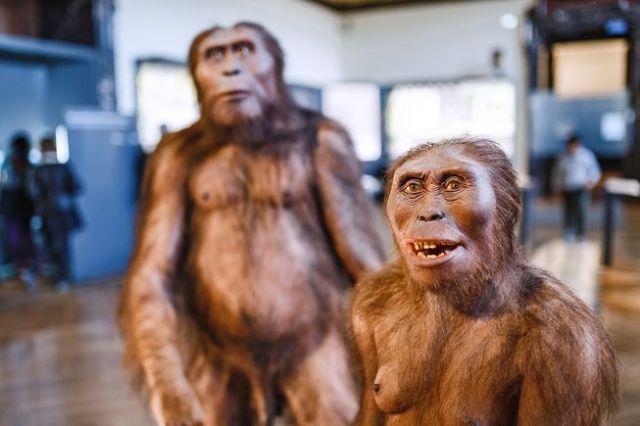
A 3D rendering of Homo erectus from an exhibit at the Museum of Natural History in Vienna, Austria.

by STARRE VARTAN

Homo sapiens have existed in the form we do today for only about 50,000 years. Go back 2 million years ago though, and there were several kinds of archaic humans. It was near the end of the Australopithecus era (you may have heard of Lucy), and the beginning of the time of Paranthropus and Homo erectus, one of Homo sapiens’ direct ancestors. It’s easy to assume that one group died off before the next came on the scene, but they overlapped, according to new research.

“We know that the old idea, that when one species occurs another goes extinct and you don’t have much overlap, that’s just not the case,” study coauthor Andy Herries, a paleoanthropologist at La Trobe University in Australia, told Smithsonian magazine.

The recent find, published in the journal Science, comes out of the Drimolen Paleocave System in South Africa. This area is a gold mine of ancient ancestry; over 160 remains have been found there already, and now, the oldest Homo erectus discovery, a cranium, has been found there, dating to about 2 million years ago. Also found were skull fragments and teeth of Paranthropus robustus, and our earlier human ancestor, Australopithecus, who was also known to live in the same area at the same time.


Lucy belonged to the extinct species Australopithecus afarensis, portrayed here in a sculptor’s rendering. (Photo: Dave Einsel/Getty Images)

These recently discovered fossils are the oldest examples of their respective species ever discovered.

“Here we have evidence of all three genera, Homo, Paranthropus and Australopithecus, sharing the landscape at just about the same time,” David Strait, a paleoanthropologist at Washington University in St. Louis and co-author of the paper, told The New York Times. “It is our first really good look at the time that this replacement is taking place and that’s pretty exciting.”

It’s well-known that the later human variants (hominins is the term scientists use for modern and related humans) diverged, evolved and then intermixed: Groups of hominins left East Africa and explored North Africa, Europe and Asia. As those early humans moved through various environments, some stayed and adapted to local conditions while others moved on. They might bump into each other again, sometimes using the same places to fish, or shelter. And sometimes they would die there, leaving the fossil record for modern Homo sapiens to find.

“The truth is that from about 2 million years ago until around 10,000 years ago, the world was home, at one and the same time, to several human species. And why not? Today, there are many species of foxes, bears, and pigs. The earth of a hundred millennia ago was walked by at least six different species of man,” writes Yuval Harari in his book, “Sapiens: A Brief History of Humankind.”


A reconstruction of a Neanderthal who lived some 50,000 years ago in what’s now Spain, by Italian scientist Fabio Fogliazza. (Photo: Cesar Manso/AFP/Getty Images)

Muscular, bulky Neanderthals were well-suited to the Ice Age climate of western Eurasia, and Homo erectus populated east Asia (and did so successfully for 2 million years). Homo soloensis was found on the Indonesian island of Java, and another tiny island was home to Homo floresiensis; the people there were petite, reaching a maximum height of just 3 1/2 feet due to limited local food resources. The remains of Homo denisova were found in a Siberian cave, but they traveled far and wide; their DNA has been found in modern Australian aborigines, Polynesians, Fijiians and others.

Other humans continued to evolve within Africa, including Homo rudolphenisis and Homo ergaster. And like the others, Homo sapiens (that’s us) also came out of Africa, and then met up with many of these species as we moved around the world. And by “met up with,” I mean a few things, including sex that resulted in offspring. Just last year, a half-Denisovan, half-Neanderthal child, was found, proving that successful procreation occurred.

And of course, the proof is also in our DNA. As mentioned above, Denisovan DNA is present in some populations and most non-Africans have some Neanderthal DNA. (For example, according to my 23andMe report, I have 249 variants, which is lower than average.)

We Homo sapiens live in a lonely time: Throughout most of human history, there were many other kinds of humans on the planet with us — we are still discovering new ones all the time. So what happened to them all?

There are plenty of theories: “The Interbreeding Theory tells a story of attraction, sex, and mingling,” writes Harare. “As the African immigrants spread around the world, they bred with other human populations, and people today are the outcome of this inbreeding.”

This idea is at least partially backed up by Denisovan and Neanderthal DNA found in modern humans. But another possibility is that Homo sapiens outcompeted Neanderthals and others, over time starving them of resources. Or we may have killed these other people for being so different from us. As Harare writes, “Tolerance is not a sapiens trademark.”

https://www.mnn.com/lifestyle/arts-culture/blogs/different-early-humans-ancestors-mixed-and-mingled-two-million-years-ago?utm_source=Weekly+Newsletter&utm_campaign=d91c69bb97-RSS_EMAIL_CAMPAIGN_FRI0410_2020&utm_medium=email&utm_term=0_fcbff2e256-d91c69bb97-40844241

Smoking marijuana, even occasionally, can increase your risk for more severe complications from Covid-19, the disease caused by the novel coronavirus.

If you’re smoking weed to ease your stress during the coronavirus pandemic, experts say it’s time to think twice.

Smoking marijuana, even occasionally, can increase your risk for more severe complications from Covid-19, the disease caused by the novel coronavirus.

“What happens to your airways when you smoke cannabis is that it causes some degree of inflammation, very similar to bronchitis, very similar to the type of inflammation that cigarette smoking can cause,” said pulmonologist Dr. Albert Rizzo, chief medical officer for the American Lung Association. “Now you have some airway inflammation and you get an infection on top of it. So, yes, your chance of getting more complications is there.”

Hey wait, you might say, I’ve only just started and I’m not smoking much — so what’s the harm?
The problem, said Dr. Mitchell Glass, a pulmonologist and spokesperson for the American Lung Association, is that the last thing you want during a pandemic is to make it more difficult for a doctor to diagnose your symptoms.

“Covid-19 is a pulmonary disease,” Glass said. “Do you really want to have a confounding variable if you need to see a doctor or a healthcare worker by saying, ‘Oh, and by the way, I’m not a regular user of cannabis, but I decided to use cannabis to calm myself down.’

“You don’t want to do anything that’s going to confound the ability of healthcare workers to make a rapid, accurate assessment of what’s going on with you,” he added.

Is that cough from smoking or coronavirus?

“Chronic” marijuana smoking, defined as daily use, damages the lungs over a period of time. The end result “looks a lot like chronic bronchitis, which is of course one of the terms we use for chronic obstructive lung disease, or COPD,” Glass said.

Smokers, people with COPD and other chronic lung diseases, as well as people with moderate to severe asthma are among those at high risk for severe illness from Covid-19, including the worst-case scenario of being placed on a ventilator in order to continue breathing.

Signs of lung damage from smoking even just a few cigarettes can show up in a matter of days.

While a hit or two of marijuana doesn’t compare, there are some unique properties to a joint of weed that are definitely problematic for the lungs even if you’re a new smoker, Glass said.

Think of what happens to a cigarette when lit and left in an ashtray — it will burn quickly all the way down to the filter, with nothing left but ash.

“It’s surrounded by paper. It’s completely dried out. It is made to burn at a very high temperature,” Glass said.

Now think of how a joint burns — there’s always some weed left, the “roach,” as it is called.

“Marijuana burns at a much, much lower temperature than a commercially made cigarette,” said Glass. “Because of that, the person is inhaling a certain amount of unburnt plant material.”

That irritates the lungs in the same manner as ragweed, birch and oak pollen does for those allergic to them, he said.

“So right off the bat there are those patients who would be increasingly susceptible to having a bronchospasm or cough because they have a more sensitive airway.”

And since a dry cough is a key sign of Covid-19, any cough caused by smoking a joint of weed could easily mimic that symptom, making diagnosis more difficult.

The need for a clear head

There’s another factor as well. As we all know, weed not only calms you down, but it messes with your ability to function — and that does you no favors if you find yourself having a medical emergency during a pandemic.

“You’re reducing anxiety, but that is still a change in your thinking, a change in the way you are handling facts, how you’re grasping situations,” Glass said.

“Now there’s a healthcare worker who is gowned, gloved, possibly in a hazmat suit trying to get through to you. These are people who are trying to decide if you should be going home, coming into the emergency room, or worst case scenario, that you need to be put on a ventilator,” he continued.

“They want the person who’s agreeing and giving informed consent to be completely in control of their thought processes.”

More Americans are using weed

In 2018, more than 43 million Americans aged 12 or older reported using marijuana in the past year, according to the 2018 National Survey on Drug Use and Health (PDF).

Around four million of those are people with “marijuana use disorder, meaning that this has escalated to the point where it’s a problem in their lives,” said Jessica Hulsey, founder of the Addiction Policy Forum, which advocates on behalf of patients and families struggling with substance use disorder and addiction.

“Experts at the National Institutes of Health released some guidance for our patients and our families. saying marijuana use disorder could be a risk factor for complications from Covid-19,” Hulsey said.

“Because it attacks the lungs, the coronavirus that causes Covid-19 could be an especially serious threat to those who smoke tobacco or marijuana or who vape,” the NIH said in its announcement.

“We need to make sure that these users are aware that marijuana is in essence an underlying health condition,” Hulsey added. “They should take extra precautions by minimizing use to the extent that is possible, and even start virtual treatment and a recovery journey while everyone’s stuck at home.”

The national drug survey also found more than a third of young adults aged 18 to 25 said they used marijuana during 2018, along with more than 13% of adults aged 26 or older.

But it’s not just the young. Earlier this year, a study found use by older adults is rising sharply. In 2006, only 0.4% of people over 65 reported using marijuana products in the past year. By 2018, over 4% of those same aged seniors say they are now using, the study found.

“Marijuana use among seniors is not bouncing up and down like with other drugs. It’s a straight line up,” said study co-author Joseph Palamar, an associate professor of population health at New York University’s Grossman School of Medicine, in an interview in February.

Are even more Americans turning to weed during this time of crisis?

Simply put, no one knows. Each state handles reporting differently, Glass says, and sales estimates often combine both THC, the main psychoactive compound in marijuana that produces the “high,” and CBD, the medicinal compound that is now sold over the counter.

“I made a few phone calls and the numbers ranged quite literally from a million to 30 million. So who knows how many people are getting their hands on cannabis to relieve their anxiety during this time,” Glass said.

What to do?

If you’re not a regular smoker of marijuana, don’t start, experts say.

“Don’t confound your caregivers with trying to sort out whether your dry cough and change in behavior is due to the fact that you’re a novice with marijuana or it’s associated with Covid-19,” Glass said.

“If you do need to see a caregiver, be sure you’re very honest with them about when you last used, and how often you use,” Glass said, “so they can get a good, clear story on what the impact of inhaling marijuana is on you.”

Remember the bottom line when it comes to smoking and Covid-19, Rizzo said.

“It’s common sense that anything you inhale that has been combusted and contains particles or chemicals can inflame your airways,” he said. “So you’re already making your body fight off foreign particles before it even has to fight off the infection.”

https://www.cnn.com/2020/04/10/health/smoking-weed-coronavirus-wellness/index.html

Humanity tested

Humanity tested
Nature Biomedical Engineering (2020)Cite this article

10 Altmetric

Metricsdetails

The world needs mass at-home serological testing for antibodies elicited by SARS-CoV-2, and rapid and frequent point-of-care testing for the presence of the virus’ RNA in selected populations.

How did we end up here? Two ways. Gradually, then suddenly. Ernest Hemingway’s passage is a fitting description for humanity’s perception of the exponential growth of COVID-19 cases and deaths (Fig. 1). The worldwide spread of a highly infectious pathogen was only a matter of time, as long warned by many epidemiologists, public health experts, and influential and prominent voices, such as Bill Gates. Yet most of the world was unprepared for such a pandemic; in fact, most Western countries (prominently the United States1) fumbled their response for weeks. Singapore, Hong Kong and Taiwan have shown the world that, to contain the propagation of severe acute respiratory syndrome coronavirus 2 (SARS-CoV-2), governments need to quickly implement aggressive testing (by detecting the viral RNA through polymerase chain reaction (PCR)), the isolation of those infected and the tracing and quarantining of their contacts, while educating their citizens about the need for physical distancing and basic public health measures (in particular, frequent hand-washing and staying at home if feeling unwell). When outbreaks are not detected and acted upon sufficiently early, drastic physical distancing — of the sort implemented by China at the end of January and maintained for months — can eventually suppress the outbreak (Fig. 1). It is however unclear whether Western countries that have implemented strict physical-distancing measures later in their infection curve will be able to gradually release such lockdowns, let alone see their outbreaks controlled.

Fig. 1: Early mass testing and early containment measures save lives.
figure1
COVID-19 confirmed cases and deaths for selected countries in a 10-day window ending at each data point (successive data points on a line denote consecutive days). Numbers in colour are the estimated number of total PCR tests per million people up to the data point indicated; stars indicate when strict lockdowns were enacted. Deaths lag with respect to confirmed cases, according to the estimated two-to-three week interval10 between the onset of symptoms and death. Case fatality rates — that is, the fractions of total confirmed cases that become deaths — mostly depend on the extent of testing, on the capacity of a country’s healthcare system, on its demographics and on the availability of drugs that can significantly dampen the severity of COVID-19 in those infected. Even with mass testing, the case fatality rate of COVID-19 is expected to be a multiple of that for seasonal flu in the United States (0.1%). Countries that deployed tests for detecting SARS-CoV-2 RNA early and widely (such as South Korea), that applied contact tracing and targeted physical distancing measures for detected cases (such as South Korea and Japan), or that enacted early, strict lockdowns (such as China) are more likely to contain the disease outbreak earlier. In fact, Singapore, Hong Kong and Taiwan have contained COVID-19 outbreaks and have managed to limit COVID-19-related deaths to less than 10 (hence, these countries are not included in the figure). Data updated 6 April 2020. Individual data points can be affected by reporting errors and delays, by wilful underreporting and by location-specific definitions (and changes to them) for confirmed cases and deaths. Data sources: European Center for Disease Control and Prevention11 (cases and deaths); Our World in Data12, various government sources (tests). A regularly updated version of this graph is available13.

Full size image
Such non-pharmacological interventions aim to ‘flatten’ the infection curve by reducing the number of transmission chains and thus the virus’ basic reproduction number — that is, the average number of new cases generated by a case in an immunologically naive population. In the absence of a safe and effective vaccine — which, if current efforts end up being successful, is unlikely to become widely available within the next two years — non-pharmacological interventions will need to remain in place to reduce the threat of secondary outbreaks by maintaining the basic reproduction number below 1. However, the type and degree of the interventions could be better tailored if governments knew who are currently infected and who have been infected and recovered. For this, the world needs to see the mass deployment of serological testing for SARS-CoV-2 antibodies (which appear to be highly specific2), and frequent testing for SARS-CoV-2 RNA in those likely to be exposed to the virus (especially healthcare workers) or at a higher risk for severe respiratory disease (such as the elderly and younger individuals with relevant comorbidities).

Medical-device companies and government and research laboratories around the world have rushed to adapt and scale up nucleic acid tests (mostly employing PCR, but also CRISPR-based detection and loop-mediated isothermal amplification) to detect the virus’ RNA, and government agencies are scrambling to assess them via emergency routes (such as the Emergency Use Authorization program3 by the United States Food and Drug Administration (FDA)). Point-of-care PCR kits — based on lateral-flow technology or cartridge-based instruments for sample preparation, nucleic acid amplification and detection — also require RNA extraction from nasal or throat swabs (or both) but can speed up the time-to-result from a few hours to roughly 30 minutes4 (and in one test, positive results can be obtained in five minutes5), with near-perfect sensitivity and specificity if sample acquisition and preparation and device operation are carried out appropriately by trained personnel. This limits the usefulness of these kits for at-home use, which would significantly raise the fraction of false negatives. Immunoassays incorporating monoclonal antibodies specific for SARS-CoV-2 antigens (for instance, a domain of the virus’ spike protein) should be amenable to home use, yet they are more difficult to develop (the antibodies are typically obtained via the immunization of transgenic animals) and are less accurate than nucleic acid testing.

Lateral flow immunoassays (akin to the pregnancy test) and enzyme-linked immunosorbent assays to detect antibodies elicited by the virus are also being rapidly developed (mostly by Chinese companies thus far). Tens of at-home lateral-flow devices6 are already being commercialized, having obtained the European Union’s CE mark or been authorized for emergency use by the FDA or the Chinese FDA. In many of these kits, the recombinant viral antigens bind to SARS-CoV-2-specific immunoglobulin M (IgM) and immunoglobulin G (IgG) within 15 min; hence, these tests can also detect early-stage infection (of which IgM levels are a marker), but at the expense of sensitivity and accuracy (which can exceed 90% and 99% for IgG7. The real-world performance of such serology tests, which is currently unknown, will depend on the actual prevalence of COVID-19 in the population. For example, at a 5% pre-test probability of having the disease, a test with 99% sensitivity and 95% specificity would lead to as many true positives as false positives. Hence, before wide deployment, governments need to ensure that these finger-prick antibody tests are clinically validated8.

The world should roll out both antibody and nucleic acid tests on a wide scale. Widely available and inexpensive serological testing would help governments to tailor non-pharmacological interventions to specific locations and populations, to decide when to relax them and to permit citizens immune to the virus to help those who remain susceptible to it. Mass testing would also provide valuable data to pressing unknowns: what are the infection rates across locations and populations? What fraction of the population is immune? How long does immunity last and how does it depend on age and on the severity of infection? Wider deployment of nucleic acid tests would also provide clues about the prevalence of a wider range of COVID-19 symptoms, the role of children in spreading the disease, and the epidemiological characteristics of superspreaders9 and of those who were infected and asymptomatic. Testing should be complemented by privacy-minded digital surveillance, via phone apps, aiding contact tracing and permitting lighter levels of physical distancing — as done in Singapore, South Korea and Taiwan. The downside is that any invasion of privacy via the tracking of people can last longer than necessary. De-identified and aggregated health data, such as heart rate and activity levels collected via commercial wearables, might also predict (https://detectstudy.org) the emergence and location of outbreaks.

In our globalized world, the risk of further waves of COVID-19 outbreaks, and thus of prolonged drastic economic consequences, will remain substantial as long as any outbreak anywhere remains. It is in the world’s best interest that richer countries provide test kits, technical and public-health knowledge, personnel, personal protective equipment and, eventually, the necessary vaccine doses to poorer countries to assist them in their efforts to reduce and contain the spread of SARS-CoV-2. This is humanity’s next test.

References
1.
Shear, M. D. et al. The lost month: how a failure to test blinded the U.S. to Covid-19. The New York Times https://www.nytimes.com/2020/03/28/us/testing-coronavirus-pandemic.html (2020).

2.
Ju, B. et al. Preprint at https://doi.org/10.1101/2020.03.21.990770 (2020).

3.
Emergency Use Authorization (U.S. Food & Drug Administration, 2020); https://www.fda.gov/medical-devices/emergency-situations-medical-devices/emergency-use-authorizations

4.
Accula test: SARS-CoV-2 test. U.S. Food & Drug Administration https://www.fda.gov/media/136355/download (2020).

5.
Abbott realtime SARS-CoV-2 assay. Abbott https://www.molecular.abbott/us/en/products/infectious-disease/RealTime-SARS-CoV-2-Assay (2020).

6.
SARS-CoV-2 Diagnostic Pipeline (Find, 2020); https://www.finddx.org/covid-19/pipeline/

7.
COVID-19 Coronavirus rapid test casette. SureScreen Diagnostics https://www.surescreen.com/products/covid-19-coronavirusrapid-test-cassette (2020).

8.
The Associated Press. Virus test results in minutes? Scientists question accuracy. The New York Times https://www.nytimes.com/aponline/2020/03/27/world/europe/bc-virus-outbreakscramble-for-tests.html (2020).

9.
Hu, K. et al. Preprint at https://doi.org/10.1101/2020.03.19.20026245 (2020).

10.
Verity, R. et al. Lancet Infect. Dis. https://doi.org/10.1016/S1473-3099(20)30243-7 (2020).

11.
Today’s Data on the Geographic Distribution of COVID-19 Cases Worldwide (European Centre for Disease Prevention and Control, 2020); https://www.ecdc.europa.eu/en/publications-data/download-todays-data-geographic-distribution-covid-19-cases-worldwide

12.
Roser, M., Ritchie, H. & Ortiz-Ospina, E. Coronavirus Disease (COVID-19) – Statistics and Research (Our World in Data, 2020); https://ourworldindata.org/coronavirus

13.
Pàmies, P. Tracking COVID-19 cases and deaths. Nature Research Bioengineering Community https://bioengineeringcommunity.nature.com/users/20986-pep-pamies/posts/64985-tracking-covid-19-cases-and-deaths (2020).

https://www.nature.com/articles/s41551-020-0553-6?utm_source=Nature+Briefing&utm_campaign=5907ab71f9-briefing-dy-20200408&utm_medium=email&utm_term=0_c9dfd39373-5907ab71f9-44039353

Cornell scientists develop cold-resistant corn


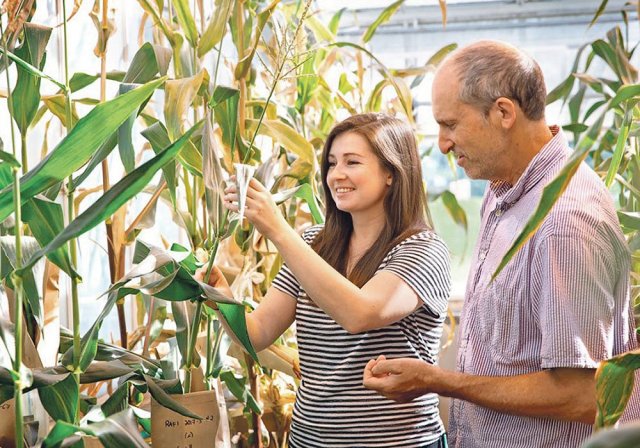
Professor David Stern examines test corn plants at Boyce Thompson Institute with Coralie Salesse-Smith. They are looking for varieties that will be better able to cope with cold weather. | Boyce Thompson Institute photo

Corn is the third largest grain crop in Canada and the number one crop in Ontario in terms of production. Nationally, yields vary depending on weather, and 2019 was a particularly challenging year.

Heavy rain and colder than normal temperatures made planting conditions difficult in Eastern Canada. Very dry conditions persisted into the growing season in parts of Western Canada, while unseasonal rain and early snow on the Prairies slowed harvest for many farmers.

Corn is one of the world’s most important crops, not only for food but for animal feed and biofuel. However, as a grass of tropical origin, it is particularly sensitive to cold weather. That trait can be problematic, especially when the growing season is only four or five months.

At Cornell University’s Boyce Thompson Institute in New York, scientists have developed a chill-tolerant corn variety that recovers much more quickly after a cold snap. It could broaden the latitudes in which corn can be grown and help farmers increase yields, especially in the face of wildly fluctuating weather patterns due to climate change.

“While the research is too early-stage to know for sure, the chilling-tolerant corn has promise to help crops cope with early cold snaps, as well as recover more quickly from drought,” said David Stern, president of the Boyce Thompson Institute and adjunct professor of plant biology in Cornell University’s College of Agriculture and Life Sciences.

“In terms of cold snaps, the combination of cold weather and strong spring sunlight can cause corn leaves to bleach, weakening or even killing the plants. The chilling-tolerant corn is less prone to bleaching, allowing it to recover more quickly. As a result, farmers could potentially plant earlier and harvest earlier, avoiding the frequent drought-prone conditions of late summer that occur just when ears are filling with grain. The potential benefits are a more flexible spring planting schedule, and an earlier harvest.”

Research in 2018 showed that increasing levels of an enzyme called rubisco led to bigger and faster-maturing plants. Rubisco is needed by plants to turn atmospheric carbon dioxide into sugar but, in cold weather, its levels in corn leaves decrease dramatically.

“Plants are very good at sensing temperature and seem to deliberately reduce the amount of rubisco when it’s cold,” said Stern.

“In doing so, plants can save the energy it takes to make rubisco and other proteins, as well as generally slow down metabolism, just like many living organisms do in the cold (think of hibernation).”

Rubisco is made up of proteins — eight large subunits and eight small ones with help from a third protein called RAF1. Because rubisco is a protein, it is made up of amino acids, which are rich in nitrogen, making rubisco a nitrogen reservoir. However, Rubisco is actually an inefficient enzyme so boosting its function will boost plant growth.

“We introduced transgenes that increase the abundance of (the) three proteins: the large subunit of rubisco, the small subunit and RAF1,” said Stern.

“In the modified corn, all three proteins are more abundant, thus increasing the level of Rubisco.”

The scientists grew plants for three weeks at 25 C, lowered the temperature to 14 C for two weeks and then returned it to 25 C, which is a considerable temperature swing. The intent was to test resistance and monitor the factors that can help plants withstand stress.

“The corn with more rubisco performed better than regular corn before, during and after chilling,” said Coralie Salesse-Smith, a PhD candidate in Stern’s lab during the study and the research paper’s first author.

“We were able to reduce the severity of chilling stress and allow for a more rapid recovery.”

Compared to traditional corn, the genetically modified corn had higher photosynthesis rates throughout the experiment and recovered more quickly from the chilling stress with less damage to the molecules responsible for photosynthesis. As a result, the plant grew taller and developed mature ears more quickly following a cold spell.

“What scientists are trying to build into plants is resilience — the ability to withstand a variety of shocks whose frequency and magnitude cannot be reliably predicted,” said Stern.

“In the laboratory, we can only test a small number of simulated climactic conditions. What happens when cold is combined with drought? Flooding with a heat wave? The real world of agriculture is far more complicated than a lab study. So, putting this kind of corn in the field is the best way to test its resilience.”

He said that the technology to bolster corn into a chill-resistant variety is being tested for the first time this growing season by a large seed company. They will know later this year or early next year if the plant is responding the way they expect and if it works as well in their elite field varieties as it does in the laboratory.

“If it does, the traits would move into their standard breeding pipeline and farmers would see the seed in six to 10 years. That is the reality of breeding for new corn traits,” said Stern.

Meanwhile, several research projects continue.

“One is to improve the activity, or speed, of the rubisco enzyme,” he said.

“In corn, only about 70 percent of the enzyme is working at any given time. We would like to increase that to 80 percent or 90 percent. Another path is to combine the rubisco trait with other genes that can increase photosynthesis. Rubisco is only one player in a complicated metabolic network, and we need to target other steps in the pathway as well. A third direction is to combine this higher photosynthesis-chilling tolerance trait with genes that improve tolerance to insects, drought or heat. This moves towards the ‘optimal’ resilient and climate-ready plant that would be a long-term goal.”

It is possible this approach could be used on other crops such as sugar cane and sorghum. The research paper was published online in the Plant Biotechnology Journal.

https://www.producer.com/2020/04/new-corn-variety-copes-better-with-cold/

Scientists generate organic solar cells that reliably work for 27,000 years outdoors

Thin, transparent and flexible, organic solar cells look perfect for harnessing the sun’s energy from pretty much any surface, including windows, vehicles and smartphones. But they’ve been dogged by the perception that they’re not stable enough to survive in the real world. Now researchers in the US have demonstrated it’s possible to create organic solar cells that reliably work for 27,000 years outdoors, quashing the idea that long-lived devices are impossible.

The reliability of organic photovoltaic (OPV) cells has been one of the biggest hurdles to practical applications. Even the most stable ones typically don’t last longer than seven years, degrading due to the effects of light and heat. It led many to believe that solar cells made from weakly bonded organic materials simply couldn’t be made to rival the longevity of traditional silicon devices.

But Stephen Forrest’s group at the University of Michigan has put this idea to rest by showing that C70 fullerene-based single junction OPVs can survive the glare of the sun for far longer than any commercial device would require – around 27,000 years. The team extrapolated this number by artificially ageing the cells using heat and intense light.

‘We have shown that organic solar cells aren’t particularly difficult to stabilise – it depends on choice of materials, fabrication processes and device architectures,’ says Forrest. ‘It is now clear that the intrinsic lifetime of OPVs can be sufficient to achieve the practical lifetimes met by conventional, inorganic cells.’

The researchers made thin-film organic solar cells in a series of layers, like a nano-scale multi-layered sandwich, using vapour deposition to precisely control the thickness and purity of each layer. The experimental devices had efficiencies of 6–7% – by comparison commercial silicon solar cells have efficiencies of around 20%. Initial experiments, which simulated the light and heat intensity of the sun using a xenon arc lamp revealed that the cells degraded too slowly to be measured over the course of a year. So the team rigged up a system of white LEDs which could artificially age a fresh set of OPV cells by subjecting them to light intensities that delivered the equivalent of up to 37 suns.

After exposure for more than 68 days, the cells maintained more than 87% of their starting efficiency. The team were able to extrapolate from the results that it would take the equivalent of 27,000 years outdoors for the cells to lose 20% of their original efficiency – the point at which the team deemed the device no longer useful. What’s more, no efficiency loss was observed in cells subjected to nine years’ worth of UV radiation.

‘The extrapolated lifetimes were exceptionally long, particularly compared to all previous reports of device lifetimes. Yet, “short lifetime” as a feature of all organic devices is a myth, as has been proven for [organic LEDs],’ explains Forrest. ‘So while the very long intrinsic lifetime is surprising, it is within reasonably expected values for the best organic devices reported in other application spaces.’

‘The excitement of this paper is that it debunks the common belief that organic materials are unstable and that long-lived organic solar cells are simply not possible,’ says Paul Dastoor, who develops organic solar cells, including a solar paint, at the University of Newcastle, Australia. ‘Indeed, our own work is showing that it is the packaging and encapsulation that is far more critical to obtaining long device lifetimes rather than organic material stability.’

References
Q Burlingame et al, Nature, 2019, DOI: 10.1038/s41586-019-1544-1

https://www.chemistryworld.com/news/can-organic-solar-cells-stand-the-test-of-time/3010957.article?adredir=1#/

How a New AI Translated Brain Activity to Speech With 97 Percent Accuracy

By Edd Gent

The idea of a machine that can decode your thoughts might sound creepy, but for thousands of people who have lost the ability to speak due to disease or disability it could be game-changing. Even for the able-bodied, being able to type out an email by just thinking or sending commands to your digital assistant telepathically could be hugely useful.

That vision may have come a step closer after researchers at the University of California, San Francisco demonstrated that they could translate brain signals into complete sentences with error rates as low as three percent, which is below the threshold for professional speech transcription.

While we’ve been able to decode parts of speech from brain signals for around a decade, so far most of the solutions have been a long way from consistently translating intelligible sentences. Last year, researchers used a novel approach that achieved some of the best results so far by using brain signals to animate a simulated vocal tract, but only 70 percent of the words were intelligible.

The key to the improved performance achieved by the authors of the new paper in Nature Neuroscience was their realization that there were strong parallels between translating brain signals to text and machine translation between languages using neural networks, which is now highly accurate for many languages.

While most efforts to decode brain signals have focused on identifying neural activity that corresponds to particular phonemes—the distinct chunks of sound that make up words—the researchers decided to mimic machine translation, where the entire sentence is translated at once. This has proven a powerful approach; as certain words are always more likely to appear close together, the system can rely on context to fill in any gaps.

The team used the same encoder-decoder approach commonly used for machine translation, in which one neural network analyzes the input signal—normally text, but in this case brain signals—to create a representation of the data, and then a second neural network translates this into the target language.

They trained their system using brain activity recorded from 4 women with electrodes implanted in their brains to monitor seizures as they read out a set of 50 sentences, including 250 unique words. This allowed the first network to work out what neural activity correlated with which parts of speech.

In testing, it relied only on the neural signals and was able to achieve error rates of below eight percent on two out of the four subjects, which matches the kinds of accuracy achieved by professional transcribers.

Inevitably, there are caveats. Firstly, the system was only able to decode 30-50 specific sentences using a limited vocabulary of 250 words. It also requires people to have electrodes implanted in their brains, which is currently only permitted for a limited number of highly specific medical reasons. However, there are a number of signs that this direction holds considerable promise.

One concern was that because the system was being tested on sentences that were included in its training data, it might simply be learning to match specific sentences to specific neural signatures. That would suggest it wasn’t really learning the constituent parts of speech, which would make it harder to generalize to unfamiliar sentences.

But when the researchers added another set of recordings to the training data that were not included in testing, it reduced error rates significantly, suggesting that the system is learning sub-sentence information like words.

They also found that pre-training the system on data from the volunteer that achieved the highest accuracy before training on data from one of the worst performers significantly reduced error rates. This suggests that in practical applications, much of the training could be done before the system is given to the end user, and they would only have to fine-tune it to the quirks of their brain signals.

The vocabulary of such a system is likely to improve considerably as people build upon this approach—but even a limited palette of 250 words could be incredibly useful to a paraplegic, and could likely be tailored to a specific set of commands for telepathic control of other devices.

Now the ball is back in the court of the scrum of companies racing to develop the first practical neural interfaces.

How a New AI Translated Brain Activity to Speech With 97 Percent Accuracy

Human connection bolsters the immune system. That’s why it’s more important than ever to be kind.

By The Washington Post · Sarah Kaplan

Don’t go to work. Don’t see your friends. Don’t visit your grandmother in the nursing home. Don’t bring food to your sister who works at a hospital. Don’t hold your wife’s hand while she gives birth. Don’t play together. Don’t pray together. Don’t hug.

Of the many cruelties of the coronavirus pandemic, this is one of the hardest to accept: In a time when all we want is to be close to the people we care about, closeness is the one thing we can’t have.

Six feet has never felt farther away.

Psychologists are worried about the long-term effects of our new, socially distant reality. Decades of research has shown that loneliness and isolation are associated with high blood pressure, chronic inflammation, weakened immune systems and a host of other health issues.

But there is also hope in the data. Studies have revealed that human connection – something as simple as getting an offer of help from a stranger or looking at a picture of someone you love – can ease pain and reduce physical symptoms of stress. People who feel supported by their social networks are more likely to live longer. One experiment even found that people with many social ties are less susceptible to the common cold.

For everyone quarantined in solitude, aching and afraid for far-flung family and friends, this science can provide some solace. A supportive phone call, an empathetic ear, an expression of love – these things can bolster the immune system on a molecular level. Whether you are the recipient or the giver, kindness is good for your health.

“There are powerful protective effects that we shouldn’t ignore,” said Julianne Holt-Lunstad, a professor of psychology and neuroscience at Brigham Young University. “And the extent to which we cannot only be open to receiving support from others . . . but be a source of support to them, can potentially help us all get through this.”

Without a vaccine or an antiviral that can work against covid-19, the disease caused by the novel coronavirus, social distancing is one of the most powerful tools to combat it. Reducing interactions between infected and healthy people slows the spread of the virus, buying hospitals and public health officials time to treat the influx of sick people.

But a global pandemic is a tough time to be alone.

Humans are a social species, said Naomi Eisenberger, a neuroscientist at the University of California at Los Angeles. Our brains and bodies have evolved to count on the closeness of others. Surrounded by family and friends, we feel safe from predators and secure that we will be cared for if we’re hurt.

But when we are on our own, or even when we just feel friendless, our bodies gear up for danger. Our nervous systems produce norepinephrine, a hormone associated with the “fight or flight” response. Inflammation – the way the immune system heals wounds and fights off bacterial infections – goes into overdrive. (Ironically, our anti-viral response is suppressed when we’re lonely. Apparently our bodies think they don’t need to worry about viruses when we’re not around other people.)

That response may have been adaptive for our distant ancestors, who needed it to avoid death by saber-toothed cat. But modern humans face more abstract threats, ones we cannot easily fight or flee. Loneliness leaves people in a state of constant, unhealthy unease – their blood pressure elevated, blood sugar levels high. If this state persists for too long, it can contribute to chronic health conditions such as diabetes, atherosclerosis and heart disease.

In a survey of 70 studies involving more than 1 million people from around the world, Holt-Lunstad found that people who lived alone were 32% more likely to die over a given period. People who reported feeling lonely were 26% more likely to die, and people who experienced social isolation – defined as few or infrequent contacts with other people – were 29% more likely to die. Even when the researchers adjusted for age, outside health conditions, nationality, gender, smoking habits and a host of other traits, this trend persisted.

In a separate analysis of 148 studies involving more than 300,000 people, Holt-Lunstad found that people who were more socially connected were 50% less likely to die over a given period. The correlation was even stronger than the one revealed by the isolation studies.

Alienation may hurt us, but kinship is a still more powerful balm.

One of the most important things kindness can do is ease our reaction to stress. In one experiment at Bert N. Uchino’s lab at the University of Utah, dozens of undergraduate students were brought into an empty room, seated in a chair and told they had been accused of shoplifting. They had three minutes to formulate their responses.

Their hearts began to race. Their blood pressure spiked. Stress hormones flooded their systems.

But in some instances, before leaving the room, the experimenter would tell the student: “If you need me for any reason or if you have any questions, don’t hesitate to ask me. I appreciate your participation in this experiment, and I’d like to be helpful to you should you need any help.”

In those cases, the students’ hearts didn’t beat quite so fast. Their stress responses were much less extreme.

“These data suggest that simply having potential access to support is sufficient to foster adaptation to stress,” Uchino and his colleagues wrote.

Other research shows that looking at a picture of a loved one can make pain feel less intense. When people with strong support networks are asked to do complex mental math, their blood pressure stays lower and there is less of a stress-related chemical in their saliva. Simply thinking about a supportive person can activate a part of the brain called the ventromedial prefrontal cortex, which is associated with overcoming fear.

Scientists call this the “buffering effect.” The sense of security that people get from their friends and family allows them to meet stressful situations with a “calmer physiology,” Eisenberger said.

This, in turn, can lead to a stronger immune system. Many of the hormones involved in stress – cortisol, which stimulates the production of sugar; epinephrine and norepinephrine, which increase heart rate and elevate blood pressure – hinder immune cells’ ability to function.

This may be a consequence of how stress evolved, according to Uchino. “The idea is that anxiety and stress co-opted the immune system to deal with threats that are external,” he said.

It’s hard to prove an evolutionary theory, but the implications are undeniable: “Anything that psychologically affects us also affects our immune system,” Uchino said.

“For a long time, immunologists and social scientists didn’t really talk to each other,” he added, “And now we have to.”

All of the researchers expressed concern about the effect of a period of prolonged isolation on people around the globe. What will the mental health impact be on people with few social ties? How will people in unhappy or abusive relationships fare when forced to stay at home? Will avoiding people and mistrusting strangers become a habit that persists once the pandemic is over, affecting our interactions for years to come?

“We’re living a very different and worrisome time,” Uchino said. “Not just at the biomedical level but at the psychosocial level as well.”

This makes it all the more important for people to maintain their ties to one another, Holt-Lunstad said. Call and text and talk over Web video. Wave to neighbors. Sing from the balcony like an Italian tenor.

And do something kind for someone else, researchers say. Studies have shown that “prosocial behavior,” such as volunteering, curbs physical symptoms of stress. Remember that the coronavirus quarantine is a collective act of altruism – a sacrifice for the health of strangers as well as loved ones.

We shouldn’t even think of what we’re doing as social distancing, Holt-Lunstad said. She prefers the term “physical distancing.” It’s a reminder that the virus may have forced us apart, she said, but it doesn’t have to make us alone.

Human connection bolsters the immune system. That’s why it’s more important than ever to be kind.

Blood Pressure Meds Point the Way to Possible COVID-19 Treatment


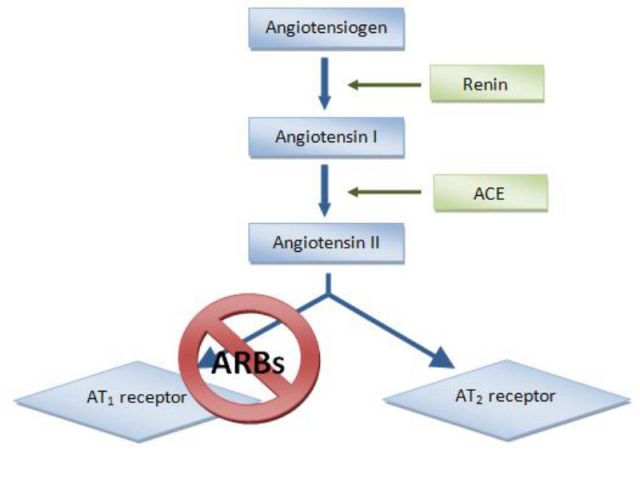
The antihypertension drugs called ARBs disrupt the pathway that leads to blood vessel constriction by preventing angiotensin II from binding to the AT1 receptor. This now-available angiotensin is then processed by ACE2 (not shown) into the form that leads to blood vessel dilation. ACE inhibitors work by blocking the production of angiotensin II.


A coronavirus spike protein (red) binds to an ACE2 receptor (blue).

For the past few weeks, research journals have been publishing reports on the connection between medications that reduce high blood pressure and COVID-19. The concern is that the medications might increase the abundance of the receptor that SARS-CoV-2—the virus that causes COVID-19—uses to enter cells. Boosting levels of these ACE2 receptors on lung and heart cells could give the virus more cellular entry points to target and potentially make symptoms of the disease more severe.

It’s a hypothesis that is important to test, notes Carlos Ferrario, a professor of general surgery at Wake Forest School of Medicine who specializes in research on antihypertensive drugs.

So far, the data supporting the connection between blood pressure medications—specifically, angiotensin-converting-enzyme (ACE) inhibitors and angiotensin receptor blockers (ARBs)—and COVID-19 are scant. Yet media coverage of the connection has led patients prescribed the drugs to call their doctors asking if they should stop taking them. In response, several medical associations—including the American College of Cardiology, the American Heart Association, the Heart Failure Society of America, and the European Society of Cardiology—have issued guidelines saying patients should not stop taking the antihypertensive drugs because there’s no evidence to support the claim that they cause more-severe SARS-CoV-2 infections.

In support of that recommendation, Ankit Patel, a clinical and research fellow focusing on the kidneys at Brigham and Women’s Hospital in Boston, and his Brigham colleague Ashish Verma dug into the literature to address the confusion and reported March 24 in JAMA that there’s no definitive evidence to suggest ACE inhibitors and ARBs increase the severity of COVID-19. Another team of doctors, writing in the March 30 issue of the New England Journal of Medicine, came to the same conclusion.

Instead of making COVID-19 symptoms worse, some antihypertensive drugs may actually reduce the severity of infections, and could therefore be used to treat the disease, both sets of doctors say. A closer look at the underlying mechanisms of the medications has also buoyed another idea for how to treat COVID-19—give patients the enzyme ACE2 as a decoy to direct SARS-CoV-2 away from their cells. A biotech company developing such an approach using recombinant ACE2 received regulatory approval today (April 2) to start clinical trials on COVID-19 patients.

“It’s a very interesting idea,” David Kass, a cardiologist at Johns Hopkins School of Medicine tells The Scientist. “Obviously, if the virus binds to this form of ACE2 that’s floating around in the bloodstream and not attached to a cell, it won’t be able to multiply and damage the cells.”

How ACE2 acts in the body

The ACE2 decoy idea can be traced back to early work on the receptor by Josef Penninger, a molecular immunologist at the University of British Columbia. Roughly 20 years ago, he was working as a researcher at the Ontario Cancer Institute when he cloned ACE2 and started probing what it does.

A senior investigator in the lab thought the work was a waste of time, Penninger recalls, telling him that scientists already knew everything they needed to know about the renin–angiotensin system, which regulates blood pressure and fluid and electrolyte balance. The senior researcher added that ACE2, which is associated with the system, was so boring Penninger should stop working on it before he ruined his career. At the time, it was a painful comment to hear, but it made Penninger even more determined to understand ACE2’s biological function. “It’s funny now,” he says.

Over time, he and others started to unravel how ACE2 operates within the renin–angiotensin system. The system starts with a hormone secreted by the kidneys called renin that cleaves the peptide hormone angiotensinogen into angiotensin I. That cleavage product is then converted into a version of angiotensin II by ACE, the angiotensin-converting enzyme. That version binds to the angiotensin II type 1 (AT1) receptor, on the surface of blood vessels, lung, and heart cells among other cells in the body. Where those molecules meet, blood vessels constrict and blood pressure rises, which can contribute to acute respiratory distress syndrome.

This is where ACE2 comes in. The enzyme cleaves an amino acid off angiotensin II to create angiotensin 1-7, which dilates blood vessels, reduces inflammation, and inactivates angiotensin II before it gets to a cell’s AT1 receptor.

“Whenever there is a hormone that has a certain interaction in the body, there’s often another hormone to counteract it,” Patel says. ACE2 counterbalances ACE, and “the body tries to maintain those two in balance to keep things in check.”

Doctors prescribe ACE inhibitors to people with high blood pressure and other heart problems to prevent ACE from converting angiotensin I into the form of angiotensin II that constricts blood vessels, leading to lower blood pressure. ARBs prevent angiotensin II from binding to AT1 receptors so ACE2 metabolizes it, also lowering blood pressure.

“We actually know a lot about ACE2 and its biology,” Penninger says. “We should follow the data.”

An ACE2 boost might distract the coronavirus

Penninger published his work on ACE2 biology in 2002, just before the outbreak of SARS in 2003. After the virus infected humans and started to spread, a team from Boston published the first clues to how SARS-CoV targets ACE2 to gain entry into human cells. There were other receptors proposed as entry points at that time, but the mention of ACE2 caught Penninger’s attention.

He started a study in mice, and in 2005 published the first definitive evidence that SARS-CoV uses ACE2 to infect its host’s cells. In the same study, Penninger and his colleagues showed that the virus reduces ACE2 abundance, which results in ramped-up angiotensin II levels, in turn causing acute lung failure. The work revealed what made SARS-CoV so deadly, he says.

Based on the data, Penninger’s team argued that administering a recombinant ACE2 protein could trick the virus into binding with it, rather than actual ACE2 receptors. This could then protect endogenous receptors and allow them to continue to function in counterbalancing ACE, and, ideally, protect the lung and heart from damage during a viral infection.

Penninger has been working on developing a recombinant ACE2 protein therapy for 15 years. He first tested it in mice after they’d inhaled acid; treatment with ACE2 prevented the animals from developing acute lung injury. Other studies showed the recombinant proteins could be used to treat heart failure, and eventually the research led to clinical trials to test ACE2’s safety in humans.

So far, early clinical trials of the drug have shown it does not have any harmful side effects in healthy humans or in patients with lung failure. (Penninger was not involved in conducting the clinical trial).

The next step is to see if the recombinant enzyme can intervene in a SARS-CoV-2 infection. In a study published today in Cell, Penninger’s group shows the drug can reduce the viral load of SARS-CoV-2 in experimental models by a factor of 1,000 to 5,000. Today, Apeiron Biologics, the biotech company Penninger founded in 2005, was also awarded regulatory approval to start clinical trials to test the drug in patients with severe COVID-19 symptoms, which, he says, could happen as early as the end of next week.

Ramping up ACE2 using ARBs instead

Penninger’s early work on SARS-CoV is part of what prompted the discussion among physicians about the safety of ACE inhibitors and ARBs, which regulate levels of angiotensin II directly or via its cell receptor. Another study related to the antihypertensive drugs that got the doctors’ attention was one done by Ferrario more than a decade ago. Administering ACE inhibitors or ARBs to rats led to increased ACE2 activity in the animals’ hearts, exactly where scientists and physicians wouldn’t want more ACE2 receptors for SARS-CoV-2 to target. Or at least, that’s what one might think.

But Penninger’s preliminary work from 2005 implies that increasing ACE2 levels through antihypertensive drugs might treat symptoms of SARS-CoV-2 infection, with ARBs showing more promise than ACE inhibitors.

ACE inhibitors lower levels of angiotensin II, and when they do, there’s less substrate for ACE2 to metabolize, which could leave the enzyme idle and therefore open to attack by SARS-CoV-2. That’s part of the argument some researchers were making about ACE inhibitors contributing to COVID-19 infection. However, there are no data to show that happens, Penninger says. Still, he argues, the way ACE inhibitors work in the body, freeing up ACE2 on cells for viral targeting rules them out as potential COVID-19 treatments.

Using ARBs to combat the virus is a more promising approach. As Penninger’s team showed, SARS-CoV reduced the abundance of ACE2, causing hypertension and lung failure in mice. If ARBs boost ACE2 expression, that might counteract the effects of the infection. The hypothesis is preliminary at this point, says David Gurwitz, a geneticist with a background in pharmacology at Tel Aviv University. He described the idea, which seems paradoxical, March 4 in a review article published in Drug Development Research. The main difference between ACE inhibitors and ARBs is that the former just frees up existing ACE2 receptors, while the latter leads to an increase in the number of receptors, allowing more angiotensin II to be converted to angiotensin 1-7. That would dilate blood vessels and reduce inflammation, countering any hypertensive state caused by a viral infection.

In clinical analyses designed to ensure that ARBs don’t harm COVID-19 patients, researchers in China have published preliminary data on medRxiv supporting the hypothesis. In the study, the team tracked the health outcomes of 511 patients taking medications for heart conditions who then became infected with SARS-CoV-2. The patients took either ACE inhibitors, ARBs, or other drugs that lowered their blood pressure. The results showed that patients over age 65 taking ARBs were at a lower risk of developing severe lung damage than age-matched patients not taking the medications, but there weren’t enough data to do a similar analysis for ACE inhibitors. The work reveals there was no hazard for ARBs, and there may be benefits, but as always, more data are needed, Kass says.

One way to collect those data on a larger scale, Gurwitz explains, would be to analyze many more COVID-19 patients’ health records to see if they’ve been taking ARBs prior to SARS-CoV-2 infection, then comparing the severity of infection in those patients and how well they recovered with the symptoms of COVID-19 patients not taking the medications.

Gurwitz also recommends researchers compare the percentage of people chronically medicated with different antihypertensive medications in the general population with the percentage of them among hospital admissions for COVID-19. These types of analyses could also be done with many other approved drugs, he notes, not just ARBs.

Already, physicians at University Hospital Zurich have begun a patient registry to do these types of health informatics analyses, and physicians and researchers at Johns Hopkins School of Medicine and other public health schools in the US have been discussing the feasibility of starting these studies.

“Unfortunately for the country, we’re going to have lots of COVID-19 cases,” Kass says. “Groups are now trying to get these epidemiological studies started so we can get answers.”

https://www.the-scientist.com/news-opinion/blood-pressure-meds-point-the-way-to-possible-covid-19-treatment-67371?utm_campaign=TS_DAILY%20NEWSLETTER_2020&utm_source=hs_email&utm_medium=email&utm_content=85706789&_hsenc=p2ANqtz–HTxdAA4l8ORpuJZQE3i–UqSCKXPaN4-_B2bIk8IV5pUfRvwjTqC8GIsP5hN1DJ4aIl7wJ54eQ0sjwTYqx2BbUBCqmA&_hsmi=85706789