“Hero” Proteins May Shield Other Proteins from Harm in Neurodegenerative Disease

by Emma Yasinski

Researchers at RIKEN and the University of Tokyo report the existence of a new class of proteins in Drosophila and human cell extracts that may serve as shields that protect other proteins from becoming damaged and causing disease. An excess of the proteins, known as Hero proteins, was associated with a 30 percent increase in the lifespan of Drosophila, according to the study, which was published last week (March 12) in PLOS Biology.

“The discovery of Hero proteins has far-reaching implications,” says Caitlin Davis, a chemist at Yale University who was not involved in the study, “and should be considered both at a basic science level in biochemistry assays and for applications as a potential stabilizer in protein-based pharmaceuticals.”

Nearly 10 years ago, Shintaro Iwasaki, then a graduate student studying biochemistry at the University of Tokyo, discovered a strangely heat-resistant protein in Drosophila that seemed to help stabilize another protein, Argonaute, in the face of high temperatures that would denature most proteins. Although he didn’t publish the work at the time, Iwasaki called the new type of protein a Heat-resistant obscure (Hero) protein—not because of their ability to rescue Argonaute from destruction, but because in Japan, the term “hero” means “weak or not rigid,” and Hero proteins don’t have stiff 3-D structures like other proteins do.
But recognition of a more widespread role for Hero proteins in protecting other molecules in the cell gives the name new meaning.

“It is generally assumed that proteins are folded into three-dimensional structures, which determine their functions,” says Kotaro Tsuboyama, a biochemist at the University of Tokyo and the lead author of the new study. But these 3-D structures are disrupted when the proteins are exposed to extreme conditions. When proteins are denatured, they lose the ability to function normally, and sometimes begin to aggregate, forming pathologic clumps that can lead to disease.

Hero proteins can survive these biologically challenging conditions. Heat-resistant proteins have been found in extremophiles—organisms known to live in extreme environments—but were thought to be rare in other organisms. In the new study, Tsuboyama and his team boiled lysates from Drosophila and human cell lines, identifying hundreds of Hero proteins that withstood the temperature.

The researchers selected six of these proteins and mixed them with “client” proteins—other functional proteins that on their own would be denatured by extreme conditions—before exposing them to high temperatures, drying, chemicals, and other harsh treatments. The Hero proteins prevented certain clients from losing their shape and function.

Next, the team tested the effects of Hero proteins in cellular models of two neurodegenerative disorders characterized by pathologic protein clumps: Huntington’s disease and amyotrophic lateral sclerosis (ALS). When the Hero proteins were present, there was a significant reduction in protein clumping in both models.

“This is an extremely important finding as it may pave new therapeutic and preventive strategies for neurodegenerative diseases, such as Alzheimer and Parkinson diseases,” Morteza Mahmoudi, who studies regenerative medicine at Michigan State University and was not involved in the research, writes in an email to The Scientist.

Lastly, the team genetically engineered Drosophila to produce an excess of Hero proteins. These flies lived up to 30 percent longer than their wildtype counterparts.

Not everyone is convinced that the Hero proteins play a major protective role. “Although they show these proteins help their proven targets remain folded/shielded etc, I don’t think there’s a broader application at all,” Nihal Korkmaz, who designs proteins at the University of Washington Institute of Protein Design and also did not participate in the study, tells The Scientist in an email. She adds that many proteins she works with can withstand high temperatures and the researchers “don’t mention at all if [Hero proteins] are found throughout the brain or in CSF [cerebrospinal fluid],” where they’d be able to protect against Huntington’s or ALS.

The authors emphasized that there is a lot left to learn about the proteins. Each Hero protein seems able to protect some client proteins, but not all of them. Moreover, amino acid sequences differ considerably between Hero proteins, making it difficult to predict their functions. The researchers write in the study that they hope future studies will help them identify which clients each Hero might work with.

Whatever discoveries future work might hold, Tsuboyama says, the scientific community’s reaction to the team’s new study has been consistent: “Almost everyone says that Hero proteins are interesting but mysterious.”

K. Tsuboyama et al., “A widespread family of heat-resistant obscure (Hero) proteins protect against protein instability and aggregation,” PLOS Biol, doi:10.1371/journal.pbio.3000632, 2020.
https://www.the-scientist.com/news-opinion/hero-proteins-may-shield-other-proteins-from-harm-67293?utm_campaign=TS_OTC_2020&utm_source=hs_email&utm_medium=email&utm_content=86341663&_hsenc=p2ANqtz–kkYtO3Wn5lK7HmDq3SWf1KLtul94Crlb2ELPzvFBQWGep0tFzWAy3UdVi_w7ml_E1bn1g9HU_2SVNp–jib-1JCCU_w&_hsmi=86341663

40% of people with severe COVID-19 experience neurological complications


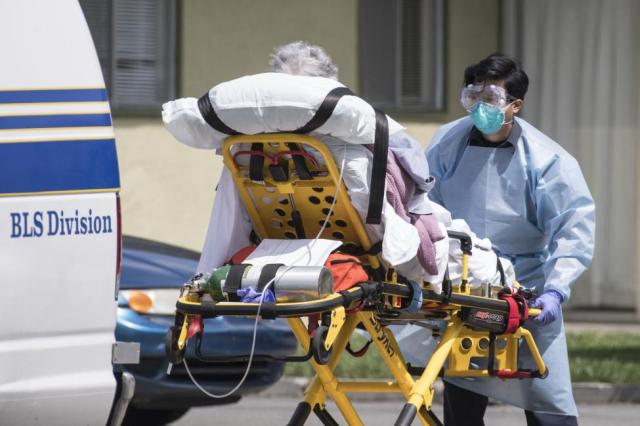
A patient is moved out of Gateway Care and Rehabilitation Center, a skilled nursing facility in Hayward, Calif., on Thursday.

People with severe COVID-19 may experience neurological symptoms, including confusion, delirium and muscle pain, and could be at higher risk for a stroke, a new study out of Wuhan, China has suggested.

Nearly 40 percent of people with the disease caused by the new coronavirus suffered brain-related complications, according to findings published Friday in JAMA Neurology.

Among those with serious infection as a result of the virus, nearly 6 percent experienced a stroke or stenosis, roughly 15 percent had dementia-like symptoms and roughly 20 percent reported severe muscle pain, researchers in China reported.

“This study indicates that neurological complications are relatively common in people who have COVID-19,” S. Andrew Josephson, professor and chair of the Department of Neurology at the University of California, San Francisco and editor-in-chief of JAMA Neurology, told UPI. Josephson also co-authored a related commentary on the study findings.

“However, the majority of those complications are are also relatively common in people with severe pneumonia and viral infections in hospital intensive care units,” he added.

That includes symptoms such as muscle pain and “confusion or difficulty thinking,” according to Josephson, although he emphasizes that if these neurological issues develop in people who know they have COVID-19 — or have symptoms of the disease and are among those at high risk for serious illness — they should be considered a “red flag like shortness of breath,” he said.

“Somebody who has COVID-19 and is at home and experiences difficulty thinking or confusion or anything that indicates a possible stroke, that is a sign they should come into the hospital for additional care,” Josephson continued. “But a symptom like muscle pain is common in viral infections. People don’t need to come into hospital with that.”

To date, nearly 1.7 million people worldwide have been infected with COVID-19, and nearly 100,000 have died from the disease. Although numbers vary by country and region, it is believed that approximately 20 percent of people infected by the new coronavirus become ill enough to require hospital care, and roughly 5 percent experience life-threatening symptoms, including pneumonia.

Those at highest risk for serious illness are believed to be the elderly, as are people with a history of diabetes, high blood pressure and heart disease. Of course these same people are also at increased risk for cerebrovascular diseases like stroke and stenosis, Josephson noted.

The new study looked at 214 patients with the disease at three Wuhan hospitals, all of whom were hospitalized between Jan. 16 and Feb. 19.

Of the 214 patients, who had mean age of 53, 87 were men and 126, or 59 percent, had severe infection based on respiratory status — with shortness of breath caused by a severe lower respiratory tract infection, like pneumonia.

As in prior studies, those with serious illness were older, had more underlying conditions — particularly high blood pressure — and had fewer typical symptoms of COVID-19, like fever and cough, when compared to patients with mild to moderate infection.

Additionally, 6 percent of patients experienced “taste impairment” and 5 percent had “smell impairment.” What causes people with the virus to experience these neurological complications remains unclear, according to Josephson. Because of the known heart-related complications associated with the virus, it’s possible they are the result of blood clots emanating from the heart, he added.

“As with all of the research coming out about the virus, this study shows we still have a lot more to learn,” Josephson said. “The bottom line is that people should be aware of these neurological symptoms, and seek medical attention if they need it.”

https://www.upi.com/Health_News/2020/04/10/40-of-people-with-severe-COVID-19-experience-neurological-complications/2491586526495/?ur3=1

June Almeida: discoverer of the first coronavirus


June Almeida with her electron microscope at the Ontario Cancer Institute in Toronto in 1963

The woman who discovered the first human coronavirus was the daughter of a Scottish bus driver, who left school at 16.

June Almeida went on to become a pioneer of virus imaging, whose work has come roaring back into focus during the present pandemic.

Covid-19 is a new illness but it is caused by a coronavirus of the type first identified by Dr Almeida in 1964 at her laboratory in St Thomas’s Hospital in London.

The virologist was born June Hart in 1930 and grew up in a tenement near Alexandra Park in the north east of Glasgow.

She left school with little formal education but got a job as a laboratory technician in histopathology at Glasgow Royal Infirmary.

Later she moved to London to further her career and in 1954 married Enriques Almeida, a Venezuelan artist.

Common cold research
The couple and their young daughter moved to Toronto in Canada and, according to medical writer George Winter, it was at the Ontario Cancer Institute that Dr Almeida developed her outstanding skills with an electron microscope.

She pioneered a method which better visualised viruses by using antibodies to aggregate them.

Mr Winter told Drivetime on BBC Radio Scotland her talents were recognised in the UK and she was lured back in 1964 to work at St Thomas’s Hospital Medical School in London, the same hospital that treated Prime Minister Boris Johnson when he was suffering from the Covid-19 virus.

On her return, she began to collaborate with Dr David Tyrrell, who was running research at the common cold unit in Salisbury in Wiltshire.

Mr Winter says Dr Tyrrell had been studying nasal washings from volunteers and his team had found that they were able to grow quite a few common cold-associated viruses but not all of them.

One sample in particular, which became known as B814, was from the nasal washings of a pupil at a boarding school in Surrey in 1960.

They found that they were able to transmit common cold symptoms to volunteers but they were unable to grow it in routine cell culture.

However, volunteer studies demonstrated its growth in organ cultures and Dr Tyrrell wondered if it could be seen by an electron microscope.

They sent samples to June Almeida who saw the virus particles in the specimens, which she described as like influenza viruses but not exactly the same.

She identified what became known as the first human coronavirus.


Coronaviruses are a group of viruses that have a halo or crown-like (corona) appearance when viewed under a microscope.

Mr Winter says that Dr Almeida had actually seen particles like this before while investigating mouse hepatitis and infectious bronchitis of chickens.

However, he says her paper to a peer-reviewed journal was rejected “because the referees said the images she produced were just bad pictures of influenza virus particles”.

The new discovery from strain B814 was written up in the British Medical Journal in 1965 and the first photographs of what she had seen were published in the Journal of General Virology two years later.

According to Mr Winter, it was Dr Tyrrell and Dr Almeida, along with Prof Tony Waterson, the man in charge at St Thomas’s, who named it coronavirus because of the crown or halo surrounding it on the viral image.

Dr Almeida later worked at the Postgraduate Medical School in London, where she was awarded a doctorate.

She finished her career at the Wellcome Institute, where she was named on several patents in the field of imaging viruses.

After leaving Wellcome, Dr Almeida become a yoga teacher but went back into virology in an advisory role in the late 1980s when she helped take novel pictures of the HIV virus.

June Almeida died in 2007, at the age of 77.

Now 13 years after her death she is finally getting recognition she deserves as a pioneer whose work speeded up understanding of the virus that is currently spreading throughout the world.

https://www.bbc.com/news/uk-scotland-52278716

Coronavirus Vaccine Could Be Ready in Six Months from Sarah Gilbert at Oxford University

By Olivia Konotey-Ahulu

A vaccine against the coronavirus could be ready by September, according to a scientist leading one of Britain’s most advanced teams.

Sarah Gilbert, professor of vaccinology at Oxford University, told The Times on Saturday that she is “80% confident” the vaccine would work, and could be ready by September. Experts have warned the public that vaccines typically take years to develop, and one for the coronavirus could take between 12 to 18 months at best.

In the case of the Oxford team, however, “it’s not just a hunch, and as every week goes by we have more data to look at,” Gilbert told the London newspaper.

Gilbert’s team is one of dozens worldwide working on a vaccine and is the most advanced in Britain, she told the Times. As the country looks set to begin its fourth week under lockdown, a vaccine could be fundamental in easing the measures and returning to normal life. Gilbert said human trials are due to start in the next two weeks.

Her remarks came as the death toll from the virus pushed past 100,000 globally. On Friday, the U.K. reported 980 fatalities, taking the total count from the virus to 8,958, and the government has repeatedly pleaded with the public to obey lockdown rules during the long Easter holiday weekend. As Prime Minister Boris Johnson begins his recovery after a spell in intensive care, Patrick Vallance, the government’s chief scientific adviser, warned he expects the number of deaths to increase for “a few weeks” yet.

Manufacturing the millions of vaccine doses necessary could take months. Gilbert said she’s in discussions with the British government about funding, and starting production before the final results are in, allowing the public to access the vaccine immediately if it proves to work. She said success by the autumn was “just about possible if everything goes perfectly.”

https://www.bloomberg.com/news/articles/2020-04-11/coronavirus-vaccine-could-be-ready-in-six-months-times

Hitchhiking red-billed oxpeckers warn endangered rhinos when people are nearby


The black rhino was once the most populous rhino species on Earth, with an estimated 850,000 individuals roaming Africa. But poaching has devastated the species.


The red-billed oxpecker serves as an alarm bell for black rhinos, signaling nearby danger. The birds often eat pests like ticks from the backs of rhinos and other mammals, including livestock. Due to the practice of applying pesticides to livestock, the oxpecker has seen its numbers decline.

By Gloria Dickie

Red-billed oxpeckers hitching rides on the backs of black rhinos are a common sight in the African bush. The birds are best known for feeding from lesions full of ticks or other parasites on a rhino’s hide. But new research suggests that the relationship between the two species is much more mutualistic (SN: 10/9/02). Shouty and shrill oxpeckers can serve as an alarm bell, alerting black rhinos to the presence of people, scientists report April 9 in Current Biology. That could help the endangered animals evade poachers, the researchers propose.

“Rhinos are as blind as bats,” explains Roan Plotz, a behavioral ecologist at Victoria University in Melbourne, Australia. Even in close proximity, a rhino might struggle to notice lurking danger by sight. But the oxpecker easily can, unleashing a sharp call to warn of intruders.

In South Africa’s Hluhluwe–iMfolozi Park, Plotz and his colleague Wayne Linklater of California State University, Sacramento approached 11 black rhinos (Diceros bicornis) by foot on the open plain on 86 occasions. The team found that those rhinos with a red-billed oxpecker (Buphagus erythrorhynchus) tagging along were much better at detecting the researchers’ presence than those without.

“Rhinos without oxpeckers on their back were able to detect our approaches just 23 percent of the time whereas rhinos with oxpeckers detected them every single time,” Plotz says. Rhinos listening to an oxpecker’s heads-up also picked up on the approaching scientists from 61 meters away, more than twice as far as when the rhinos were alone.

All rhinos responded to the oxpeckers’ alarm calls by becoming vigilant — standing up from a resting position, for example — and turning to face downwind, their sensory blind spot. The rhinos then either ran away or walked downwind to investigate the potential danger.

Black rhinos were once the most numerous species of rhino in the world. But poaching for traditional Chinese medicine has devastated the species (SN: 11/17/79). Though poaching has slowed since its peak in 2015, just 5,500 black rhinos remain in the wild and conservationists are searching for solutions that could permanently protect the critically endangered species.

The red-billed oxpecker has also declined. The birds feed on ticks, including those burrowed in cattle, but for decades, farmers treated their livestock with pesticides to kill the parasites. This inadvertently transferred the poison to oxpeckers, causing them to die out in some regions in Africa. In turn, many black rhinos must navigate the landscape without their avian companions. Given the study’s findings, Plotz thinks conservationists should consider reintroducing oxpecker sentinels to rhino populations.

“The oxpeckers are clearly adding a new depth and dimension to rhino awareness levels,” says animal ecologist Jo Shaw, Africa rhino program manager at World Wildlife Fund South Africa. “This emphasizes further the complex webs between species within ecosystems and the need for conservationists to work to ensure all functions remain intact.”

However, wildlife ecologist Michael Knight, chair of the International Union for Conservation of Nature’s African Rhino Specialist Group, cautions that a lot of poaching takes place during full-moon nights when sleeping oxpeckers would be of less assistance.

Hitchhiking oxpeckers warn endangered rhinos when people are nearby

What Do Countries With The Best Coronavirus Reponses Have In Common? Women Leaders

Looking for examples of true leadership in a crisis? From Iceland to Taiwan and from Germany to New Zealand, women are stepping up to show the world how to manage a messy patch for our human family. Add in Finland, Iceland and Denmark, and this pandemic is revealing that women have what it takes when the heat rises in our Houses of State. Many will say these are small countries, or islands, or other exceptions. But Germany is large and leading, and the UK is an island with very different outcomes. These leaders are gifting us an attractive alternative way of wielding power. What are they teaching us?

Truth

Angela Merkel, the Chancellor of Germany, stood up early and calmly told her countrymen that this was a serious bug that would infect up to 70% of the population. “It’s serious,” she said, “take it seriously.” She did, so they did too. Testing began right from the get go. Germany jumped right over the phases of denial, anger and disingenuousness we’ve seen elsewhere. The country’s numbers are far below its European neighbours, and there are signs they may be able to start loosening restrictions relatively soon.

Decisiveness

Among the first and the fastest moves was Tsai Ing-wen’s in Taiwan. Back in January, at the first sign of a new illness, she introduced 124 measures to block the spread, without having to resort to the lockdowns that have become common elsewhere. She is now sending 10 million face masks to the US and Europe. Ing-wen managed what CNN has called “among the world’s best” responses, keeping the epidemic under control, still reporting only six deaths.

Jacinda Ardern in New Zealand was early to lockdown and crystal clear on the maximum level of alert she was putting the country under – and why. She imposed self-isolation on people entering New Zealand astonishingly early, when there were just 6 cases in the whole country, and banned foreigners entirely from entering soon after. Clarity and decisiveness are saving New Zealand from the storm. As of mid-April they have suffered only four deaths, and where other countries talk of lifting restrictions, Ardern is adding to them, making all returning New Zealanders quarantine in designated locations for 14 days.

Tech

Iceland, under the leadership of Prime Minister Katrín Jakobsdóttir, is offering free coronavirus testing to all its citizens, and will become a key case study in the true spread and fatality rates of Covid-19. Most countries have limited testing to people with active symptoms. Iceland is going whole hog. In proportion to its population the country has already screened five times as many people as South Korea has, and instituted a thorough tracking system that means they haven’t had to lockdown… or shut schools.

Sanna Marin became the world’s youngest head of state when she was elected last December in Finland. It took a millennial leader to spearhead using social media influencers as key agents in battling the coronavirus crisis. Recognising that not everyone reads the press, they are inviting influencers of any age to spread fact-based information on managing the pandemic.

Love

Norway’s Prime Minister, Erna Solberg, had the innovative idea of using television to talk directly to her country’s children. She was building on the short, 3-minute press conference that Danish Prime Minister Mette Frederiksen had held a couple of days earlier. Solberg held a dedicated press conference where no adults were allowed. She responded to kids’ questions from across the country, taking time to explain why it was OK to feel scared. The originality and obviousness of the idea takes one’s breath away. How many other simple, humane innovations would more female leadership unleash?

Generally, the empathy and care which all of these female leaders have communicated seems to come from an alternate universe than the one we have gotten used to. It’s like their arms are coming out of their videos to hold you close in a heart-felt and loving embrace. Who knew leaders could sound like this? Now we do.

Now, compare these leaders and stories with the strongmen using the crisis to accelerate a terrifying trifecta of authoritarianism: blame-“others”, capture-the-judiciary, demonize-the-journalists, and blanket their country in I-will-never-retire darkness (Trump, Bolsonaro, Obrador, Modi, Duterte, Orban, Putin, Netanyahu…).

There have been years of research timidly suggesting that women’s leadership styles might be different and beneficial. Instead, too many political organisations and companies are still working to get women to behave more like men if they want to lead or succeed. Yet these national leaders are case study sightings of the seven leadership traits men may want to learn from women.

It’s time we recognised it – and elected more of it.

https://www.forbes.com/sites/avivahwittenbergcox/2020/04/13/what-do-countries-with-the-best-coronavirus-reponses-have-in-common-women-leaders/#456c3af43dec

Video games improve the visual attention of expert players


Expert players of action real-time strategy games such as League of Legends become better at allocating brain resources between visual stimuli that compete for attention. Image: Shutterstock.

— by Mischa Dykstra, Frontiers Science Writer

Action real-time strategy video games such as World of Warcraft, Age of Empires, and Total War are played by millions. These games, which can be won through strategic planning, selective attention, sensorimotor skills, and teamwork place considerable demands on the brain.

Research has shown that experience of playing games can improve cognitive development such as greater sensitivity to contrasts, better eye-to-hand coordination, and superior memory. But the long-term effects of gaming on a key cognitive function called temporal visual selective attention – the capacity to distinguish between important and irrelevant information within a rapid stream of visual stimuli – has never been studied.

Here, researchers show for the first time that expert players of real-time strategy games have faster information processing, allocate more cognitive power to individual visual stimuli, and allocate limited cognitive resources between successive stimuli more effectively through time. These findings in Frontiers in Human Neuroscience suggest that playing such games can cause long-term changes in the brain and lead to an improvement in temporal visual selective attention.

“Our aim was to evaluate the long-term effect of experience with action real-time strategy games on temporal visual selective attention,” says author Dr Diankun Gong, Associate Professor in the Ministry of Education Key Laboratory for Neuroinformation at the University of Electronic Science and Technology of China.

“In particular, we wanted to reveal the time course of cognitive processes during the attentional blink task, a typical task used by neuroscientists to study visual selective attention.”

Attentional blink is the tendency of focused observers to “blink” – that is, to fail to properly register – a visual stimulus if it appears so quickly after a previous stimulus that cognitive processing of the first hasn’t finished. In a typical blink task, human subjects are shown a stream of digits and letters in quick succession (with 100 ms intervals) and asked to press a button each time they see one of two target letters (for example D and M).

People often “blink” a second target if it appears within 200-500 ms of the first, and electroencephalograms (EEGs) suggest that this is due to competition for cognitive resources between the first stimulus – with the need to encode it in working and episodic memory, and to select the appropriate response – versus the second. In other words, people often fail to register M because brain resources are temporarily used up by the ongoing need to process any D shown more than 200 ms and less than 500 ms earlier.

To study the effect of gaming on temporal visual selective attention, Gong and colleagues selected 38 volunteers, health young male students from the University of Electronic Science and Technology. Half of the volunteers were expert players of the typical action real-time strategy game League of Legend, where teammates work together to destroy the towers of an opposing team. They had played the game for at least two years and were masters, based on their ranking among the top 7% of players. The others were beginners, with less than six months experience of the same game, and ranked among the bottom 30-45%. All volunteers were seated in front of a screen and tested in a blink task, with 480 trials over a period of approximately 2 h. The greater a volunteer’s tendency to “blink” targets, the less frequently he would press the correct button when one of the two targets appeared on the screen, and the worse he did overall in the task.

The volunteers also wore EEG electrodes on the parietal (i.e. sides and top) region of their scalp, allowing the researchers to measure and localize the brain‘s activity throughout the experiment. These electrodes recorded Event-Related Potentials (ERPs), tiny electric potentials (from -6 to 10 µV) that last from 0 to 800 ms after each non-blinked stimulus, and which represent the neural processes for registering and consolidating its memory. The researchers focused on the so-called P3b phase of the ERP, a peak between 200 and 500 ms after the stimulus, because previous research has shown that its timing and amplitude accurately reflects performance in the blink task: the later P3b occurs and the less pronounced it is, the more likely it is that a stimulus will be “blinked”.

“We found that expert League of Legend players outperformed beginners in the task. The experts were less prone to the blink effect, detecting targets more accurately and faster, and as shown by their stronger P3b, gave more attentional cognitive resources to each target,” says coauthor Dr Weiyi Ma, Assistant Professor in Human Development and Family Sciences at the University of Arkansas, USA.

“Our results suggest that long-term experience of action real-time strategy games leads to improvements in temporal visual selective attention: the expert gamers had become more effective in distributing limited cognitive resources between successive visual targets,” says author Dr Tiejun Liu. “We conclude that such games can be a powerful tool for cognitive training.”

Video games improve the visual attention of expert players

Scientists create mutant enzyme that recycles plastic bottles in hours


The company behind the breakthough, Carbios, has partnered with major companies including Pepsi and L’Oréal. Photograph: Mario Anzuoni/Reuters

A mutant bacterial enzyme that breaks down plastic bottles for recycling in hours has been created by scientists.

The enzyme, originally discovered in a compost heap of leaves, reduced the bottles to chemical building blocks that were then used to make high-quality new bottles. Existing recycling technologies usually produce plastic only good enough for clothing and carpets.

The company behind the breakthrough, Carbios, said it was aiming for industrial-scale recycling within five years. It has partnered with major companies including Pepsi and L’Oréal to accelerate development. Independent experts called the new enzyme a major advance.

Billions of tonnes of plastic waste have polluted the planet, from the Arctic to the deepest ocean trench, and pose a particular risk to sea life. Campaigners say reducing the use of plastic is key, but the company said the strong, lightweight material was very useful and that true recycling was part of the solution.

The new enzyme was revealed in research published on Wednesday in the journal Nature. The work began with the screening of 100,000 micro-organisms for promising candidates, including the leaf compost bug, which was first discovered in 2012.

“It had been completely forgotten, but it turned out to be the best,” said Prof Alain Marty at the Université de Toulouse, France, the chief science officer at Carbios.

The scientists analysed the enzyme and introduced mutations to improve its ability to break down the PET plastic from which drinks bottles are made. They also made it stable at 72C, close to the perfect temperature for fast degradation.

The team used the optimised enzyme to break down a tonne of waste plastic bottles, which were 90% degraded within 10 hours. The scientists then used the material to create new food-grade plastic bottles.

Carbios has a deal with the biotechnology company Novozymes to produce the new enzyme at scale using fungi. It said the cost of the enzyme was just 4% of the cost of virgin plastic made from oil.

Waste bottles also have to be ground up and heated before the enzyme is added, so the recycled PET will be more expensive than virgin plastic. But Martin Stephan, the deputy chief executive at Carbios, said existing lower-quality recycled plastic sells at a premium due to a shortage of supply.

“We are the first company to bring this technology on the market,” said Stephan. “Our goal is to be up and running by 2024, 2025, at large industrial scale.”

He said a reduction in plastic use was one part of solving the waste problem. “But we all know that plastic brings a lot of value to society, in food, medical care, transportation. The problem is plastic waste.” Increasing the collection of plastic waste was key, Stephan said, with about half of all plastic ending up in the environment or in landfill.

Another team of scientists revealed in 2018 that they had accidentally created an enzyme that breaks down plastic drinks bottles. One of the team behind this advance, Prof John McGeehan, the director of the Centre for Enzyme Innovation at the University of Portsmouth, said Carbios was the leading company engineering enzymes to break down PET at large scale and that the new work was a major advance.

“It makes the possibility of true industrial-scale biological recycling of PET a possibility. This is a very large advance in terms of speed, efficiency and heat tolerance,” McGeehan said. “It represents a significant step forward for true circular recycling of PET and has the potential to reduce our reliance on oil, cut carbon emissions and energy use, and incentivise the collection and recycling of waste plastic.”

Scientists are also making progress in finding biological ways to break down other major types of plastic. In March, German researchers revealed a bug that feasts on toxic polyurethane, while earlier work has shown that wax moth larvae – usually bred as fish bait – can eat up polythene bags.

https://www.theguardian.com/environment/2020/apr/08/scientists-create-mutant-enzyme-that-recycles-plastic-bottles-in-hours?CMP=oth_b-aplnews_d-1

Oldest ever piece of string was made by Neanderthals 50,000 years ago

By Michael Le Page

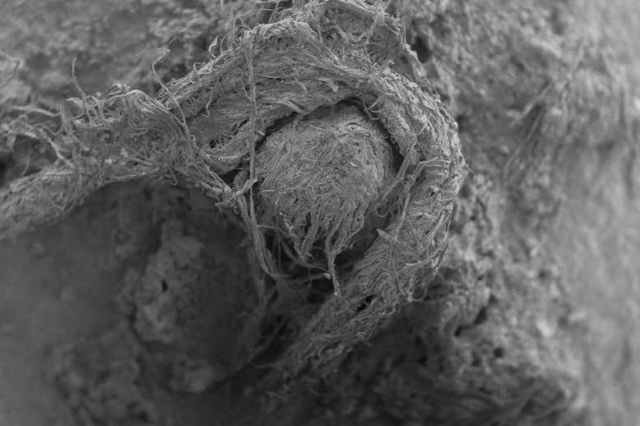
A piece of 50,000-year-old string found in a cave in France is the oldest ever discovered. It suggests that Neanderthals knew how to twist fibres together to make cords – and, if so, they might have been able to craft ropes, clothes, bags and nets.

“None can be done without that initial step,” says Bruce Hardy at Kenyon College in Gambier, Ohio. “Twisted fibres are a foundational technology.”

His team has been excavating the Abri du Maras caves in south-east France where Neanderthals lived for long periods. Three metres below today’s surface, in a layer that is between 52,000 and 41,000 years old, it found a stone flake, a sharp piece of rock used as an early stone tool.

Examining the flake under a microscope revealed that a tiny piece of string (pictured top right), just 6 millimetres long and 0.5 millimetres wide, was stuck to its underside. It was made by twisting a bundle of fibres in an anticlockwise direction, known as an S-twist. Three bundles were twisted together in a clockwise direction – a Z-twist – to make a 3-ply cord.

“It is exactly what you would see if you picked up a piece of string today,” says Hardy. The string wasn’t necessarily used to attach the stone tool to a handle. It could have been part of a bag or net, the team speculates.

The string appears to be made of bast fibres from the bark of conifer trees, which helps establish that it isn’t a stray bit of modern string, because “nobody at the site was wearing their conifer pants at the time”, says Hardy.

“It’s so fine. That’s really surprising,” says Rebecca Wragg Sykes at the University of Bordeaux in France. This suggests the string wasn’t used for heavy-duty tasks, but instead as some kind of thread, she says.

Before this find, the oldest known string came from 19,000 years ago. This was discovered in the Ohalo II site near the Sea of Galilee, Israel, and is associated with modern humans. But Hardy says the newly found string was made by Neanderthals, as there were no modern humans in this part of Europe at this time.

This raises the question of whether modern humans learned some of their skills from Neanderthals, says Wragg Sykes.

Hardy thinks the string shows that Neanderthals were as smart as us. They were very similar to us, says Emma Pomeroy at the University of Cambridge, whose team has found evidence that Neanderthals buried their dead. “Neanderthals engaged in complex behaviours that we thought they weren’t capable of ,” she says.

Journal reference: Scientific reports, DOI: 10.1038/s41598-020-61839-w

Read more: https://www.newscientist.com/article/2240117-oldest-ever-piece-of-string-was-made-by-neanderthals-50000-years-ago/#ixzz6JDzTgR5Y

In a small study, experimental treatment for COVID-19 from Pluristem shows 100% survival rate and improvement in respiratory symptoms

Six critically ill coronavirus patients in Israel who are considered high-risk for mortality have been treated with Pluristem’s placenta-based cell-therapy product and survived, according to preliminary data provided by the Haifa-based company.

The patients were treated at three different Israeli medical centers for one week under the country’s compassionate use program and were suffering from acute respiratory failure and inflammatory complications associated with COVID-19. Four of the patients also demonstrated failure of other organ systems, including cardiovascular and kidney failure.

Not only have all the patients survived, according to Pluristem, but four of them showed improvement in respiratory parameters and three of them are in the advanced stages of weaning from ventilators. Moreover, two of the patients with preexisting medical conditions are showing clinical recovery in addition to the respiratory improvement.

“We are pleased with this initial outcome of the compassionate use program and committed to harnessing PLX cells for the benefit of patients and healthcare systems,” said Pluristem CEO and president Yaky Yanay. “Pluristem is dedicated to using its competitive advantages in large-scale manufacturing to potentially deliver PLX cells to a large number of patients in significant need.”

Pluristem’s PLX cells are “allogeneic mesenchymal-like cells that have immunomodulatory properties,” meaning they induce the immune system’s natural regulatory T cells and M2 macrophages, the company explained in a previous release. The result could be the reversal of dangerous overactivation of the immune system. This would likely reduce the fatal symptoms of pneumonia and pneumonitis (general inflammation of lung tissue).

Previous preclinical findings regarding PLX cells revealed significant therapeutic effects in animal studies of pulmonary hypertension, lung fibrosis, acute kidney injury and gastrointestinal injury.

Pluristem plans to apply for initiation of a multinational clinical trial for the treatment of complications associated with coronavirus, the release said, noting that it will no longer report on its compassionate use trials but rather on the status and progress of its contemplated clinical trial.

The company is already in discussions with regulators in the United States and Europe to “define our clinical strategy for COVID-19,” Yanay added.

https://www.jpost.com/HEALTH-SCIENCE/Israeli-COVID-19-treatment-shows-100-percent-survival-rate-preliminary-data-624058