Playing video games in childhood improves working memory years later

By Chrissy Sexton

Playing video games as a child leads to long-lasting cognitive benefits, according to new research from the Universitat Oberta de Catalunya (UOC). The study suggests that gaming improves working memory and concentration.

Previous studies have shown that gaming improves attention, enhances visual-spatial skills, and causes structural changes in the brain – even increasing the size of some regions. The current study is the first to show that video games promote positive cognitive changes that can take place years after people stop playing them.

“People who were avid gamers before adolescence, despite no longer playing, performed better with the working memory tasks, which require mentally holding and manipulating information to get a result,” said study lead author Dr. Marc Palaus.

The research was focused on 27 people between the ages of 18 and 40 with and without any kind of video gaming experience.

The experts analyzed cognitive skills, including working memory, at three points during the study period: before training the volunteers to play Nintendo’s Super Mario 64, at the end of the training, and fifteen days later.

The findings revealed that participants who had not played video games in childhood did not benefit from improvements in processing and inhibiting irrelevant stimuli. As expected, these individuals were initially slower than those who had played games as children.

“People who played regularly as children performed better from the outset in processing 3D objects, although these differences were mitigated after the period of training in video gaming, when both groups showed similar levels,” said Dr. Palaus.

The experts also performed 10 sessions of a non-invasive brain stimulation known as transcranial magnetic stimulation on the individuals.

“It uses magnetic waves which, when applied to the surface of the skull, are able to produce electrical currents in underlying neural populations and modify their activity,” explained Palaus.

The researchers theorized that combining video gaming with this type of stimulation could improve cognitive performance, but that was not the case.

“We aimed to achieve lasting changes. Under normal circumstances, the effects of this stimulation can last from milliseconds to tens of minutes. We wanted to achieve improved performance of certain brain functions that lasted longer than this.”

The game used in the study had a 3D platform, but there are many types of video games that can influence cognitive functions. According to Dr. Palaus, what most video games have in common is that they involve elements that make people want to continue playing, and that they gradually get harder and present a constant challenge.

“These two things are enough to make it an attractive and motivating activity, which, in turn, requires constant and intense use of our brain’s resources,” said Dr. Palaus. “Video games are a perfect recipe for strengthening our cognitive skills, almost without our noticing.”

The study is published in the journal Frontiers in Human Neuroscience.

https://www.earth.com/news/playing-video-games-in-childhood-improves-working-memory-years-later/

Man dies from eating bags of black licorice

By MARILYNN MARCHIONE

A Massachusetts construction worker’s love of black licorice wound up costing him his life. Eating a bag and a half every day for a few weeks threw his nutrients out of whack and caused the 54-year-old man’s heart to stop, doctors reported Wednesday.

“Even a small amount of licorice you eat can increase your blood pressure a little bit,” said Dr. Neel Butala, a cardiologist at Massachusetts General Hospital who described the case in the New England Journal of Medicine.

The problem is glycyrrhizic acid, found in black licorice and in many other foods and dietary supplements containing licorice root extract. It can cause dangerously low potassium and imbalances in other minerals called electrolytes.

Eating as little as 2 ounces of black licorice a day for two weeks could cause a heart rhythm problem, especially for folks over 40, the U.S. Food and Drug Administration warns.

“It’s more than licorice sticks. It could be jelly beans, licorice teas, a lot of things over the counter. Even some beers, like Belgian beers, have this compound in it,” as do some chewing tobaccos, said Dr. Robert Eckel, a University of Colorado cardiologist and former American Heart Association president. He had no role in the Massachusetts man’s care.

The death was clearly an extreme case. The man had switched from red, fruit-flavored twists to the black licorice version of the candy a few weeks before his death last year. He collapsed while having lunch at a fast-food restaurant. Doctors found he had dangerously low potassium, which led to heart rhythm and other problems. Emergency responders did CPR and he revived but died the next day.

The FDA permits up to 3.1% of a food’s content to have glycyrrhizic acid, but many candies and other licorice products don’t reveal how much of it is contained per ounce, Butala said. Doctors have reported the case to the FDA in hope of raising attention to the risk.

Jeff Beckman, a spokesman for the Hershey Company, which makes the popular Twizzlers licorice twists, said in an email that “all of our products are safe to eat and formulated in full compliance with FDA regulations,” and that all foods, including candy, “should be enjoyed in moderation.”

https://abcnews.go.com/Health/wireStory/candy-man-dies-eating-bags-black-licorice-73203407

New RNA-Based Tool Could Assess Preeclampsia Risk


Transcripts circulating in the blood provide real-time information about maternal, fetal, and placental health.

by Amanda Heidt

Preeclampsia, a potentially fatal complication that affects roughly 5 percent of pregnancies worldwide, can only be diagnosed after the onset of symptoms such as high blood pressure, so treatment is always reactive. “The next really big need is better methods to diagnose or predict risk of pregnancy complications such as preeclampsia,” says Fiona Kaper, a senior director of scientific research at the biotech company Illumina.

To identify possible biomarkers of the condition, Kaper and her colleagues drew blood from 40 pregnant women with early-onset severe preeclampsia and 73 unaffected expecting mothers. Circulating in the blood of each mom-to-be is her own RNA, as well as transcripts from the placenta and the fetus. Studying these circulating RNAs (cRNAs), the team identified 30 maternal, fetal, or placental genes with altered expression patterns in women with preeclampsia compared with controls. A machine algorithm also identified 49 genes with altered expression, including 12 that overlapped with the earlier list, suspected of being linked to preeclampsia.

To test the ability of the 49 suspect genes to predict preeclampsia, the researchers classified an independent cohort of two dozen women, half with early-onset preeclampsia and half without signs of the condition. The model predicted which women had preeclampsia with 85 percent to 89 percent accuracy.

While large-scale, prospective studies are still needed, cRNA screening represents a step toward earlier preemptive diagnosis, says Kathryn Gray, an obstetrician at Brigham and Women’s Hospital who was not involved in the study. She notes that researchers have been doing something similar in detecting circulating tumor DNA for cancer screening. “It’s really exciting that we’re applying some of these . . . strategies that have been used in cancer to pregnancy. We’re always a bit behind in women’s health and pregnancy in applying the most cutting-edge technologies.”

S. Munchel et al., “Circulating transcripts in maternal blood reflect a molecular signature of early-onset preeclampsia,” Sci Transl Med, 12:eaaz0131, 2020.

https://www.the-scientist.com/the-literature/new-rna-based-tool-could-assess-preeclampsia-risk-67873?utm_campaign=TS_DAILY%20NEWSLETTER_2020&utm_medium=email&_hsmi=95863075&_hsenc=p2ANqtz-8H-ikdjnvKrmnzwtrGHlOIath9Qs78m–DSqudO6tO-Y6Y2DAvu65i9JT3SBSgMACaMx4xfNiVpw5StKx8sw1URGXMeg&utm_content=95863075&utm_source=hs_email

DNA data shows not all Vikings were Scandinavian

In the public imagination, the Vikings were closely-related clans of Scandinavians who marauded their way across Europe, but new genetic analysis paints a more complicated picture.

For the last six years, researchers in Britain and Denmark have been sequencing and analyzing DNA from more than 400 Viking skeletons recovered from dig sites across Europe and Greenland.

The data, published Wednesday in the journal Nature, suggests Vikings were more genetically diverse than researchers thought.

“We have this image of well-connected Vikings mixing with each other, trading and going on raiding parties to fight kings across Europe, because this is what we see on television and read in books — but genetically we have shown for the first time that it wasn’t that kind of world,” lead researcher Eske Willerslev said in a news release.

“This study changes the perception of who a Viking actually was — no one could have predicted these significant gene flows into Scandinavia from Southern Europe and Asia happened before and during the Viking Age,” said Willerslev, a professor of evolutionary genetics at Cambridge University.

The so-called Viking Age begins with the earliest record of a Viking raid, dated to 800 A.D. The age lasted through the 1050s. During that time, Vikings raided monasteries and coastal cities, but also engaged in less violent activities, trading fur, tusks and seal fat.

Researchers knew the Vikings altered the political and economic landscape of Europe. In the 11th century, a Viking, Cnut the Great, ascended to the thrown of the North Sea Empire, comprising Denmark, England and Norway. But until now, researchers weren’t really sure what the Vikings looked like, genetically speaking.

“We found genetic differences between different Viking populations within Scandinavia which shows Viking groups in the region were far more isolated than previously believed,” said Willerslev, director of the Lundbeck Foundation GeoGenetics Center at the University of Copenhagen.

“Our research even debunks the modern image of Vikings with blonde hair as many had brown hair and were influenced by genetic influx from the outside of Scandinavia,” he said.

The DNA recovered from Viking burial sites showed raiding parties from what’s now Norway traveled to Ireland, Scotland, Iceland and Greenland, while groups from what’s now Sweden traveled to Baltic countries.

“We discovered that a Viking raiding party expedition included close family members as we discovered four brothers in one boat burial in Estonia who died the same day,” said study co-author Ashot Margaryan.

“The rest of the occupants of the boat were genetically similar suggesting that they all likely came from a small town or village somewhere in Sweden,” said Margaryan, an assistant professor of evolutionary genomics at the University of Copenhagen.

Researchers also found evidence that local people in Scotland, Celtic-speaking people known as Picts, adopted Viking identities and were buried as Vikings, but never genetically mixed with Scandinavians.

The DNA sequencing efforts showed Viking populations in Scandinavia continued to receive genetic inflows from throughout Europe during the Viking Age.

“Individuals with two genetically British parents who had Viking burials were found in Orkney [Scotland] and Norway,” said Daniel Lawson, lead author from the University of Bristol in Britain. “This is a different side of the cultural relationship from Viking raiding and pillaging.”

https://www.upi.com/Science_News/2020/09/16/DNA-data-shows-not-all-Vikings-were-Scandinavian/9231600264027/

Thanks to Mr. C for bringing this to the It’s Interesting community.

The True Origins of Gold in Our Universe May Have Just Changed, Again

By MICHELLE STARR

When humanity finally detected the collision between two neutron stars in 2017, we confirmed a long-held theory – in the energetic fires of these incredible explosions, elements heavier than iron are forged.

And so, we thought we had an answer to the question of how these elements – including gold – propagated throughout the Universe.

But a new analysis has revealed a problem. According to new galactic chemical evolution models, neutron star collisions don’t even come close to producing the abundances of heavy elements found in the Milky Way galaxy today.

“Neutron star mergers did not produce enough heavy elements in the early life of the Universe, and they still don’t now, 14 billion years later,” said astrophysicist Amanda Karakas of Monash University and the ARC Centre of Excellence for All Sky Astrophysics in 3 Dimensions (ASTRO 3D) in Australia.

“The Universe didn’t make them fast enough to account for their presence in very ancient stars, and, overall, there are simply not enough collisions going on to account for the abundance of these elements around today.”

Stars are the forges that produce most of the elements in the Universe. In the early Universe, after the primordial quark soup cooled enough to coalesce into matter, it formed hydrogen and helium – still the two most abundant elements in the Universe.

The first stars formed as gravity pulled together clumps of these materials. In the nuclear fusion furnaces of their cores, these stars forged hydrogen into helium; then helium into carbon; and so on, fusing heavier and heavier elements as they run out of lighter ones until iron is produced.

Iron itself can fuse, but it consumes huge amounts of energy – more than such fusion produces – so an iron core is the end point.

“We can think of stars as giant pressure cookers where new elements are created,” Karakas said. “The reactions that make these elements also provide the energy that keeps stars shining bright for billions of years. As stars age, they produce heavier and heavier elements as their insides heat up.”

To create elements heavier than iron – such as gold, silver, thorium and uranium – the rapid neutron-capture process, or r-process, is required. This can take place in really energetic explosions, which generate a series of nuclear reactions in which atomic nuclei collide with neutrons to synthesise elements heavier than iron.

But it needs to happen really quickly, so that radioactive decay doesn’t have time to occur before more neutrons are added to the nucleus.

We know now that the kilonova explosion generated by a neutron star collision is an energetic-enough environment for the r-process to take place. That’s not under dispute. But, in order to produce the quantities of these heavier elements we observe, we’d need a minimum frequency of neutron star collisions.

To figure out the sources of these elements, the researchers constructed galactic chemical evolution models for all stable elements from carbon to uranium, using the most up-to-date astrophysical observations and chemical abundances in the Milky Way available. They included theoretical nucleosynthesis yields and event rates.

They laid out their work in a periodic table that shows the origins of the elements they modelled. And, among their findings, they found the neutron star collision frequency lacking, from the early Universe to now. Instead, they believe that a type of supernova could be responsible.

These are called magnetorotational supernovae, and they occur when the core of a massive, fast-spinning star with a strong magnetic field collapses. These are also thought to be energetic enough for the r-process to take place. If a small percentage of supernovae of stars between 25 and 50 solar masses are magnetorotational, that could make up the difference.

“Even the most optimistic estimates of neutron star collision frequency simply can’t account for the sheer abundance of these elements in the Universe,” said Karakas. “This was a surprise. It looks like spinning supernovae with strong magnetic fields are the real source of most of these elements.”

Previous research has found a type of supernova called a collapsar supernova can also produce heavy elements. This is when a rapidly rotating star over 30 solar masses goes supernova before collapsing down into a black hole. These are thought to be much rarer than neutron star collisions, but they could be a contributor – it matches neatly with the team’s other findings.

They found that stars less massive than about eight solar masses produce carbon, nitrogen, fluorine, and about half of all the elements heavier than iron. Stars more massive than eight solar masses produce most of the oxygen and calcium needed for life, as well as most of the rest of the elements between carbon and iron.

“Apart from hydrogen, there is no single element that can be formed only by one type of star,” explained astrophysicist Chiaki Kobayashi of the University of Hertfordshire in the UK.

“Half of carbon is produced from dying low-mass stars, but the other half comes from supernovae. And half the iron comes from normal supernovae of massive stars, but the other half needs another form, known as Type Ia supernovae. These are produced in binary systems of low mass stars.”

This doesn’t necessarily mean that the estimated 0.3 percent of Earth’s gold and platinum traced back to a neutron star collision 4.6 billion years ago has a different origin story. It’s just not necessarily the whole story.

But we’ve only been detecting gravitational waves for five years. It could be, as our equipment and techniques improve, that we find neutron star collisions are much more frequent than we think they are at this current time.

Curiously, the researchers’ models also turned out more silver than observed, and less gold. That suggests something needs to be tweaked. Perhaps it’s the calculations. Or perhaps there are some aspects of stellar nucleosynthesis that we are yet to understand.

The research has been published in The Astrophysical Journal.

https://www.sciencealert.com/neutron-star-collisions-may-not-be-making-much-gold-after-all

Ice Age Cave Bear Found Exquisitely Preserved in Siberian Permafrost

By George Dvorsky

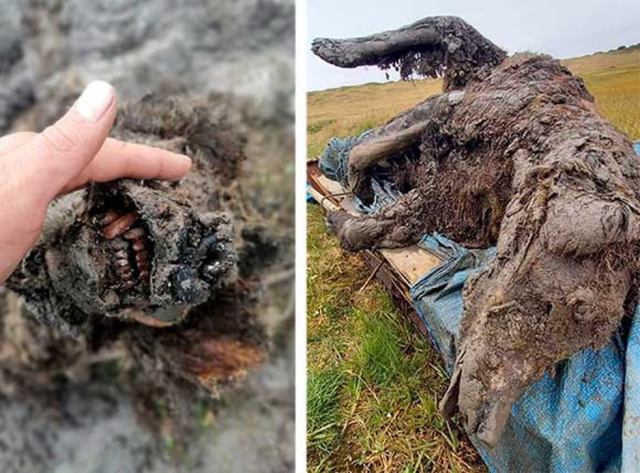
Reindeer herders working on Bolshoy Lyakhovsky Island in arctic Russia have stumbled upon an incredibly well-preserved cave bear, in what scientists say is a discovery of “world importance.”

When it comes to studying extinct cave bears, paleontologists have traditionally dealt with scattered bones and the odd skull. That’s why this new discovery is so important, as the body of the adult cave bear is “completely preserved” with “all internal organs in place including even its nose,” as scientist Lena Grigorieva explained in a North-Eastern Federal University (NEFU) press release describing the specimen. The finds are of “great importance for the whole world,” she added.

The carcass—now the only known fully intact adult cave bear—was discovered by reindeer herders on the island of Bolshoy Lyakhovsky, which is located in arctic Russia between the Laptev Sea and the East Siberian Sea. Bolshoy Lyakhovsky is the largest of the Lyakhovsky Islands—a part of the New Siberian Islands archipelago.

Cave bears (Ursus spelaeus) went extinct just prior to the end of the last ice age some 15,000 years ago, though possibly as early as 27,800 years ago. Cave bears and modern bears diverged from a common ancestor around 1.2 million to 1.4 million years ago. They were quite large, weighing upwards of 1,540 pounds (700 kg), and were possibly omnivorous.

A preliminary estimate places the age of the newly discovered cave bear at between 22,000 and 39,500 years old. This large window needs to be constrained, and that’ll hopefully be accomplished by a radiocarbon analysis, as senior researcher Maxim Cheprasov from the Mammoth Museum laboratory in Yakutsk explained in the NEFU press release.

The remains will be studied by NEFU researchers in Yakutsk, along with Russian colleagues and international collaborators who will be invited to join the study. Possibilities for research are wide open: isotopic analysis of teeth could point to diet and geographical range; DNA analysis could offer new insights into its evolutionary history and unique genetic traits; and an analysis of its stomach contents could likewise shed light on its diet. It would be good to know, for example, if this beast was an obligate herbivore or an opportunistic omnivore like the modern brown bears it resembles.

In a separate but related discovery, a well-preserved cave bear cub was found on the mainland of Yakutia. Indeed, discoveries from arctic Russia seem to be increasing in frequency as the permafrost melts in Siberia. Recently, ice age lion cubs were found in Yakutsk, and an analysis of their DNA revealed more about the family tree of these extinct creatures.

https://gizmodo.com/ice-age-cave-bear-found-exquisitely-preserved-in-siberi-1845061915

Poor Sleep Linked with Future Amyloid-β Build Up

by Abby Olena

There’s evidence in people and animals that short-term sleep deprivation can change the levels of amyloid-β, a peptide that can accumulate in the aging brain and cause Alzheimer’s disease. Scientists now show long-term consequences may also result from sustained poor sleep. In a study published September 3 in Current Biology, researchers found that healthy individuals with lower-quality sleep were more likely to have amyloid-β accumulation in the brain years later. The study could not say whether poor sleep caused amyloid-β accumulation or vice versa, but the authors say that sleep could be an indicator of present and future amyloid-β levels.

“Traditionally, sleep disruptions have been accepted as a symptom of Alzheimer’s disease,” says Ksenia Kastanenka, a neuroscientist at Massachusetts General Hospital who was not involved in the work. Her group showed in 2017 that improving sleep in a mouse model of Alzheimer’s disease, in which the animals’ slow wave sleep is disrupted as it usually is in people with the disease, halted disease progression.

Collectively, the results from these studies and others raise the possibility that “sleep rhythm disruptions are not an artifact of disease progression, but actually are active contributors, if not a cause,” she says, hinting at the prospect of using these sleep measures as a biomarker for Alzheimer’s disease.

As a graduate student at the University of California, Berkeley, Joseph Winer, who is now a postdoc at Stanford University, and his colleagues were interested in whether or not sleep could predict how the brain changes over time. They collaborated with the team behind the Berkeley Aging Cohort Study, which includes a group of 32 cognitively healthy adults averaging about 75 years of age. They participated in a sleep study, then had periodic cognitive assessments and between two and five positron emission tomography (PET) scans to check for the presence of amyloid-β in their brains for an average of about four years after the sleep study.

The researchers found at their baseline PET scan, which happened within six months of their sleep study, that 20 of the 32 participants already had some amyloid-β accumulation, which was not unexpected based on their average age. They also showed that both slow wave sleep, an indicator of depth of sleep, and sleep efficiency, the amount of time sleeping compared to time in bed, were both predictive of the rate of amyloid change several years later. In other words, people with lower levels of slow wave sleep and sleep efficiency were more likely to have faster amyloid build up.

The subjects all remained cognitively healthy over the duration of the study, says Winer. “We do expect that they’re at higher risk for developing Alzheimer’s in their lifetime because of the amyloid plaque.”

The strengths of the study include the well-characterized participants with detailed sleep assessments, as well as cognitive testing and longitudinal amyloid PET imaging, says Brendan Lucey, a sleep neurologist at Washington University in St. Louis who did not participate in the work.

There are still open questions about the link between sleep and amyloid deposition over time. “Amyloid accumulation on PET increases at different rates in amyloid-negative and amyloid-positive individuals, and even within amyloid-positive individuals,” Lucey explains. “Without adjusting for participants’ starting amyloid [levels], we don’t know if some participants would have been more likely to have increased amyloid compared to others, independent of sleep.”

“It is very hard to untangle this question of baselines,” acknowledges Winer. Because the sleep measures the team identified in the study are related to amyloid levels, to actually tease apart the effect of sleep quality on amyloid deposition and vice versa, it’d be necessary to study people starting as early as their fifties, when they’re much less likely to have amyloid accumulation, he says.

This study is “a great start,” David Holtzman, a neurologist and collaborator of Lucey at Washington University in St. Louis who did not participate in the work, tells The Scientist. In addition to controlling for the amount of amyloid deposition that is present in a subject’s brain at the beginning of the study, it would be important to see if the findings bear out in larger numbers of people and what role genetic factors play.

“The most important question down the road is to test the idea in some sort of a treatment paradigm,” Holtzman adds. “You can do something to improve the quality of sleep or increase slow wave sleep, and then determine if it actually slows down the onset of Alzheimer’s disease clinically.”

J.R. Winer et al., “Sleep disturbance forecasts β-amyloid accumulation across subsequent years,” Current Biology, doi:10.1016/j.cub.2020.08.017, 2020.

https://www.the-scientist.com/news-opinion/poor-sleep-linked-with-future-amyloid-build-up-67923?utm_campaign=TS_OTC_2020&utm_medium=email&_hsmi=95303853&_hsenc=p2ANqtz–8BBfH3OsENS0A5GHEfhRVVh3ox2uWli04iEz1JAIpGp_Zeq9dMKwhb5f5X1AeB01d4d07al4rDaOWz_GzA5Ax6TXrGQ&utm_content=95303853&utm_source=hs_email

For the first time in its 175 year history, Scientific American endorses a presidential candidate

By THE EDITORS | Scientific American

Scientific American has never endorsed a presidential candidate in its 175-year history. This year we are compelled to do so. We do not do this lightly.

The evidence and the science show that Donald Trump has badly damaged the U.S. and its people—because he rejects evidence and science. The most devastating example is his dishonest and inept response to the COVID-19 pandemic, which cost more than 190,000 Americans their lives by the middle of September. He has also attacked environmental protections, medical care, and the researchers and public science agencies that help this country prepare for its greatest challenges. That is why we urge you to vote for Joe Biden, who is offering fact-based plans to protect our health, our economy and the environment. These and other proposals he has put forth can set the country back on course for a safer, more prosperous and more equitable future.

The pandemic would strain any nation and system, but Trump’s rejection of evidence and public health measures have been catastrophic in the U.S. He was warned many times in January and February about the onrushing disease, yet he did not develop a national strategy to provide protective equipment, coronavirus testing or clear health guidelines. Testing people for the virus, and tracing those they may have infected, is how countries in Europe and Asia have gained control over their outbreaks, saved lives, and successfully reopened businesses and schools. But in the U.S., Trump claimed, falsely, that “anybody that wants a test can get a test.” That was untrue in March and remained untrue through the summer. Trump opposed $25 billion for increased testing and tracing that was in a pandemic relief bill as late as July. These lapses accelerated the spread of disease through the country—particularly in highly vulnerable communities that include people of color, where deaths climbed disproportionately to those in the rest of the population.

It wasn’t just a testing problem: if almost everyone in the U.S. wore masks in public, it could save about 66,000 lives by the beginning of December, according to projections from the University of Washington School of Medicine. Such a strategy would hurt no one. It would close no business. It would cost next to nothing. But Trump and his vice president flouted local mask rules, making it a point not to wear masks themselves in public appearances. Trump has openly supported people who ignored governors in Michigan and California and elsewhere as they tried to impose social distancing and restrict public activities to control the virus. He encouraged governors in Florida, Arizona and Texas who resisted these public health measures, saying in April—again, falsely—that “the worst days of the pandemic are behind us” and ignoring infectious disease experts who warned at the time of a dangerous rebound if safety measures were loosened.

And of course, the rebound came, with cases across the nation rising by 46 percent and deaths increasing by 21 percent in June. The states that followed Trump’s misguidance posted new daily highs and higher percentages of positive tests than those that did not. By early July several hospitals in Texas were full of COVID-19 patients. States had to close up again, at tremendous economic cost. About 31 percent of workers were laid off a second time, following the giant wave of unemployment—more than 30 million people and countless shuttered businesses—that had already decimated the country. At every stage, Trump has rejected the unmistakable lesson that controlling the disease, not downplaying it, is the path to economic reopening and recovery.

Trump repeatedly lied to the public about the deadly threat of the disease, saying it was not a serious concern and “this is like a flu​” when he knew it was more lethal and highly transmissible, according to his taped statements to journalist Bob Woodward. His lies encouraged people to engage in risky behavior, spreading the virus further, and have driven wedges between Americans who take the threat seriously and those who believe Trump’s falsehoods. The White House even produced a memo attacking the expertise of the nation’s leading infectious disease physician, Anthony Fauci, in a despicable attempt to sow further distrust.

Trump’s reaction to America’s worst public health crisis in a century has been to say “I don’t take responsibility at all.” Instead he blamed other countries and his White House predecessor, who left office three years before the pandemic began.

But Trump’s refusal to look at the evidence and act accordingly extends beyond the virus. He has repeatedly tried to get rid of the Affordable Care Act while offering no alternative; comprehensive medical insurance is essential to reduce illness. Trump has proposed billion-dollar cuts to the National Institutes of Health, the National Science Foundation, and the Centers for Disease Control and Prevention, agencies that increase our scientific knowledge and strengthen us for future challenges. Congress has countermanded his reductions. Yet he keeps trying, slashing programs that would ready us for future pandemics and withdrawing from the World Health Organization. These and other actions increase the risk that new diseases will surprise and devastate us again.

Trump also keeps pushing to eliminate health rules from the Environmental Protection Agency, putting people at more risk for heart and lung disease caused by pollution. He has replaced scientists on agency advisory boards with industry representatives. In his ongoing denial of reality, Trump has hobbled U.S. preparations for climate change, falsely claiming that it does not exist and pulling out of international agreements to mitigate it. The changing climate is already causing a rise in heat-related deaths and an increase in severe storms, wildfires and extreme flooding.

Joe Biden, in contrast, comes prepared with plans to control COVID-19, improve health care, reduce carbon emissions and restore the role of legitimate science in policy making. He solicits expertise and has turned that knowledge into solid policy proposals.

On COVID-19, he states correctly that “it is wrong to talk about ‘choosing’ between our public health and our economy…. If we don’t beat the virus, we will never get back to full economic strength.” Biden plans to ramp up a national testing board, a body that would have the authority to command both public and private resources to supply more tests and get them to all communities. He also wants to establish a Public Health Job Corps of 100,000 people, many of whom have been laid off during the pandemic crisis, to serve as contact tracers and in other health jobs. He will direct the Occupational Health and Safety Administration to enforce workplace safety standards to avoid the kind of deadly outbreaks that have occurred at meat-processing plants and nursing homes. While Trump threatened to withhold money from school districts that did not reopen, regardless of the danger from the virus, Biden wants to spend $34 billion to help schools conduct safe in-person instruction as well as remote learning.

Biden is getting advice on these public health issues from a group that includes David Kessler, epidemiologist, pediatrician and former U.S. Food and Drug Administration chief; Rebecca Katz, immunologist and global health security specialist at Georgetown University; and Ezekiel Emanuel, bioethicist at the University of Pennsylvania. It does not include physicians who believe in aliens and debunked virus therapies, one of whom Trump has called “very respected” and “spectacular.”

Biden has a family and caregiving initiative, recognizing this as key to a sustained public health and economic recovery. His plans include increased salaries for child care workers and construction of new facilities for children because the inability to afford quality care keeps workers out of the economy and places enormous strains on families.

On the environment and climate change, Biden wants to spend $2 trillion on an emissions-free power sector by 2035, build energy-efficient structures and vehicles, push solar and wind power, establish research agencies to develop safe nuclear power and carbon capture technologies, and more. The investment will produce two million jobs for U.S. workers, his campaign claims, and the climate plan will be partly paid by eliminating Trump’s corporate tax cuts. Historically disadvantaged communities in the U.S. will receive 40 percent of these energy and infrastructure benefits.

It is not certain how many of these and his other ambitions Biden will be able to accomplish; much depends on laws to be written and passed by Congress. But he is acutely aware that we must heed the abundant research showing ways to recover from our present crises and successfully cope with future challenges.

Although Trump and his allies have tried to create obstacles that prevent people from casting ballots safely in November, either by mail or in person, it is crucial that we surmount them and vote. It’s time to move Trump out and elect Biden, who has a record of following the data and being guided by science.

https://www.scientificamerican.com/article/scientific-american-endorses-joe-biden/

Astronomers Spot Possible Signs Of Extraterrestrial Life In Venus’s Clouds


There may be bizarre microbes living in the sulfuric acid-laden clouds of the hothouse planet, scientists said.

By Seth Borenstein

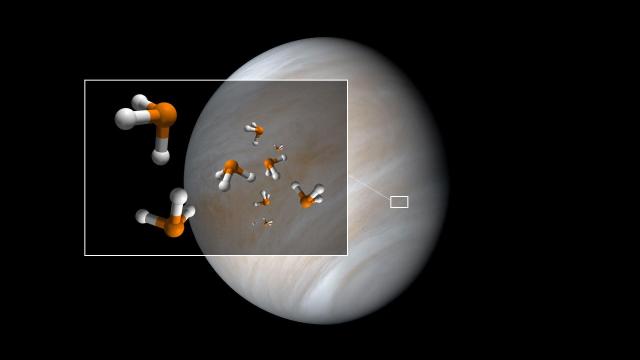
Astronomers have found a potential sign of life high in the atmosphere of neighboring Venus: hints there may be bizarre microbes living in the sulfuric acid-laden clouds of the hothouse planet.

Two telescopes in Hawaii and Chile spotted in the thick Venutian clouds the chemical signature of phosphine, a noxious gas that on Earth is only associated with life, according to a study in Monday’s journal Nature Astronomy.

Several outside experts — and the study authors themselves — agreed this is tantalizing but said it is far from the first proof of life on another planet. They said it doesn’t satisfy the “extraordinary claims require extraordinary evidence” standard established by the late Carl Sagan, who speculated about the possibility of life in the clouds of Venus in 1967.

“It’s not a smoking gun,” said study co-author David Clements, an Imperial College of London astrophysicist. “It’s not even gunshot residue on the hands of your prime suspect, but there is a distinct whiff of cordite in the air which may be suggesting something.”

As astronomers plan for searches for life on planets outside our solar system, a major method is to look for chemical signatures that can only be made by biological processes, called biosignatures. After three astronomers met in a bar in Hawaii, they decided to look that way at the closest planet to Earth: Venus. They searched for phosphine, which is three hydrogen atoms and a phosphorous atom.

On Earth, there are only two ways phosphine can be formed, study authors said. One is in an industrial process. (The gas was produced for use as chemical warfare agent in World War I.) The other way is as part of some kind of poorly understood function in animals and microbes. Some scientists consider it a waste product, others don’t.

Phosphine is found in “ooze at the bottom of ponds, the guts of some creatures like badgers and perhaps most unpleasantly associated with piles of penguin guano,” Clements said.

Study co-author Sara Seager, an MIT planetary scientist, said researchers “exhaustively went through every possibility and ruled all of them out: volcanoes, lightning strikes, small meteorites falling into the atmosphere. … Not a single process we looked at could produce phosphine in high enough quantities to explain our team’s findings.”

That leaves life.

The astronomers hypothesize a scenario for how life could exist on the inhospitable planet where temperatures on the surface are around 800 degrees (425 degrees Celsius) with no water.

“Venus is hell. Venus is kind of Earth’s evil twin,” Clements said. “Clearly something has gone wrong, very wrong, with Venus. It’s the victim of a runaway greenhouse effect.”

But that’s on the surface.

Seager said all the action may be 30 miles above ground in the thick carbon-dioxide layer cloud deck, where it’s about room temperature or slightly warmer. It contains droplets with tiny amounts of water but mostly sulfuric acid that is a billion times more acidic than what’s found on Earth.

The phosphine could be coming from some kind of microbes, probably single-cell ones, inside those sulfuric acid droplets, living their entire lives in the 10-mile-deep clouds, Seager and Clements said. When the droplets fall, the potential life probably dries out and could then get picked up in another drop and reanimate, they said.

Life is definitely a possibility, but more proof is needed, several outside scientists said.

Cornell University astronomer Lisa Kaltenegger said the idea of this being the signature of biology at work is exciting, but she said we don’t know enough about Venus to say life is the only explanation for the phosphine.

“I’m not skeptical, I’m hesitant,” said Justin Filiberto, a planetary geochemist at the Lunar and Planetary Institute in Houston who specializes in Venus and Mars and isn’t part of the study team.

Filiberto said the levels of phosphine found might be explained away by volcanoes. He said recent studies that were not taken into account in this latest research suggest that Venus may have far more active volcanoes than originally thought. But Clements said that explanation would make sense only if Venus were at least 200 times as volcanically active as Earth.

David Grinspoon, a Washington-based astrobiologist at the Planetary Science Institute who wrote a 1997 book suggesting Venus could harbor life, said the finding “almost seems too good to be true.”

“I’m excited, but I’m also cautious,” Grinspoon said. “We found an encouraging sign that demands we follow up.”

NASA hasn’t sent anything to Venus since 1989, though Russia, Europe and Japan have dispatched probes. The U.S. space agency is considering two possible Venus missions. One of them, called DAVINCI+, would go into the Venutian atmosphere as early as 2026.

Clements said his head tells him “it’s probably a 10% chance that it’s life,” but his heart “obviously wants it to be much bigger because it would be so exciting.”

https://www.huffpost.com/entry/venus-possible-life_n_5f5f878ac5b68d1b09c5ab9b

There is now a name for the terrible sleep you are getting right now

By Kyle Schnitzer

Forget insomnia. Call it “coronasomnia.”

The anxiety and stress brought on by the coronavirus pandemic has made changes to our once-almost perfect lives and created a medical mystery for more.

There’s been “shock hair loss” popping up around the US due to people experiencing extreme stress, only for their hair to rapidly fall from their head. Stress levels are at a decade-high causing people to have toxic dreams and shortened sleep.

In short: The COVID-19 pandemic has been a nightmare on our well-being.

A recent study found that 70% of Americans said their sleeping patterns have become inconsistent due to the ongoing medical crisis. Sixty-three percent of respondents even went lengths to say that they fear they will never be able to return to pre-pandemic sleep patterns because their current night’s sleep is so damaged.

So, now we’re left with coronasomnia. Heightened stress levels and strains interrupting our once tidy schedules have made medical experts question what the long term effects of the pandemic will have on sleep, with some calling it an “epidemic of sleep problems,” according to The Washington Post.

“Patients who used to have insomnia, patients who used to have difficulty falling asleep because of anxiety, are having more problems. Patients who were having nightmares have more nightmares,” one neurologist told the paper. “With covid-19, we recognize that there is now an epidemic of sleep problems.”

One thing experts have seen is how bedtimes and wake times are delayed. Per The Post:

Sleep physicians are seeing increasing delays of bedtimes and wake times. Avidan, of UCLA, said some of his patients are “living in L.A., but they’re on Honolulu time zone.” That disrupts the circadian rhythms that regulate sleep cycles, particularly by depriving people of exposure to natural light early in the morning, Avidan said. And it is exacerbated by the artificial light of screens — drivers of pre-pandemic sleep disorders and the way many now connect to work meetings, happy hours, entertainment and news.

Circadian rhythms are also affected by daily routines — and lack thereof, nowadays — such as meal times, riding the subway or hitting yoga class.

“Social cues are also circadian cues,” Singh said. And they have been ripped away.

ABC News 5 Cleveland spoke to experts who said circadian rhythm has hurt the way our lives have mostly gone as “unstructured and unscheduled.”

“Our bodies are designed to wake up with the sun and go to bed as the sun goes down, so that’s what we want to do. We want to simulate it, we want to live that,” said Dr. Sam Friedlander of the University Hospitals Cleveland Medical Center told the outlet.

Friedlander said turning off smartphones, tablets, and even TVs can help due to reducing blue light but that means turning them off hours before bed, not just as you’re about to try to snooze.

He also said exercising in the morning or afternoon can be beneficial in the battle against insomnia.

“It’s really important to get light in the morning,” he said. “Get a walk or get some exercise, if possible, because the light is the strongest thing that resets our circadian rhythm, so if you get light, you want to get it in the morning and then avoid it at night.”

https://www.theladders.com/career-advice/there-is-now-a-name-for-the-terrible-sleep-you-are-getting-right-now