Custom diets are essential to mental health, new research shows

Customized diets and lifestyle changes could be key to optimizing mental health, according to new research including faculty at Binghamton University, State University of New York.

“There is increasing evidence that diet plays a major role in improving mental health, but everyone is talking about a healthy diet,” said Begdache, an assistant professor of health and wellness studies at Binghamton University and co-author of a new paper in Nutrients.

“We need to consider a spectrum of dietary and lifestyle changes based on different age groups and gender,” she said. “There is not one healthy diet that will work for everyone. There is not one fix.”

Begdache, who is also a registered dietitian, believes that mental health therapies need to consider the differences in degree of brain maturity between young (18-29 years old) and mature (30 years or older) adults, as well as the brain morphology among men and women.

She and her research team conducted an online survey to examine food intake, dietary practices, exercise and other lifestyle factors in these four subpopulations. Over a five-year period (2014-19), more than 2,600 participants completed the questionnaire after responding to social media posts advertising the survey. The team collected data at different timepoints and seasons and found important dietary and lifestyle contributors to mental distress—defined as anxiety and depression—in each of the groups.

Key findings of this study:

  • Significant dietary and lifestyle approaches to improve mental well-being among young women include daily breakfast consumption, moderate-to-high exercise frequency, low caffeine intake and abstinence from fast food.
  • Dietary and lifestyle approaches to improve mental well-being among mature women include daily exercise and breakfast consumption, as well as high intake of fruits with limited caffeine ingestion.
  • To improve mental well-being of young men, dietary and lifestyle approaches include frequent exercise, moderate dairy consumption, high meat intake, as well as low consumption of caffeine and abstinence from fast food.
  • Dietary approaches to improve mental well-being among mature men include moderate intake of nuts.

Begdache and her team split the respondents into two age groups because human brain development continues into the late 20s. For young adults of both genders, quality of diet appears to have an impact on the developing brain.

“Young adults are still forming new connections between brain cells as well as building structures; therefore, they need more energy and nutrients to do that,” Begdache said.

As a result, young adults who consume a poor-quality diet and experience nutritional deficiencies may suffer from a higher degree of mental distress.

Age is also the reason high caffeine consumption was associated with mental distress in both young men and young women.

“Caffeine is metabolized by the same enzyme that metabolizes the sex hormones testosterone and estrogen, and young adults have high levels of these hormones,” Begdache said. “When young men and women consume high levels of caffeine, it stays in their system for a long time and keeps stimulating the nervous system, which increases stress and eventually leads to anxiety.”

The team also split respondents based on biological sex, since brain morphology and connectivity differ between men and women. Put simply, the male brain is “wired” to enable perception and coordination, whereas the female brain is built to support analysis and intuition. Begdache and her team believe these differences may influence nutritional needs.

“I have found it in my multiple studies so far, that men are less likely to be affected by diet than women are,” said Begdache. “As long as they eat a slightly healthy diet they will have good mental well-being. It’s only when they consume mostly fast food that we start seeing mental distress.

“Women, on the other hand, really need to be consuming a whole spectrum of healthy food and doing exercise in order to have positive mental well-being,” she added. “These two things are important for mental well-being in women across age groups.”

According to Begdache, current recommendations for food intake are all based on physical health; there are no recommendations for mental health. She hopes that will change—and that her work will play a role in making those changes.

“I hope to see more people doing research in this area and publishing on the customization of diet based on age and gender,” she said. “I hope that one day, institutions and governments will create dietary recommendations for brain health.”

https://medicalxpress.com/news/2021-03-custom-diets-essential-mental-health.html

More information: Lina Begdache et al, Diet, Exercise, Lifestyle, and Mental Distress among Young and Mature Men and Women: A Repeated Cross-Sectional Study, Nutrients (2020). DOI: 10.3390/nu13010024
Researchers identify brain ion channel as new approach to treating depression

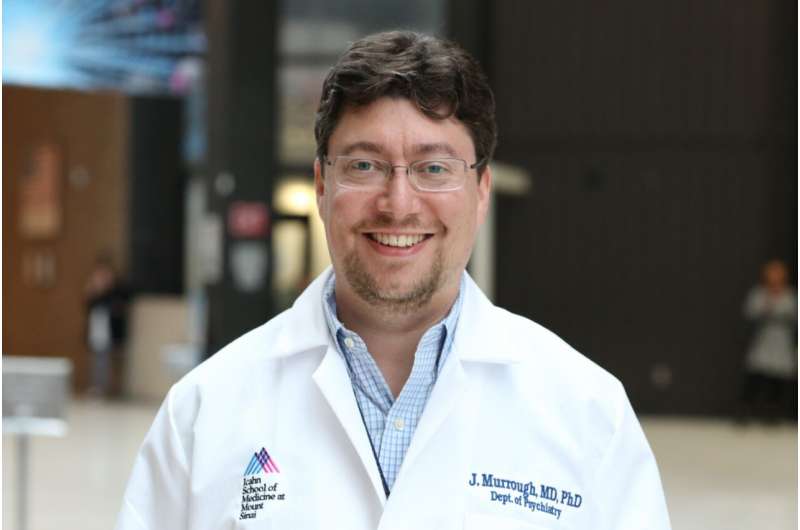
JAMES MURROUGH, MD, PHD, DIRECTOR OF THE DEPRESSION AND ANXIETY CENTER FOR DISCOVERY AND TREATMENT AT THE ICAHN SCHOOL OF MEDICINE AT MOUNT SINAI 

Researchers from the Icahn School of Medicine at Mount Sinai have identified a drug that works against depression by a completely different mechanism than existing treatments.

Their study showed that ezogabine (also known as retigabine), a drug that opens KCNQ2/3 type of potassium channels in the brain, is associated with significant improvements in depressive symptoms and anhedonia in patients with depression. Anhedonia is the reduced ability to experience pleasure or lack of reactivity to pleasurable stimuli; it is a core symptom of depression and associated with worse outcomes, poor response to antidepressant medication, and increased risk of suicide.

Ezogabine was approved by the U.S. Food and Drug Administration in 2011 as an anticonvulsant for epilepsy treatment but had not been previously studied in depression. The research results, published March 3 in the American Journal of Psychiatry, provide initial evidence in humans for the KCNQ2/3 channel as a new target for novel drug discovery for depression and anhedonia.

“Our study is the first randomized, placebo-controlled trial to show that a drug affecting this type of ion channel in the brain can improve depression and anhedonia in patients. Targeting this channel represents a completely different mechanism of action than any currently available antidepressant treatment,” says James Murrough, MD, PhD, Associate Professor of Psychiatry, and Neuroscience, Director of the Depression and Anxiety Center for Discovery and Treatment at the Icahn School of Medicine at Mount Sinai, and senior author of the paper.

The new drug target, the KCNQ2/3 channel, is a member of a large family of ion channels referred to as the KCNQ (or Kv7) family that act as important controllers of brain cell excitability and function in the central nervous system. These channels affect brain cell function by controlling the flow of the electrical charge across the cell membrane in the form of potassium (K+) ions. Researchers at Mount Sinai, including study co-author Ming-Hu Han, PhD, Professor of Pharmacological Sciences, and Neuroscience, had previously conducted a series of studies in mice showing that changes in the KCNQ2/3 potassium channel play an important role in determining if the animals show depression and anhedonic-like behavior following chronic stress in an experimental model of depression. In particular, mice that appear to be resistant to developing depression in the face of stress show an increase in KCNQ2/3 channels in the brain.

“We viewed enhanced functioning of the KCNQ channel as a potential molecular mechanism of resilience to stress and depression,” said Dr. Han, who also discovered that if he gave a drug that could increase the activity of this channel, such as ezogabine, to mice that had become depressed in the stress model, the mice no longer showed the depression and anhedonic behaviors; in other words, the drug acted as an antidepressant.

The current study was a two-site, double-blind, randomized, placebo-controlled proof of concept clinical trial designed as a preliminary test of the hypothesis that increasing KCNQ2/3 channel activity in the brain is a viable new approach for the treatment of depression. Forty-five adult patients diagnosed with a depressive disorder were assigned to a five-week treatment period with daily dosing of either ezogabine or matching placebo. All participants underwent clinical evaluations and functional magnetic resonance imaging (fMRI) during a reward task at baseline and at the end of the treatment period. Compared to patients treated with placebo, those treated with ezogabine showed a significant and large reduction in several key measures of depression severity, anhedonia, and overall illness severity. For example, significant improvements following treatment with ezogabine compared to placebo was observed using the Montgomery-Asberg Depression Rating Scale (MADRS), the Quick Inventory of Depressive Symptomatology-Self Report (QIDS-SR), the Snaith-Hamilton Pleasure Scale (SHAPS), and the Temporal Experience of Pleasure Scale (TEPS)-Anticipatory Subscale. The ezogabine group showed also a trend towards an increase in response to reward anticipation in the brain compared to placebo although this effect did not reach statistical significance.

“The fundamental insight by Dr. Han’s group that a drug that essentially mimicked a mechanism of stress resilience in the brain could represent a whole new approach to the treatment of depression was very exciting to us,” said Dr. Murrough.

In collaboration with Dr. Han, Dr. Murrough carried out a series of studies in patients with depression to begin to test if the observations in mice could be translated to humans. An initial open-label (no placebo) study in patients with depression led by Dr. Murrough provided initial evidence that ezogabine could improve symptoms of depression and anhedonia in a manner that was associated with changes in brain function.

“I think it’s fair to say that most of us on the study team were quite surprised at the large size of the beneficial effect of ezogabine on clinical symptoms across multiple measures related to depression. We are greatly encouraged by these findings and the hope they offer for the prospect of developing novel, effective treatments for depression and related disorders. New treatments are urgently needed given that more than one-third of people suffering from depression are inadequately treated with currently approved therapeutics.”

Individualized brain cell grafts reverse Parkinson’s symptoms in monkeys

Grafting neurons grown from monkeys’ own cells into their brains relieved the debilitating movement and depression symptoms associated with Parkinson’s disease, researchers at the University of Wisconsin-Madison reported this week.

In a study published in the journal Nature Medicine, the UW team describes its success with neurons made from induced pluripotent stem cells from the monkeys’ own bodies. This approach avoided complications with the primates’ immune systems and takes an important step toward a treatment for millions of human Parkinson’s patients.

“This result in primates is extremely powerful, particularly for translating our discoveries to the clinic,” says UW-Madison neuroscientist Su-Chun Zhang, whose Waisman Center lab grew the brain cells.

Parkinson’s disease damages neurons in the brain that produce dopamine, a brain chemical that transmits signals between nerve cells. The disrupted signals make it progressively harder to coordinate muscles for even simple movements and cause rigidity, slowness and tremors that are the disease’s hallmark symptoms. Patients—especially those in earlier stages of Parkinson’s—are typically treated with drugs like L-DOPA to increase dopamine production.

“Those drugs work well for many patients, but the effect doesn’t last,” says Marina Emborg, a Parkinson’s researcher at UW-Madison’s Wisconsin National Primate Research Center. “Eventually, as the disease progresses and their motor symptoms get worse, they are back to not having enough dopamine, and side effects of the drugs appear.”

Scientists have tried with some success to treat later-stage Parkinson’s in patients by implanting cells from fetal tissue, but research and outcomes were limited by the availability of useful cells and interference from patients’ immune systems. Zhang’s lab has spent years learning how to dial donor cells from a patient back into a stem cell state, in which they have the power to grow into nearly any kind of cell in the body, and then redirect that development to create neurons.

“The idea is very simple,” Zhang says. “When you have stem cells, you can generate the right type of target cells in a consistent manner. And when they come from the individual you want to graft them into, the body recognizes and welcomes them as their own.”

The application was less simple. More than a decade in the works, the new study began in earnest with a dozen rhesus monkeys several years ago. A neurotoxin was administered—a common practice for inducing Parkinson’s-like damage for research—and Emborg’s lab evaluated the monkeys monthly to assess the progression of symptoms.

“We evaluated through observation and clinical tests how the animals walk, how they grab pieces of food, how they interact with people—and also with PET imaging we measured dopamine production,” Emborg says. (PET is positron emission tomography, a type of medical imaging.) “We wanted symptoms that resemble a mature stage of the disease.”

Guided by real-time MRI that can be used during procedures and was developed at UW-Madison by biomedical engineer Walter Block during the course of the Parkinson’s study, the researchers injected millions of dopamine-producing neurons and supporting cells into each monkey’s brain in an area called the striatum, which is depleted of dopamine as a consequence of the ravaging effects of Parkinson’s in neurons.

Half the monkeys received a graft made from their own induced pluripotent stem cells (called an autologous transplant). Half received cells from other monkeys (an allogenic transplant). And that made all the difference.

Within six months, the monkeys that got grafts of their own cells were making significant improvements. Within a year, their dopamine levels had doubled and tripled.

“The autologous animals started to move more,” Emborg says. “Where before they needed to grab the cage to stand up, they started moving much more fluidly and grabbing food much faster and easier.”

The monkeys who received allogenic cells showed no such lasting boost in dopamine or improvement in muscle strength or control, and the physical differences in the brains were stark. The axons—the extensions of nerve cells that reach out to carry electrical impulses to other cells—of the autologous grafts were long and intermingled with the surrounding tissue.

“They could grow freely and extend far out within the striatum,” says Yunlong Tao, a scientist in Zhang’s lab and first author of the study. “In the allogenic monkeys, where the grafts are treated as foreign cells by the immune system, they are attacked to stop the spread of the axons.”

The missing connections leave the allogenic graft walled off from the rest of the brain, denying them opportunities to renew contacts with systems beyond muscle management.

“Although Parkinson’s is typically classified as a movement disorder, anxiety and depression are typical, too,” Emborg says. “In the autologous animals, we saw extension of axons from the graft into areas that have to do with what’s called the emotional brain.”

Symptoms that resemble depression and anxiety—pacing, disinterest in others and even in favorite treats—abated after the autologous grafts grew in. The allogenic monkeys’ symptoms remained unchanged or worsened.

The results are promising enough that Zhang hopes to begin work on applications for human patients soon. In particular, Zhang says, the work Tao did in the new study to help measure the relationship between symptom improvement, graft size and resulting dopamine production gives the researchers a predictive tool for developing effective human grafts.

More information: Autologous transplant therapy alleviates motor and depressive behaviors in parkinsonian monkeys, Nature Medicine (2021). DOI: 10.1038/s41591-021-01257-1 , dx.doi.org/10.1038/s41591-021-01257-1

https://medicalxpress.com/news/2021-03-individualized-brain-cell-grafts-reverse.html

A new theory for how memories are stored in the brain

Research from the University of Kent has led to the development of the MeshCODE theory, a revolutionary new theory for understanding brain and memory function. This discovery may be the beginning of a new understanding of brain function and in treating brain diseases such as Alzheimer’s.

In a paper published by Frontiers in Molecular Neuroscience, Dr. Ben Goult from Kent’s School of Biosciences describes how his new theory views the brain as an organic supercomputer running a complex binary code with neuronal cells working as a mechanical computer. He explains how a vast network of information-storing memory molecules operating as switches is built into each and every synapse of the brain, representing a complex binary code. This identifies a physical location for data storage in the brain and suggests memories are written in the shape of molecules in the synaptic scaffolds.

The theory is based on the discovery of protein molecules, known as talin, containing ‘switch-like’ domains that change shape in response to pressures in mechanical force by the cell. These switches have two stable states, 0 and 1, and this pattern of binary information stored in each molecule is dependent on previous input, similar to the Save History function in a computer. The information stored in this binary format can be updated by small changes in force generated by the cell’s cytoskeleton.

In the brain, electrochemical signaling between trillions of neurons occurs between synapses, each of which contains a scaffold of the talin molecules. Once assumed to be structural, this research suggests that the meshwork of talin proteins actually represent an array of binary switches with the potential to store information and encode memory.

This mechanical coding would run continuously in every neuron and extend into all cells, ultimately amounting to a machine code coordinating the entire organism. From birth, the life experiences and environmental conditions of an animal could be written into this code, creating a constantly updated, mathematical representation of its unique life.

Dr. Goult, a reader in biochemistry, said: “This research shows that in many ways the brain resembles the early mechanical computers of Charles Babbage and his Analytical Engine. Here, the cytoskeleton serves as the levers and gears that coordinate the computation in the cell in response to chemical and electrical signaling. Like those early computation models, this discovery may be the beginning of a new understanding of brain function and in treating brain diseases.”

More information: Benjamin T. Goult, The Mechanical Basis of Memory – the MeshCODE Theory, Frontiers in Molecular Neuroscience (2021). DOI: 10.3389/fnmol.2021.592951

Social media use driven by search for reward, akin to animals seeking food, new study shows

Our use of social media, specifically our efforts to maximize “likes,” follows a pattern of “reward learning,” concludes a new study by an international team of scientists.

Our use of social media, specifically our efforts to maximize “likes,” follows a pattern of “reward learning,” concludes a new study by an international team of scientists. Its findings, which appear in the journal Nature Communications, reveal parallels with the behavior of animals, such as rats, in seeking food rewards.

“These results establish that social media engagement follows basic, cross-species principles of reward learning,” explains David Amodio, a professor at New York University and the University of Amsterdam and one of the paper’s authors. “These findings may help us understand why social media comes to dominate daily life for many people and provide clues, borrowed from research on reward learning and addiction, to how troubling online engagement may be addressed.”

In 2020, more than four billion people spent several hours per day, on average, on platforms such as Instagram, Facebook, Twitter, and other more specialized forums. This widespread social media engagement has been likened by many to an addiction, in which people are driven to pursue positive online social feedback, such as “likes,” over direct social interaction and even basic needs like eating and drinking.

While social media usage has been studied extensively, what actually drives people to engage, sometimes obsessively, with others on social media is less clear.

To examine these motivations, the Nature Communications study, which also included scientists from Boston University, the University of Zurich, and Sweden’s Karolinska Institute, directly tested, for the first time, whether social media use can be explained by the way our minds process and learn from rewards.

To do so, the authors analyzed more than one million social media posts from over 4,000 users on Instagram and other sites. They found that people space their posts in a way that maximizes how many “likes” they receive on average: they post more frequently in response to a high rate of likes and less frequently when they receive fewer likes.

The researchers then used computational models to reveal that this pattern conforms closely to known mechanisms of reward learning, a long-established psychological concept that posits behavior may be driven and reinforced by rewards.

More specifically, their analysis suggested that social media engagement is driven by similar principles that lead non-human animals, such as rats, to maximize their food rewards in a Skinner Box—a commonly used experimental tool in which animal subjects, placed in a compartment, access food by taking certain actions (e.g., pressing a particular lever).

The researchers then corroborated these results with an online experiment, in which human participants could post funny images with phrases, or “memes,” and receive likes as feedback on an Instagram-like platform. Consistent with the study’s quantitative analysis, the results showed that people posted more often when they received more likes—on average.

“Our findings can help lead to a better understanding of why social media dominates so many people’s daily lives and can also provide leads for ways of tackling excessive online behavior,” says the University of Amsterdam’s Björn Lindström, the paper’s lead author.

More information: Andreas Olsson et al. The neural and computational systems of social learning, Nature Reviews Neuroscience (2020). DOI: 10.1038/s41583-020-0276-4Journal information:Nature Communications Nature Reviews Neuroscience

https://medicalxpress.com/news/2021-02-social-media-driven-reward-akin.html

Study identifies potential link between Soldiers exposed to blasts, Alzheimer’s

Research shows that Soldiers exposed to shockwaves from military explosives are at a higher risk for developing Alzheimer’s disease — even those that don’t have traumatic brain injuries from those blasts. A new Army-funded study identifies how those blasts affect the brain.

Researchers at the University of North Carolina at Pembroke in collaboration with the U.S. Army Combat Capabilities Development Command, now known as DEVCOM, the Army Research Laboratory, and the National Institutes of Health found that the mystery behind blast-induced neurological complications when traumatic damage is undetected may be rooted in distinct alterations to the tiny connections between neurons in the hippocampus, the part of the brain particularly involved in memory encoding and social behavior.

The research published in Brain Pathology, the medical journal of the International Society of Neuropathology, was funded by the lab’s Army Research Office.

“Blasts can lead to debilitating neurological and psychological damage but the underlying injury mechanisms are not well understood,” said Dr. Frederick Gregory, program manager, ARO. “Understanding the molecular pathophysiology of blast-induced brain injury and potential impacts on long-term brain health is extremely important to understand in order to protect the lifelong health and well-being of our service members.”

The research team tested slices of rat hippocampus by exposing the healthy tissue to controlled military blast waves. In the experimental brain explants (tissue slices maintained alive in culture dishes), the rapid blast waves produced by the detonated military explosives led to selective reductions in components of brain connections needed for memory, and the distinct electrical activity from those neuronal connections was sharply diminished.

The research showed that the blast-induced effects were evident among healthy neurons with subtle synaptic pathology, which may be an early indicator of Alzheimer’s-type pathogenesis occurring independent of overt brain damage.

“This finding may explain those many blast-exposed individuals returning from war zones with no detectable brain injury, but who still suffer from persistent neurological symptoms, including depression, headaches, irritability and memory problems,” said Dr. Ben Bahr, the William C. Friday distinguished professor of Molecular Biology and Biochemistry at UNC-Pembroke.

The researchers believe that the increased risk of developing Alzheimer’s disease is likely rooted in the disruption of neuronal communication instigated by blast exposures.

“Early detection of this measurable deterioration could improve diagnoses and treatment of recurring neuropsychiatric impediments, and reduce the risk of developing dementia and Alzheimer’s disease later in life,” Bahr said.

https://www.army.mil/article/243681/study_identifies_potential_link_between_soldiers_exposed_to_blasts_alzheimers

Artificial intelligence tool for reading MRI scans could transform prostate cancer surgery and treatment

Anant Madabhushi

Researchers at the Center for Computational Imaging and Personalized Diagnostics (CCIPD) at Case Western Reserve University have preliminarily validated an artificial intelligence (AI) tool to predict how likely the disease is to recur following surgical treatment for prostate cancer.

The tool, called RadClip, uses AI algorithms to examine a variety of data, from MRI scans to molecular information. The research team included Cleveland Clinic, University Hospitals and the Louis Stokes Cleveland Veterans Administration Medical Center.

“This tool can help urologists, oncologists and surgeons create better treatment plans so that their patients can have the most precise treatment,” said Lin Li, a doctoral student in Case Western Reserve’s Biomedical Engineering Department and a member of the CCIPD team that developed the tool. “RadClip allows physicians to evaluate the aggressiveness of the cancer and the response to treatment so they don’t overtreat or undertreat the patient.”

Li is first author on a study used to validate the tool, which appeared in January in The Lancet’s EBioMedicine journal. While other studies on prostate cancer have examined data from single sites, the CCIPD study included MRI scans from Cleveland Clinic, The Mount Sinai Hospital, University Hospitals and the Hospital of the University of Pennsylvania.

The multi-institutional study applied RadClip AI tool to pre-operative scans from nearly 200 patients whose surgeons removed their prostate gland because of cancer, then compared its results of other predictive approaches—as well as the patients’ outcomes in succeeding years.

One of the critical questions in managing prostate cancer in men undergoing surgery is identifying which are at highest risk of recurrence and prostate cancer-specific mortality so they can be identified early for additional therapy.

While RadClip has been shown to be able to predict the risk of disease recurrence, clinical trials will be needed to demonstrate that the tool can also help identify men undergoing surgery who would also benefit from additional therapy.

The approach involved using AI to identify subtle differences in heterogeneity and texture patterns inside and outside the tumor region on pre-operative MRI to predict patient outcome following surgery.       

“We’re bringing together and connecting a variety of information, from radiologic scans like MRI to digitized pathology specimen slides and genomic data, for providing a more comprehensive characterization of the disease,” said Anant Madabhushi, CCIPD director, the Donnell Institute Professor of Biomedical Engineering at Case Western Reserve and the study’s senior author.

Madabhushi added that the study demonstrates the value of imaging data, showing that RadClip provides better prognostic information than other commonly used tools, such as the Cancer of the Prostate Risk Assessment (CAPRA) score and the genomic-based Decipher® Prostate Cancer Test.

“Genomic-based tests cost several thousand dollars and involve destructive testing of the tissue,” Madabhushi said. “Prognostic predictions from an MRI scan provide a non-invasive method for making both short-term and long-term decisions on treatment.”

Data generated from the AI algorithms can be used to address two important clinical areas—prostate surgery and post-operative management. Information obtained from pre-operative MRI images can help predict the existence and extent of cancer on the margins of tumors, which would allow surgeons to make informed decisions about how much tissue to remove. Data also can predict the risk of cancer recurrence so oncologists can determine whether a patient needs adjuvant treatments after surgery, such as radiation therapy or chemotherapy.

“Having this information before surgery,” Li said, “provides surgeons and oncologists the time and space to adjust treatment plans and come up with a plan that’s best suited to the patient.”

University of Michigan shut down campus library for two days after discovering venomous spiders

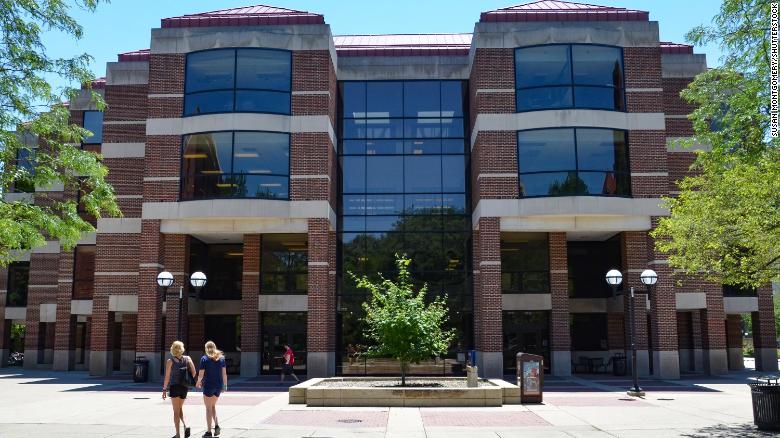
Venomous spiders were found in the basement of Shapiro Undergraduate Library at the University of Michigan in January.

By Rebekah Riess and Leah Asmelash

It’s like something straight out of a nightmare — venomous spiders were found inside a University of Michigan library, causing the building to be shut down for two days last month.The “small number” of venomous Mediterranean recluse spiders were uncovered in the basement mechanical room of Shapiro Undergraduate Library in late January during a routine building check, said university spokesperson Kim Broekhuizen.Closing the library was a misunderstanding, and there haven’t been any other spider sightings since then, she said.”Based on what we all know now, library managers agree that it was a mistake to close the building and they apologize for the inconvenience to the university community,” Broekhuizen said in a statement issued Tuesday.

But the spiders have also been identified in basements and remote areas of other buildings on campus due to low occupancy. Broekhuizen said those buildings are also being treated by pest management.The Mediterranean recluse spider is a cousin to the brown recluse spider, but is even more reclusive.”As the name implies, they are reclusive and bites are extremely rare,” Anne Danielson-Francois, associate professor of biology at the University of Michigan, said. “Mediterranean recluse spiders prefer basement spaces, tunnels and other hideaways where there is a decrease in foot traffic.”Danielson-Francois worked with the school to determine the identity of the spider, after examining samples found in traps, Broekhuizen said.The University of Michigan has cautioned those working in basement areas to wear a long-sleeved shirt, hat, gloves and shoes that cover the entire foot when handling stored items, cardboard boxes, lumber or rocks.

https://www.cnn.com/2021/02/23/us/university-of-michigan-spiders-trnd/index.html

Scientists clone the first U.S. endangered species

A black-footed ferret was duplicated from the genes of an animal that died more than 30 years ago.

Scientists have cloned the first U.S. endangered species, a black-footed ferret duplicated from the genes of an animal that died over 30 years ago.

The slinky predator named Elizabeth Ann, born Dec. 10 and announced Thursday, is cute as a button. But watch out — unlike the domestic ferret foster mom who carried her into the world, she’s wild at heart.

“You might have been handling a black-footed ferret kit and then they try to take your finger off the next day,” U.S. Fish and Wildlife Service black-footed ferret recovery coordinator Pete Gober said Thursday. “She’s holding her own.”

Elizabeth Ann was born and is being raised at a Fish and Wildlife Service black-footed ferret breeding facility in Fort Collins, Colorado. She’s a genetic copy of a ferret named Willa who died in 1988 and whose remains were frozen in the early days of DNA technology.

Cloning eventually could bring back extinct species such as the passenger pigeon. For now, the technique holds promise for helping endangered species including a Mongolian wild horse that was cloned and last summer born at a Texas facility.

“Biotechnology and genomic data can really make a difference on the ground with conservation efforts,” said Ben Novak, lead scientist with Revive & Restore, a biotechnology-focused conservation nonprofit that coordinated the ferret and horse clonings.

Black-footed ferrets are a type of weasel easily recognized by dark eye markings resembling a robber’s mask. Charismatic and nocturnal, they feed exclusively on prairie dogs while living in the midst of the rodents’ sometimes vast burrow colonies.

Even before cloning, black-footed ferrets were a conservation success story. They were thought extinct — victims of habitat loss as ranchers shot and poisoned off prairie dog colonies that made rangelands less suitable for cattle — until a ranch dog named Shep brought a dead one home in Wyoming in 1981.

Scientists gathered the remaining population for a captive breeding program that has released thousands of ferrets at dozens of sites in the western U.S., Canada and Mexico since the 1990s.

Lack of genetic diversity presents an ongoing risk. All ferrets reintroduced so far are the descendants of just seven closely related animals — genetic similarity that makes today’s ferrets potentially susceptible to intestinal parasites and diseases such as sylvatic plague.

Willa could have passed along her genes the usual way, too, but a male born to her named Cody “didn’t do his job” and her lineage died out, said Gober.

When Willa died, the Wyoming Game and Fish Department sent her tissues to a “frozen zoo” run by San Diego Zoo Global that maintains cells from more than 1,100 species and subspecies worldwide. Eventually scientists may be able to modify those genes to help cloned animals survive.

Thanks to Mr. Cuomo for bringing this to the It’s Interesting community.

https://www.nbcnews.com/news/animal-news/scientists-clone-first-u-s-endangered-species-n1258310

Differences in Walking Patterns Could Predict Type of Cognitive Decline in Older Adults

Gait variability in older adults could be a predictor of cognitive decline and Alzheimer’s disease. Researchers found higher gait variability was associated with lower cognitive performance and an accurate predictor of Alzheimer’s disease.

Canadian researchers are the first to study how different patterns in the way older adults walk could more accurately diagnose different types of dementia and identify Alzheimer’s disease.

A new study by a Canadian research team, led by London researchers from Lawson Health Research Institute and Western University, evaluated the walking patterns and brain function of 500 participants currently enrolled in clinical trials. Their findings are published

today in Alzheimer’s & Dementia: The Journal of the Alzheimer’s Association.

“We have longstanding evidence showing that cognitive problems, such as poor memory and executive dysfunction, can be predictors of dementia. Now, we’re seeing that motor performance, specifically the way you walk, can help diagnose different types of neurodegenerative conditions,” says Dr. Manuel Montero-Odasso, Scientist at Lawson and Professor at Western’s Schulich School of Medicine & Dentistry.

Dr. Montero-Odasso is world renowned for his research on the relationship between mobility and cognitive decline in aging. Leading the Mobility, Exercise and Cognition (MEC) team in London, he is pioneering novel diagnostic approaches and treatments to prevent and combat early dementia.

This study compared gait impairments across the cognitive spectrum, including people with Subjective Cognitive Impairment, Parkinson’s Disease, Mild Cognitive Impairment, Alzheimer’s disease, Lewy body dementia and Frontotemporal dementia, as well as cognitively healthy controls.

Four independent gait patterns were identified: rhythm, pace, variability and postural control. Only high gait variability was associated with lower cognitive performance and it identified Alzheimer’s disease with 70 percent accuracy. Gait variability means the stride-to-stride fluctuations in distance and timing that happen when we walk.

“This is the first strong evidence showing that gait variability is an important marker for processes happening in areas of the brain that are linked to both cognitive impairment and motor control,” notes Dr. Frederico Perruccini-Faria, Research Assistant at Lawson and Postdoctoral Associate at Western’s Schulich School of Medicine & Dentistry, who is first author on the paper. “We’ve shown that high gait variability as a marker of this cognitive-cortical dysfunction can reliably identify Alzheimer’s disease compared to other neurodegenerative disorders.”

When cognitive-cortical dysfunction is happening, the person’s ability to perform multiple tasks at the same time is impacted, such as talking while walking or chopping vegetables while chatting with family.

Having gait variability as a motor marker for cognitive decline and different types of conditions could allow for gait assessment to be used as a clinical test, for example having patients use wearable technology. “We see gait variability being similar to an arrhythmia. Health care providers could measure it with patients in the clinic, similar to how we assess heart rhythm with electrocardiograms,” adds Dr. Montero-Odasso.

Funding: This study was primarily funded by the Canadian Consortium on Neurodegeneration in Aging (CCNA), a collaborative research program tackling the challenge of dementia and other neurodegenerative illnesses. The CCNA was supported by a grant from the Canadian Institutes of Health Research.