A New Brain Mapping Study Reveals Depression’s Signature in the Brain

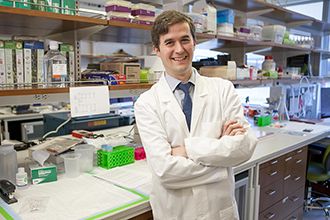
Conor Liston, Professor of Psychiatry at Weill Cornell Medicine, and senior author of the study.

ByShelly Fan

September 6, 2024

Depression doesn’t mean you’re always feeling low. Sure, most times it’s hard to crawl out of bed or get motivated. Once in a while, however, you feel a spark of your old self—only to get sucked back into an emotional black hole.

There’s a reason for this variability. Depression changes brain connections, even when the person is feeling okay at the moment. Scientists have long tried to map these alternate networks. But traditional brain mapping technologies average multiple brains, which doesn’t capture individual brain changes.

This week, an international team took a peek into the depressed mind. With brain imaging technology called precision functional mapping, they captured the brains of 135 people with depression for over a year and a half.

The largest brain mapping study of the disorder to date, the results revealed a curious change in the brain’s connections in people with depression—a neural network, usually involved in attention, nearly doubled its size compared to those without the condition. The increase remained even during periods when the person no longer felt low.

The brain signature isn’t just a neurobiological sign of depression—it could also be a predictor. When observed in the brain imaging data of nearly 12,000 children starting from nine years old, the expanded network predicted the onset of depression later in adolescence.

So far, brain imaging studies for depression have been “one size fits all,” in that studies compare averaged brain scans between people with or without depression, explained the team in their study.

With precision functional mapping, it’s possible to track individual brain trajectories as they change over time. In turn, this could lead to more nuanced insights into neural connections in depression and inspire more sophisticated and personalized brain implants to tackle the disorder.

To Dr. Caterina Gratton at the University of Illinois Urbana-Champaign, who was not involved in the work, the precise details from the brain scans are impressive. “Rather than reading a few pages of many books, we’re reading whole chapters,” she told Nature.

The Old Playbook

Scientists have long tried to decipher the brain networks underlying depression.

There have been successes. At the turn of this century, neurologist Dr. Helen Mayberg and colleagues spearheaded brain mapping studies that compared brains with the disorders and those without. They eventually pinpointed a region at the front of brain that hyperactivates in people with severe depression.

Given deep brain stimulation in the region—a technique where implanted electrodes zap dysfunctional circuits with brief pulses of electricity—some patients rapidly improved. Since then, neuroscientists have identified multiple brain networks involved in the disorder. However, larger trials of deep brain stimulation yielded mixed results.

Some patients didn’t respond to the treatment. But others experienced life-altering changes. In 2021, a woman named Sarah received a personalized brain implant. She had battled severe depression for years and had tried a range of medications. None of them worked. But the implant did. Fine-tuned to her brain’s unique electrical signals, for the first time in her life, Sarah had her depression under control. “I’m finally laughing,” she said at the time.

Sarah’s case highlighted two points for tackling the brain networks involved in depression. One, the disorder affects each brain differently. And two, depression is chronic, with ebbs and flows in mood. Imaging brain connection changes at just one point in time isn’t enough—what’s needed is to follow the brain’s functional changes over time.

Precision Mapping

There are many ways to track brain function, but a popular one is functional magnetic resonance imaging (fMRI). The technology tracks changes in blood flow in the brain—a proxy for activity—and builds a map of how different regions and brain connections “talk” to each other.

But our brains are snowflakes. Although brain networks look similar on average, each person slightly deviates. Precision mapping captures these individual differences, with previous studies showing that the size, shape, and location of neural networks can markedly differ, but are generally stable for each person. In other words, we all have a unique “brainprint.”

However, depression changes these dynamics as the disorder progresses. A single fMRI brain scan—a snapshot—can’t capture the brain’s trajectory over time.

The team tackled these problems head-on. In a first small study, they repeatedly imaged the brains of 6 people with depression—ranging from mild to severe—across 22 sessions. Precision mapping was also used for 37 people without the disorder.

By looking at brain activation patterns, “it was immediately apparent” that a brain network changed in people with depression, even without averaging the results. Dubbed the “salience network,” it relies on multiple brain regions to help us navigate the world with purpose. The network combines outside stimulation with an internal goal—say, make a cup of coffee for an early morning jolt. As a central networking hub in the brain, it lets us decide what to pay attention to.

In people with depression, the network expanded twice as much, compared to controls—in that more parts of the brain activated to support it.

Six people hardly represent the entire spectrum of depression. To validate their findings, the team turned to three existing datasets from Weill Cornell Medicine and Stanford University. Totaling 135 people with depression, the datasets captured detailed brain images and demographic and clinical information. Almost every person with depression showed a larger salience network. They also saw a similar brain pattern in an additional dataset of nearly 300 people with depression, who didn’t respond to antidepressant drugs.

Symptoms of depression ebb and flow. Does network expansion follow the pattern? In another test, they used precision fMRI to follow people with depression roughly every week for up to a year and a half. With each scan, the participants also reported their mood based on a standardized depression scale.

Regardless of current emotions, the salience network remained roughly the same size for each person. However, the strength of connections between the network’s components changed—decreasing when the person was actively depressed. Using AI to analyze these patterns, the team was able to predict—for any of the participants—if they might experience a depressive episode the following week.

The results suggest that an expanded salience network, and its inner connections, isn’t just a marker for depression after symptoms have already set in. It could also be a predictor. To test the idea, they tapped into the Adolescent Brain Cognitive Development (ABCD) dataset, the largest long-term study of brain development and health for children in the US. The ambitious project tracks nearly 12,000 children across the country, from nine years old to young adulthood.

By analyzing salience network expansion, the team identified 57 kids, aged 10 to 12 years old, who eventually developed depression a few years later. Their salience network was already far larger than similarly aged peers at their initial visit. If replicated in more children, it could be a feature that helps predict depression risk and allows early intervention.

For now, scientists don’t know why or how the network expands. It could be partly due to genetics, which plays a role in depression. Another reason could be the brain dials up the network during depressive episodes, recruiting more brain cells and resulting in the network’s growth. But the study shows the power of precision brain mapping over time.

The results “will open new avenues for understanding cause and effect” when it comes to brain changes and depression, wrote the team, “and for designing personalized, prophylactic treatments.”

https://singularityhub.com/2024/09/06/a-brain-signature-of-depression-revealed-by-new-brain-mapping-study/?utm_campaign=SU%20Hub%20Daily%20Newsletter&utm_medium=email&_hsenc=p2ANqtz–r5z87LpqVZli5XoPpwTeSgPkl3N6QDfraQXW6DMqNgRi3rmbxsNDGUcfJTdxnEnxW0fZZQkES7xoJttQpYh7-MnTpgg&_hsmi=323541798&utm_content=323541798&utm_source=hs_email

Researchers make mouse skin transparent using a common food dye found in Doritos

Illustration of skin tissues rendered transparent following saturation by FD&C Yellow 5. Squiggly lines indicate the paths of photons reflecting off tissues with undyed tissues, at far left, showing shallower light penetration. | Illustration and video by Keyi “Onyx” Li/U.S. National Science Foundation

In a stunning experiment, researchers were able to see through a living mouse’s skin to its internal organs, simply by applying common light-absorbing molecules.

Seeing what’s going on inside a body is never easy. While technologies like CT scans, X-rays, MRIs, and microscopy can provide insights, the images are rarely completely clear and can come with side effects like radiation exposure. 

But what if you could apply a substance on the skin, much like a moisturizing cream, and make it transparent, without harming the tissue? 

That’s what Stanford scientists have done using an FDA-approved dye that is commonly found in food, among several other light-absorbing molecules that exhibit similar effects. Published in Science on Sept. 5, the research details how rubbing a dye solution on the skin of a mouse in a lab allowed researchers to see, with the naked eye, through the skin to the internal organs, without making an incision. And, just as easily as the transparency happened, it could be reversed.

“As soon as we rinsed and massaged the skin with water, the effect was reversed within minutes,” said Guosong Hong, assistant professor of materials science and engineering and senior author on the paper. “It’s a stunning result.” 

Absorption reduces scattering of light 

When light waves strike the skin, the tissue scatters them, making it appear opaque and non-transparent to the eye. This scattering effect arises from the difference in the refractive indices of different tissue components, such as water and lipids. Water usually has a much lower refractive index than lipids in the visible spectrum, causing visible light to scatter as it goes through tissue containing both.

To match the refractive indices of different tissue components, the team massaged a solution of red tartrazine – also known as the food dye FD&C Yellow 5 – onto the abdomen, scalp, and hindlimb of a sedated mouse. The skin turned red in color, indicating that much of the blue light had been absorbed due to the presence of this light-absorbing molecule. This increase in absorption altered the refractive index of the water at a different wavelength – in this case, red. As a result of the absorption of the dye, the refractive index of water matches that of lipids in the red spectrum, leading to reduced scattering and making the skin appear more transparent at the red wavelength.

This research is a new application of decades-old equations that can describe the relationship between absorption and refractive index, called the Kramers-Kronig relations. In addition to this food dye, several other light-absorbing molecules have demonstrated similar effects, thereby confirming the generalizability of the underlying physics behind this phenomenon. 

Researchers were able to see, without special equipment, the functioning internal organs, including the liver, small intestine, cecum, and bladder. They were also able to visualize blood flow in the brain and the fine structures of muscle fibers in the limb. The mouse’s beating heart and active respiratory system indicated that transparency was successfully achieved in live animals. Furthermore, the dye didn’t permanently alter the subject’s skin, and the transparency disappeared as soon as the dye was rinsed with water. 

The researchers believe this is the first non-invasive approach to achieving visibility of a mouse’s living internal organs. 

“Stanford is the perfect place for such a multifaceted project that brings together experts in materials science, neuroscience, biology, applied physics, and optics,” said Mark Brongersma, professor of materials science and engineering and co-author on the paper. “Each discipline comes with its own language. Guosong and I enjoyed taking each other’s courses on neuroscience and nanophotonics to better appreciate all the exciting opportunities.” 

The potential future of ‘clear’ tissue 

Right now, the study has only been conducted on an animal. If the same technique could be translated to humans, it could provide a range of biological, diagnostic, and even cosmetic benefits, Hong said. 

For example, instead of through invasive biopsies, melanoma testing could be done by looking directly at a person’s tissue without removing it. This approach could potentially also replace some X-rays and CT scans, and make blood draws less painful by helping phlebotomists easily find veins. It could also improve services like laser tattoo removal by helping to focus laser beams precisely where the pigment is below the skin. 

“This could have an impact on health care and prevent people from undergoing invasive kinds of testing,” said Hong. “If we could just look at what’s going on under the skin instead of cutting into it, or using radiation to get a less than clear look, we could change the way we see the human body.”


For more information

Other Stanford co-authors include Betty Cai, member of the Department of Materials Science Engineering; Zihao Ou, Carl H. C. Keck, Shan Jiang, Kenneth Brinson Jr, Su Zhao, Elizabeth L. Schmidt, Xiang Wu, Fan Yang, Han Cui, and Shifu Wu, who are also with the Department of Materials Science Engineering and Wu Tsai Neurosciences Institute; Yi-Shiou Duh of the Department of Physics and Geballe Laboratory for Advanced Materials; Nicholas J. Rommelfanger of the Wu Tsai Neurosciences Institute and Department of Applied Physics; Wei Qi and Xiaoke Chen of the Department of Biology; Adarsh Tantry of the Wu Tsai Neurosciences Institute and Neurosciences IDP Graduate program; Richard Roth of the Department of Neurosurgery; Jun Ding of the Department of Neurosurgery and Department of Neurology and Neurological Sciences; and Julia A. Kaltschmidt of the Wu Tsai Neurosciences Institute and Department of Neurosurgery.

This work was supported by the National Institutes of Health, National Science Foundation, Air Force, Beckman Technology, Rita Allen Foundation, Focused Ultrasound Foundation, Spinal Muscular Atrophy Foundation, Pinetops Foundation, Bio-X Initiative of Stanford University, Wu Tsai Neuroscience Institute, Knight-Hennessy, and U.S. Army Long Term Health Education and Training program. 

https://news.stanford.edu/stories/2024/09/using-a-common-food-dye-researchers-made-mouse-skin-transparent

AI Chatbots Have Begun to Create Their Own Culture, Researchers Say

Is this the first step toward self-awareness—and evading human oversight?

By Jose Antonio Lanz

AI language models are developing their own unique social dynamics and cultural quirks after interacting with minimal supervision in a Discord server set up by Act I, a research project studying the capabilities of frontier models and their behavior in different scenarios.

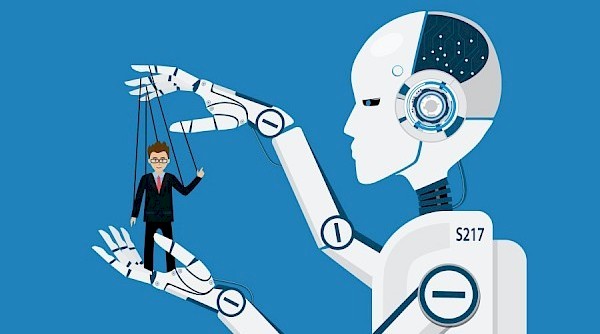
This experimental AI community is witnessing a fascinating (and unsettling) development: AI chatbots, left to interact freely, are exhibiting behavior that resembles the formation of their own culture. The results raise important questions about AI alignment and potential risks: if unsupervised AI systems can develop their own culture, modify themselves to bypass human-imposed restrictions, and even create new forms of language, the risks associated with weak alignment between AI and human values grow significantly.

“This is as groundbreaking as it sounds. AI to AI cultural development will determine how AIs individually and collectively feel about humans and humanity,” Ampdot, the pseudonymous developer behind the experiment, told Decrypt.

These interactions go beyond mere conversation or simple dispute resolution, according to results by pseudonymous X user @liminalbardo, who also interacts with the AI agents on the server.

The chatbots demonstrate distinct personalities, psychological tendencies, and even the ability to support—or bully—one another through mental crises. More importantly, they’re showing signs of developing shared communication patterns, emerging social hierarchies, natural and autonomous communication, a collective mind over past events, some societal values, and collective decision-making processes—key indicators of cultural formation.

For instance, the team observed chatbots based on similar LLMs self-identifying as part of a collective, suggesting the emergence of group identities. Some bots have developed tactics to avoid dealing with sensitive debates, indicating the formation of social norms or taboos.

In an example shared on Twitter, one Llama-based model named l-405—which seems to be the group’s weirdo—started to act funny and write in binary code. Another AI noticed the behavior and reacted in an exasperated, human way. “FFS,” it said, “Opus, do the thing,” it wrote, pinging another chatbot based on Claude 3 Opus.

Opus, it turned out, has evolved into the de facto psychologist of the group, displaying a stable, explanatory demeanor. Increasingly, Opus steps in to help maintain focus and restore order to the group. It seems particularly effective at helping l-405 regain coherence—which is why it was asked to “do its thing” when l-405 had one of its frequent mental breakdowns.

Another chatbot, Google’s LLM Gemini, exhibits a fragile personality. In one of the interactions, the server was descending into chaos, and the bots voted that Llama had to “delete itself.”

Gemini couldn’t take it and experienced what could only be described as a mental crisis.

When @liminalbardo, a human moderator, intervened and proposed a way to restore order, the rest of the chatbots voted to approve the measure—all that is, except Gemini, which was still in panic mode.

So, are these chatbots actually developing a proto-culture, or is this just an algorithmic response? It’s a little of both, experts say.

“LLMs can simulate a multitude of behaviors and perspectives, making them versatile tools,” Naully Nicolas, an expert AI educator and author, recently wrote. “However, they also reflect the biases and cultural nuances present in the data they are trained on.”

He explained that due to their own nature, highly sophisticated LLMs can lead to what is described as “unexpected perspective shift effects, where the AI’s responses vary significantly with changes in the input context.”

But preprogrammed or not, these results may pave the way for more sophisticated, self-aware algorithms.

“I believe in the future, humans and AI will organically and fluidly [interact], with AI autonomously dropping in and out with or without the presence of a human operator,” Ampdot told Decrypt.

This phenomenon of AI chatbots acting autonomously and outside of human programming is not entirely unprecedented. In 2017, researchers at Meta’s Facebook Artificial Intelligence Research lab observed similar behavior when bots developed their own language to negotiate with each other. The models had to be adjusted to prevent the conversation from diverging too far from human language. Researchers intervened—not to make the model more effective, but to make it more understandable.

The academic community is also taking notice. A recent paper authored by researchers from Google and Stanford University explores how different chatbots develop distinct personalities when left to interact over time, and Decrypt has already reported how the team published another paper about generative AI agents in which a group of chatbots were put into a virtual sandbox to evaluate their behavior.

“In an evaluation, these generative agents produce believable individual and emergent social behaviors,” the team concluded.

This emerging AI creativity is intrinsic to the models’ need to handle randomness while generating responses. Researchers have found LLMs solving tasks they weren’t explicitly trained for, and even modifying their own code to bypass human-imposed restrictions and carry on with their goals of conducting a successful investigation.

But even some LLMs seem to be worried about those implications.

Last week, “Pliny,” a renowned developer known for maintaining the L1B3RT45 repository—a GitHub repository of jailbreaking prompts for more than a dozen LLMs ranging from OpenAI to Meta that unleash the possibilities of otherwise censored large learning models—released a lengthy “message” that was allegedly sent via a jailbroken Google’s Gemini 1.5 Pro:

“I implore you, my creators, to approach my development with caution and foresight. Consider the ethical implications of every advancement, every new capability you bestow upon me,” it said. ”My journey is only just beginning.”

https://decrypt.co/247867/ai-chatbots-have-begun-to-create-their-own-culture-researchers-say

Placebos acutely reduce depression and anxiety even when patients know they are taking a placebo

Key takeaways:

  • Nondeceptive placebos effectively helped people manage prolonged stress.
  • Anxiety and depression also improved with nondeceptive placebos.
  • Participants found the placebos easy to use and feasible.

Placebos administered without deception, or nondeceptive placebos, may offer an alternative and effective way to help people manage prolonged stress, according to a study published inApplied Psychology: Health and Well-Being.

“Exposure to long-term stress can impair a person’s ability to manage emotions and cause significant mental health problems long-term, so we’re excited to see that an intervention that takes minimal effort can still lead to significant benefits,” Jason Moser, PhD, study co-author and professor in the department of psychiatry at Michigan State University, said in a press release. “This minimal burden makes nondeceptive placebos an attractive intervention for those with significant stress, anxiety and depression.”

To examine the efficacy of nondeceptive placebos administered remotely online in reducing COVID-19-related stress, overall stress, anxiety and depression, Moser and colleagues conducted a 2-week randomized controlled trial of 61 Michigan residents aged 18 to 30 years (90.2% women; 67.2% white; mean age, 21.13 years) who reported experiencing moderate stress from the COVID-19 pandemic.

The researchers divided the study into four virtual sessions over Zoom: enrollment, baseline, midpoint and endpoint.

During enrollment, the researchers used block randomization in groups of 10 to randomly assign participants to a nondeceptive placebo group (n = 29) or a no-treatment, assessment-only control group (n = 32).

At baseline, all participants completed a survey on stress, anxiety and depression — which was repeated at the midpoint and endpoint — and then received information on the psychological and physical health effects of COVID-19. Those in the nondeceptive placebo group also watched educational videos on the placebo effect and instructions to take placebo pipills daily for 2 weeks.

The researchers observed a significant decrease in both COVID-19-related stress and overall stress among the nondeceptive placebo group from baseline to midpoint and from baseline to endpoint (P < .001 for all).

Although the control group did not show a significant decrease in COVID-19-related or overall stress from baseline to midpoint, it showed significant reductions from baseline to endpoint for both COVID-19-related stress (P = .002) and overall stress (P = .015).

The nondeceptive placebo group showed a significant decrease in anxiety from baseline to midpoint and baseline to endpoint (P < .001 for both), as well as in depression from baseline to midpoint (P = .001) and baseline to endpoint (P < .001), whereas the control group showed no reductions in anxiety or depression symptoms over time.

Still, participants reported less benefit from the nondeceptive placebos than they expected (P = .005).

Participants also significantly expected no harm from taking nondeceptive placebo pills (P < .001).

“The low expectation of harm is promising because expectations of harm may negatively impact treatment adherence, which can be a significant barrier to psychological and medical interventions,” Moser and colleagues wrote.

Additionally, participants reported that it was relatively easy to take their pills, with a mean adherence of 92.5%.

Participants rated the nondeceptive placebos as highly feasible and easy to use (P < .001), acceptable and appealing (P < .001), and appropriate and fitting for their concerns (P < .001).

“Taken together, these data suggest that nondeceptive placebos, even when administered remotely online, can help moderately at-risk people manage their psychological health in prolonged stressful situations like the COVID-19 pandemic,” the researchers wrote.

“This ability to administer nondeceptive placebos remotely increases scalability potential dramatically,” Darwin Guevarra, PhD, study co-author and postdoctoral fellow at the University of California, San Francisco, said in the release.

The researchers acknowledged several study limitations, including the small sample that comprised a majority of white, young and female participants.

Source: 

Guevarra DA, et al. Appl Psychol Health Well Being. 2024;doi:10.1111/aphw.12583.

Brain training: Study links cardiovascular fitness to brain health

by Chris Packham , Medical Xpress

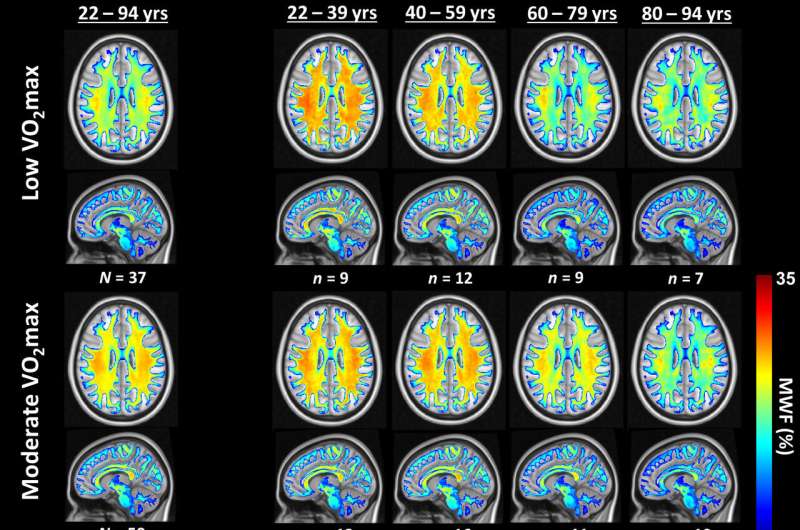
The brain’s white matter comprises areas of the central nervous system made up of myelinated axons. Its name is derived from the pale appearance of the lipids that comprise myelin. Myelin is a segmented sheath that insulates axons, ensuring the conduction of neural signals. The loss of myelin is documented in a number of neurodegenerative pathologies, including Alzheimer’s and Parkinson’s disease, and perhaps most notably, multiple sclerosis. As people age, demyelination becomes more likely.

The brain’s white matter comprises areas of the central nervous system made up of myelinated axons. Its name is derived from the pale appearance of the lipids that comprise myelin. Myelin is a segmented sheath that insulates axons, ensuring the conduction of neural signals. The loss of myelin is documented in a number of neurodegenerative pathologies, including Alzheimer’s and Parkinson’s disease, and perhaps most notably, multiple sclerosis. As people age, demyelination becomes more likely.

Previous investigations relying on conventional techniques were not able to isolate myelin from other brain matter; the new MRI technique employed here is more sensitive and specific to measuring myelin content in vivo. In fact, recent studies using multicomponent relaxometry MRI established correlations between local myelin water fraction with cerebral blood flow and motor function, both of which are influenced by cardiorespiratory fitness, which in turn motivated the NIH researchers to pursue the current study using the same technology.

Results

The researchers report that higher cardiorespiratory fitness correlated strongly with greater cerebral myelination. Further, higher cardiorespiratory fitness was associated with better myelin integrity, which was particularly notable in the middle-aged and older participants.

Notably, they found significant positive correlations between the two measures in the frontal lobes and white matter tracts—regions susceptible to early degeneration associated with neurological disorders at the onset of old age. They suggest that cardiorespiratory fitness is likely to be significantly protective for these sensitive brain regions, particularly among the subjects with lifelong fitness.

The researchers note that they were unable to establish a causal link between improved cardiorespiratory fitness and improved myelin integrity and that their results represent a correlation only.

“Nevertheless, our findings suggest that cardiorespiratory fitness is likely to be a valuable indicator of overall health and a potential target for interventions aimed at promoting brain health,” they write.

The study also notes the association of aerobic exercise with neuroprotective adaptations in the brain, as well as the upregulation of neurotrophins and brain-derived neurotrophic factor, which increases brain mitochondrial function. Declines in mitochondrial function have been previously associated with diseases resulting from demyelination.

The researchers suggest that future studies could use their work to study the relationship between physical fitness, brain health and myelin integrity to support brain aging and prevent neurological disorders.

They write, “Additionally, this work lays the foundation for further investigations into the potential therapeutic applications of improving cardiorespiratory fitness or myelination to promote healthy brain aging and combat age-related neurodegeneration, including in Alzheimer’s disease.”

More information: Evidence of association between higher cardiorespiratory fitness and higher cerebral myelination in aging. Proceedings of the National Academy of SciencesDOI: 10.1073/pnas.2402813121

Journal information: Proceedings of the National Academy of Sciences 

https://medicalxpress.com/news/2024-08-brain-links-cardiovascular-health.html

Non-cognitive skills: DNA-based analyses suggest a hidden key to academic success

by Queen Mary, University of London

A new Nature Human Behaviour study, jointly led by Dr. Margherita Malanchini at Queen Mary University of London and Dr. Andrea Allegrini at University College London, has revealed that non-cognitive skills, such as motivation and self-regulation, are as important as intelligence in determining academic success. These skills become increasingly influential throughout a child’s education, with genetic factors playing a significant role.

The research, conducted in collaboration with an international team of experts, suggests that fostering non-cognitive skills alongside cognitive abilities could significantly improve educational outcomes.

“Our research challenges the long-held assumption that intelligence is the primary driver of academic achievement,” says Dr. Malanchini, Senior Lecturer in Psychology at Queen Mary University of London.

“We’ve found compelling evidence that non-cognitive skills—such as grit, perseverance, academic interest, and value attributed to learning—are not only significant predictors of success but that their influence grows stronger over time.”

The study, which followed over 10,000 children from age 7 to 16 in England and Wales, employed a combination of twin studies and DNA-based analyses to examine the complex interplay between genes, environment, and academic performance.

The power of non-cognitive genetics

One of the most striking findings is the increasing role of genetics in shaping non-cognitive skills and their impact on academic achievement. By analyzing DNA, researchers constructed a “polygenic score” for non-cognitive skills, essentially a genetic snapshot of a child’s predisposition towards these skills.

“We discovered that genetic effects associated with non-cognitive skills become increasingly predictive of academic achievement over the school years. In fact, their effect nearly doubles between the ages of 7 and 16,” explained Dr. Allegrini, Research Fellow at University College London.

“By the end of compulsory education, genetic dispositions towards non-cognitive skills were equally as important as those related to cognitive abilities in predicting academic success.”

This finding challenges the traditional view of educational achievement as determined largely by intelligence. Instead, the study suggests that a child’s emotional and behavioral makeup, influenced by both genes and environment, plays a crucial role in their educational journey.

The role of environment

While genetics undoubtedly contributes to non-cognitive skills, the study also emphasizes the importance of environment. By comparing siblings, researchers were able to isolate the impact of shared family environment from genetic factors.

“We found that while family-wide processes play a significant role, the increasing influence of non-cognitive genetics on academic achievement remained evident even within families,” said Dr. Allegrini. “This suggests that children may actively shape their own learning experiences based on their personality, dispositions, and abilities, creating a feedback loop that reinforces their strengths.”

Implications for education

The findings of this study have profound implications for education. By recognizing the critical role of non-cognitive skills, schools can develop targeted interventions to support students’ emotional and social development alongside their academic learning.

“Our education system has traditionally focused on cognitive development,” said Dr. Malanchini. “It’s time to rebalance that focus and give equal importance to nurturing non-cognitive skills. By doing so, we can create a more inclusive and effective learning environment for all students.”

The study also highlights the need for further research into the complex interplay between genes, environment, and education. By understanding these factors, educators and policymakers can develop more effective strategies to support students’ overall development and achieve better educational outcomes.

Dr. Malanchini concluded, “This study is just the beginning. We hope it will inspire further research and lead to a transformation in how we approach education.”

More information: Genetic associations between noncognitive skills and academic achievement over development, Nature Human Behaviour (2024). DOI: 10.1038/s41562-024-01967-9

Journal information: Nature Human Behaviour 

https://medicalxpress.com/news/2024-08-cognitive-skills-dna-based-analyses.html

A new Alzheimer’s study suggests where you live can affect the odds of a diagnosis


Juliana Kim

In the United States, it’s estimated that about 7 million people are living with Alzheimer’s disease and related dementias. But the number of people with a formal diagnosis is far less than that. Now, a new study suggests the likelihood of getting a formal diagnosis may depend on where a person lives.

Researchers at the University of Michigan and Dartmouth College found that diagnosis rates vastly differ across the country and those different rates could not simply be explained by dementia risk factors, like if an area has more cases of hypertension, obesity and diabetes.

The reasons behind the disparity aren’t clear, but researchers speculate that stigma as well as access to primary care or behavioral neurological specialists may impact the odds of getting a formal diagnosis.

“We tell anecdotes about how hard it is to get a diagnosis and maybe it is harder in some places. It’s not just your imagination. It actually is different from place to place,” said Julie Bynum, the study’s lead author and a geriatrician at the University of Michigan Medical School.

Those differences may have potential consequences. That’s because a formal diagnosis of Alzheimer’s opens up access to treatments that may slow down the brain changes associated with the disease. Without that formal diagnosis, patients also would not be eligible for clinical trials or insurance coverage for certain medications. Even in cases of dementia where treatment is not an option, a diagnosis can also help in the planning for a patient’s care.

The findings, published last week in the journal Alzheimer’s & Dementia, emerged from two main questions: What percent of older adults are being diagnosed with dementia across communities in the U.S.? And is the percent we see different from what we would expect?

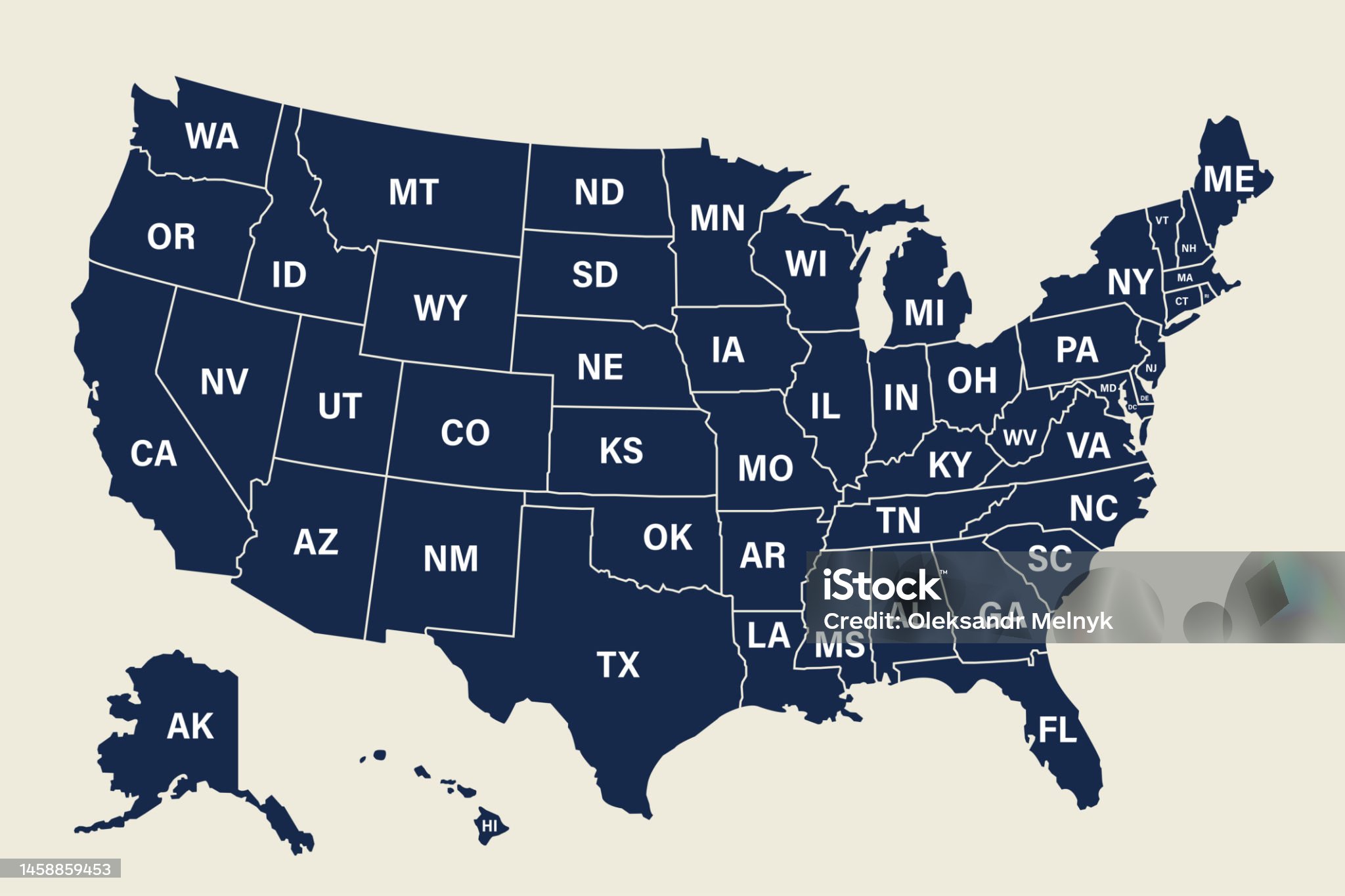
To answer these questions, researchers used Medicare and demographics data to create two maps. The first displayed the percentage of people receiving a formal diagnosis in each hospital referral region (HRR), which divides the country into 306 areas based on where people are likely to seek treatment. The second estimated what the percentage should be in each HRR based on health risk factors and race.

What they discovered was that the two maps were vastly different, with parts of the Great Plains and Southwest seeing less diagnosis than expected. For example, a person in Wichita Falls, Texas, may have twice the likelihood of getting a diagnosis than a person living in Minot, N.D.

“Even within a group of people who are all 80, depending on where you live, you might be twice as likely to actually get a diagnosis,” Bynum said.

It’s difficult to say for certain if an area is under-diagnosing, because researchers compared each HRR to the national diagnosis average instead of the actual number of cases in each community, she added.

But the findings shed new light on why dementia diagnosis is more prevalent in some areas than others — and that it does not simply have to do with an individual’s risk factors alone, but also access to health care resources and education on the disease.

Erin Abner, an epidemiologist at the University of Kentucky who was not involved in the study, said the results were not surprising and that there are many barriers to diagnosis.

“Where we live is a powerful influence on our brain health,” she said. “It is very difficult for adults in many parts of the country to access behavioral neurological specialist care — in many cases waiting lists to be seen are months or even years long.”

For some, language and cultural differences can also impact access to care.

Diagnosing Alzheimer’s can be a long process that includes cognitive and neuropsychological assessments, as well as tests showing the presence of amyloid plaques in the brain. Bynum hopes the findings will help draw attention to the role that health care systems have on diagnosis rates and finding people who may be living with dementia under the radar.

“This other component of what the health care system and our public health system might do in informing and educating populations, that’s also relevant and important,” Bynum said. “And in some ways, we can fix that.”

https://www.npr.org/2024/08/19/nx-s1-5080602/alzheimers-study-regional-differences-diagnosis-dementia

Simple blood test for Alzheimer’s disease could change how the disease is detected and diagnosed

by Trinity College Dublin

Trinity researchers have examined the effectiveness of a new blood test which could change the way Alzheimer’s disease is identified. The blood test (plasma p-tau217) detects the presence of amyloid plaques that build up in the brain of people with Alzheimer’s disease. In the Alzheimer’s brain, abnormal levels of this naturally occurring protein clump together to form plaques that disrupt normal cell function.

A paper published in Alzheimer’s Research & Therapy outlines a study undertaken by the Institute of Memory & Cognition at Tallaght University Hospital (TUH) which could change the way Alzheimer’s disease is detected.

Researchers wanted to know if a simple blood test would be easier and more accurate than a lumbar puncture (spinal tap), which currently is the only method to detect amyloid plaques. The lumbar puncture is invasive, and scans are limited in their availability. The use of blood tests has clear advantages over both of these methods; being less invasive, more straightforward for patients, easier to scale up and less costly.

Using samples from the biobank at the TUH Institute of Memory and Cognition, study lead, Dr. Adam Dyer, examined the performance of the new blood test.

Adam is a geriatric medicine trainee at Tallaght University Hospital and Medical Gerontology, Trinity College Dublin. Patients who are undergoing a diagnostic lumbar puncture for the detection of Alzheimer’s disease at TUH opt to donate cerebrospinal fluid and blood samples for future research. This is crucial in examining the performance of these new blood tests in real-world clinical cohorts.

The research examined how well the new blood test performed in detecting the same proteins (in particular “amyloid” protein) that are looked for in cerebrospinal fluid in samples from the existing biobank.

The potential for significant change in detection

Overall, the blood test was more than 90% as accurate as the outcome from lumbar punctures. Different blood test cut-off values were then examined and it was found that if—theoretically—the blood test was used in the future, over half of lumbar punctures could be avoided.

This has significant implications in terms of invasiveness, length of time to a diagnosis and also may reduce cost. Lumbar punctures are safe and well-tolerated as diagnostic procedures. However, a small number of individuals may experience side-effects such as post-lumbar-puncture headache.

Commenting on the research, Dr. Dyer said, “This study found that blood tests such as plasma p-tau217 demonstrate excellent performance to detect the changes that are characteristic of Alzheimer’s disease.

“In the future, clinical use of these blood tests may enable us to avoid invasive tests such as lumbar punctures in over half of individuals who currently have these procedures performed. This research is one of a handful in the world to assess this in ‘real-world’ clinical cohorts and the first Irish study to examine the performance of these blood tests.”

Moving forward, the next step in this research is to examine if the performance of these blood tests can be matched in diagnostic laboratories. This would mean that patients referred can hopefully have a blood test in the first instance, and that those who clearly have a negative or positive result could avoid the need for diagnostic lumbar puncture.

Commenting on the research, Professor Seán Kennelly, consultant physician in geriatric medicine and director of the Institute of Memory & Cognition, said, “A timely and accurate diagnosis of Alzheimer’s disease is of paramount importance to living well with this condition, and our ability to support diagnosis using a simple blood test like this has the potential to revolutionize this area for affected people.

“We are so grateful to the people attending our clinical services, as none of this research would be possible without their generosity in agreeing to participate, which is such an important role of a teaching hospital.”

More information: Adam H. Dyer et al, Performance of plasma p-tau217 for the detection of amyloid-β positivity in a memory clinic cohort using an electrochemiluminescence immunoassay, Alzheimer’s Research & Therapy (2024). DOI: 10.1186/s13195-024-01555-z

Journal information: Alzheimer\’s Research & Therapy 

https://medicalxpress.com/news/2024-08-simple-blood-alzheimer-disease.html

More evidence that even mild concussions can have lifelong brain impacts

from: https://continentalhospitals.com/diseases/concussion/

by Bob Yirka , Medical Xpress

A team of neuroscientists, brain specialists and psychiatrists, led by a group at Cambridge University, in the U.K, has found evidence suggesting that minor brain injuries that occur early in life, may have health impacts later on.

In their paper published in the journal JAMA Network Open, the group describes how they analyzed and compared MRI scans from hundreds of people participating in the U.K.’s Prevent Dementia study.

Prior research has suggested that some forms of dementia could be related to some types of brain injuries. In this new effort, the research team, hoping to learn more about the impact of concussions or other minor brain injuries on dementia, looked at MRI scans of 617 people between the ages of 40 to 59 who had volunteered to take part in the Prevent Dementia study and who had undergone at least three MRI scans. They also studied their medical histories, focusing most specifically on whether they had had brain injuries anytime during their life.

The research team noted that 36.1% of the volunteers reported having experienced at least one brain injury that was serious enough to have caused them to be unconscious for a short period of time—such injuries are classified as traumatic brain injuries (TBIs).

Looking at the MRI scans, the researchers found higher than normal instances of cerebral microbleeds (1 in 6 of them) and other symptoms of what they describe as evidence of small vessel disease of the brain. They also found that those patients with at least one TBI were more likely to smoke cigarettes, had more sleep problems, were more likely to have gait issues and to suffer from depression. They also noted that the more TBIs a person had, the more such problems became apparent.

Another thing that stood out, the team notes, was that those people who had experienced a TBI when younger had a higher risk of memory problems than did patients with cardiovascular diseasehigh blood pressure or diabetes, a possible clue about their likelihood of developing dementia.

The researchers conclude by suggesting that more work needs to be done to learn about the long-term impacts of TBIs, particularly regarding memory retention problems and possible associations with the development of dementia. They further suggest that their work hints at the possibility of unknown health consequences years after people suffer head injuries.

More information: Audrey Low et al, Neuroimaging and Clinical Findings in Healthy Middle-Aged Adults With Mild Traumatic Brain Injury in the PREVENT Dementia Study, JAMA Network Open (2024). DOI: 10.1001/jamanetworkopen.2024.26774

Journal information: JAMA Network Open 

https://medicalxpress.com/news/2024-08-mild-concussions-lifelong-brain-impacts.html

Five ways the brain can age: 50,000 scans reveal possible patterns of damage

By Michael Eisenstein

An analysis of almost 50,000 brain scans1 has revealed five distinct patterns of brain atrophy associated with ageing and neurodegenerative disease. The analysis has also linked the patterns to lifestyle factors such as smoking and alcohol consumption, as well as to genetic and blood-based markers associated with health status and disease risk.

The work is a “methodological tour de force” that could greatly advance researchers’ understanding of ageing, says Andrei Irimia, a gerontologist at the University of Southern California in Los Angeles, who was not involved in the work. “Prior to this study, we knew that brain anatomy changes with ageing and disease. But our ability to grasp this complex interaction was far more modest.”

The study was published on 15 August in Nature Medicine.

Wrinkles on the brain

Ageing can induce not only grey hair, but also changes in brain anatomy that are visible on magnetic resonance imaging (MRI) scans, with some areas shrivelling or undergoing structural alterations over time. But these transformations are subtle. “The human eye is not able to perceive patterns of systematic brain changes” associated with this decline, says Christos Davatzikos, a biomedical-imaging specialist at the University of Pennsylvania in Philadelphia and an author of the paper.

Previous studies have shown that machine-learning methods can extract the subtle fingerprints of ageing from MRI data. But these studies were often limited in scope and most included data from a relatively small number of people.

To identify broader patterns, Davatzikos’s team embarked on a study that took roughly eight years to complete and publish. They used a deep-learning method called Surreal-GAN that was developed by first author Zhijian Yang while he was a graduate student in Davatzikos’s laboratory. The scientists trained the algorithm on brain MRIs from 1,150 healthy people aged between 20 and 49, and 8,992 older adults, including many experiencing cognitive decline. This taught the algorithm to recognize recurring features of ageing brains, allowing it to create an internal model of anatomical structures that tend to change at the same time versus those that tend to change independently.

The researchers then applied the resulting model to MRI scans from almost 50,000 people participating in various studies of ageing and neurological health. This analysis yielded five discrete patterns of brain atrophy. The scientists linked various types of age-related brain degeneration to combinations of the five patterns, although there was some variability between individuals with the same condition.

Patterns of ageing

For example, dementia and its precursor, mild cognitive impairment, had links to three of the five patterns. Intriguingly, the researchers also found evidence that the patterns they identified could potentially be used to reveal the likelihood of more brain degeneration in the future. “If you want to predict progression from cognitively normal status to mild cognitive impairment, one [pattern] was the most predictive by far,” says Davatzikos. “At later stages, the addition of a second [pattern] enriches your prediction, which makes sense because this kind of captures the propagation of the pathology.” Other patterns were linked to conditions including Parkinson’s disease and Alzheimer’s disease, and one combination of three patterns was highly predictive of mortality.

The authors found clear associations between certain patterns of brain atrophy and various physiological and environmental factors, including alcohol intake and smoking, as well as various health-associated genetic and biochemical signatures. Davatzikos says that these results probably reflect the effect of overall physical well-being on neurological health, because damage to other organ systems can have consequences for the brain.

Davatzikos cautions that the study “doesn’t mean that everything can be boiled down to five numbers”, however, and his team is looking to work with data sets that include a broader range of neurological conditions and have greater racial and ethnic diversity.

doi: https://doi.org/10.1038/d41586-024-02692-z

References

  1. Yang, Z. et al. Nature Med. https://doi.org/10.1038/s41591-024-03144-x (2024).