
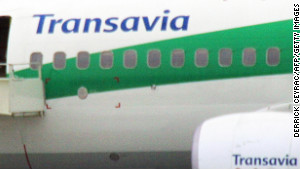
Dutch 737 pilot locked out of cockpit while co-pilot sleeps

plane

Dutch airline Transavia said it has launched an investigation after a Boeing 737 pilot was locked out of the cockpit and his first officer was later found asleep at the controls.

The incident took place in September, when the airliner was en route from Greece to the Netherlands, a top Dutch safety investigation agency said. The 737 landed safely in Amsterdam as scheduled, the airline said Wednesday.

According to a Dutch Safety Board report released Wednesday, the pilot stepped out of the cockpit to take a bathroom break about 2½ hours into the flight.

When he returned a short time later, the pilot used an intercom to ask his first officer to open the door. There was no answer, the report said.

Eventually, the pilot alerted the crew and was able to open the door himself. That’s when he found the first officer asleep, according to the report.

“It’s a serious incident,” said Wim van der Weegen of the Dutch Safety Board, “What makes it serious is the combination of the pilot being unable to access the cockpit and the first officer being asleep.

“By ‘serious incident,’ I mean the flight was in danger,” he said.

The Dutch Safety Board will decide whether to open its own inquiry when the airline’s investigation is finished, van der Weegen said.

Laws regarding pilot breaks during flights vary from country to country. For U.S. carriers, sleeping while at the controls is a violation of FAA regulations. Flights longer than eight hours require a relief pilot on board to take over when pilots sleep.

U.S. airlines also require a flight attendant to be in the cockpit when the pilot or first officer take bathroom breaks, in case the person flying the aircraft becomes incapacitated.

Bart Jansen turns his dead cat into Cat-Copter


The kitty copter currently burning up the Internet is “half cat, half machine,” Jansen said in a SkyNews interview. Orville the deceased cat, himself named for aviation pioneer Orville Wright, was hit by a car, Jansen said. “After a period of mourning, he received his propellers posthumously.”

While Americans may be as surprised as Orville appears to be, as he soars around, spread-eagled, the repurposing of dead pets isn’t unusual outside the United States.

“This is sort of a European flavor of art making,” explained a bemused Paddy Johnson, the well-known art blogger WTF in a phone interview. Artists outside the United States have a history of finding new uses for expired household pets, Johnson went on to explain. That this dead cat can also fly, however, is somewhat new.

Another Dutch artist, Katinka Simonse, is known (and reviled) for her dead animal art projects — most infamously a purse made from her 3-year-old cat Pinkeltje. Unlike Jansen, Simonse, aka TINKEBELL, didn’t wait for nature, or traffic, to take its course. She claims to have snapped her cat’s neck herself. Yet Simonse says her work brings attention to animal suffering.

Far from endearing, Simonse’s art piece made from her dead cat earned her so much hate mail, she published what she says is just 1 percent of the torrent of anger in a book entitled “Dearest Tinkebell,” which also includes personal info about the hate mailers.

Reactions to Jansen’s “Orvillecopter” are far more favorable. Even the People for the Ethical Treatment of Animals can’t quite condemn the Dutch oddity. In a statement provided to msnbc.com, PETA proclaimed:  “It’s a macabre way to honor a beloved family member.”