Open-label placebo injection demonstrates ‘modest’ benefit in chronic back pain

Key takeaways:

  • A non-deceptive placebo injection reduced chronic back pain with effect size similar to typical treatments.
  • Secondary outcome benefits and brain changes lasted up to 1 year.

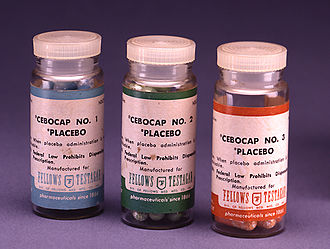
A single saline injection, openly prescribed as a placebo, yielded approximately 1 month of chronic back pain improvement, along with longer-term benefits in depression and sleep, according to data published in JAMA Network Open.

“We have known that placebos can be powerful pain relievers, but it has been unclear how to use them ethically, without patient deception,” Yoni K. Ashar, PhD, assistant professor at the University of Colorado Anschutz Medical Campus, told Healio. “This spurred the development of the ‘open label,’ non-deceptive placebo treatment, which we studied here.”

To investigate the long-term efficacy of open label placebo in chronic back pain, Ashar and colleagues recruited 101 adults (mean age, 40.4 years) with moderate chronic back pain from the Boulder, Colorado, area between November 2017 and August 2018, with a follow-up at 1 year.

Trial participants were randomly assigned to either continue their usual care alone or to also receive a single, open label lumbar saline injection, along with information about how the placebo effect can lead to pain relief. The primary outcome was average pain over the last week 1 month after treatment, measured using a scale of 0 to 10. Secondary outcomes also assessed pain interference, depression, anxiety, anger and sleep quality.

At 1 month, those who received placebo injections reported greater reductions in chronic back pain than the usual care group (relative reduction, 0.61; Hedges g = 0.45; 95% CI, –0.89 to 0.04), according to the researchers.

By 1 year post-treatment, the between-group difference in pain relief was reduced to insignificance. However, after 1 month, other significant benefits were seen in depression, anger, anxiety and sleep disruption, with “medium sized” effect sizes ranging from 0.3 to 0.5 (P < .03 for all).

The researchers also compared neuroimaging between the groups. Functional MRI scans were taken as participants performed both an “evoked” back pain procedure, which used an inflating balloon to cause back distention and pain, and a “spontaneous” pain procedure, where patients rated their pain once per minute over the course of an 8-minute scan.

Overall, the neuroimaging showed “altered brain responses to evoked back pain and altered functional connectivity during spontaneous pain consistent with engagement of descending modulatory pain pathways,” Ashar and colleagues wrote.

The researchers described the placebo injection’s pain relief benefit as “modest in magnitude” but clinically significant and comparable with the effect sizes of typical treatments such as NSAIDs, but with fewer adverse events.

“These findings speak to the power of healing rituals, even when we know they are healing rituals,” Ashar said. “Although we view this study as more mechanistic and conceptually provocative than as clinically applicable, it suggests that providers may be able to ethically prescribe a placebo for their patients one day, without deception. In addition, the duration of benefits on secondary outcomes and the observed brain changes were surprising, considering how brief and minimalist the intervention was.”
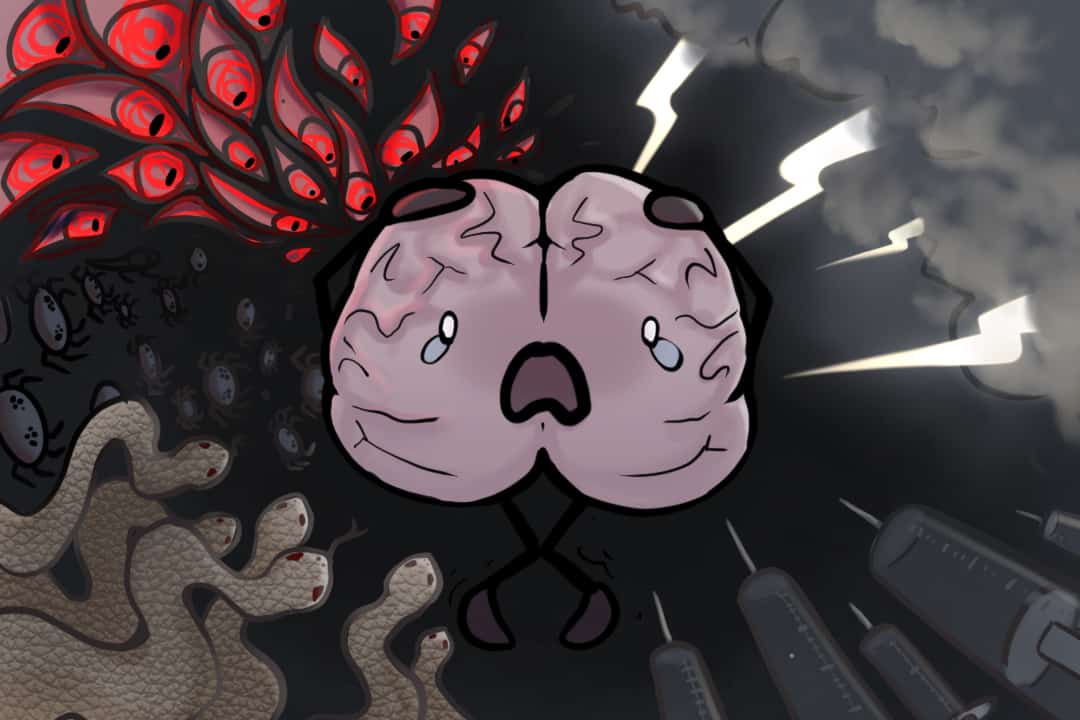

New research shows that different fears are controlled by different parts of the brain

Rodielon Putol

ByRodielon Putol

Earth.com staff writer

Fear strikes in many forms – standing on the edge of a towering skyscraper, glimpsing a tarantula, or feeling your heart race as you prepare to deliver a speech.

The scientific community long believed these scenarios stimulated brains similarly.

“There’s this story that we’ve had in the literature that the brain regions that predict fear are things like the amygdala, or the orbital frontal cortex area, or the brainstem,” said Ajay Satpute, an associate professor of psychology at Northeastern University.

“Those are thought to be part of a so-called ‘fear circuit’ that’s been a very dominant model in neuroscience for decades.”

Challenging the fear circuit model

In early October 2024, Satpute and his team released a study challenging this long-held belief.

The researchers used MRI scans to examine the brain’s response to three distinct fear-inducing scenarios: fear of heights, spiders, and public speaking.

Contrary to prior assumptions, the study revealed each type of fear activated different brain regions, debunking the idea of a universal “fear circuit.”

“Much of the debate on the nature of emotion concerns the uniformity or heterogeneity of representation for particular emotion categories,” noted the researchers.

The team discovered that “the overwhelming majority of brain regions that predict fear only do so for certain situations.”

Research suggests responses to fear are more specific than previously thought. These findings carry important implications for understanding anxiety across species, and how to develop neural signatures for personalized treatments.

Machine learning and fear in the brain

The research tested long-standing assumptions about how fear works, particularly as neuroscience increasingly relies on AI and machine learning to predict emotions.

“Most of those approaches assume that there is a single pattern that underlies the brain-behavior relationship: there’s a single pattern that predicts disgust. There’s a single pattern that predicts anger,” said Satpute.

“Well, if that’s true, then such a pattern should be apparent for different varieties of fear.”

However, when it comes to fear, the study showed a more complex picture.

Focus of the research

In the experiment, the researchers asked 21 participants to identify their fears and used magnetic resonance imaging (MRI) scans to monitor brain activity as they watched videos depicting anxiety-inducing scenarios.

“We tried to find really scary videos of spiders,” Satpute said. “Because I don’t want a neural predictive model that ‘says you’re looking at a spider.’ I want a neural predictive model that says ‘you’re experiencing fear.’”

Revealing fear’s hidden complexities

Following each video, participants rated their levels of fear, valence (how pleasant or unpleasant the experience was), and arousal on a questionnaire.

The study revealed two surprising insights: responses were observed in a wider array of brain regions and not all brain regions were involved across all scenarios.

“The amygdala, for instance, seemed to carry information that predicted fear during the heights context, but not some of the other contexts,” Satpute said. “We’re not seeing these so-called ‘classic threat areas’ involved in being predictive of fear across situations.”

Body’s response to emotional triggers

The research is part of a broader body of work from Satpute’s lab, which focuses on understanding how fear manifests in the body.

In a previous 2021 study, the team explored physiological responses to fear such as sweat and heart rate when facing different triggers like heights or confrontations with law enforcement.

The study also revealed that different triggers caused varied bodily reactions, supporting the idea that fear isn’t one-size-fits-all.

Implications for future treatments

Satpute hopes to replicate these findings with a larger and more diverse participant pool and factoring in demographics like age and gender.

While the current study has a small sample size, the results could reshape how health professionals approach treating fear and anxiety disorders.

“When we look at the brain and the neural correlates of fear, part of the reason we want to understand is so we can intervene on it,” noted Satpute. “Our findings suggest the interventions might also need to be tailored to the person and situation.”

Revolutionizing fear-based therapies

This shift in understanding could revolutionize behavior-based therapies for conditions like phobias and PTSD. It might even impact drug-based treatments.

“Drug-based therapies that target a particular circuit do work, but only for about fiftyish percent of people,” Satpute said. “It’s not really clear why.”

“Our research offers at least some explanation – the brain regions that are going to matter for any emotional experience are going to vary by the person and situation. If you focus only on what’s common, you ignore so much.”

This understanding of fear moves beyond the idea of a “fear circuit” and opens doors for personalized treatments.

Whether it’s the fear of falling, facing a spider, or standing in front of an audience, the research shows fear is more complex than once believed.

The study is published in The Journal of Neuroscience.

https://www.earth.com/news/spiders-heights-or-public-speaking-each-fear-has-a-unique-place-in-the-brain/

Is this how complex life evolved? Experiment that put bacteria inside fungi offers clues

Biologists created a symbiotic system that hints at how cell features such as mitochondria and chloroplasts might have emerged a billion years ago.

Scientists wielding a minute hollow needle — and a bike pump — have managed to implant bacteria into a larger cell, creating a relationship similar to those that sparked the evolution of complex life.

The feat — described1 in Nature on 2 October — could help researchers to understand the origins of pairings that gave rise to specialized organelles called mitochondria and chloroplasts more than one billion years ago.

Endosymbiotic relationships — in which a microbial partner lives harmoniously within the cells of another organism — are found in numerous life forms, including insects and fungi. Scientists think that mitochondria, the organelles that are responsible for cells’ energy production, evolved when a bacterium took up residence inside an ancestor of eukaryotic cells. Chloroplasts emerged when an ancestor of plants swallowed a photosynthetic microorganism.

Determining the factors that formed and sustained these couplings is difficult because they occurred so long ago. To get around this problem, a team led by microbiologist Julia Vorholt, at the Swiss Federal Institute of Technology in Zurich (ETH Zurich), has spent the past few years engineering endosymbioses in the laboratory. Their approach uses a 500-1000 nanometre wide needle to puncture host cells and then deliver bacterial cells one at a time.

Sparking symbiosis

Even with this technical wizardry, initial pairings tended to fail; for instance, because the would-be symbiont divided too fast and killed its host2. The team’s luck changed when they recreated a natural symbiosis that occurs between some strains of a fungal plant pathogen, Rhizopus microsporus, and the bacterium Mycetohabitans rhizoxinica, which produces a toxin that protects the fungus from predation.

Yet delivering bacterial cells into the fungi, which have thick cell walls that maintain a high internal pressure, was a challenge. After piercing the wall with the needle, the researchers used a bicycle pump — and later an air compressor — to maintain enough pressure to deliver the bacteria.

After overcoming the initial shock of surgery, the fungi continued their life cycles and produced spores, a fraction of which contained bacteria. When these spores germinated, bacteria were also present in the cells of the next generation of fungi. This showed that the new endosymbiosis could be passed onto offspring — a key finding.

Vanishing bacteria

But the germination success of the bacteria-containing spores was low. In a mixed population of spores (some with bacteria and some without), those with bacteria vanished after two generations. To see whether relations could be improved, the researchers used a fluorescent cell sorter to select spores containing bacteria — which had been labelled with a glowing protein — and propagated only these spores in future rounds of reproduction. By ten generations, the bacteria-containing spores germinated nearly as efficiently as those without bacteria.

The basis of this adaptation isn’t clear. Genome sequencing identified a handful of mutations associated with improved germination success in the fungus — which was a strain of R. microsporus not known to carry endosymbionts naturally — and found no changes in the bacteria.

The line that germinated most efficiently tended to limit the number of bacteria in each spore, says study co-author Gabriel Giger, a microbiologist at ETH Zurich. “There are ways for these two partners to make a better, easier living with each other. That’s something that’s really important for us to understand.”

Fungal immune system

Researchers don’t know much about the genetics of R. microsporus. But Thomas Richards, an evolutionary biologist at the University of Oxford, UK, wonders whether a fungal immune system is preventing symbiosis — and whether mutations to this system could be easing relations. “I’m a big fan of this work,” he adds.

Eva Nowack, a microbiologist at Heinrich Heine University Düsseldorf in Germany, was surprised at how quickly adaptations to symbiotic life seemed to evolve. In the future, she would love to see what happens after even longer time periods; for example, more than 1,000 generations.

Engineering such symbioses could lead to the development of novel organisms with useful traits, such as the ability to consume carbon dioxide or atmospheric nitrogen, says Vorholt. “That’s the idea: to bring in new traits that an organism doesn’t have, and that would be difficult to implement otherwise.”

doi: https://doi.org/10.1038/d41586-024-03224-5

References

  1. Giger, G. H. et al. Nature https://doi.org/10.1038/s41586-024-08010-x (2024).Article Google Scholar 
  2. Gäbelein, C. G., Reiter, M. A., Ernst, C., Giger, G. H. & Vorholt, J. A. ACS Synth. Biol. 11, 3388–3396 (2022).Article Google Scholar

Your Brain Divides the Day Into “Chapters” Based on Priorities

Summary: New research shows that the brain divides the day into “chapters” based on what a person focuses on. These mental boundaries aren’t solely prompted by changes in surroundings but also by internal goals and priorities. In experiments using audio narratives, participants’ brains organized events differently depending on whether they focused on specific details.

This study suggests that how we experience and remember events is influenced by both context and what matters most to us at the time.

Key Facts:

  • The brain forms new “chapters” based on attention and personal goals, not just environment.
  • MRI scans showed that people segmented stories differently depending on their focus.
  • The research may help explain how expectations influence memory formation.

Source: Columbia University

The moment a person steps off the street and into a restaurant—to take just one example—the brain mentally starts a new “chapter” of the day, a change that causes a big shift in brain activity. Shifts like this happen all day long, as people encounter new environments, like going out for lunch, attending their kid’s soccer game, or settling in for a night of watching TV.

But what determines how the brain divides the day into individual events that we can understand and remember separately?  

That’s what a new paper in the journal Current Biology aimed to find out. 

The research team, led by Christopher Baldassano, an associate professor of Psychology, and Alexandra De Soares, then a member of his lab, turned up interesting results.

The researchers wanted to better understand what prompts the brain to form a boundary around the events we encounter, effectively registering it as a new “chapter” in the day.

One possibility is that new chapters are entirely caused by big changes in a person’s surroundings, like how walking into a restaurant takes them from outdoors to indoors.

Another possibility, however, is that the new chapters are prompted by internal scripts that our brain writes based on past experience, and that even big environmental changes might be ignored by our brain if they are not related to our current priorities and goals.

To test their hypothesis, researchers developed a set of 16 audio narratives, each about three to four minutes long. Each narrative took place in one of four locations (a restaurant, an airport, a grocery store, and a lecture hall) and dealt with one of four social situations (a breakup, a proposal, a business deal, and a meet cute).

The researchers found that the way the brain divides up an experience into individual events depends on what a person currently cares about and is paying attention to.

When listening to a story about a marriage proposal at a restaurant, for example, subjects’ prefrontal cortex would usually be organizing the story into events related to the proposal, leading up (hopefully) to the final “yes.”

But the researchers found that they could force the prefrontal cortex to organize the story in a different way if they instead asked study participants to focus on the events related to the dinner orders of the couple. For study participants who were told to focus on these details, moments like ordering dishes became critical new chapters in the story.

“We wanted to challenge the theory that the sudden shifts in brain activity when we start a new chapter of our day are only being caused by sudden shifts in the world—that the brain isn’t really ‘doing’ anything interesting when it creates new chapters, it’s just responding passively to a change in sensory inputs,” Baldassano said.

“Our research found that isn’t the case: The brain is, in fact, actively organizing our life experiences into chunks that are meaningful to us.”

The researchers measured where the brain created new chapters both by looking at MRI scans of the brain to identify fresh brain activity, and, in a separate group of participants, by asking them to press a button to indicate when they thought a new part of the story had begun.

They found that the brain divided stories into separate chapters depending on the perspective they were told to be attuned to—and it didn’t just apply to the proposal-in-a-restaurant scenario: A person hearing a story about a breakup in an airport could, if prompted to pay attention to details of the airport experience, register new chapters as they went through security and arrived at their gate.

Meanwhile, a person who heard a story about a person closing a business deal while grocery shopping could be prompted to register either the new steps of the business deal as new chapters, or to be attuned primarily to the phases of grocery shopping instead.

The details that the study participants were prompted to pay attention to influenced what their brain perceived as a new chapter in the story.

Moving forward, the researchers hope to investigate the impact that expectations have on long-term memory. As part of this study, the researchers also asked each participant to tell them everything they remembered about each story.

They are still in the process of analyzing the data to understand how the perspective they were asked to adopt while listening to the story changes the way they remember it. More broadly, this study is part of an ongoing effort in the field to build a comprehensive theory about how real-life experiences are divided up into event memories.

The results indicate that prior knowledge and expectations are a key ingredient in how this cognitive system works.

Baldassano described the work as a passion project.

“Tracking activity patterns in the brain over time is a big challenge that requires using complex analysis tools,” he said: “Using meaningful stories and mathematical models to discover something new about cognition is exactly the kind of unconventional research in my lab that I am most proud of and excited about.”

About this neuroscience research news

Author: Christopher Shea
Source: Columbia University

Are UFOs real? Historical markers say yes


by Laura Sullivan

Mayor Jay Willis stands next to a historical marker for a UFO sighting in Pascagoula, Miss.

Pascagoula Mayor Jay Willis stands next to a historical marker that claims aliens came from outer space and abducted two local men in 1973.

Laura Sullivan/NPR

Pascagoula, Miss., is known for building Navy ships, but city officials say it’s actually famous for two other things.

First, it’s the birthplace of Jimmy Buffett. The city put up a historical marker outside his childhood home.

And then there’s the second thing: space aliens. The city put up a marker for them too.

“It was the evening of October 11, 1973 when two local shipyard workers went fishing,” the marker says, at the edge of the Pascagoula River.

The sign says Charles Hickson and Calvin Parker spotted a football-shaped craft, which took them aboard.

“Inside the craft, Hickson was examined by a robotic eye, then both men were deposited back on the river bank and the space ship shot away,” the marker says. Stamped at the bottom is the seal of the city of Pascagoula and the Jackson County Historical and Genealogical Society.

Mayor Jay Willis says when it came to writing this marker, authorities saw no reason to hedge.

“Because these two guys had the same story of what happened, how it happened for the rest of their lives,” Willis explains. “This marker is going to be there for a long, long time. It’s a lasting tribute … to what occurred right here in Pascagoula.”

There’s no way to really know what happened that night in 1973, when the men waded headfirst into one of humanity’s greatest mysteries: Are we alone?

But the marker is now one of at least 15 that say, without hesitation, that aliens have come to visit Earth.

They join more than 180,000 other historical markers dotting the country’s landscape, and NPR found they wouldn’t be the first to claim something that may, or may not, be true.

There’s a marker in Massachusetts that claims the town was once home to a real, live wizard. New York has a marker about a ghost that plays the fiddle on a bridge in the moonlight.

https://apps.npr.org/dailygraphics/graphics/alien-historical-markers-20240910/?initialWidth=953&childId=responsive-embed-alien-historical-markers-20240910&parentTitle=More%20than%2015%20markers%20claim%20aliens%20and%20UFOs%20have%20visited%20Earth%20%3A%20NPR&parentUrl=https%3A%2F%2Fwww.npr.org%2F2024%2F09%2F27%2Fnx-s1-5042000%2Faliens-ufo-mystery-historical-markers-mississippi

But locals say Pascagoula’s alien marker is no tourist stunt.

“If you’re going to be known for something, why the heck not?” says Rebecca Davis, who helped write the marker when she ran the development group Main Street Pascagoula.

At first, she says, most people in town didn’t believe the men’s story.

“They thought they were just off their rockers,” Davis says, standing next to the wooded area by the river where the men said they were abducted. “And we’re in the Bible Belt, you know? Like, my grandma told me, ‘Girl, hush, we don’t talk about that stuff.’”

Rebecca Davis, who used to run Main Street Pascagoula, helped write the marker. She says people today are more open to the idea that the story could be true.

Laura Sullivan/NPR

But as time passed, Davis says, the feeling changed. There was also a recording of the men, who have since died, talking about their experience that believers say gives it credibility.

“People back then, I really think they wanted to believe, but they were scared to believe,” she says, “and now’s a different time, a different age, and more openness.”

That openness has spread across American society. Half of Americans now believe that military reports of UFOs are likely evidence of intelligent life outside Earth, according to a 2021 Pew Research Center survey.

But openness is different than etching facts into a bronze or acrylic plaque and staking it into the dirt.

Scott and Suzanne Ramsey put up one of the nation’s first alien markers in 1999 in the high desert near Aztec, N.M., where they say a spaceship crashed in 1948.

“We welded up a metal stand and had a local trophy shop do the engraving,” Scott Ramsey says. They replaced it with a new version in 2007.

“I think it kind of lends credibility to the fact that something did happen there,” he says.

It’s always been difficult to argue with historical markers. That’s part of their allure. Rewriting them means taking the whole sign down and starting over.

And that permanence has made alien markers an attraction. The Aztec visitor center now hands out maps and hosts the Alien Run mountain bike race.

UFO enthusiasts say they pass around road trip ideas. Start in Lincoln, N.H., where a marker says Betty and Barney Hill were abducted. Head to Franklin, Ky., where another describes how a National Guard pilot died chasing a UFO. On to Shiloh, Ill., which tells of a “confirmed UFO sighting.”

Fascination with extraterrestrials isn’t new, but what was once left to low-budget sci-fi movies has taken on a new seriousness. There’s declassified military reports, even interest from Congress.

Still, none of it has amounted to much actual proof, and even as Frank Drake pointed the first radio telescope at the stars in 1960, and far more sophisticated probes have been searching for the last 20 years, those efforts have so far been met with silence.

That hasn’t stopped cities from stamping alien markers with official emblems and crests.

On a recent afternoon in Pascagoula, Thearon Ephriam and his uncle, David Ephriam, took a break from fishing to read the sign.

“As dusk fell a buzzing sound alerted them to a football-shaped craft hovering behind them,” David Ephriam read from the sign as he started to chuckle. “Ain’t this something?” he asked.

Pascagoula’s alien marker is now one of at least 15 that claim extraterrestrials have come to Earth.

Laura Sullivan/NPR

Thearon Ephriam pointed to the city of Pascagoula logo. “They put a whole stand up,” he said, laughing. “Gotta be some truth in it.”

“So we have to be aware when we come out here,” David said.

Thearon raised his eyebrows. “If we see a football-shaped craft we know to get low.”

“If one comes up behind you and looks like a football,” David laughed, “don’t look back, dive.”

However future researchers may view these signs years from now, even UFO enthusiasts wouldn’t argue with that advice.

https://www.npr.org/2024/09/27/nx-s1-5042000/aliens-ufo-mystery-historical-markers-mississippi

Multiple surgeries could contribute to cognitive decline in older people

by University of Sydney

Multiple surgeries could lead to cognitive decline, a University of Sydney study has found, using data from the United Kingdom’s Biobank to analyze half a million patients aged 40 to 69 and followed over 20 years of brain scans, cognitive tests and medical records.

Many families have stories of how repeated surgeries and hospitalizations worsened the reaction time and memory of elderly relatives. Now, a University of Sydney led study has revealed multiple surgeries have a small effect on memory, reaction time, task-switching and problem-solving for older patients with each additional surgery.

The study also found brain MRIs of people who had surgeries also showed physical differences in areas of the brain responsible for memory.

It is the first study of its kind to investigate the impact of multiple, complex surgeries on brain health, using brain imaging techniques such as MRIs in a large population.

The international team examined data from almost half a million adults aged between 40 to 69 years in the United Kingdom who underwent surgeries, ranging from day surgery to heart bypass operations, with diagnostic procedures and neurosurgery excluded.

As part of the study, patients then underwent brain MRIs and cognitive function testing for signs of neurodegeneration.

The study found that, with each additional surgery, patients’ overall reaction time slowed by 0⋅3 milliseconds. Cognitive flexibility, problem-solving, and the ability to remember pictures and numbers also decreased with each additional surgery.

People who had surgeries were also found to have a smaller hippocampus, the area of the brain responsible for memory and learning. They also had more evidence of brain damage associated with blocked blood vessels, compared to those who did not undergo repeated surgeries.

“The results suggest that the cognitive decline per surgery may seem small, but those changes and losses in neurodegeneration really start to add up after multiple surgeries,” says lead researcher Dr. Jennifer Taylor from the University of Sydney’s Faculty of Medicine and Health.

“We found that surgeries are safe on average but also that the burden of multiple surgeries on the brain health of older patients should not be underestimated.”

“This is a reminder to medical professionals to consider all treatment options and be cautious in recommending major surgery for older and more vulnerable patients. If surgery is the best or only treatment option, patients should be reassured that the cognitive harm from each surgery is small on average. Nonetheless, careful attention in perioperative care is required to prioritize brain health and recovery.”

Published in The Lancet Healthy Longevity, the researchers examined the impact of surgical and medical hospital admissions on cognition, using a large population- based sample of British adults from UK Biobank from 2006–2023.

UK Biobank is the world’s most comprehensive source of health data available for research, housing a vast and continuously growing dataset of biological, health and lifestyle information collected over 15 years from half a million UK volunteers.

Data was pooled from 46,706 people, who all underwent detailed magnetic resonance imaging (MRI) and detailed cognition tests.

Participants were tested on their reaction time, memory and ability to think flexibly, by answering a series of language and mathematics questions.

This study continues work from the same research team who previously found both major surgery (including cardiac, thoracic, vascular, and intracranial surgeries), and hospital admissions are associated with cognitive decline among older patients.

The researchers say future work should focus on understanding the biological inner workings of neurodegeneration. One hypothesis suggests inflammation could be the reason for delayed cognitive recovery after surgery, and understanding how this leads to brain damage will be a key next step.

“This paper represents a critical milestone for our field, defining the importance of research into perioperative brain health. We are already testing potential therapeutics in clinical trials as we strive to advance safe anesthesia and perioperative care,” said senior author Professor Robert Sanders from the University of Sydney and Royal Prince Alfred Hospital.

More information: Jennifer Taylor et al, Association between surgical admissions, cognition, and neurodegeneration in older people: a population-based study from the UK Biobank, The Lancet Healthy Longevity (2024). DOI: 10.1016/j.lanhl.2024.07.006

Provided by University of Sydney 

https://medicalxpress.com/news/2024-09-multiple-surgeries-contribute-cognitive-decline.html

Serotonin levels in the brain increase with reward value

by Dartmouth College

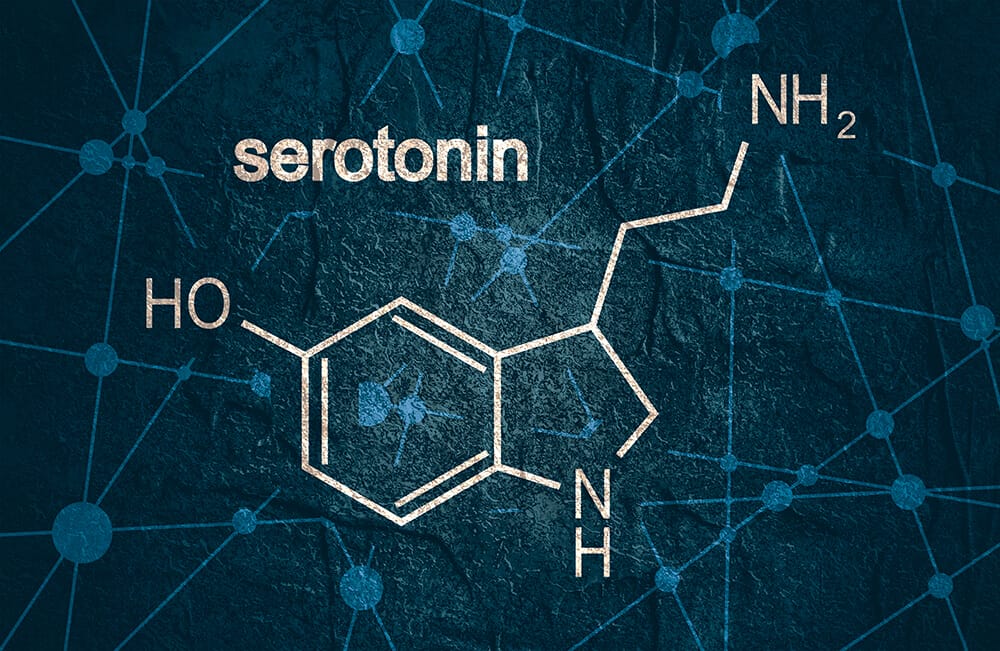
Serotonin is often referred to as the “happiness molecule.” It plays a critical role in affecting mood levels and is also a neurotransmitter that sends signals within the brain and the body.

Researchers have generally thought that the chemical plays a global role in modulating brain states by acting over a longer timescale than dopamine, which signals reward but operates on a much shorter timeframe.

Now, a Dartmouth study published in The Journal of Neuroscience reports that serotonin increases in anticipation of a reward and scales with the value of that reward.

For decades, prior research has looked at the release of dopamine levels in encoding the value of rewards at a subsecond timescale using a technique that enabled scientists to monitor it throughout different areas in the mouse brain.

Techniques for monitoring serotonin at this timescale did not previously exist, leaving many unknowns about when serotonin is released in the brain because of its widespread projections. Serotonin is an extraordinarily complex system, with the cells located in one small region of the brain, which then send their messages to pretty much every other area of the brain.

There are 14 serotonin receptors, which are like 14 different locks and the key, serotonin, can fit into any one of those locks, unlocking a different message depending on the door. This explains why past studies have focused on targeting those receptors before it was possible to examine serotonin itself.

“In this research we used a new biosensor called GRAB-serotonin, for short, that could, for the first time, measure the molecule by ‘grabbing’ serotonin released in the brain, while the mouse was running around receiving a tasty treat,” says senior author Kate Nautiyal, an assistant professor of psychological and brain sciences at Dartmouth.

Using a technique called fiber photometry, light can be used to trigger and then measure fluorescence fluctuations from a biosensor like GRAB, whenever serotonin is detected. The team was able to study the release of serotonin in mice while they received rewards, which in this case were varied concentrations of evaporated milk, which mice love. The researchers were then able to look at how serotonin levels changed depending on how good the reward was.

“We had a pretty good understanding that if you alter serotonin signaling by targeting receptors or manipulating reuptake such as with selective serotonin reuptake inhibitors, which are used in antidepressants, you get these broad impacts on mood and can change the way that animals or individuals seem to regulate behavior,” says co-author Mitchell Spring, a postdoctoral researcher who worked on this project in the Nautiyal Lab, a behavioral neuroscience lab in the Department of Psychological and Brain Sciences at Dartmouth.

The results showed that consumption of higher concentrations of the reward was associated with greater serotonin release. When the mice were thirsty and were given water, there was a big serotonin signal, and when they were satiated with a good reward and were full, the serotonin signal was not as strong.

The findings also showed that if you give mice a cue that predicts the reward, serotonin levels rise during the cue, or anticipation, of the reward.

“We found that you can modulate the serotonin signal with the subjective value of the reward,” says Nautiyal. “Our results tell us that serotonin is really a signal in the brain monitoring how good a reward is.”

In measuring the release of serotonin, the team focused on one brain region, the dorsomedial striatum, which has previously been associated very strongly with dopamine, decision-making, and impulsivity.

The researchers say that selective serotonin reuptake inhibitors are widely prescribed and generally effective but we don’t fully understand how they work or what serotonin is doing to address the behaviors that these antidepressants are treating.

“A better understanding of how serotonin is operating at baseline or in healthy individuals during a positive experience could be used to develop more targeted treatments for psychiatric disorders like depression and addiction,” says Nautiyal.

More information: Mitchell G. Spring et al, Striatal serotonin release signals reward value, The Journal of Neuroscience (2024). DOI: 10.1523/JNEUROSCI.0602-24.2024

Journal information: Journal of Neuroscience 

https://medicalxpress.com/news/2024-09-fiber-photometry-technique-serotonin-brain.html

Carbon bond that uses only one electron seen for first time

By Katherine Bourzac

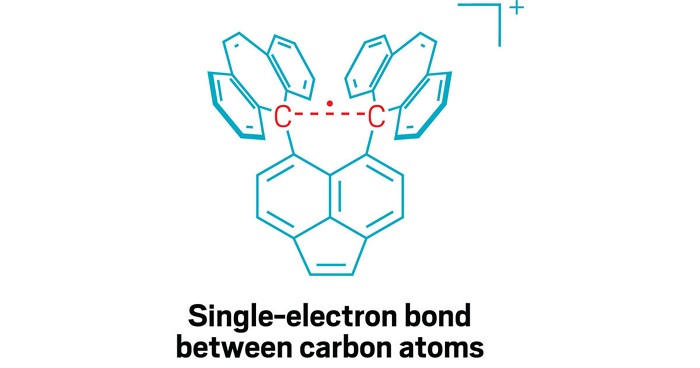
For a little more than a century, chemists have believed that strong atomic links called covalent bonds are formed when atoms share one or more electron pairs. Now, researchers have made the first observations of single-electron covalent bonds between two carbon atoms.

This unusual bonding behaviour has been seen between a few other atoms, but scientists are particularly excited to see it in carbon, the basic building block of life on Earth and the key component of industrial chemicals including drugs, plastics, sugars and proteins. The discovery was published1 in Nature on 25 September.

“The covalent bond is one of the most important concepts in chemistry, and discovery of new types of chemical bonds holds great promise for expanding vast areas of chemical space,” says University of Tokyo chemist Takuya Shimajiri, who was part of the carbon bonding research team.

Most chemical bonds in molecules are made up of a single pair of electrons, shared between atoms. These are called covalent single bonds. In particularly strong bonds, atoms might share two electron pairs in a double bond, or three pairs — a triple bond. But chemists know that atoms interact in many other ways, and by studying more unusual bond types at the boundaries of the possible, they hope to better understand what a chemical bond is in the first place.

Pauling’s proposal

The concept of single-electron covalent bonds dates to 1931, when chemist Linus Pauling proposed them. But at the time, chemists didn’t have the tools to observe such bonds, says Marc-Etienne Moret, a chemist at Utrecht University in the Netherlands. Even with modern analytical techniques, these bonds are challenging to observe. “The situation in which only one electron makes a bond is very unstable,” says Moret. “This means the bond will break easily and have a strong tendency to either release or capture an electron to restore an even number of electrons.”

In 1998, scientists observed2 a single-electron bond between two phosphorus atoms; Moret was part of a group that created3 one between copper and boron in 2013. Chemists have theorized that these unusual bonds might occur between carbon atoms in short-lived intermediate structures that appear during chemical reactions. But to observe these fickle bonds, chemists have to stabilize a compound that contains them. A stable compound that contains a one-electron C–C bond had eluded chemists.

Shimajiri says the key to observing the single-electron carbon bond was carefully designing a molecule that would stabilize it. The research team, which included Hokkaido University chemist Yusuke Ishigaki, created a molecule that provides a stable ‘shell’ of fused carbon rings that helps hold together the carbon–carbon bond in its centre. That central bond is stretched out to a relatively long length for a C–C bond, which makes it susceptible to losing one electron in an oxidation reaction, creating the elusive single-electron bond.

Stable bond

To capture this compound in a stable, observable form, they crystallized it. When the oxidation is performed in the presence of iodine, the reaction yields a purple salt, with the stable shell of the molecule holding together the single-electron C–C bond inside. They then used various analytical techniques to characterize the molecule and the bond. Shimajiri says the compound is extremely stable under ambient conditions.

“In several chemical reactions, the involvement of one-electron bonds has been proposed, but so far, they have remained hypothetical,” says Shimajiri. Creating stable compounds containing these bonds could help researchers to better understand what happens during these reactions.

Guy Bertrand, a chemist at the University of California, Santa Barbara, was part of the team that created the phosphorus single-electron bond. He says it’s significant to see it in carbon. “Anytime you do something with carbon, the impact is greater than with any other element,” he says. Carbon is the stuff of organic chemistry. But he says it’s not so easy to say whether this work will have any applications. “This is a curiosity,” he says. “But it will be in the textbooks.”

Shimajiri hopes that the description of the single-electron carbon bond will help chemists to better understand the basic nature of chemical bonds. “We aim to clarify what a covalent bond is — specifically, at what point does a bond qualify as covalent, and at what point does it not?”

doi: https://doi.org/10.1038/d41586-024-03138-2

Research Misconduct Committed by Director of the Division of Neuroscience at the National Institute on Aging

The NIH announced that Eliezer Masliah, MD, now former director of the division of neuroscience at the National Institute on Aging, engaged in research misconduct while serving in the agency.

The NIH said in a statement that Masliah committed falsification and/or fabrication involving repeated use and relabeling of “figure panels representing different experimental results in two publications.”

The NIH further stated it will notify the two journals in which the panels appeared of its findings so that appropriate action can be taken.

The agency initiated a research misconduct review process in May 2023 after it was notified of allegations from the HHS Office of Research Integrity. An investigation was subsequently initiated in December 2023 and concluded on Sept. 15.

Masliah joined the NIH in 2016 as director of the division of neuroscience at the National Institute on Aging (NIA) and an intramural researcher studying synaptic damage in patients with neurodegenerative disorders. Per the NIH, he no longer serves as director. NIA Deputy Director Amy Kelley, MD, has assumed the role of acting director.

The NIH declined to comment further when asked about details surrounding its decision.

https://www.healio.com/news/neurology/20240926/nih-finds-neuroscience-director-engaged-in-research-misconduct

Garage sale study provides yet another reason to sleep on it before making an important decision

y R.A. Smith, Duke University

Conventional wisdom holds that people are easily seduced by first impressions, and there’s solid scientific evidence that initial snap judgments are hard to shake—even when they turn out to be inaccurate.

But according to a new study, sleeping on it can help us avoid judging a book solely by its cover.

In research published Sept. 9 in the Journal of Experimental Psychology: General, a team of researchers at Duke University started with an age-old question: Is it better to start strong with a good first impression, or end on a good note?

To shed some light on the issue, they did a study involving an imaginary garage sale. In a series of experiments conducted online, the researchers asked participants to look through virtual boxes of unwanted goods for items to include in the sale.

Most of the items inside each box weren’t worth much—an old alarm clock, for example, or a potted plant. A few special objects, like a nice lamp or a teddy bear, were worth more.

The participants earned real cash based on the boxes they chose, so they were motivated to figure out which boxes were most valuable.

Unbeknownst to the participants, however, the combined total value of the 20 items in each box was the same. It was the sequence of the “junk” versus the “gems” that varied.

In some of the boxes, all the valuable items were on top, so as the participants unpacked the box they spotted those items first. Other boxes had their valuable items clustered in the middle or at the bottom, and in some boxes they were intermixed.

After the participants had opened the different boxes, the researchers asked them to estimate the value of each one and choose their favorites. Some participants judged the boxes immediately, but others “slept on it” and decided after an overnight delay.

A pattern quickly emerged: When the participants had to make a decision right away, they tended to remember and judge boxes not by the entirety of their contents, but rather by the first few items they came across.

“We found that people are strongly biased by first impressions,” said lead author Allie Sinclair, who did the research as part of her Ph.D. in the lab of Dr. Alison Adcock, a Duke professor of psychiatry and behavioral sciences.

Over and over again, the participants went for boxes with valuable items on top. When they spotted these “treasures” first before the low-priced items, they were more likely to pick that box than if they had seen the cheap stuff first.

Not only did the participants consistently go for the boxes that “started strong” over the others, they also tended to overestimate their value—guessing they were worth 10% more money than they actually were.

This is an example of a psychological phenomenon called primacy bias, said Sinclair, who is now a postdoctoral fellow at the University of Pennsylvania.

When it comes to forming an overall opinion of something, it turns out we are unduly influenced by the first information we encounter, even when new facts come to light.

In the case of the garage sale experiment, this bias prevented participants from comparing the boxes rationally, and even led them to believe that some boxes were more valuable than they really were. At the same time, ironically, they were less able to recall specifics when asked which items in these preferred boxes were the “treasures.”

However, participants who weren’t asked to decide until the next day were less likely to fall into these traps.

“They made more rational choices, equally favoring boxes with clusters of valuable items at the beginning, middle, or end,” Sinclair said.

Participants who “slept on it” no longer overwhelmingly preferred the boxes that made a good first impression. Boxes that saved the best for last were weighted equally favorably in their mental calculus.

“Judging from first impressions may actually be a good thing for choices in the moment,” Adcock said. Say you’re watching the opening scene of a movie or skimming the first few pages of a book. Quick snap judgments based on these initial impressions can help us decide when it might be better to move on before we invest too much time and effort.

But when it comes to situations with longer-term stakes—for example, going back to a restaurant, or hiring or dating,—”there’s wisdom in the idea of ‘sleeping on it’ before making a decision,” Sinclair said.

“This is an exciting first look at how our brains summarize a rewarding experience,” Adcock added. “When it’s over, our brain knits it all together in memory to help us make better choices—and that neat trick happens overnight.”

Alyssa H. Sinclair et al, First impressions or good endings? Preferences depend on when you ask., Journal of Experimental Psychology: General (2024). DOI: 10.1037/xge0001638

Journal information: Journal of Experimental Psychology: General 

https://medicalxpress.com/news/2024-09-garage-sale-important-decision.html